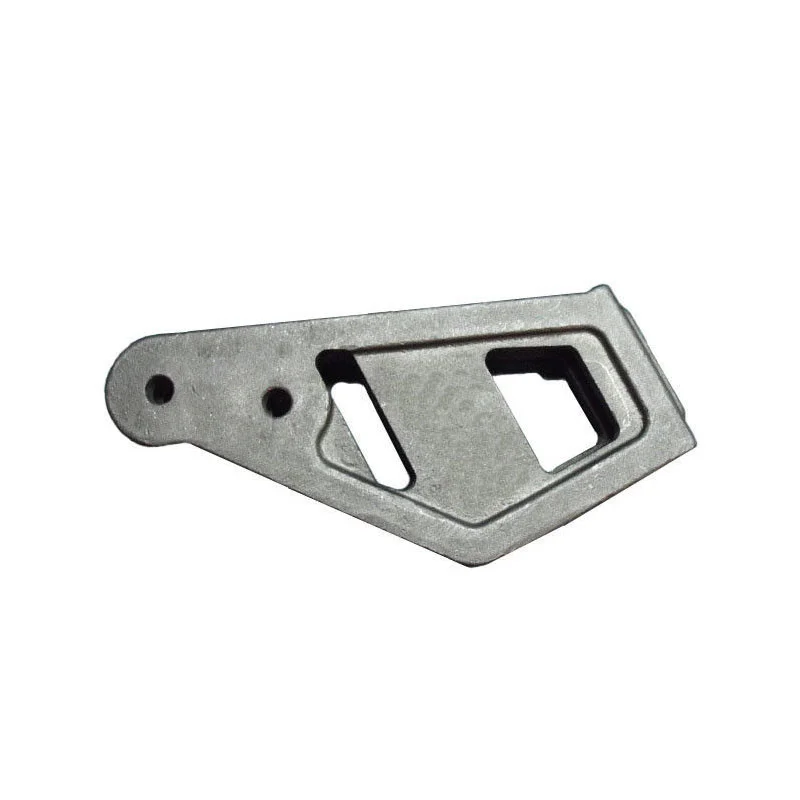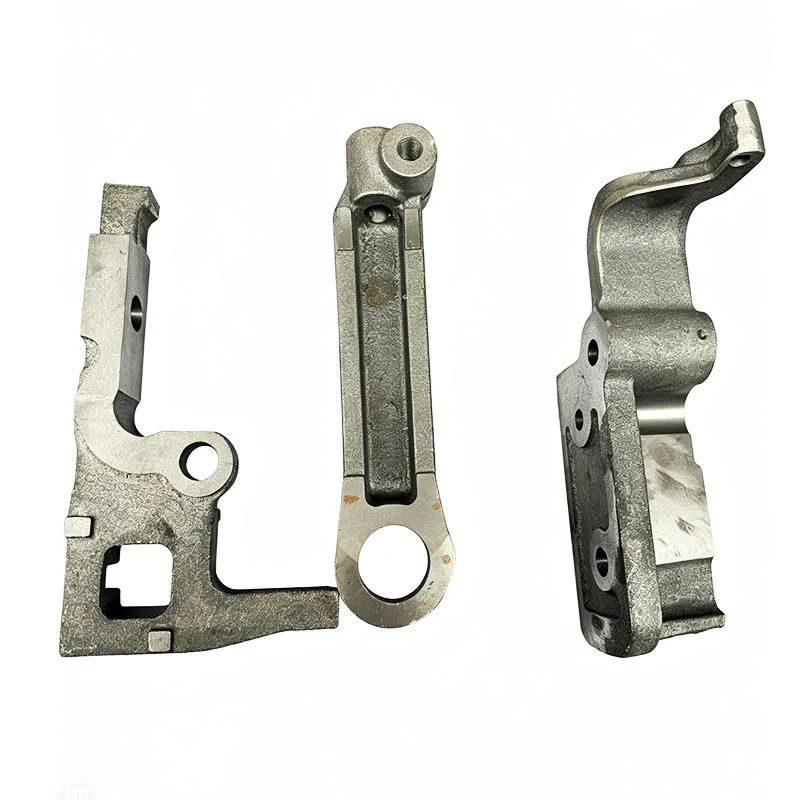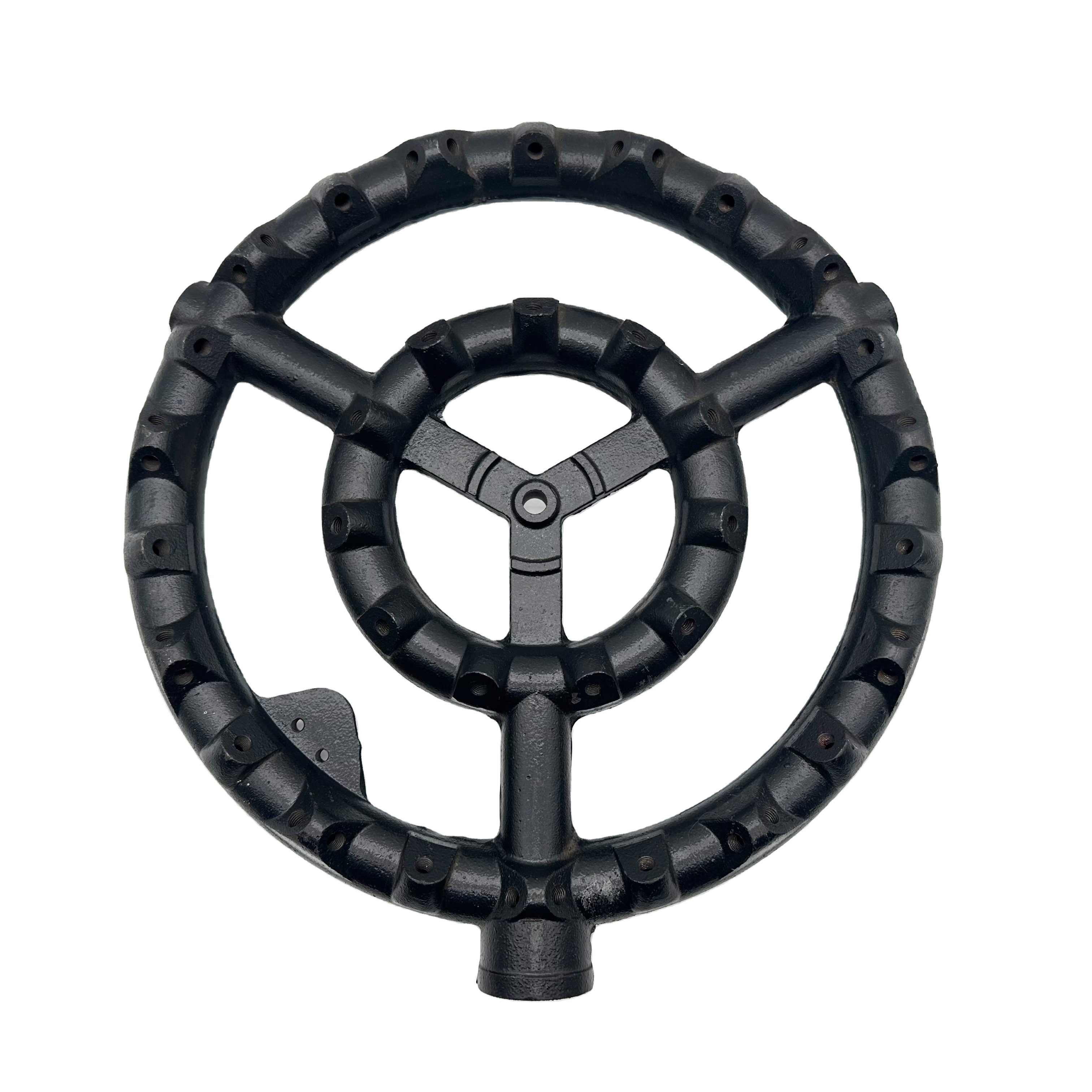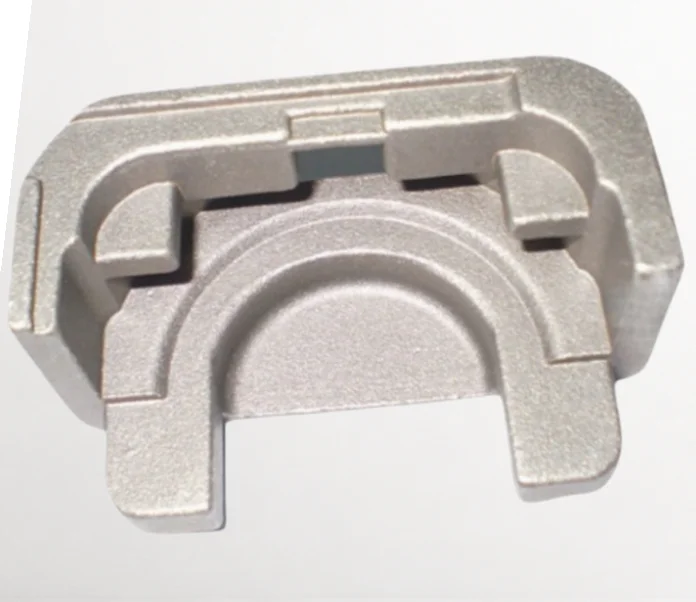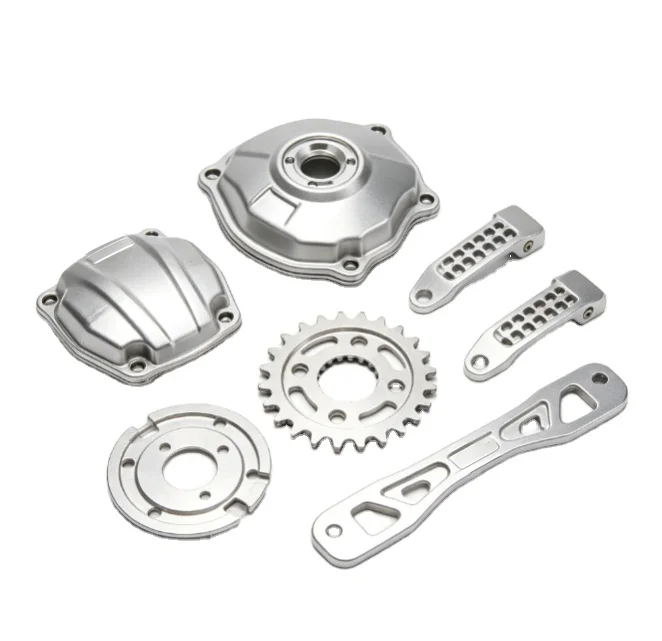
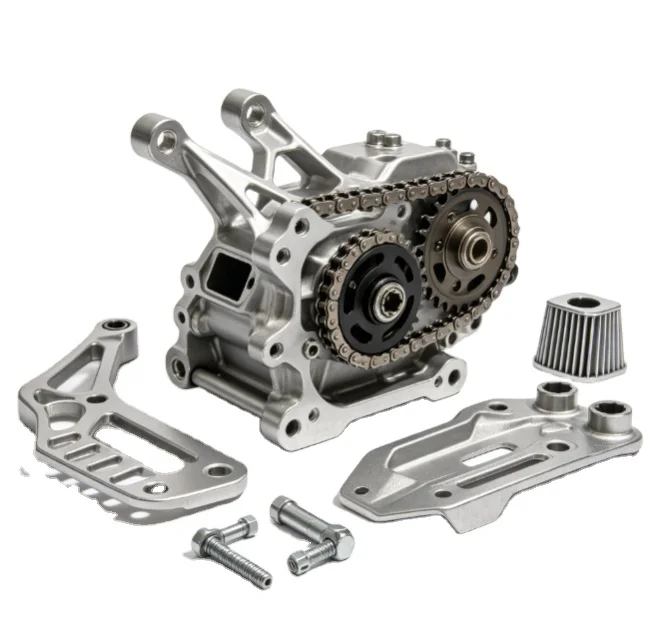
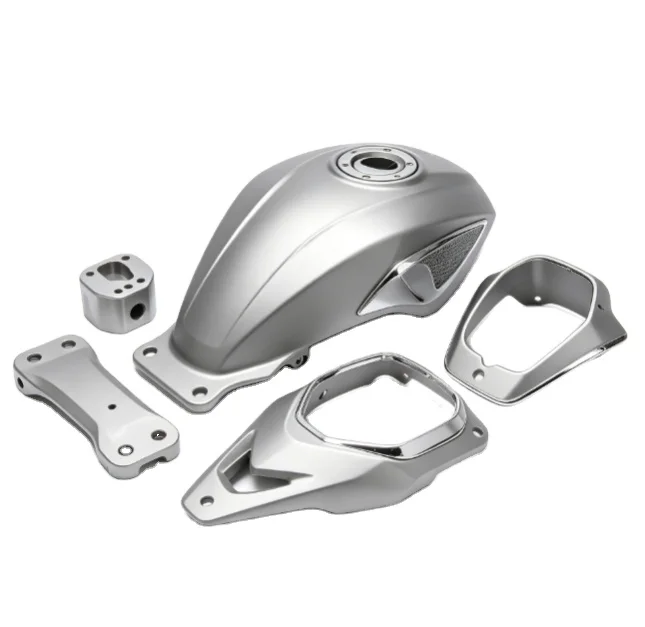
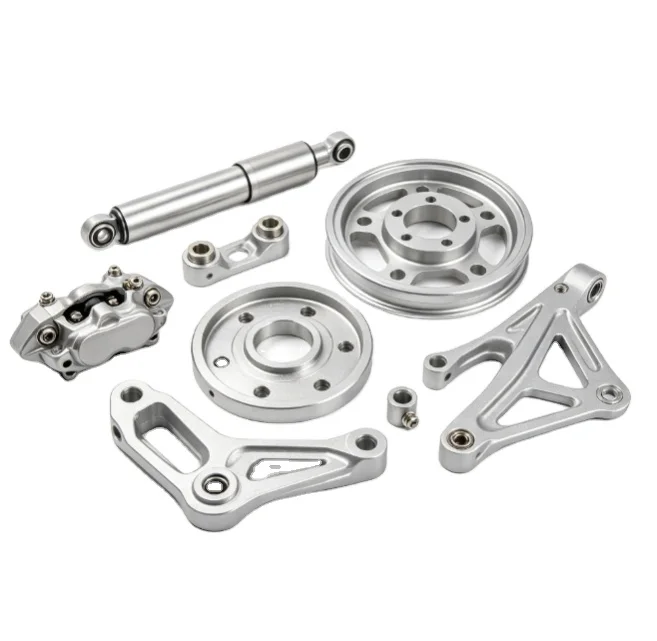
Custom Aluminum Sand Cast Motorcycle Engine Covers with Separate Stainless Steel CNC Turning Milling OEM ODM Enquiries
Direct factory support
Get a quote that fits your project
Send your drawing or product reference, material grade and required quantity. Relia will review the requirements with you.
- Drawing & specification review
Confirm the supply scope and critical requirements.
- Samples before custom production
Review inspected samples before approving a batch.
- Inspection documents
Agree material and dimensional records for your part.
-
MaterialStainless SteelProcessCNC Turning Milling
-
OEMAccecptedLogoCustomer Logo
-
Delivery Time15~45 Days
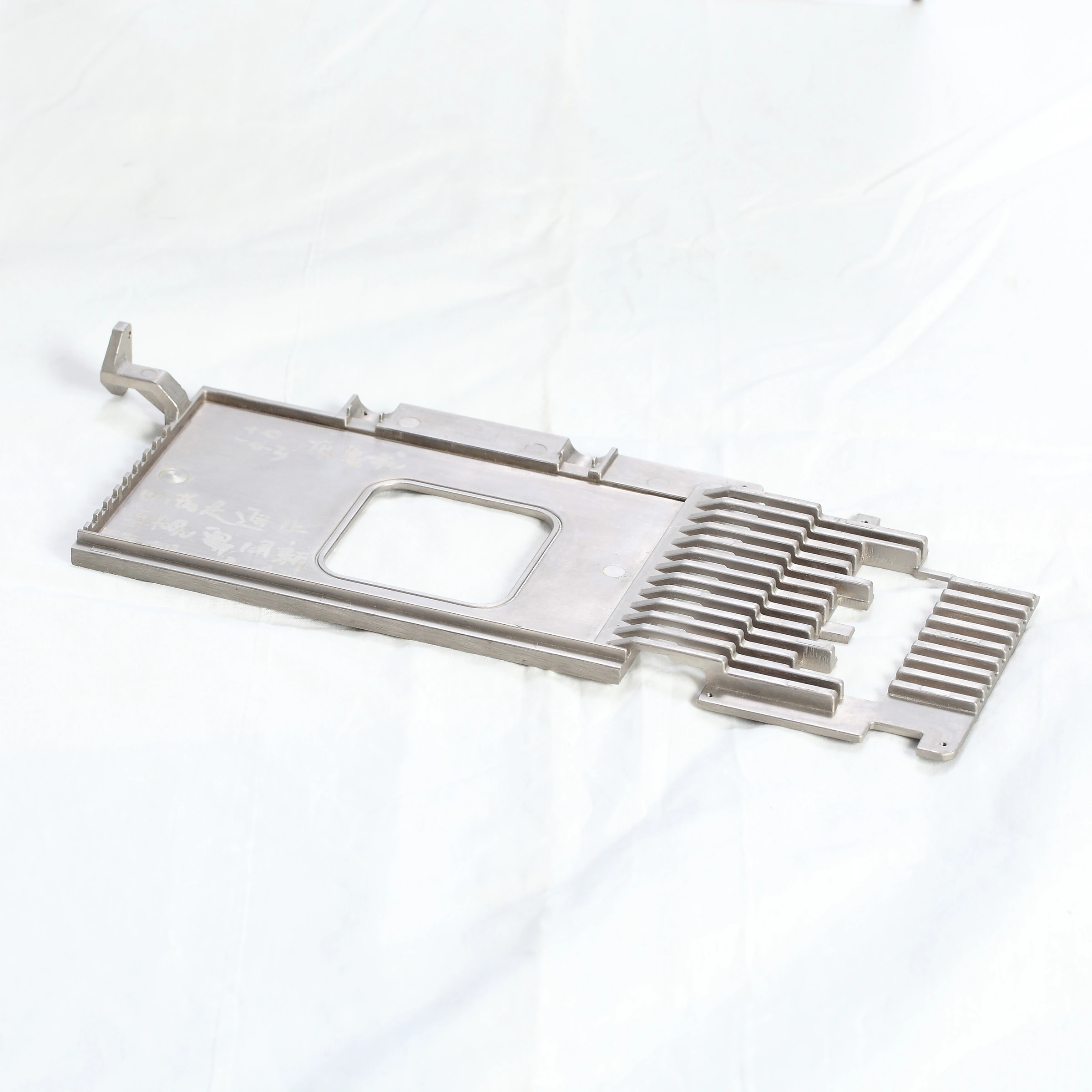
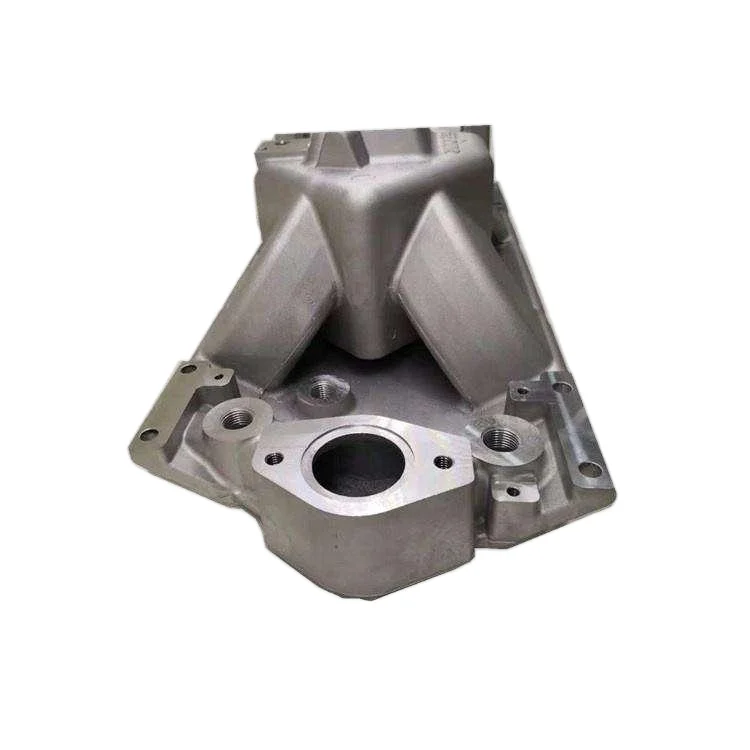
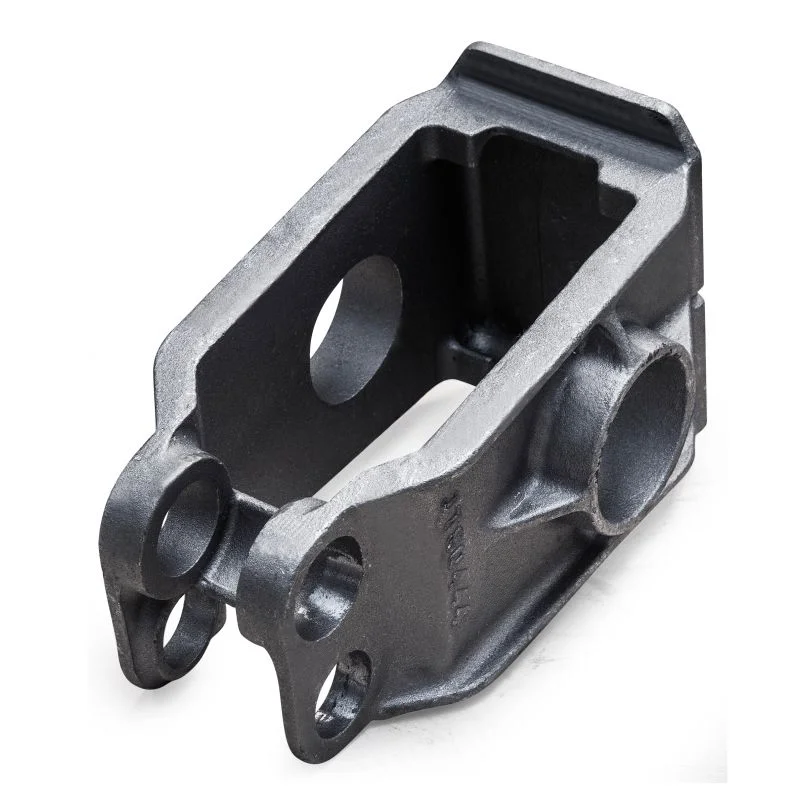
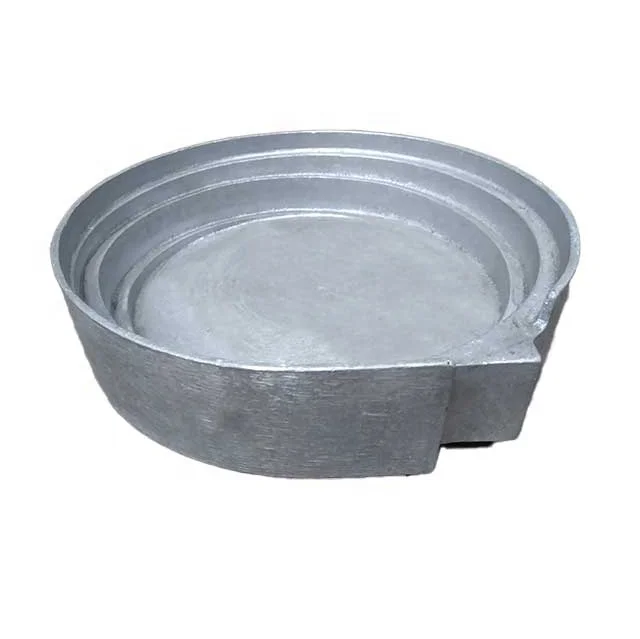
Custom motorcycle engine-cover enquiries include aluminum sand-cast parts for the selected modification design. Stainless-steel CNC-turned and milled components form a separate service request. Specify the material, drawing and required supplied condition for the actual item before defining its mounting and appearance requirements.
Describe the engine-cover interfaces
Identify the intended motorcycle or engine assembly in the enquiry and provide the corresponding geometry. Show mounting points, locating details and any mating surfaces that determine installation. Modification requirements should be marked on the controlled drawing, including where a reference cover differs from the part being ordered.
Define the separate machining request
For a stainless-steel component, identify the complete grade and the interfaces requiring CNC turning or milling. Provide dimensions, datums and acceptance limits for the finished geometry. This allows the machining scope to be evaluated against its own component rather than assumed from an engine-cover description.
- State the part quantity and revision.
- Mark the required material condition.
- Identify final surface and appearance requirements.
- Define records for dimensional approval.
Include customer identification and approval
Customer logos are accepted. Supply the artwork, intended location and desired result for the selected part, keeping identification clear of functional contact areas. Agree material, dimensional and visual acceptance with any sample used to establish the final appearance. Carry that drawing and supplied-state definition into the production request so the ordered component has an explicit approval basis.