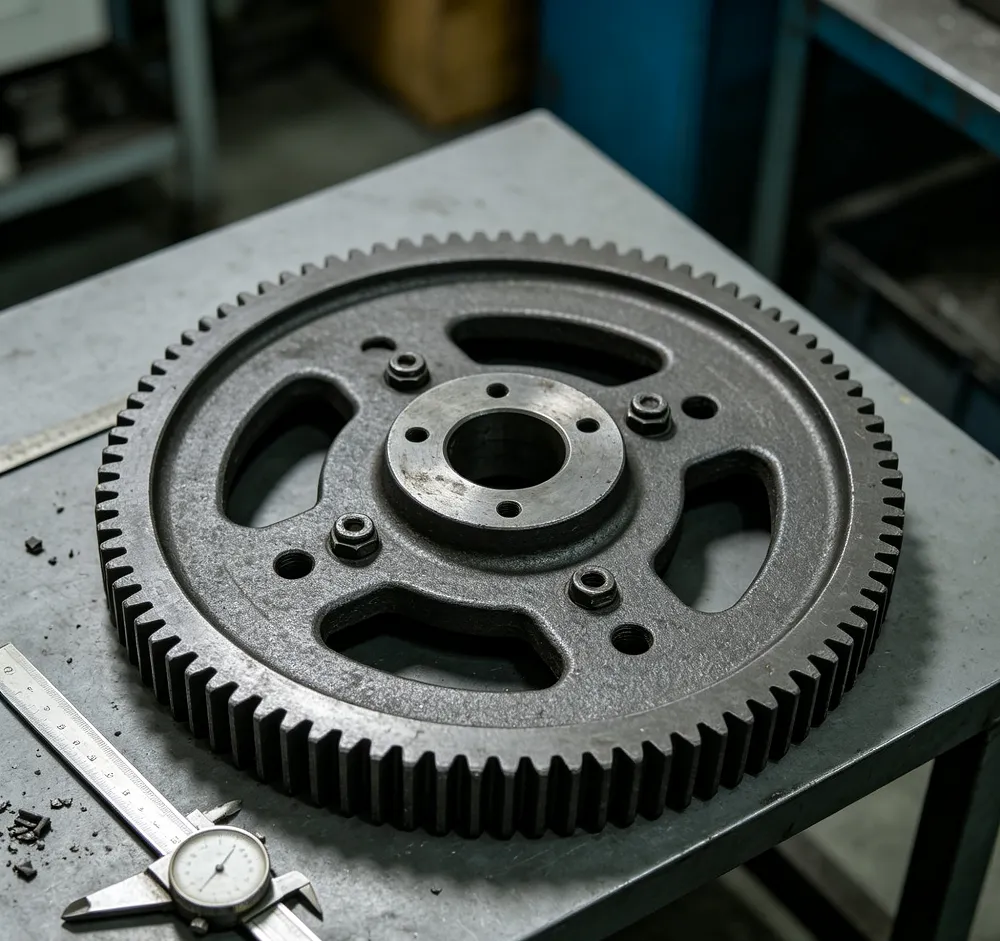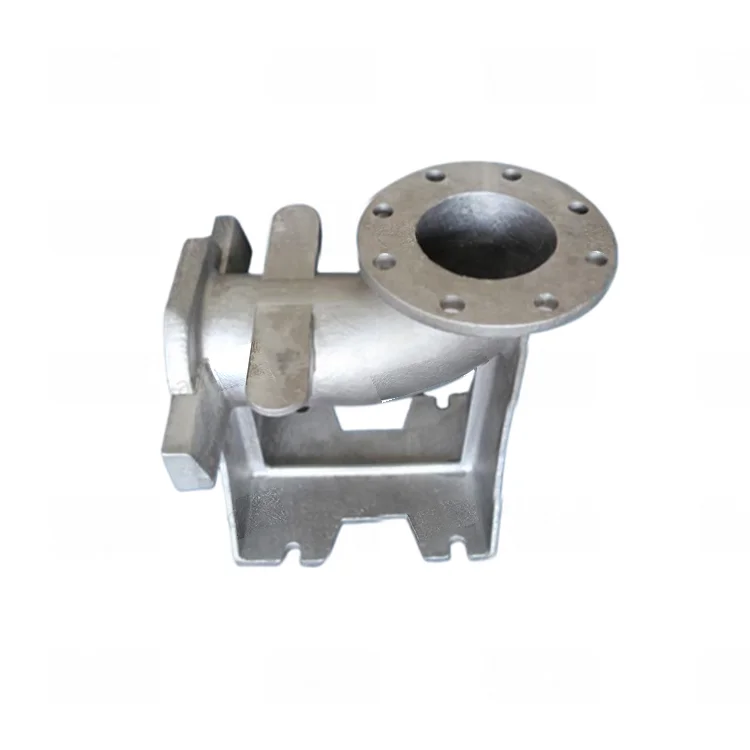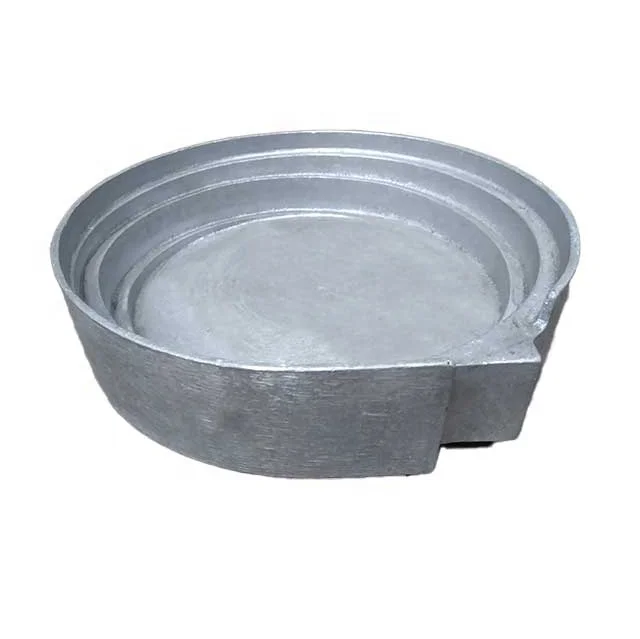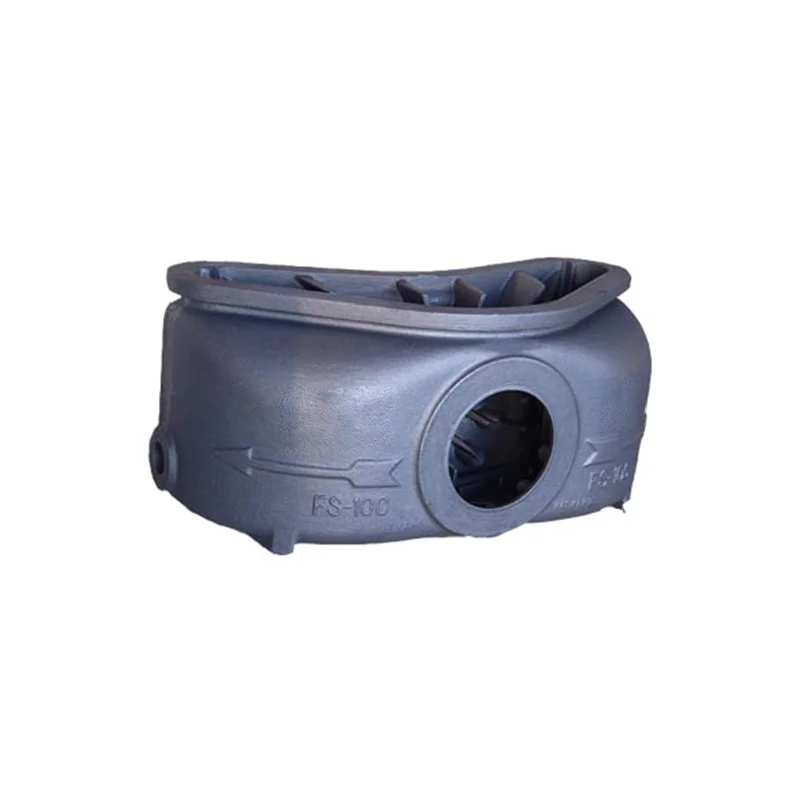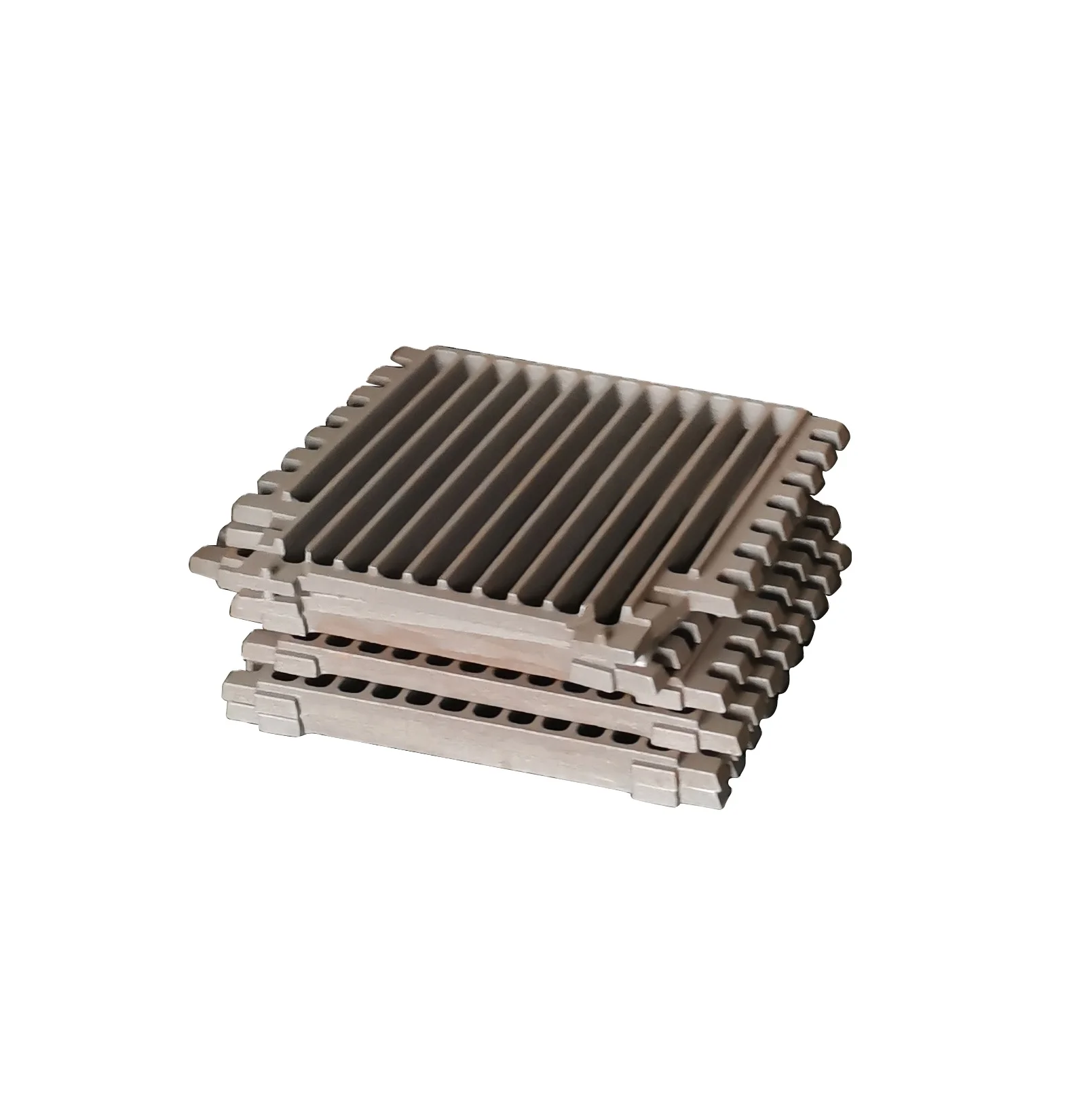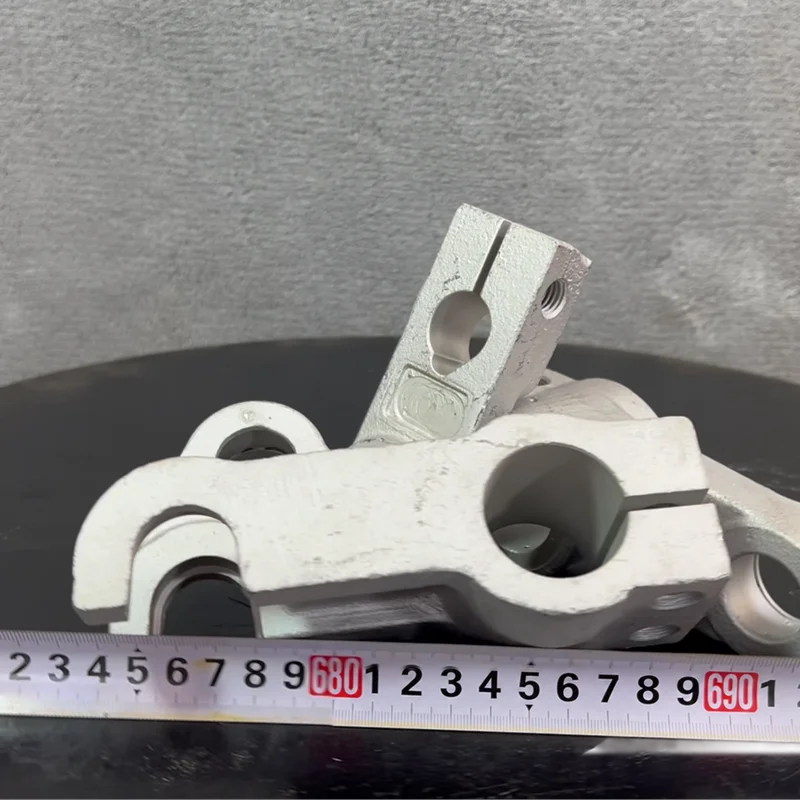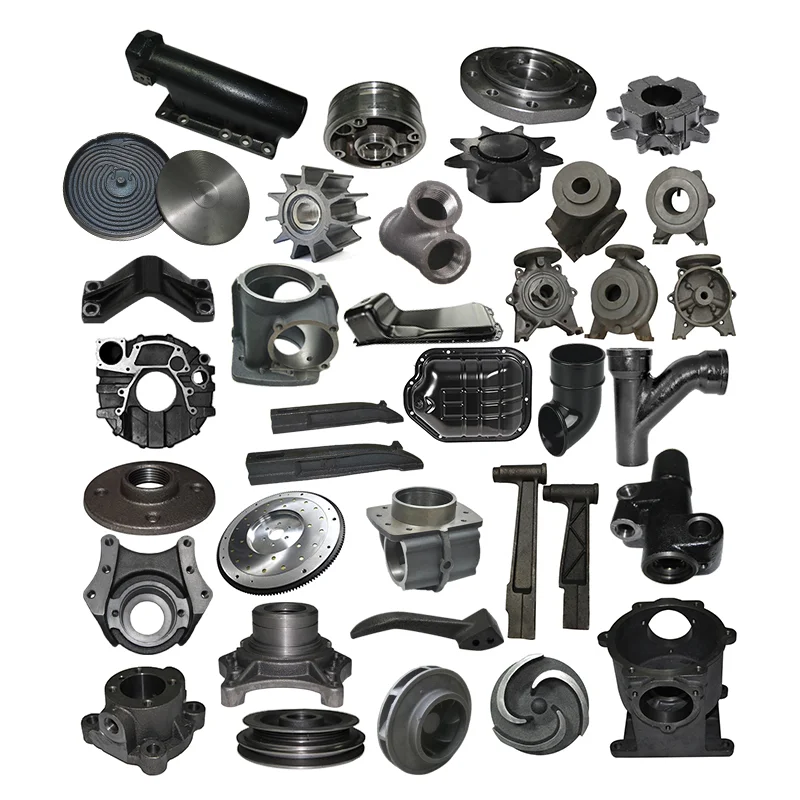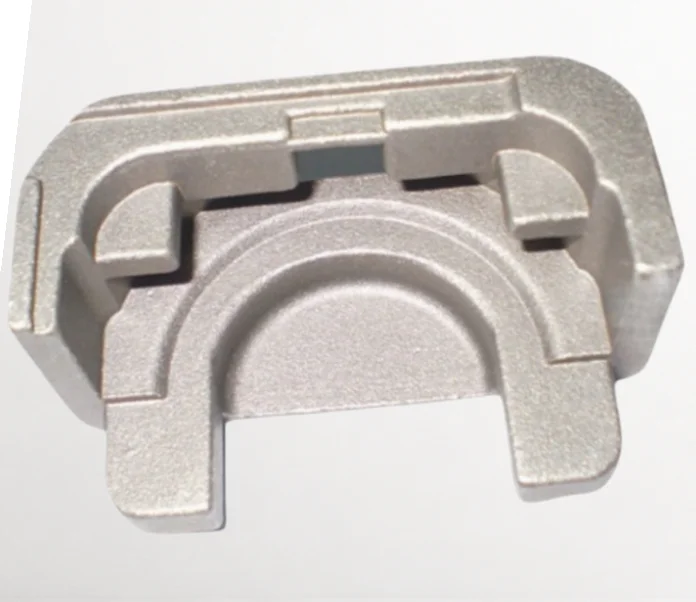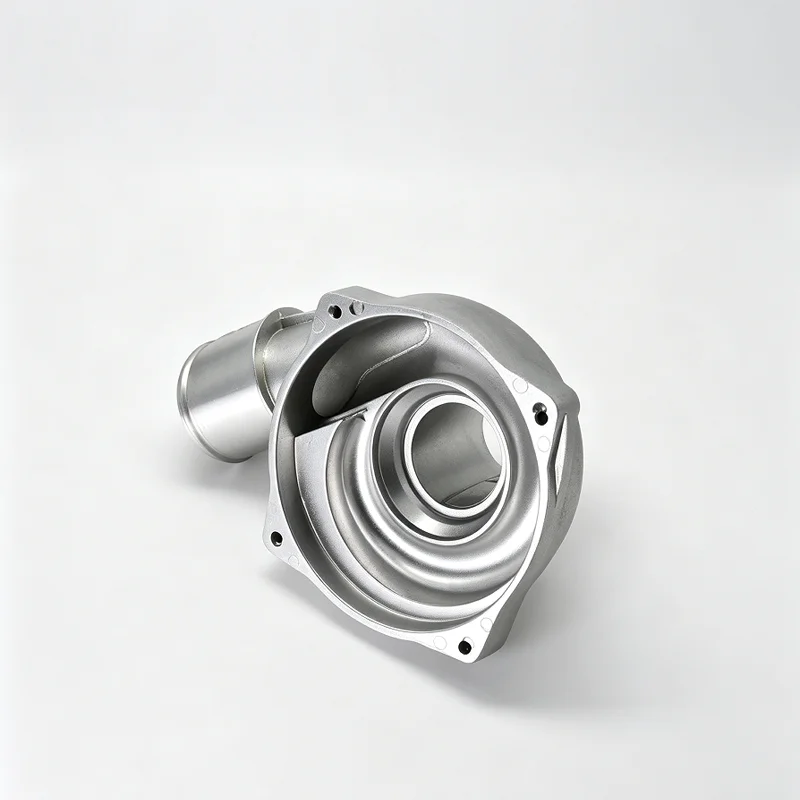
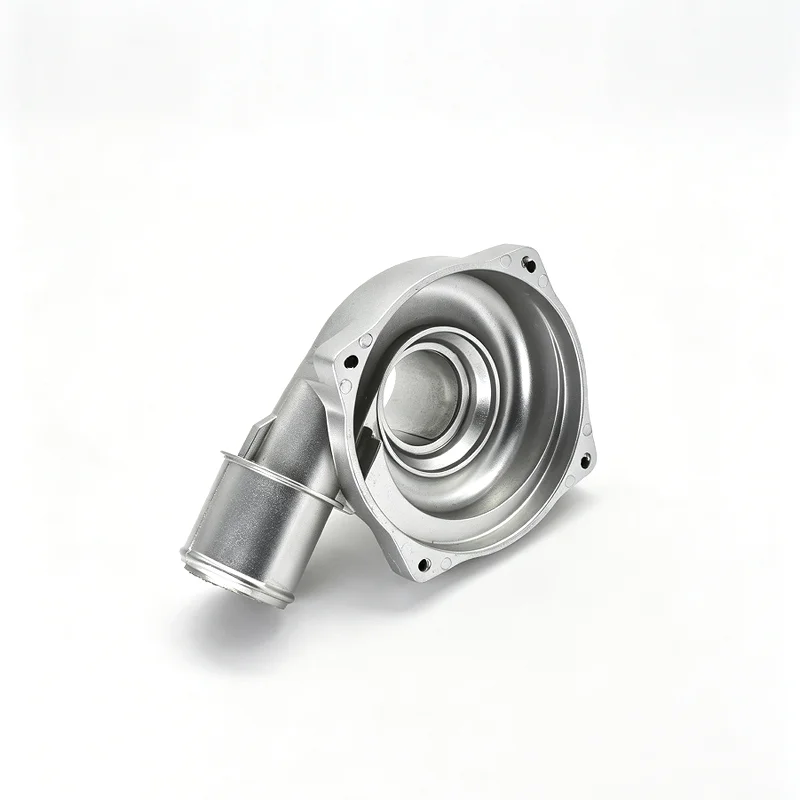
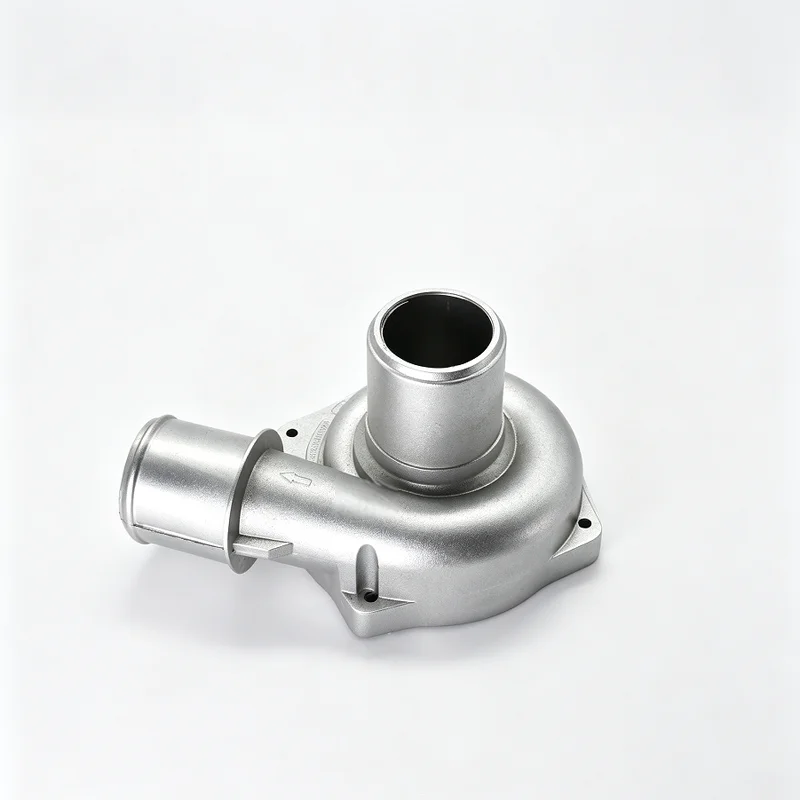
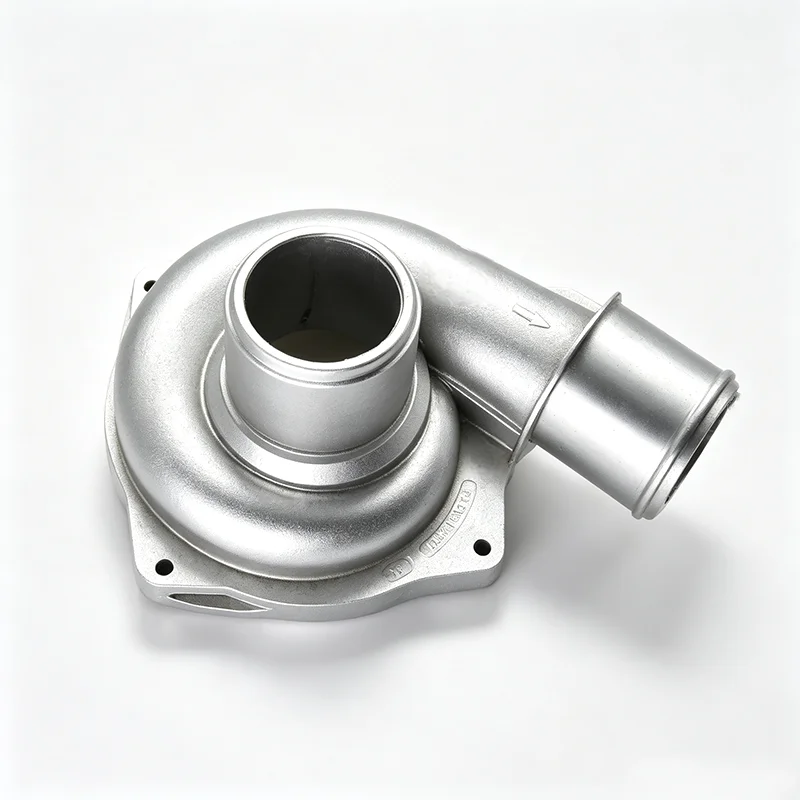
Custom Aluminum Zinc Die and Separate Stainless Iron Sand Casting Components with Three Four Five Axis CNC Micro Machining
Direct factory support
Get a quote that fits your project
Send your drawing or product reference, material grade and required quantity. Relia will review the requirements with you.
- Drawing & specification review
Confirm the supply scope and critical requirements.
- Samples before custom production
Review inspected samples before approving a batch.
- Inspection documents
Agree material and dimensional records for your part.
-
CNC Machining or NotCNC MachiningTypeMilling
-
Material CapabilitiesAluminum, Brass, Copper, Stainless Steel, Steel AlloysMicro Machining or NotMicro Machining
-
Surface treatmentPainting\Powder Coating\Plating\PolishingEquipment3/4/5 Axis CNC Machining Center
-
Tolerance±0.005mm-±0.02mmServiceOEM ODM CNC Drilling Milling Machining Service
-
ApplicationMedical Device,part,Manufacture,Electrical application,DroneProcessing MethodCustom According to Provided CAD Drawings
Custom casting-component enquiries include aluminum, zinc alloy, stainless steel and iron, with a compatible die- or sand-casting route chosen for each item. Additional machining-material capabilities include brass, copper and steel alloys. Identify the complete grade and incoming form for the CAD-defined component.
Use CNC capability for the selected geometry
Three-, four- and five-axis machining centers are listed, with CNC drilling, milling and micro-machining service. Mark the interfaces determining fit and function in the intended assembly. Explain which details require the selected operations and the supplied state needed for approval.
Define dimensional limits and the surface result
Assign the ±0.005 mm to ±0.02 mm tolerance references to actual dimensions and acceptance stages. State the relevant datums and measurement conditions. Painting, powder coating, plating and polishing are named finishes; define coverage and masking at working or contacting areas.
Explain the application-specific acceptance
OEM/ODM enquiries may concern medical-device, manufacturing, electrical or drone components. Identify the actual component role and any qualification requirements imposed by the project. Put operating conditions and the evidence needed for approval into the manufacturing brief.
- Provide quantity and the controlling CAD revision.
- Identify material and dimensional reporting requirements.
- Define appearance and finished-interface assessment.
- State what a sample must demonstrate before production approval.
Keep the accepted material, route and machining result linked to the selected application and final component definition.