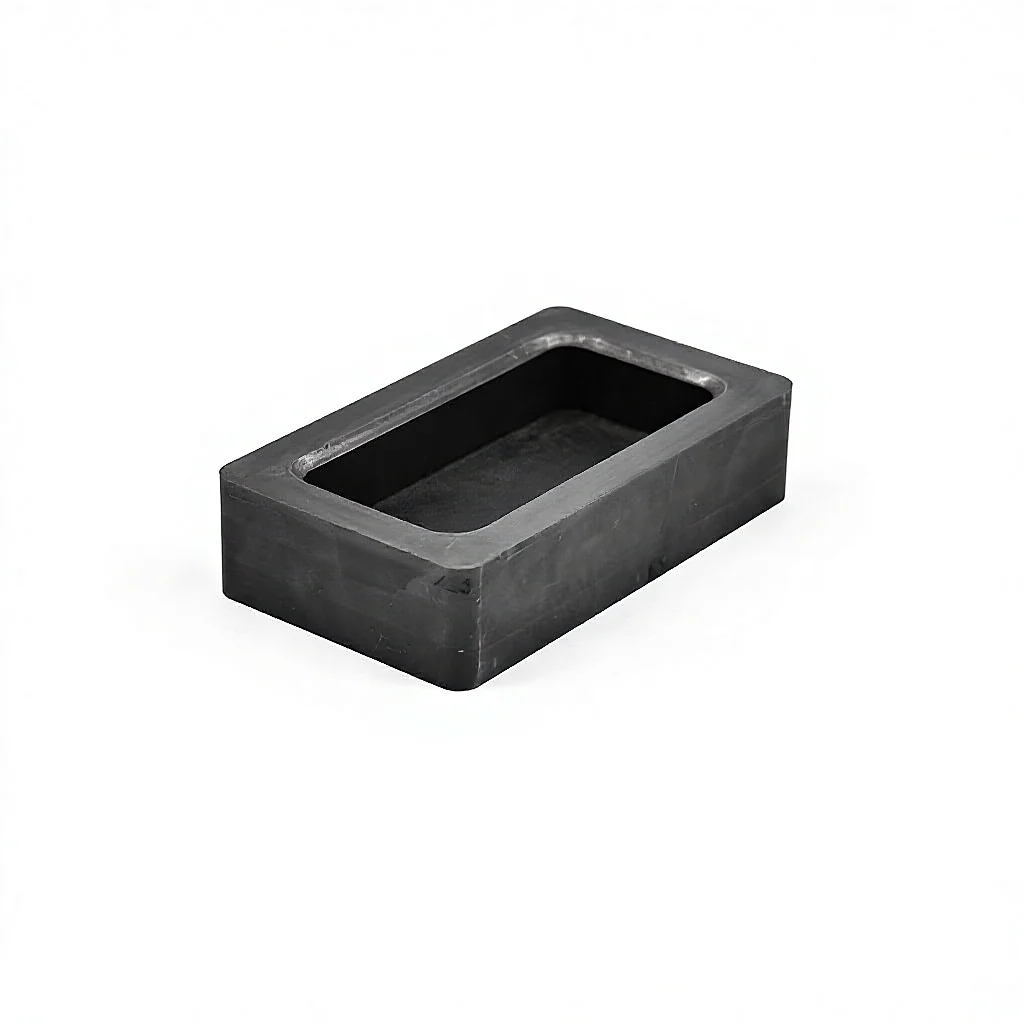
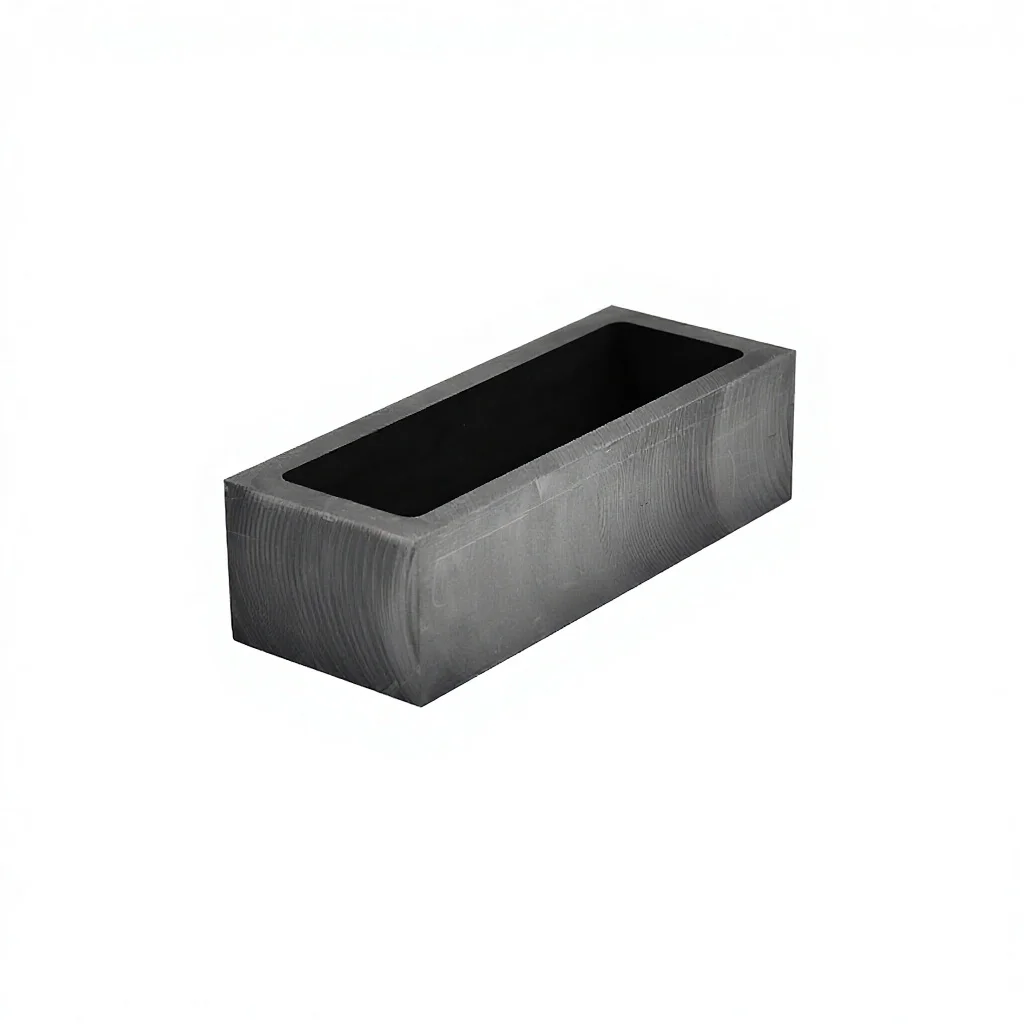
Custom Black Graphite Ingot Molds for Gold and Silver Casting — Die-Molded Precious-Metal Moulds
Direct factory support
Get a quote that fits your project
Send your drawing or product reference, material grade and required quantity. Relia will review the requirements with you.
- Drawing & specification review
Confirm the supply scope and critical requirements.
- Samples before custom production
Review inspected samples before approving a batch.
- Inspection documents
Agree material and dimensional records for your part.
-
Porosity (%)12% MaxResistivity (μΩ.m)9~12 Micro Ohm.m
-
ApplicationMetallurgy Industry
-
Bulk Density (g/cm³ )1.62-1.85g/cm3(101.13-115.49lb/ft3)Compressive Strength30-150 Mpa(4351.13-21755.66psi)
-
TechniqueDie MoldedProduct nameCustomized Graphite Mould
-
MaterialsHigh Pure Graphite MaterialsSize and ShapeCustomized
-
FeatureHigh PerformanceDensity1.82G/cm3
-
C Content99.9%SampleAvailable
-
Usagegold silver castingShapebased on order
-
Colorblack
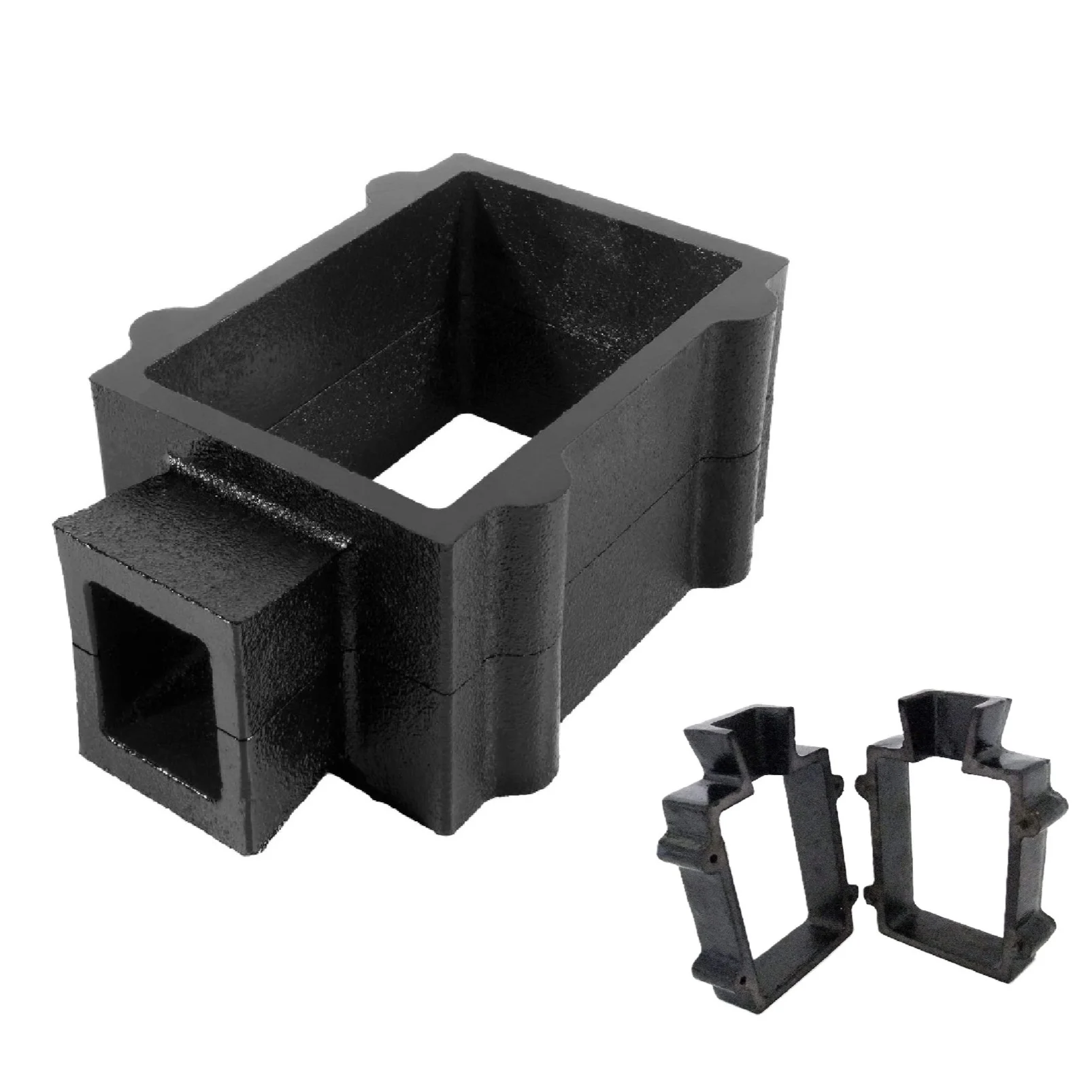
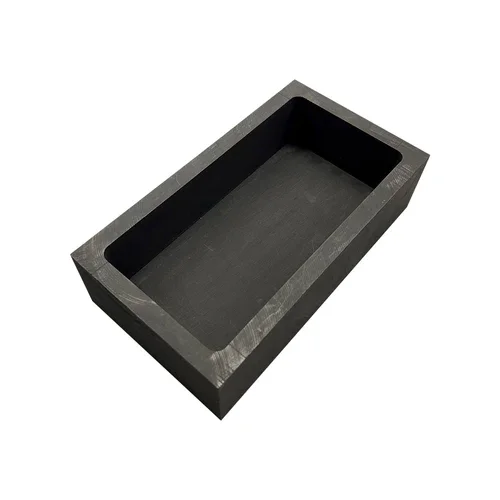
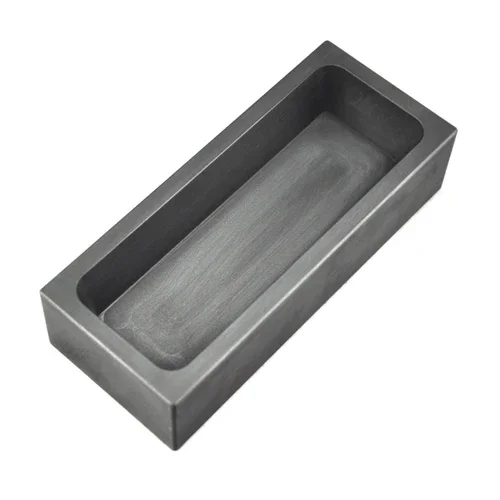
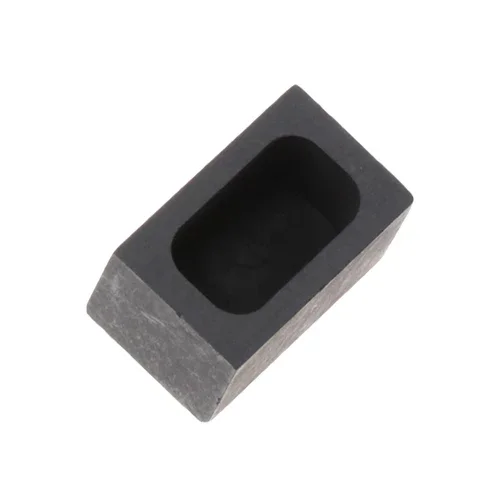
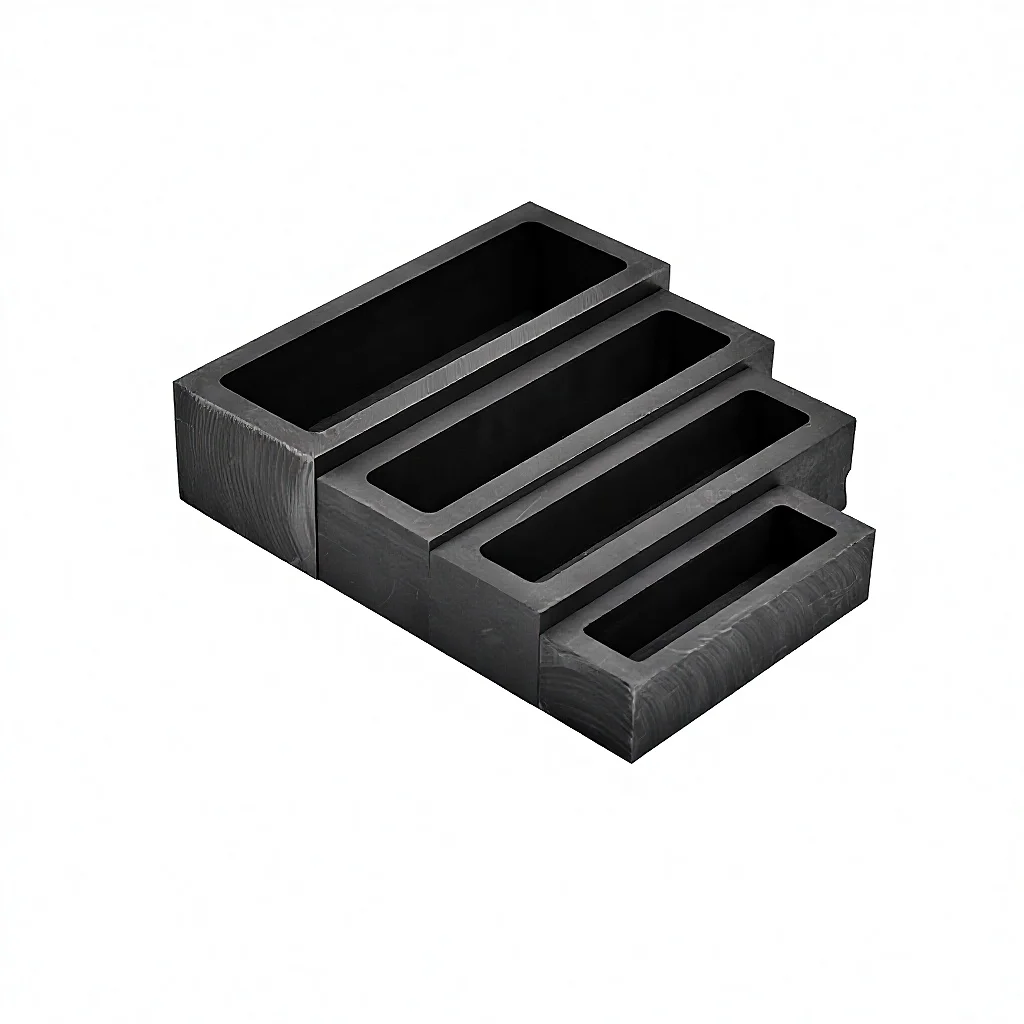
Custom black graphite ingot molds are offered for gold and silver casting in metallurgy. The molds are die molded, with size and shape made to order and samples available for a defined component and material enquiry.
Define the cavity before selecting the grade
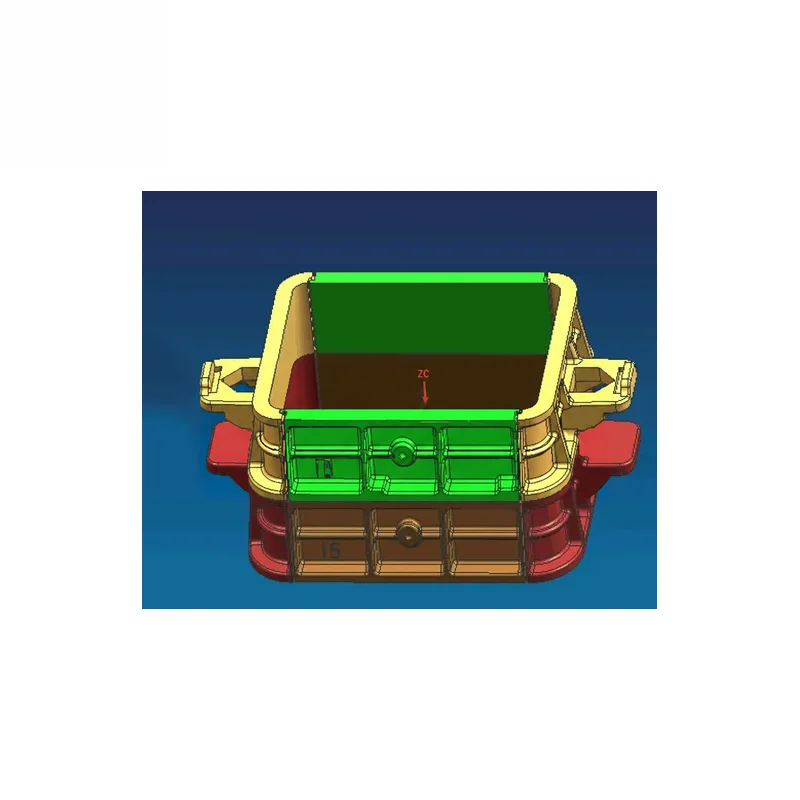
Provide the cavity drawing, the metal charge and the intended casting cycle. Show the geometry that determines the ingot form and any interfaces used to support or handle the mold. These details give the material discussion a practical context and help establish what the sample must represent.
Use property data within the selected graphite scope
Engineering references include porosity at 12% maximum, resistivity of 9–12 μΩ·m and compressive strength of 30–150 MPa. A general-industrial-grade selection names flexural strength of 10–30 MPa. Agree the applicable property data for the chosen graphite rather than treating compressive and flexural strength as interchangeable measures.
Match purity and density to the casting task
Specify the carbon-purity and density requirements for the precious-metal process. High-purity and general-industrial-grade enquiries need the selected grade to be identified clearly, together with the material data applicable to that mold. The operating cycle and required acceptance condition should guide the comparison of the proposed grades.
- Submit the ingot cavity shape and controlled dimensions.
- Identify gold or silver casting use and the operating cycle.
- State the required graphite grade, purity and density.
- Define sample checks, order quantity and mold acceptance.