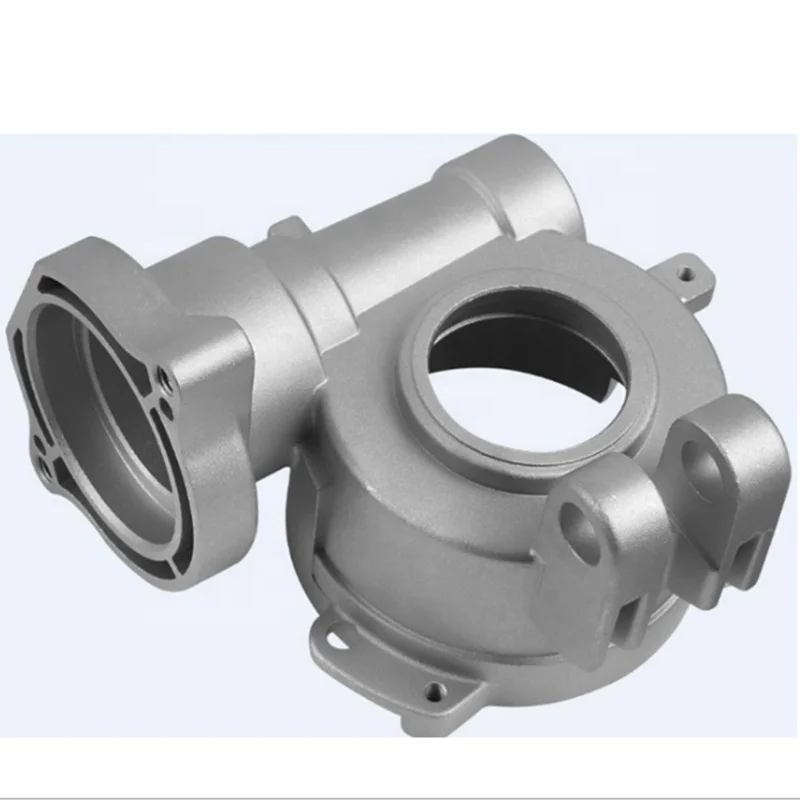
Custom H13-Steel Aluminum Die-Casting Moulds — ADC12/A380/A360/A356 and EN46100/EN47000 Component Enquiries
Direct factory support
Get a quote that fits your project
Send your drawing or product reference, material grade and required quantity. Relia will review the requirements with you.
- Drawing & specification review
Confirm the supply scope and critical requirements.
- Samples before custom production
Review inspected samples before approving a batch.
- Inspection documents
Agree material and dimensional records for your part.
-
Shaping ModeDie casting
-
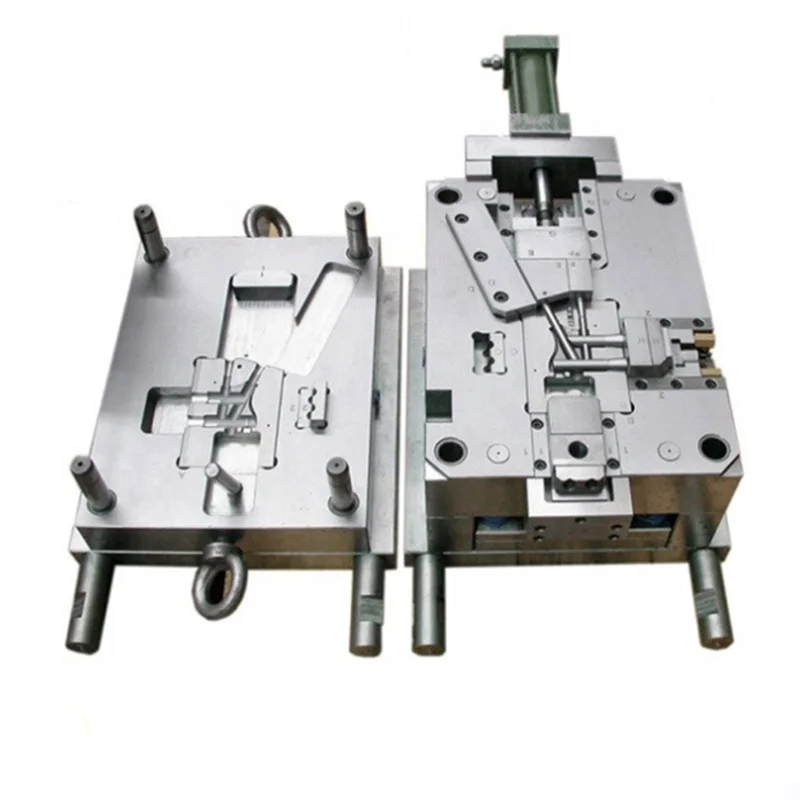
Product MaterialH13 SteelProductMould
-
Product nameAluminum casting mouldMaterialADC12 ,A380,A360,A356 ,EN46100.EN47000
-
Processdie casting-deburring- machinery ,sandblasting-paintingCertificationISO 9001
-
Tolerance0.02mmServiceCustomer's Drawings
-
ApplicationIndustry,Machinery parts , auto partsSurface treatmentPowder Coating , Sandblasting, Polishing,Painting,Plating
-
DimensionsCustomized SizesDrawing fileIGS, STP, STEP, X_T, PDF ,DXF
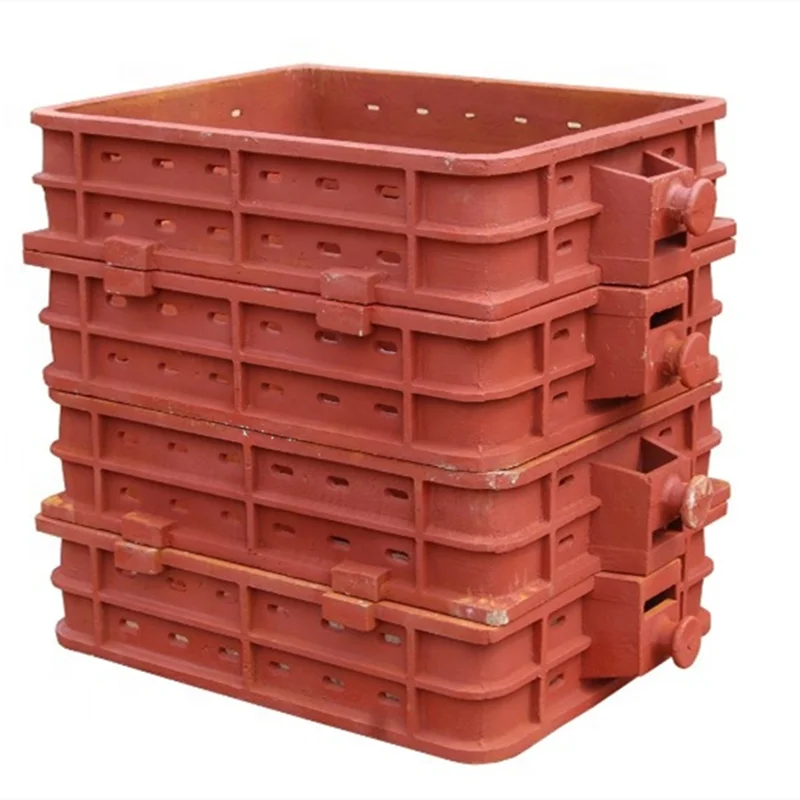
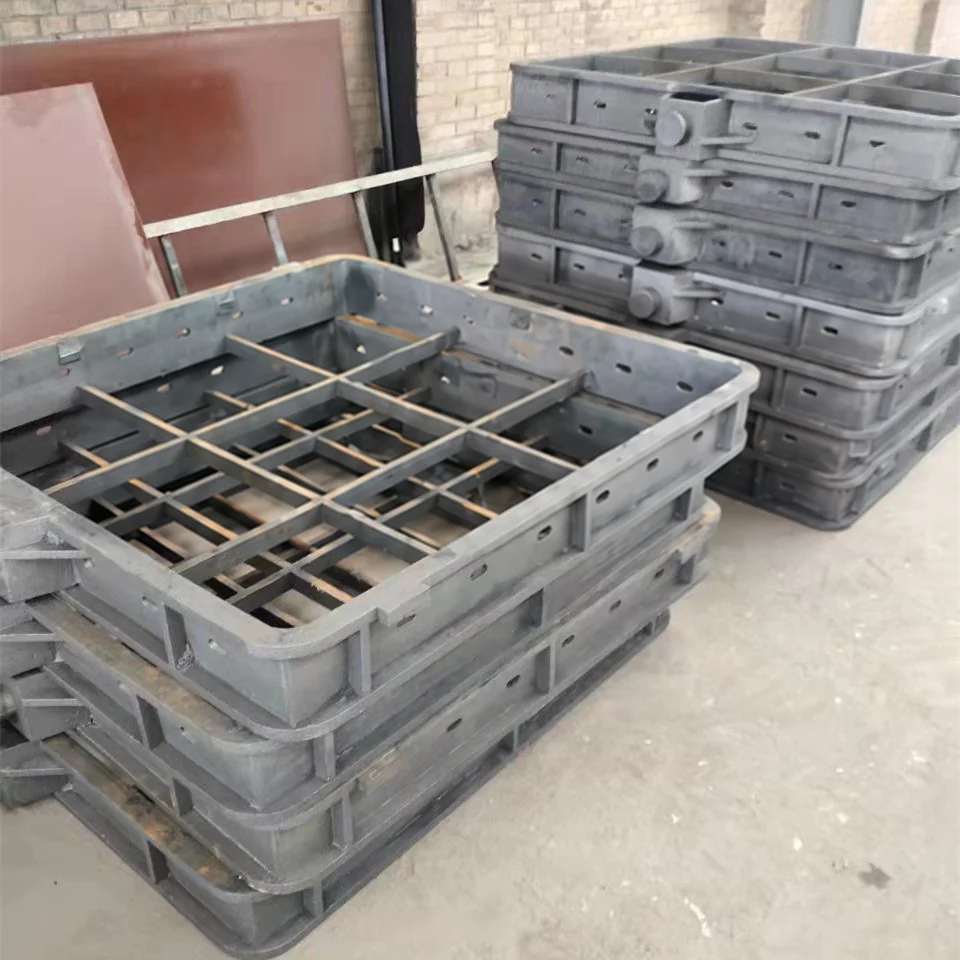
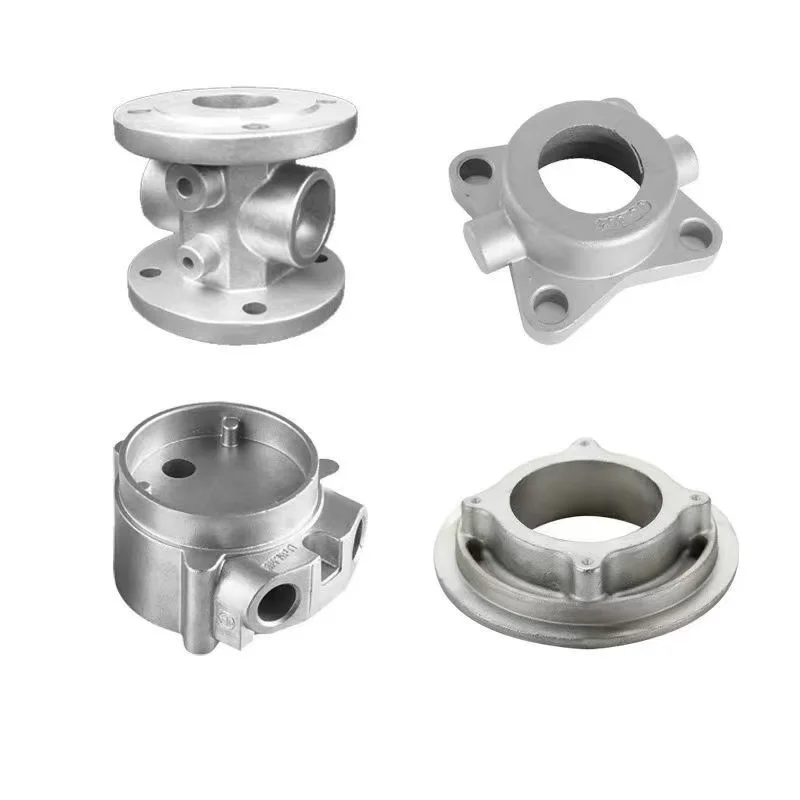
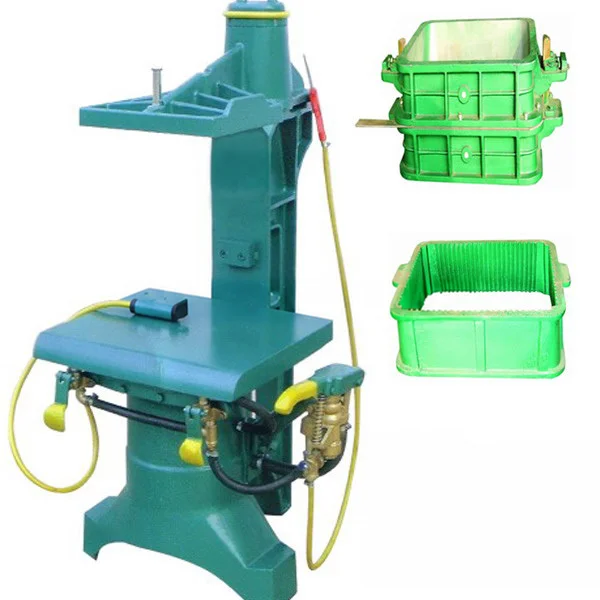
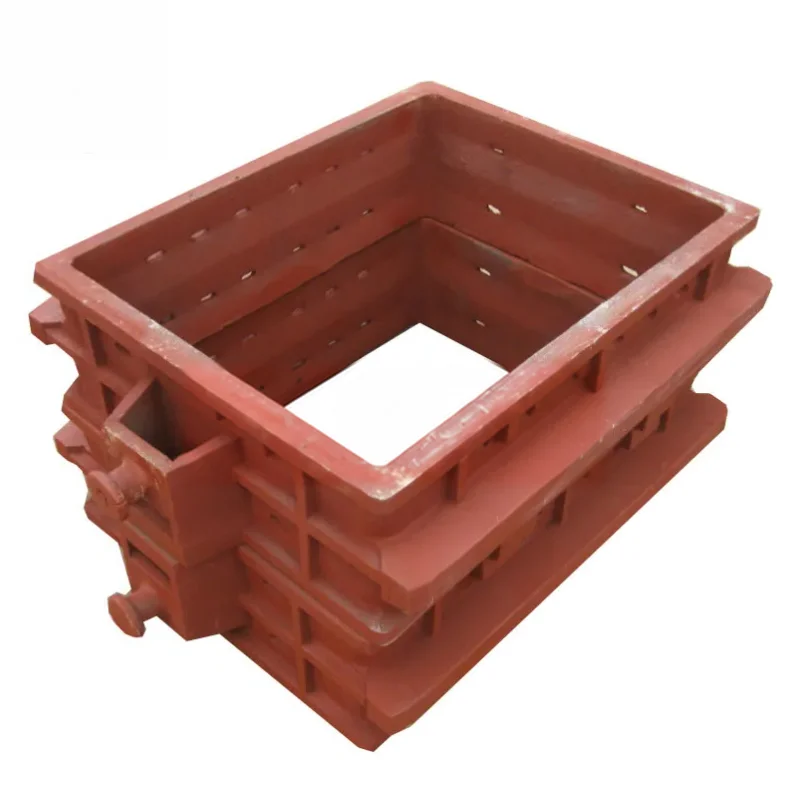
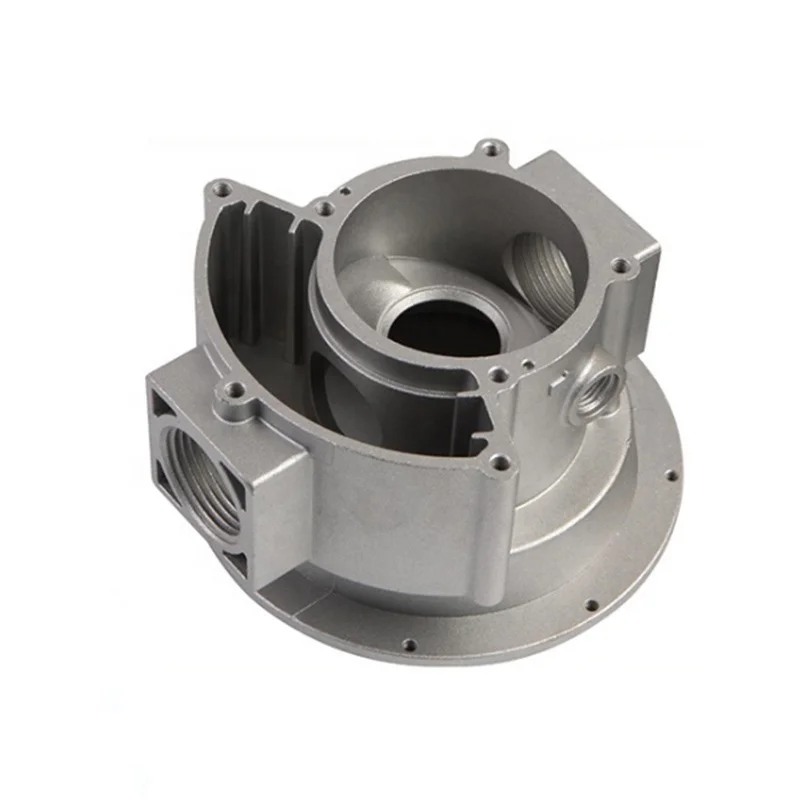
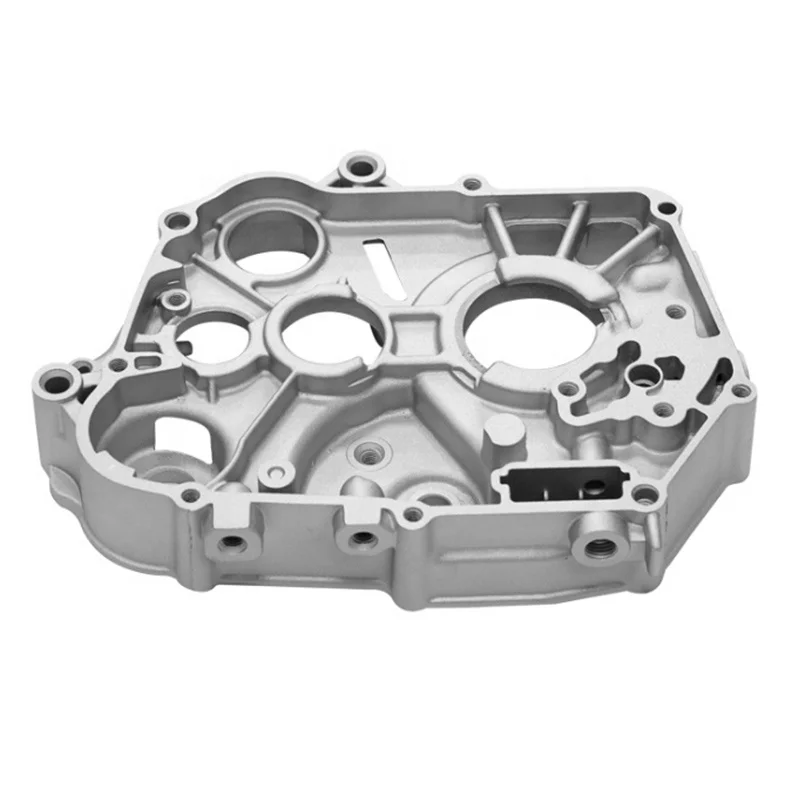
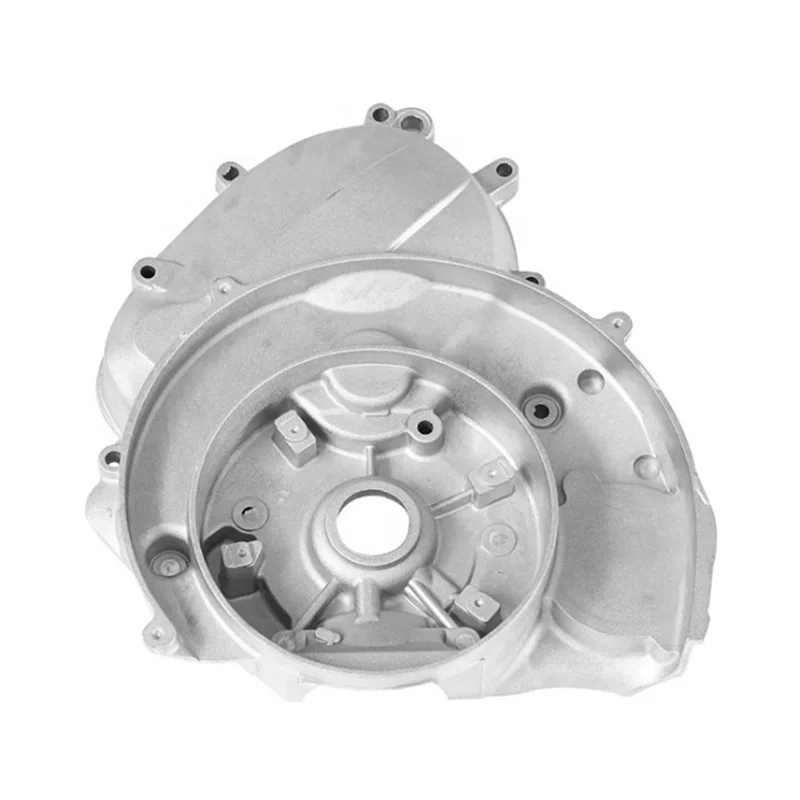
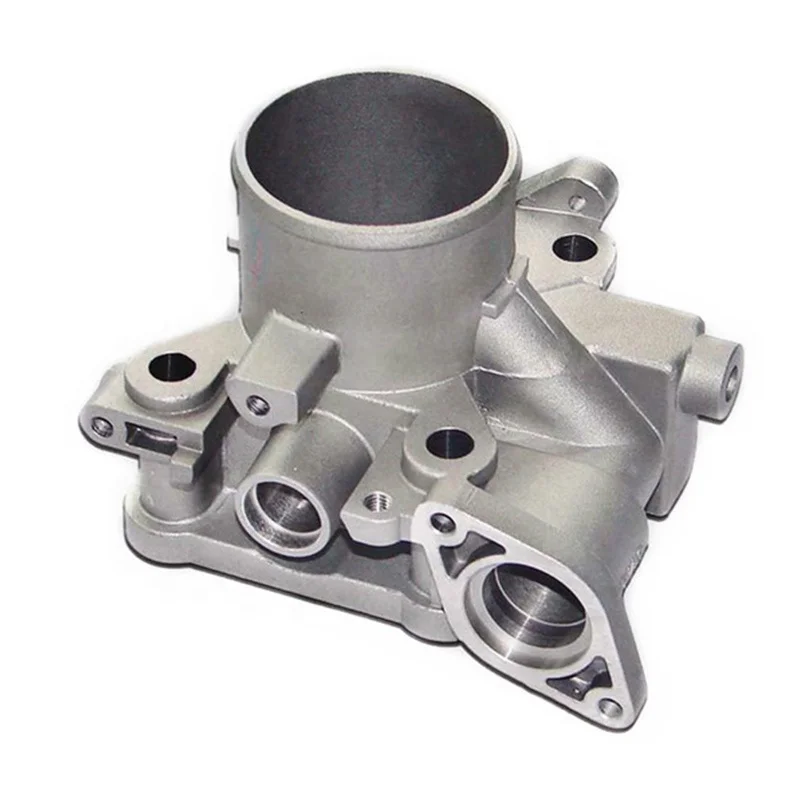
Aluminum die-casting mould requests should distinguish the tool from any component production included with it. This custom OEM enquiry names H13 steel for the mould and separate aluminum-component material choices. Machinery and auto-part projects can be defined through the customer drawing, with sand-casting mould work as a separate request.
Match the mould to the selected machine class
Available machine-class labels are 280 Ton, 500 Ton, 800 Ton and 1250 Ton. Identify the actual machine interfaces and operating requirements for the selected mould; these labels describe the machine class rather than mould mass. Provide the tooling arrangement and any installation details required for compatibility review.
Separate tool steel from the component alloy
H13 is the stated mould material. Aluminum-component enquiries name ADC12, A380, A360, A356, EN46100 and EN47000, with the selected designation and standard to be specified for the part. Customized dimensions follow customer drawings, and the 0.02 mm reference needs an identified dimension, object and process stage for acceptance.
- Provide IGS, STP, STEP, X_T, PDF or DXF data.
- Identify mould-only or associated component-production scope.
- Select the component alloy and machine-class requirement.
- Define tool interfaces, dimensional limits and acceptance.
Allocate component processing and finishing work
Associated component enquiries include die casting, deburring, machining, sandblasting and painting. Powder coating, polishing and plating are additional named finishing choices. Specify which work belongs to the supplied components rather than applying every treatment to the mould.
Define qualification and delivered condition
ISO9001 is the stated qualification reference. Identify the applicable supplier documents and the required tooling or component condition on receipt. The selected machine, alloy, drawing and acceptance criteria should establish one defined mould-and-production proposal.