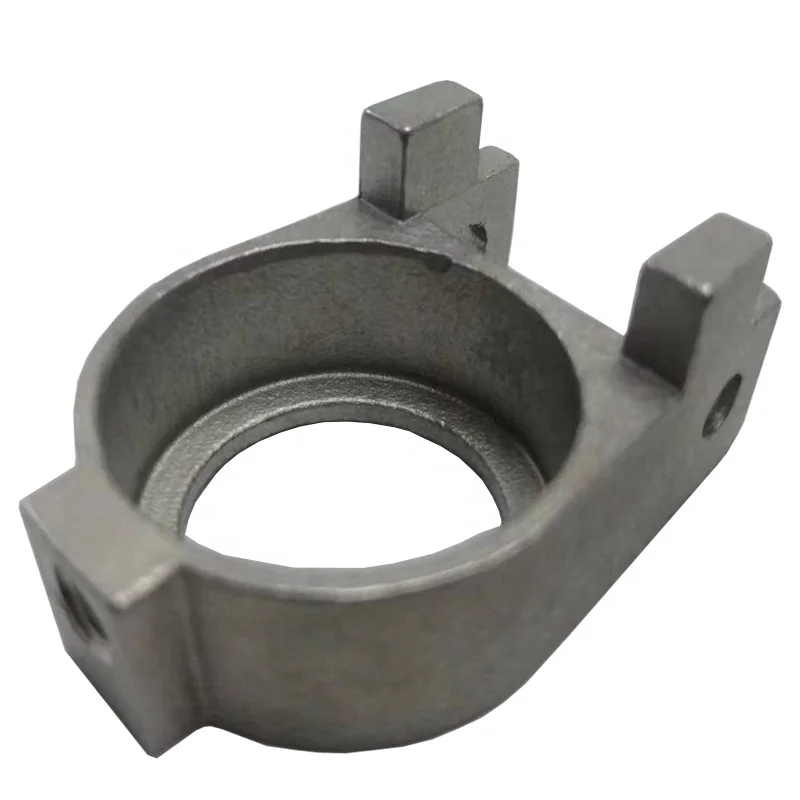
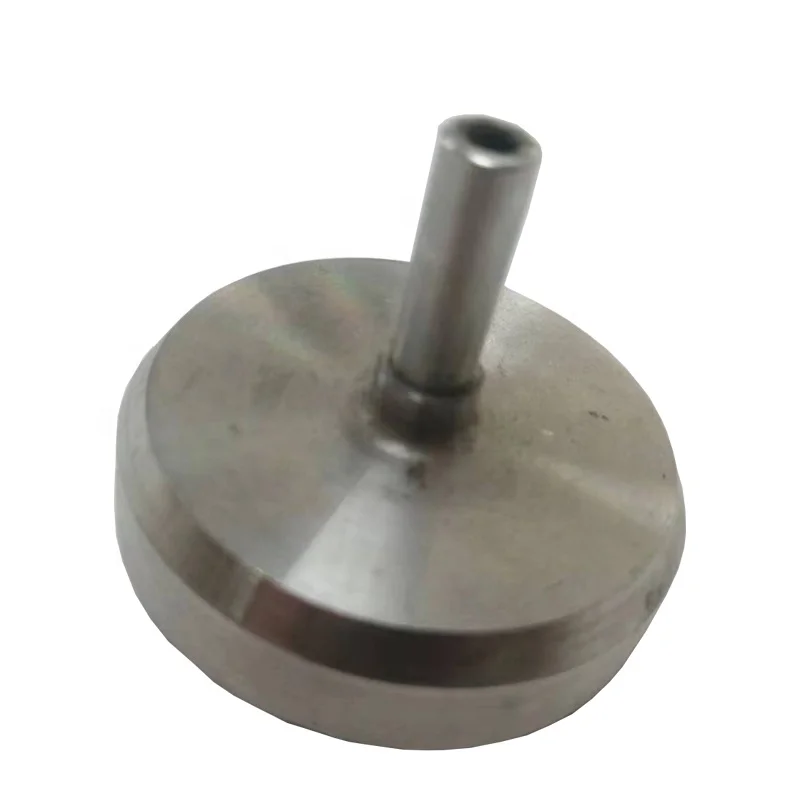
Custom Engineering Vehicle Exhaust Flange Sand Castings in Stainless Steel or Other Specified Ferrous Grades OEM ODM
Direct factory support
Get a quote that fits your project
Send your drawing or product reference, material grade and required quantity. Relia will review the requirements with you.
- Drawing & specification review
Confirm the supply scope and critical requirements.
- Samples before custom production
Review inspected samples before approving a batch.
- Inspection documents
Agree material and dimensional records for your part.
-
Materialstainless steel, steel alloy, cast iron, carbon steel
-
FunctionConnectFeatureHigh precision, High quality
-
UsageExhaust flange for engineering vehicleSurface treatmentPassivation
-
ServiceOEM ODM CustomizedCertificationISO9001:2015
-
Quality Control100% Inspected /ISO9001 SystemTolerance0.01mm
-
Drawing format2D(JPG, PDF), 3D(STEP, STP)
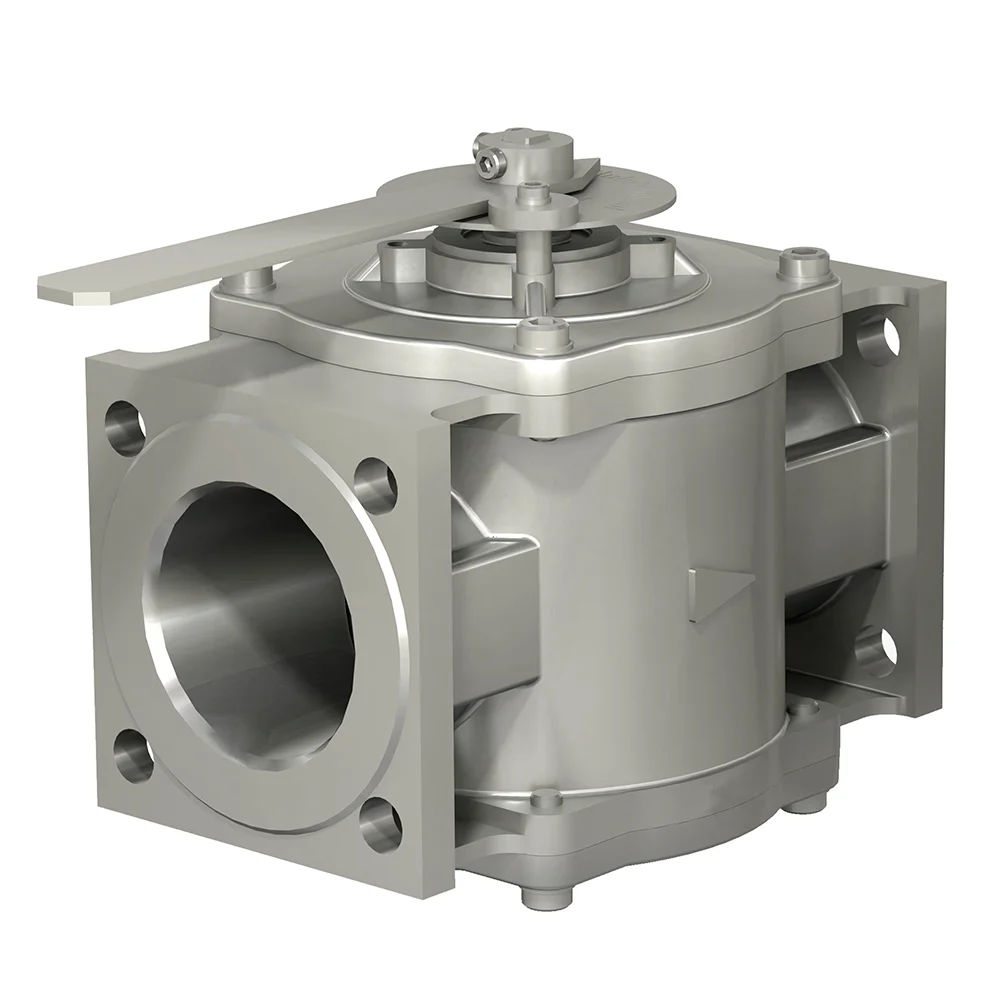
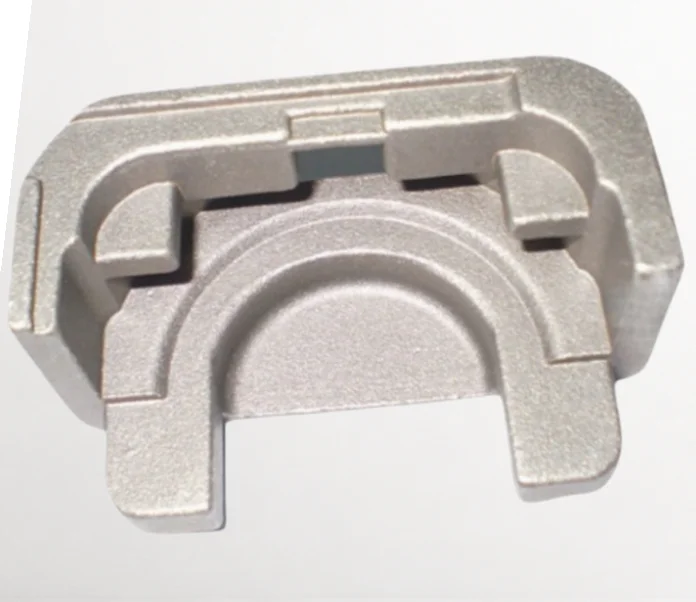
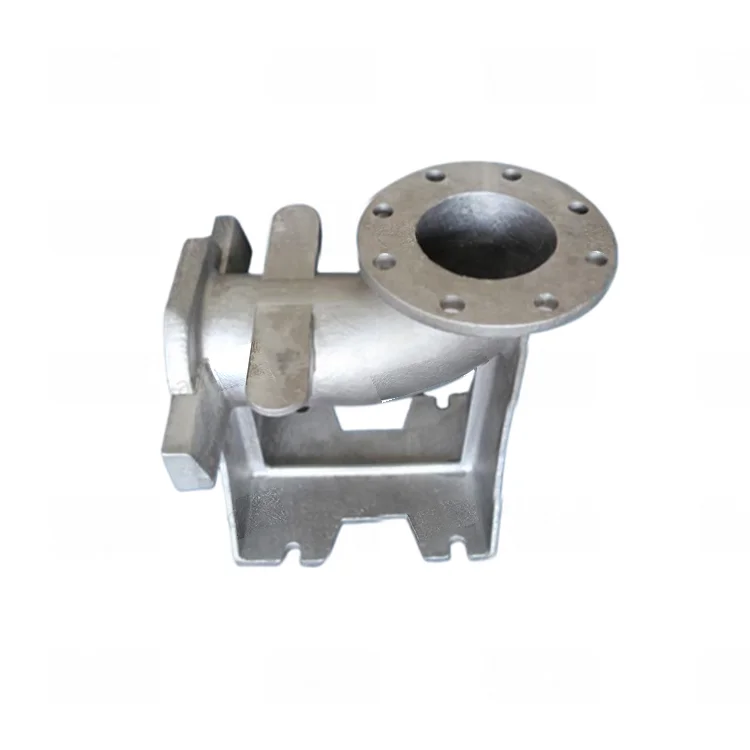
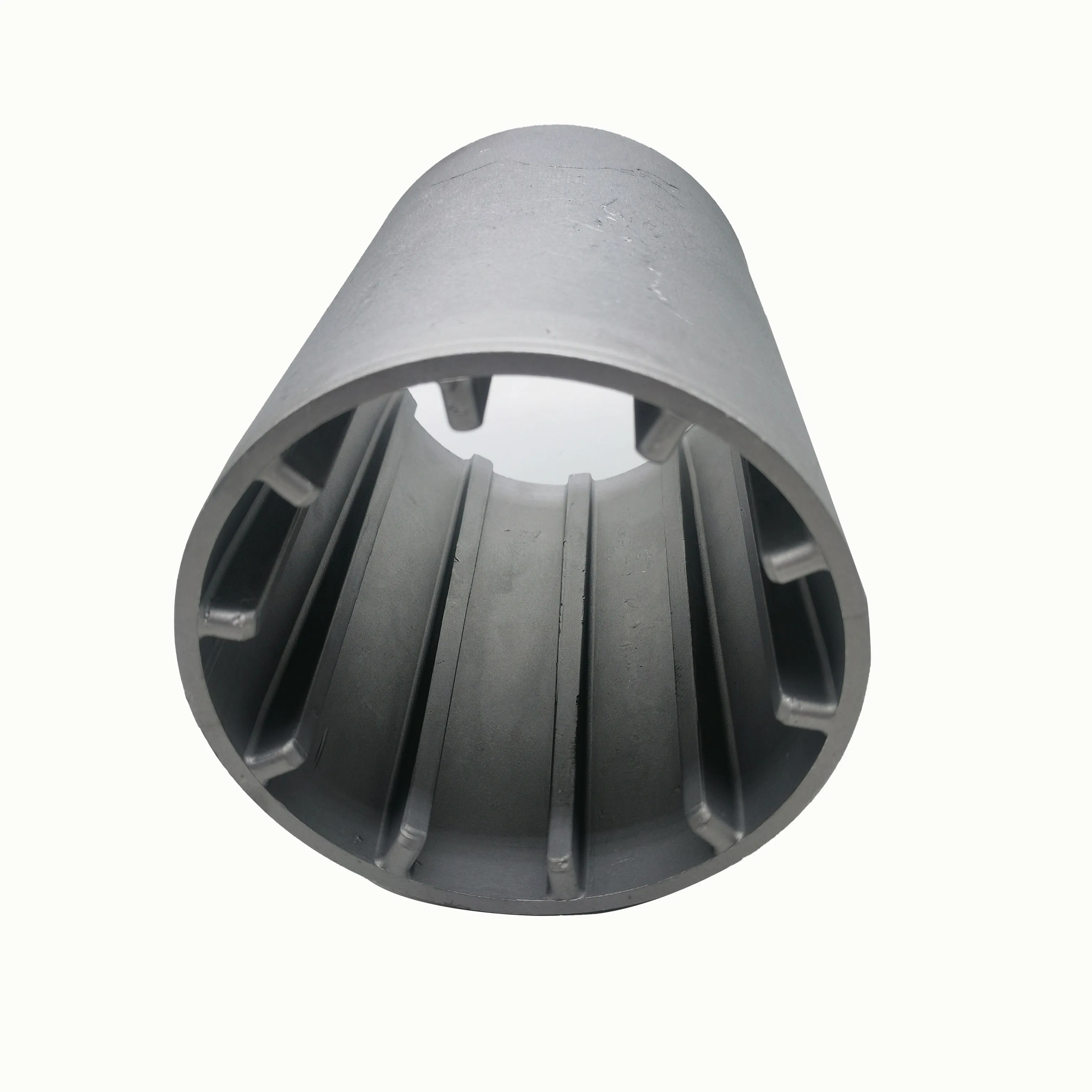
Engineering-vehicle exhaust-flange enquiries cover connecting components in stainless steel, steel alloy, cast iron or carbon steel. Select the complete grade and compatible casting route for the actual flange. OEM/ODM precision and quality requirements should address its exhaust duty and required supplied condition.
Define the exhaust connection geometry
Show the flange’s mating relationships within the selected exhaust assembly. Mark locating references and dimensions governing connection and installation fit. State the service conditions and material condition relevant to that particular engineering-vehicle component.
Locate the precision requirement
For an interface requiring the unsigned 0.01 mm tolerance, define permitted deviations, processing stage and measurement conditions. Distinguish cast-state geometry from contacts needing a particular finished result. A separate die-casting enquiry needs a compatible material and component definition rather than an assumed route for every ferrous grade.
Specify passivation and inspection acceptance
Passivation is a surface request to agree for the selected substrate and procedure. Define treated areas and the final condition at working contacts. The stated 100% inspection under an ISO9001 system needs actual material, dimensional and surface checks for the ordered flange.
- Provide 2D JPG/PDF or 3D STEP/STP drawing information.
- State the exhaust-flange quantity and controlling assembly revision.
- Request applicable ISO9001:2015 documents and activity scope.
- Identify records required to approve the connecting component.
Retain accepted grade, connection and surface decisions with the flange definition used for subsequent supply.