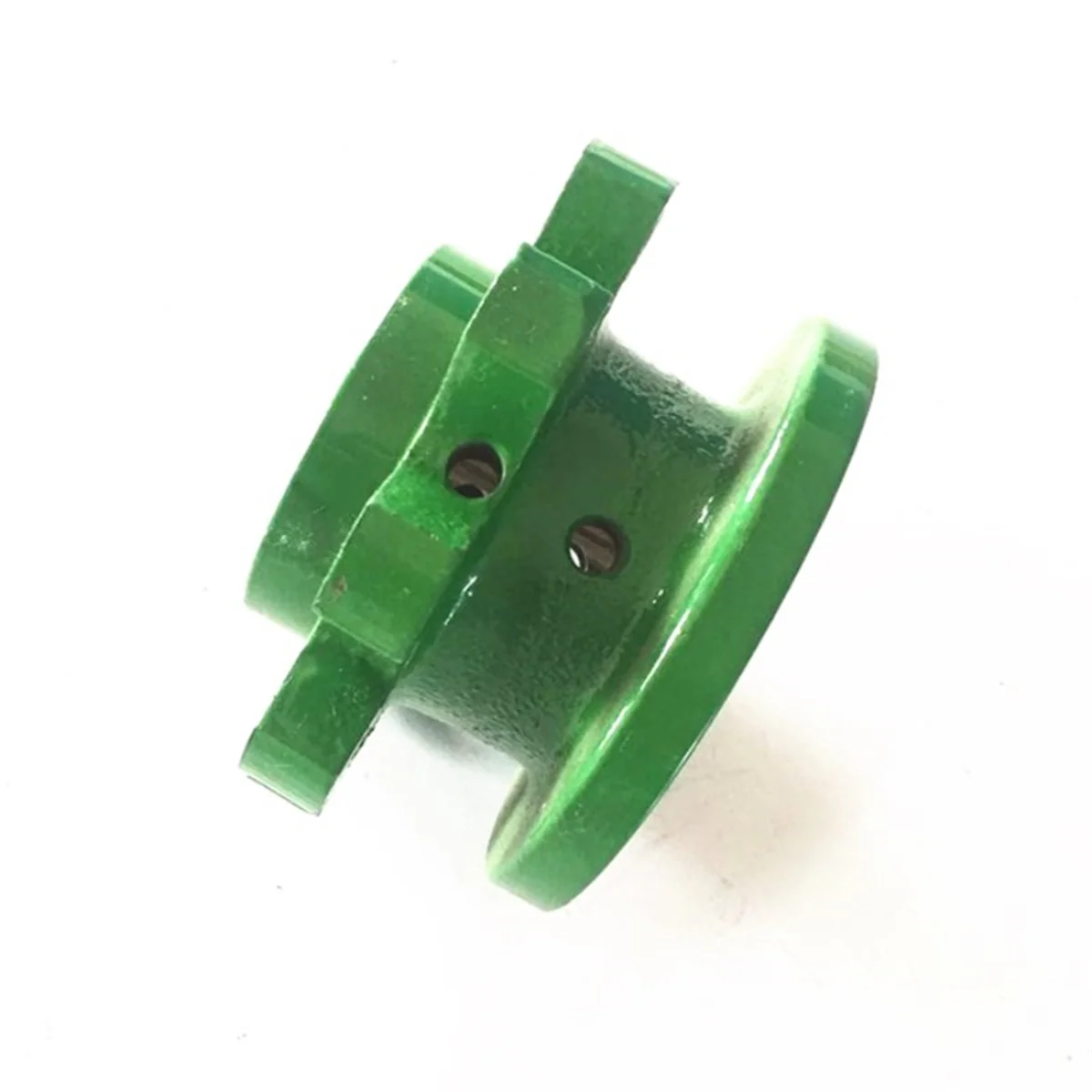
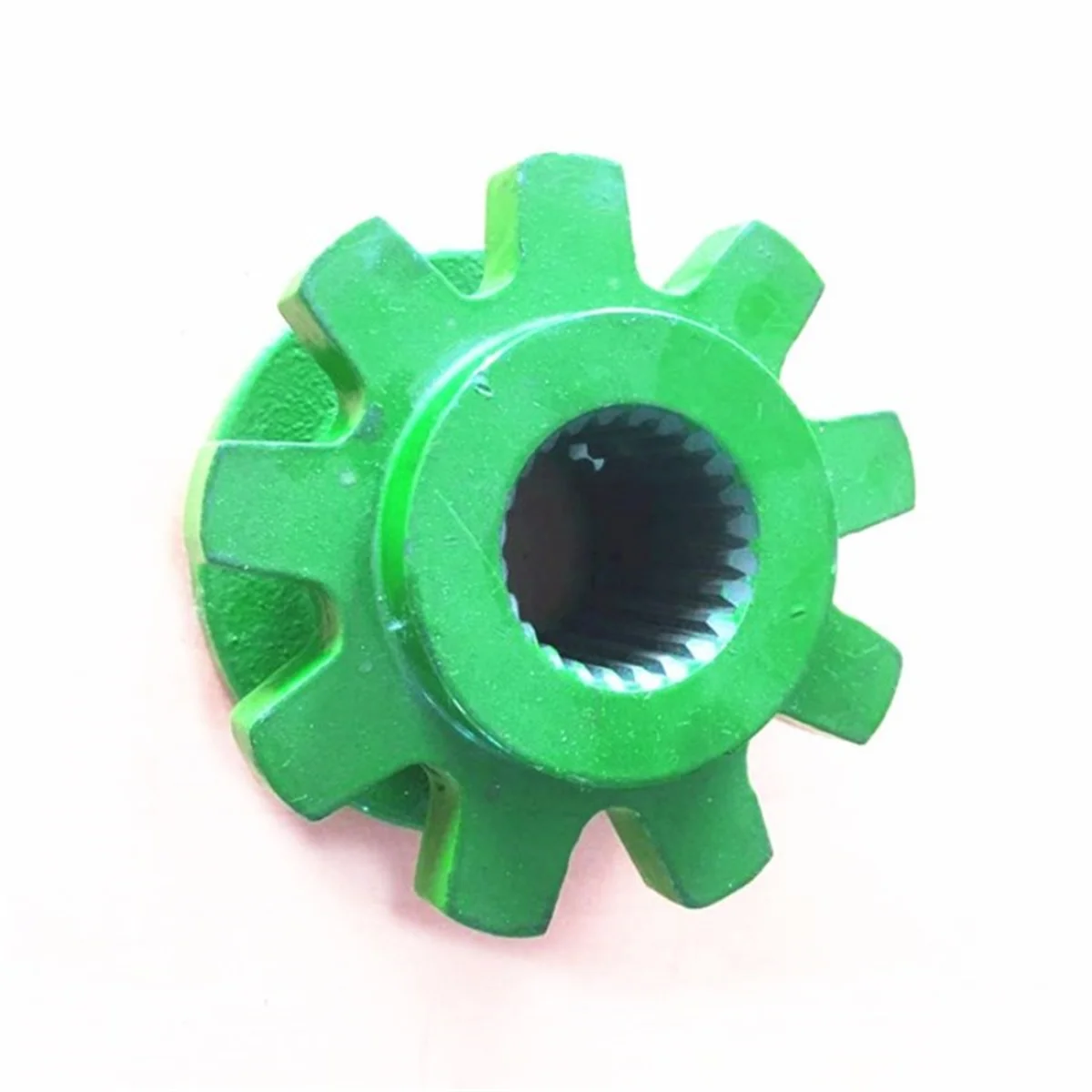
Custom Gray Ductile ADI Iron Internal Spline Sand Gravity Casting with Polishing and Separate Metalwork Enquiries
Direct factory support
Get a quote that fits your project
Send your drawing or product reference, material grade and required quantity. Relia will review the requirements with you.
- Drawing & specification review
Confirm the supply scope and critical requirements.
- Samples before custom production
Review inspected samples before approving a batch.
- Inspection documents
Agree material and dimensional records for your part.
-
Sizecustomized, 5g-200kg
-
Product nameCustom Casting PartsSurface treatmentPolishing
-
TypeSand Casting IronMaterialGray Iron, Ductile Iron, ADI
-
StandardDIN,AISI,SAE,ASTM,UNS,GOST,ISO,BS,EN,JISTesting EquipmentSpectrograph,CMM,PP,Roughness tester,Tension tester
-
CertificateISO9001, TS16949,ISO1400,RoHSProcessBlanking, Bending, Forming,Welding,Anodizing
-
ServiceOEM\ODM
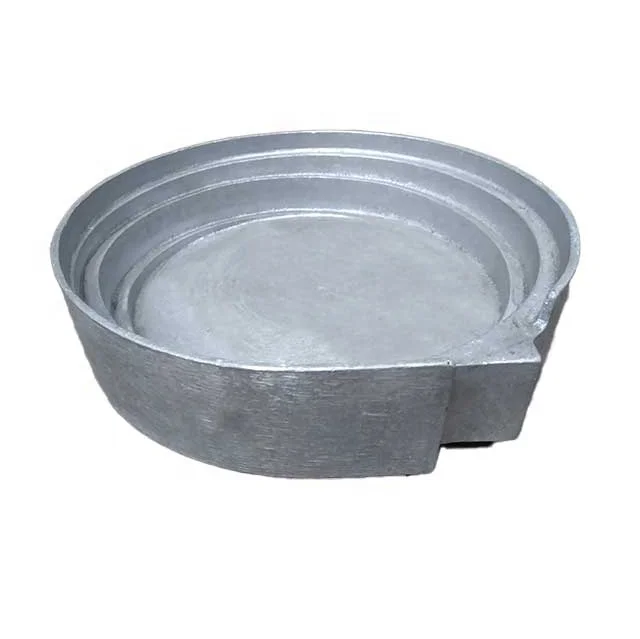
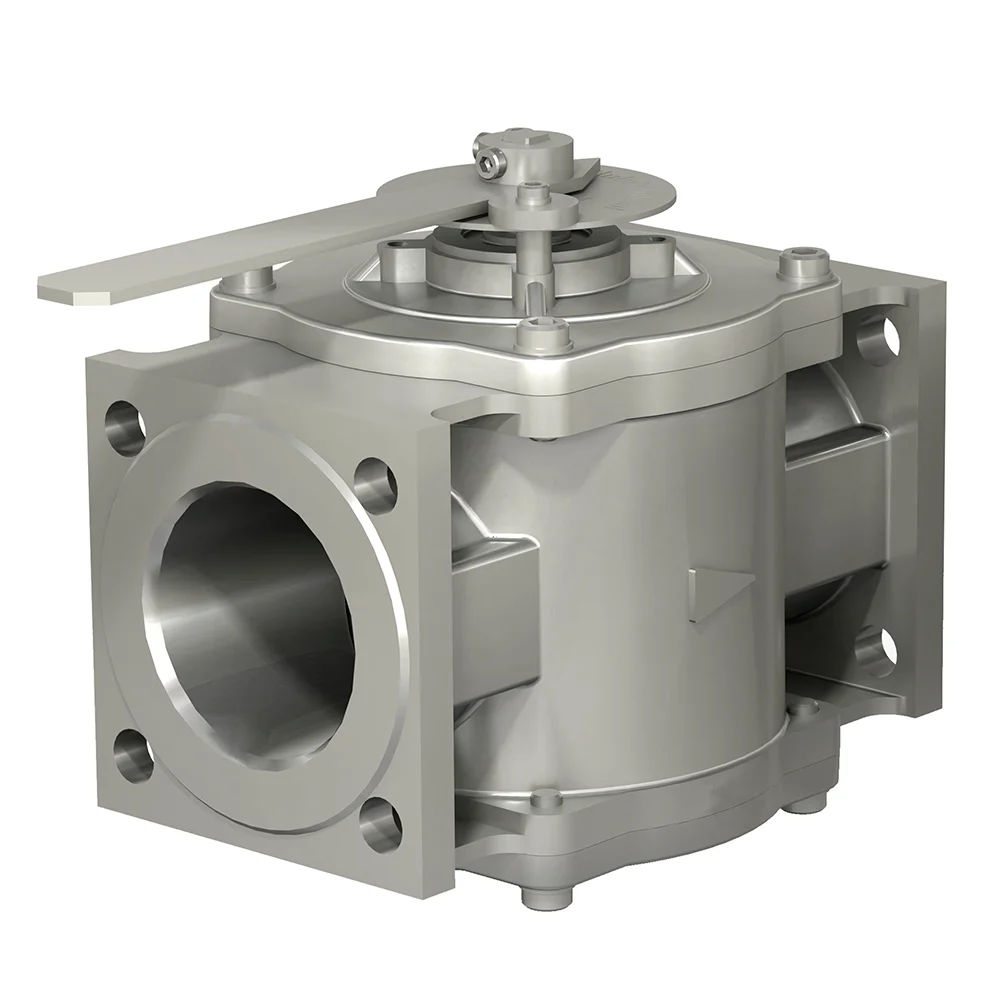
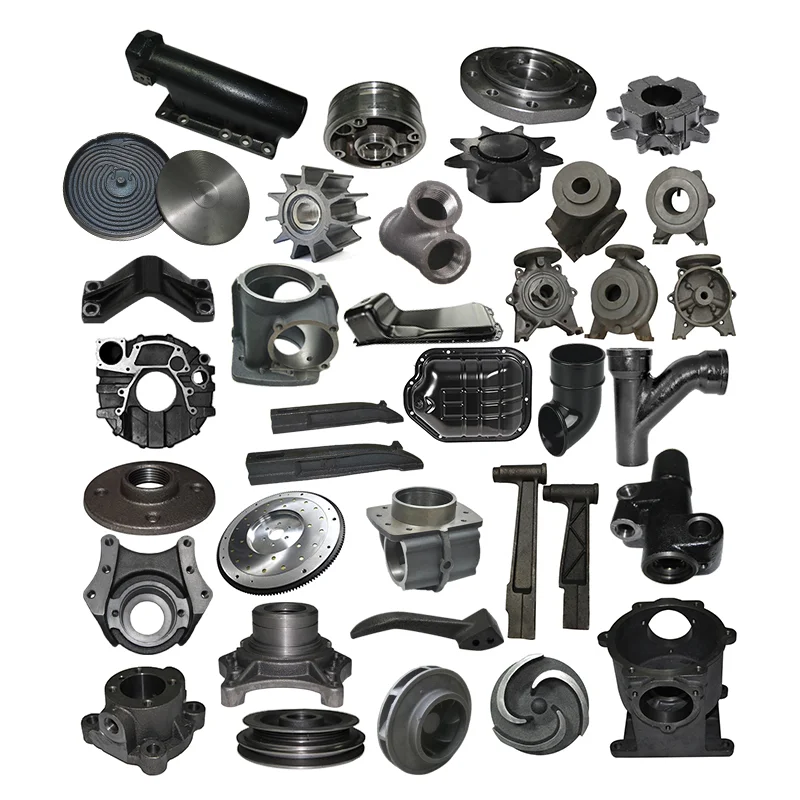
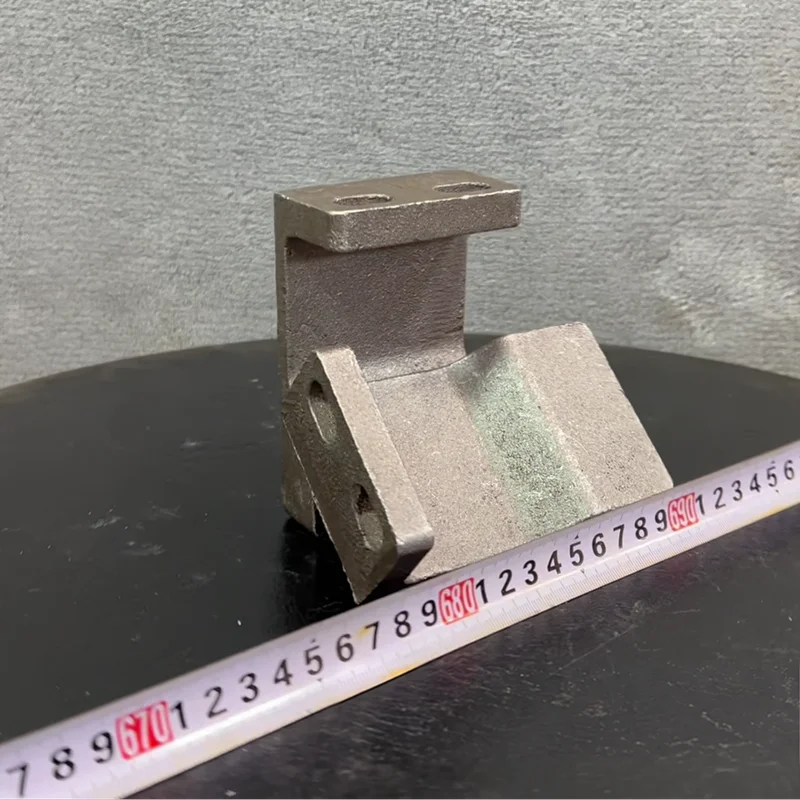
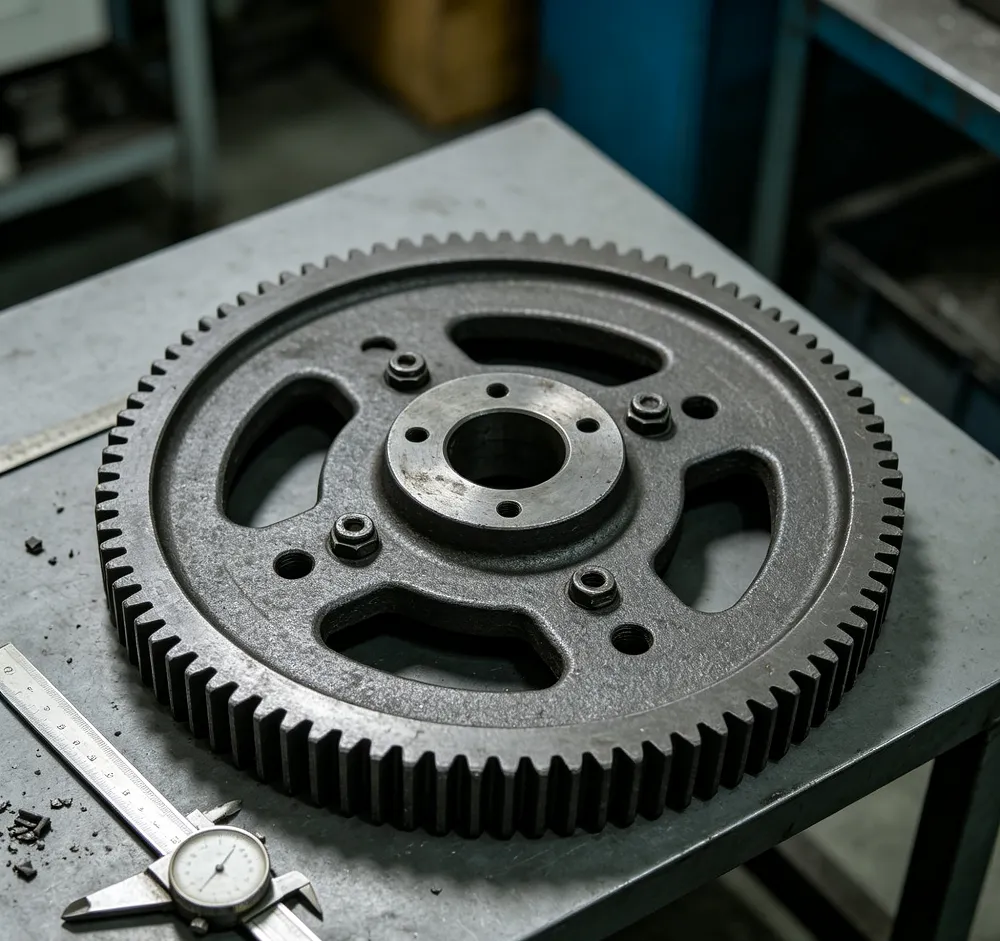
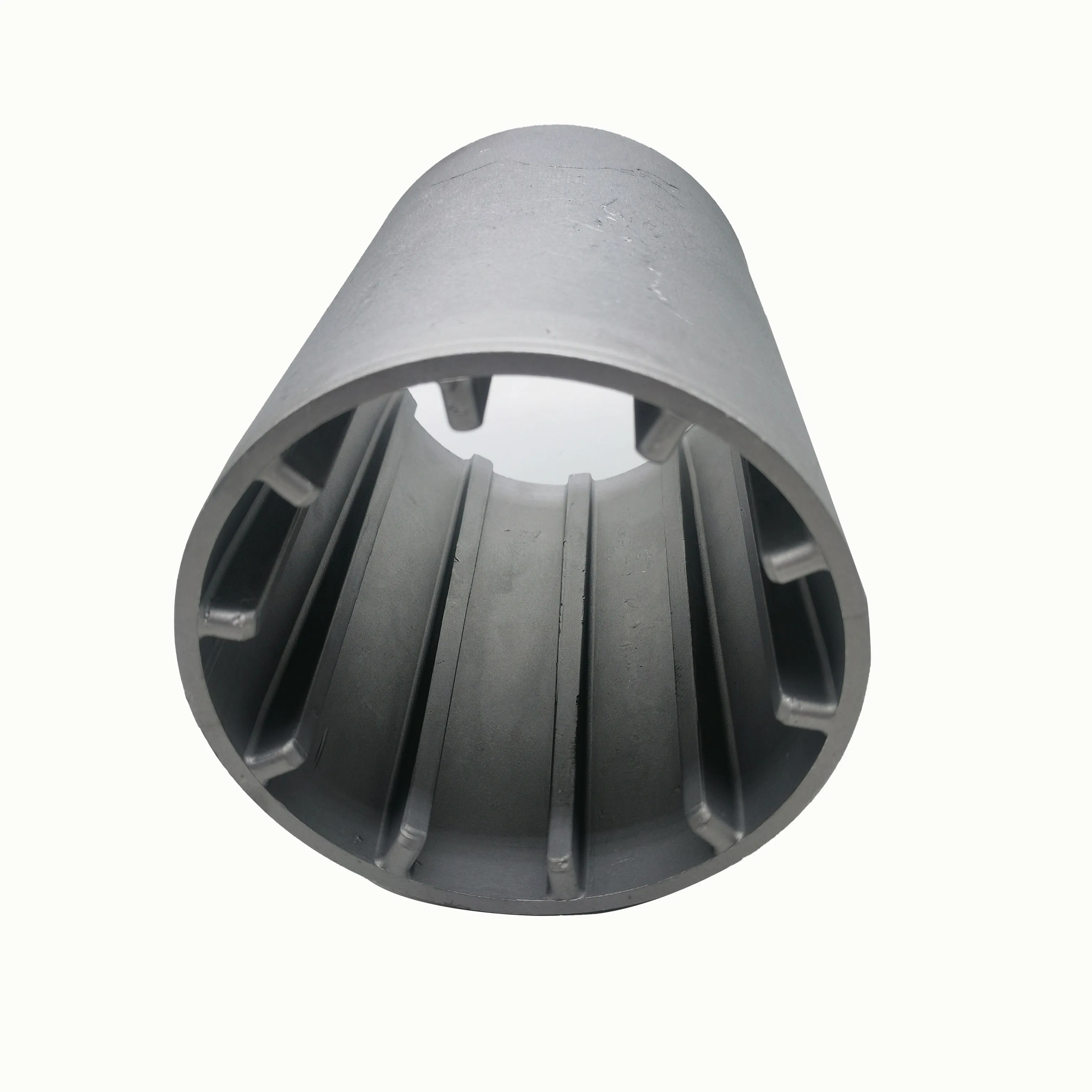
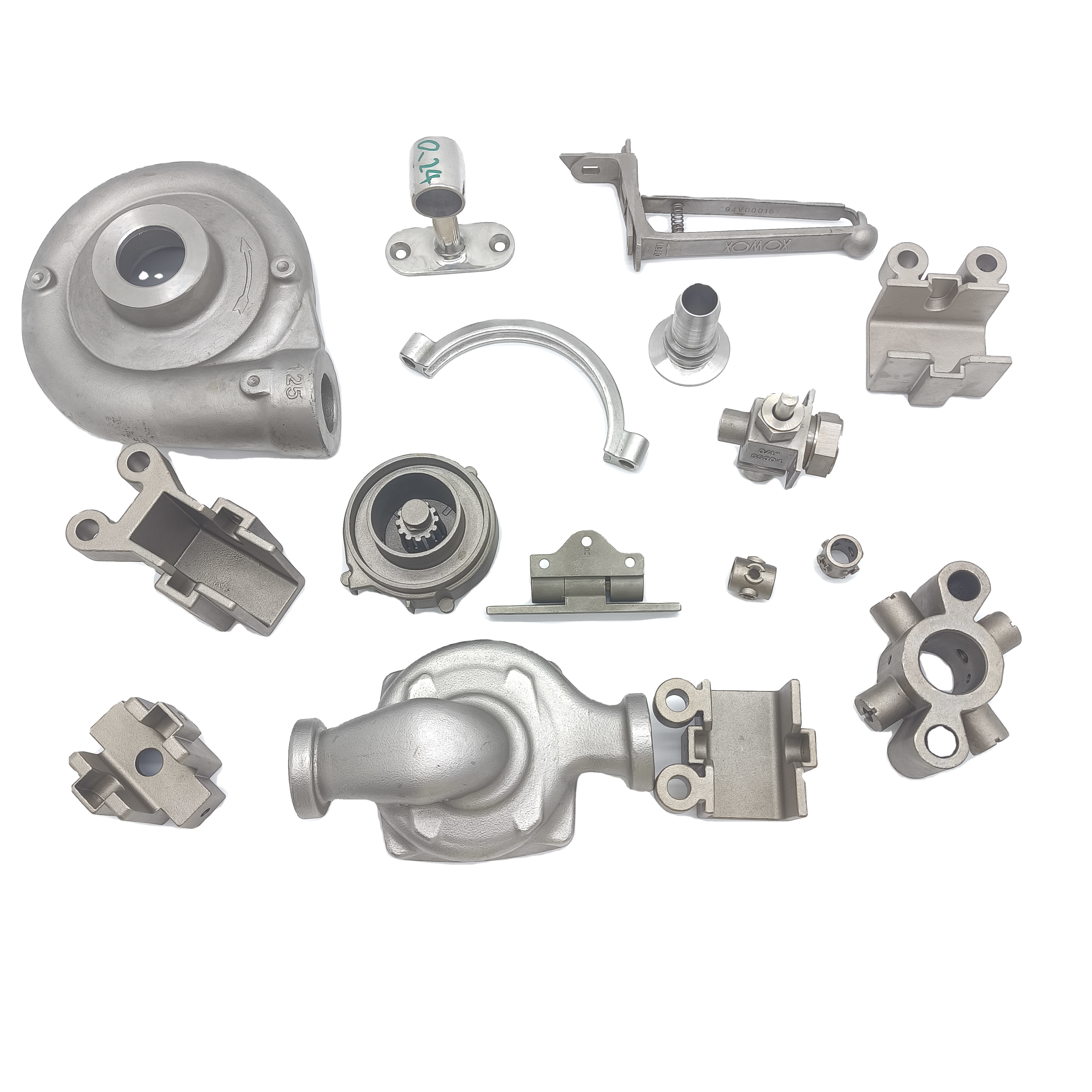
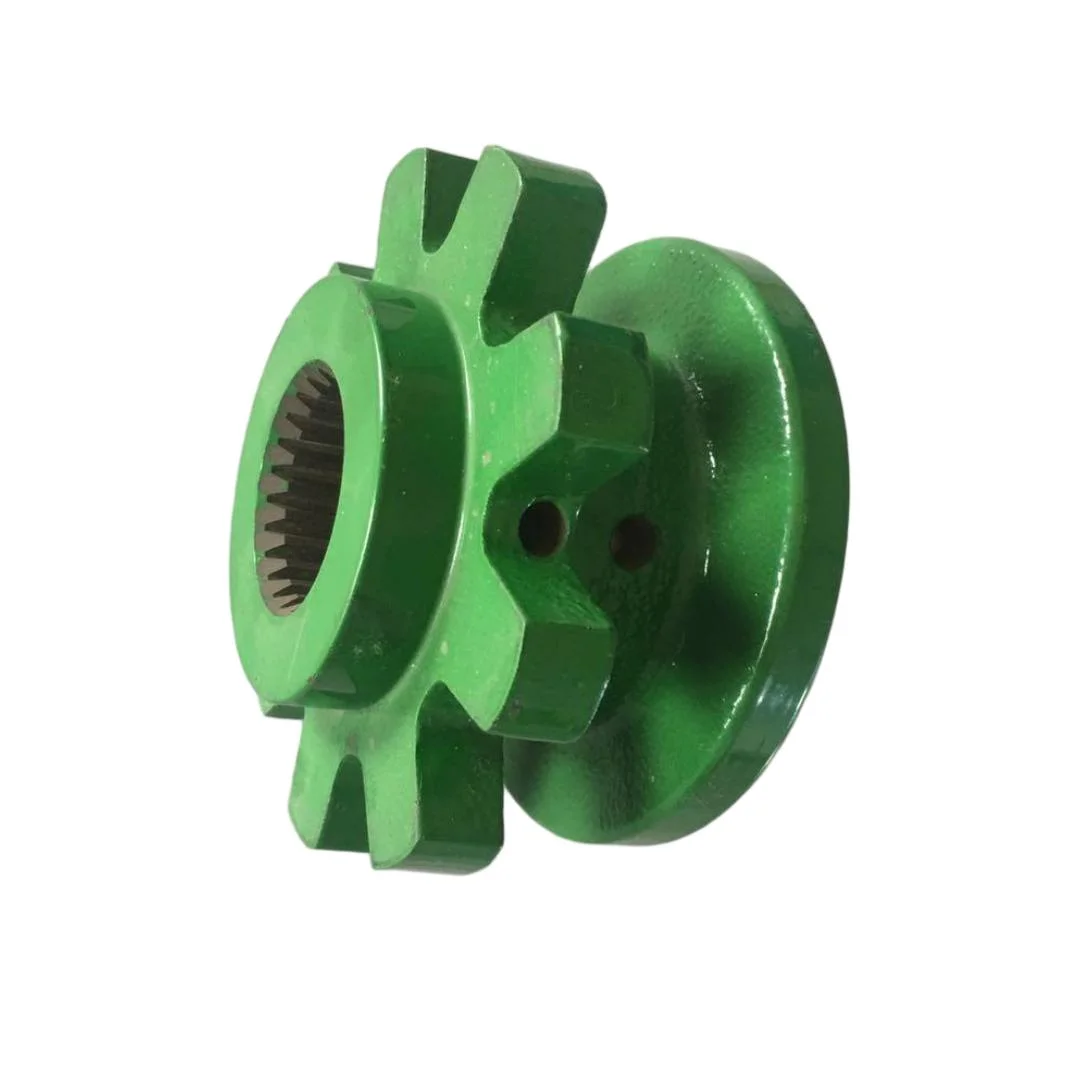
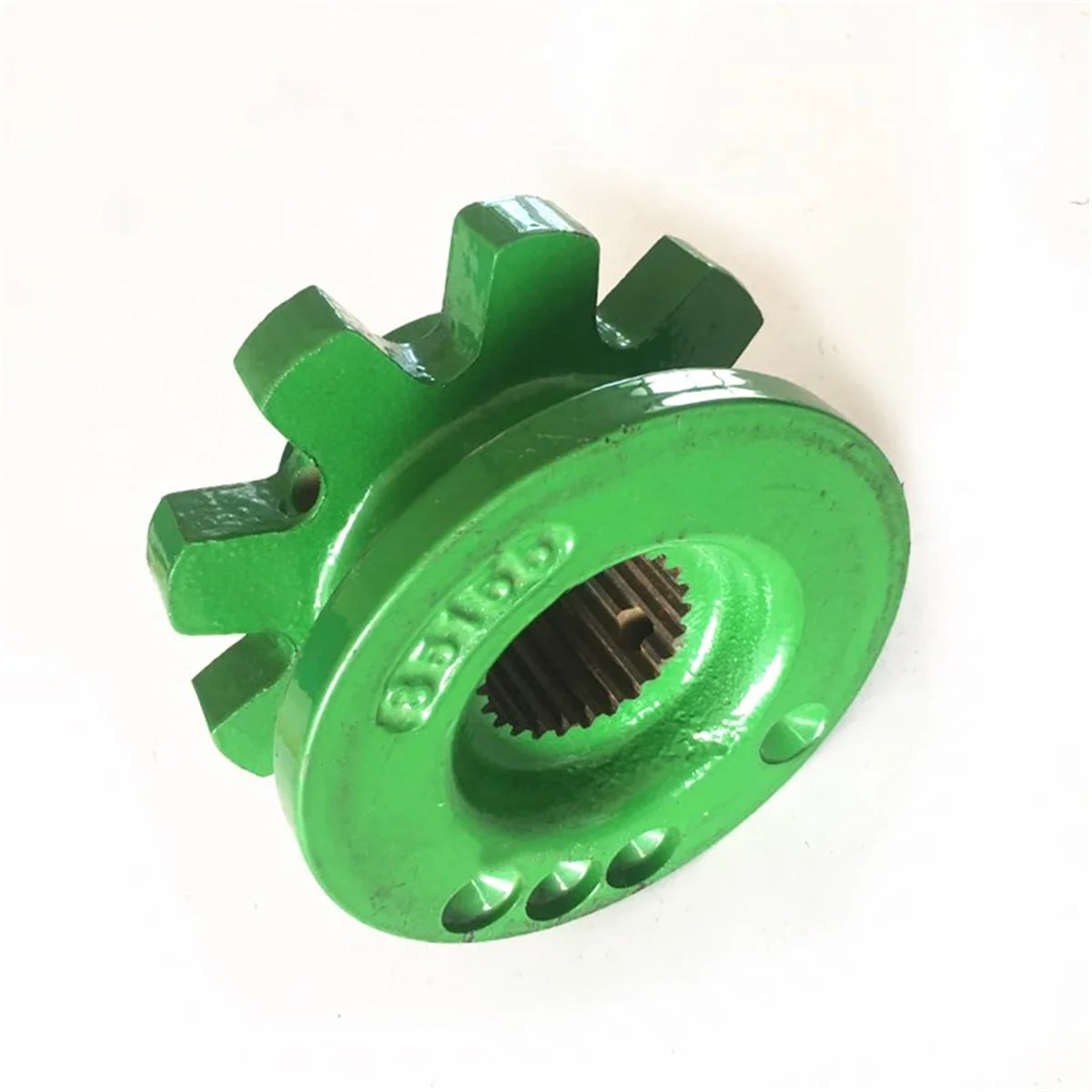
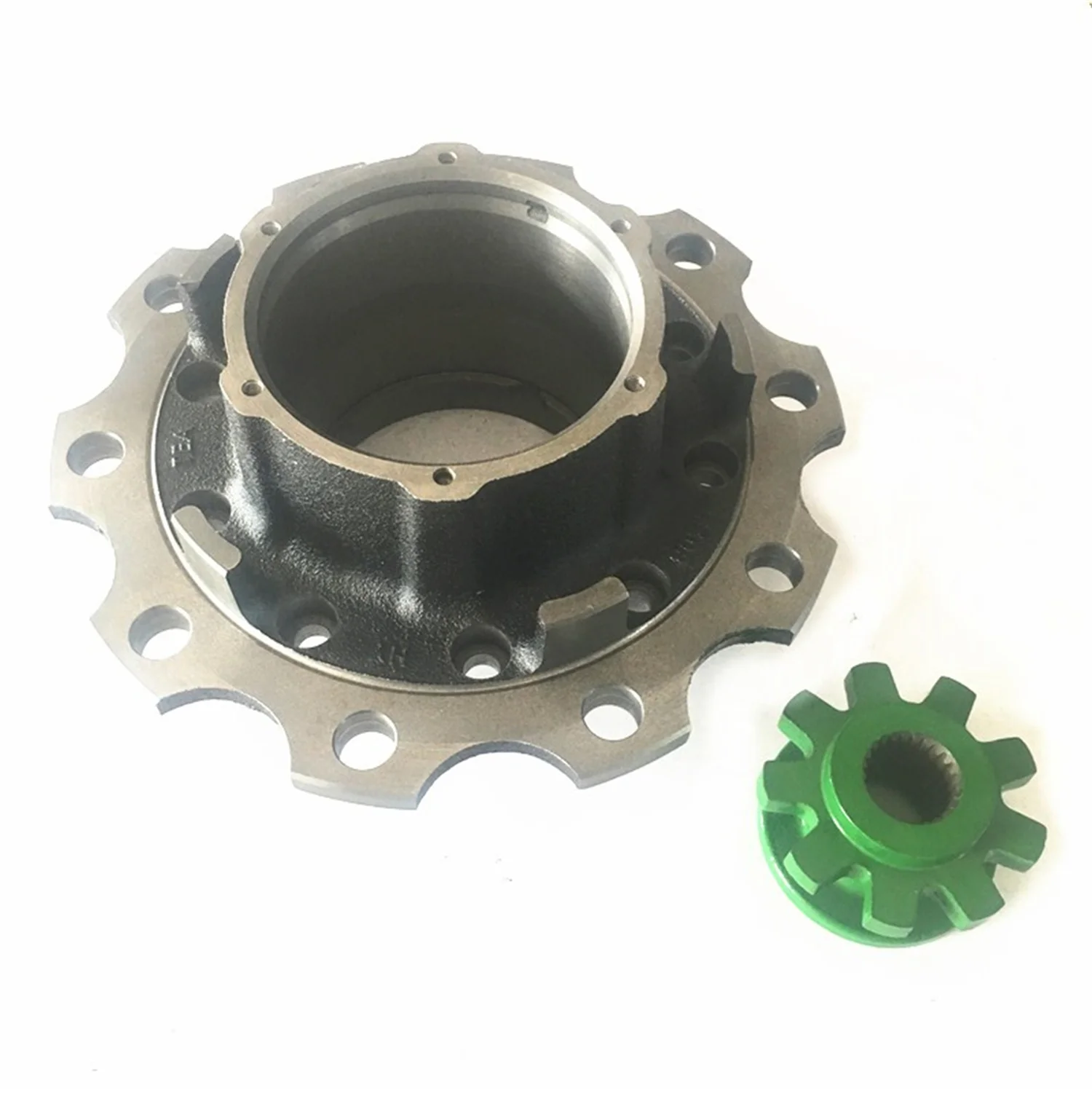
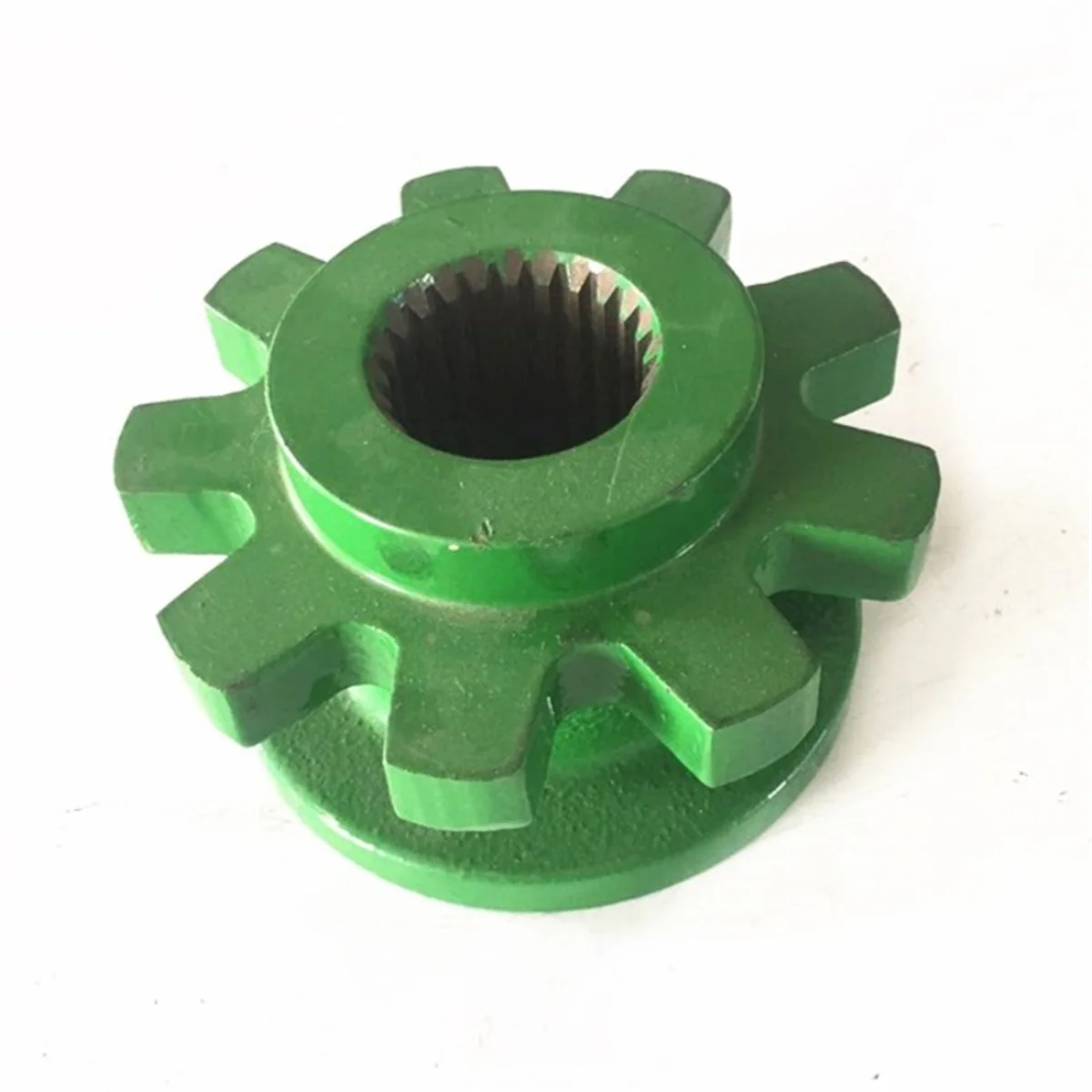
Industrial internal-spline component enquiries cover gray iron, ductile iron or ADI with selected sand- or gravity-casting requests. Polishing is the named surface treatment. Supply the spline drawing and complete material requirement before defining the actual route and finished component.
Make spline acceptance explicit
Show tooth geometry, locating datums and mating relationships used to assess the internal spline. State the required accuracy and supplied condition on the drawing. Identify the work requested to deliver that geometry, with the applicable dimensional and surface acceptance records.
Separate any additional fabrication work
Blanking, bending, forming, welding and anodizing are also named for suitable work. Select their actual material and geometry independently from the iron spline casting. Define polishing coverage and the final condition required at the mating tooth and locating areas.
Choose the inspection resources and documents
Testing references include a spectrograph, CMM, roughness tester and tension tester; the item labelled PP needs its actual identity established. Agree the checks and limits relevant to the component. Standard families are DIN, AISI, SAE, ASTM, UNS, GOST, ISO, BS, EN and JIS; select the applicable document and grade.
Complete the order qualification brief
Request relevant ISO9001, TS16949 and RoHS documentation, and identify the exact ISO1400 document and scope. Include quantity and the controlled revision alongside the part requirements. Connect sample approval to the selected material, spline geometry and delivered surface so the production enquiry has a clear acceptance basis.