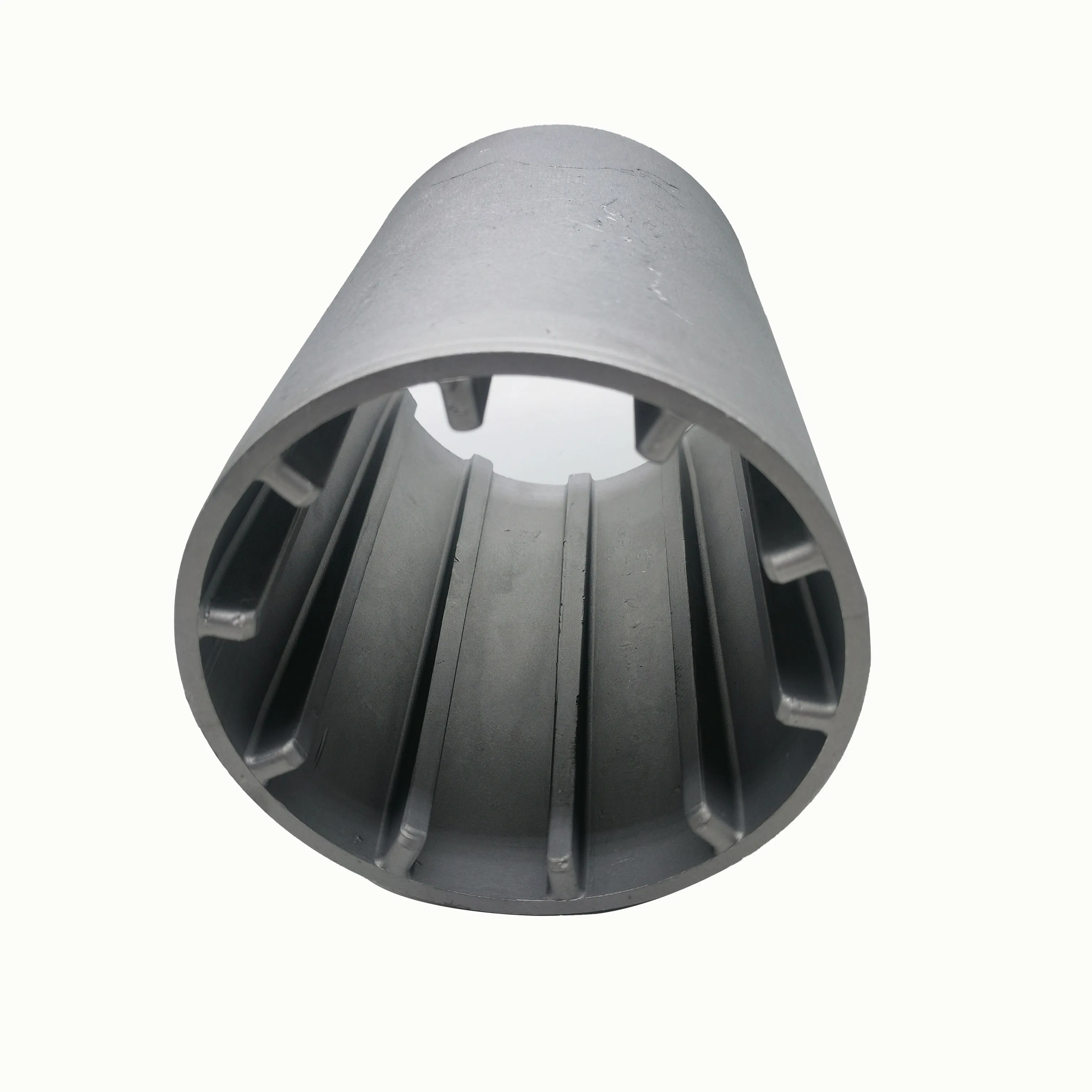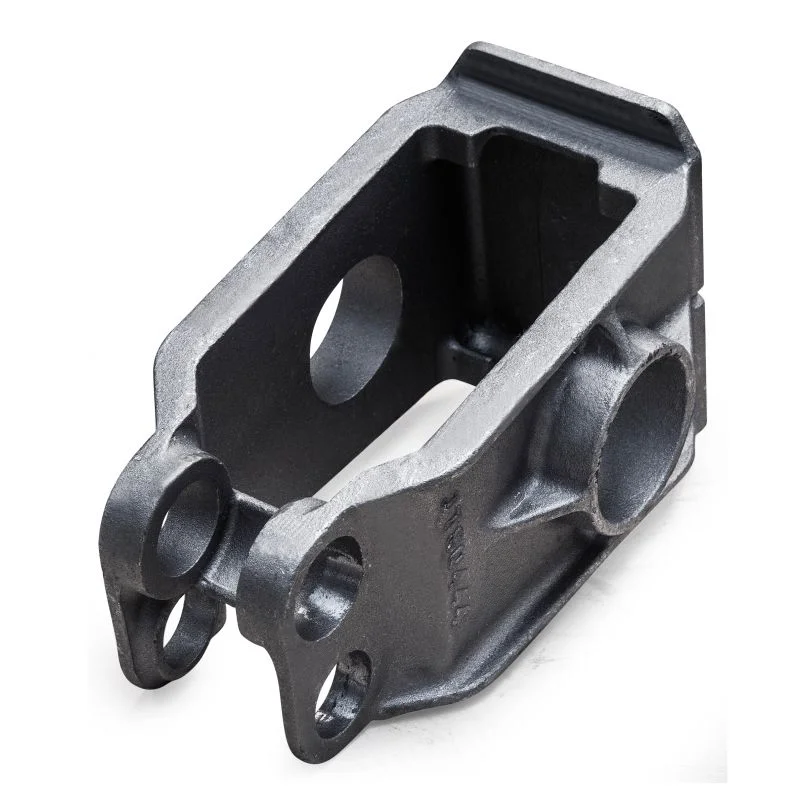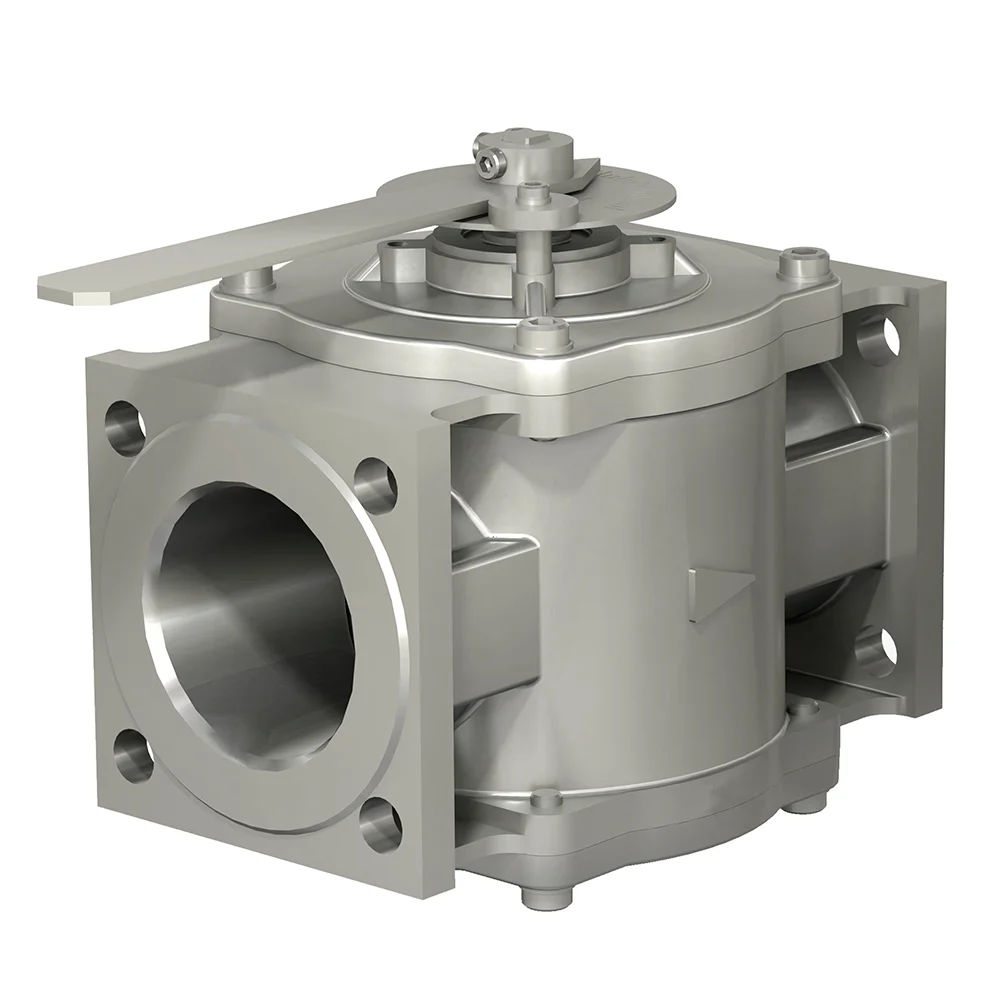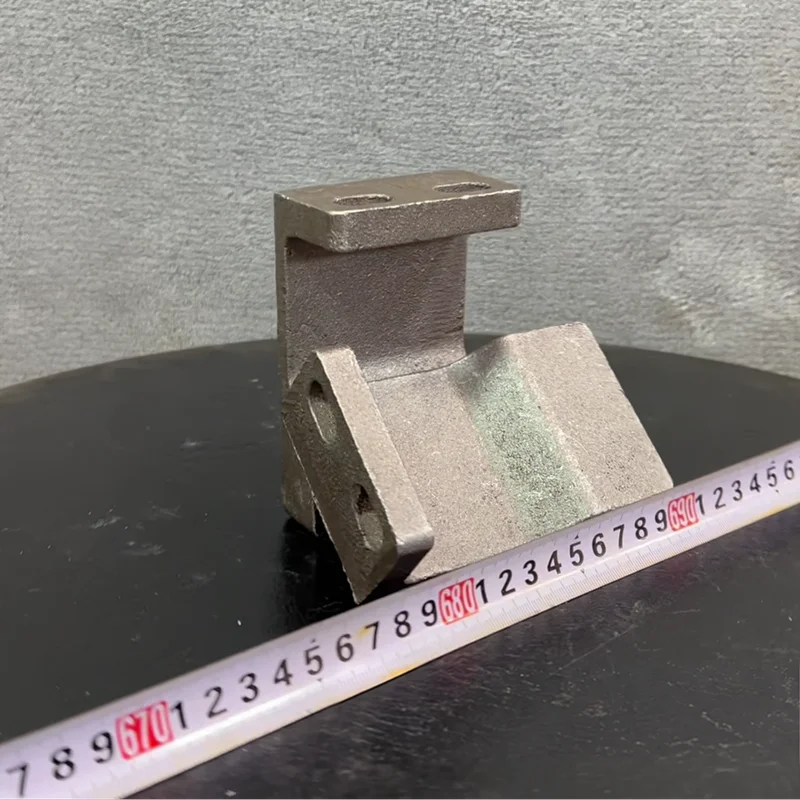
Custom Gray Ductile Iron Sand Cast Parts with Separate Aluminum CNC Lathe Milling and Heat Treatment Enquiries
Direct factory support
Get a quote that fits your project
Send your drawing or product reference, material grade and required quantity. Relia will review the requirements with you.
- Drawing & specification review
Confirm the supply scope and critical requirements.
- Samples before custom production
Review inspected samples before approving a batch.
- Inspection documents
Agree material and dimensional records for your part.
-
ServiceOEM ODM
-
MaterialGrey Iron, Ductile IronApplicationIndustry Machinery, Automotive, Electricity
-
ProcessMould, Casting, CNC MachiningMachining ProcessCNC Lathe, CNC milling center
-
Heat treatmentAnnealing, Quench and temper, ADISurface treatmentZinc plating, Painting, Powder Coating
-
Quality ControlPFMEA, PPAP, APQP, Control Plan, MSAMachining tolerance+/-0.005mm, ISO2768-mk
-
Casting toleranceCT4-CT9
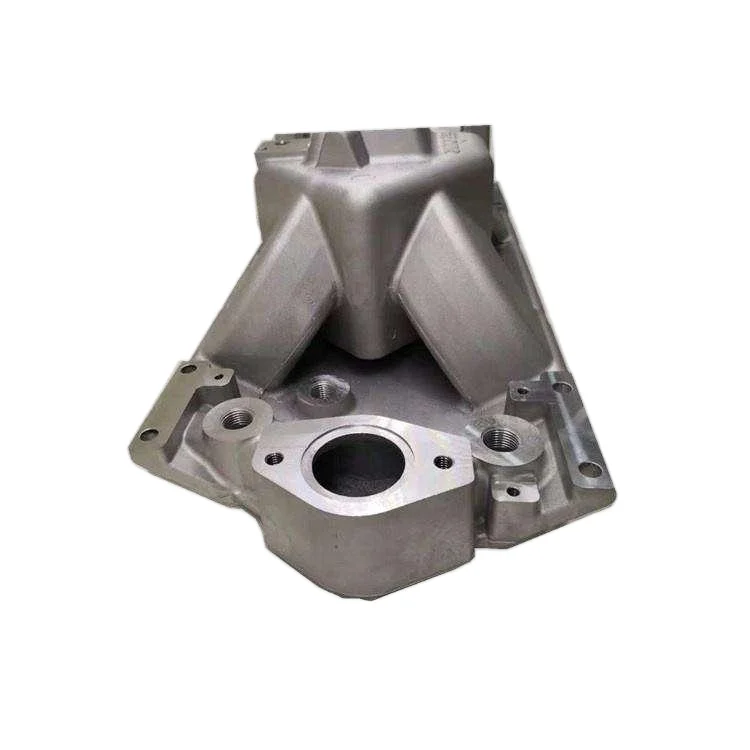
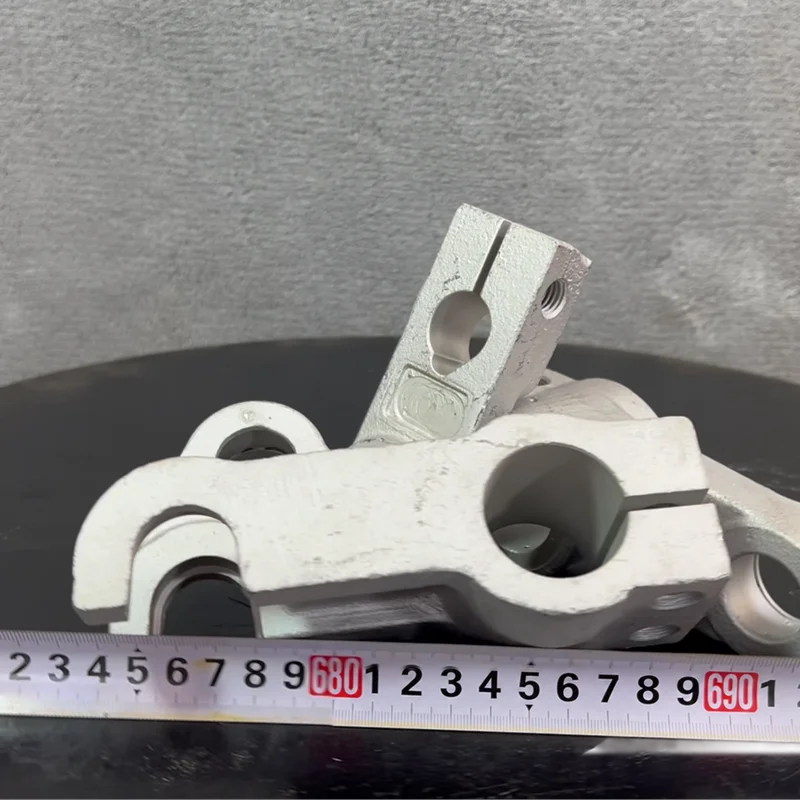
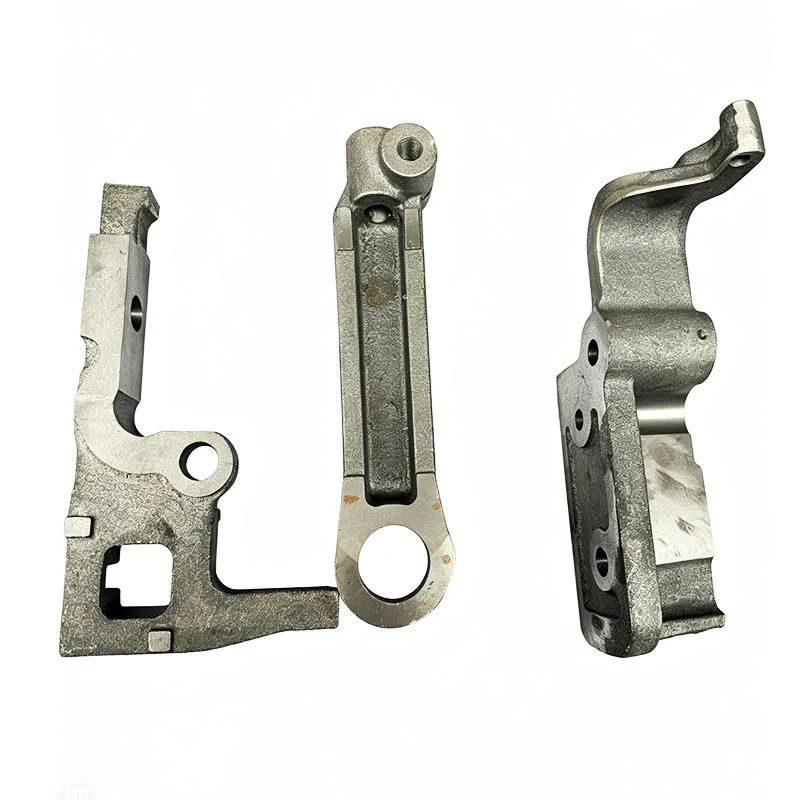
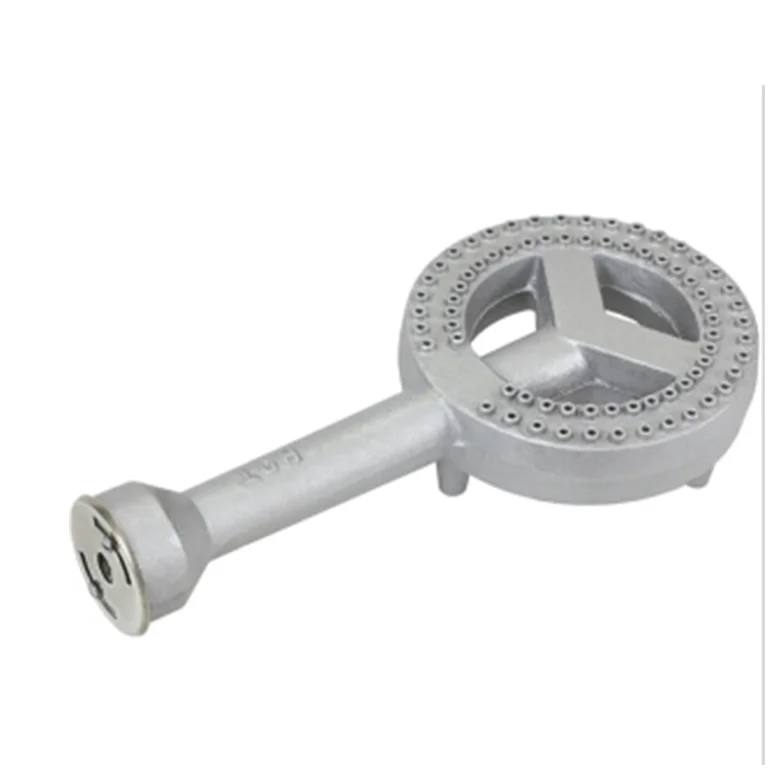
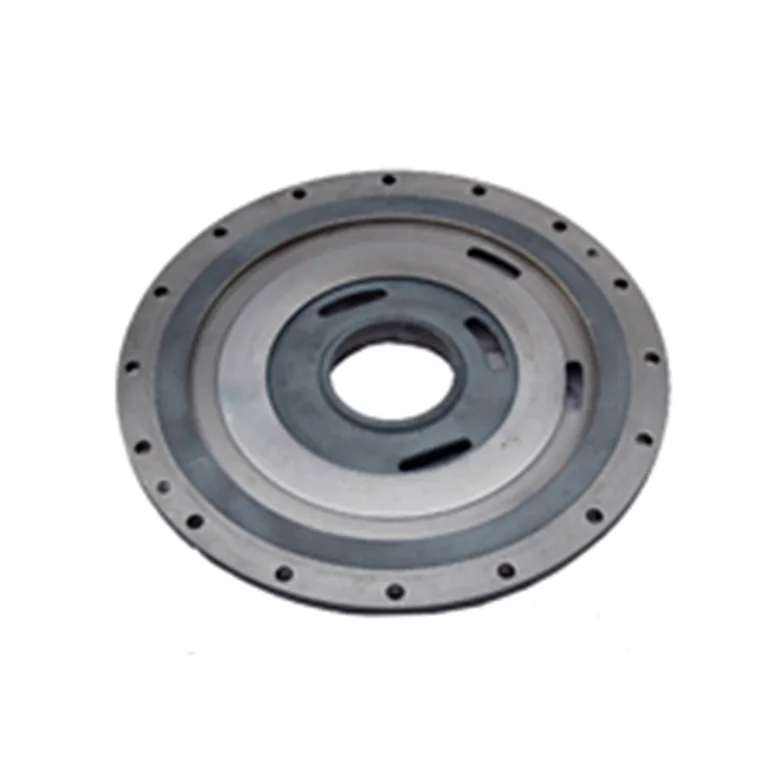
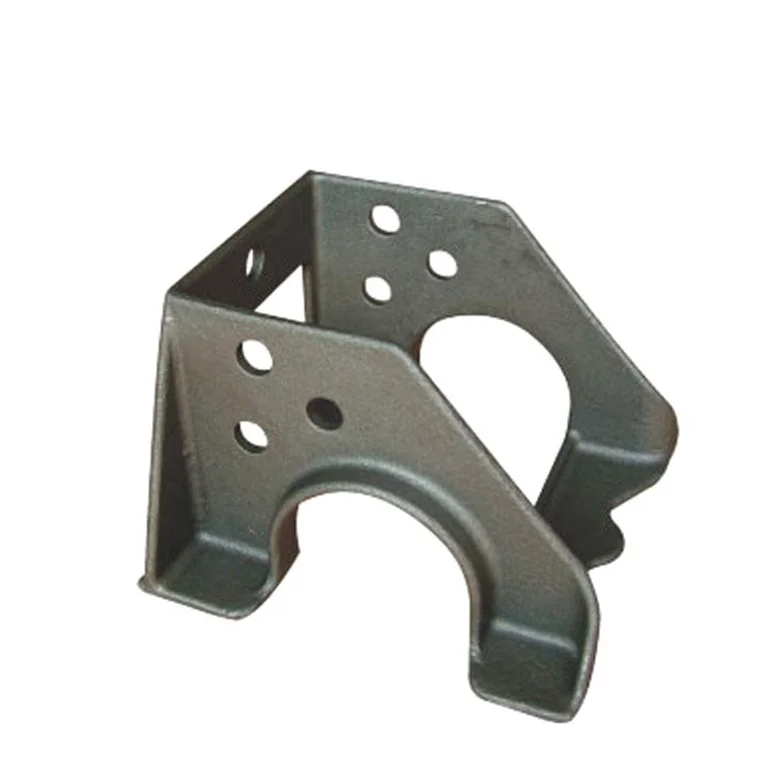
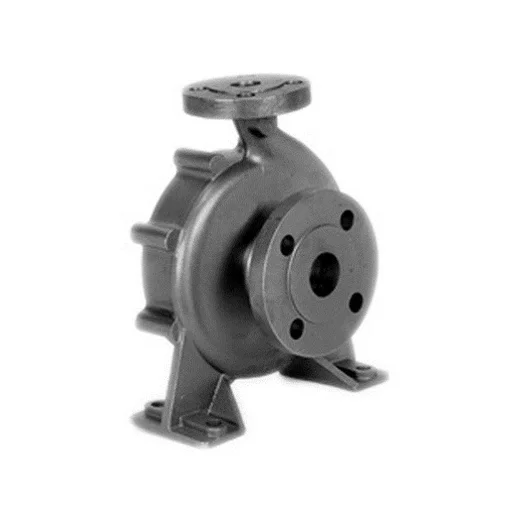
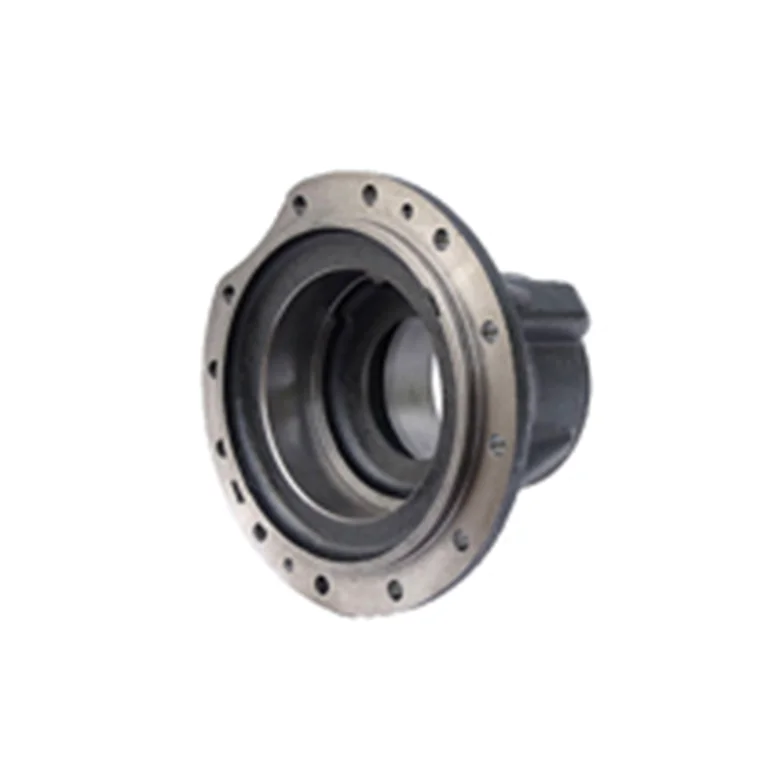
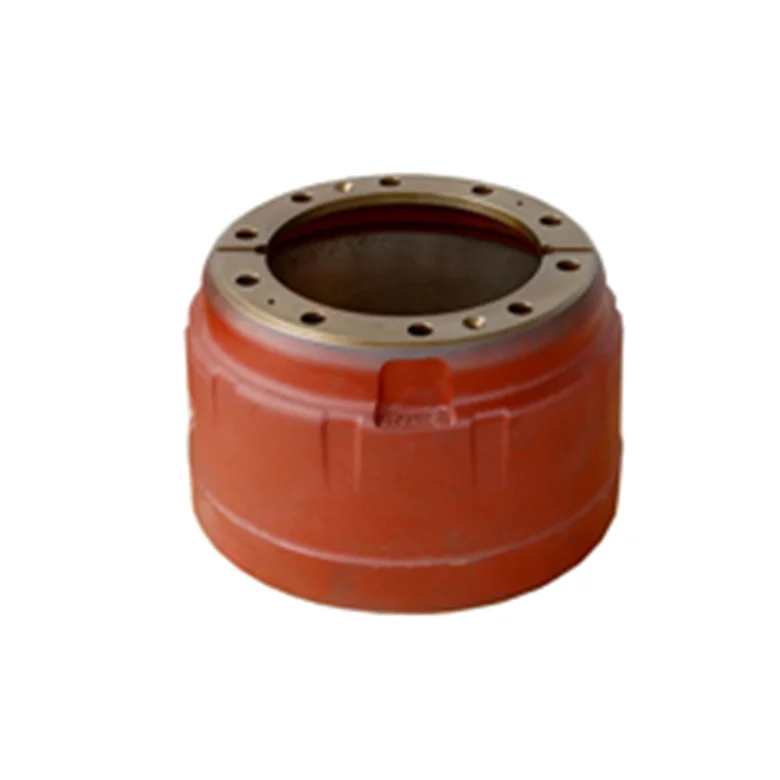
Custom sand-casting enquiries cover gray- or ductile-iron parts with separately specified aluminum components. OEM/ODM work includes molds, casting and CNC machining for the selected design. Define the material grade and required condition for the industrial-machinery, automotive or electrical part being ordered.
Separate casting and machining acceptance
CT4–CT9 is the casting reference, while machining is referenced as ±0.005 mm and ISO2768-mk. Identify the dimensions controlled individually and those governed by general tolerances. CNC-lathe and milling-center work should be assigned to the drawing’s functional interfaces and their final assessment stage.
Choose the material condition and finish
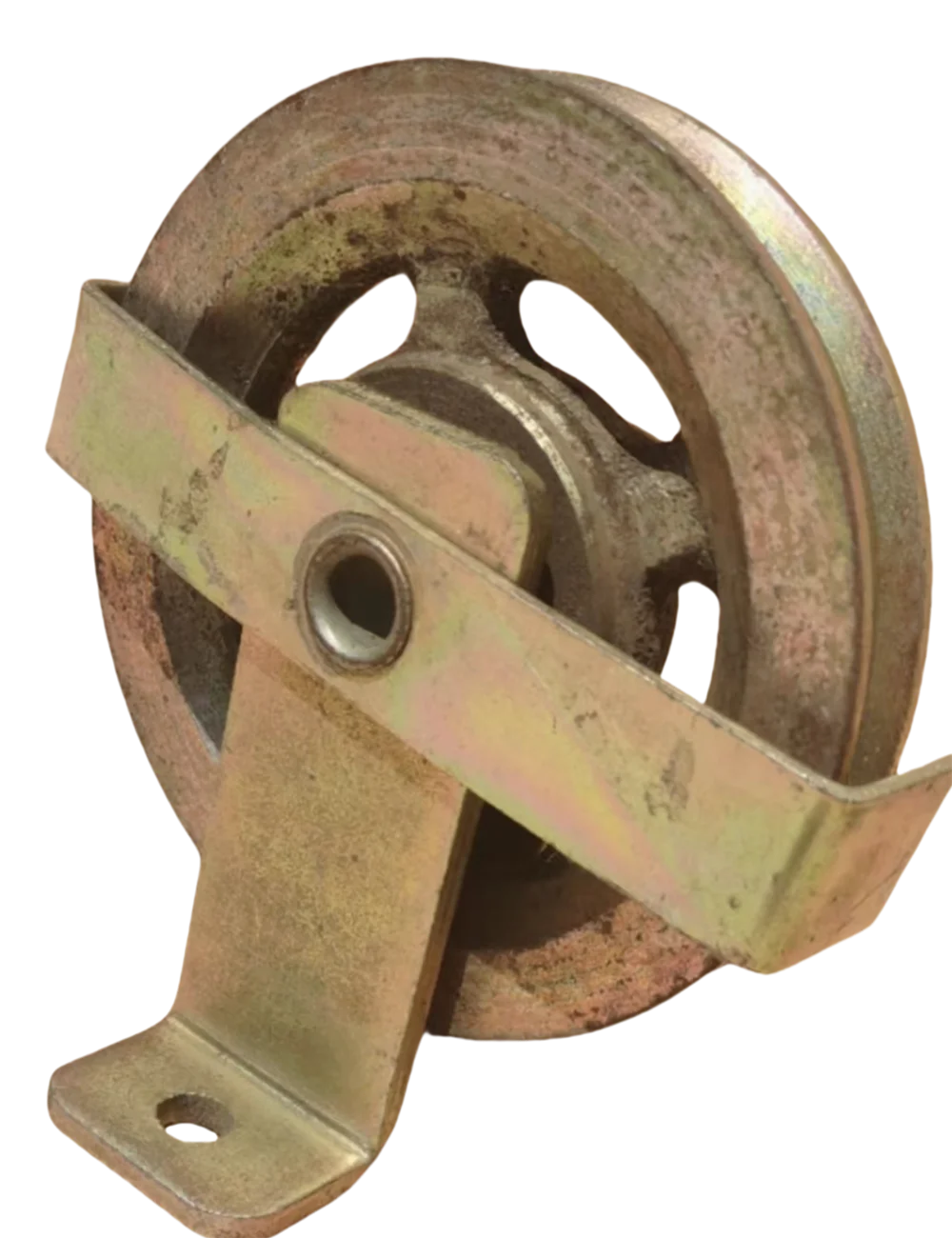
Treatments include annealing, quench and temper, and ADI for an appropriate ductile-iron specification. State the result required by the selected material and duty. Zinc plating, painting and powder coating are surface choices; define coverage, masking and contact condition at the component’s fitted areas.
- Provide quantity and the controlled revision.
- Mark cast and finished geometry.
- Identify material and dimensional approval records.
- Define the required surface acceptance.
- Explain what the sample is intended to demonstrate.
Set quality-planning submissions for the order
PFMEA, PPAP, APQP, Control Plan and MSA are named planning references. Agree the required submissions and inspection plan for the actual project stage. Identify which submission is required at sample approval and which accompanies production. Keep those records tied to the selected grade, drawing and supplied-state definition so sample and production approval concern the specified component.