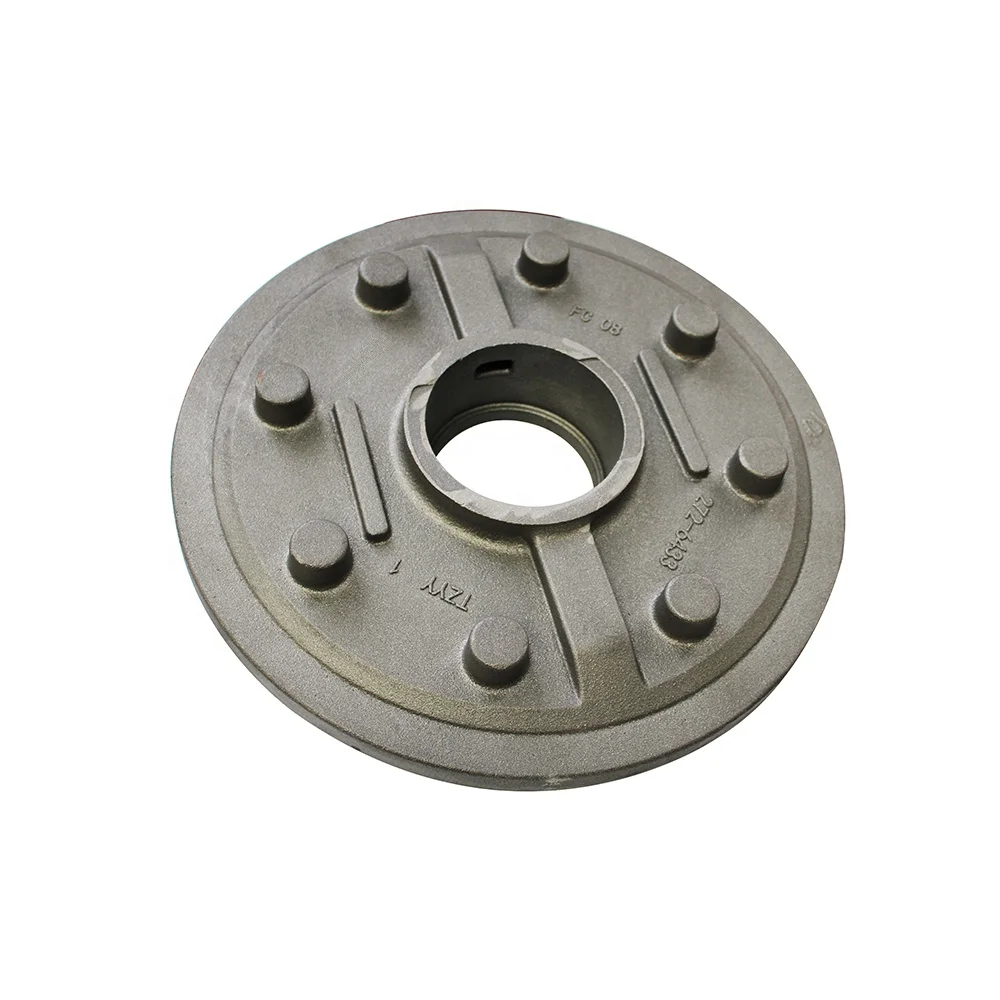
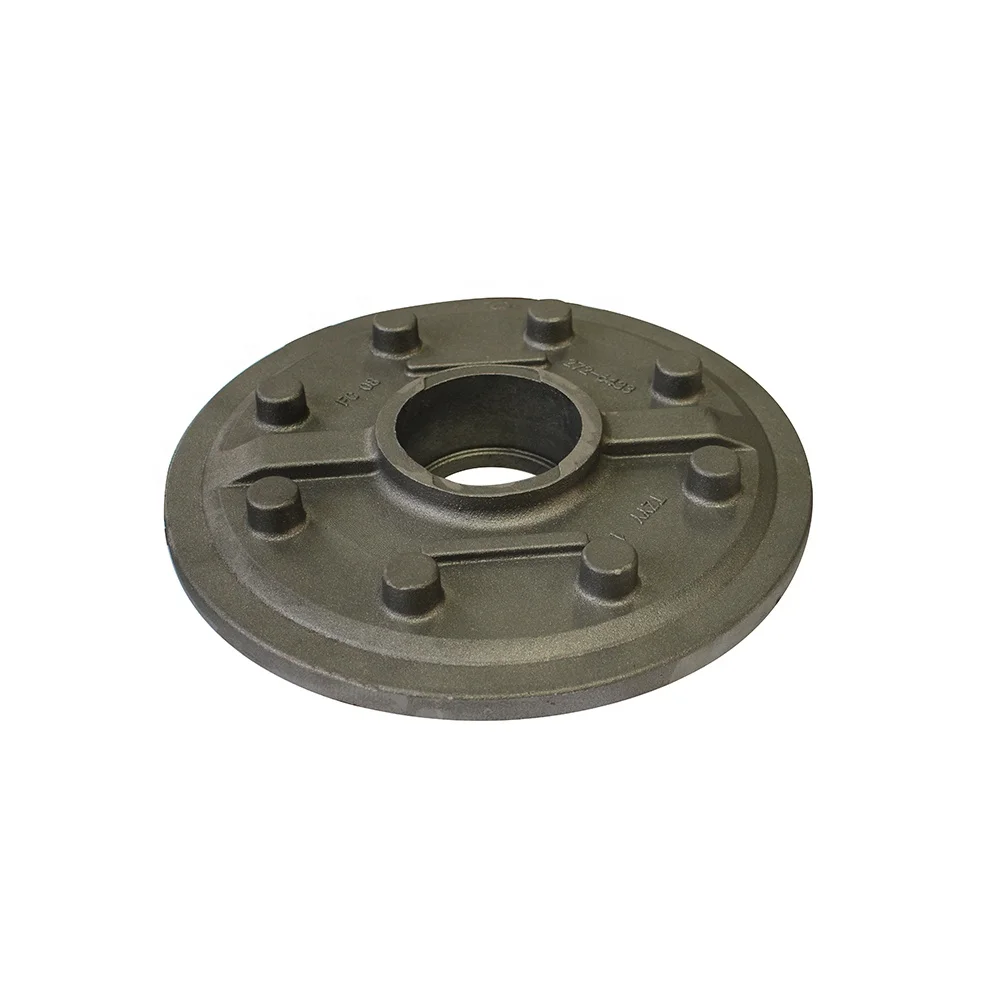
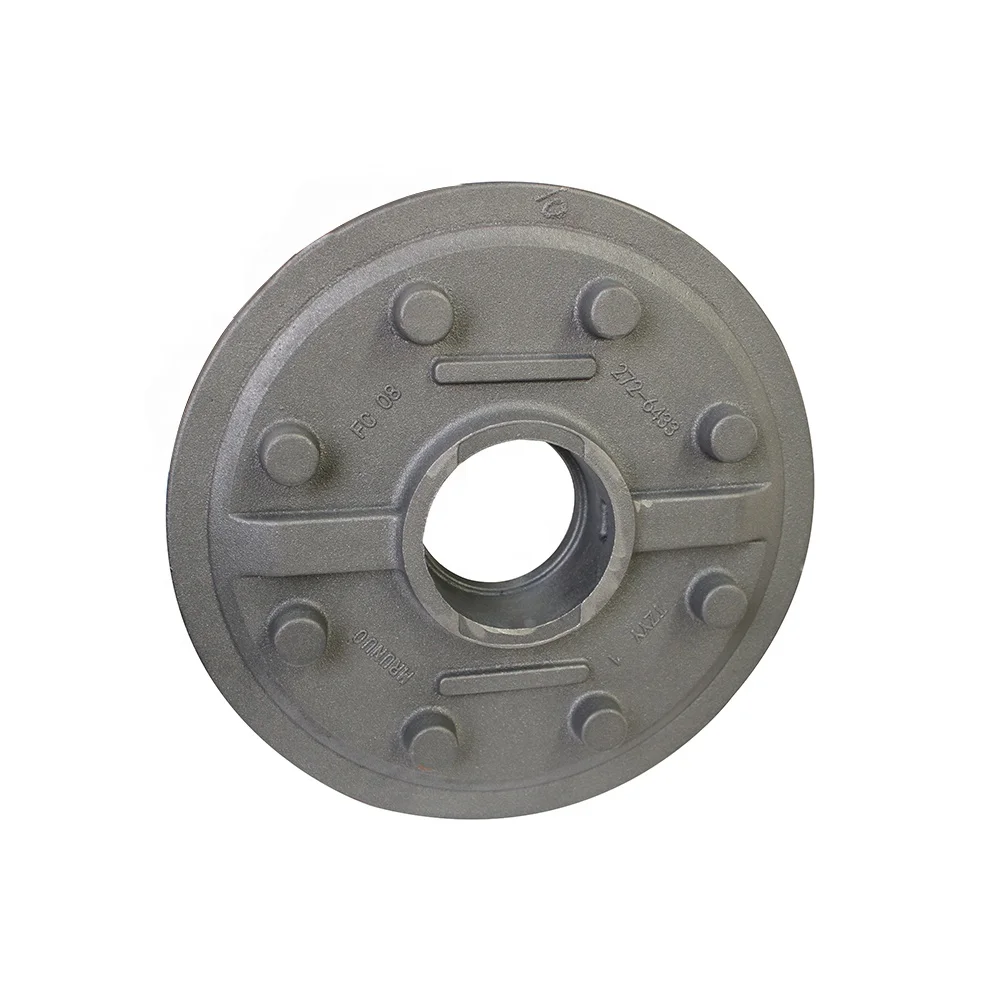
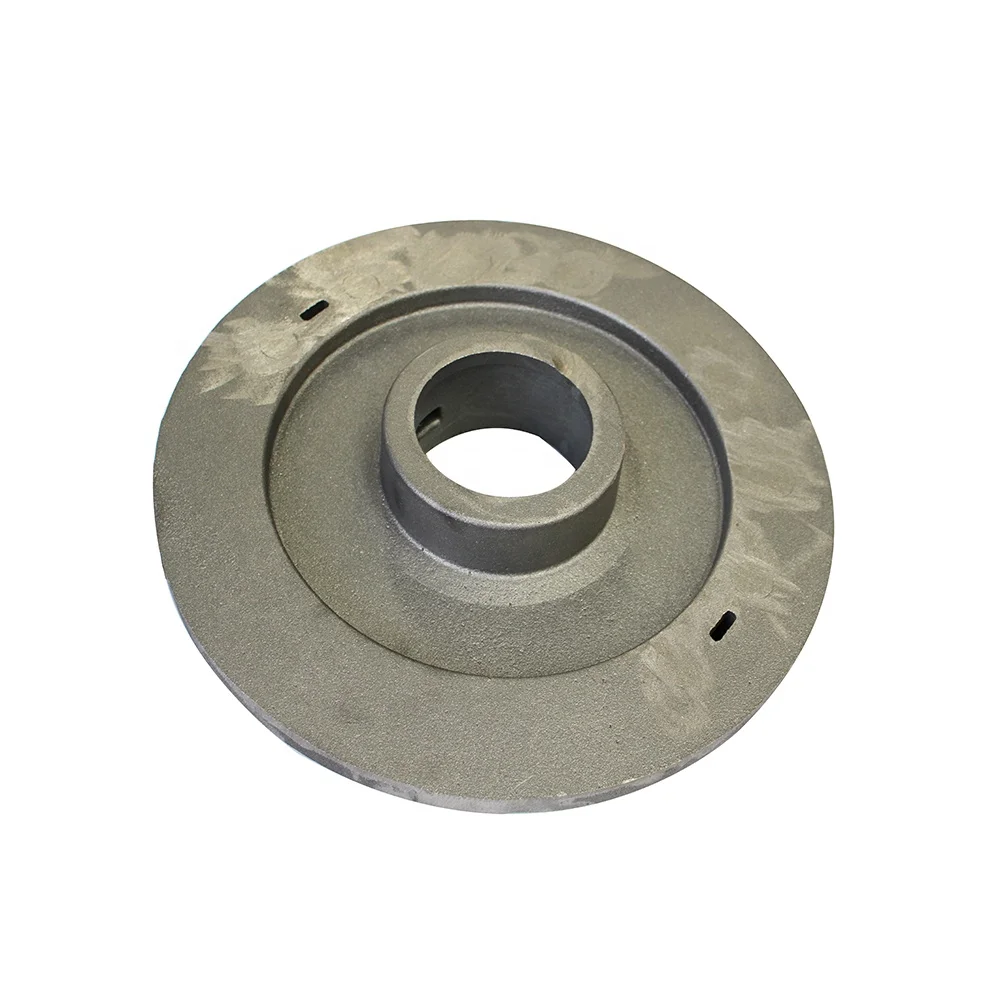
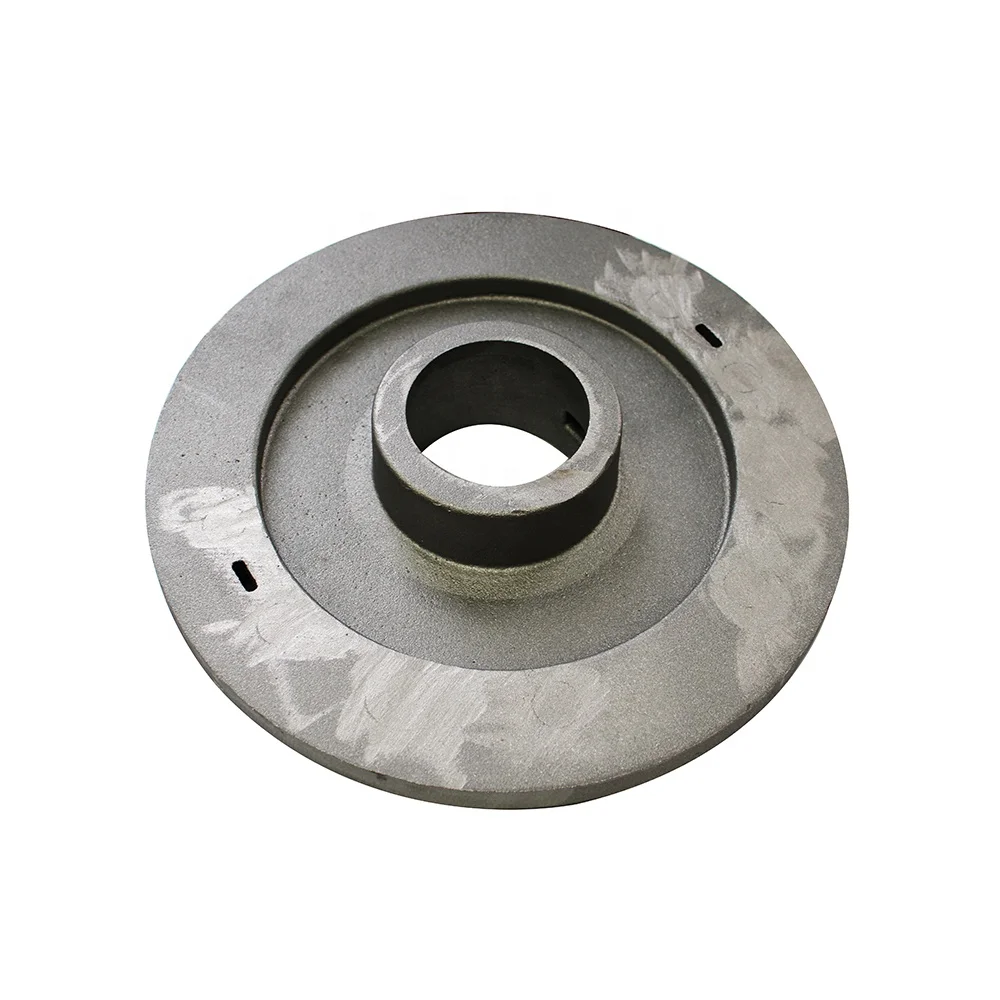
Custom Grey Iron Resin Sand Castings with CNC Machining ISO2768-mk and Inspection Reports for Automotive Part Enquiries
Direct factory support
Get a quote that fits your project
Send your drawing or product reference, material grade and required quantity. Relia will review the requirements with you.
- Drawing & specification review
Confirm the supply scope and critical requirements.
- Samples before custom production
Review inspected samples before approving a batch.
- Inspection documents
Agree material and dimensional records for your part.
-
MaterialGrey iron
-
ProcessResin sand castingDimensionCustomized Sizes
-
StandardGB ASTM AISI DIN BSCNC MachiningAccording to drawing
-
Machining ToleranceISO2768-mkInspection ReportAvailable
-
Surface treatmentAnti-rust oil/paintingApplicationAuto industry
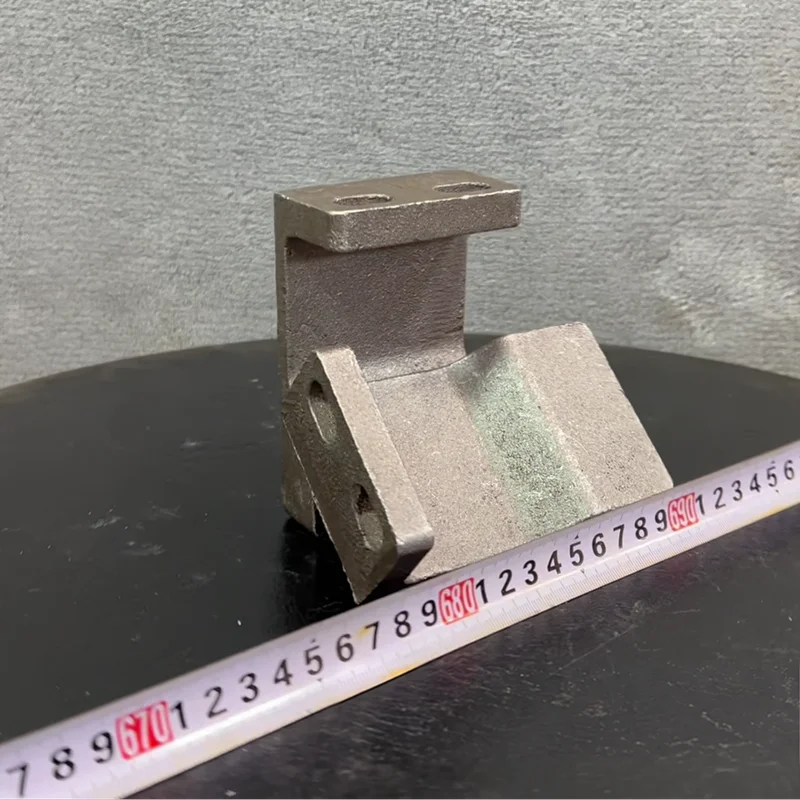
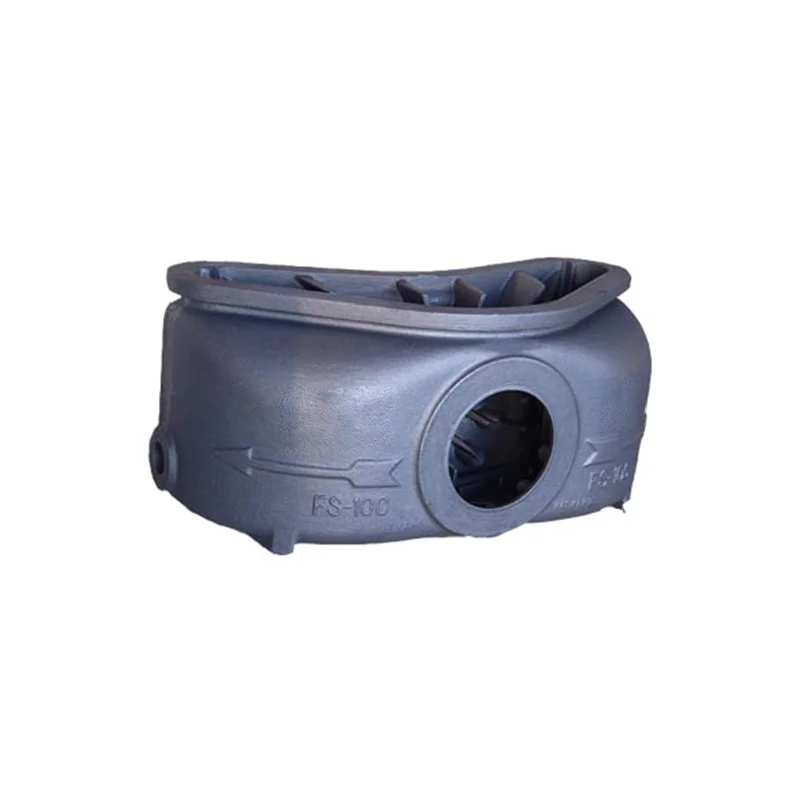
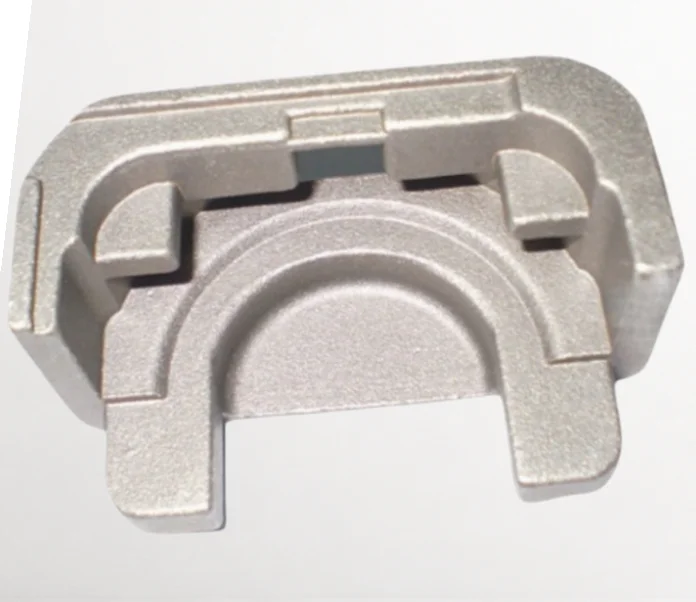
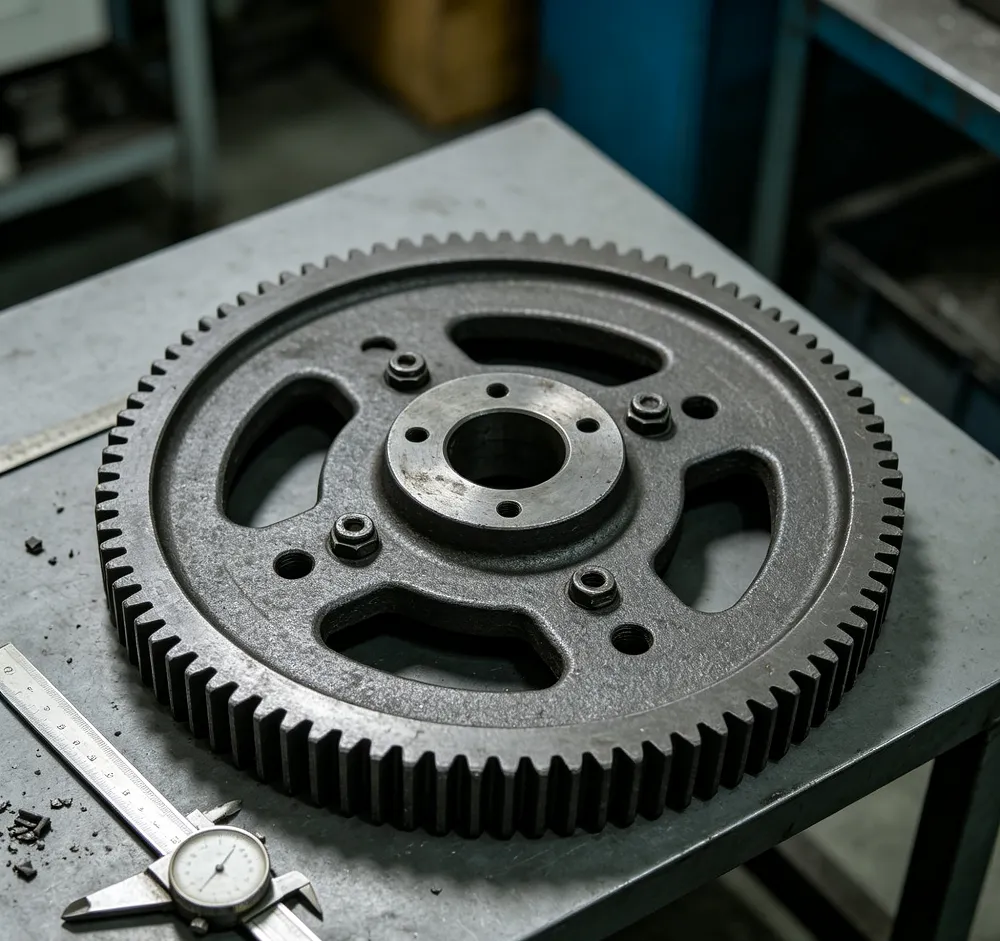
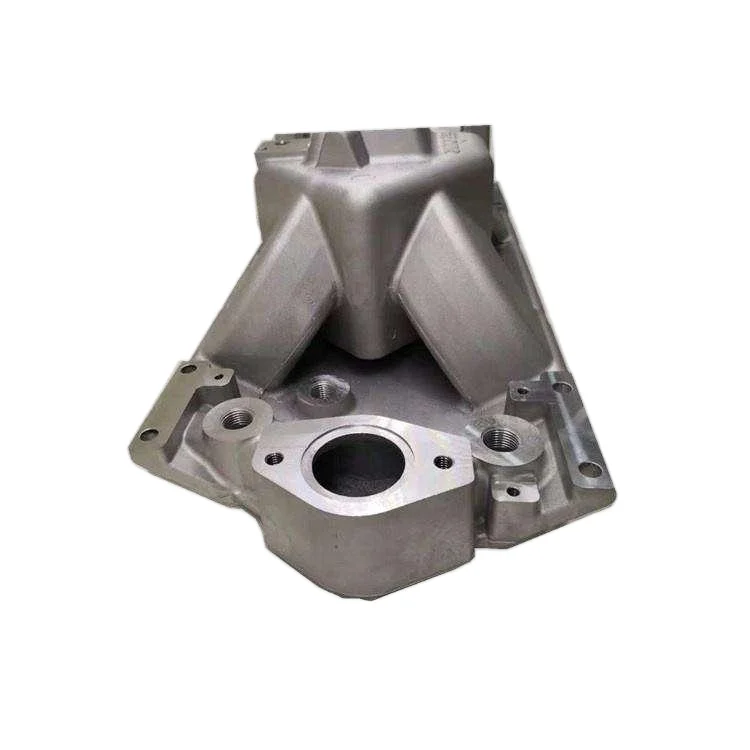
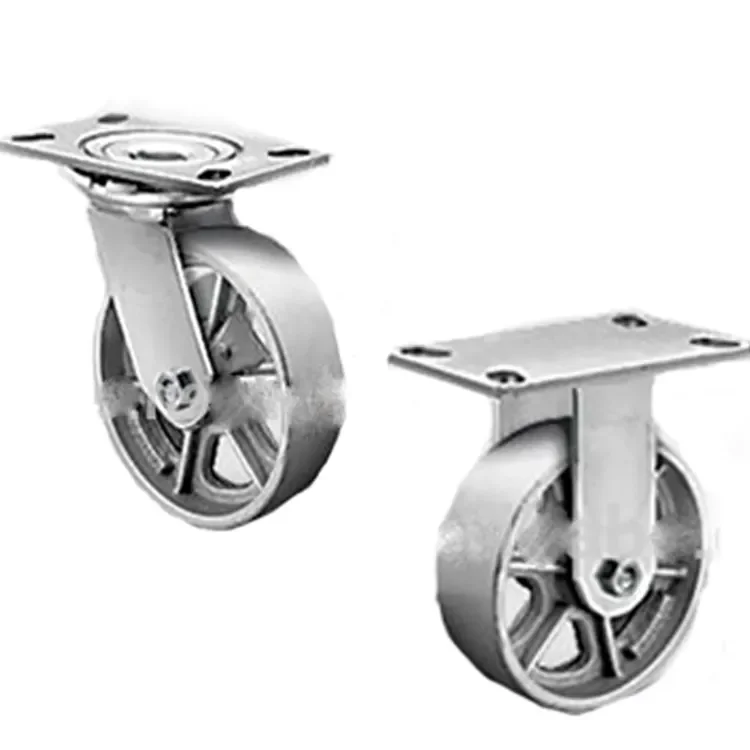
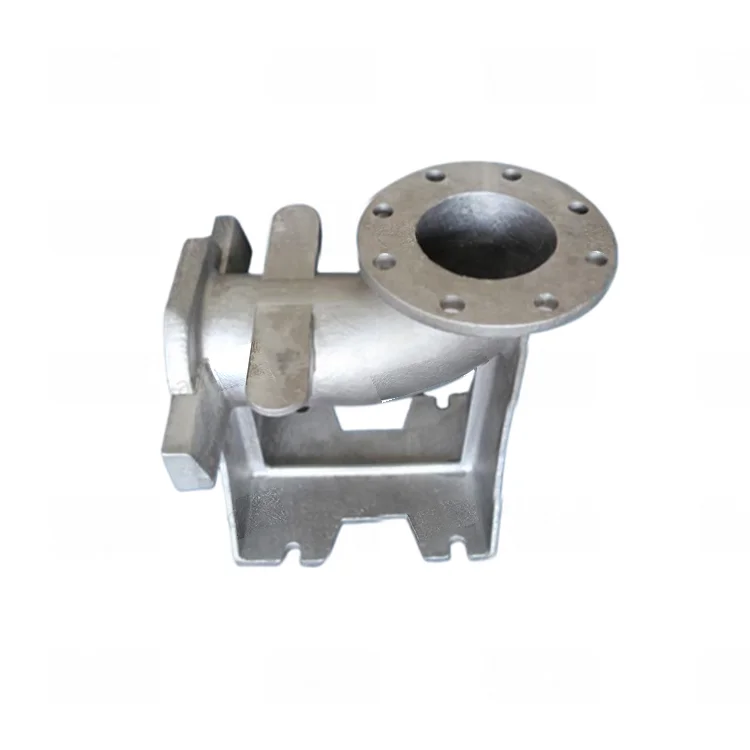
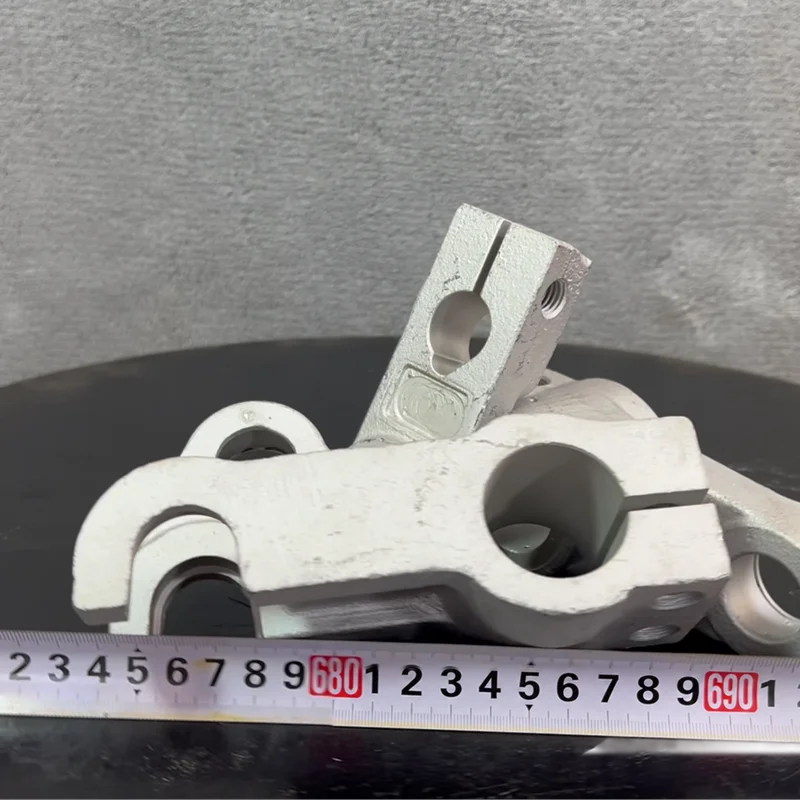
Custom gray-iron resin-sand castings are offered with drawing-based CNC machining for automotive-industry components. Sizes follow the required part geometry. A separate investment-casting enquiry should identify its own material and manufacturing route for the selected design.
Use the automotive drawing to control fit
Show mounting, locating and contact relationships within the intended assembly. Identify the complete iron grade and required material condition. Explain the component’s duty so the casting and machined interfaces can be assessed against the actual installation requirements.
Assign general and individual machining limits
The machining-tolerance reference is ISO2768-mk. Name the applicable document and define any individual dimensions requiring their own limits. Mark the datums and measurement conditions used to assess those interfaces, distinguishing cast-state geometry from the CNC-finished result.
- Applicable material or specification families include GB, ASTM, AISI, DIN and BS.
- Surface choices are anti-rust oil or painting.
- Inspection reports are available for an agreed examination scope.
- Include quantity, controlled revision and required delivery condition.
Prepare records for component approval
Specify the material and dimensional information needed in the report and the surfaces to be assessed. Define treatment coverage and masking where finishing affects mating geometry. Identify the protected surfaces within the final inspection brief. If a sample supports approval, identify the characteristics it must demonstrate. Retain the chosen grade, route and drawing requirements as the acceptance basis for the automotive casting order.