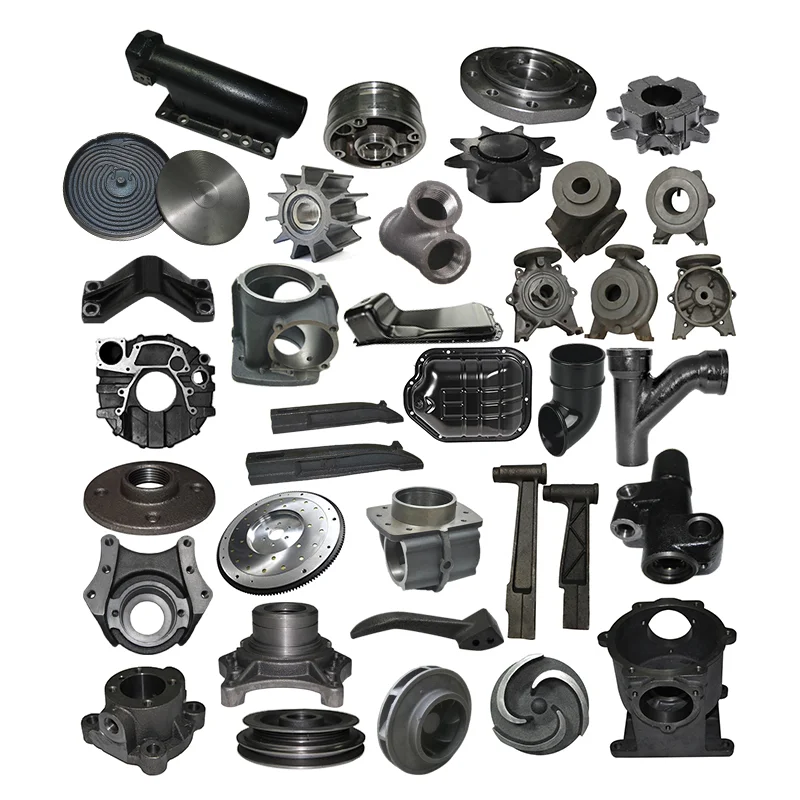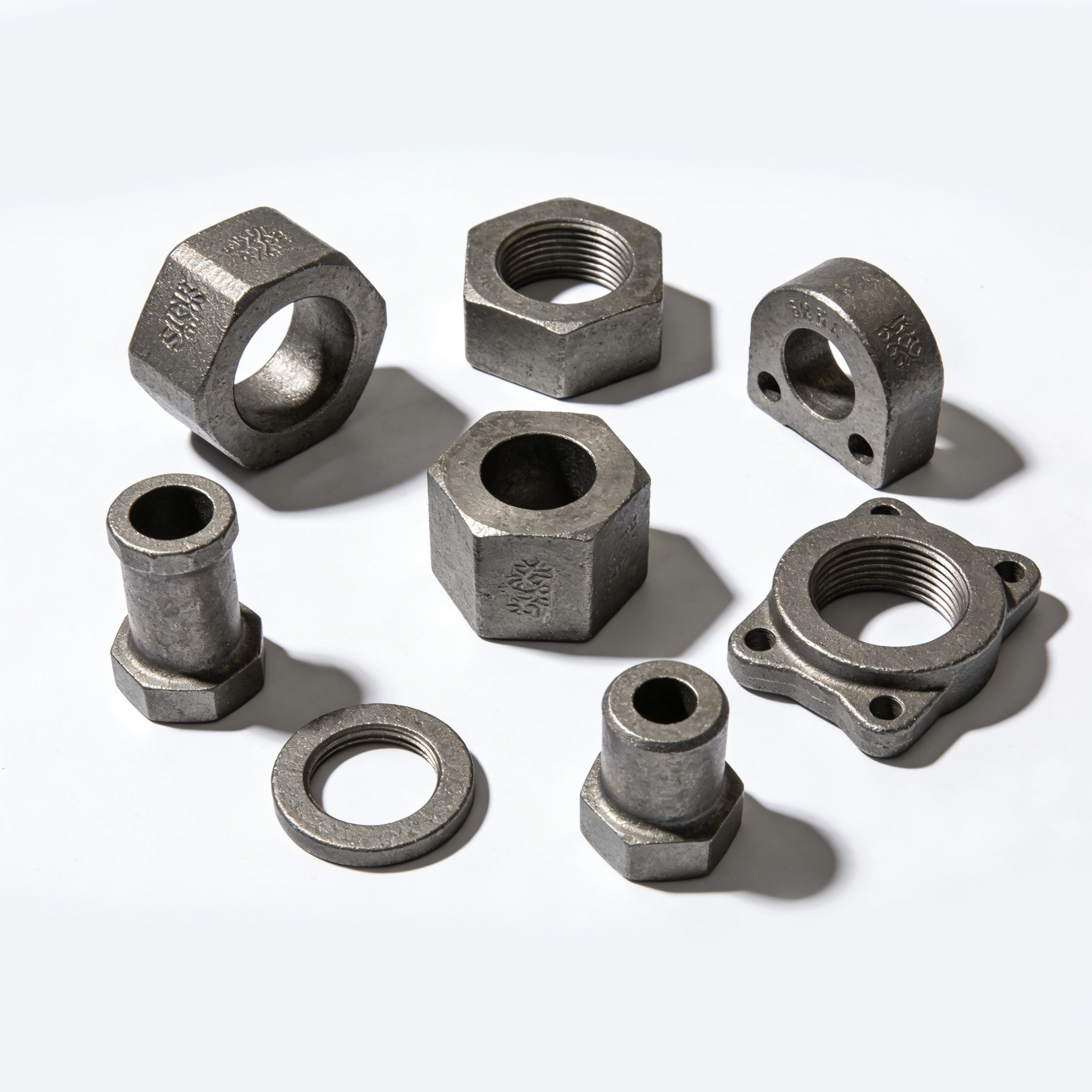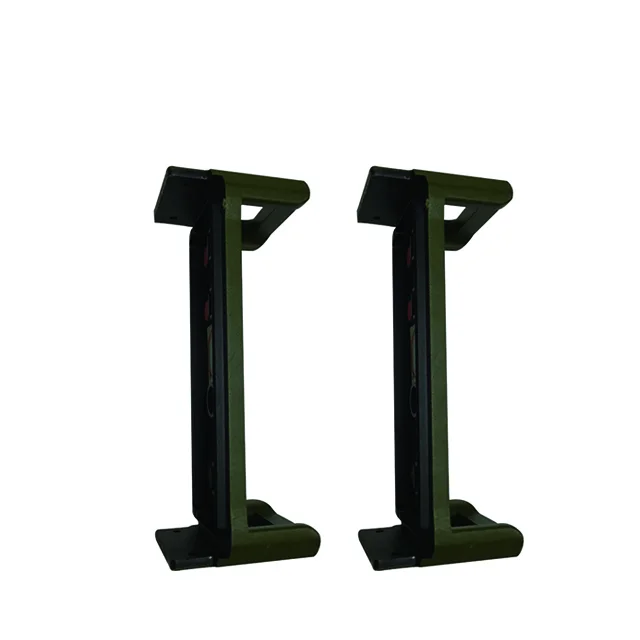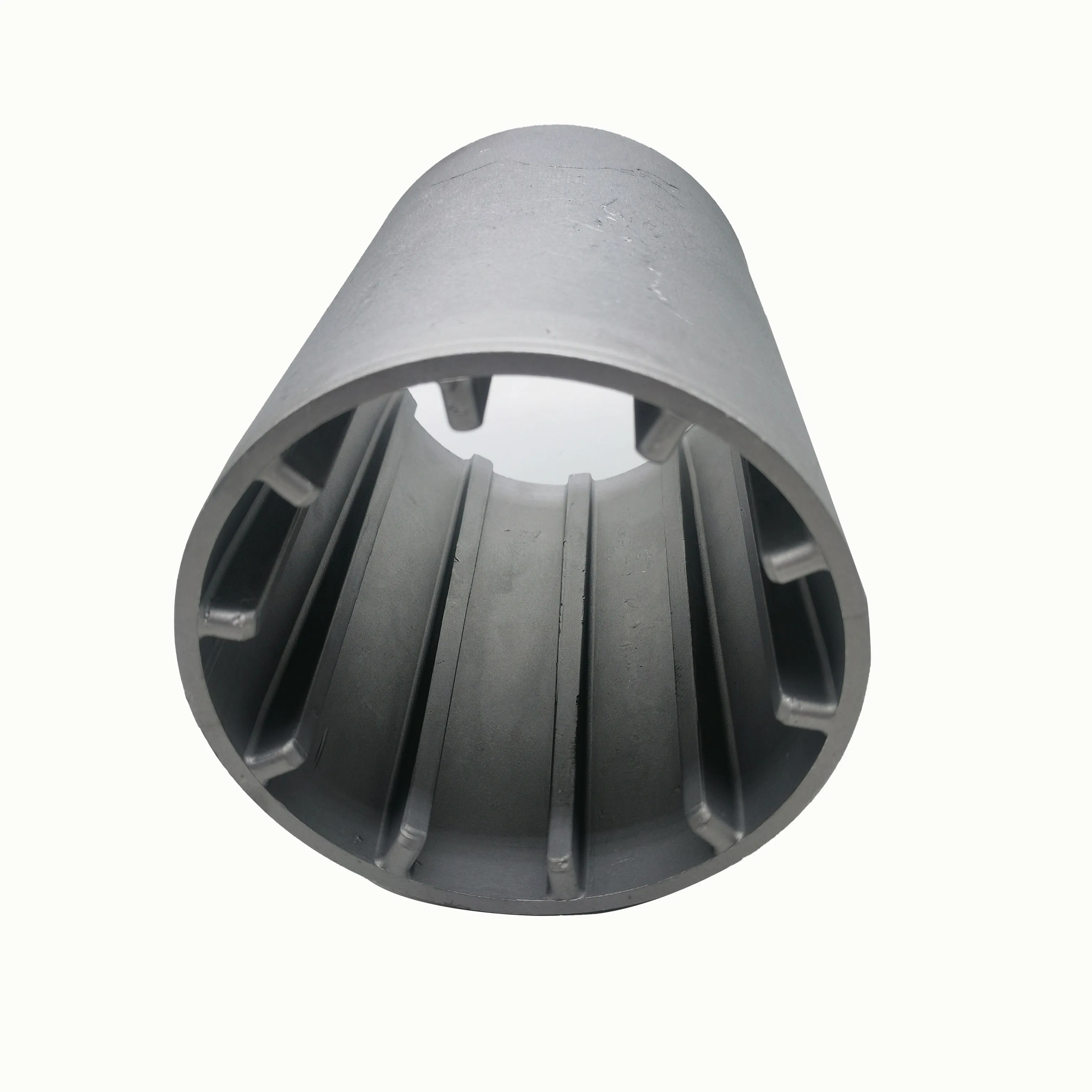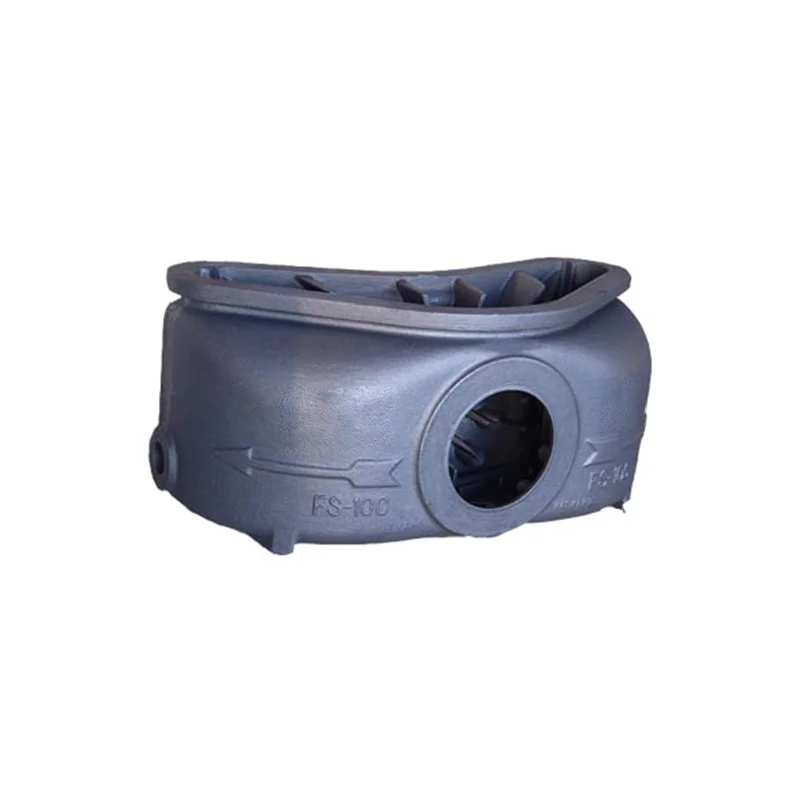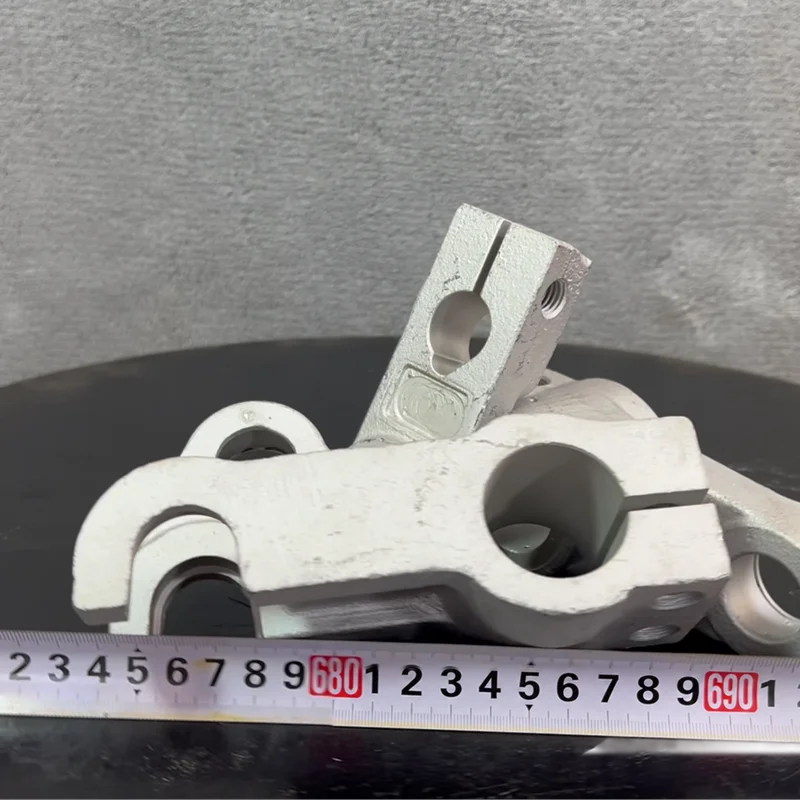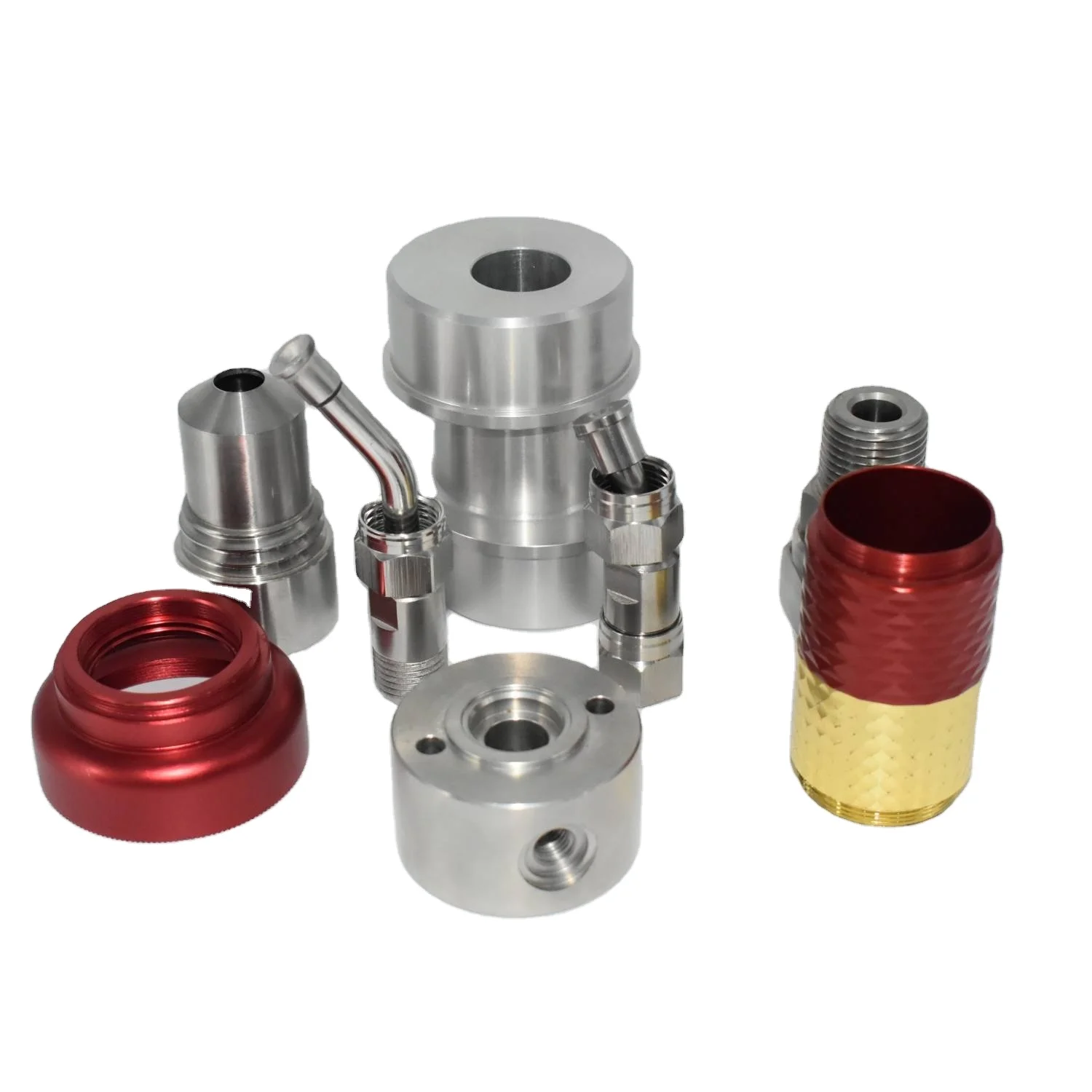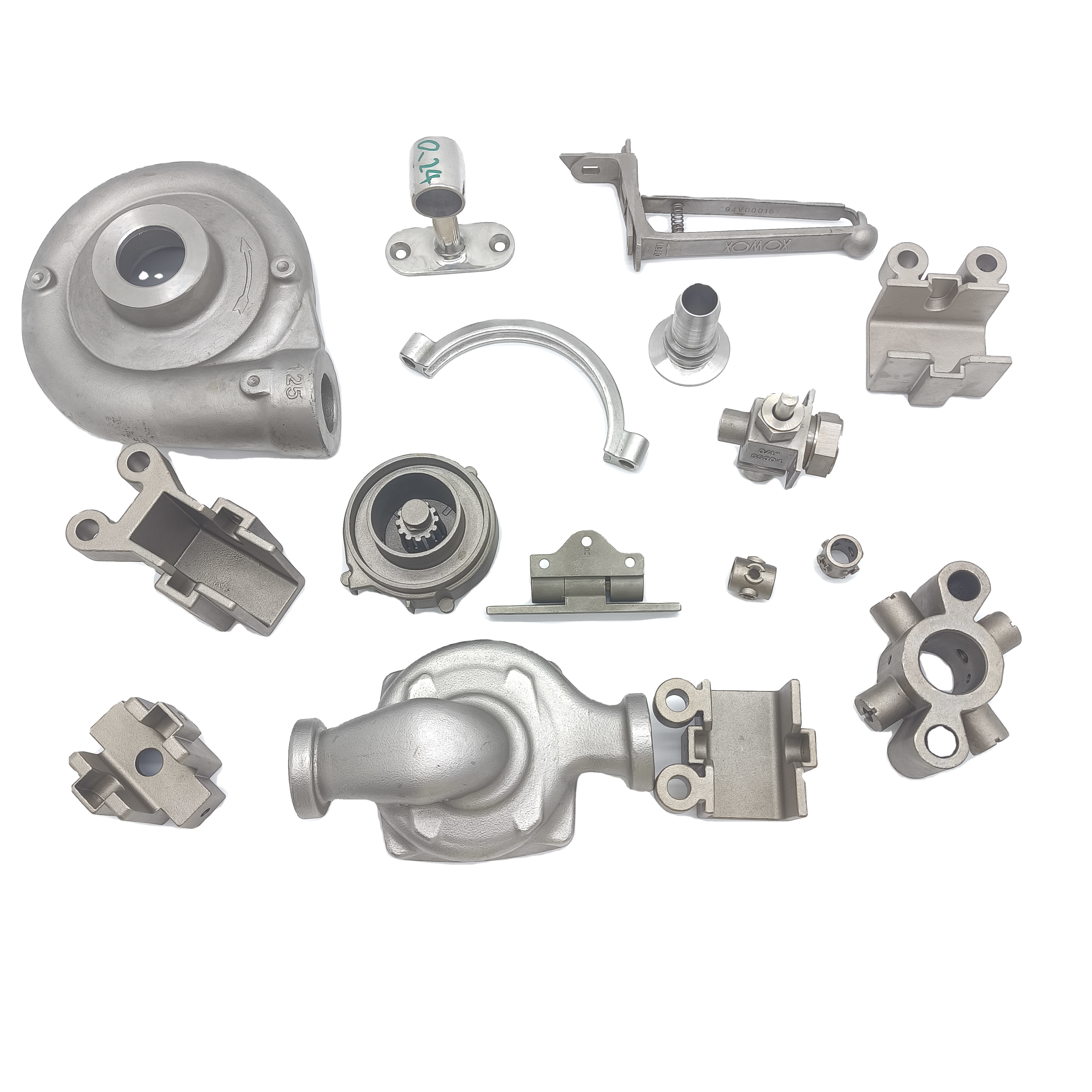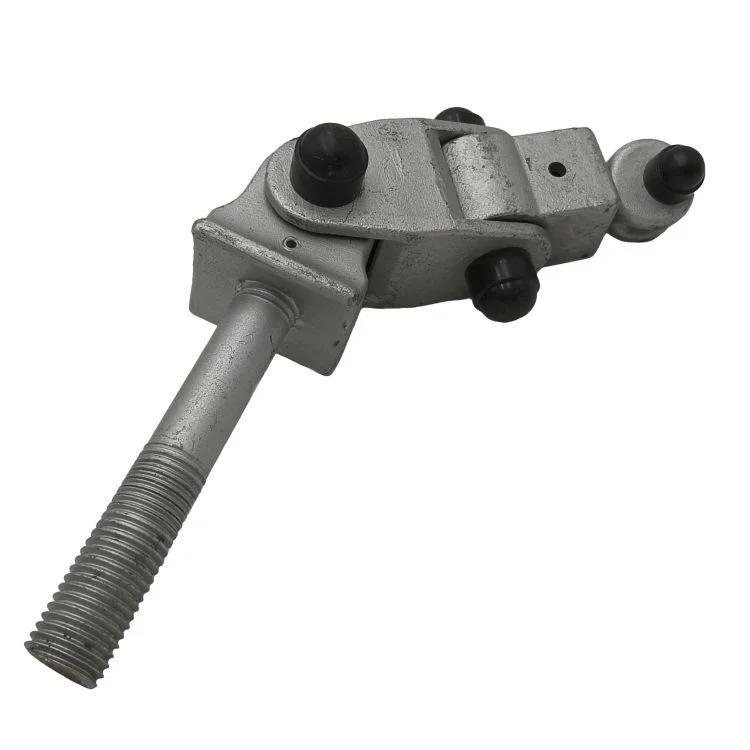
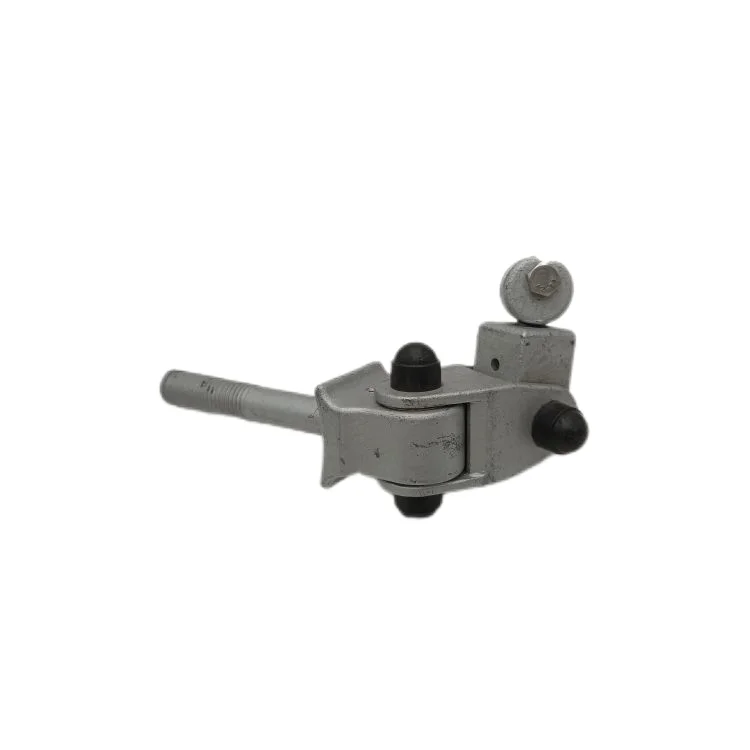
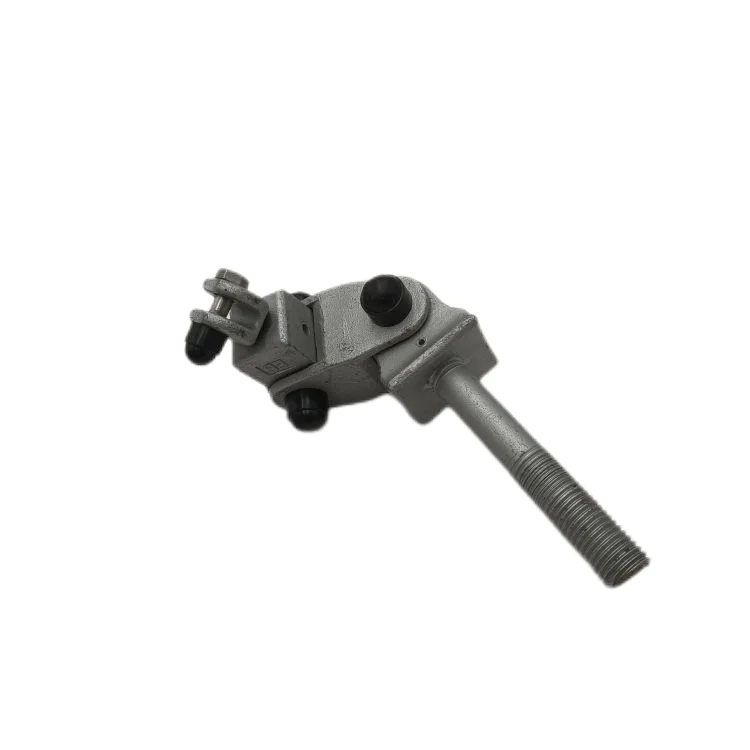
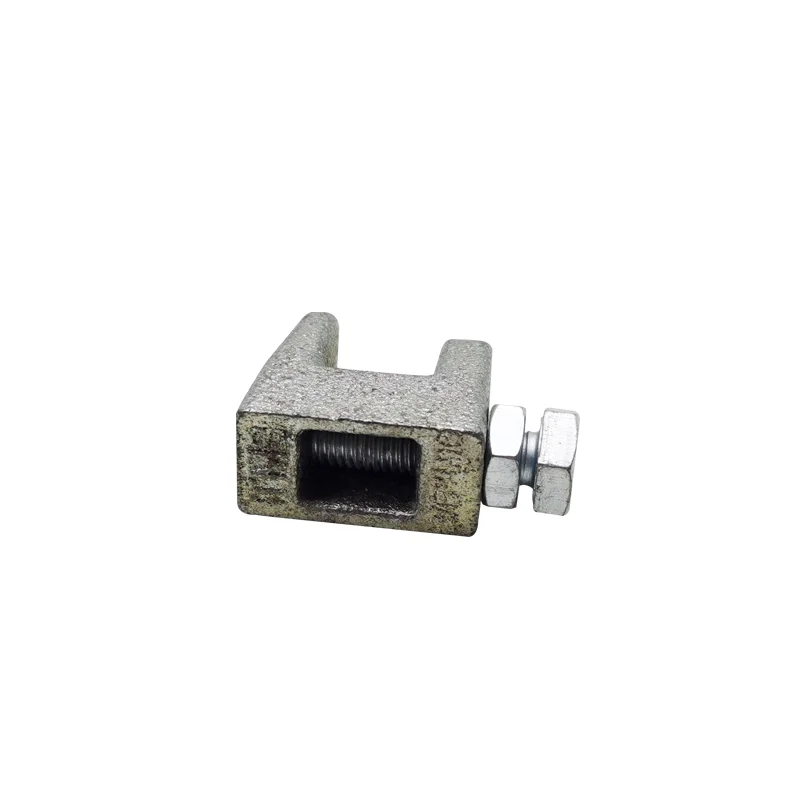
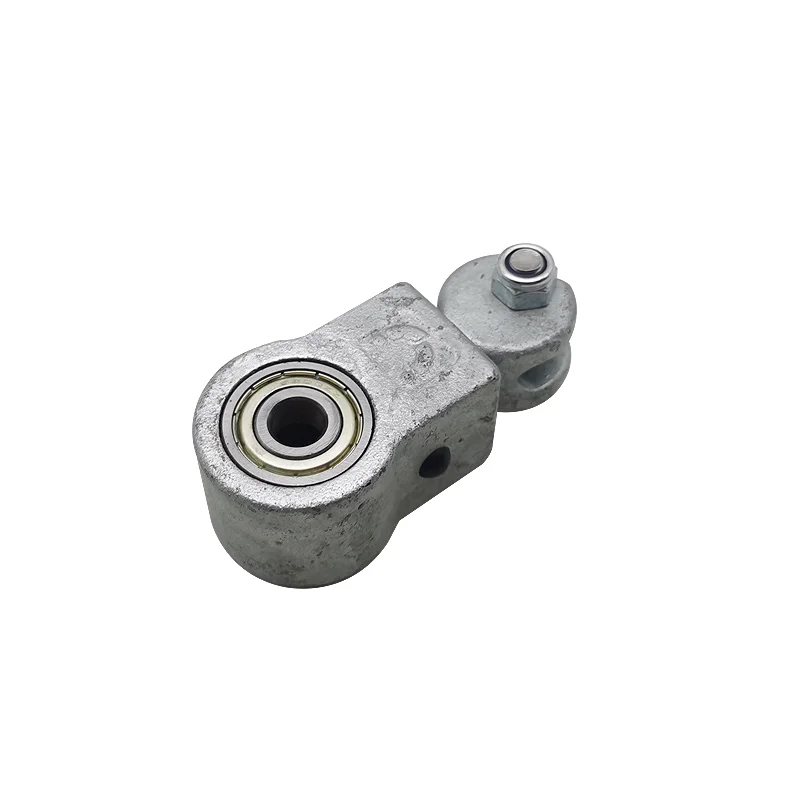
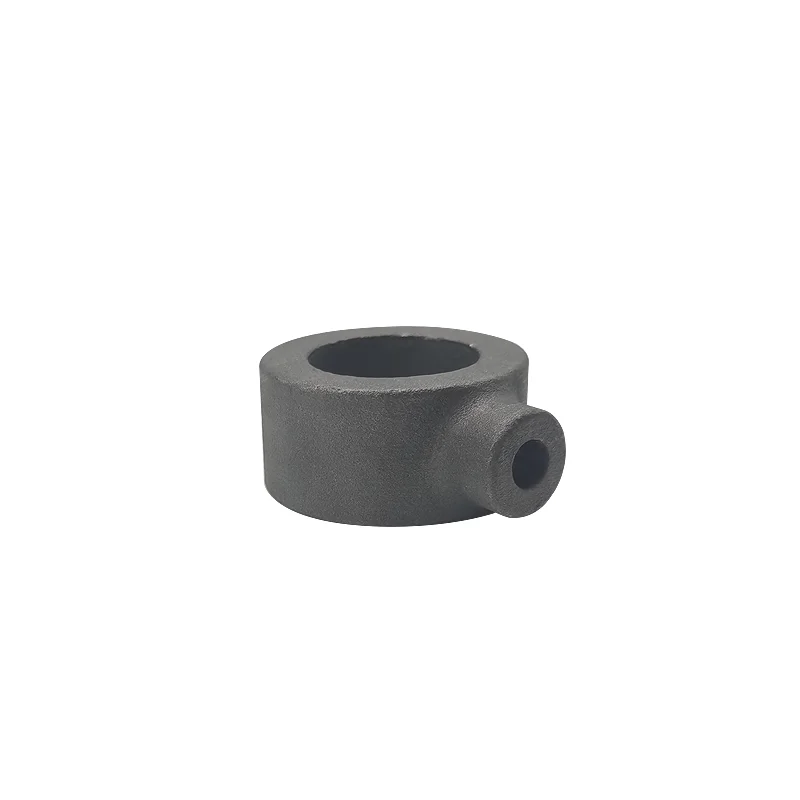
Custom HT250 HT200 Grey Iron Sand Casting with Separate Steel Stainless Aluminum Die Parts and Surface Finish Enquiries
Direct factory support
Get a quote that fits your project
Send your drawing or product reference, material grade and required quantity. Relia will review the requirements with you.
- Drawing & specification review
Confirm the supply scope and critical requirements.
- Samples before custom production
Review inspected samples before approving a batch.
- Inspection documents
Agree material and dimensional records for your part.
-
Product nameCustom aluminum die casting parts
-
MaterialHT250 HT200 Grey Iron, Steel, Stainless Steel, etc...Tolerance0.01mm
-
Surface FinishPolishing, painting, powder coating,sand blasting, electroplating, etcCertificationIATF16949:2016 and ISO16949:2009
-
Quality Control100% InspectionServiceOEM\ODM
Custom casting enquiries include HT250 or HT200 gray-iron sand castings with separate steel, stainless-steel and aluminum die-cast component requests. OEM/ODM supply should identify the complete material and suitable route for the actual drawing. Define the part’s function and the condition required at delivery.
Locate the controlled dimensions
Use the stated 0.01 mm reference to establish a fit-acceptance brief for the selected HT iron casting or separately specified metal component. Assign it to the affected geometry, allowable limits and manufacturing stage agreed for the component. Mark locating datums, mating surfaces and other interfaces that determine its fit within the assembly.
Select the finish for the chosen metal
Named treatments include polishing, painting, powder coating, sand blasting and electroplating. Specify the required surface and appearance on identified faces. Mark coverage or masking where a treatment affects contact condition or a dimension requiring acceptance.
- Provide the controlled drawing revision and quantity.
- State the required material condition.
- Distinguish cast areas from finished interfaces.
- Identify records needed for sample approval.
Define inspection and qualification separately
The component’s stated 100% inspection needs an agreed set of characteristics, checks and acceptance limits for the selected supplied state. Identify the material, dimensional and surface records required by the design. Request applicable IATF16949:2016 documentation and establish the identity, validity and scope of the separately designated ISO16949:2009 document. Include the certificate holder and covered manufacturing activity in that qualification request. Connect those qualification requirements to the actual order without replacing part-specific approval criteria.