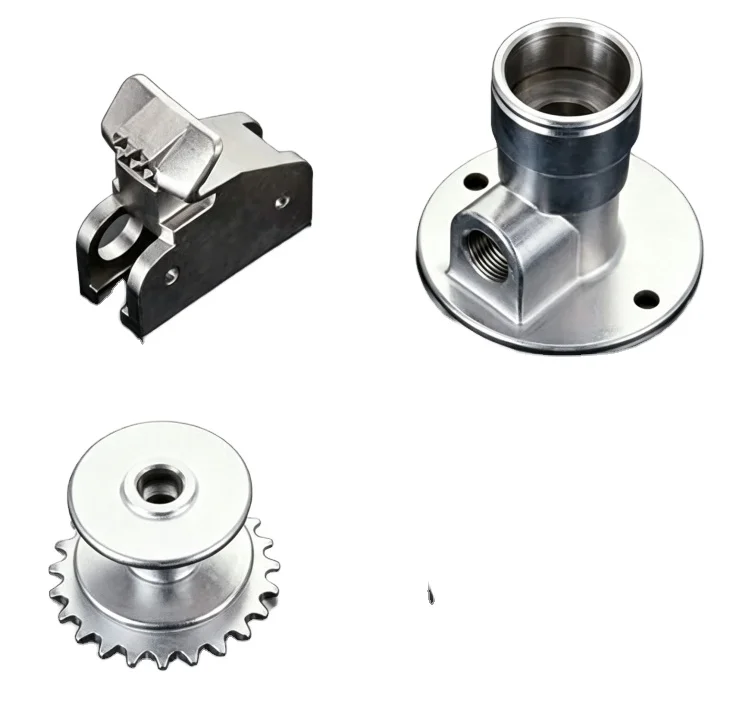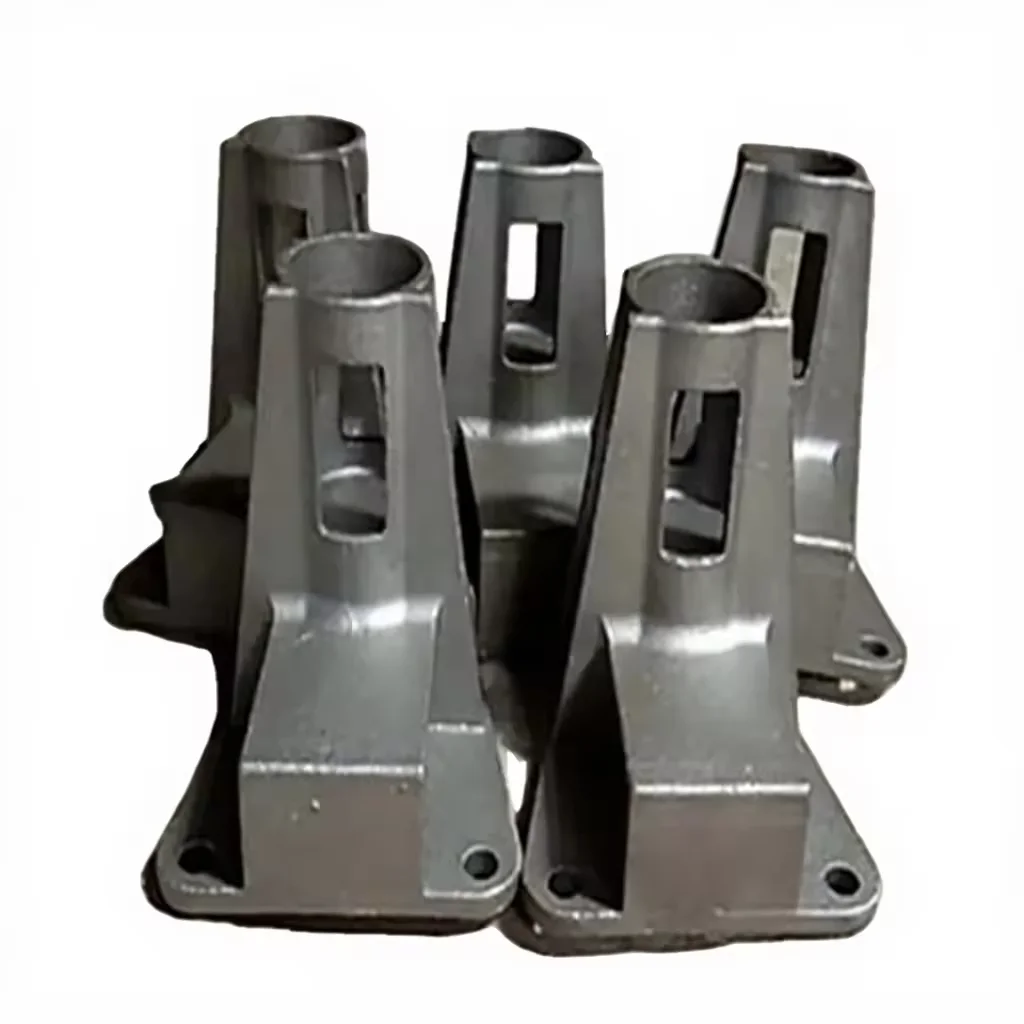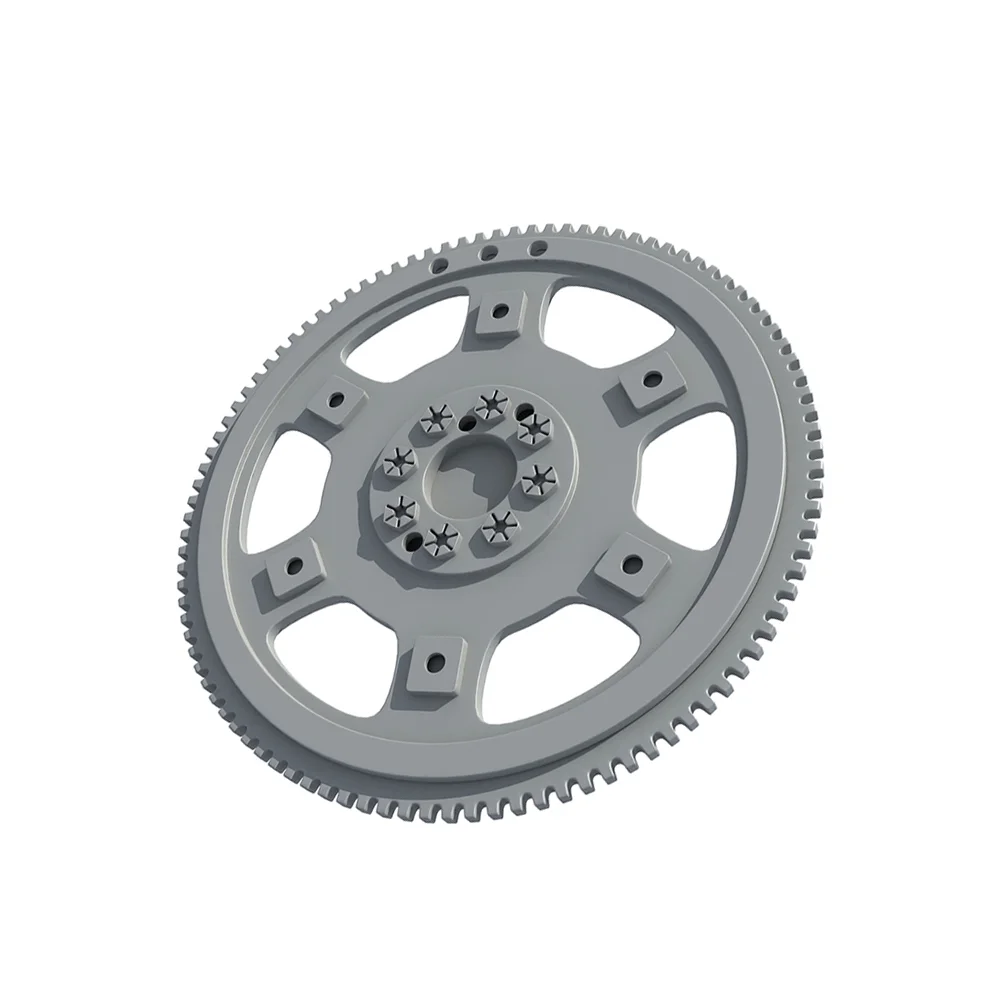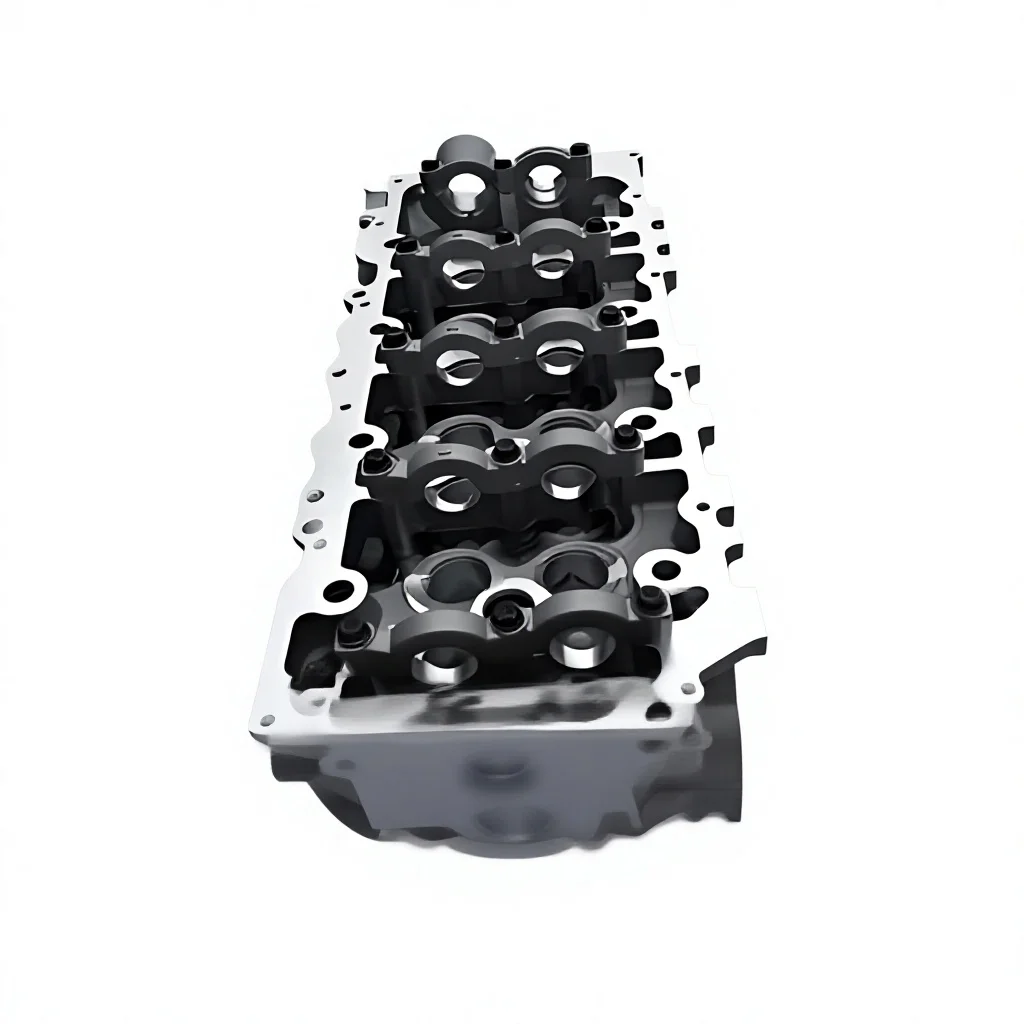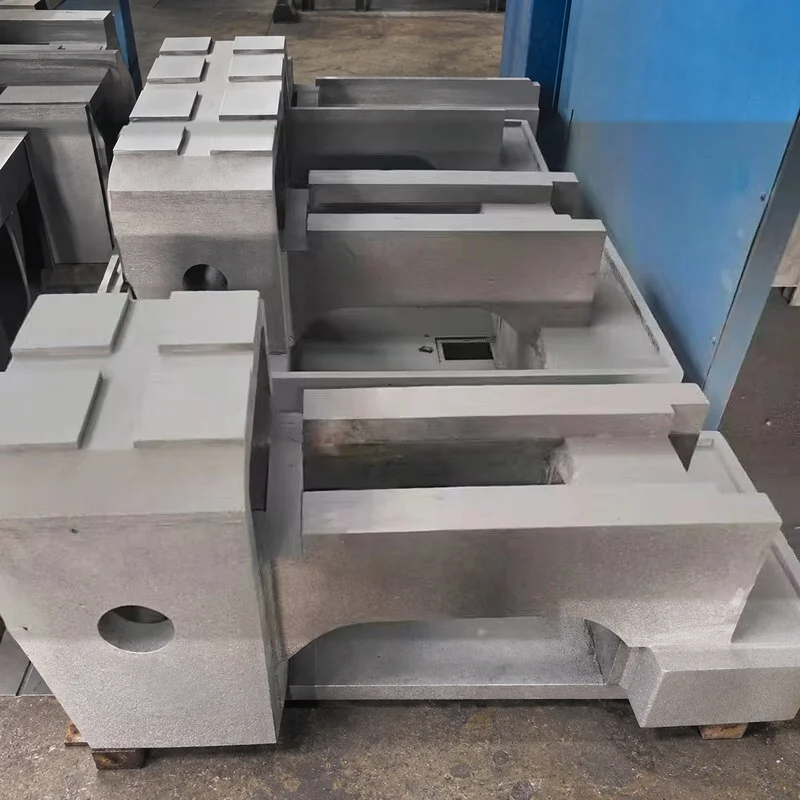
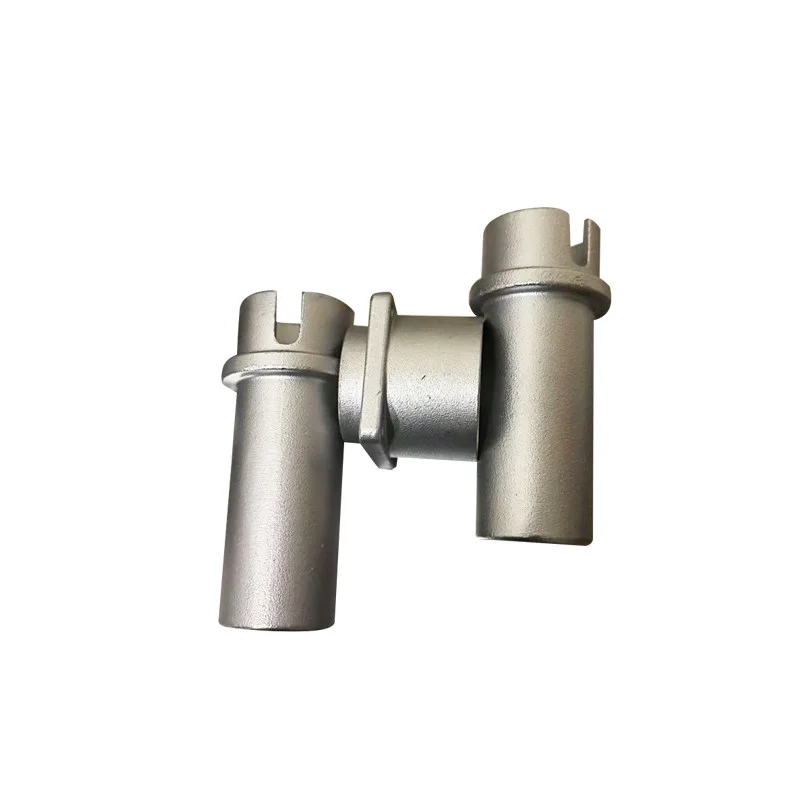
Custom Large Machine-Tool Castings — Grey/Ductile Iron, Cast Iron and Steel Sand or Lost-Foam Enquiries
Direct factory support
Get a quote that fits your project
Send your drawing or product reference, material grade and required quantity. Relia will review the requirements with you.
- Drawing & specification review
Confirm the supply scope and critical requirements.
- Samples before custom production
Review inspected samples before approving a batch.
- Inspection documents
Agree material and dimensional records for your part.
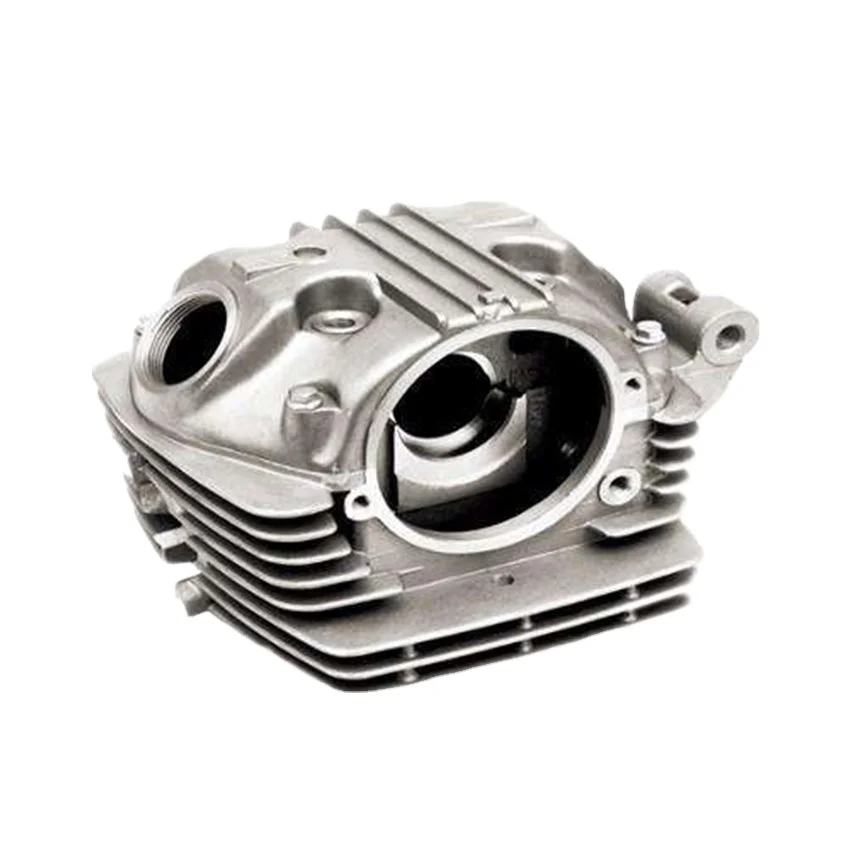
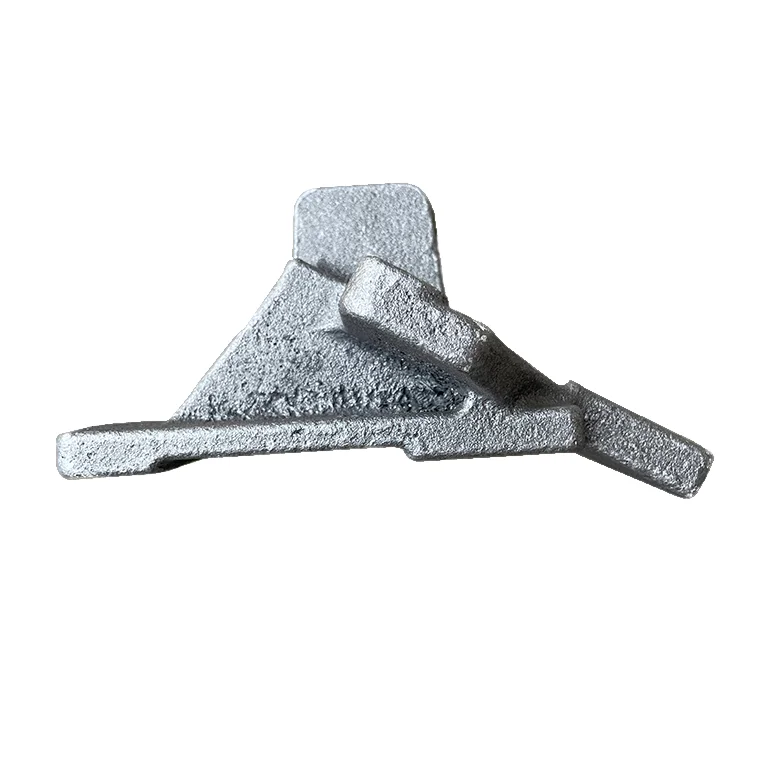
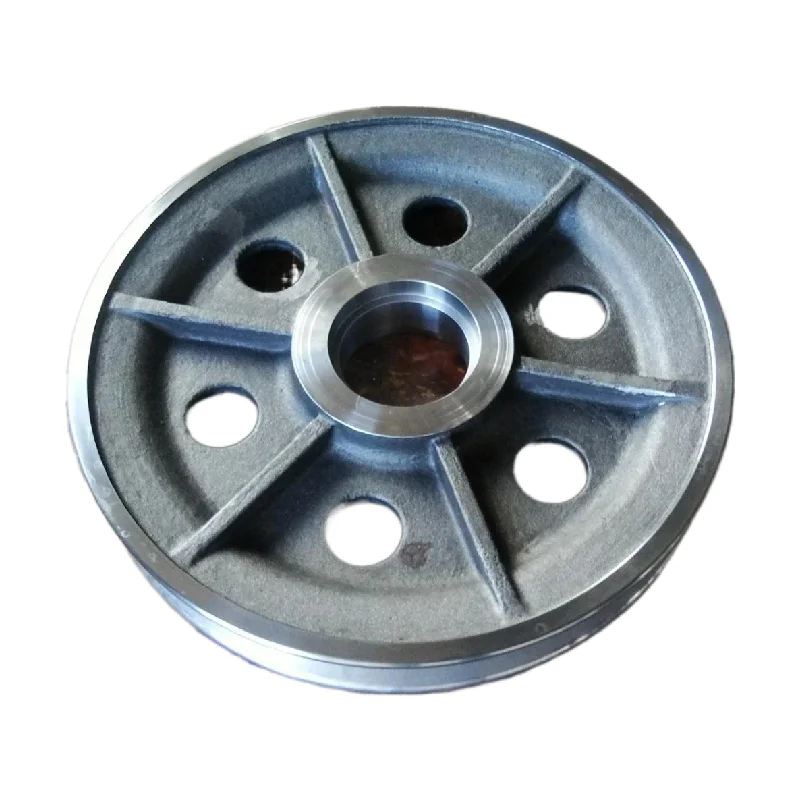
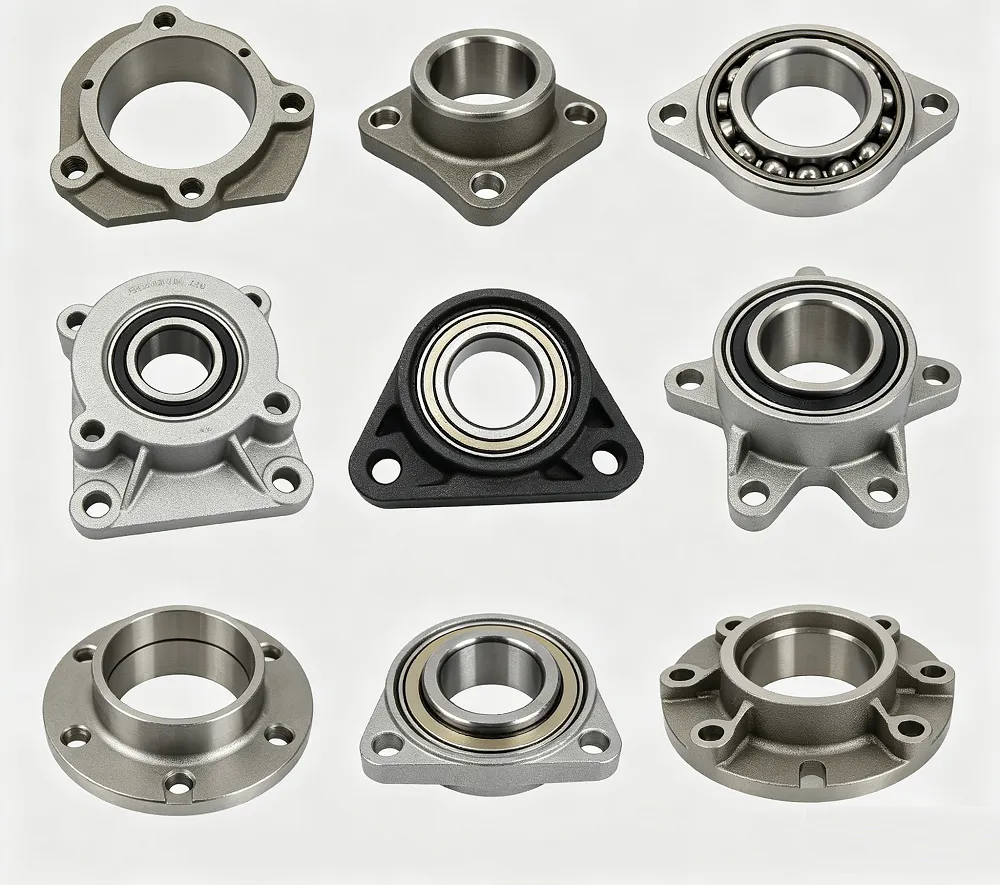
Large machine-tool casting enquiries should begin with the full part envelope and required material. This scope includes grey iron, ductile iron, other cast iron and steel components using sand- or lost-foam-casting routes. Define the actual part and supplied condition for the project.
Show the complete machine-tool geometry
Provide the component drawing with overall dimensions and the interfaces that determine installation. Identify the surfaces and dimensions relevant to the intended machine assembly. The large-casting description should be supported by the actual envelope rather than an assumed numerical capacity.
- Identify the machine-tool component and drawing revision.
- Select the complete material grade and standard.
- Define the sand or lost-foam route requirement.
- State quantity and required delivered condition.
- Mark functional interfaces and dimensional limits.
- Describe inspection and additional-work requirements.
Select the grade and route for the design
Name the iron family or steel grade required by the component specification. Discuss the casting method against that geometry and material. The route should be identified for the actual order rather than treat every metal as interchangeable across the process choices.
Define material and dimensional acceptance
State the checks and records needed to accept the component in its supplied condition. Any additional requested processing should be included explicitly in the quotation. Keep the selected grade, casting geometry and finished interfaces aligned with the controlled drawing. This gives the machine-tool casting request a measurable technical basis without an unstated size, precision or performance guarantee.