Custom Magnesium-Alloy and Titanium-Alloy Parts — Precision Sand/High-Pressure Die-Casting Enquiries with Polishing
Direct factory support
Get a quote that fits your project
Send your drawing or product reference, material grade and required quantity. Relia will review the requirements with you.
- Drawing & specification review
Confirm the supply scope and critical requirements.
- Samples before custom production
Review inspected samples before approving a batch.
- Inspection documents
Agree material and dimensional records for your part.
-
Surface treatmentPolishing
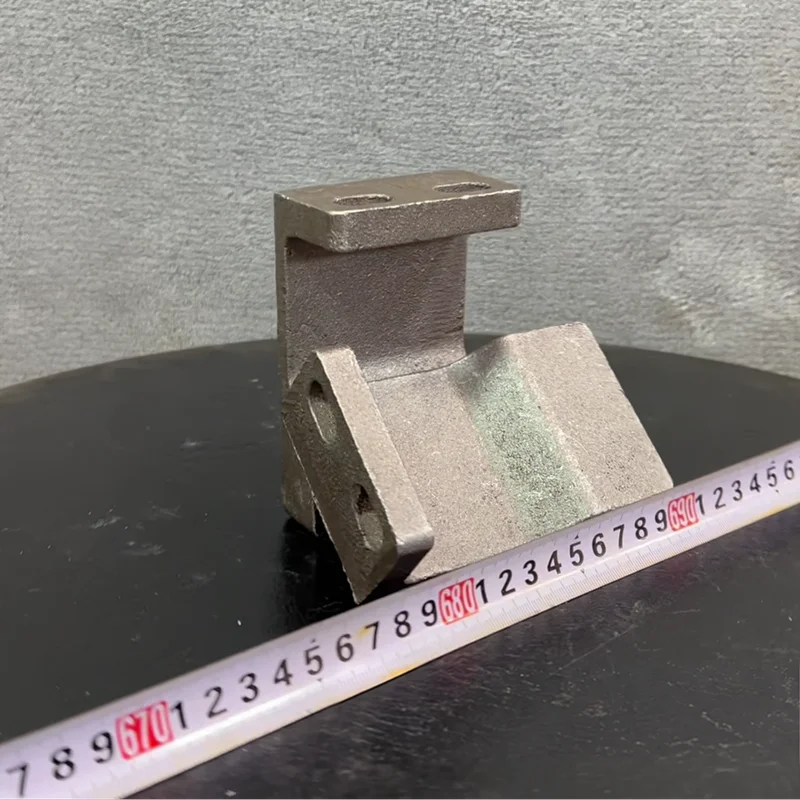
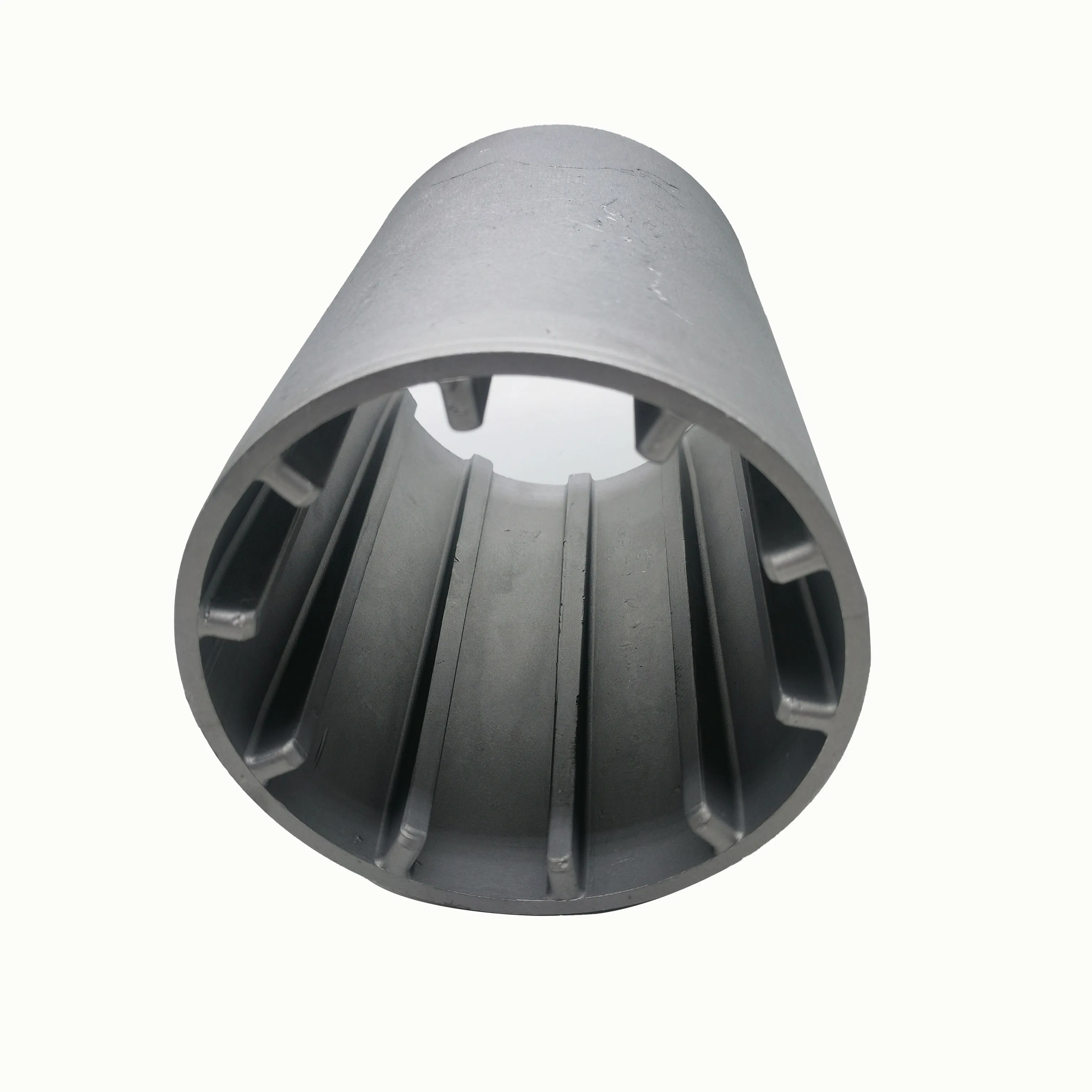
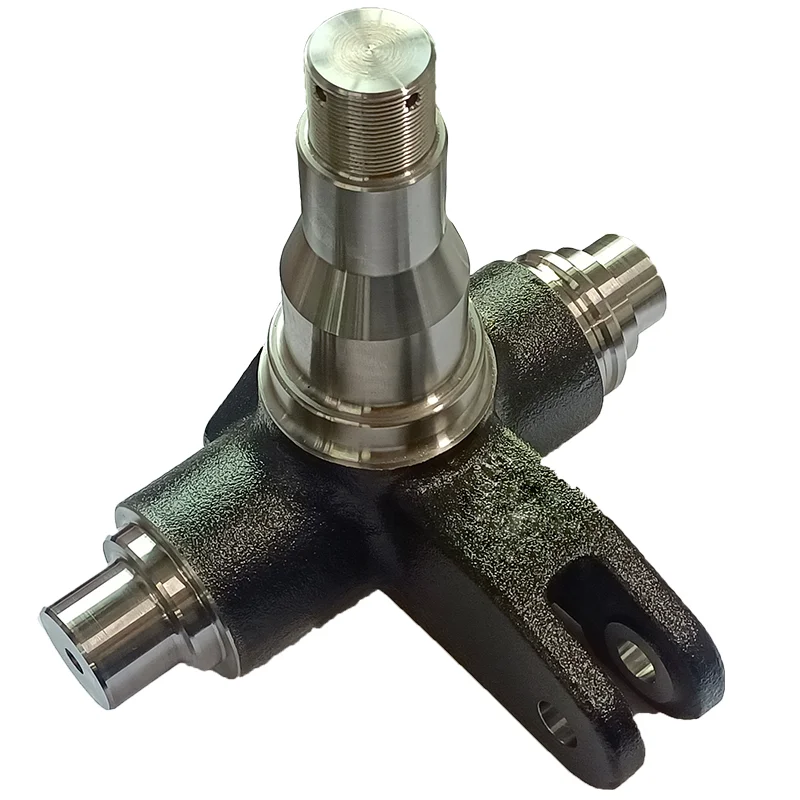
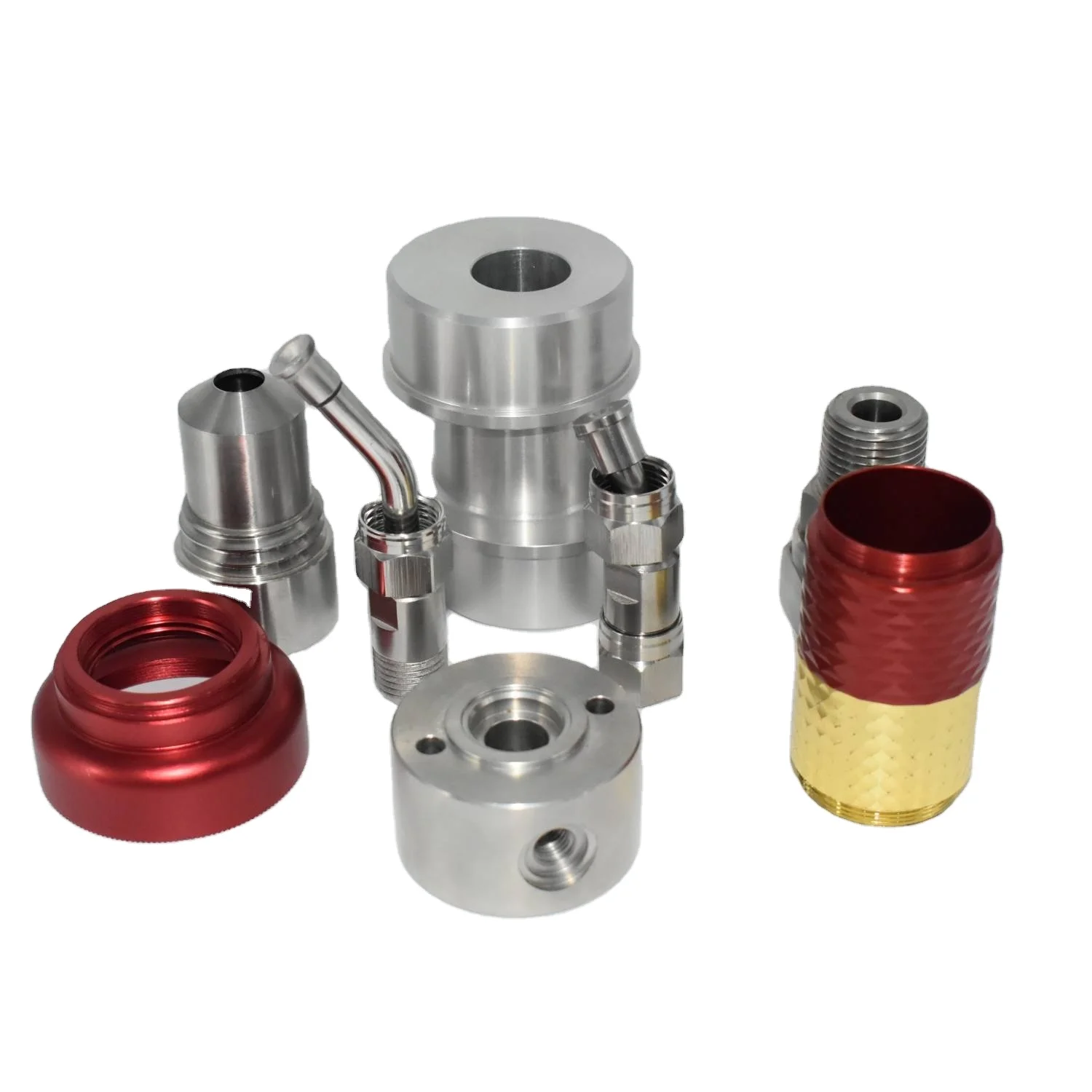
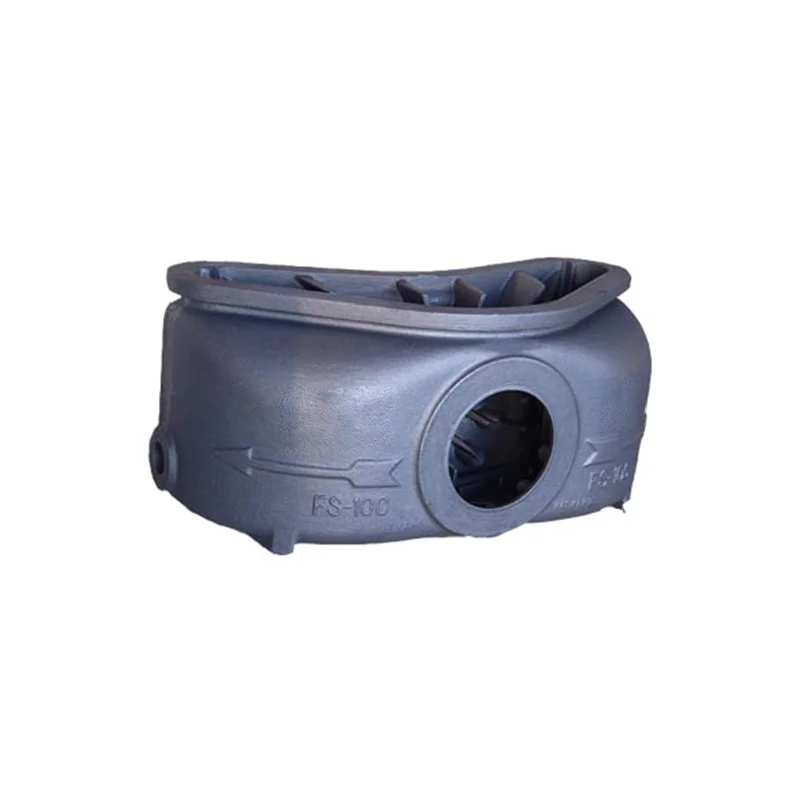
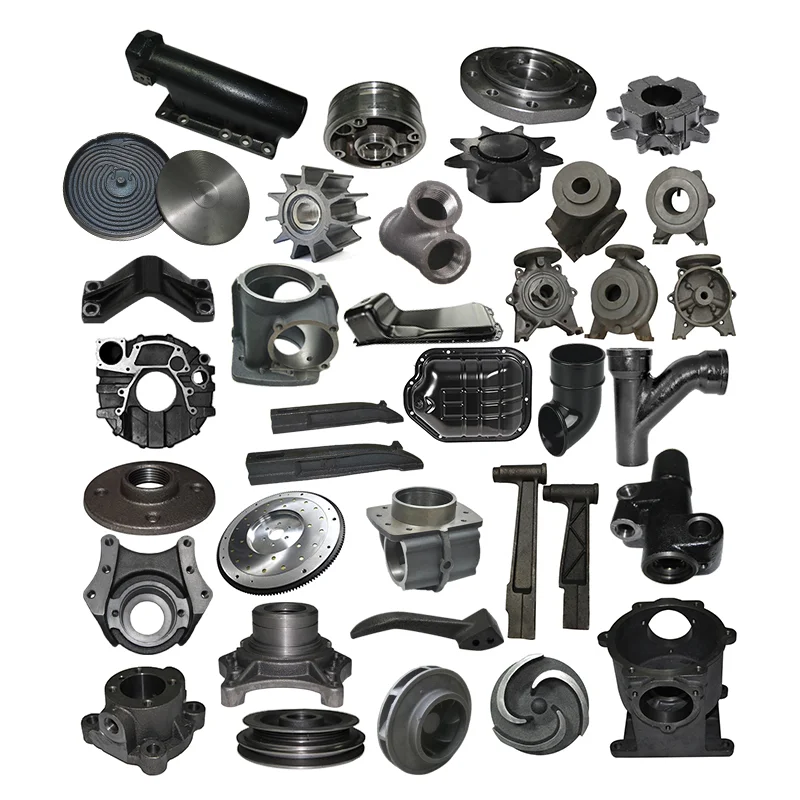
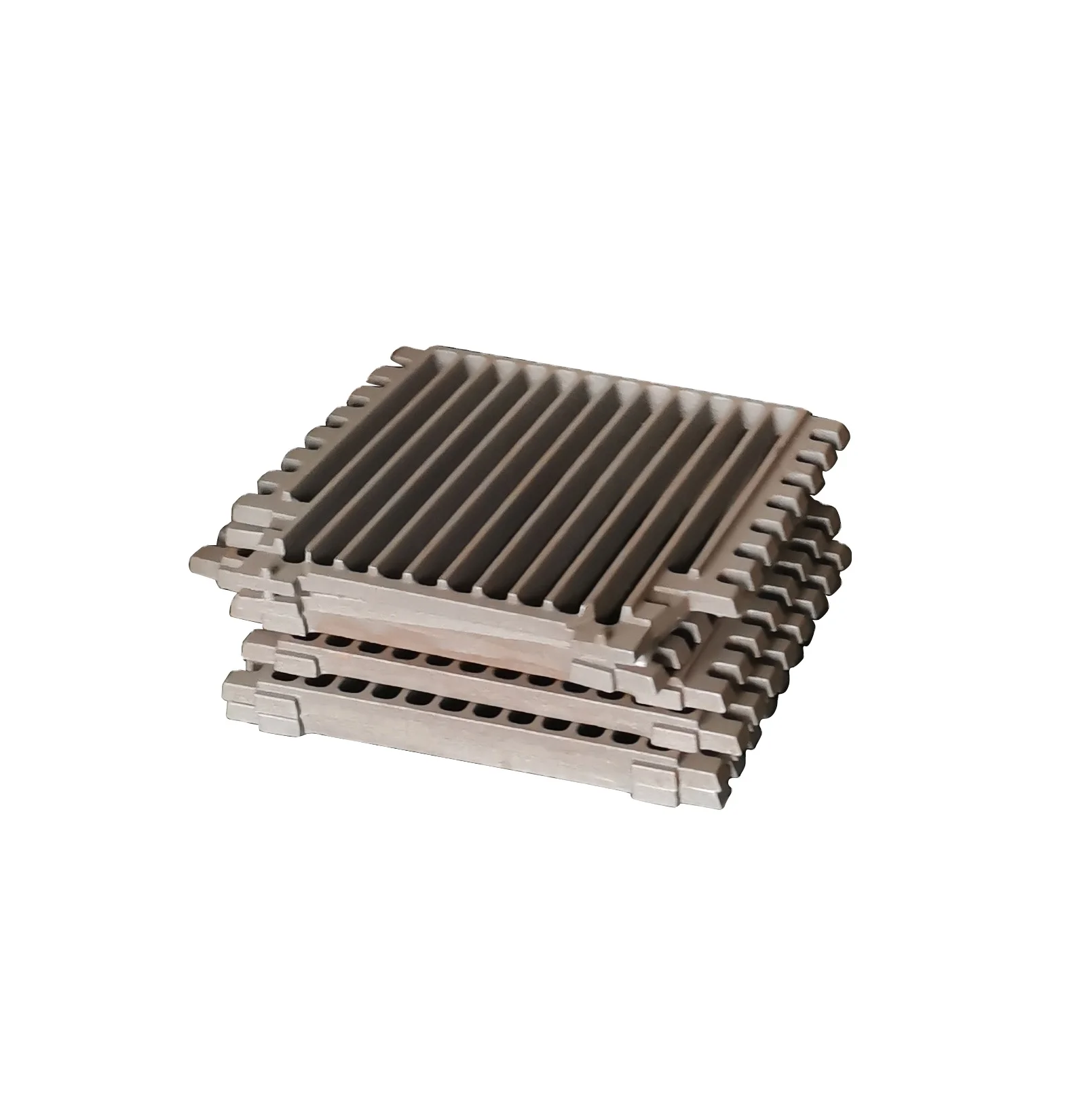
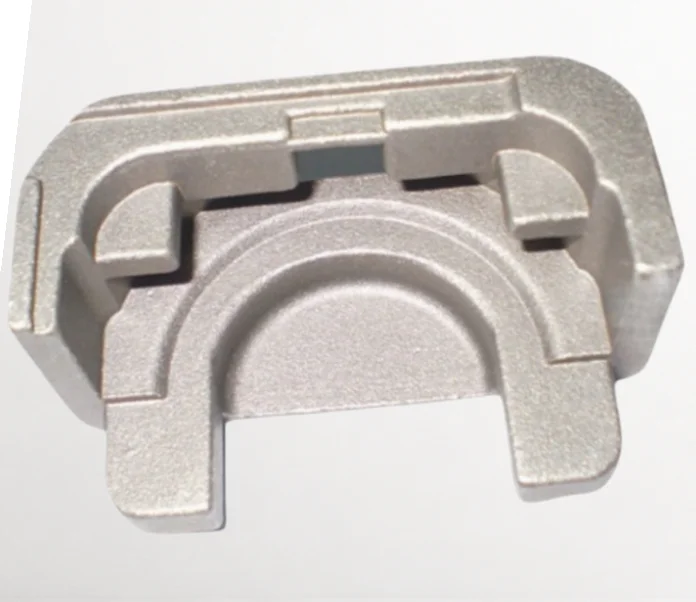
A custom alloy-part enquiry should identify the requested metal before a casting route is chosen. Magnesium-alloy and titanium-alloy components are named enquiry areas here, with precision sand casting, high-pressure die casting and polishing available for discussion. Define the actual part so material, process and surface requirements can be assessed together.
Start with one alloy specification and one component drawing
Name the required alloy grade and governing material standard. Show the component's overall shape, mating geometry and dimensions that determine function. If the material is still under evaluation, explain the design requirements so the quotation can address a clearly identified option.
Discuss the casting route for the selected design
Sand casting and high-pressure die casting are separate process enquiries. The selected alloy, geometry and order requirements should determine the proposed route for the component. Ask the quotation to identify that route and the delivered condition, with any additional requested work described explicitly.
- Provide the controlled part drawing and required quantity.
- Identify the magnesium or titanium alloy grade being requested.
- Mark finished interfaces and numerical dimensional requirements.
- State the required polished surfaces and acceptance condition.
Describe the polished surface in useful terms
Polishing is the named surface treatment. Identify the visible or functional areas concerned and describe the surface result required by the design. Agree how the finished component will be checked, including dimensions affected by surface work. This gives the enquiry a measurable part specification without assuming that every named alloy is available through every casting method.