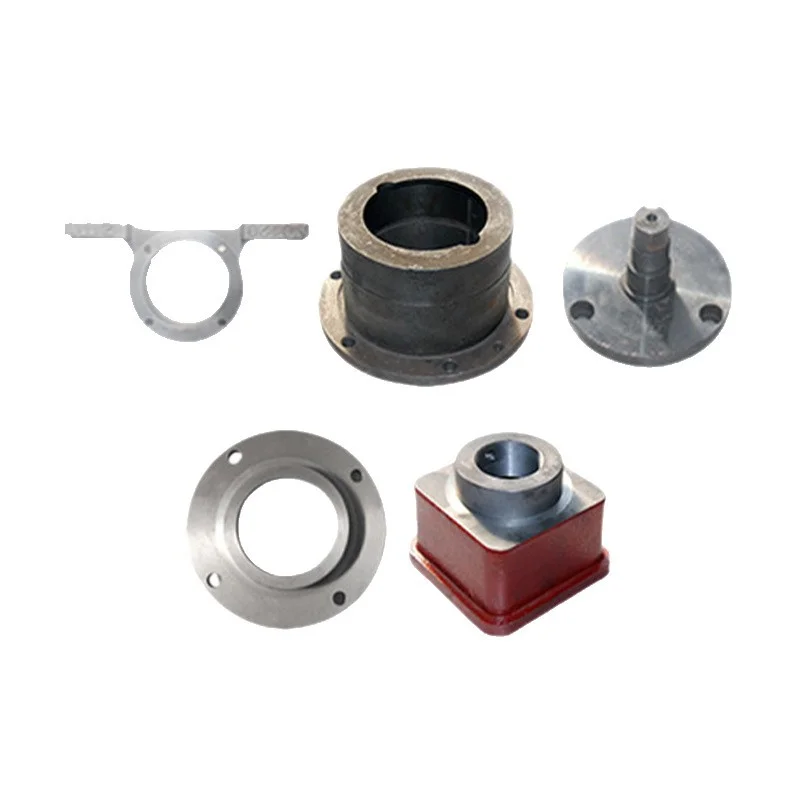
Custom Metallurgy Iron Castings — Clay Wet-Sand Molding, QT400 and Grey-Iron Enquiries with Sample-Based Machining
Direct factory support
Get a quote that fits your project
Send your drawing or product reference, material grade and required quantity. Relia will review the requirements with you.
- Drawing & specification review
Confirm the supply scope and critical requirements.
- Samples before custom production
Review inspected samples before approving a batch.
- Inspection documents
Agree material and dimensional records for your part.
-
Part Number541Processing cycle4-7 days
-
Have a licensed private labelnoMachinable surface roughness0.1m
-
Types of sand castingClay wet sand mold
-
brandReliaMain downstream platformsLAZADA
-
Application areas of machined partsmetallurgyProcessing tradeProcessing according to samples
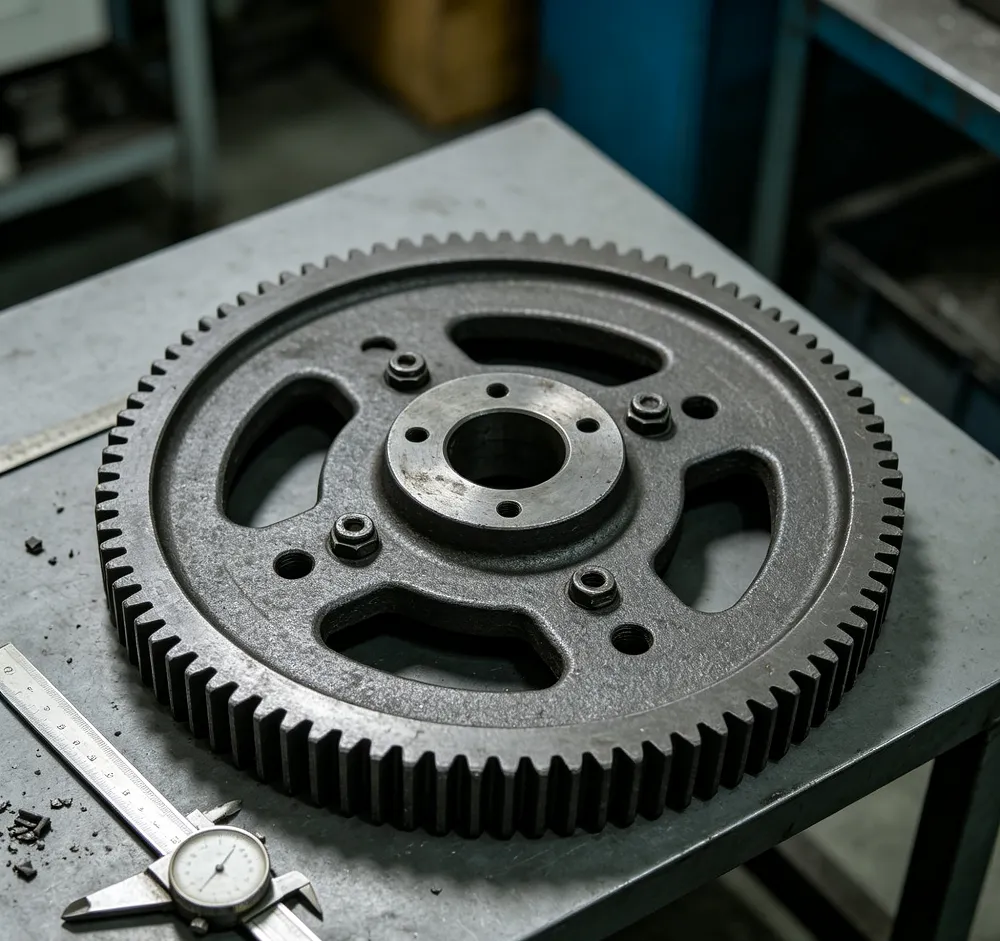
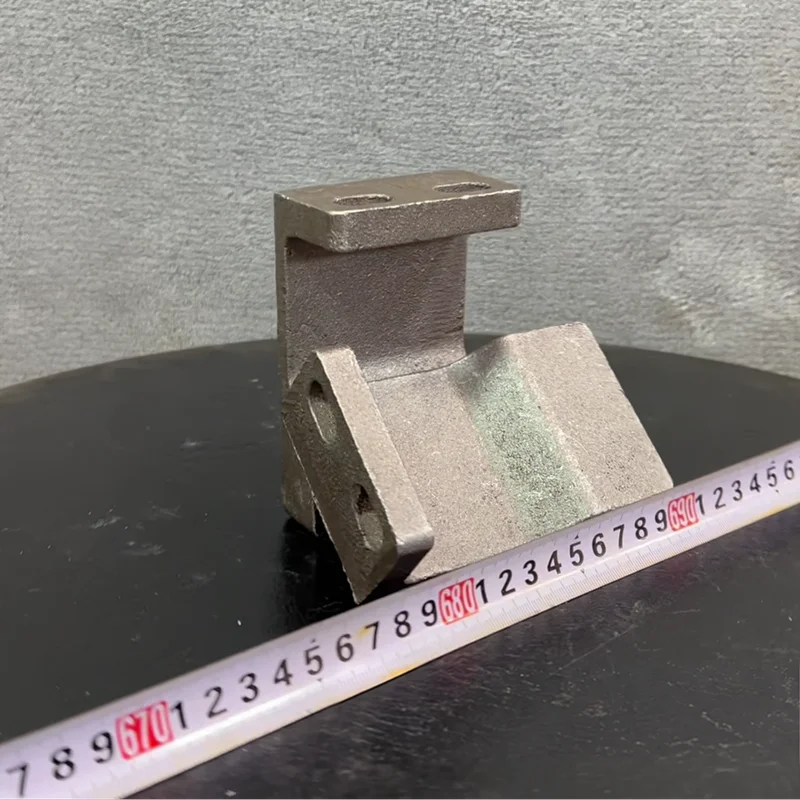
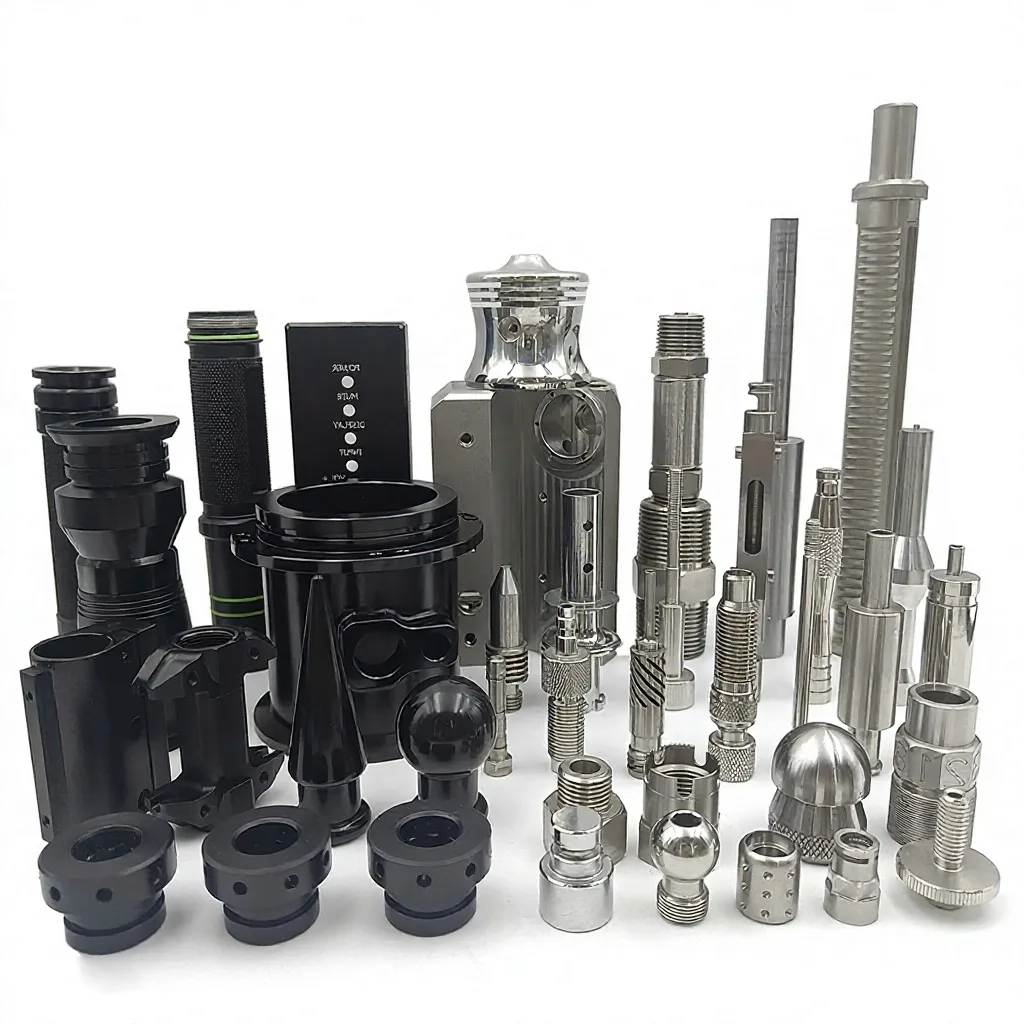
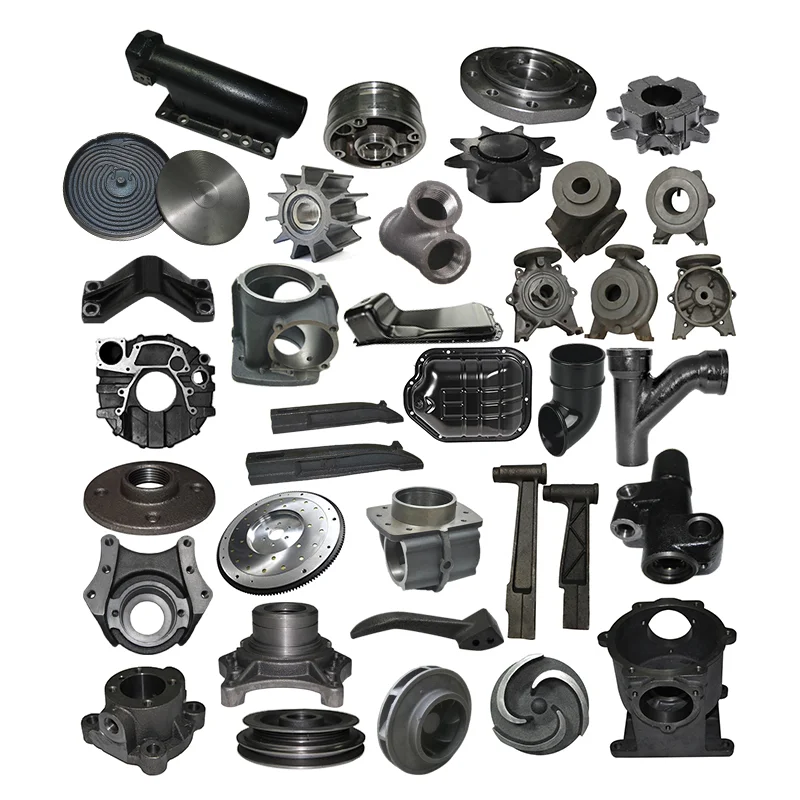
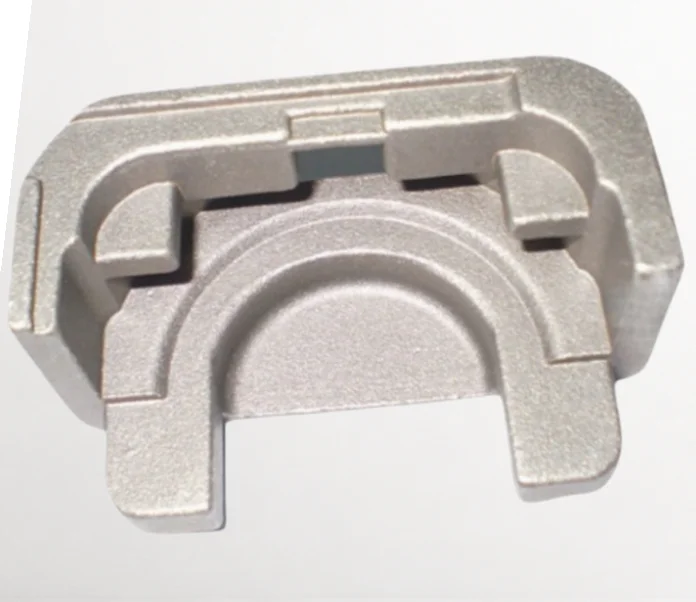
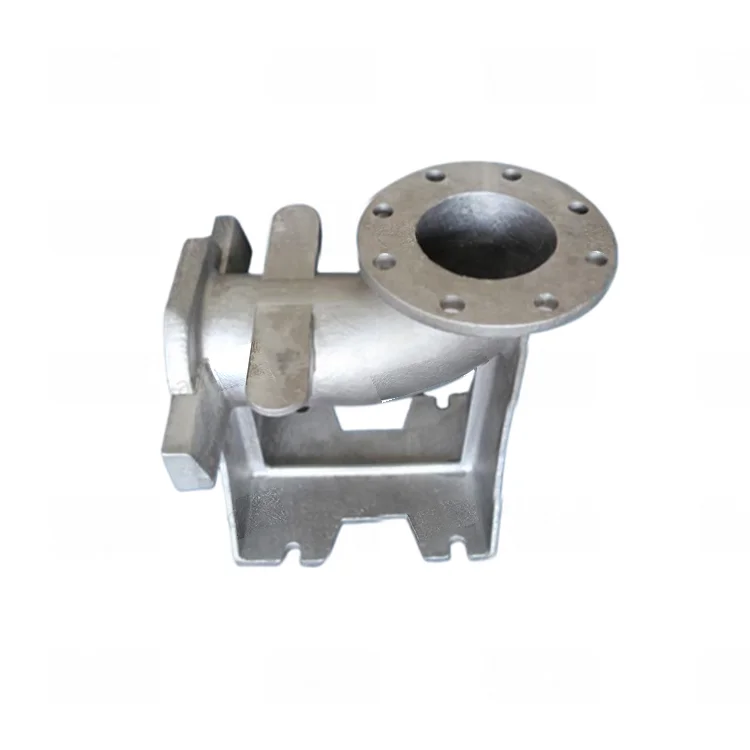
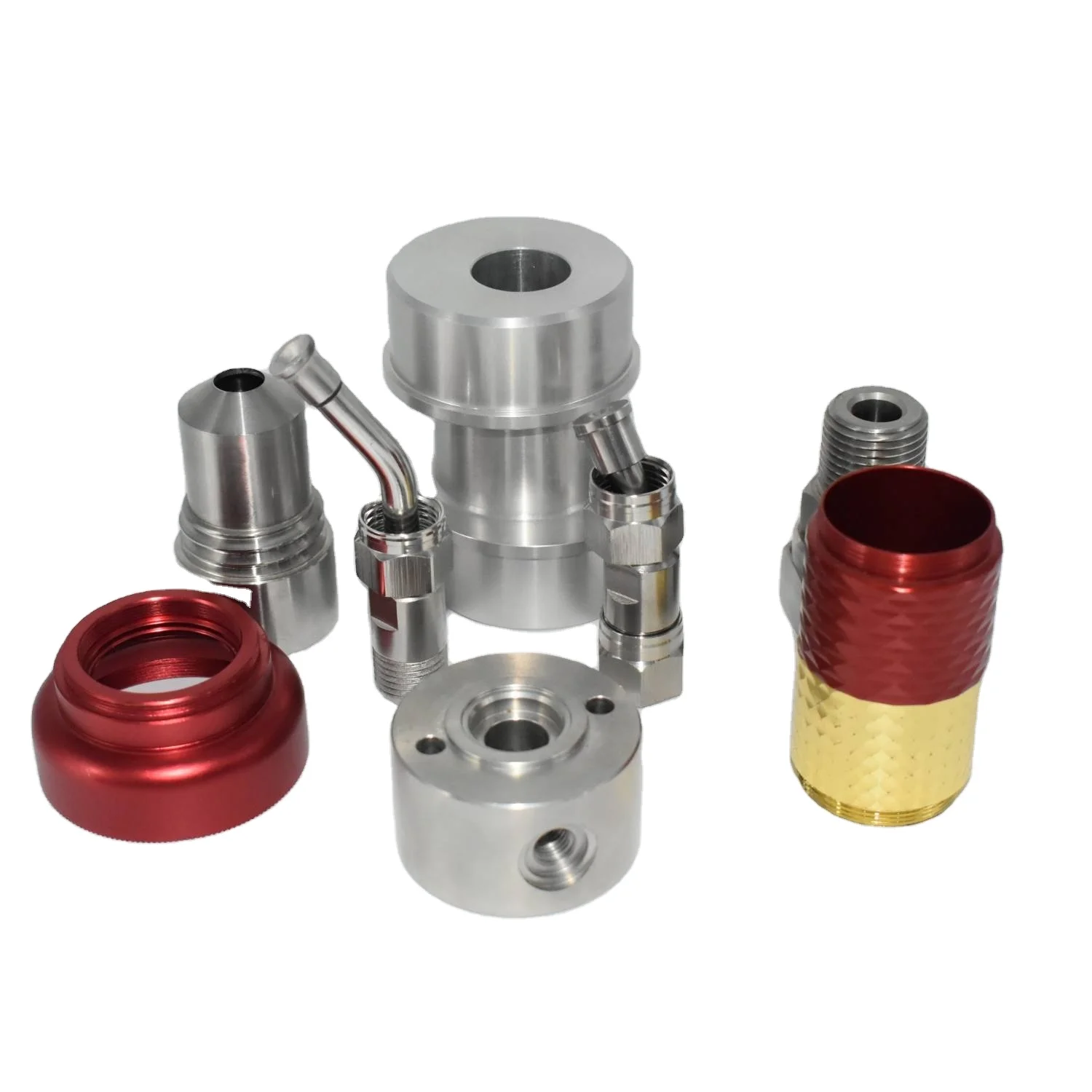
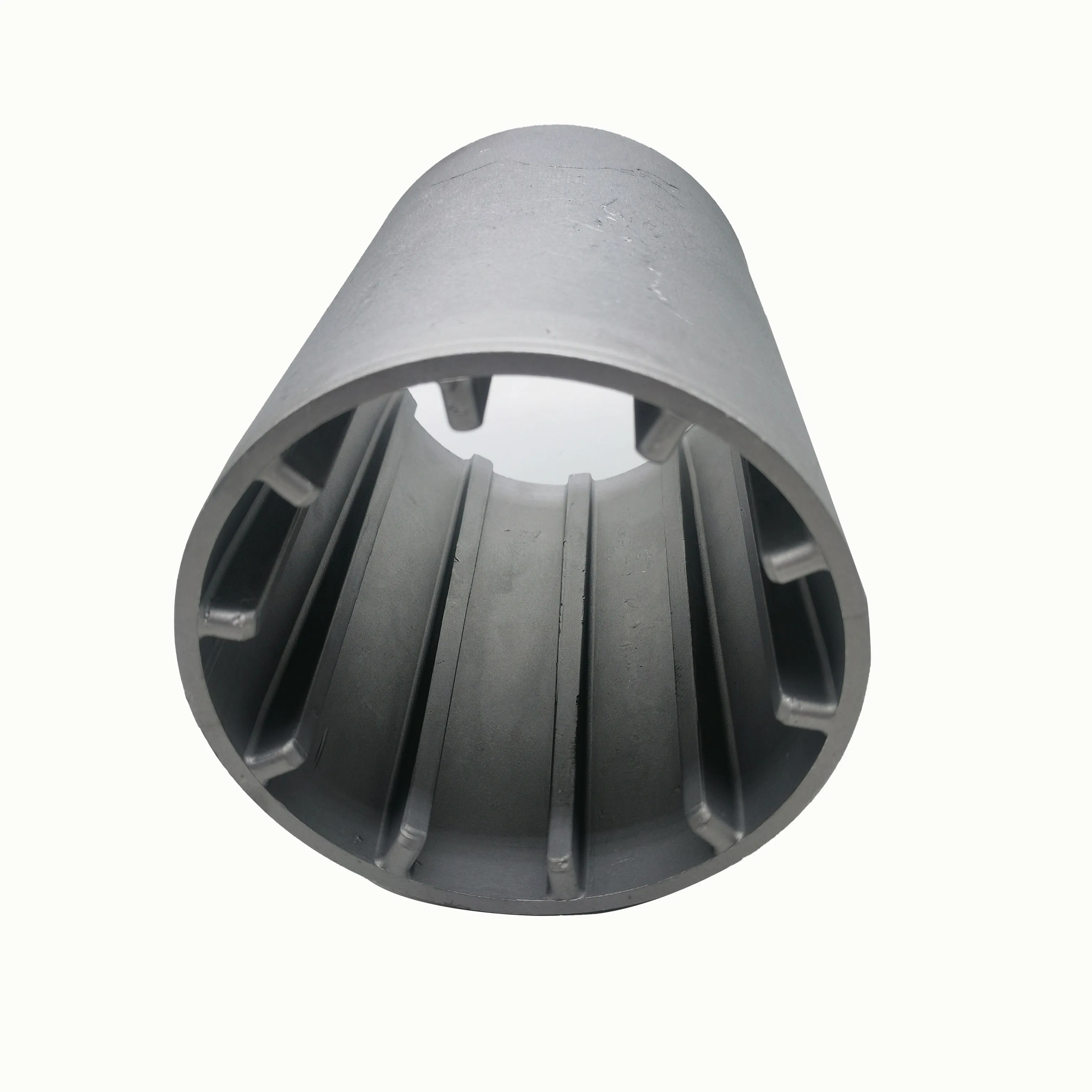
Custom iron castings and machined parts are offered for metallurgy applications using clay wet-sand molding. Processing can follow samples, with grey-iron and QT400 material enquiries defined through the actual iron family, full grade designation and governing standard.
Turn the sample into a controlled component brief
Identify the sample and the geometry that the new part must retain. Provide a drawing where possible, with the dimensions and interfaces needed by the metallurgy equipment. The part reference is 541, which can accompany the enquiry alongside the actual component definition.
- Identify the sample and the component's operating role.
- Select grey iron or the separately defined QT400 requirement.
- Mark mounting, locating and other functional interfaces.
- Specify the machined condition and dimensional acceptance.
- State quantity and the inspection records required.
Define the machined-surface requirement clearly
Identify the surfaces requiring machining and state the roughness parameter, unit and measurement basis needed for acceptance. Relate those requirements to the component's mating conditions rather than relying on an unqualified surface description. A clear drawing lets the machining discussion focus on the areas that affect use.
Agree the supplied condition for the metallurgy part
Specify the material condition and any additional work needed before installation in the intended assembly. Keep the sample reference, agreed drawing and selected grade together in the order. Dimensional and material acceptance can then be checked against the same component definition when the casting and requested processing are completed.