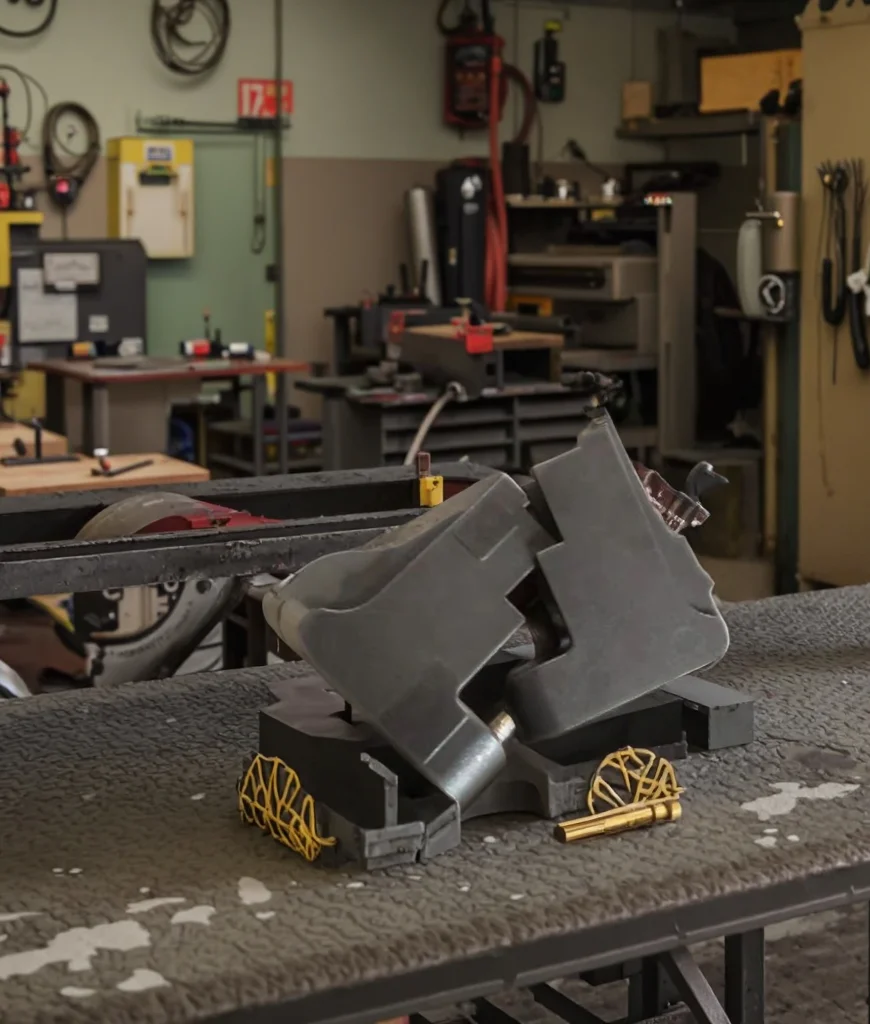
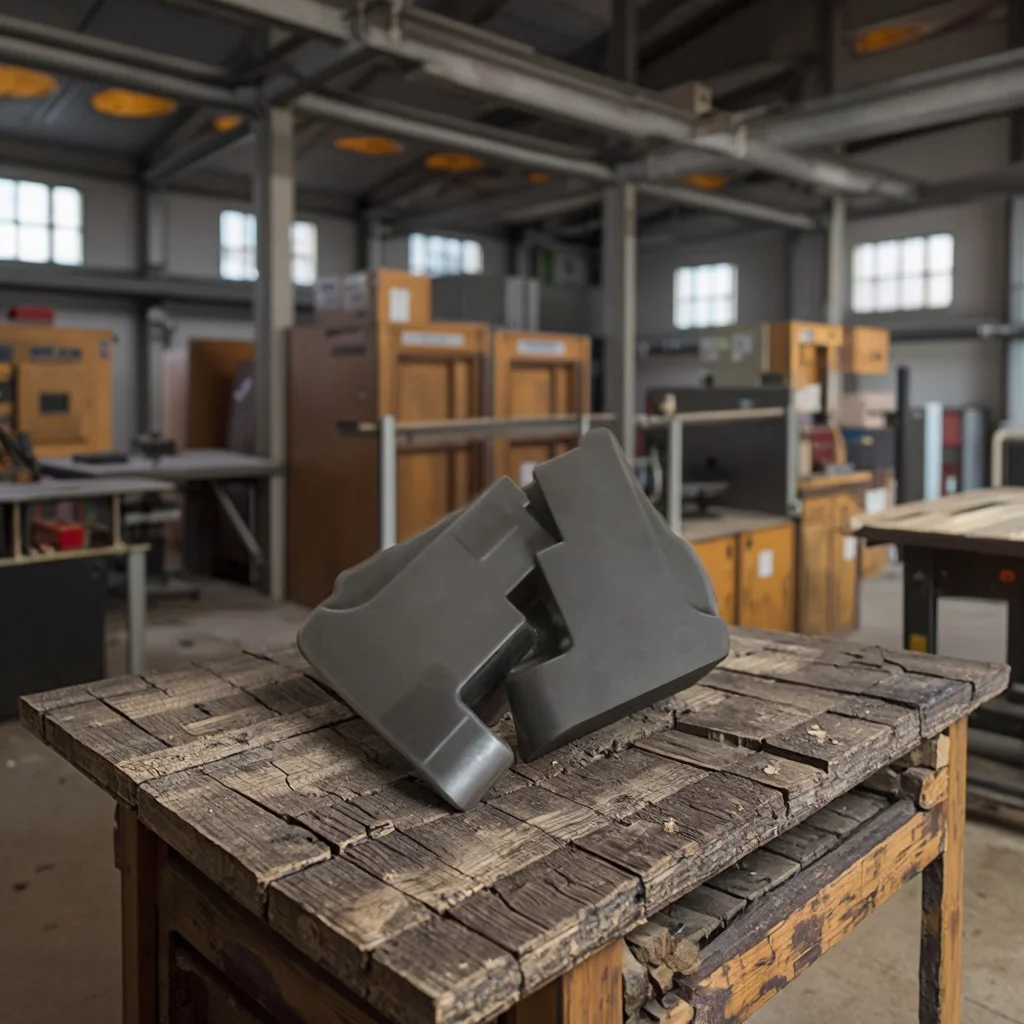
Custom Precision-Machined Aluminum-Alloy and Iron Castings — Sand/Coated-Sand, Die and Metal-Mould Enquiries
Direct factory support
Get a quote that fits your project
Send your drawing or product reference, material grade and required quantity. Relia will review the requirements with you.
- Drawing & specification review
Confirm the supply scope and critical requirements.
- Samples before custom production
Review inspected samples before approving a batch.
- Inspection documents
Agree material and dimensional records for your part.
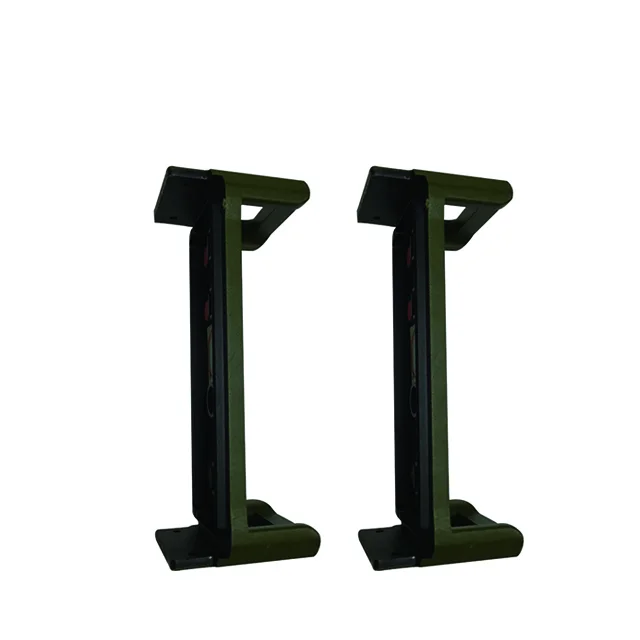
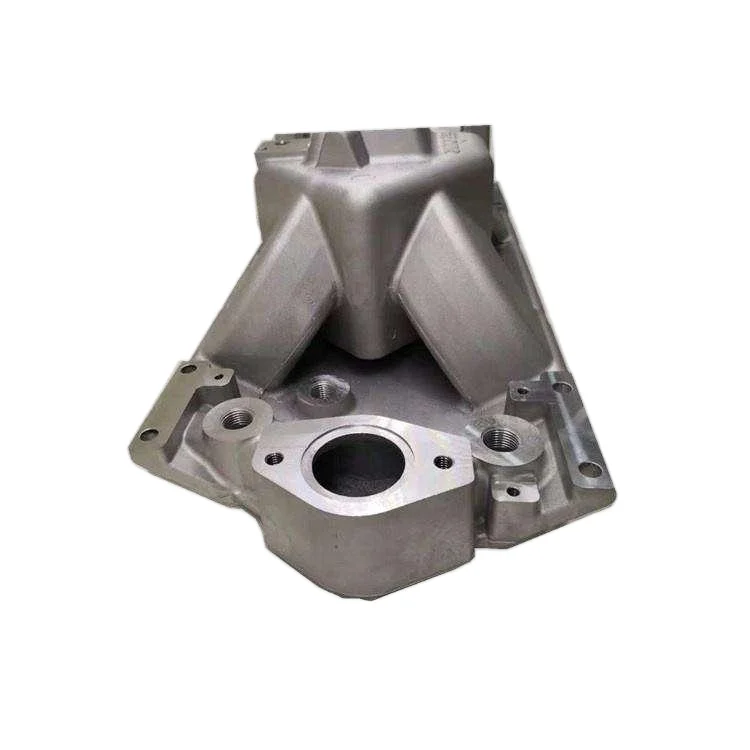
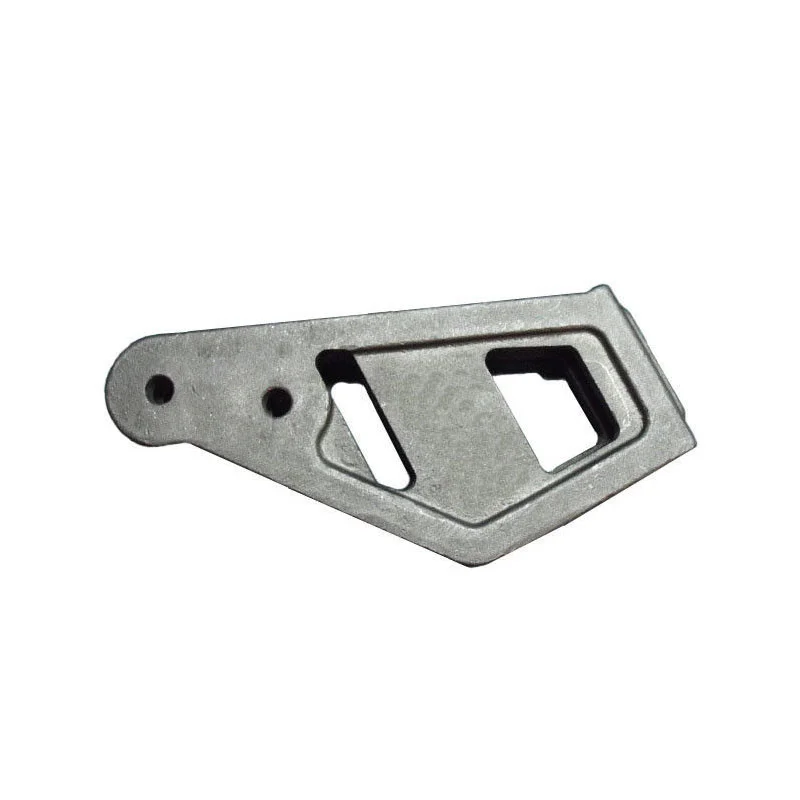
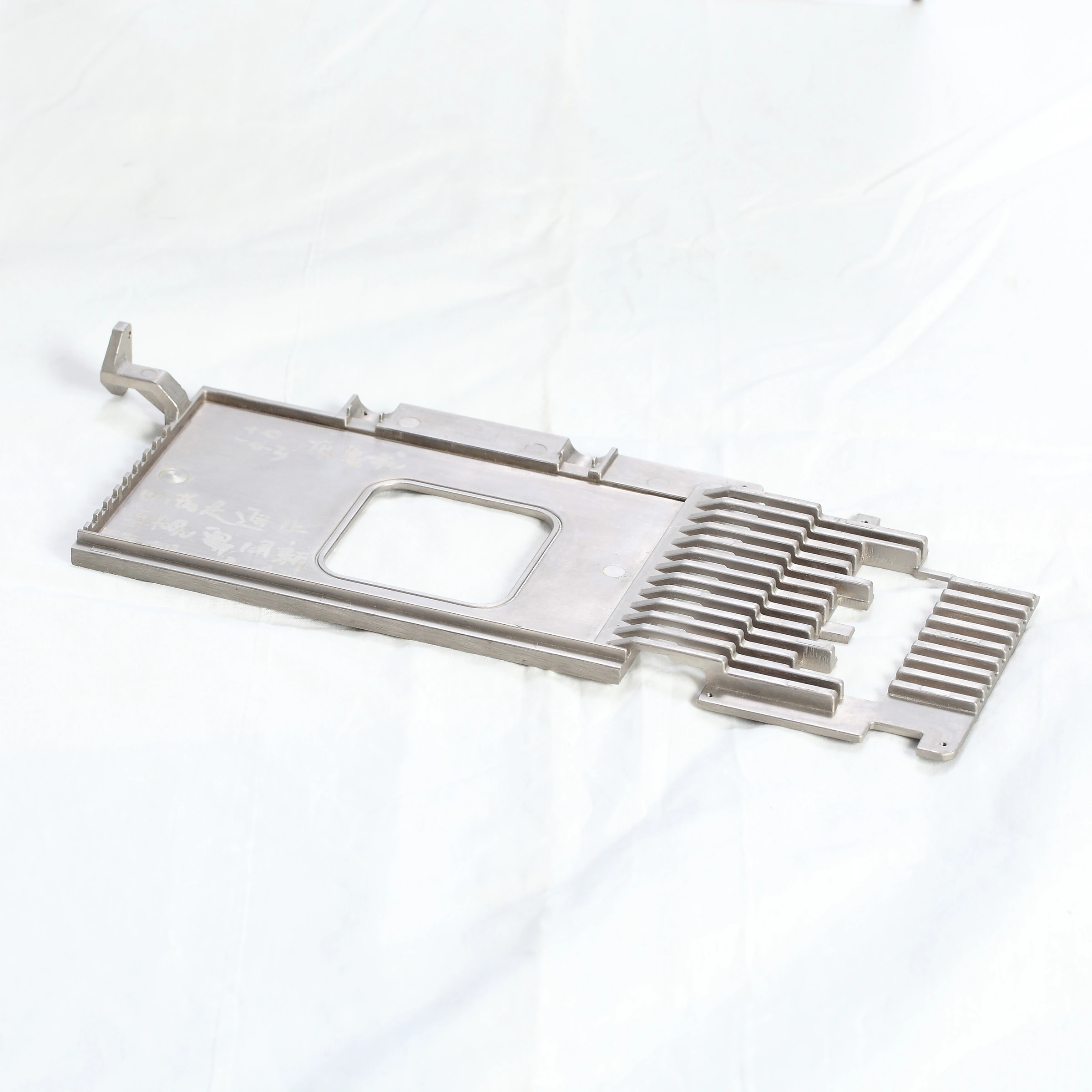
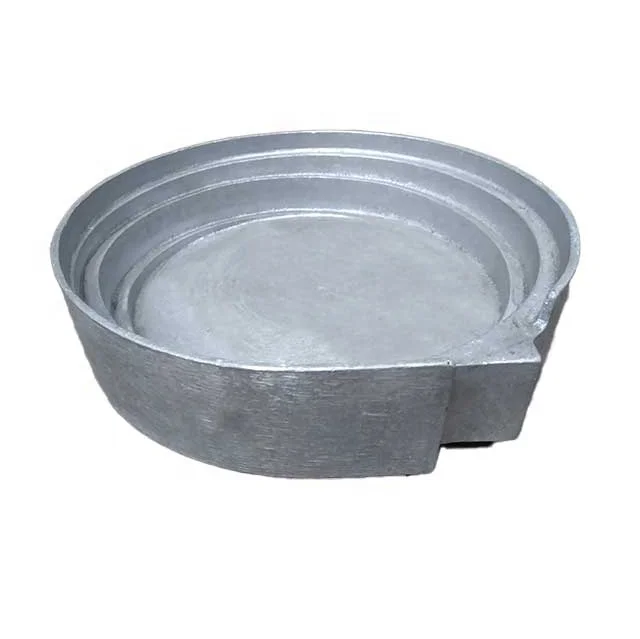
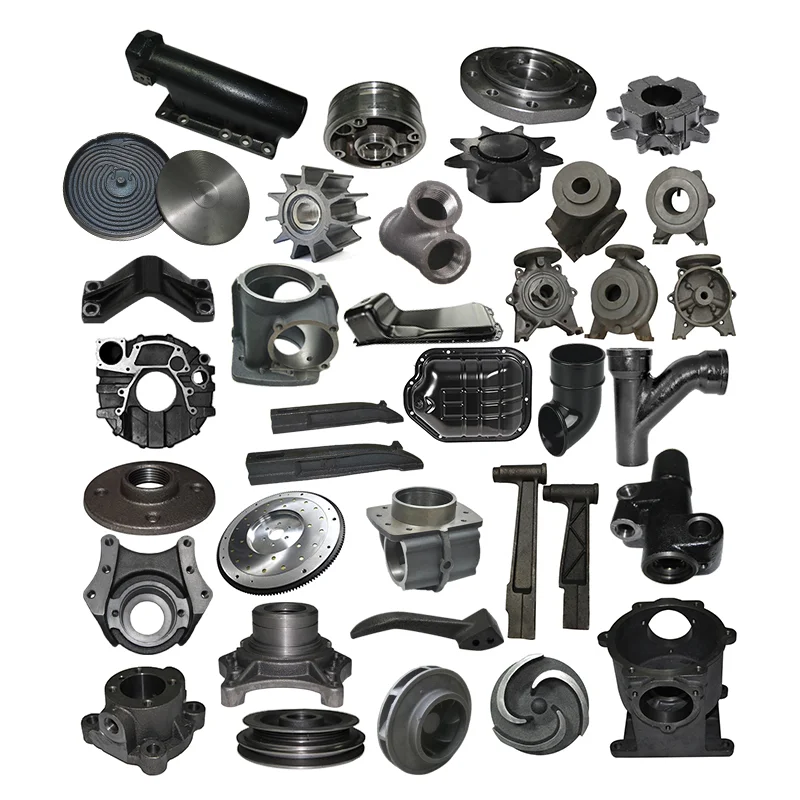
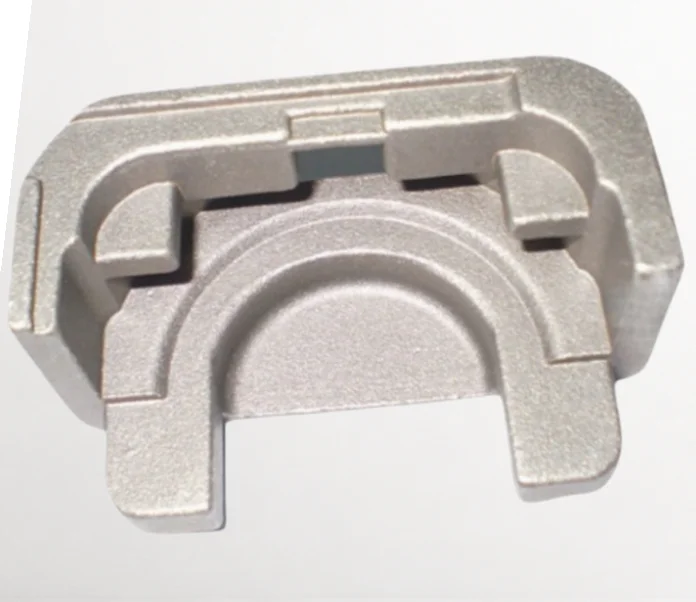
Custom machined castings should be defined through the selected metal, moulding requirement and finished interfaces. This enquiry names aluminum-alloy and iron components with sand/coated-sand, die-casting and metal-mould requests. Identify the actual part and manufacturing scope before establishing dimensional acceptance.
Describe the component and molding requirement
Provide the complete geometry and name the material grade required by the design. Clarify whether the sand-coated wording concerns the moulding system, a coated material or another specified part of the request. The selected requirement should describe one defined object rather than a compulsory combination of all process terms.
- Identify the component or metal-mould deliverable.
- Provide the drawing and selected material designation.
- Define the molding or coating requirement.
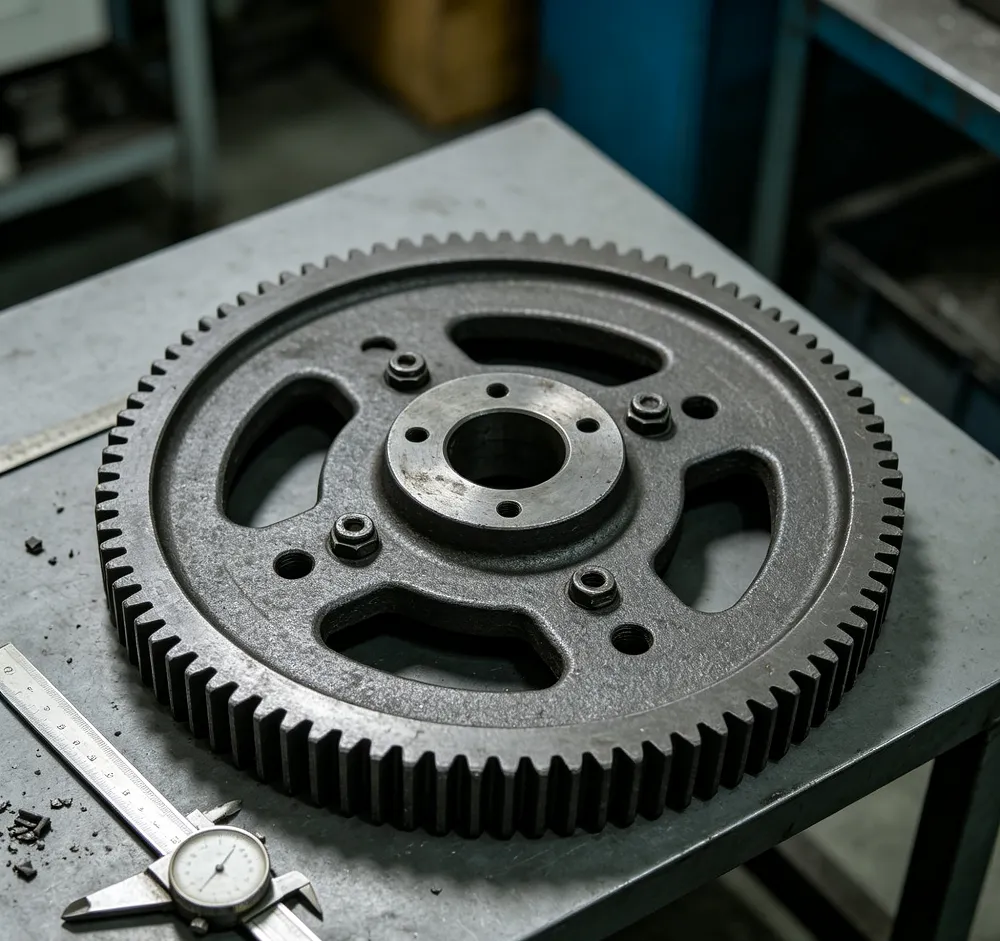
- Mark interfaces needing finished machining.
Make precision and durability requirements measurable
State the numerical limits on dimensions that control assembly or function. Describe the operating duty and durability acceptance needed for the actual component. These project requirements should guide the quotation without an assumed general tolerance or lifetime.
Define casting and finished supply boundaries
Identify the casting geometry and the condition needed after the requested machining. Any surface work or additional processing should be described explicitly in the supply request. Keep the material and route choices consistent with the component drawing.
Agree acceptance for the selected part
State quantity and the dimensional, material and surface checks required on receipt. Identify any records needed to demonstrate that acceptance. The selected grade, process requirement and finished interfaces should establish the actual casting order rather than a broad precision-machining description.