Custom Sand Cast Valve Components in Steel Iron or Aluminum with Precision CNC and Selected T6 Alloy Requirements
Direct factory support
Get a quote that fits your project
Send your drawing or product reference, material grade and required quantity. Relia will review the requirements with you.
- Drawing & specification review
Confirm the supply scope and critical requirements.
- Samples before custom production
Review inspected samples before approving a batch.
- Inspection documents
Agree material and dimensional records for your part.
-
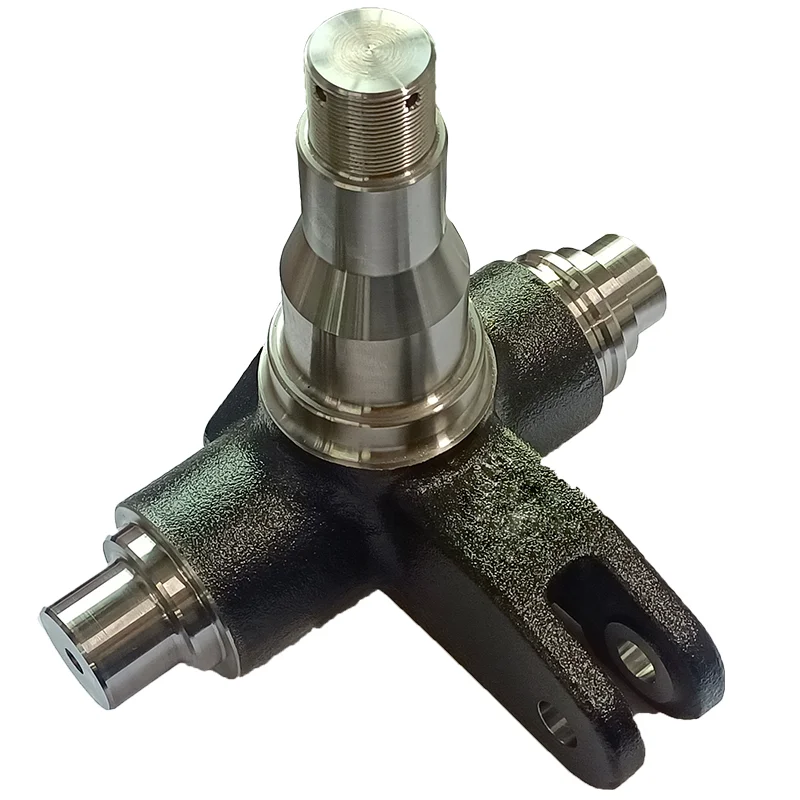
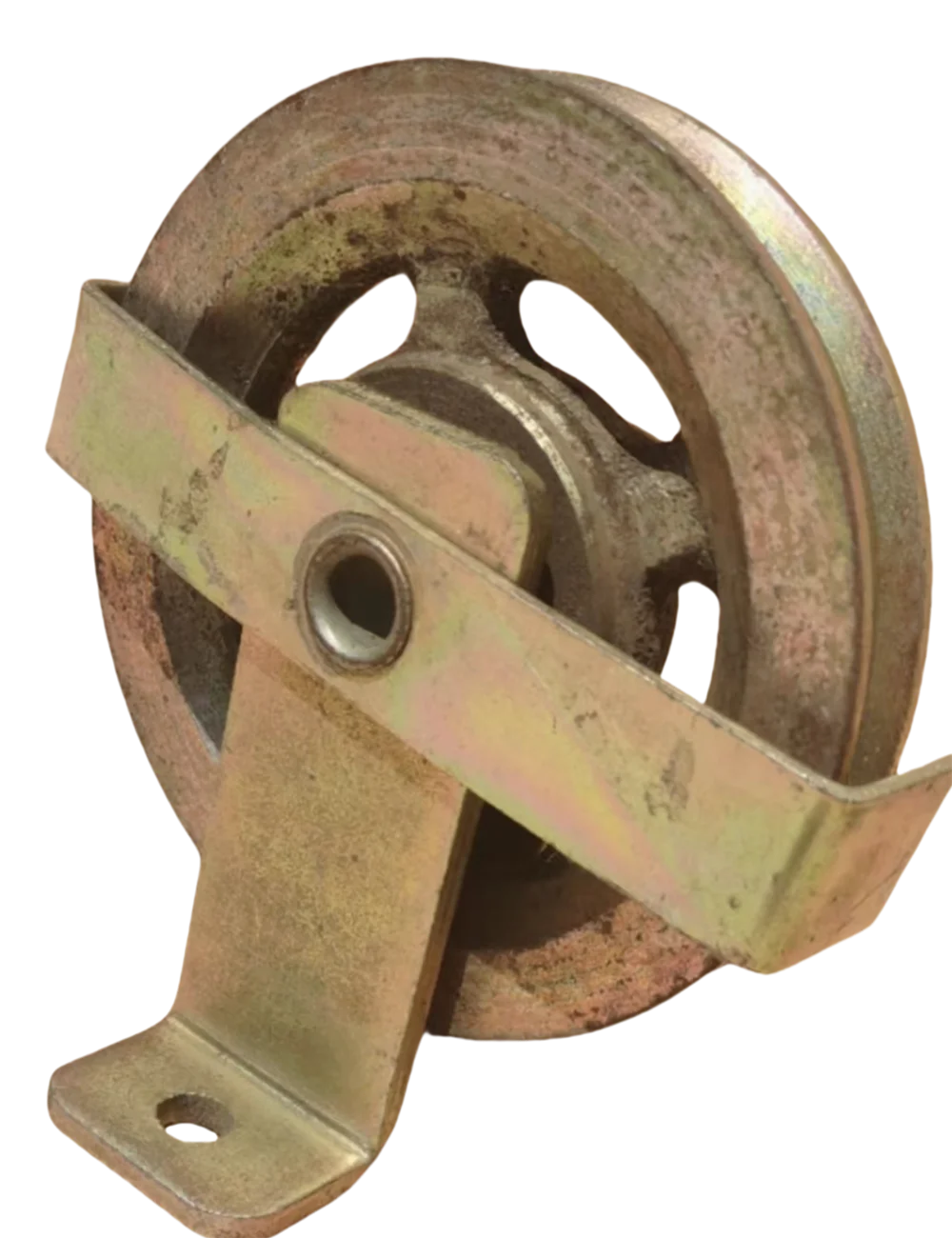
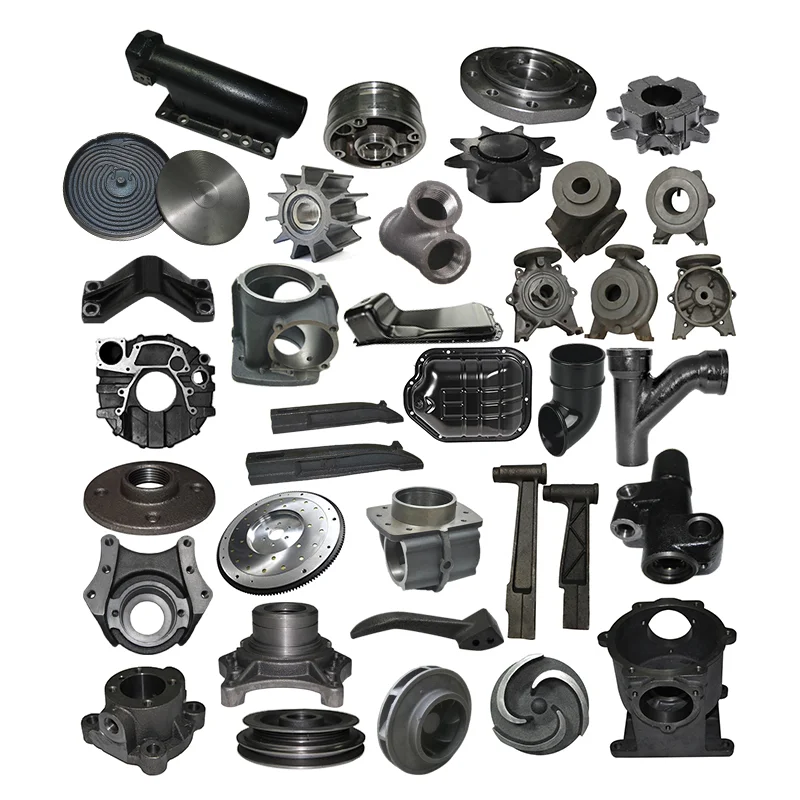
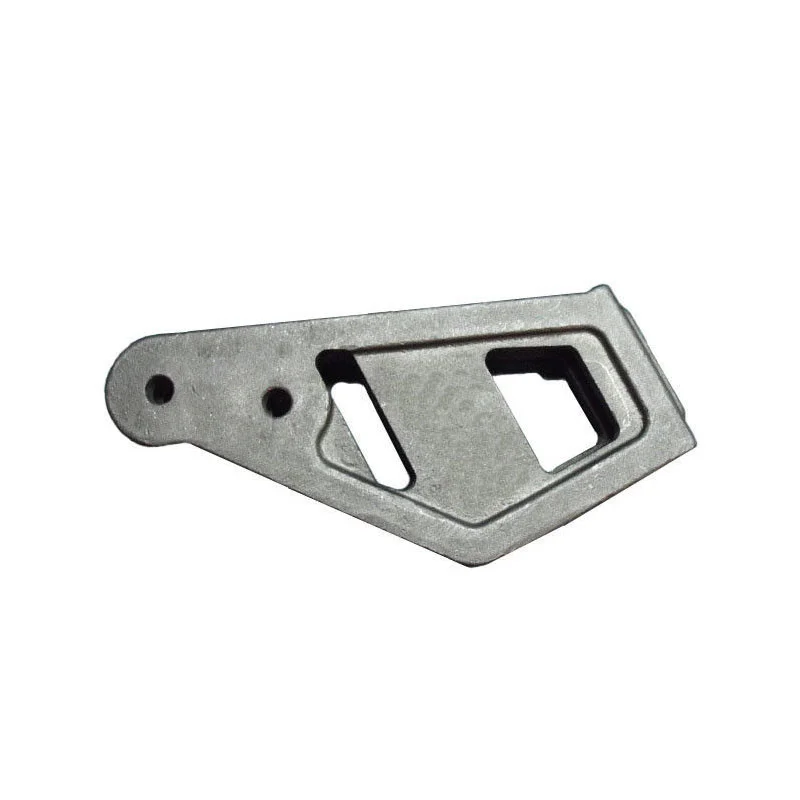
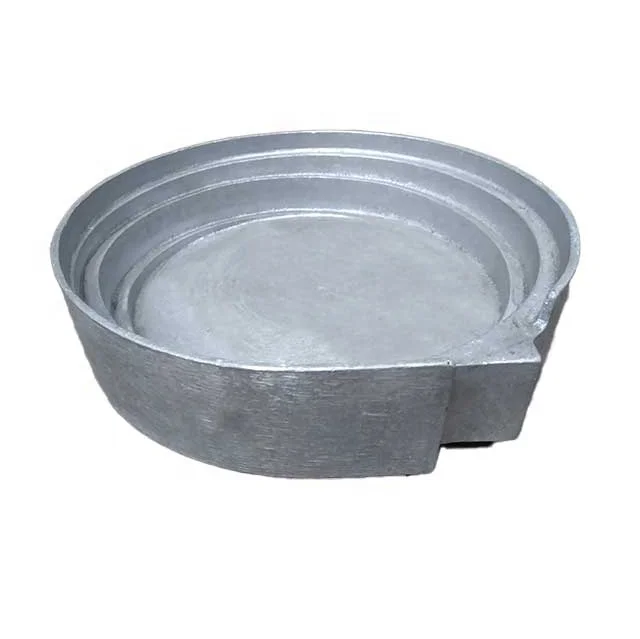
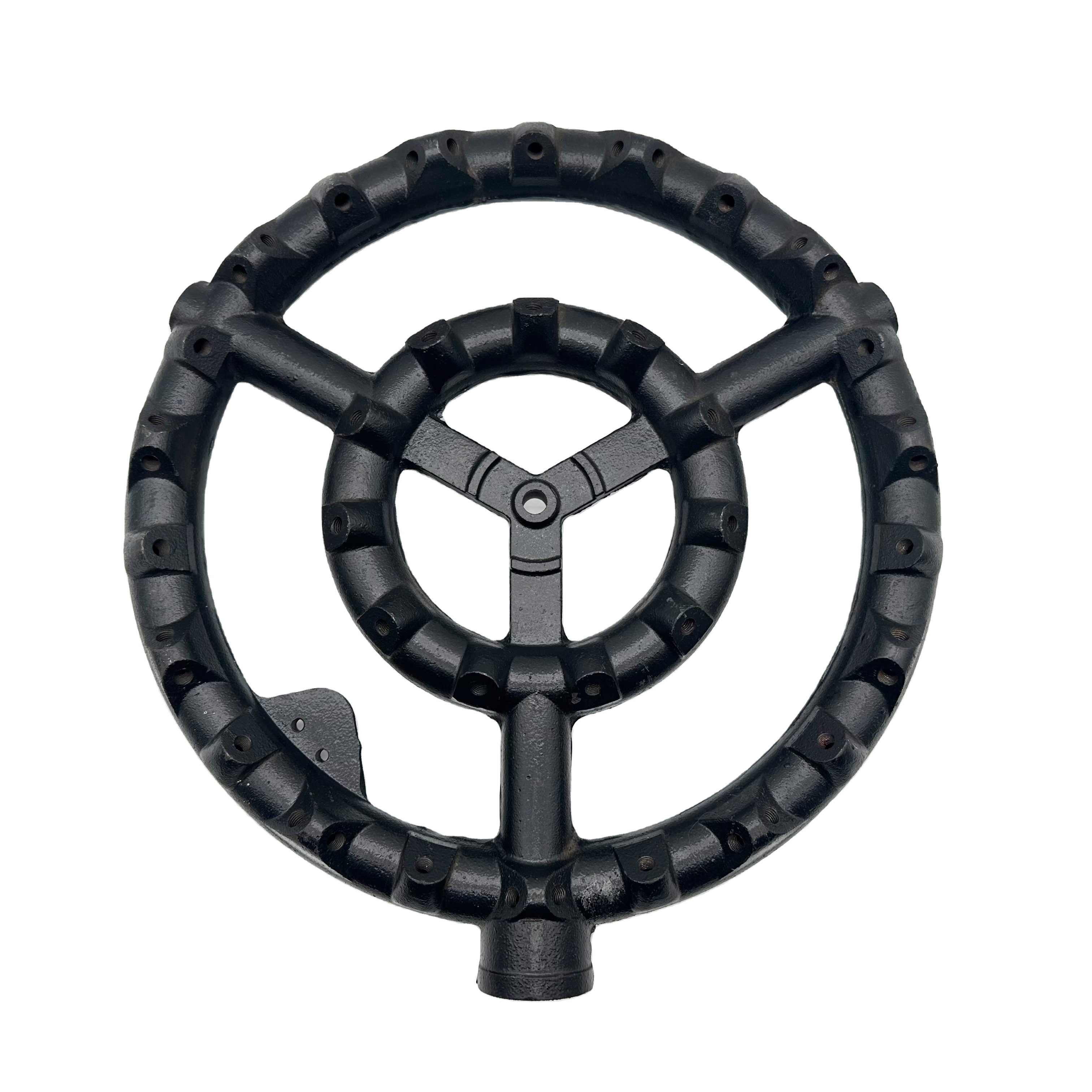
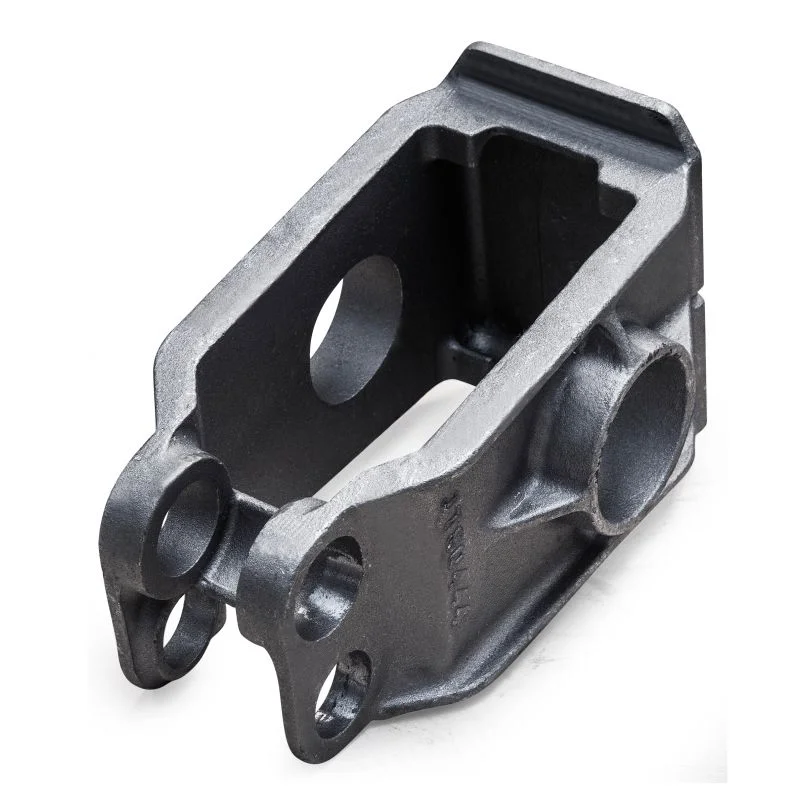
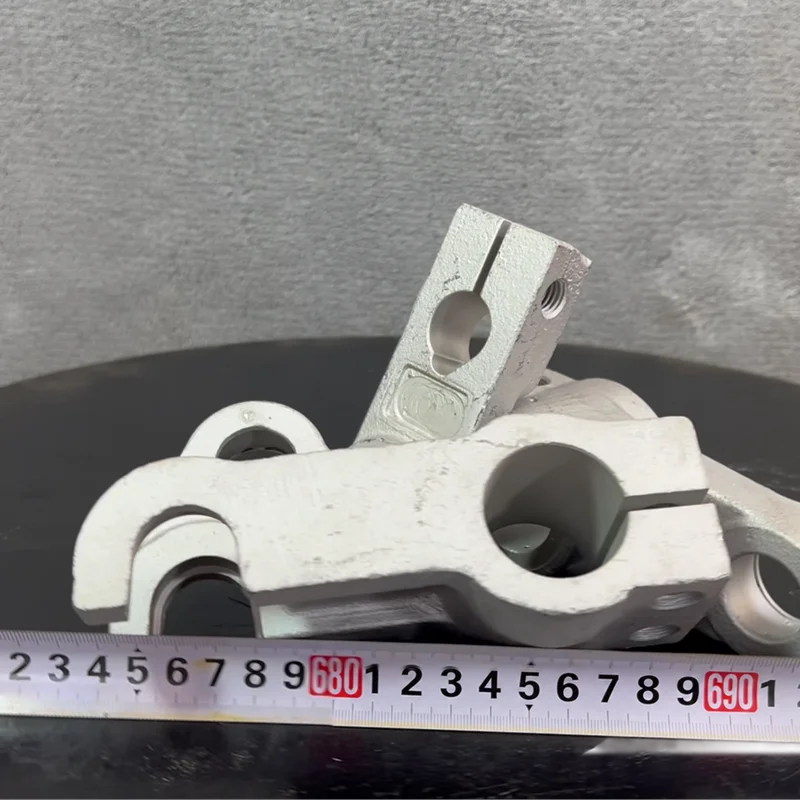
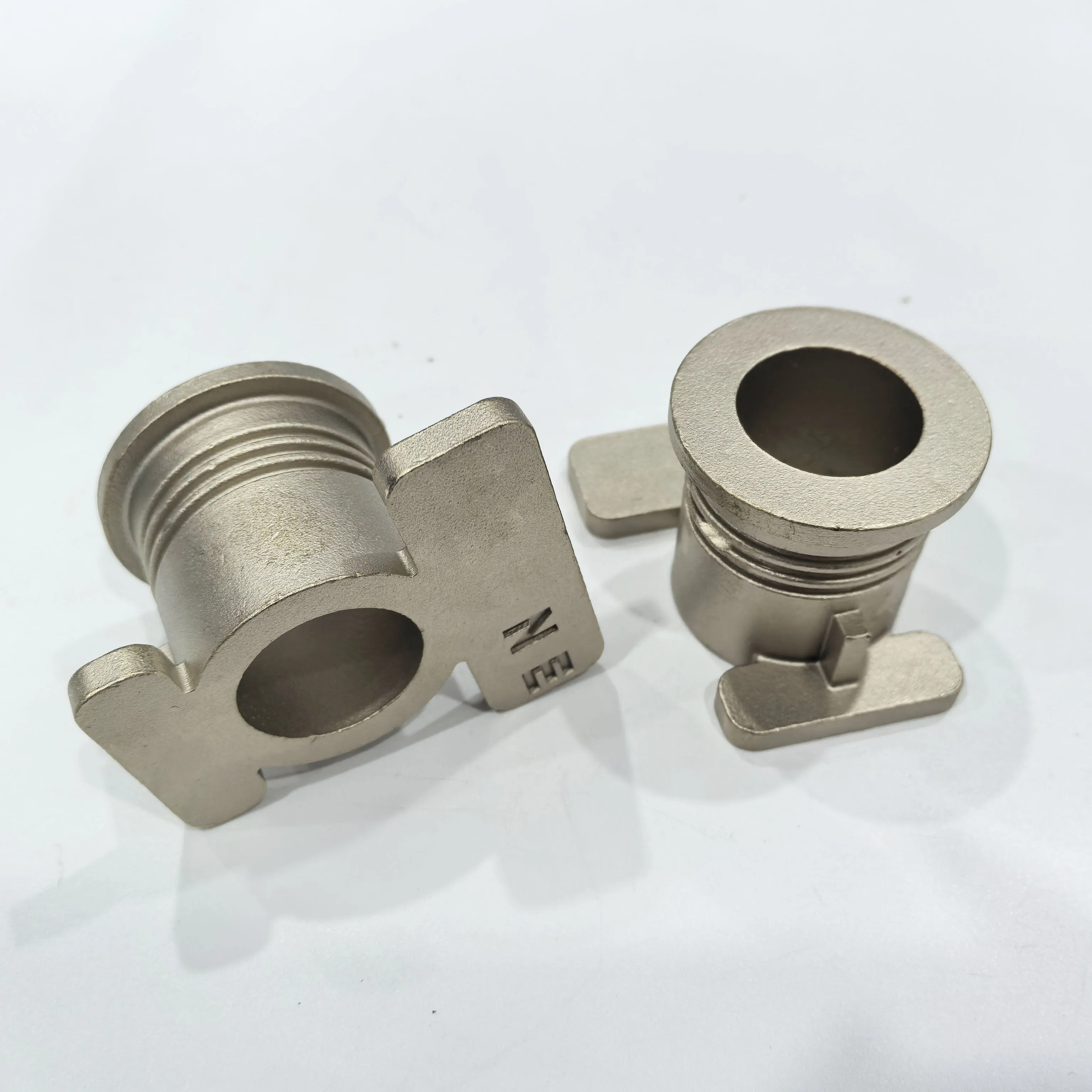
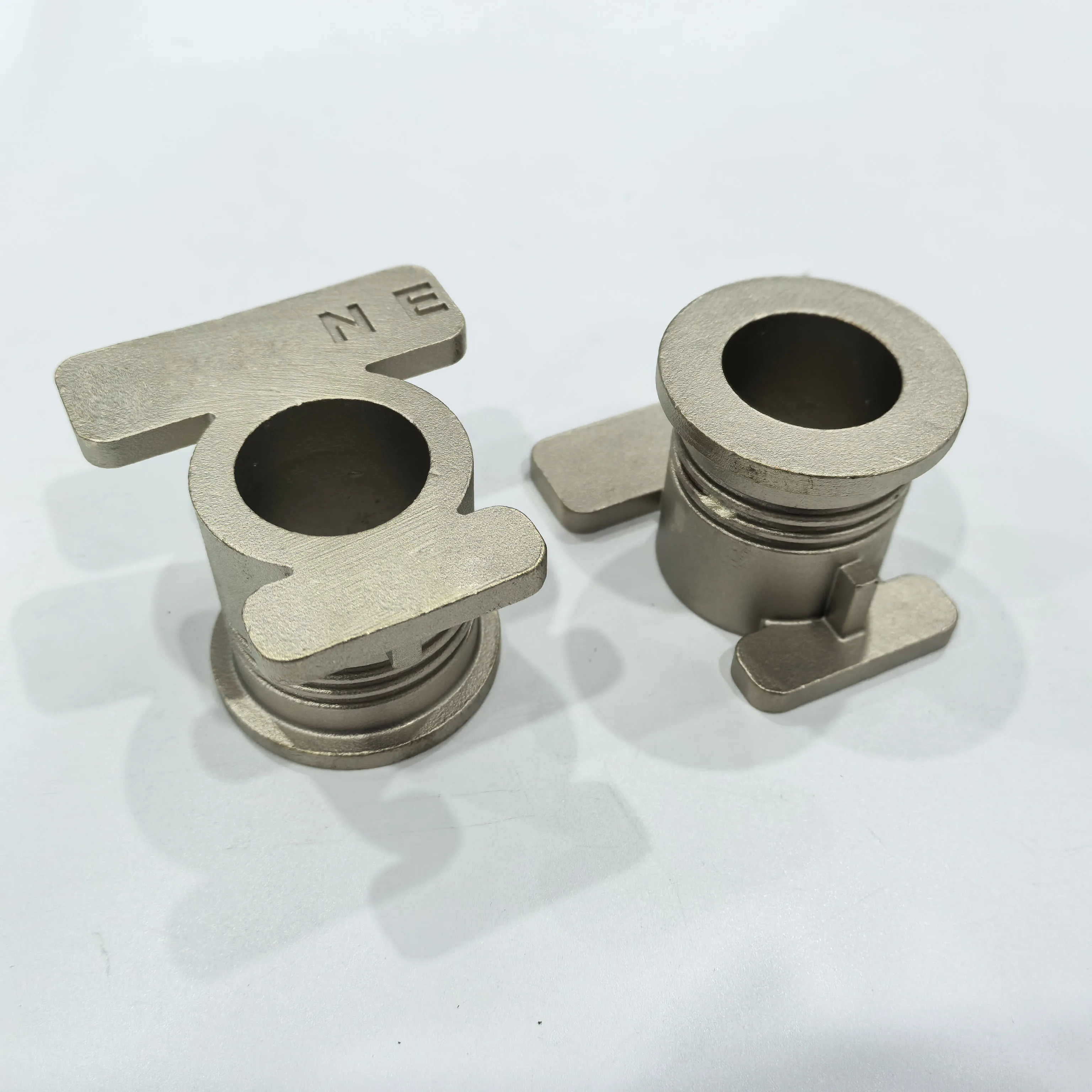
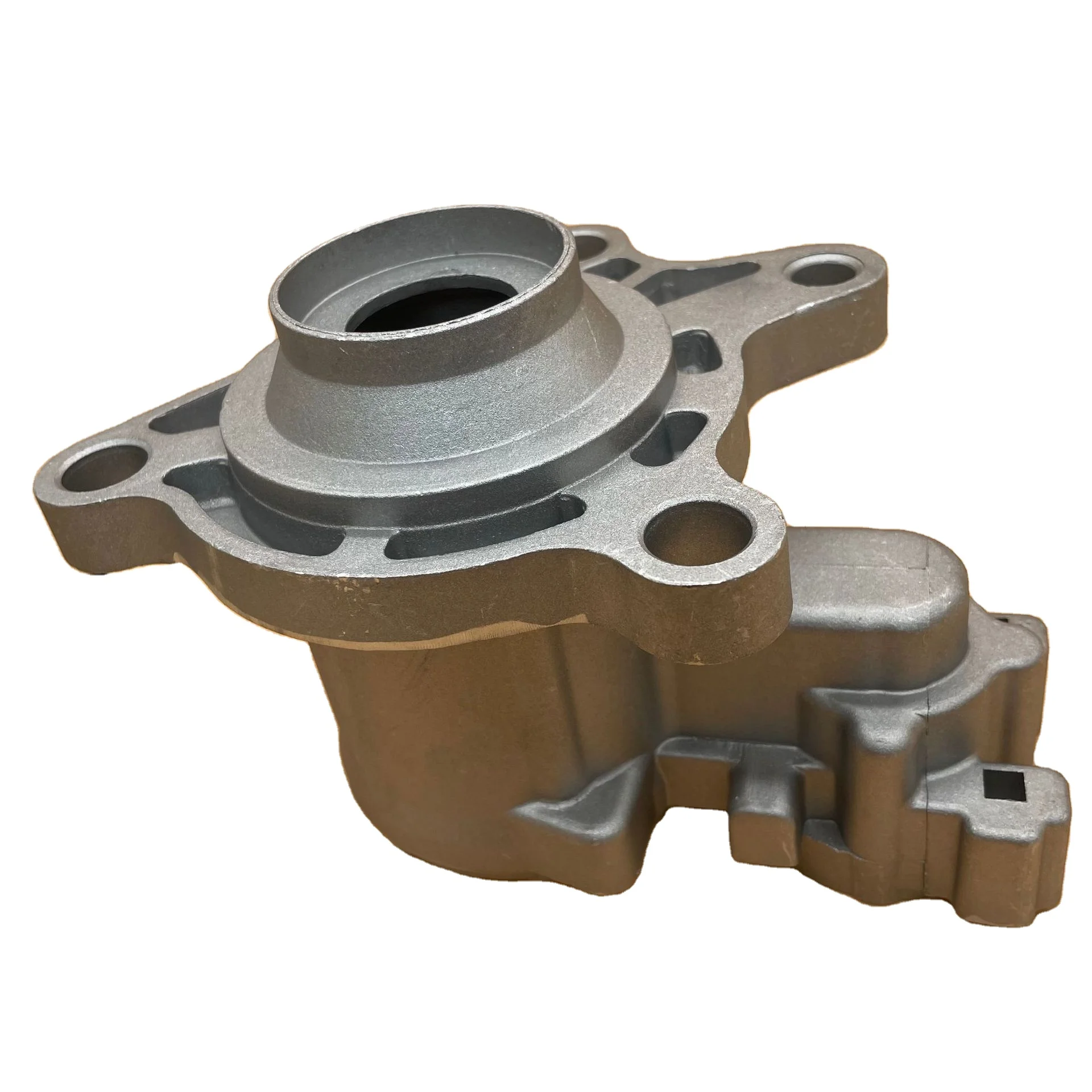
Product name:Casting parts
-
size:customer request
-
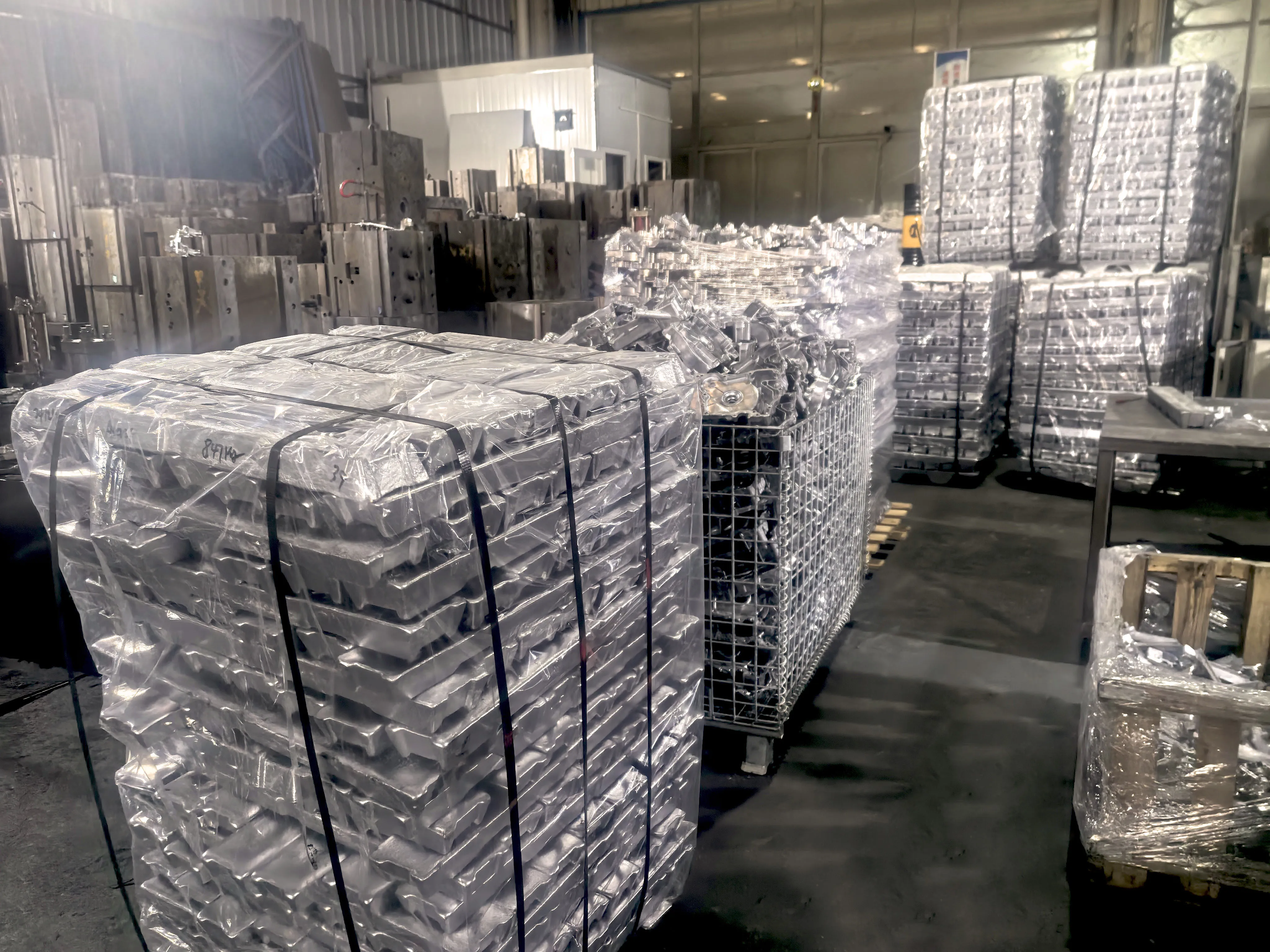
Material:Steel, Iron, Aluminum, AlloyHeat treatment:T6 heat treatment
-
Quality Management:100% checkedProcessing:Precision CNC machining
Custom valve-component enquiries cover steel, iron, aluminum or other specified alloys through sand casting with precision CNC machining. Sizes follow customer requirements. Choose the complete grade and valve geometry first, then define the required material condition and finished connections for that individual item.
Make the valve duty part of the drawing
Identify the actual component within the valve assembly and the service conditions relevant to its design. Show mating faces, connection geometry and mounting relationships. State any pressure, sealing or application acceptance needed for the ordered part, together with the measurement references governing its fit.
Select the thermal and machining scope
Assign T6 heat treatment only to the chosen compatible alloy. Steel or iron requests need independently defined material-condition requirements. Mark the surfaces requiring CNC work and their permitted dimensional limits, distinguishing them from regions accepted in their cast state.
- Provide the controlling valve-component drawing and revision.
- State quantity and the required condition at finished connections.
- Define surface requirements and initial assembly-fit acceptance.
- Identify material and dimensional records needed for approval.
Specify what complete checking must demonstrate
Quality management offers 100% checking for the selected component. Agree the relevant characteristics, test or measurement methods and reporting needed for its acceptance. Keep those checks connected to the actual grade, thermal condition and finished geometry. Explain how any approved design change affects the valve interfaces before using the revised part definition for subsequent production.