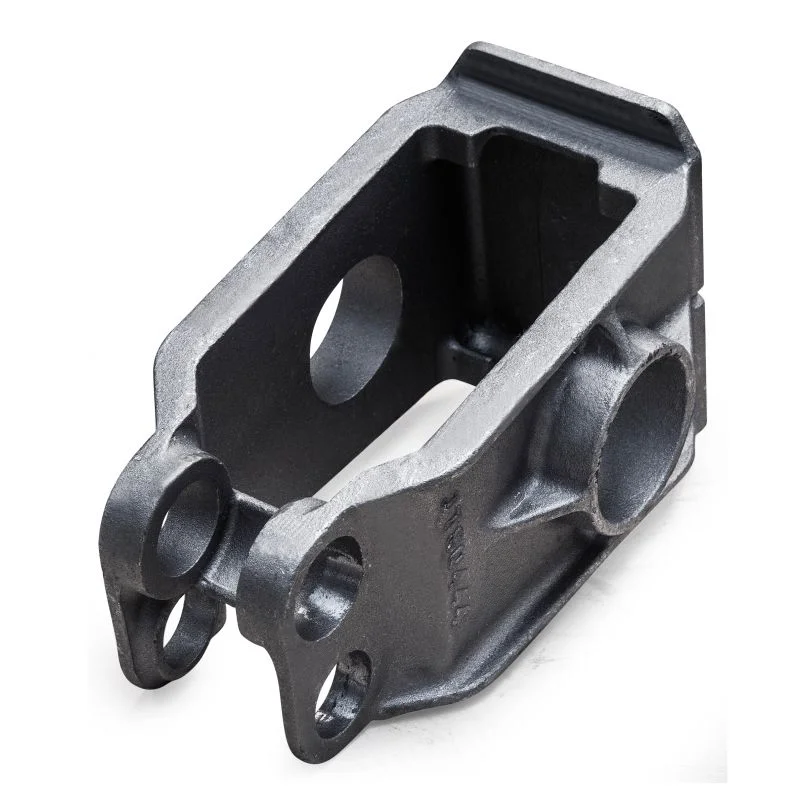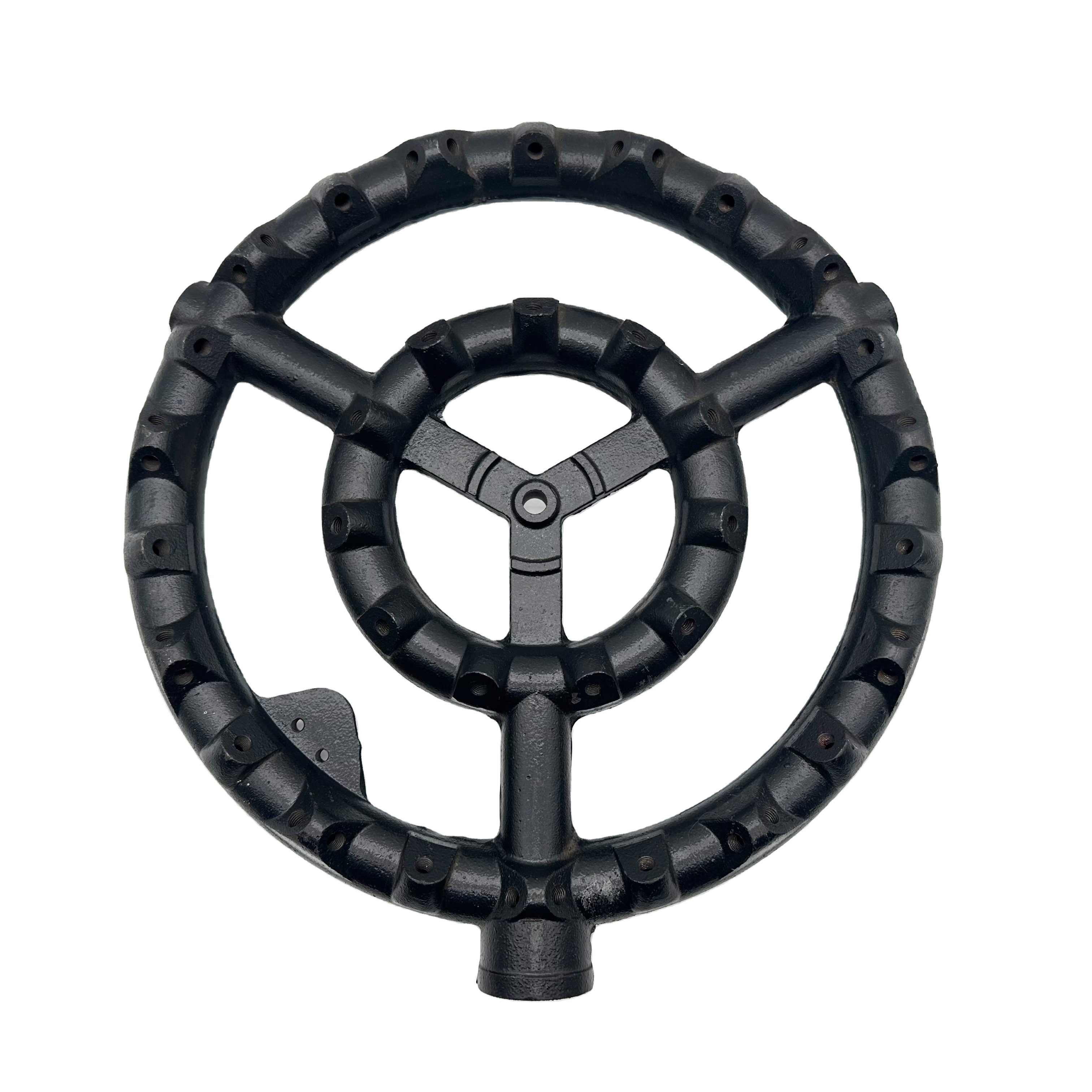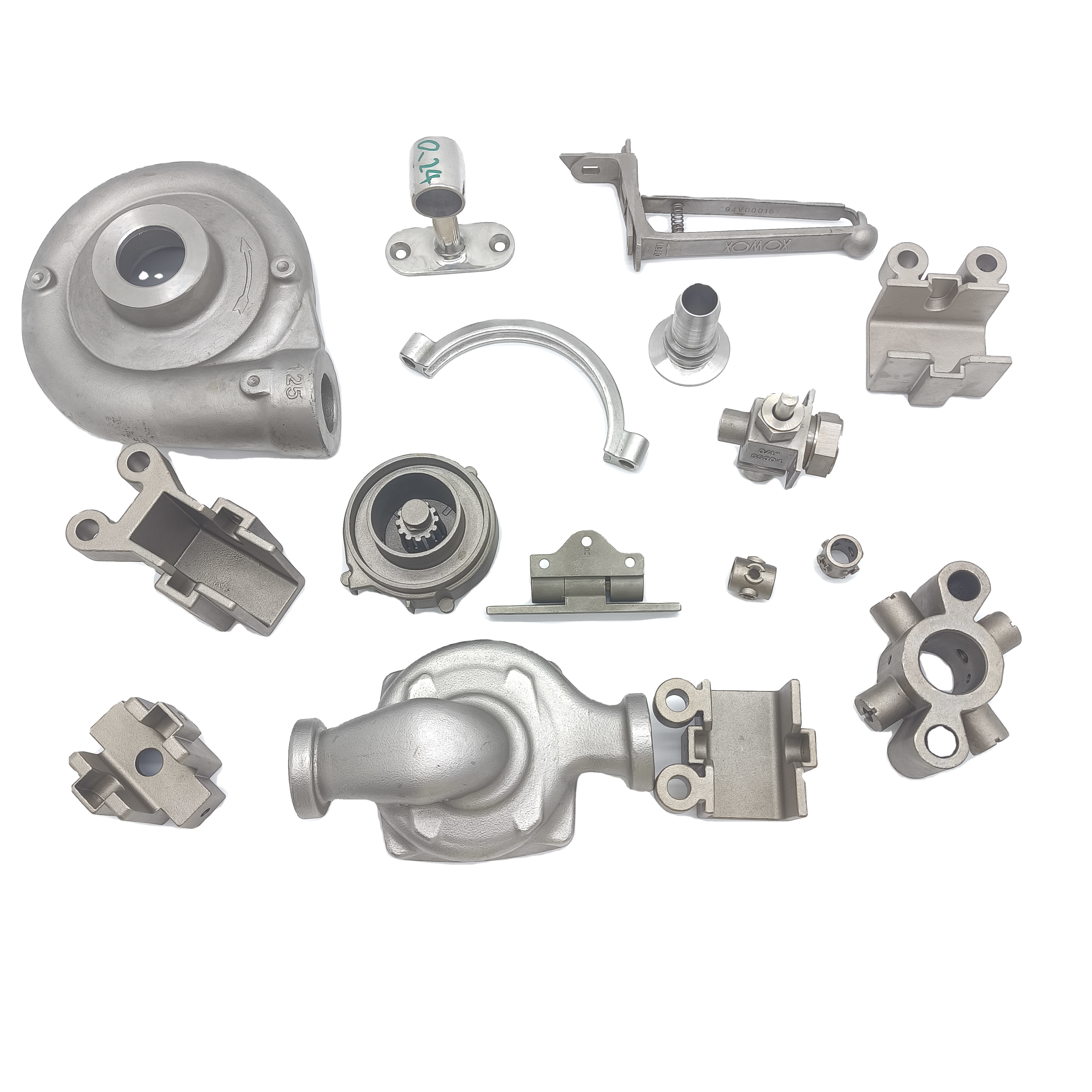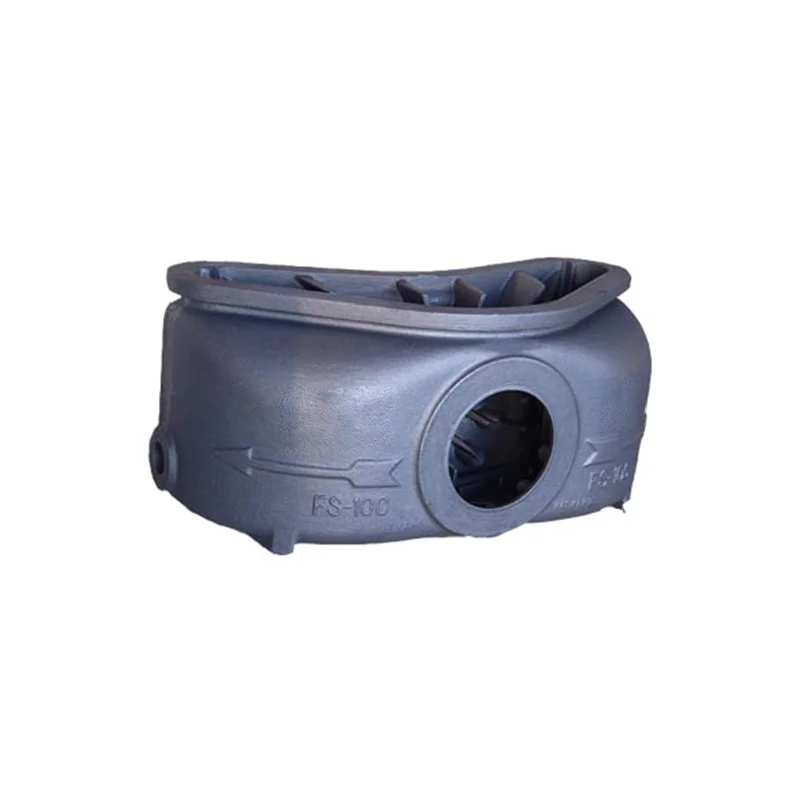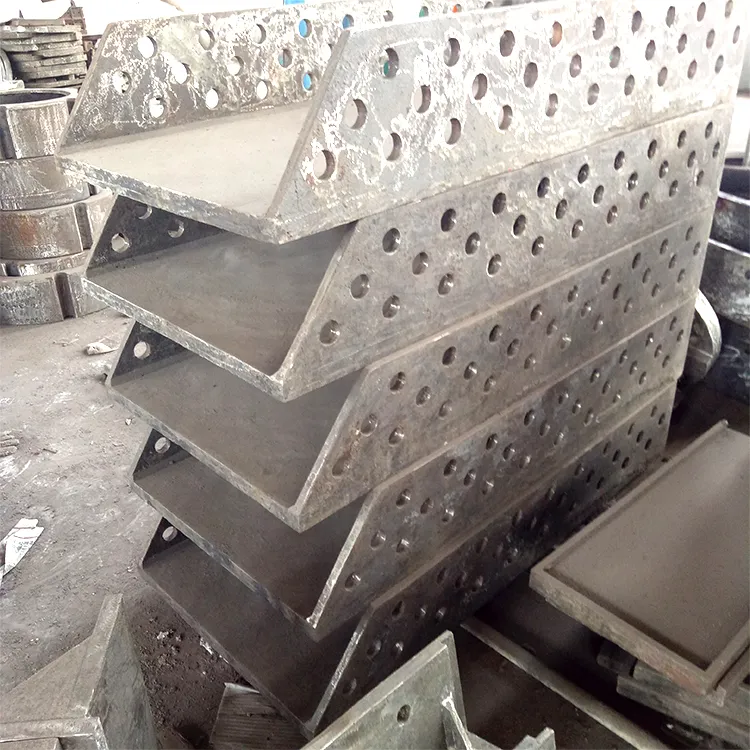
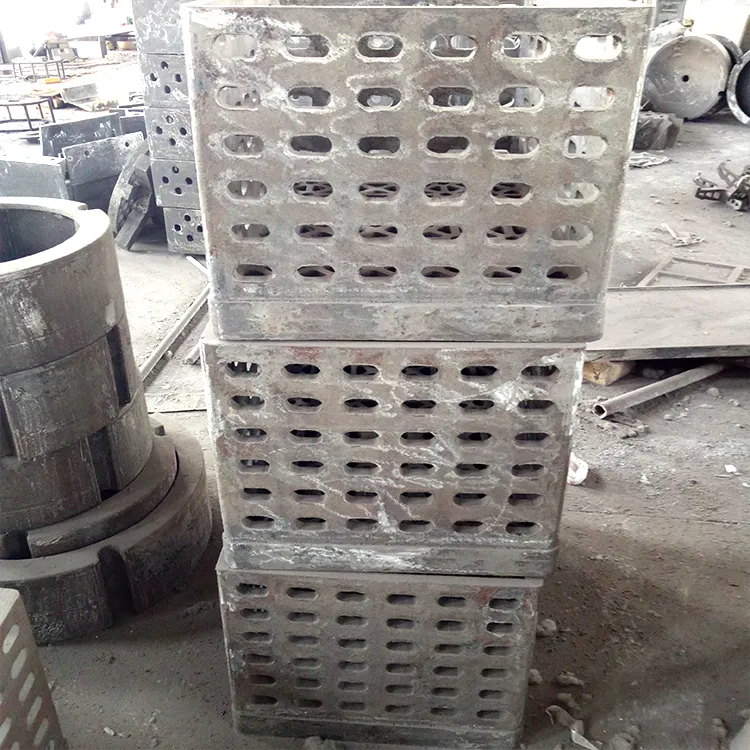
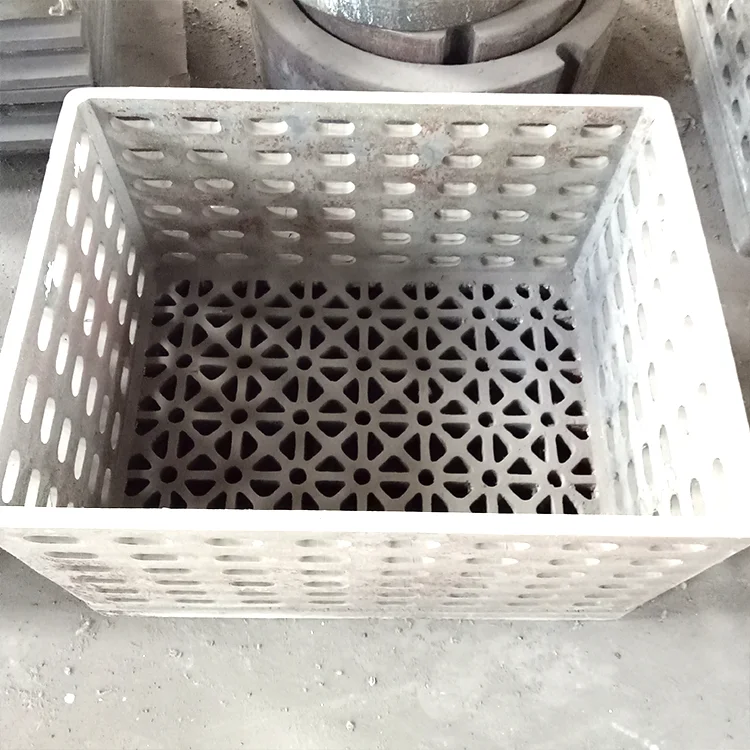
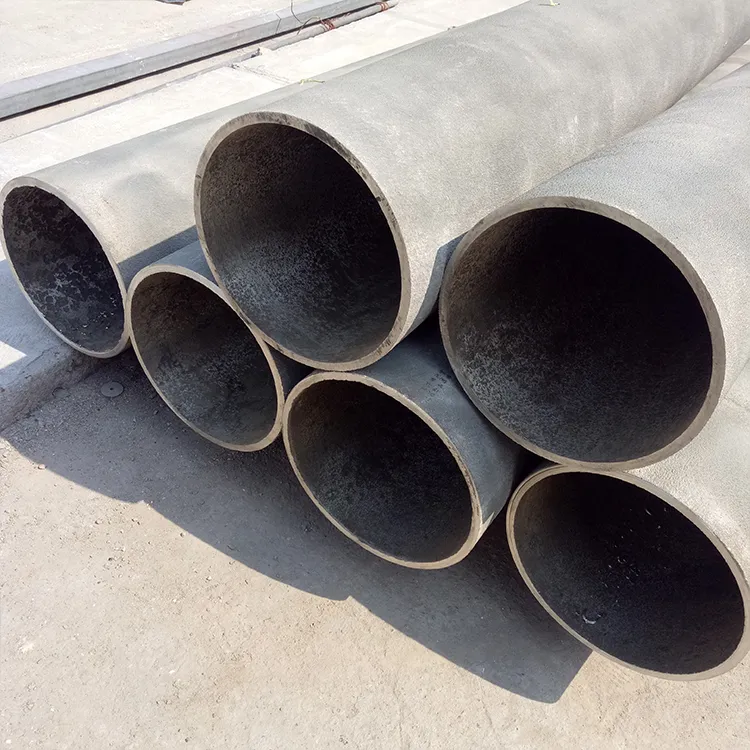
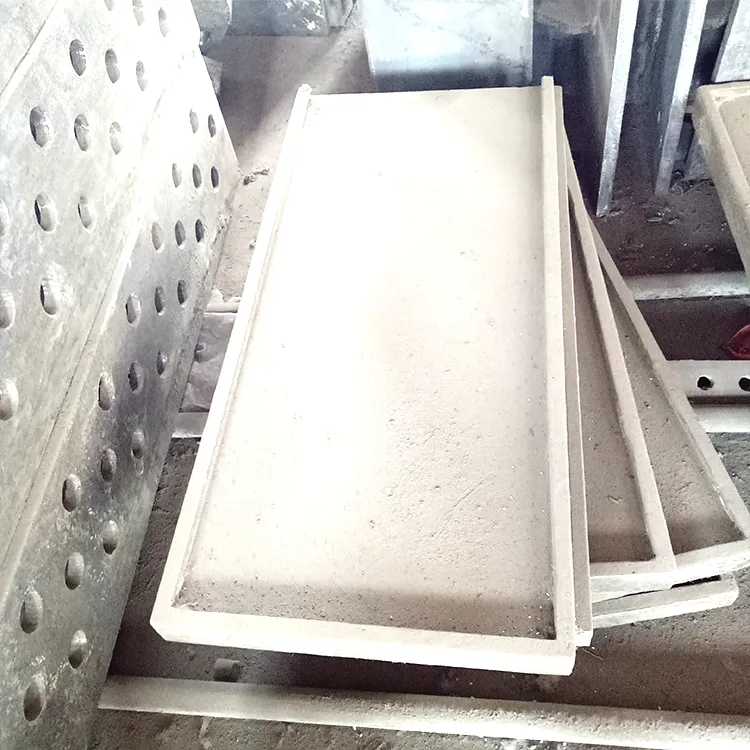
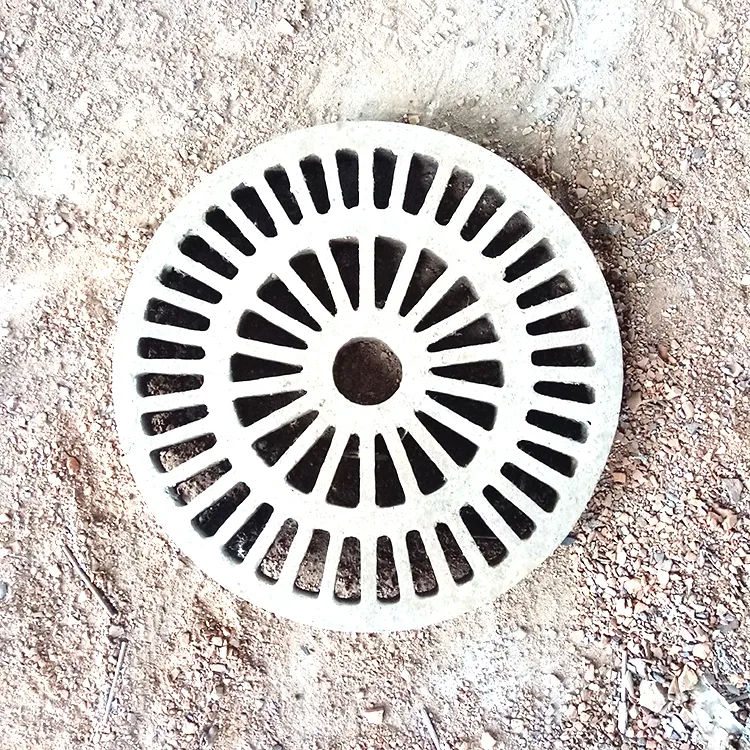
Custom Stainless and Heat Resistant Steel Accessory Sand Castings with Polishing and Drawing Based Precision Requirements
Direct factory support
Get a quote that fits your project
Send your drawing or product reference, material grade and required quantity. Relia will review the requirements with you.
- Drawing & specification review
Confirm the supply scope and critical requirements.
- Samples before custom production
Review inspected samples before approving a batch.
- Inspection documents
Agree material and dimensional records for your part.
-
weight (kg)3typesteel casting parts
-
warranty1 YearProduct nameCustom made accessories parts precision stainless steel sand casting
-
Keywordsheat-resistant steel castingColorcustomized
-
Types of Sand Mould CastingClay wet sand mouldsurface treatmentPolish
-
MaterialHeat resistant steelMolding processPrecision Casting, Other
-
toleranceCustomer's Drawing RequestProofing cycle1-3 days
-
Processing cycle4-7 days
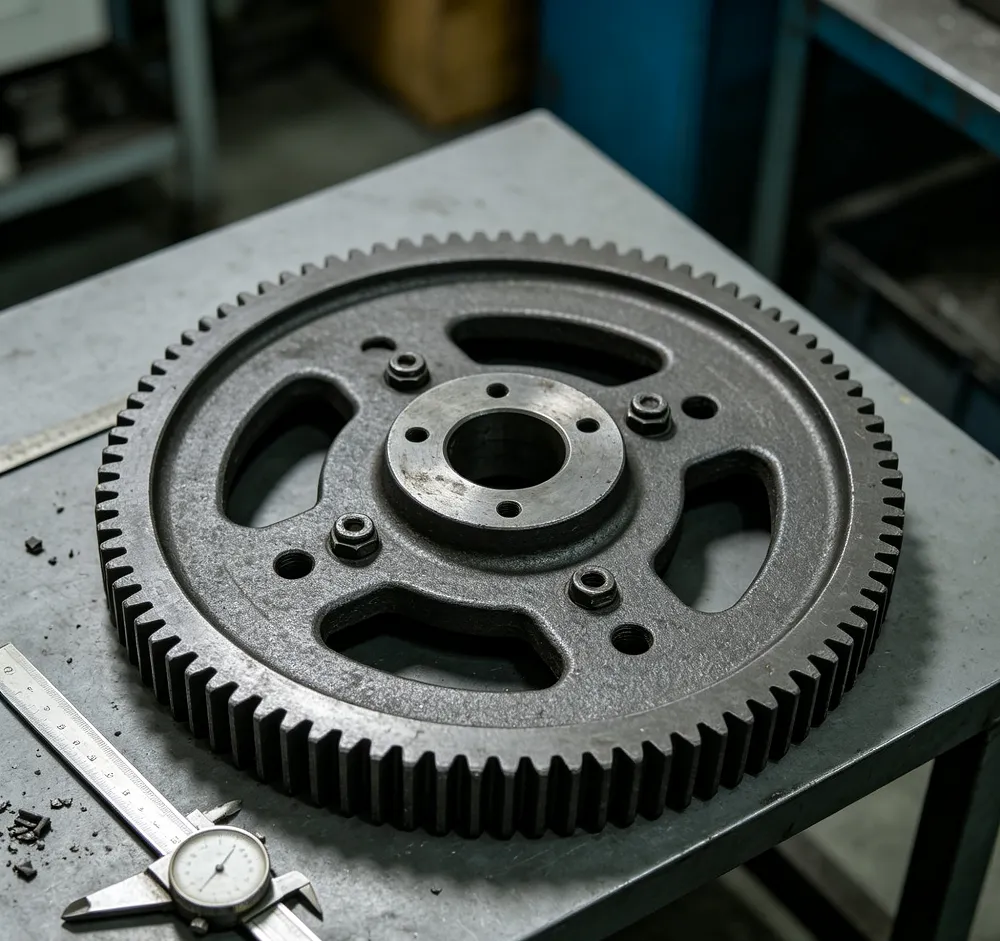
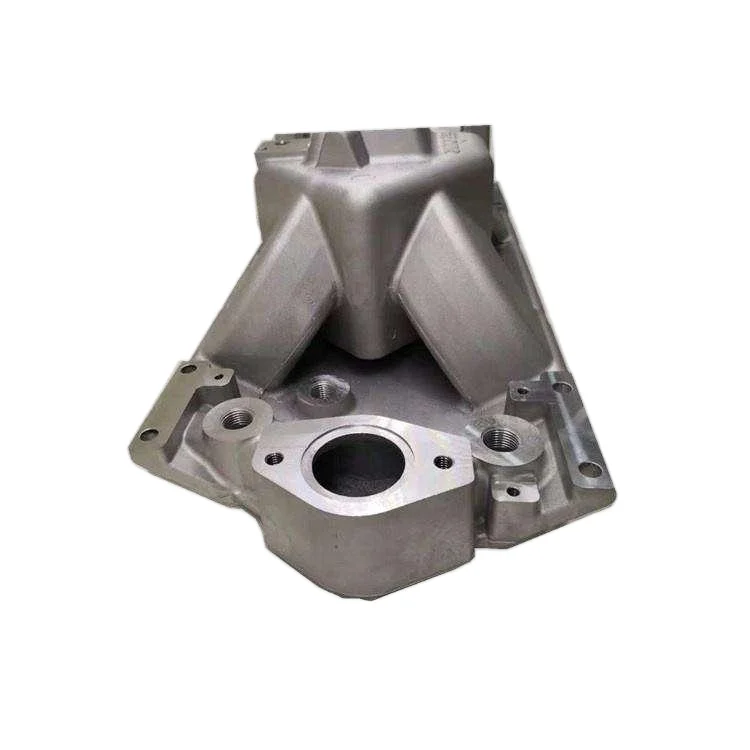
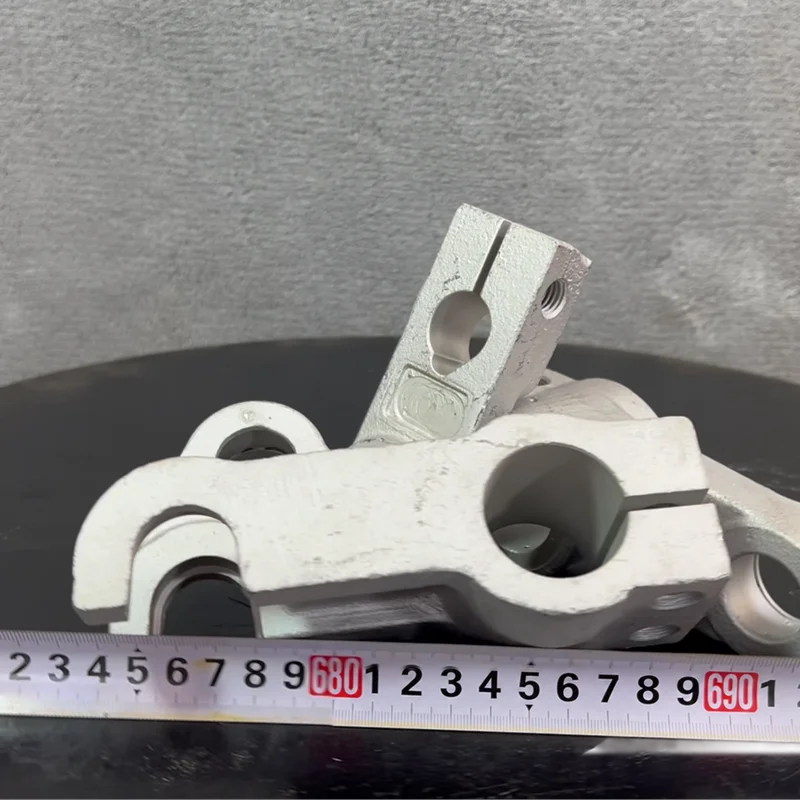
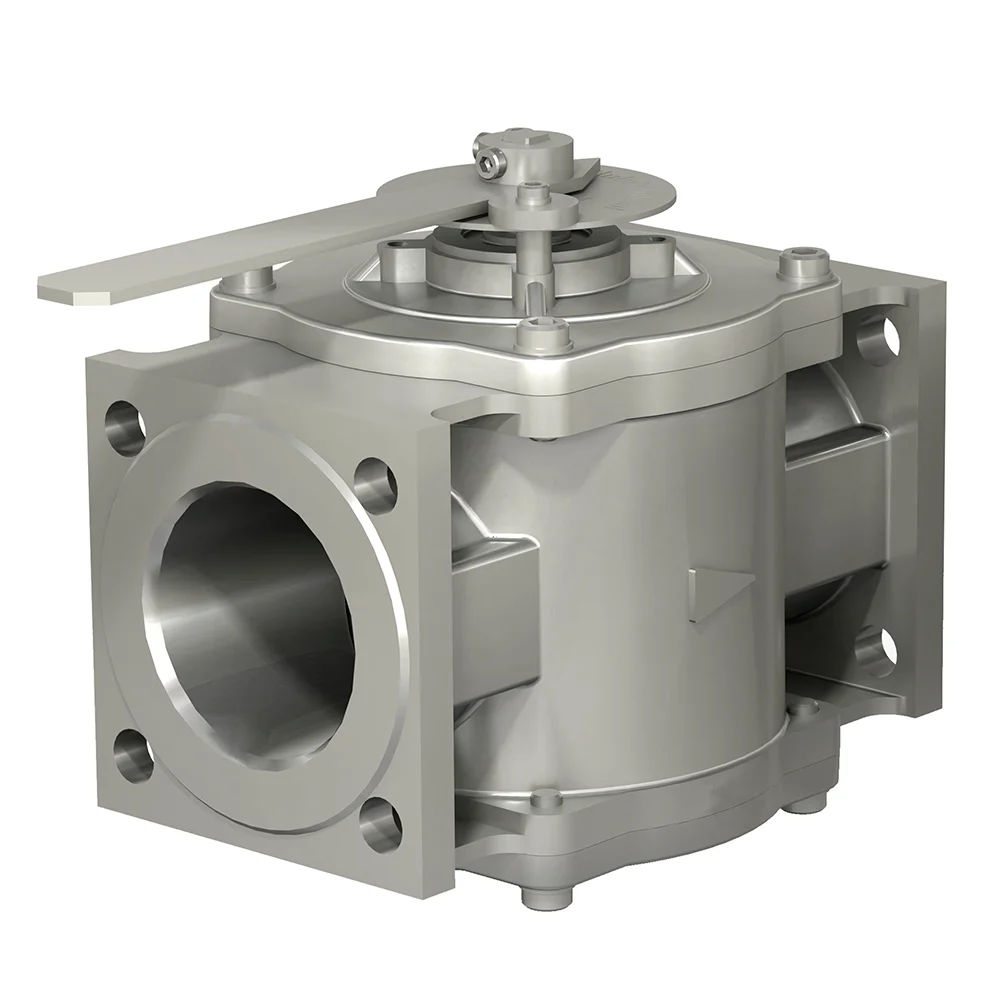
Custom accessory enquiries include stainless-steel and heat-resistant-steel castings with drawing-based precision requirements. Clay wet-sand moulding and precision-casting requests should be specified for the selected component. Choose the complete material grade and required condition around the accessory’s function.
Describe the thermal duty of the accessory
State the operating-temperature requirements and environment relevant to the design. Identify contact with other components and the way the accessory is supported or attached. Use these conditions to define the material and acceptance requirements for the actual part being ordered.
- Mark the mating dimensions and datum relationships.
- Assign dimensional limits from the customer drawing.
- Define polished areas and the required visible result.
- Specify custom color where requested.
- Identify material and dimensional approval records.
Connect the casting route to finished geometry
Explain which surfaces establish the accessory’s working fit and which are accepted in their cast condition. Define any boundaries between different surface requirements. Where the geometry is difficult to measure or access, agree the method and condition used to assess the controlled dimensions.
Approve the accessory as a complete supplied item
A one-year warranty is referenced; establish its terms for the selected casting. Include quantity, drawing revision and the sample’s intended purpose in the enquiry. Compare the approval part with the agreed material, geometry and finish requirements, then retain that definition for production acceptance of the accessory.