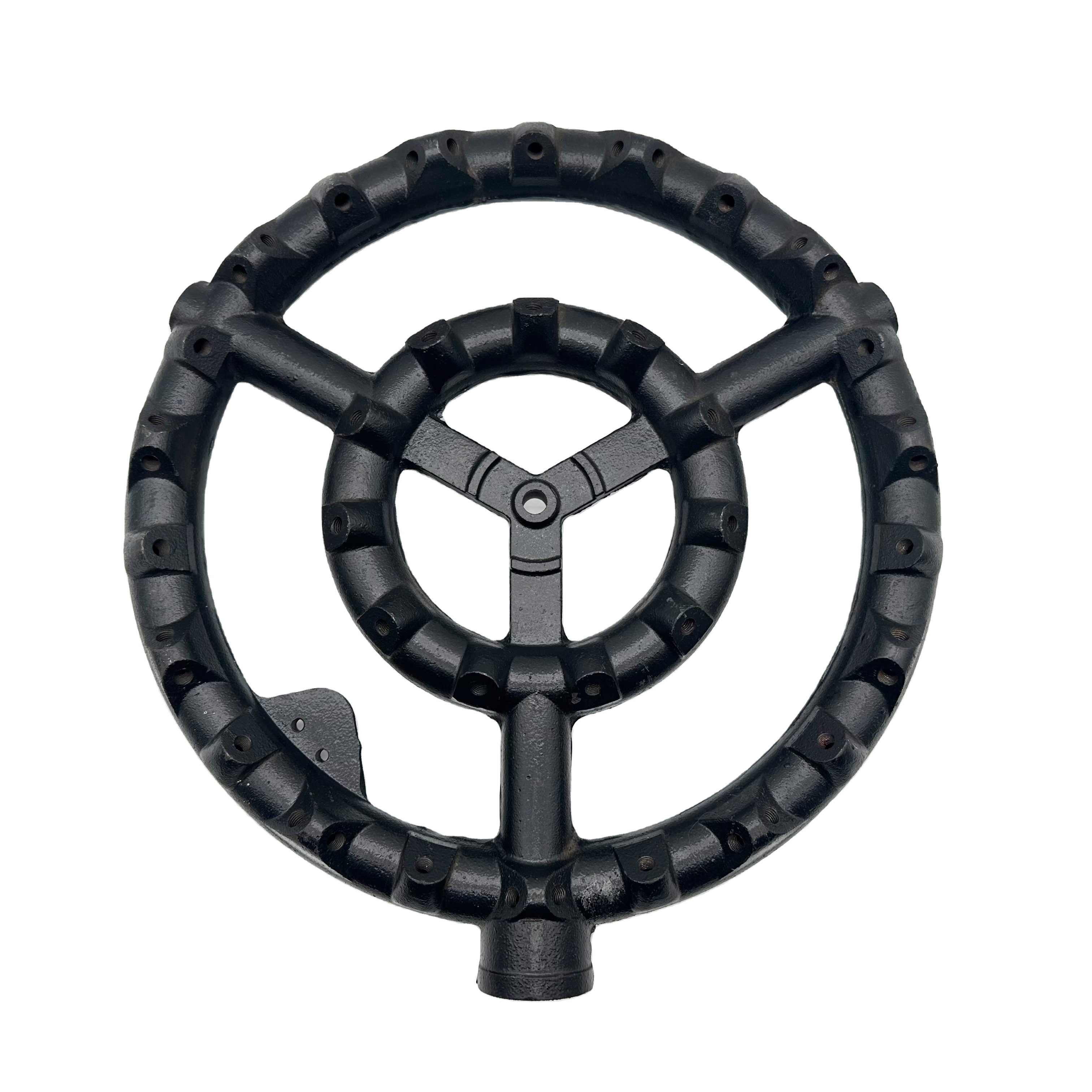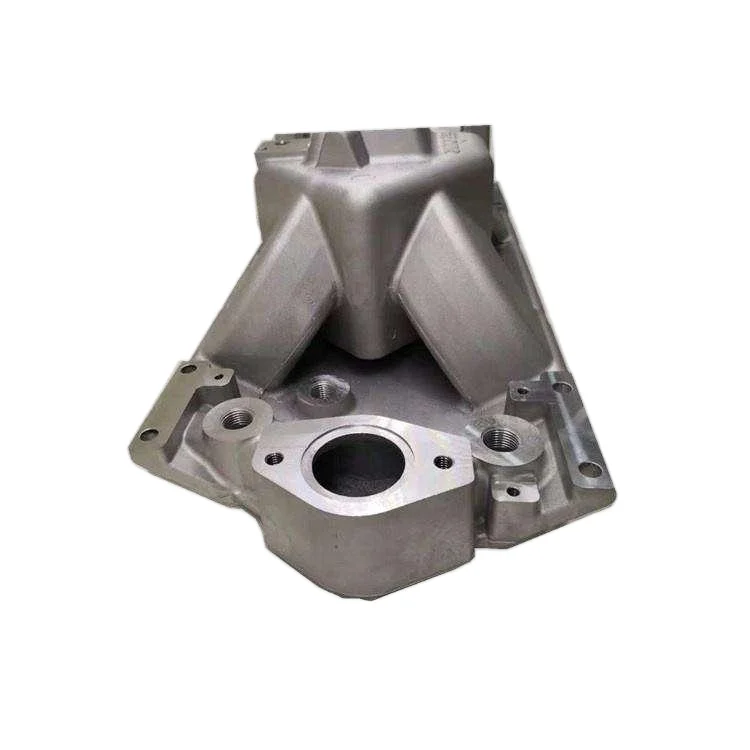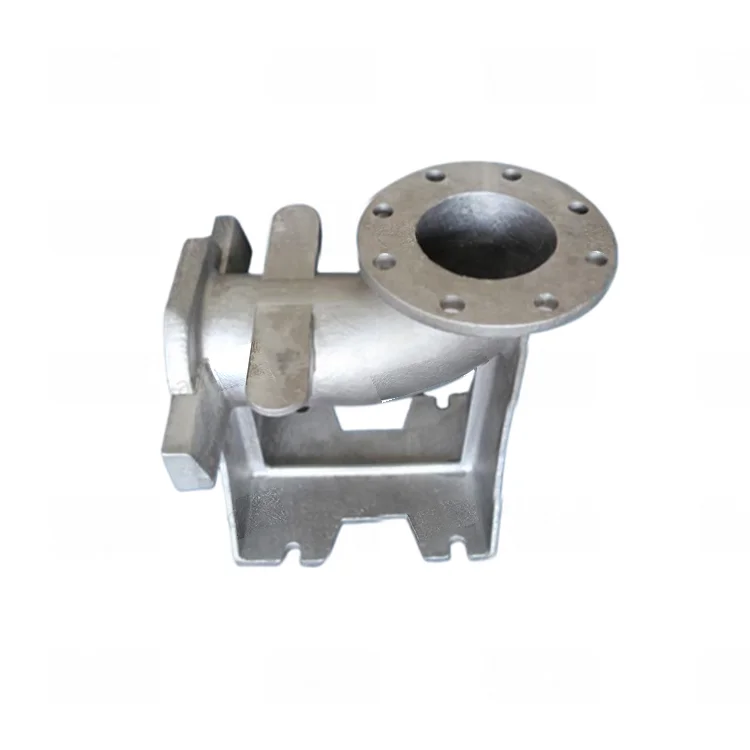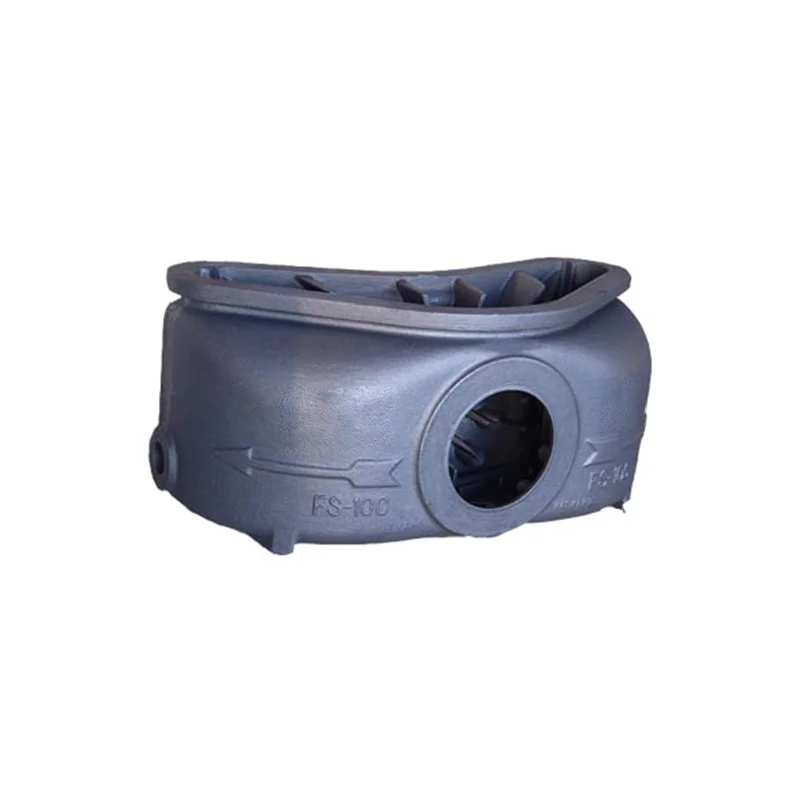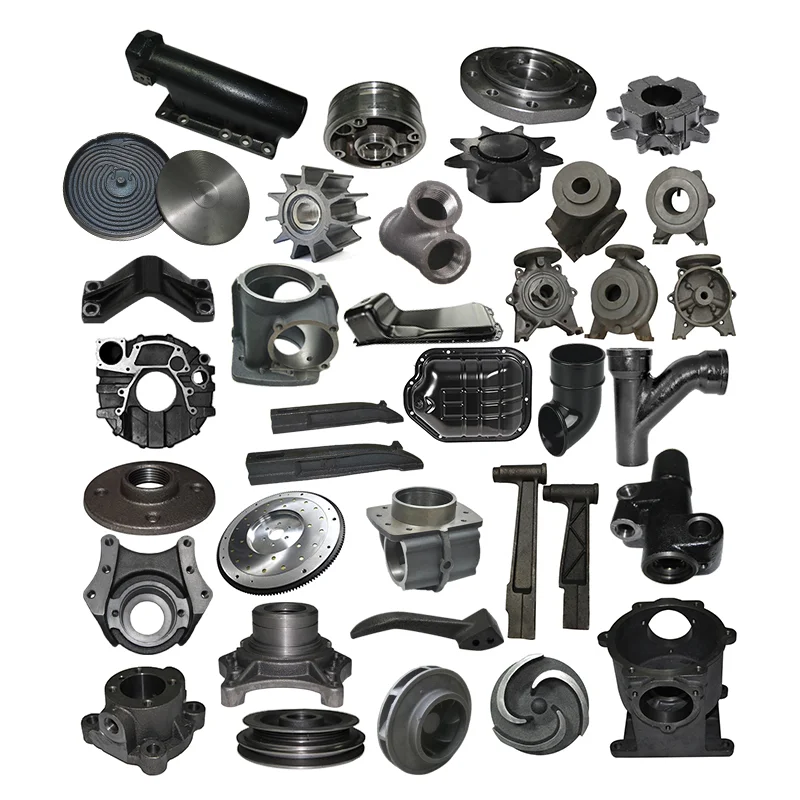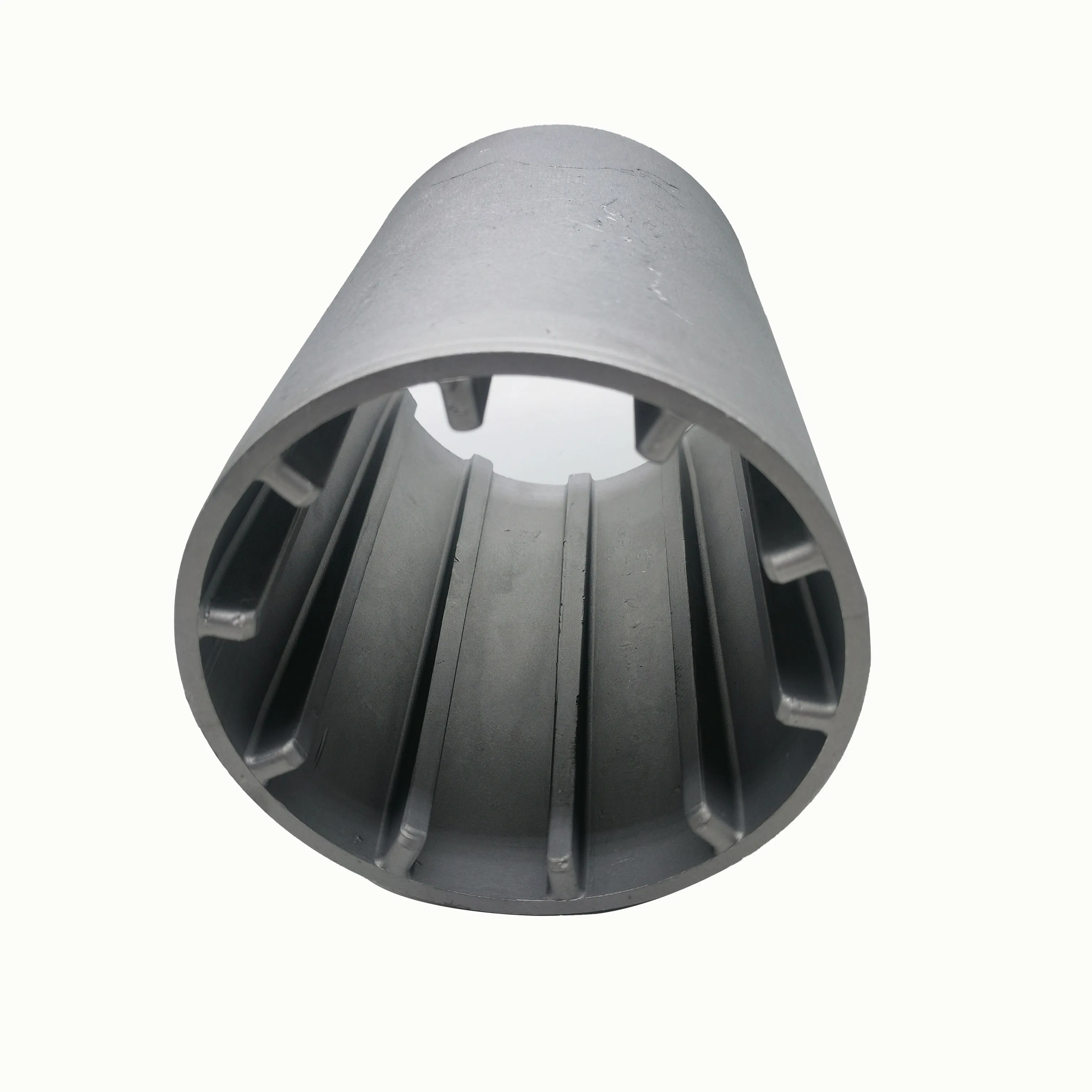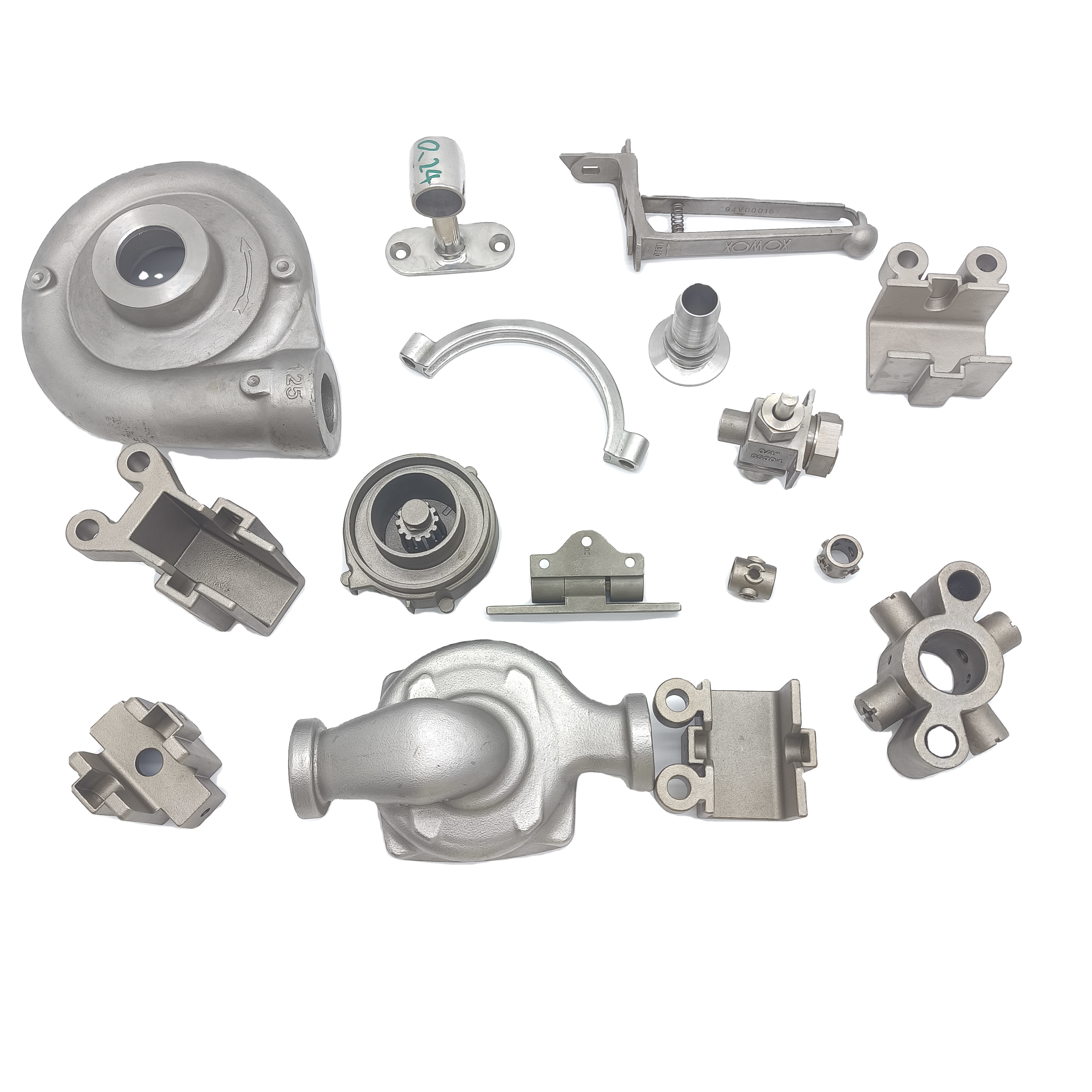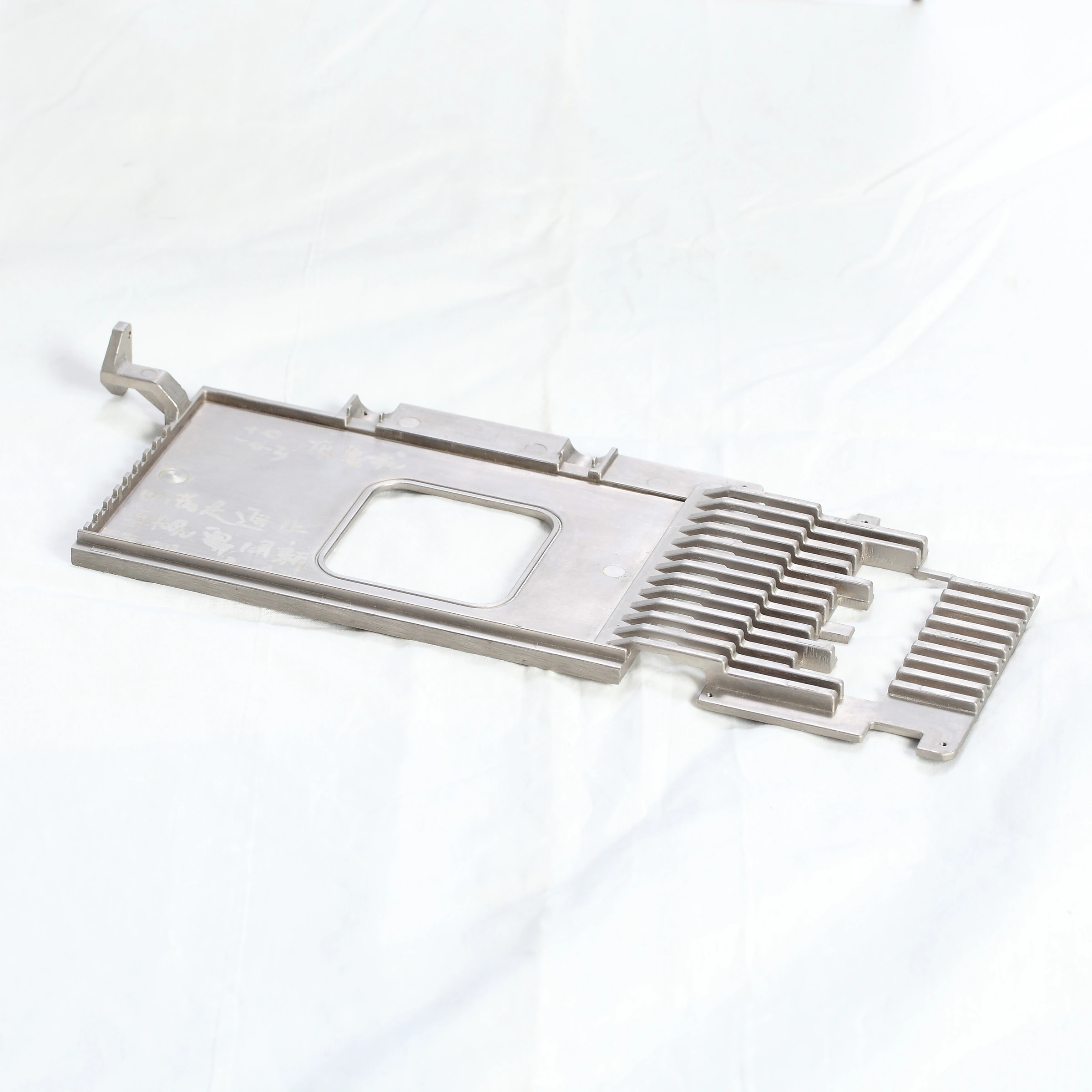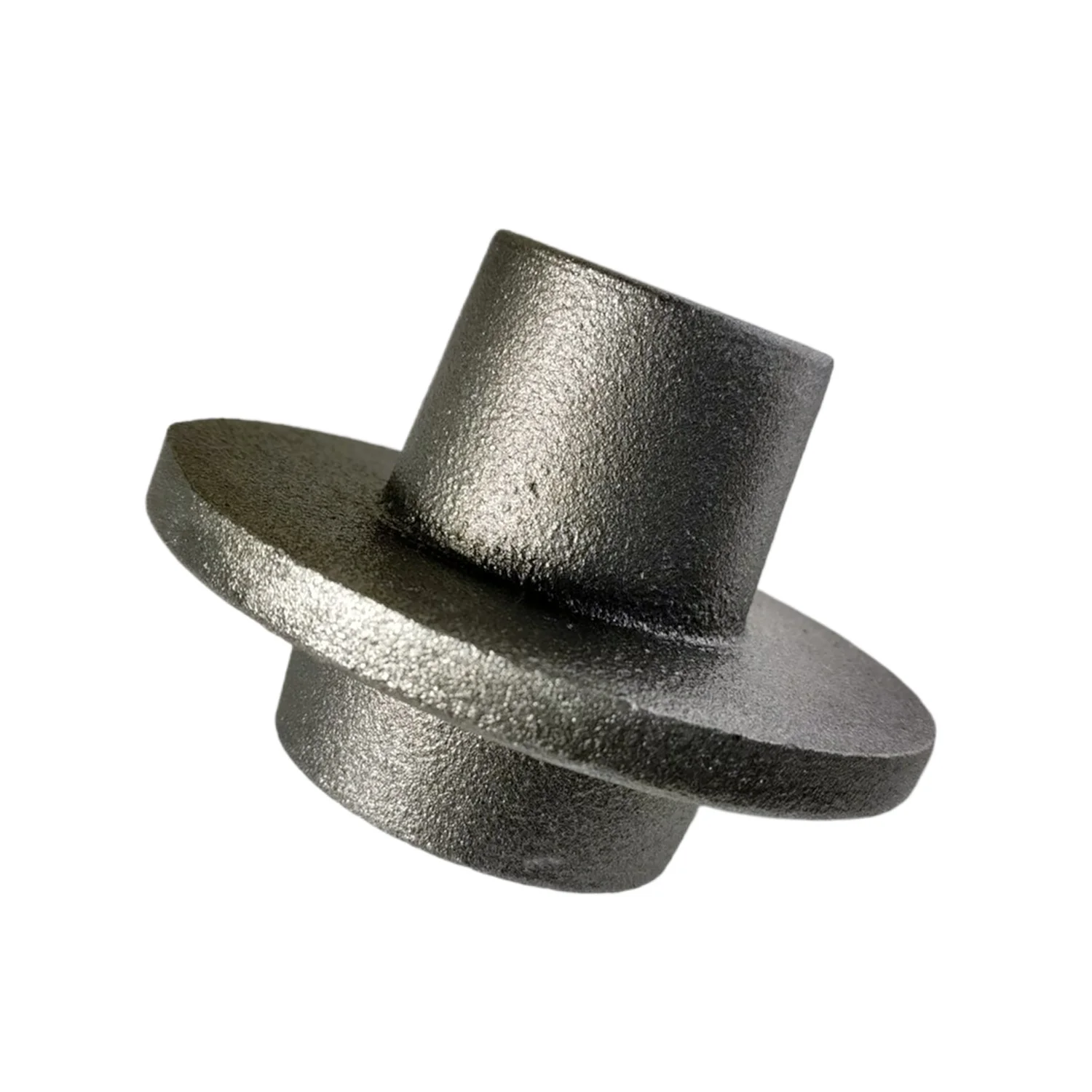
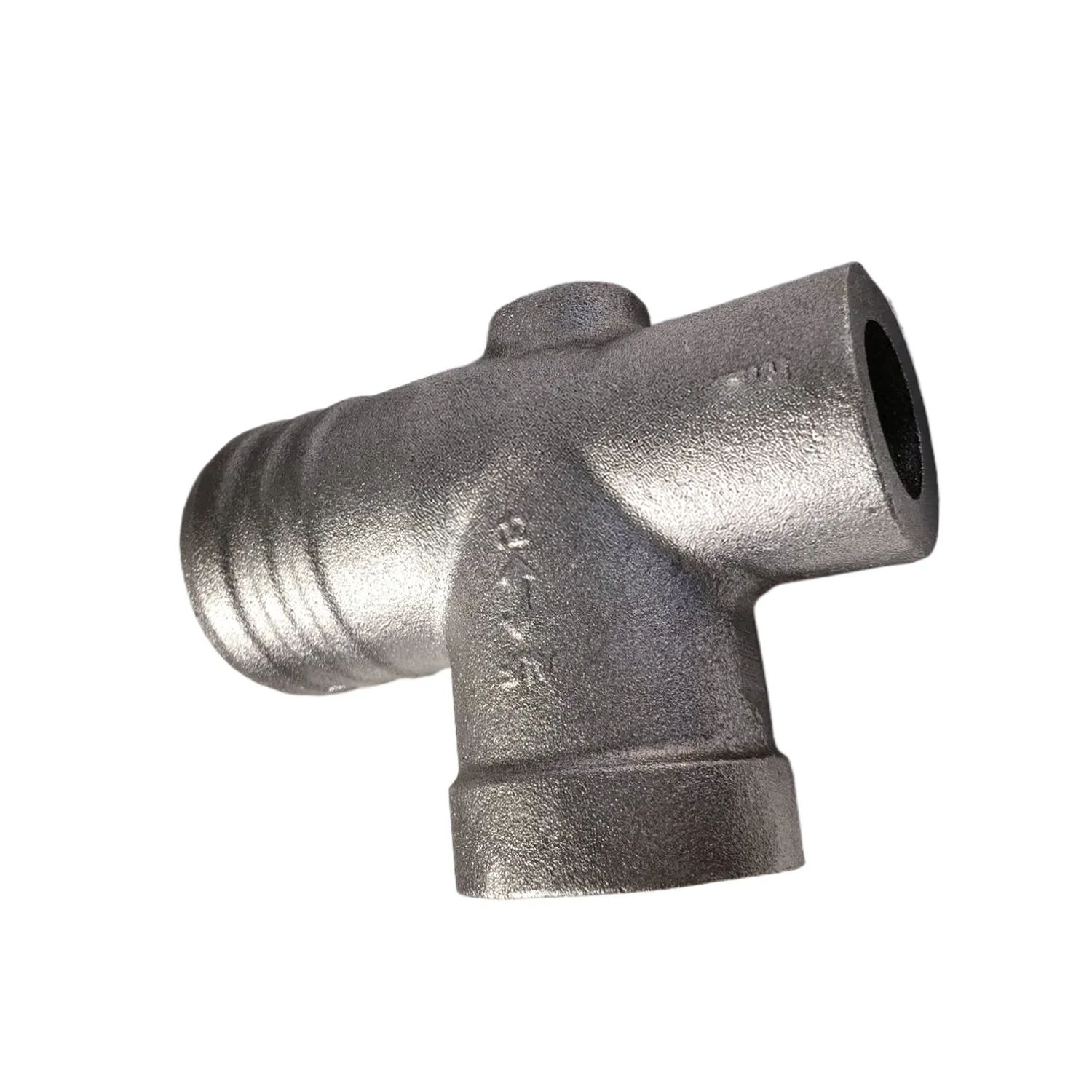
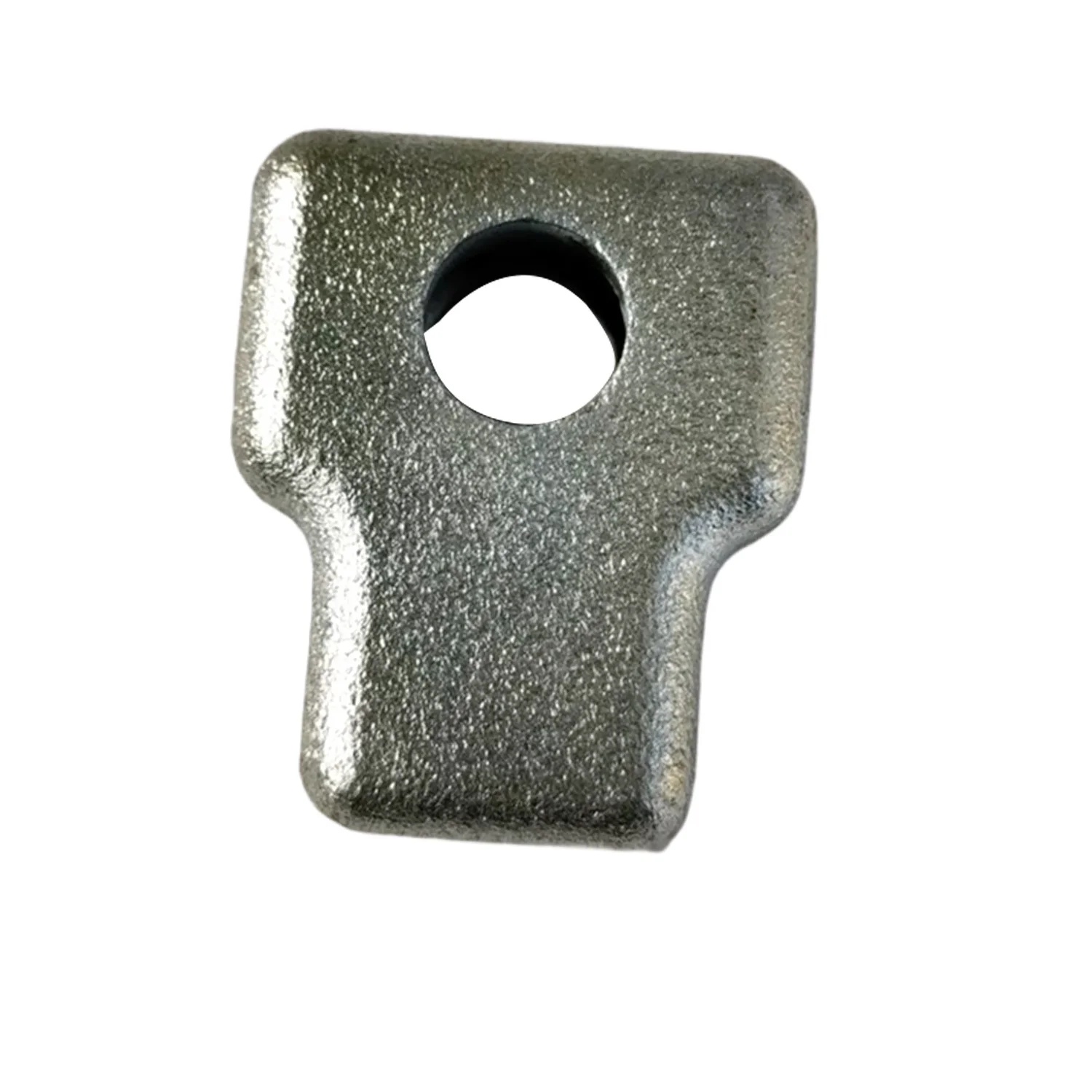
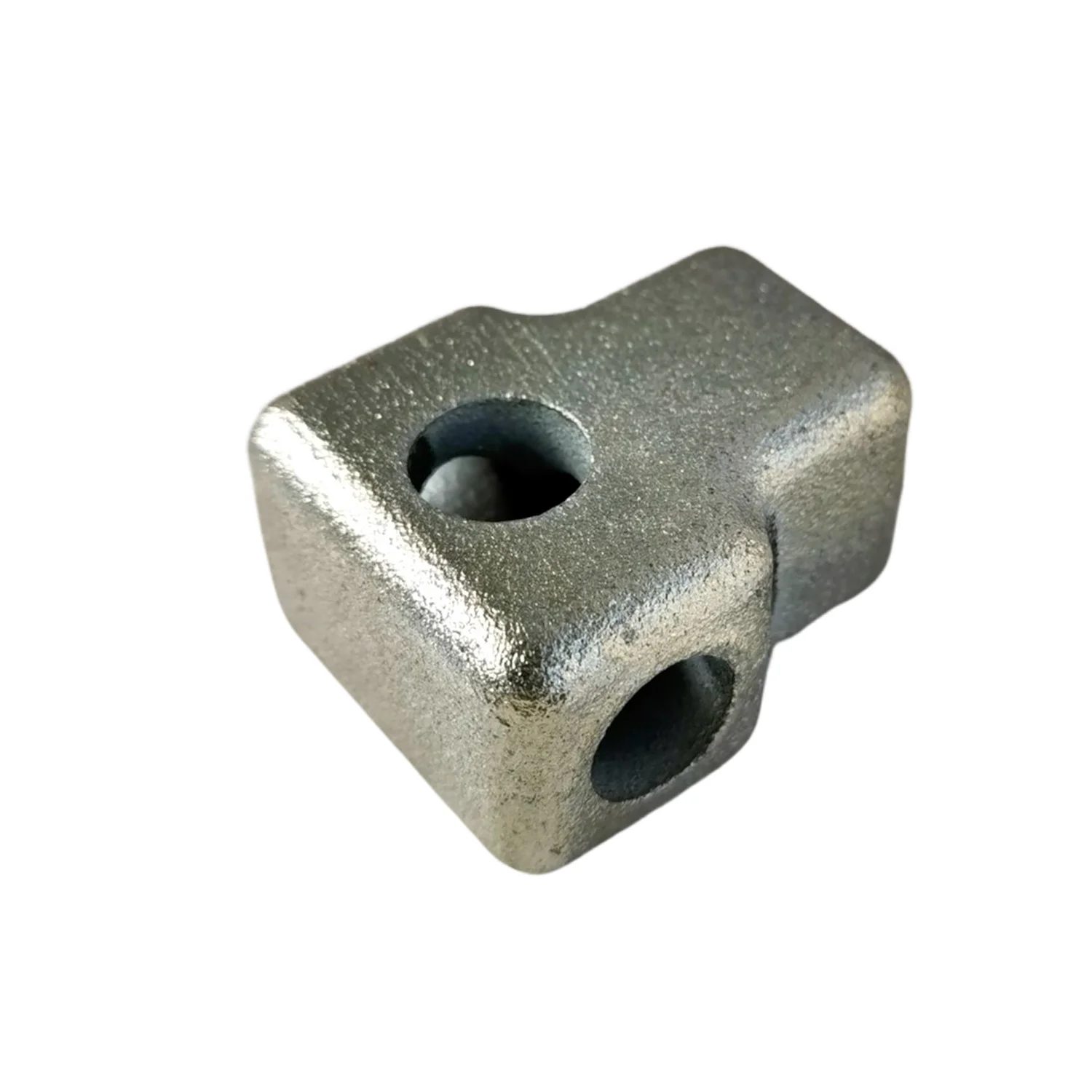
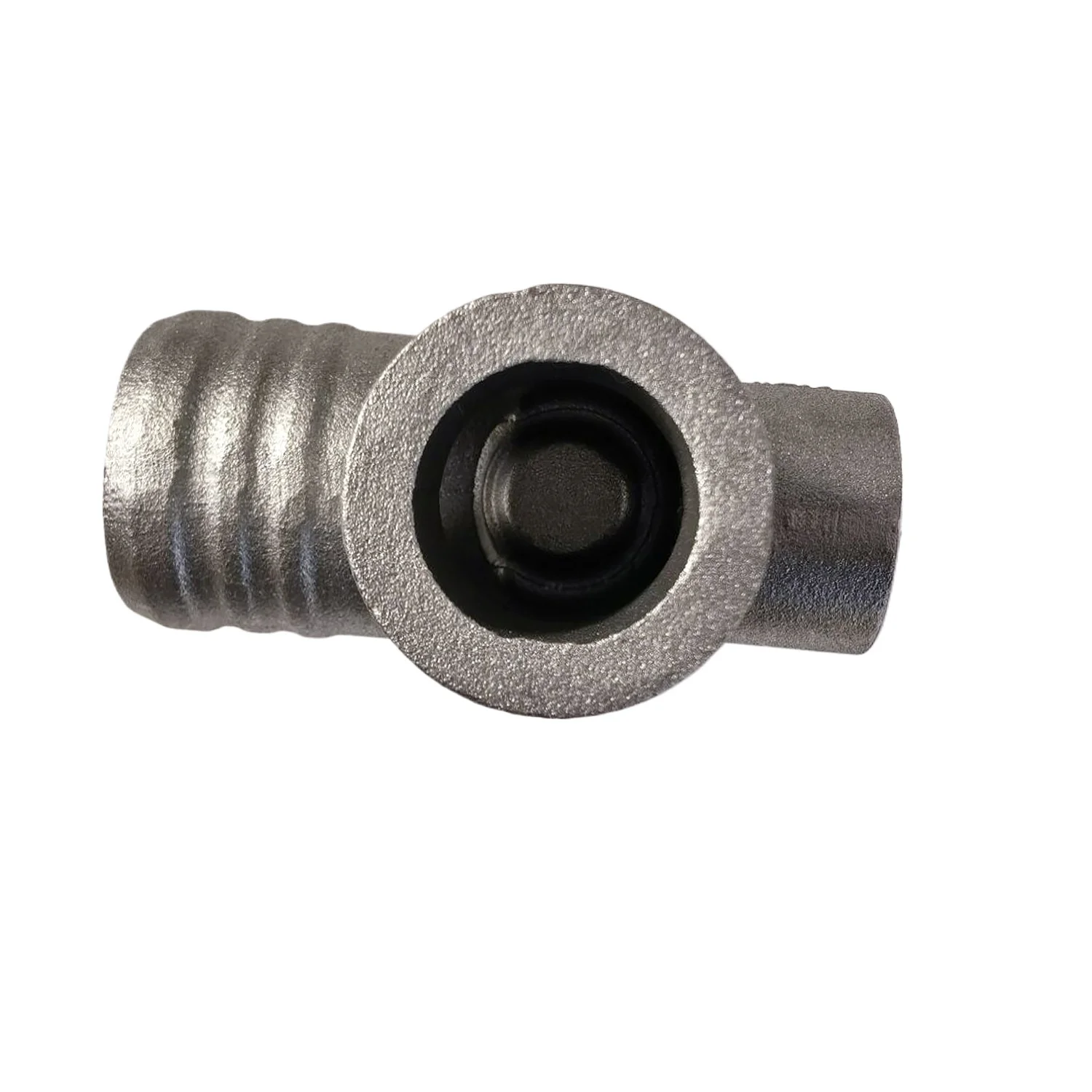
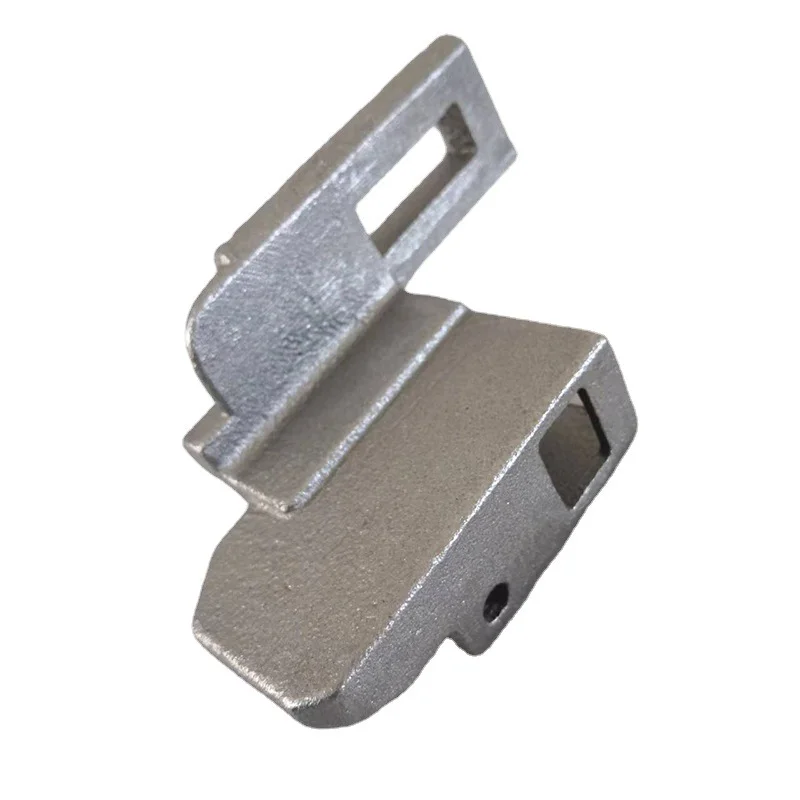
Custom Steel Coated Sand Agricultural Machinery Castings with Separate Aluminum Parts Optional Machining and Drawing Based Surfaces
Direct factory support
Get a quote that fits your project
Send your drawing or product reference, material grade and required quantity. Relia will review the requirements with you.
- Drawing & specification review
Confirm the supply scope and critical requirements.
- Samples before custom production
Review inspected samples before approving a batch.
- Inspection documents
Agree material and dimensional records for your part.
-
MaterialAluminum
-
ApplicationMachinery PartsProcessCasting +Machining(if Need)+surface Treatment
-
DimensionsCustomized SizesToleranceStrictly Casting Tolerance
-
PackingCustomers'requirementDrawing format2D/(PDF/CAD)3D(IGES/STEP)
Custom steel coated-sand casting enquiries are available for agricultural-machinery components, with separate aluminum-part requests. Select the complete grade and compatible route for each drawing-defined item. Customized dimensions and required supplied conditions should describe the actual machinery part being ordered.
Explain the agricultural assembly and working duty
Show the component’s mounting, locating and contact relationships within the equipment. State operating loads and conditions relevant to the design. Identify the material condition and functional interfaces needed to assess the selected steel or separately specified aluminum component.
Define casting and finished-interface tolerances
Put the casting-tolerance requirements and acceptance convention on the drawing. Machining can be included where needed; mark the affected dimensions and measurement stage for final acceptance. Identify relationships requiring joint assessment to establish installation or working fit.
Specify the surface and packing result
Surface treatment and packing follow customer requirements. Define coverage, appearance and contact conditions at working or visible areas. Identify protection needed for the finished geometry within the required packing arrangement, including any interfaces whose condition matters at assembly.
- Supply 2D PDF/CAD or 3D IGES/STEP information.
- Provide quantity and the controlling revision.
- Identify material and dimensional approval records.
- Explain what a sample or initial part must demonstrate.
Retain the selected grade, moulding route and delivered-state requirements with approved drawing changes so production acceptance follows the actual machinery casting definition.