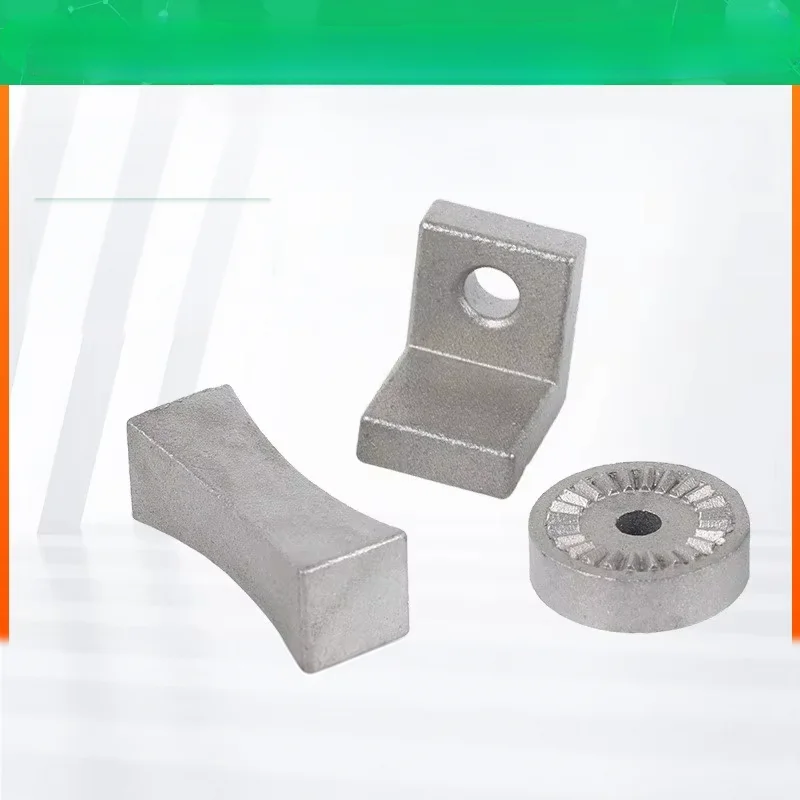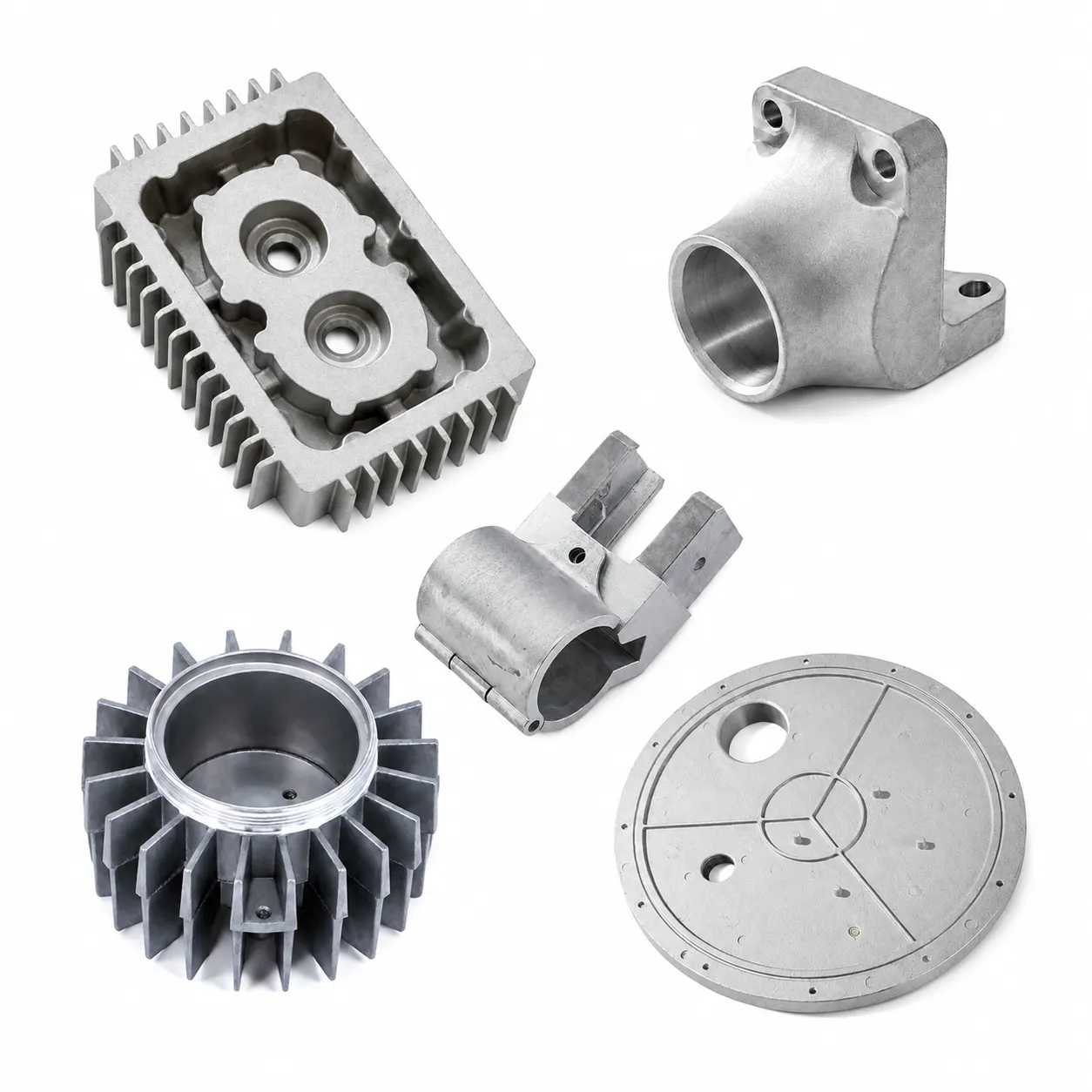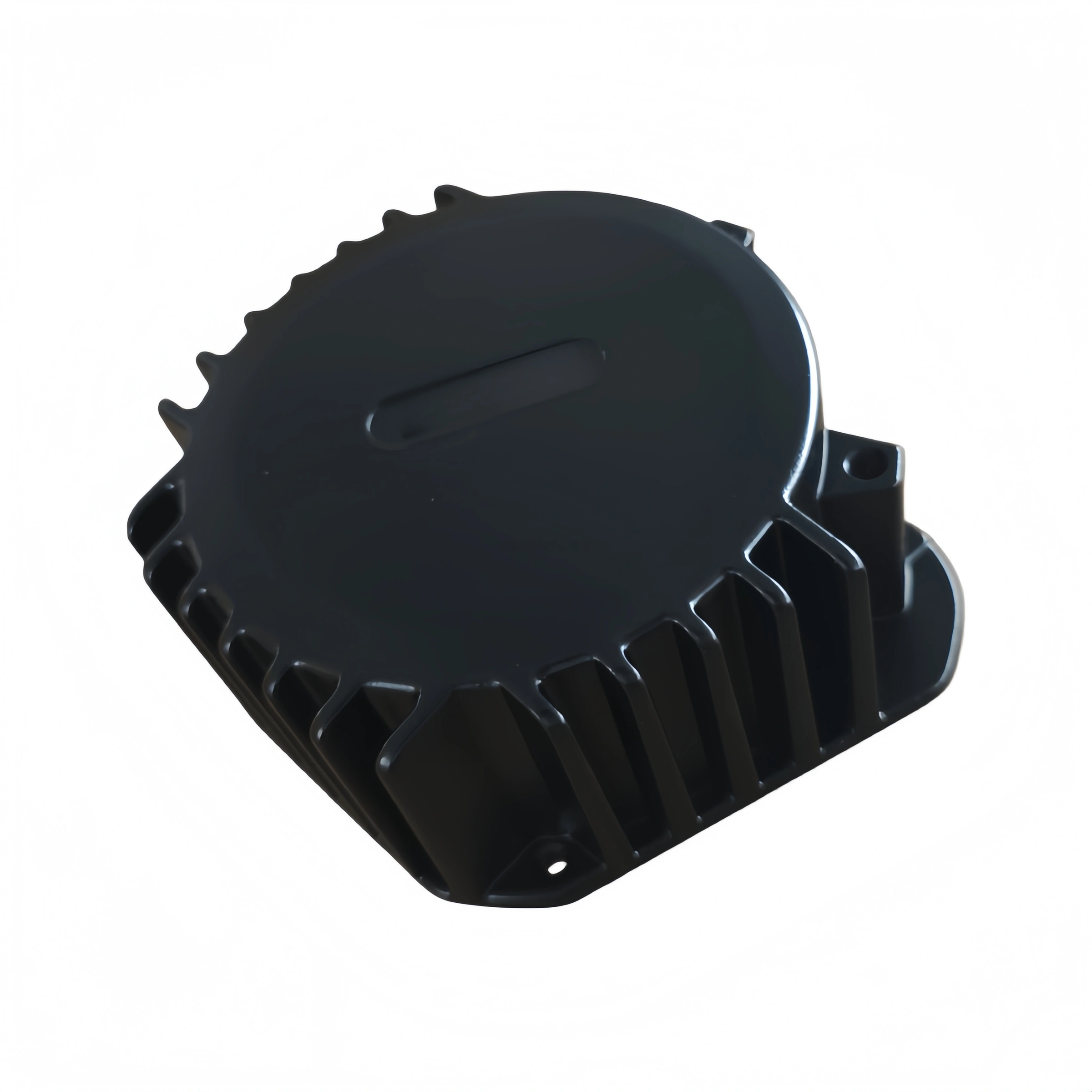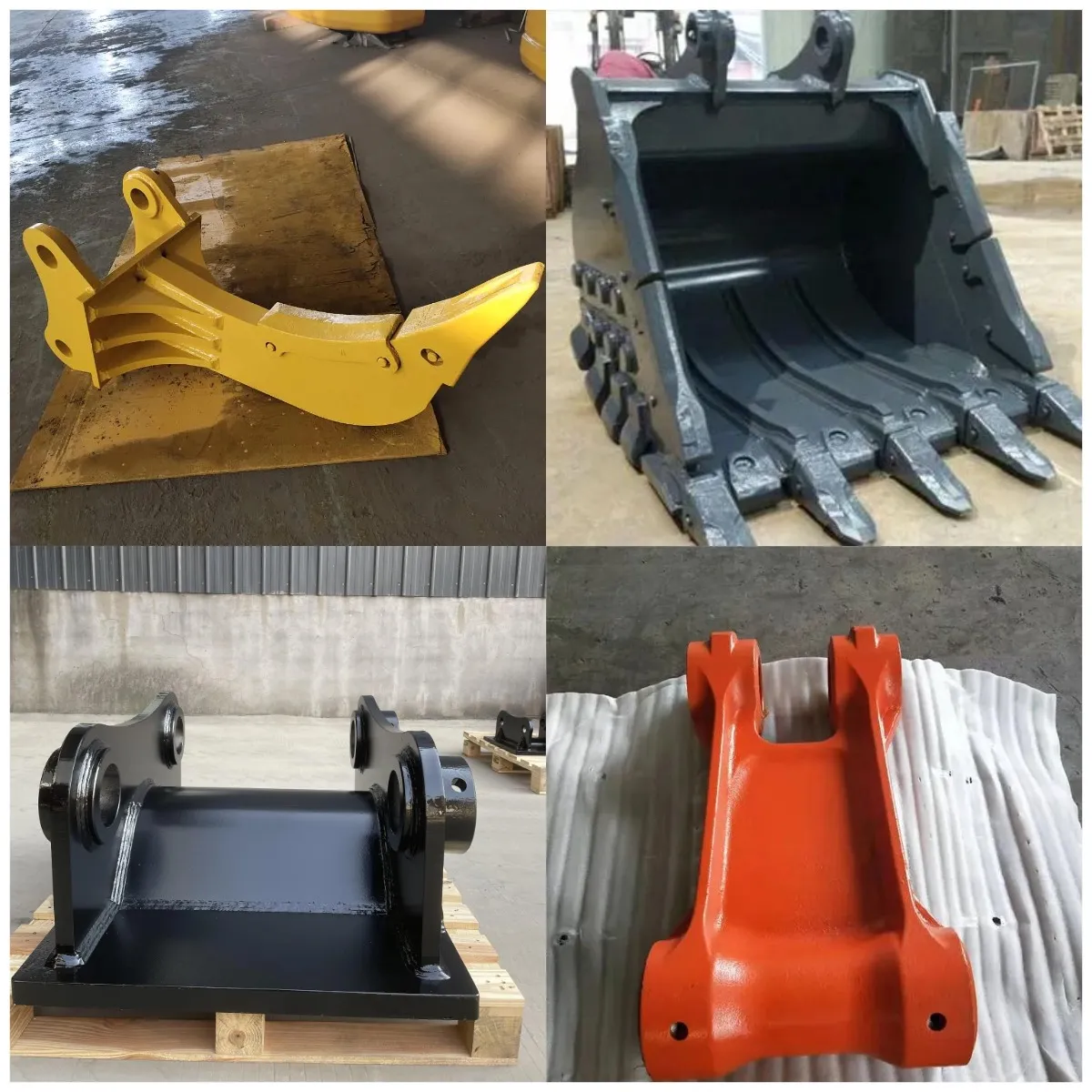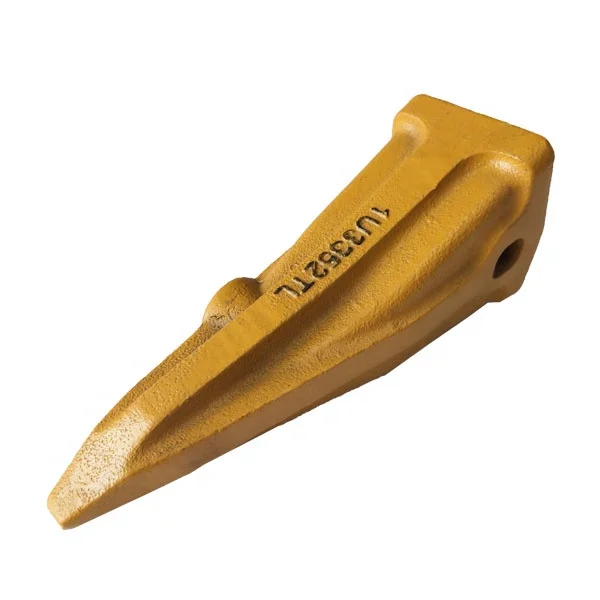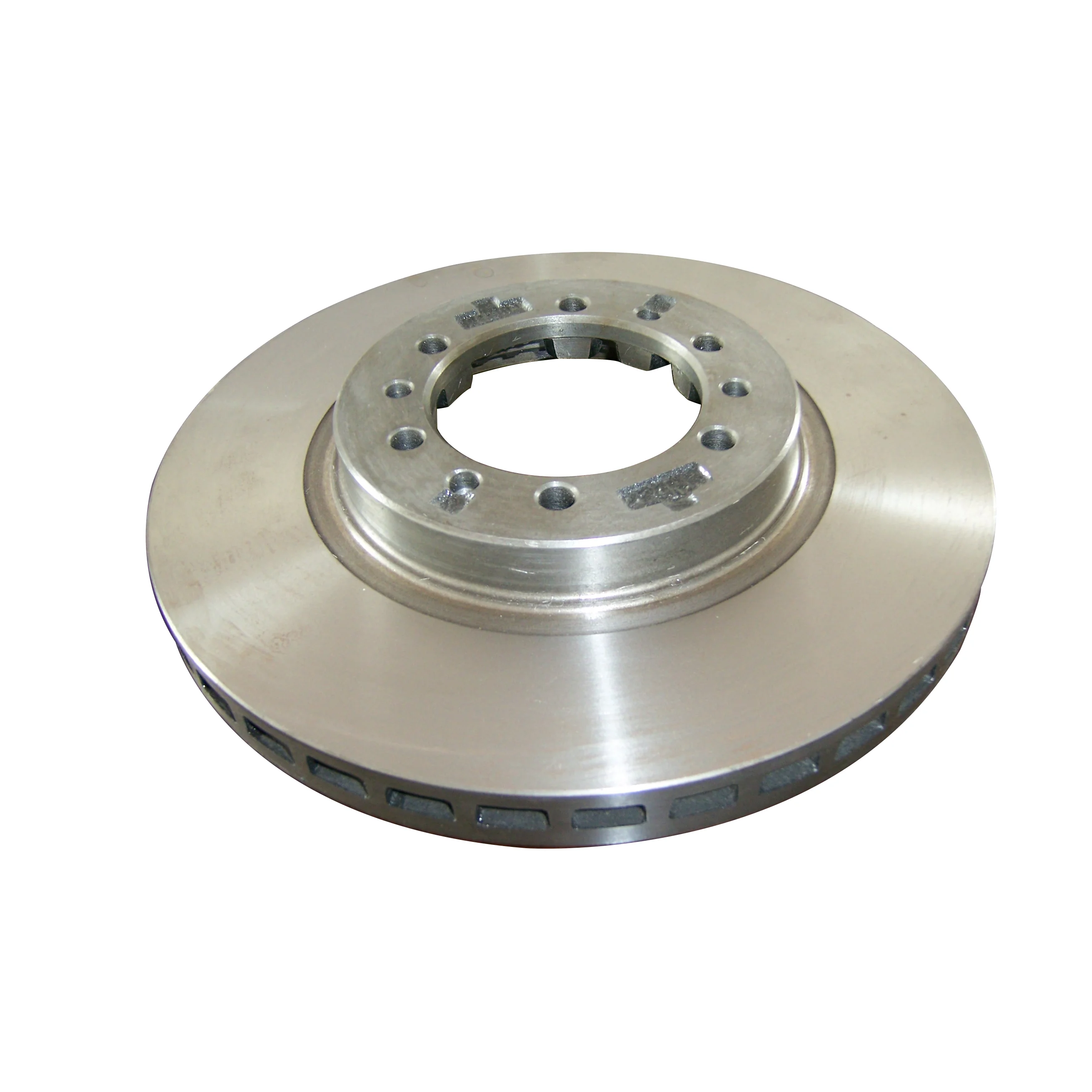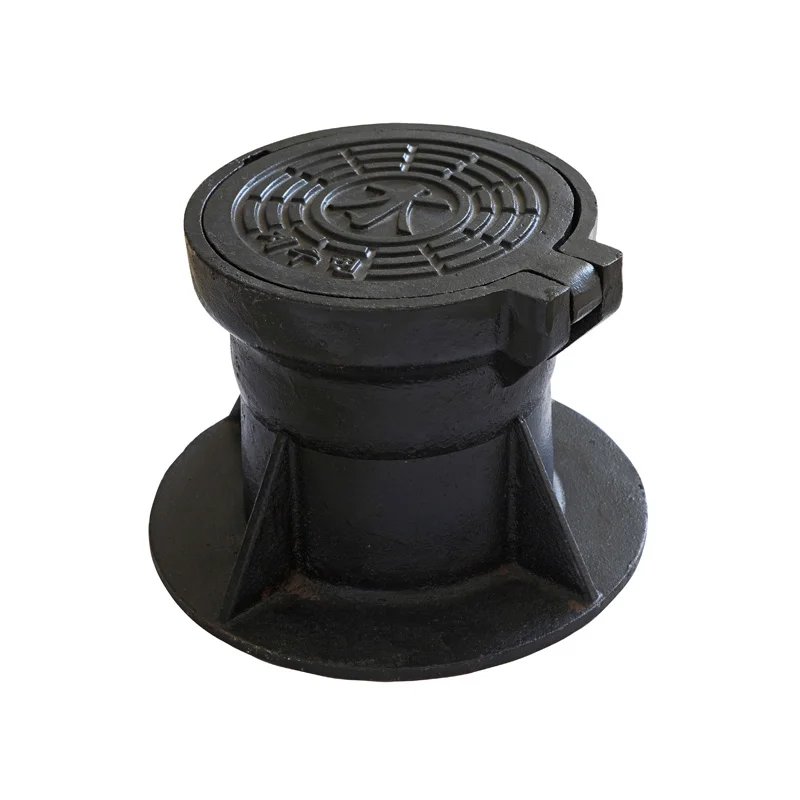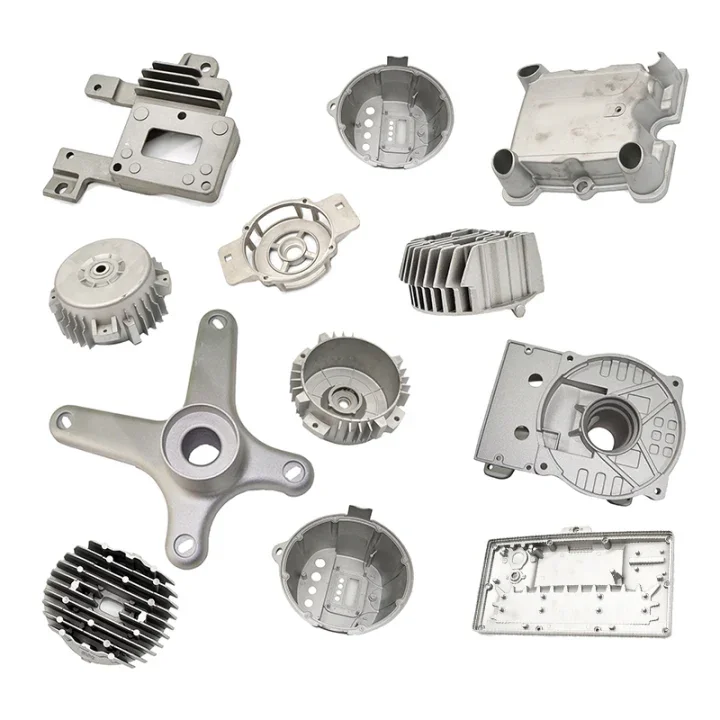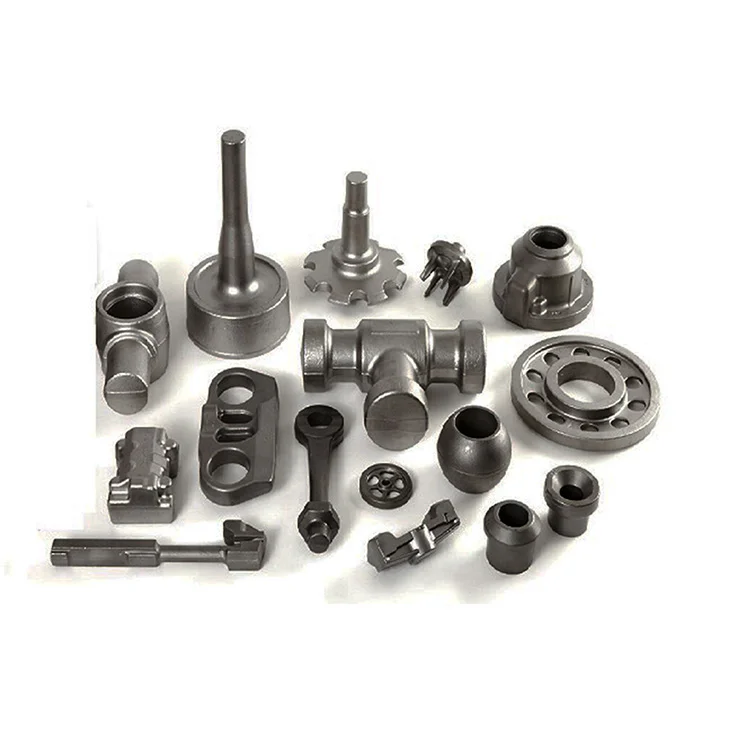
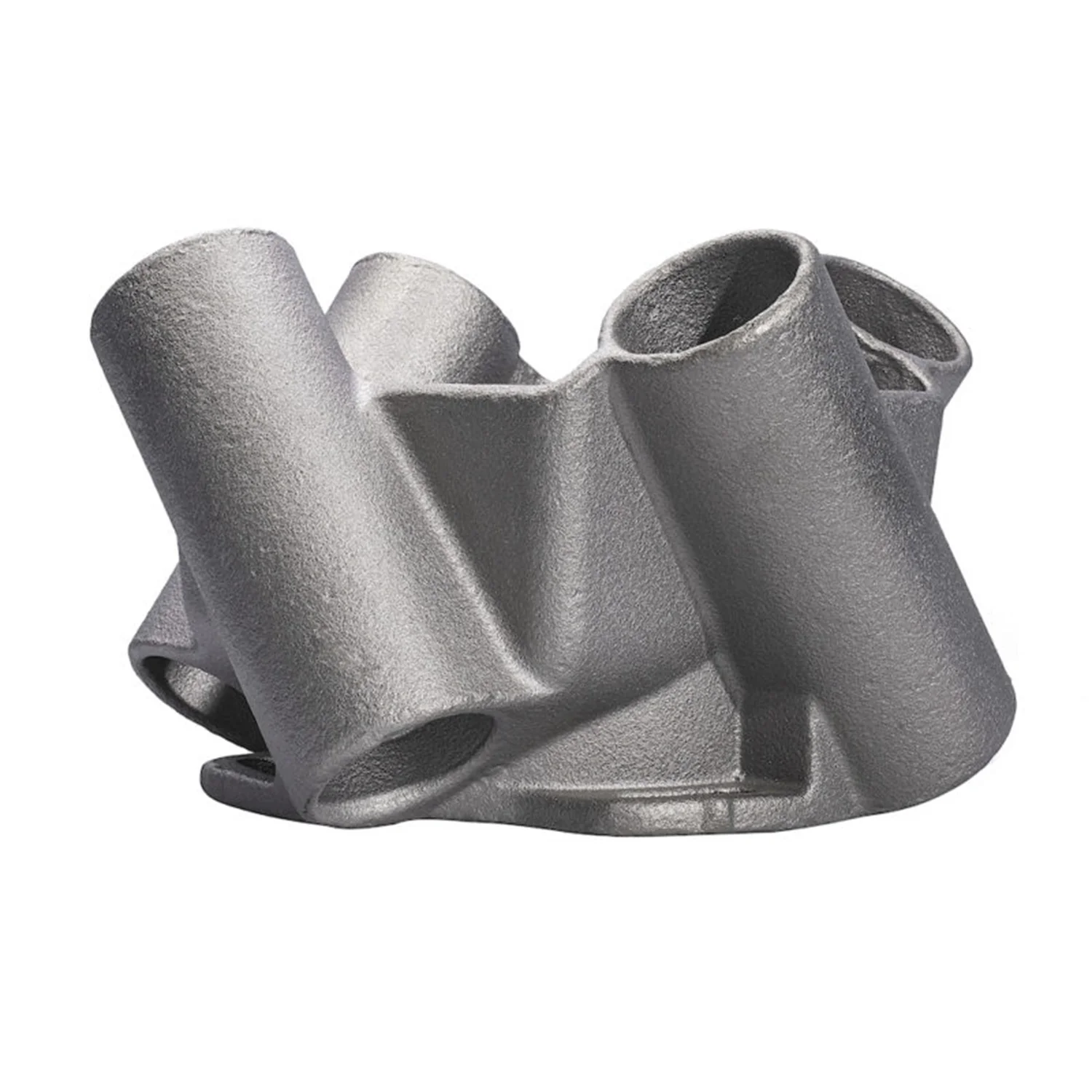
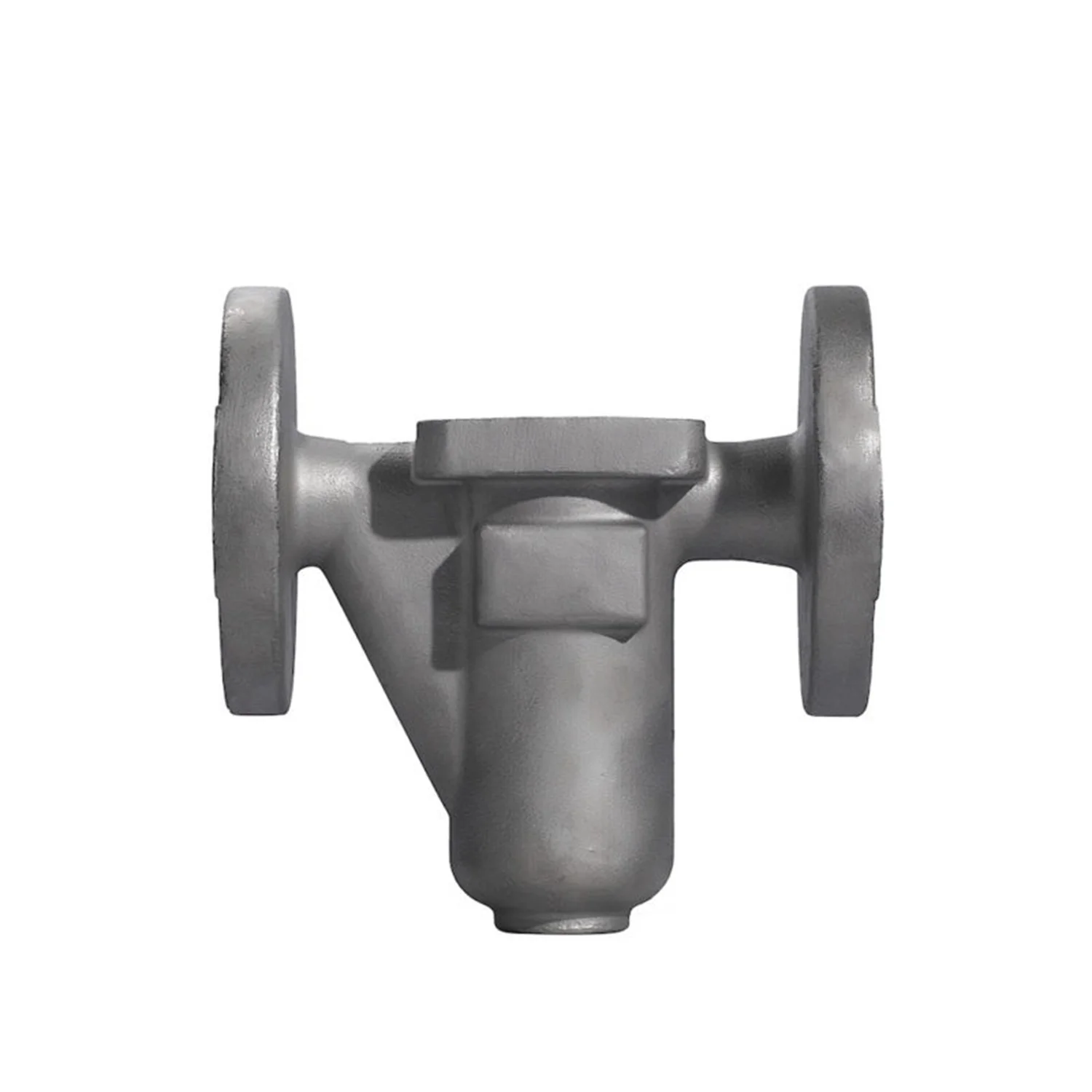
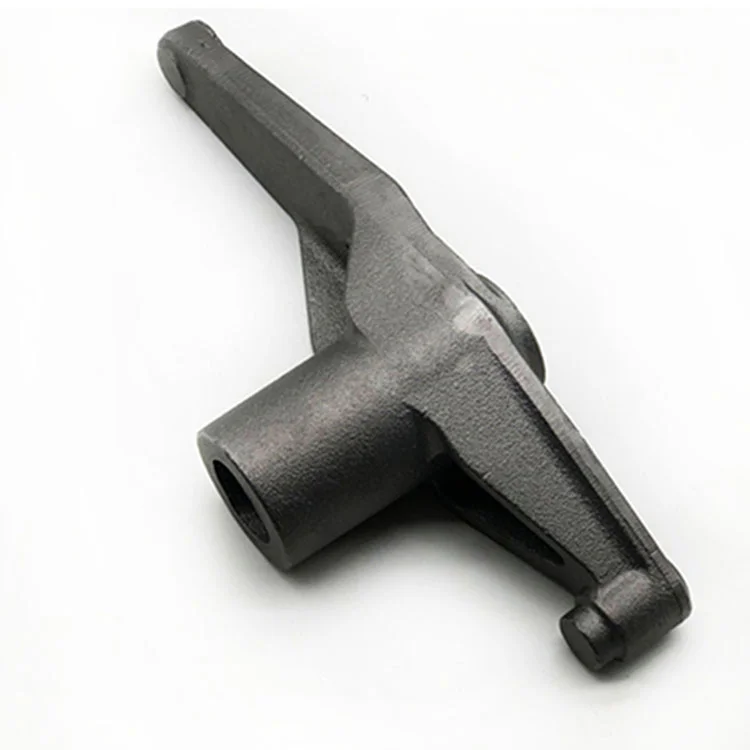
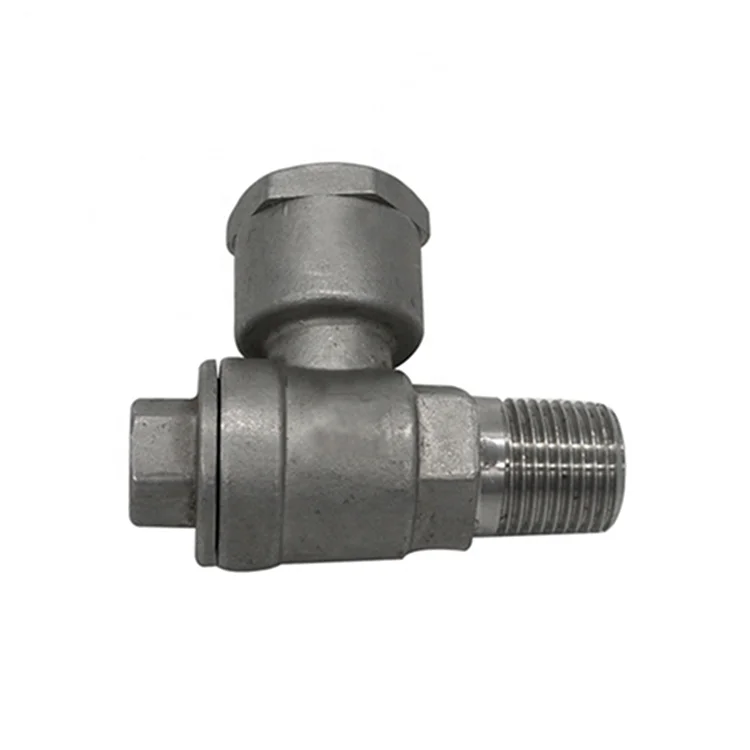
Grey Ductile Iron Sand Cast Motorized Bicycle Parts and Manhole Covers with CNC Machining
Direct factory support
Get a quote that fits your project
Send your drawing or product reference, material grade and required quantity. Relia will review the requirements with you.
- Drawing & specification review
Confirm the supply scope and critical requirements.
- Samples before custom production
Review inspected samples before approving a batch.
- Inspection documents
Agree material and dimensional records for your part.
-
ServiceOEM ODM
-
MaterialGrey Iron, Ductile IronApplicationIndustry Machinery, Automotive, Electricity
-
ProcessMould, Casting, CNC MachiningMachining ProcessCNC Lathe, CNC milling center
-
Heat treatmentAnnealing, Quench and temper, ADISurface treatmentZinc plating, Painting, Powder Coating
-
Quality ControlPFMEA, PPAP, APQP, Control Plan, MSAMachining tolerance+/-0.005mm, ISO2768-mk
-
Casting toleranceCT4-CT9
Custom grey-iron or ductile-iron sand-casting enquiries include motorized-bicycle parts, manhole covers and separately defined industrial or automotive components. OEM and ODM scope names mold work, CNC lathe work and milling-center processing. Select the actual item, full grade and required supplied condition.
Keep bicycle and cover requirements component specific
A bicycle-part enquiry needs the actual fitment and operating geometry. A cover enquiry should identify the cover/frame dimensions and any duty class or service checks required by its design. Provide a controlled drawing and quantity for the selected component so the approval brief addresses one clear application.
Separate cast and finished dimensions
The casting-tolerance reference is CT4–CT9, with machining references of ±0.005 mm and ISO2768-mk. Assign dimensions, governing documents and measurement arrangements to their supplied stages. The datums should explain how the finished interfaces locate the component within its assembly.
- State the complete grade and required material condition.
- Mark functional interfaces and inspection locations.
- Define dimensional, material and surface records.
- Identify sample approval and application-specific checks.
Scope treatments and quality-planning work
Annealing, quench-and-temper or ADI-related treatment and zinc plating, painting or powder coating are selected for the alloy and condition. PFMEA, PPAP, APQP, Control Plan and MSA are named planning services; specify the actual deliverables for the order. Tie the selected treatment, approval records and final surface requirement to the controlled drawing and delivered component.