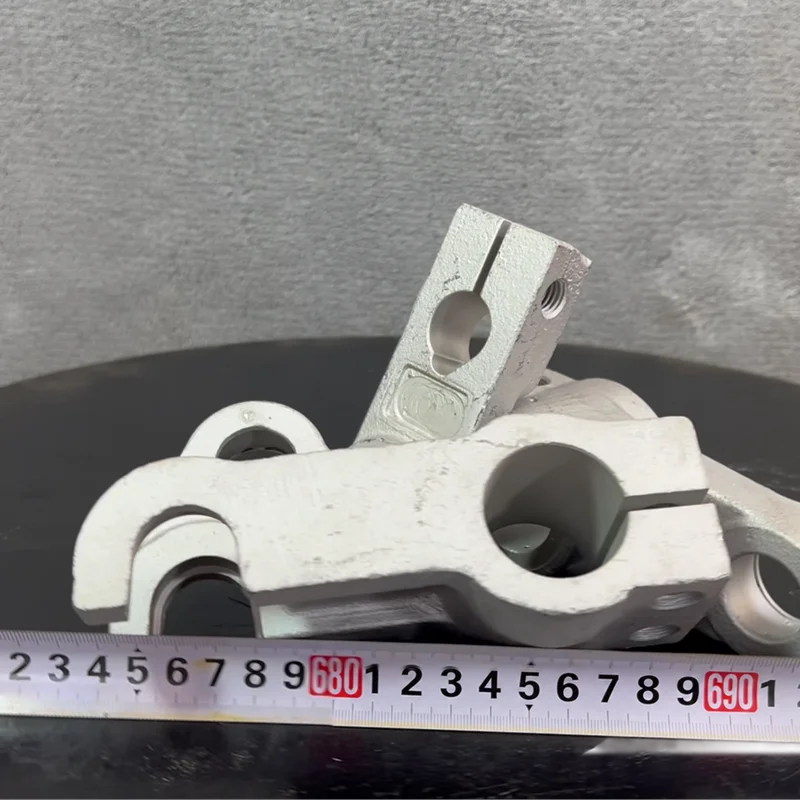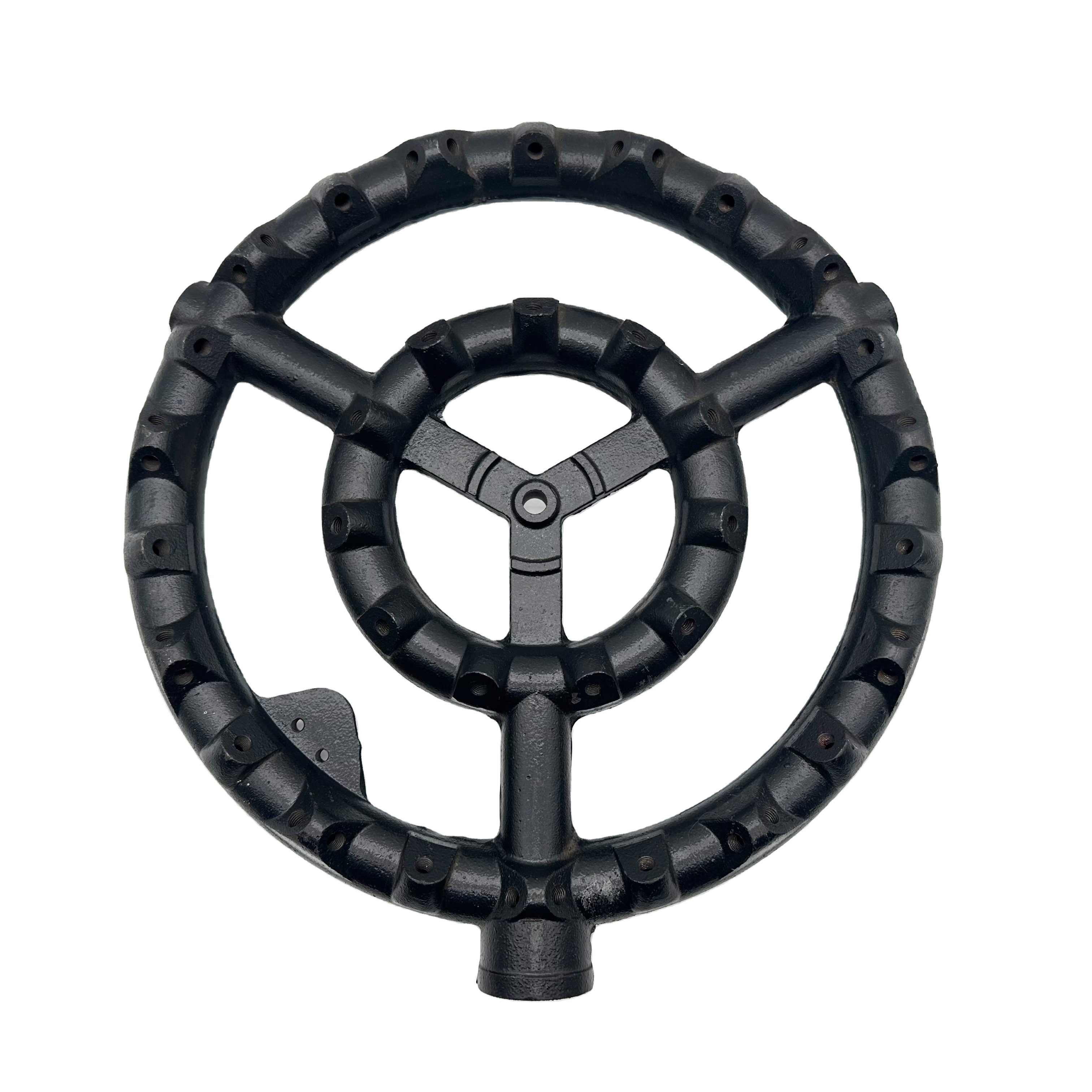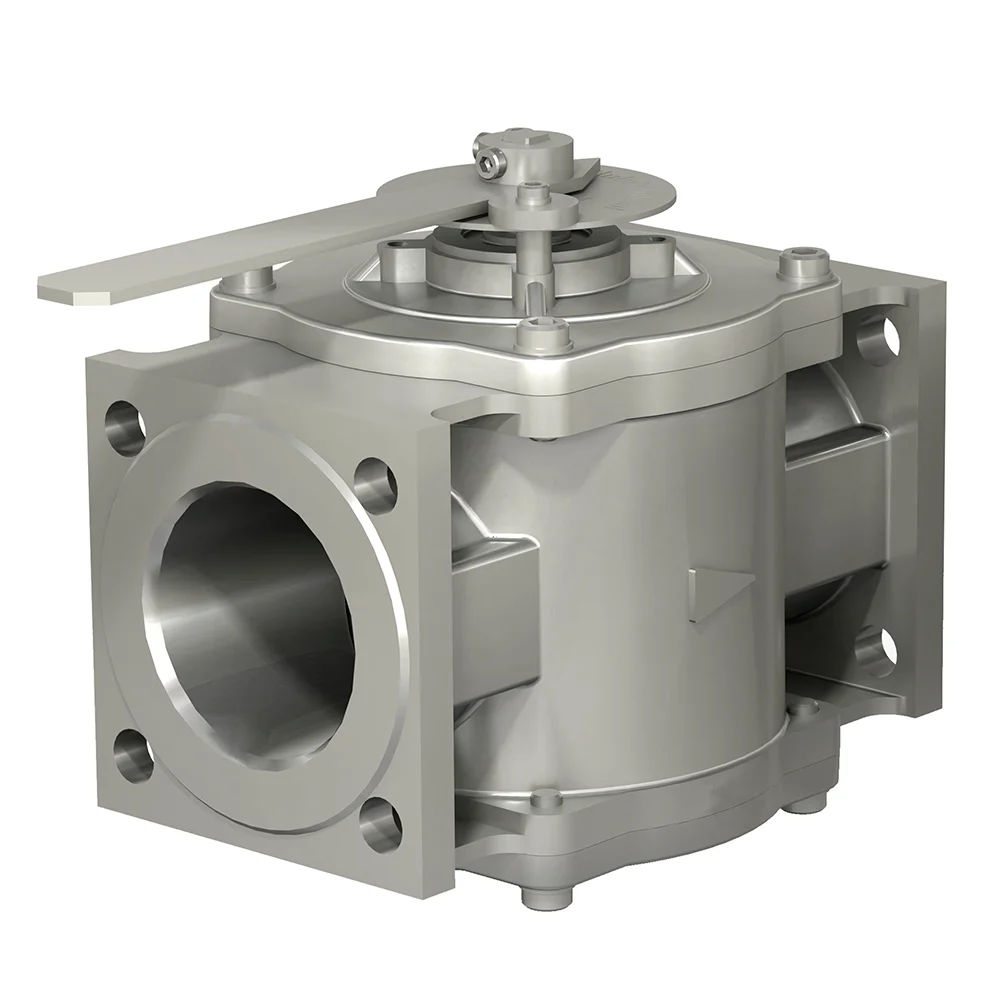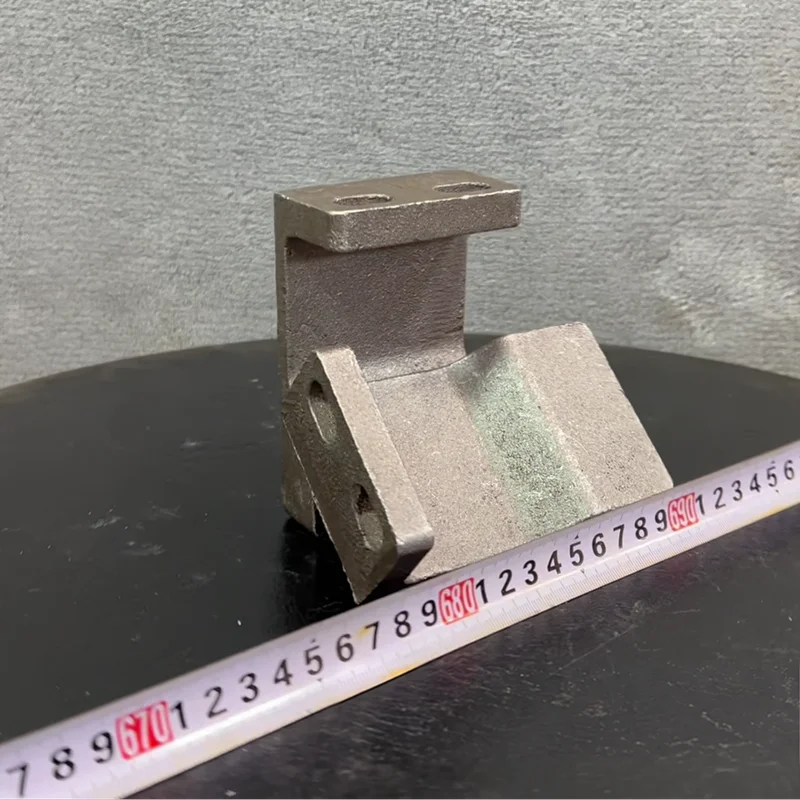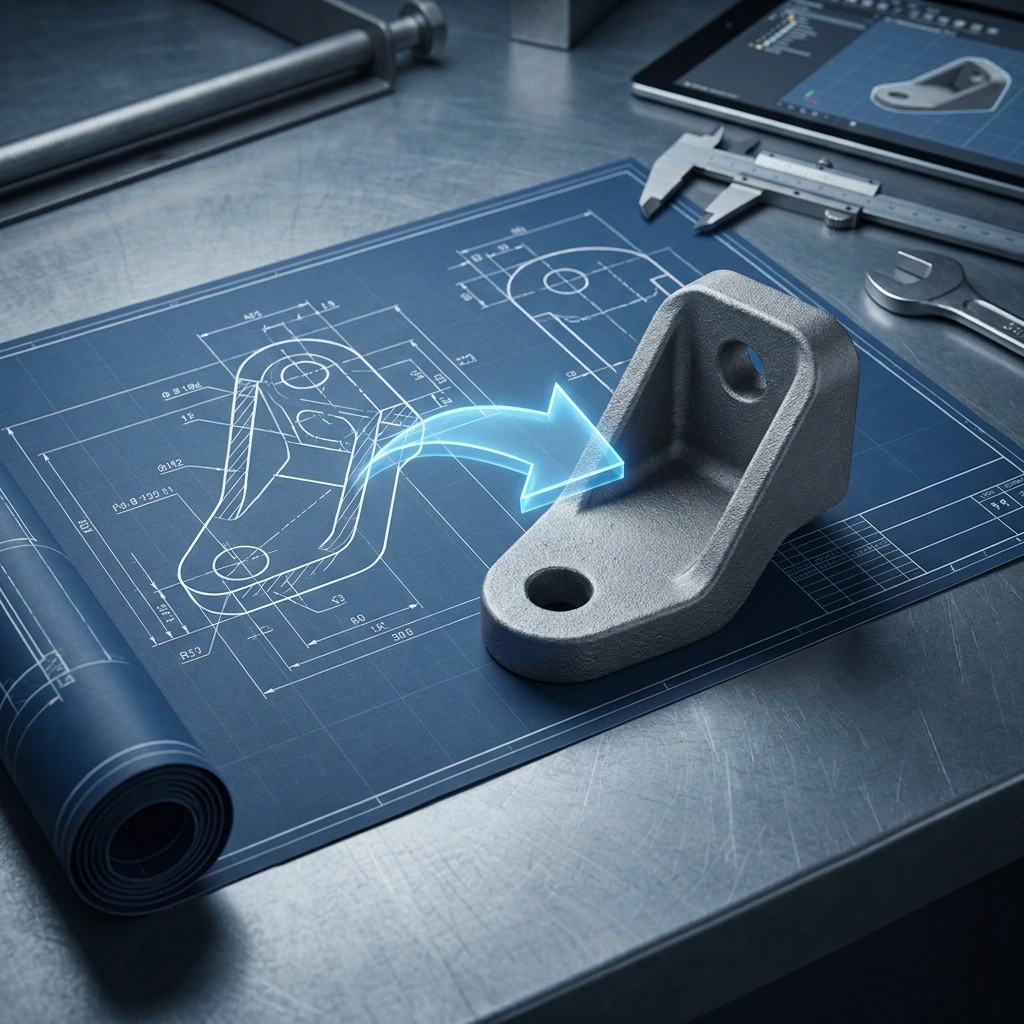
OEM EN 1561 Gray Iron Sand Cast Auto Machinery Parts with Separate Ductile Iron RoHS REACH Documentation Enquiries
Direct factory support
Get a quote that fits your project
Send your drawing or product reference, material grade and required quantity. Relia will review the requirements with you.
- Drawing & specification review
Confirm the supply scope and critical requirements.
- Samples before custom production
Review inspected samples before approving a batch.
- Inspection documents
Agree material and dimensional records for your part.
-
MaterialDuctile Iron & Grey iron
-
ApplicationAuto MachineryProcessSand casting
-
ServiceOEM\ODMCertificationISO9001
-
DimensionsCustomized SizesQuality Control100% Inspected /ISO9001 System
-
ToleranceCustomer's Drawing Request
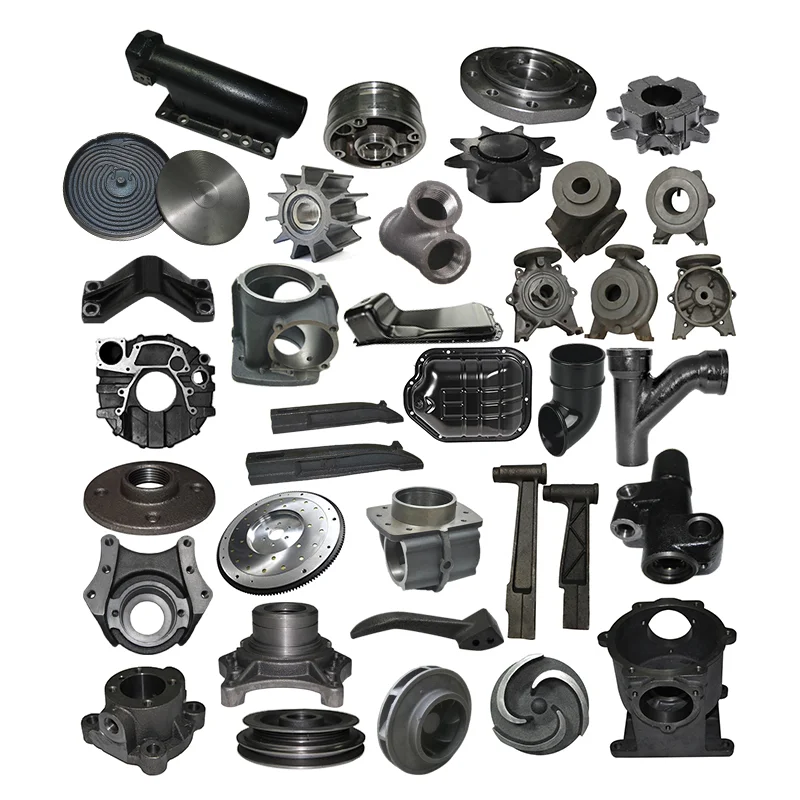
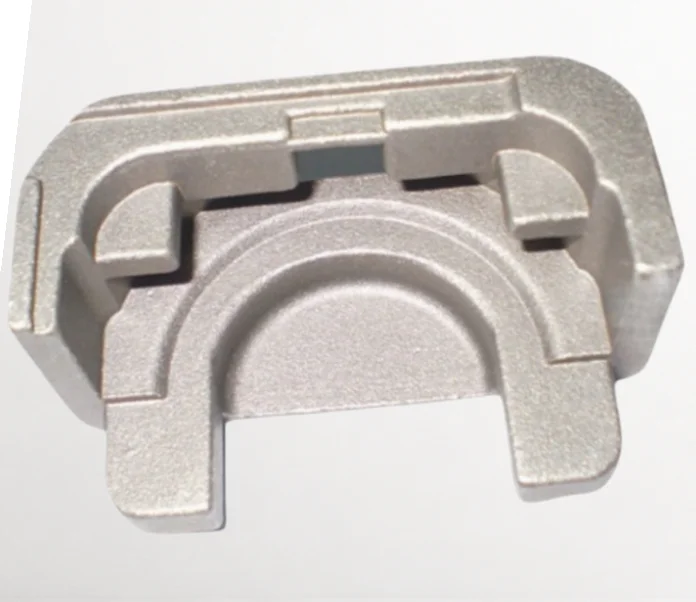
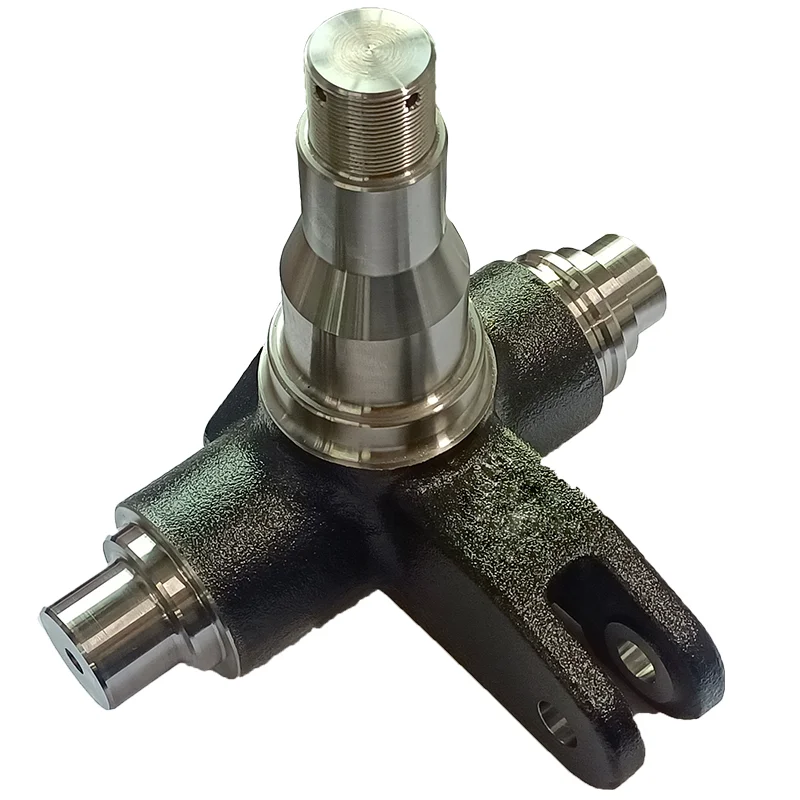
OEM/ODM iron sand-casting enquiries serve automotive machinery with customized sizes and drawing-based tolerances. An EN 1561 gray-iron request needs its specified grade, while ductile iron is a separate choice with its own material requirement. Define the actual component and the interfaces determining its function.
Give the material standard a part-specific role
Identify the applicable document, edition and grade for the selected iron. Connect material acceptance with the component drawing and required supplied condition. The grade request should remain distinct from dimensional requirements for mounting, mating or contacting areas.
- Mark the datum system used for measurement.
- Identify dimensions controlling the automotive assembly.
- Specify the required condition of functional surfaces.
- State quantity and the drawing revision for quotation.
Define the full inspection coverage
The casting’s stated 100% inspection under an ISO9001-system reference needs an agreed list of characteristics, checks and acceptance limits. Assign them to the selected material and final geometry. Include the records needed for sample approval and the applicable supplier certificate scope.
Prepare the EU-market compliance request
RoHS and REACH requirements can be included in the enquiry for the selected material and supplied part. Identify the applicable declarations or supporting evidence and their actual scope. Keep those compliance records connected to the ordered component, alongside dimensional and material acceptance, so the procurement brief clearly defines what is required for the automotive-machinery application.