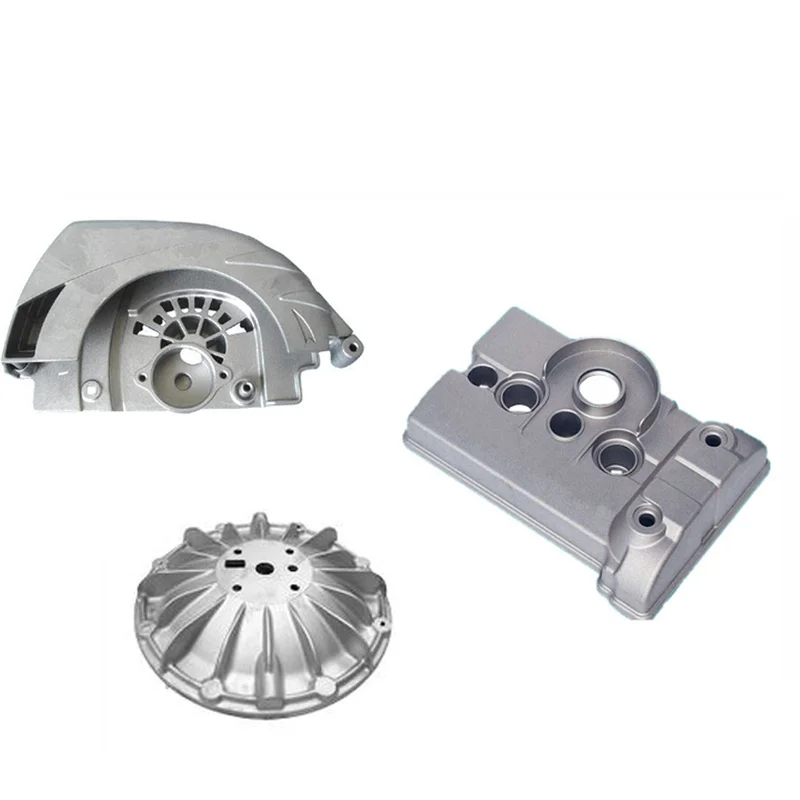
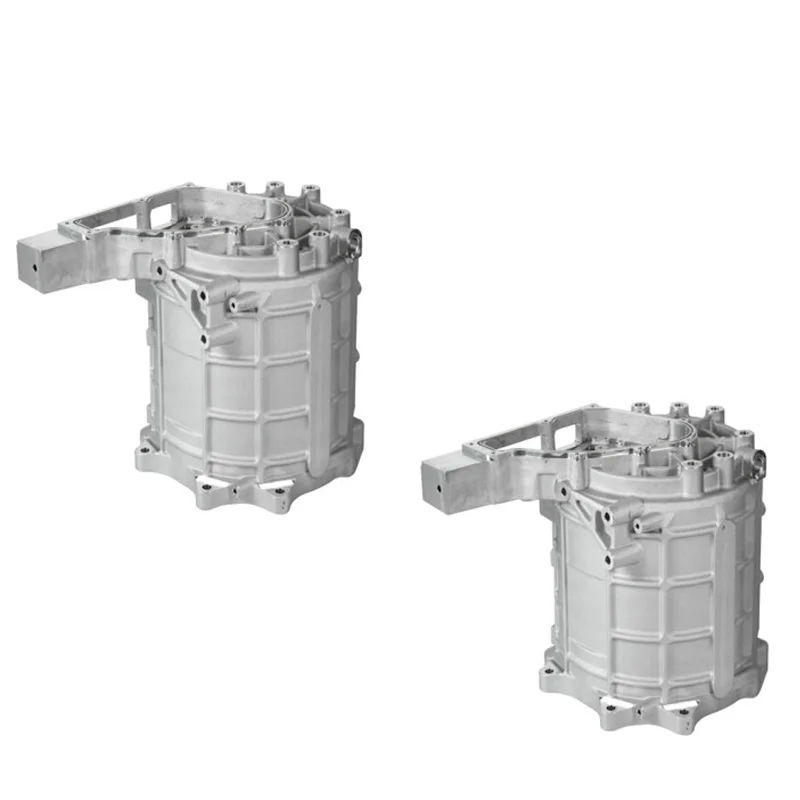
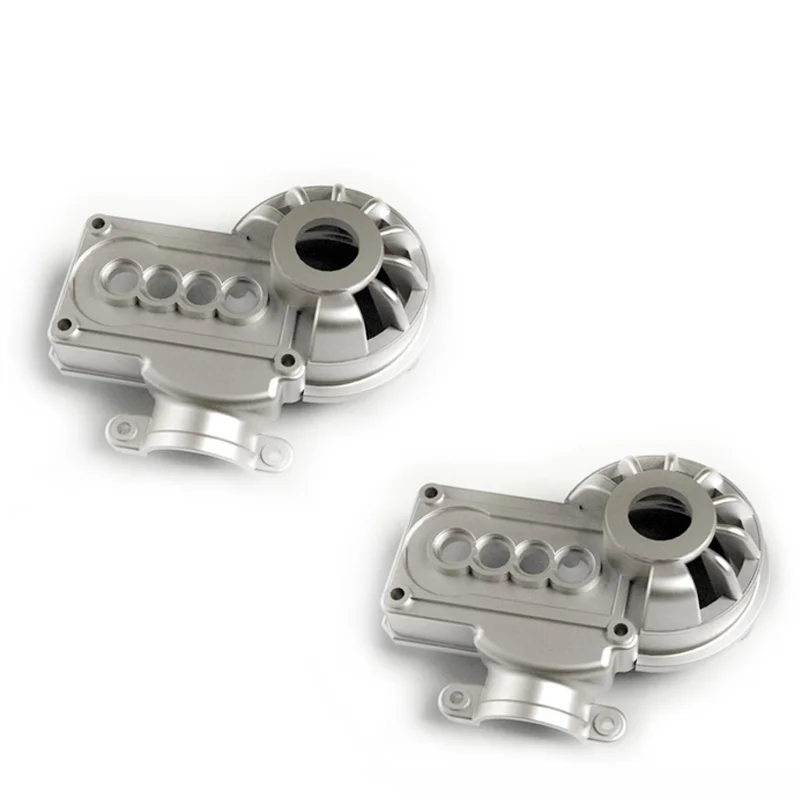
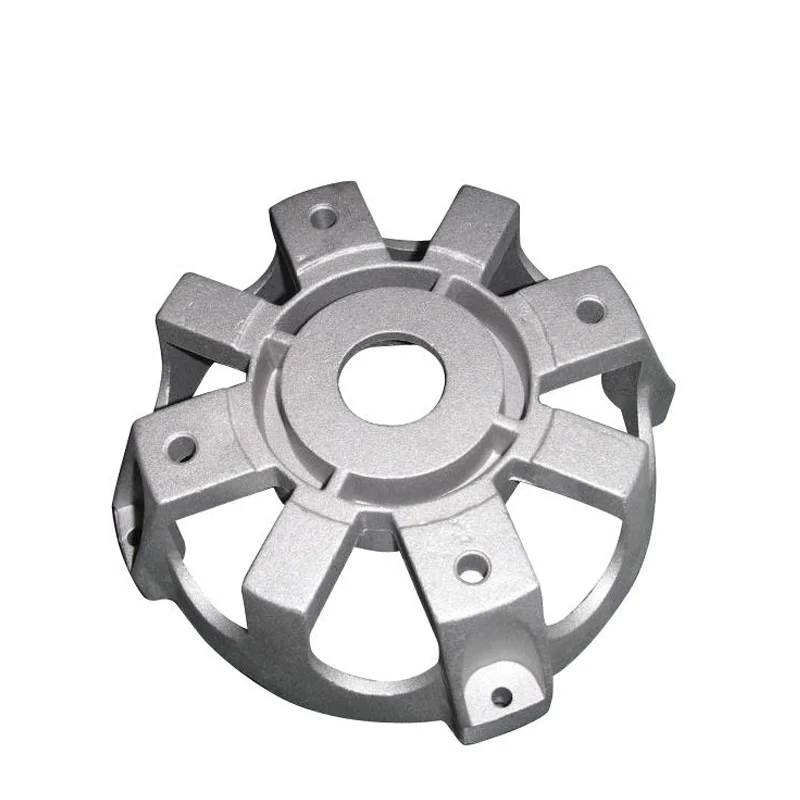
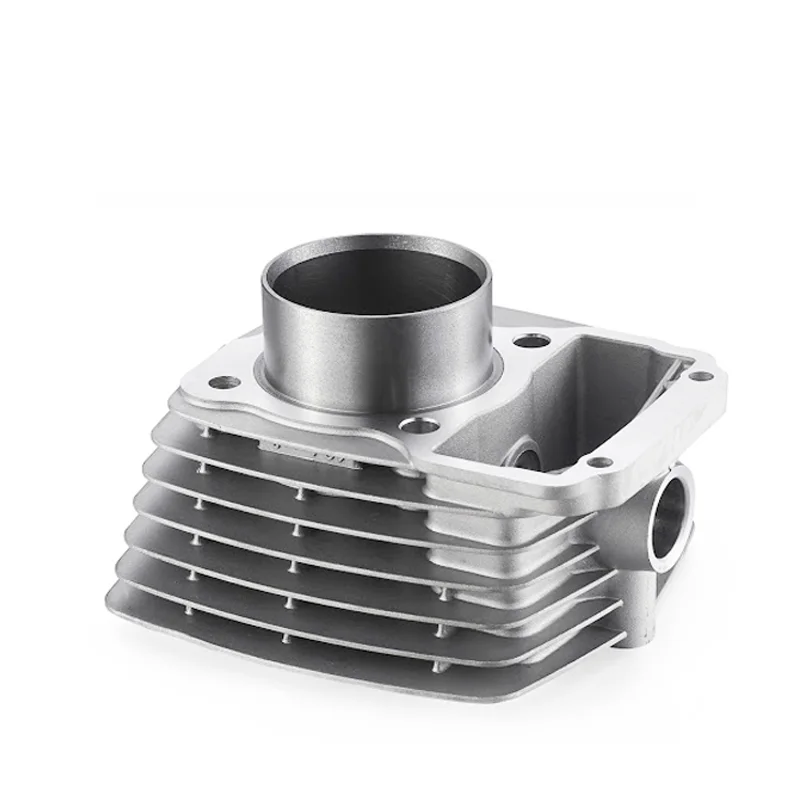
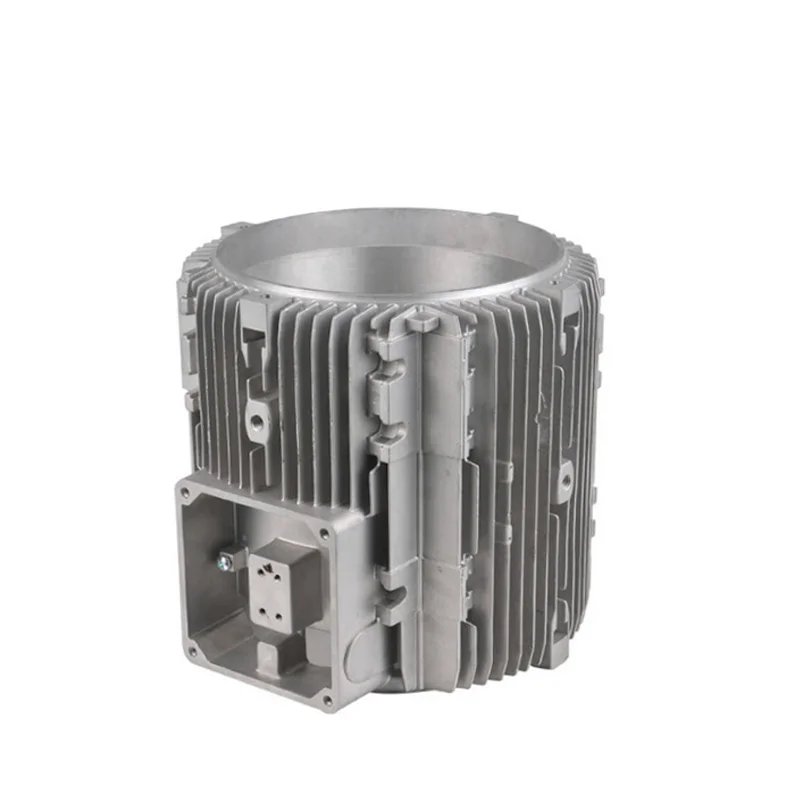
OEM/ODM ADC12 A380 Aluminum Die Cast Parts with Sand and Gravity Casting Process Enquiries
Direct factory support
Get a quote that fits your project
Send your drawing or product reference, material grade and required quantity. Relia will review the requirements with you.
- Drawing & specification review
Confirm the supply scope and critical requirements.
- Samples before custom production
Review inspected samples before approving a batch.
- Inspection documents
Agree material and dimensional records for your part.
-
OEM/ODMAccecpted
-
Surface TreatmentPolish, Powder coating,MaterialADC12, A380
-
ProcessDie casting + Drill&Mill + Powder CoatingFile FormatCAD, CAM, CAE, Pro-E, UG, Soild works, Moldflow, CATIA, PDF Etc
-
StandardGB, ASTM, AISI, DIN, BSCavitySingle or Multiple
-
KeywordDie CastingApplicationMachine
-
Lead Time4 Weeks
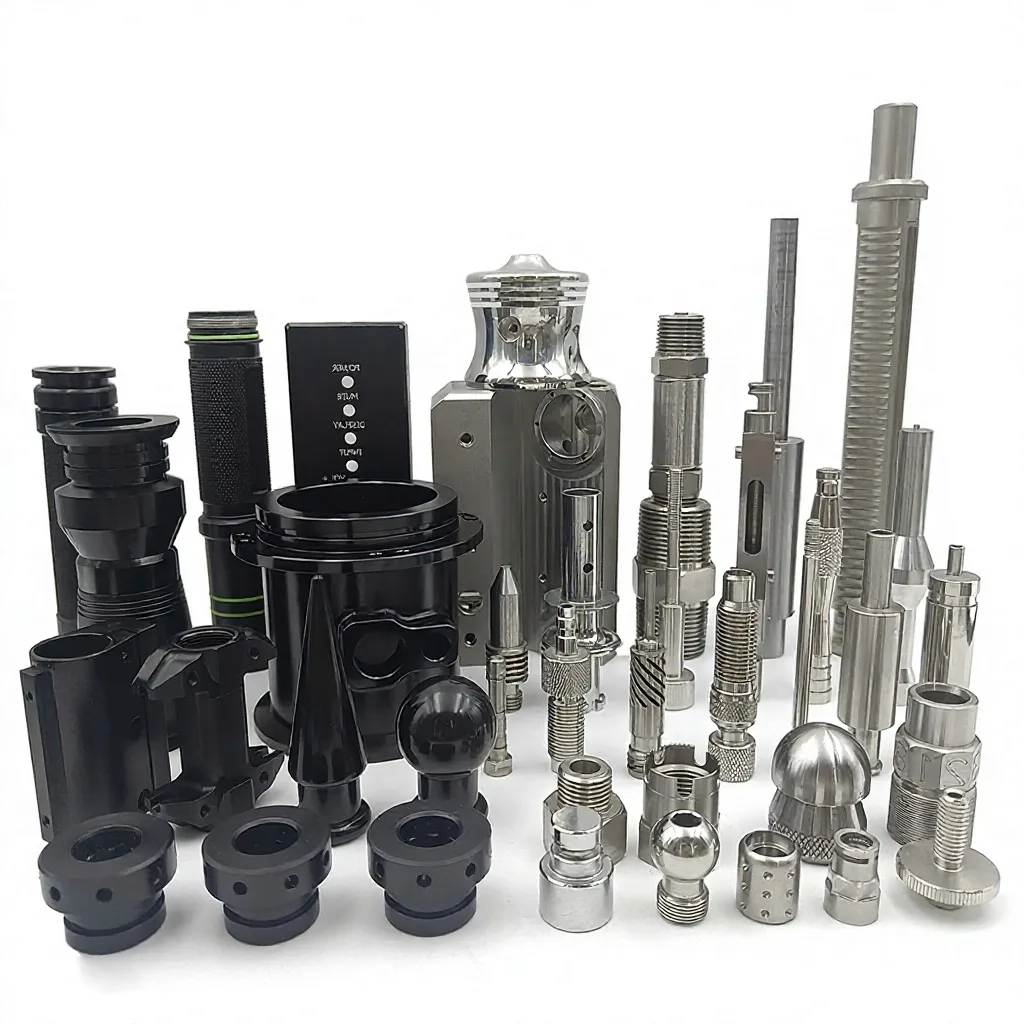
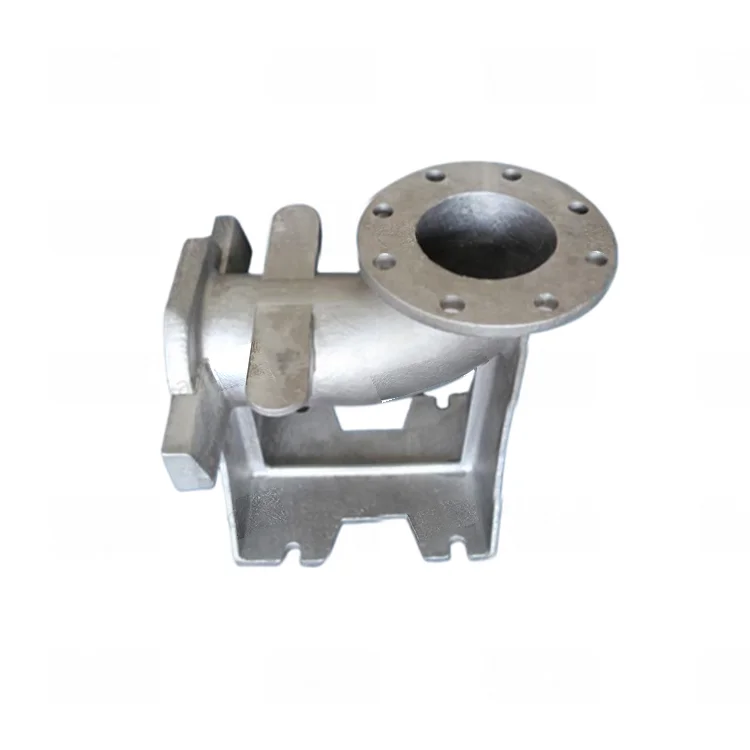
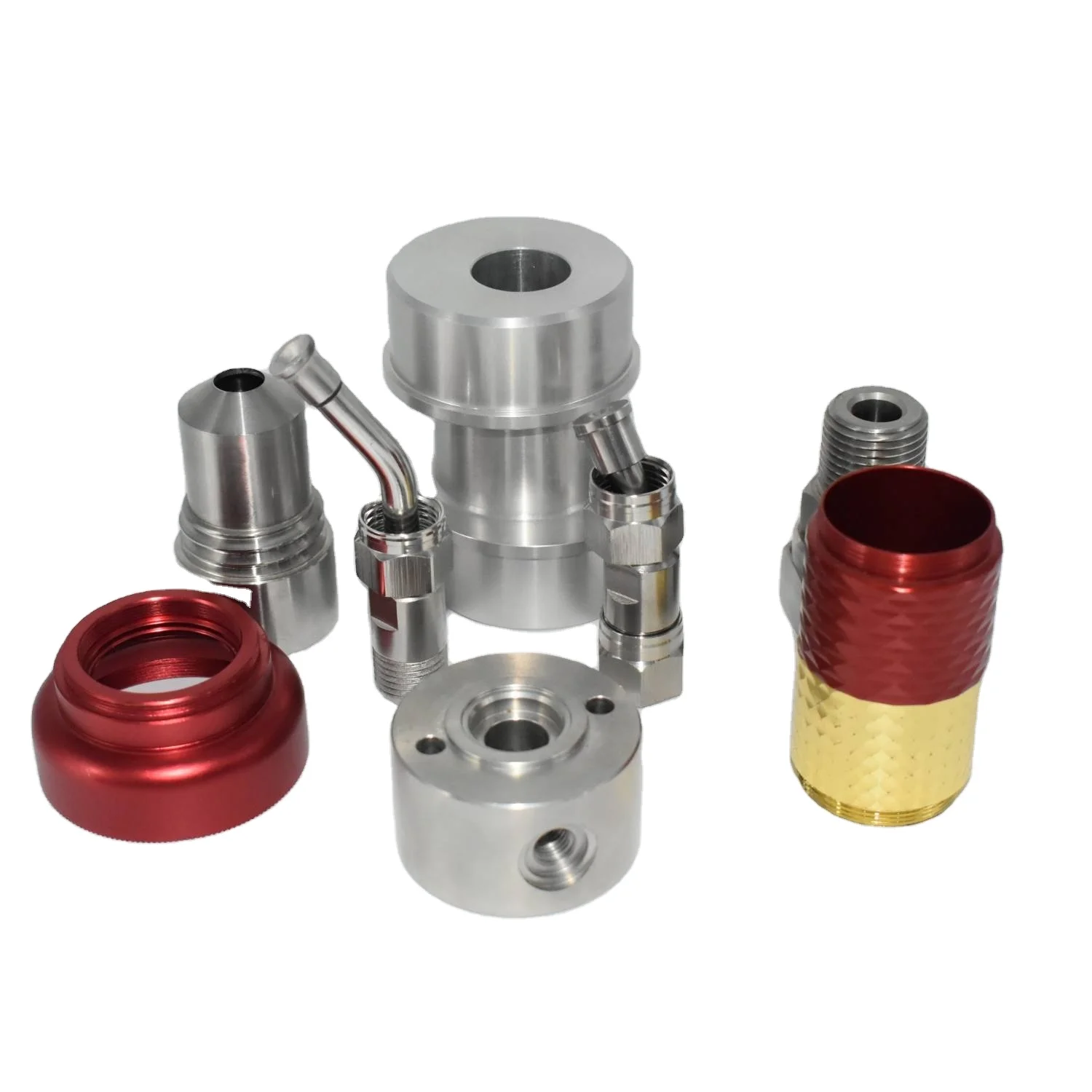
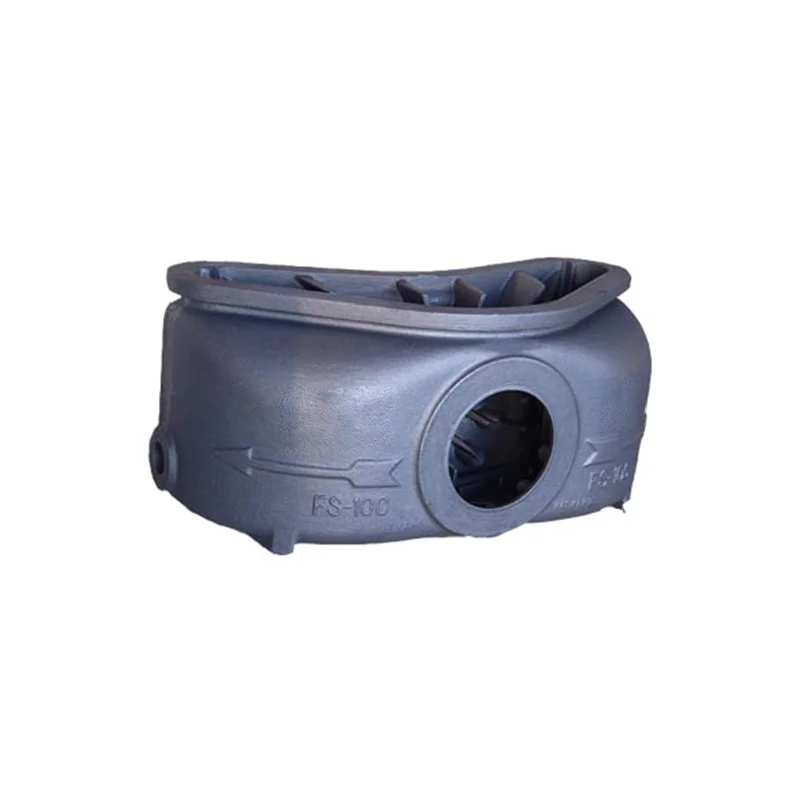
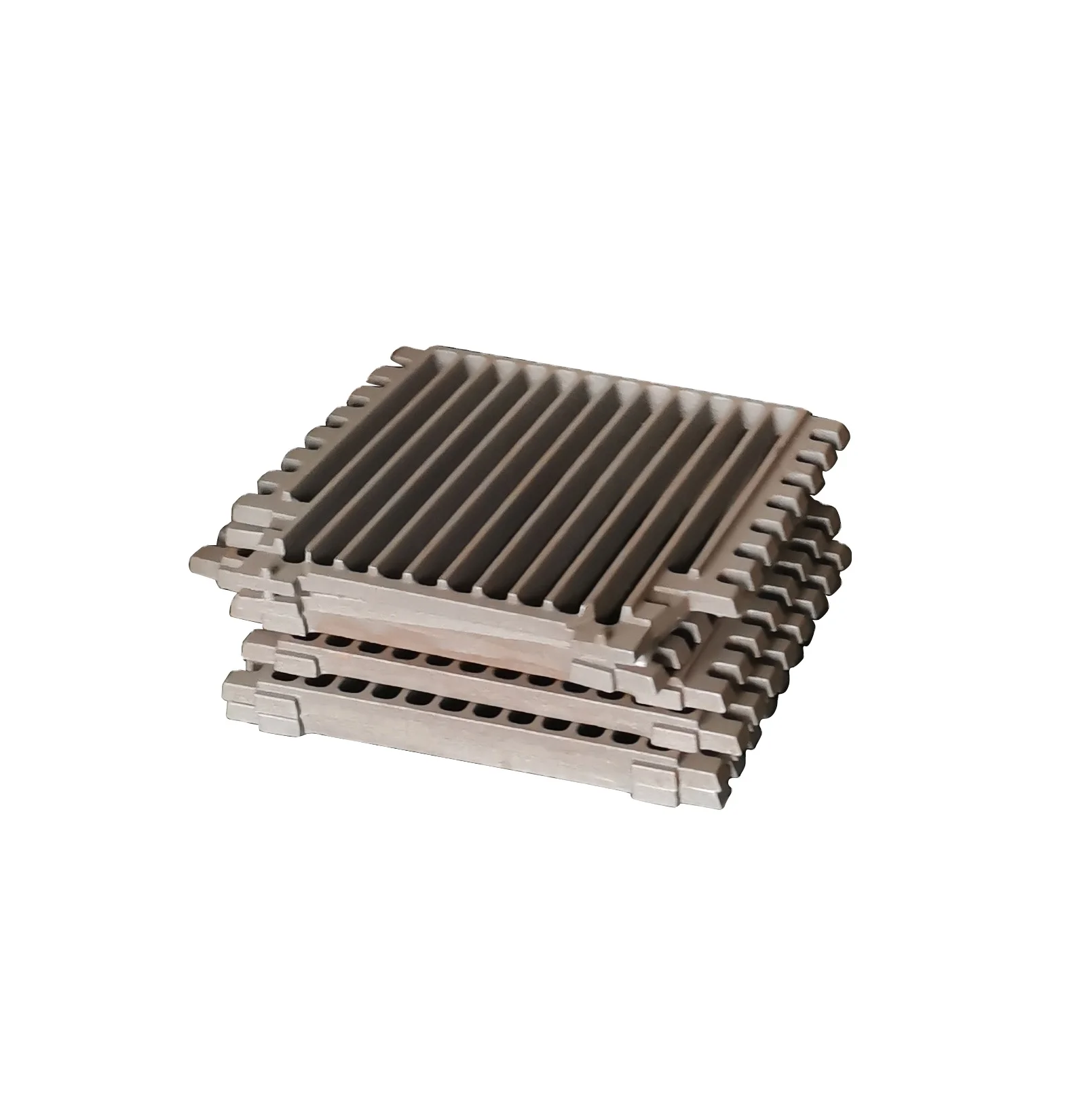
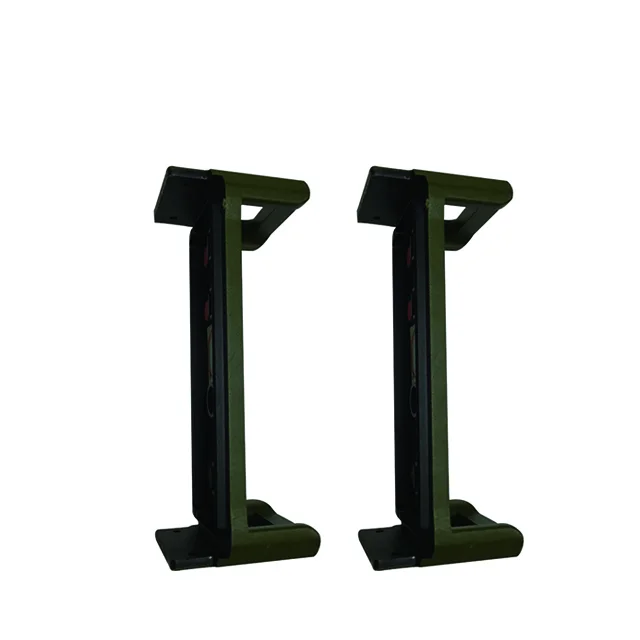
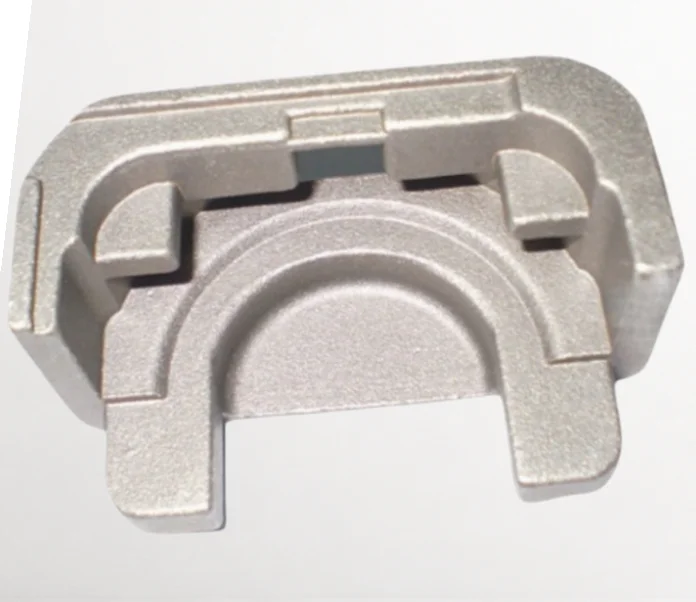
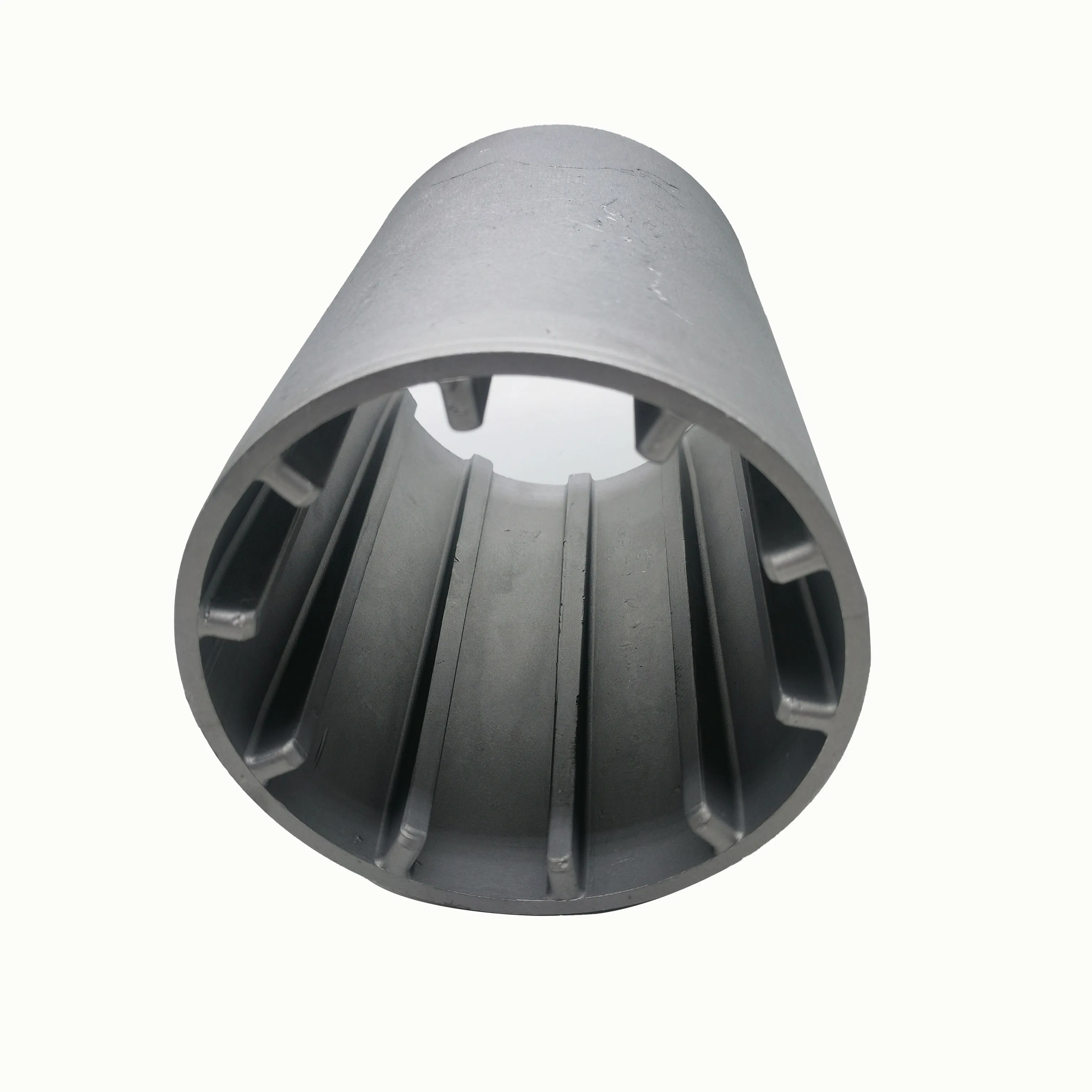
OEM and ODM aluminum machine-component enquiries cover ADC12 or A380 with die casting, drilling and milling, followed by powder coating. Polishing is also offered. Sand casting and gravity casting are alternative route enquiries requiring a compatible alloy and component design.
Specify the part and tooling requirement
Single- or multiple-cavity tooling can be requested. Identify the selected material, component geometry and quantity before agreeing the actual tooling arrangement. Show the features requiring drilling or milling and the dimensional relationships that govern assembly. Define finish requirements on functional and visible surfaces separately.
Provide transferable design information
Design-file or software references include CAD, CAM, CAE, Pro-E, UG, SolidWorks, Moldflow, CATIA and PDF. Agree the actual transferable file type and controlling revision. Keep the model, drawing and any tooling specification connected to the same geometry when several design sources are supplied.
Select governing requirements and acceptance
Standard families include GB, ASTM, AISI, DIN and BS. Identify the applicable documents for the selected alloy and ordered component rather than treating the references as equivalent specifications. State the dimensional limits, inspection coverage and records required for acceptance of the cast and machined part.
- Identify die casting or the separately selected sand or gravity route.
- Specify the drilling, milling and surface-finish scope.
- Define initial component approval and repeat-order controls.
Explain the machine interfaces and working conditions relevant to the part. Keep approved design changes tied to the chosen alloy specification, tooling arrangement and finished-component requirements.