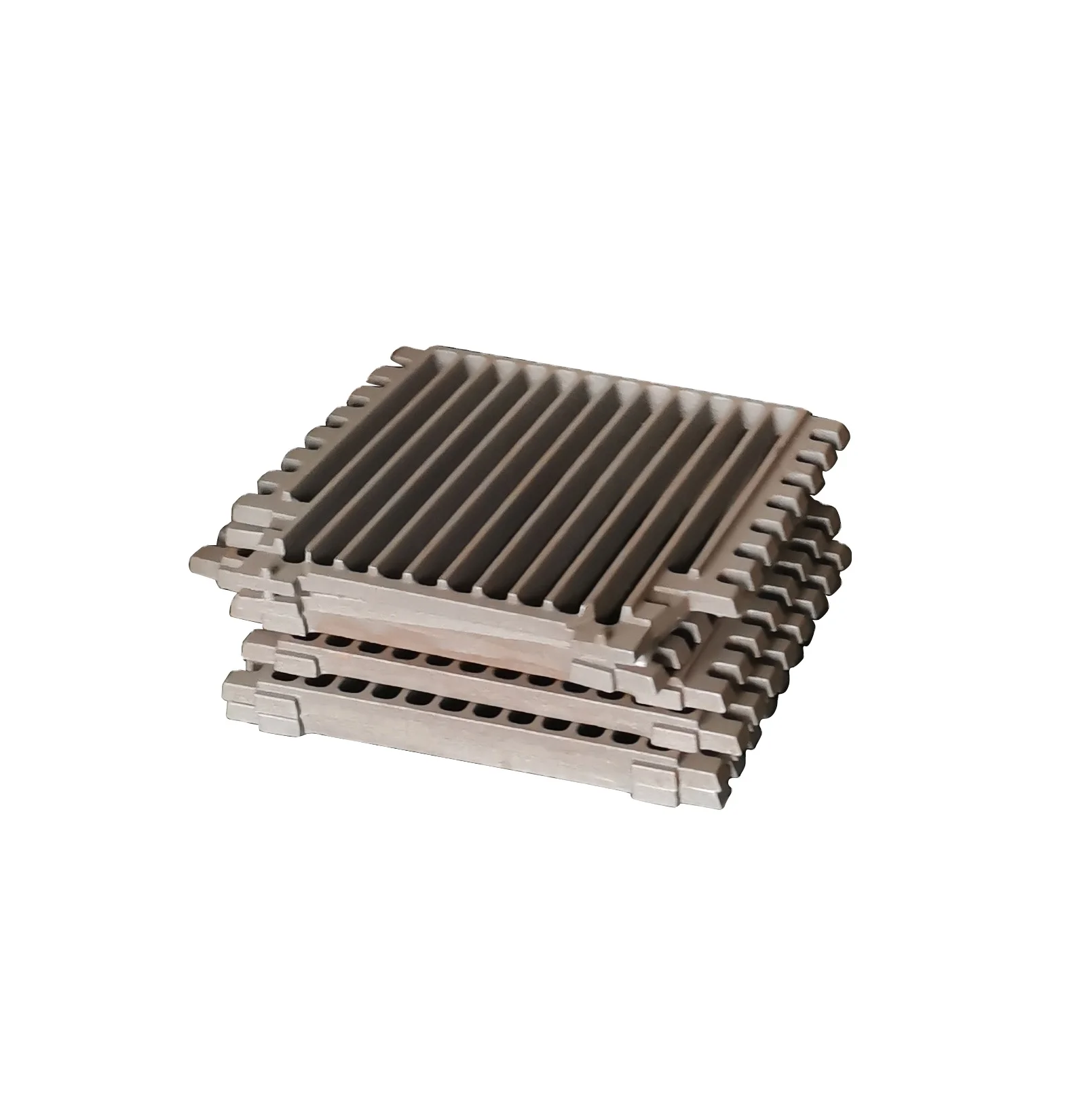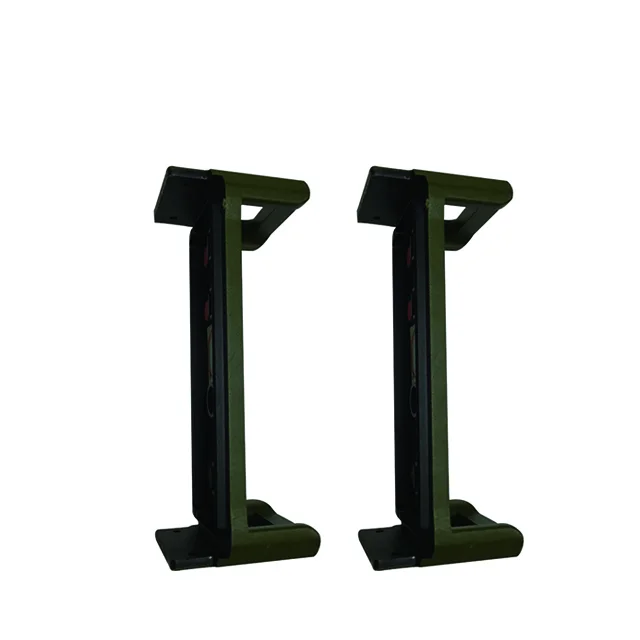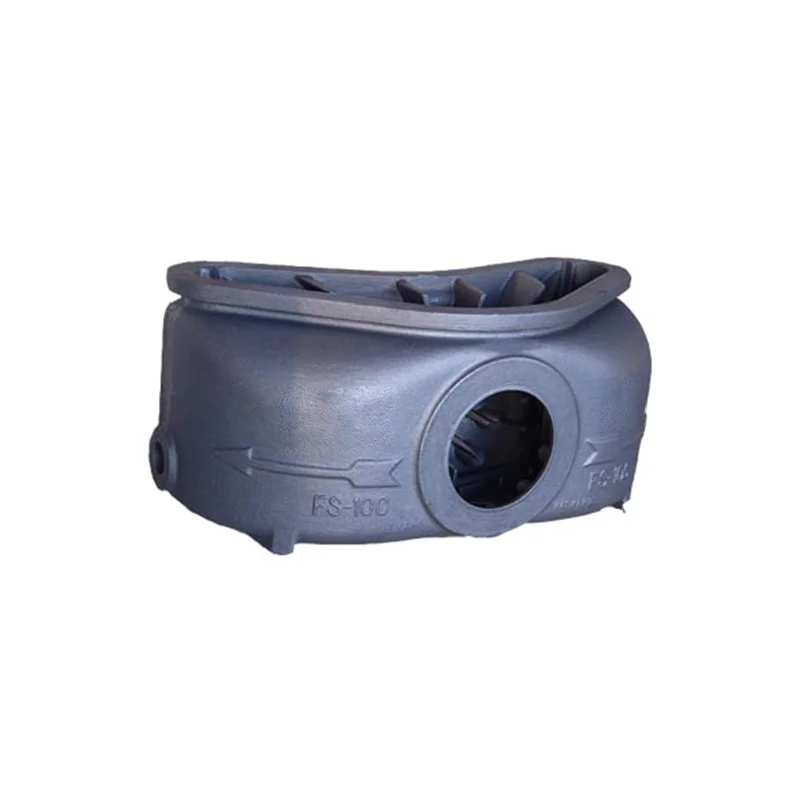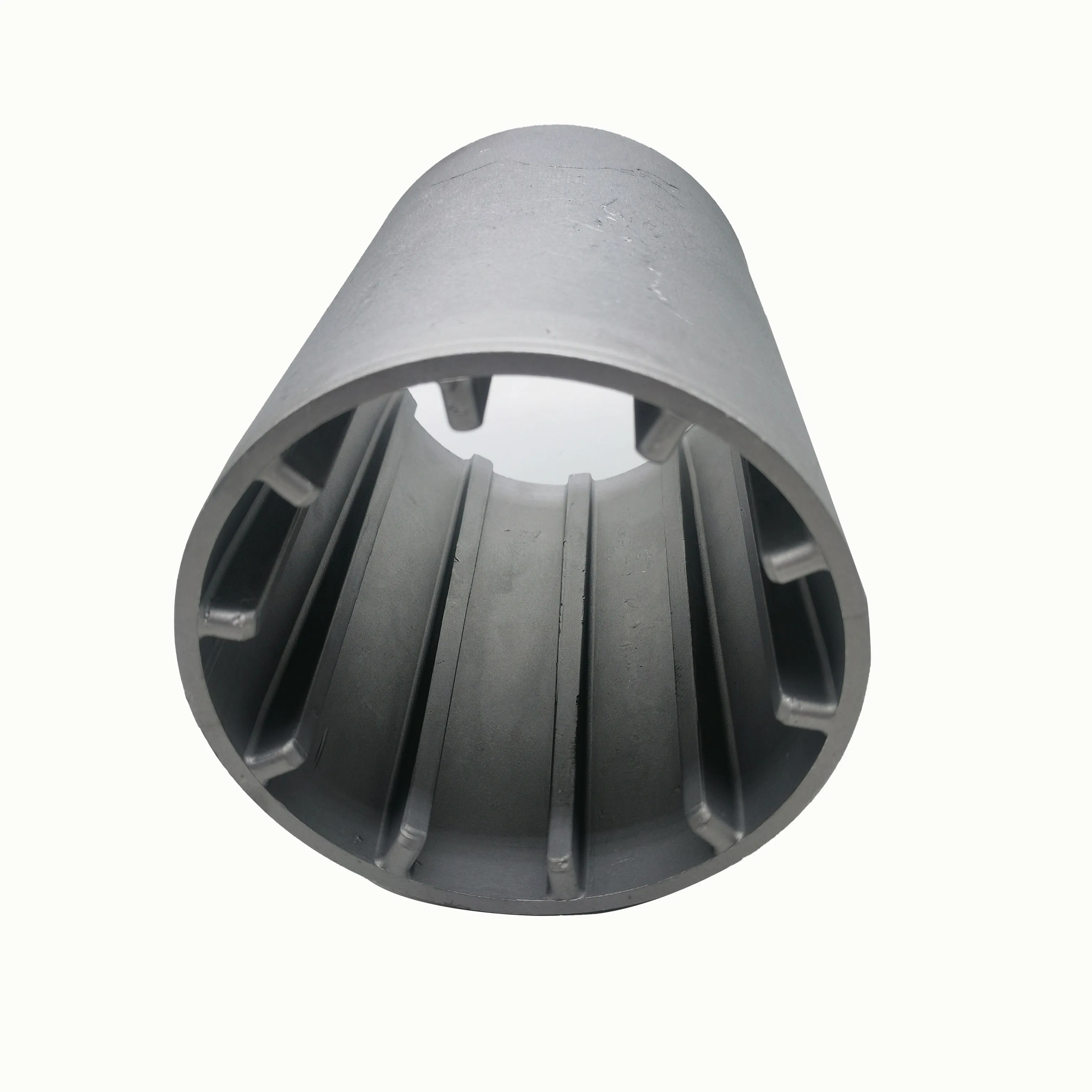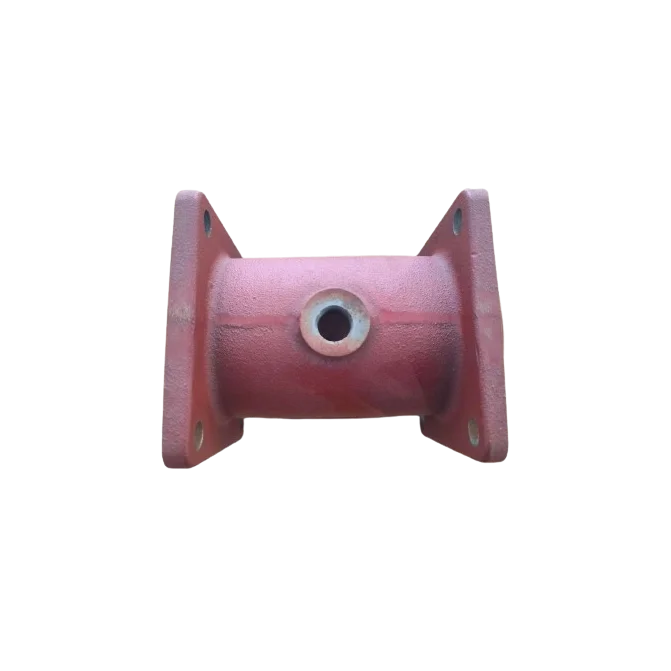
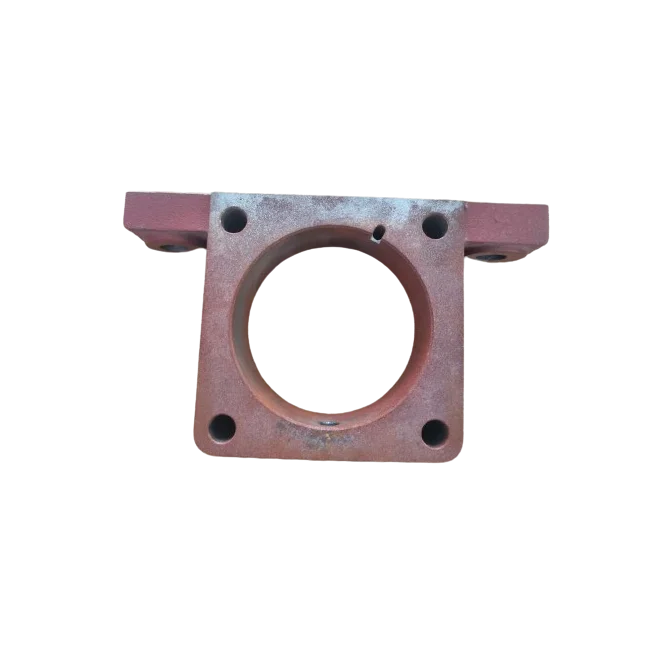
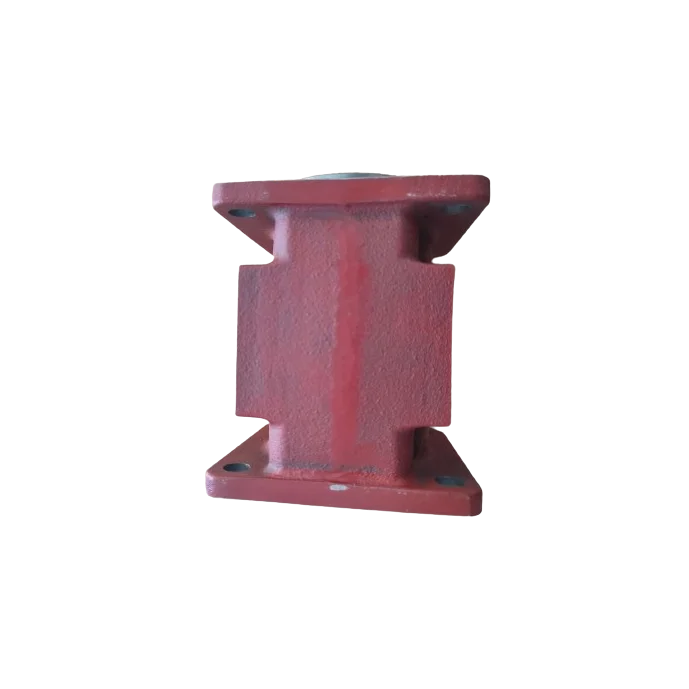
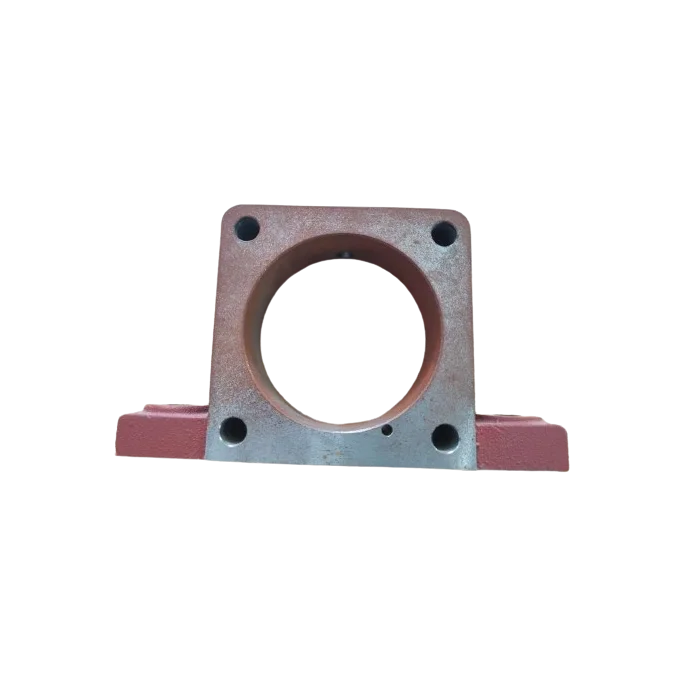
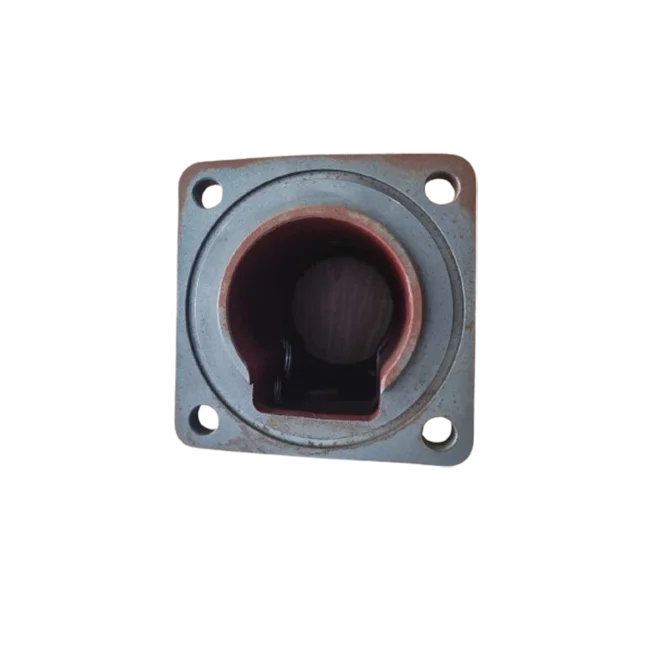
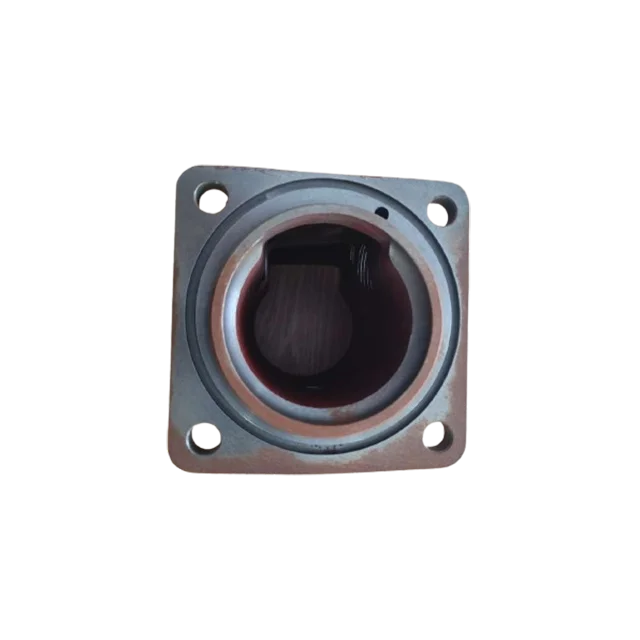
OEM ODM Cast Iron Carbon Steel Sand Cast Parts with CNC Precision Machining Shot Blasting Polishing and Separate Die Casting Enquiries
Direct factory support
Get a quote that fits your project
Send your drawing or product reference, material grade and required quantity. Relia will review the requirements with you.
- Drawing & specification review
Confirm the supply scope and critical requirements.
- Samples before custom production
Review inspected samples before approving a batch.
- Inspection documents
Agree material and dimensional records for your part.
-
MaterialIron
-
Surface TreatmentShot Blasting, PolishingProcessSand Casting + Machining
-
Machining ProcessCNC Precision MachiningServiceOEM/ODM
-
ApplicationMachinery, automobile, petrochemical industry, metallurgicalQuality Control100% Inspection
-
FinishShot BalstingItem NameCarbon Steel Sand Metal Molded Casting Parts Services
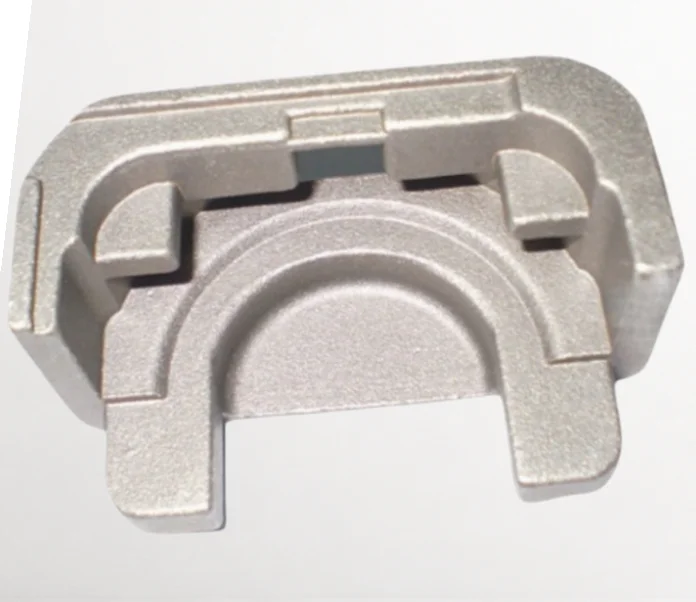
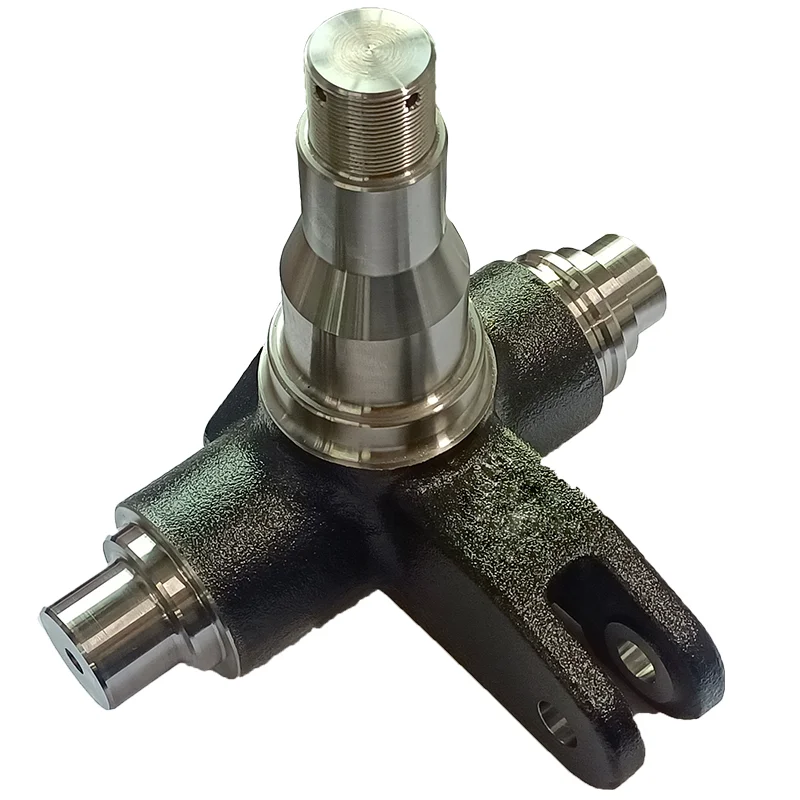
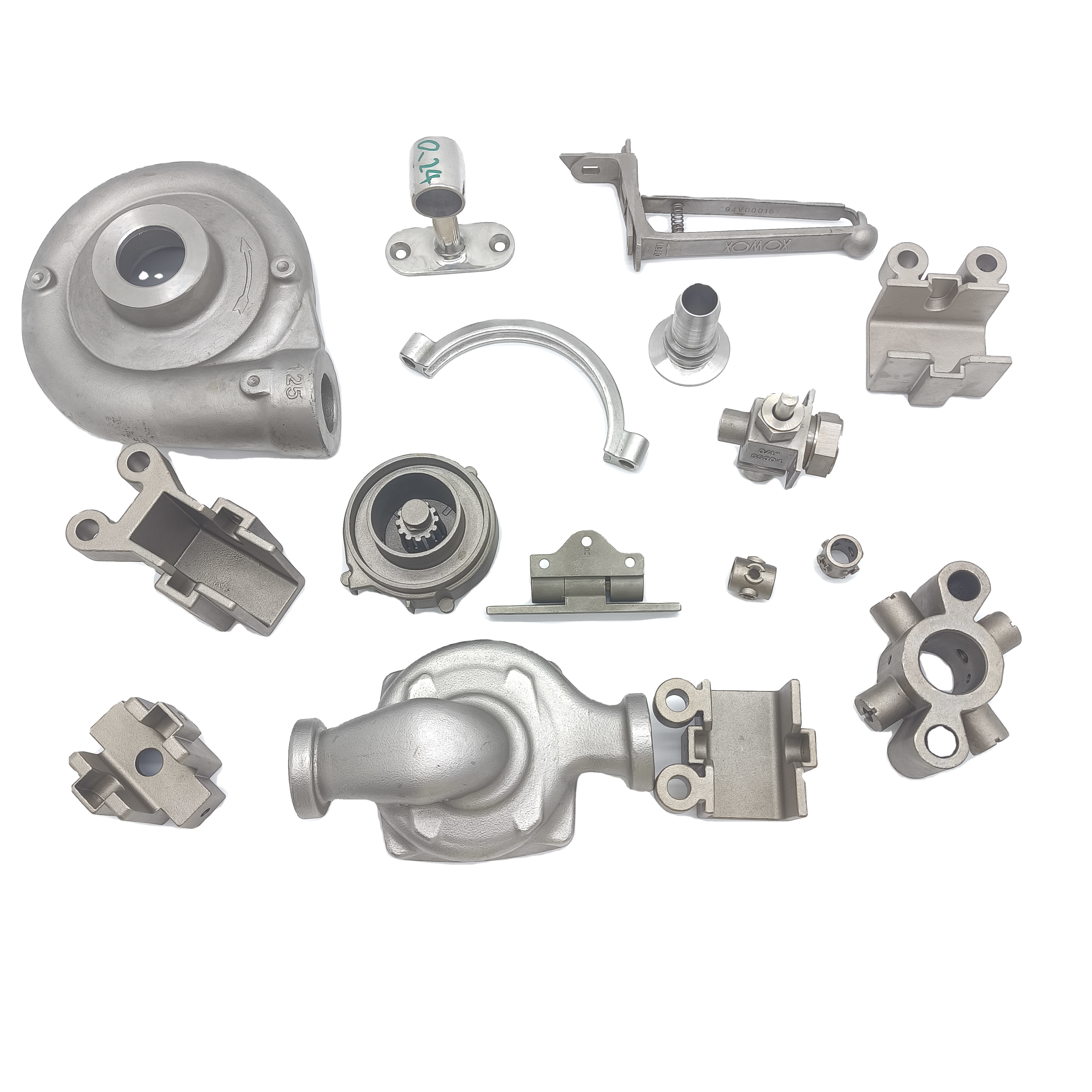
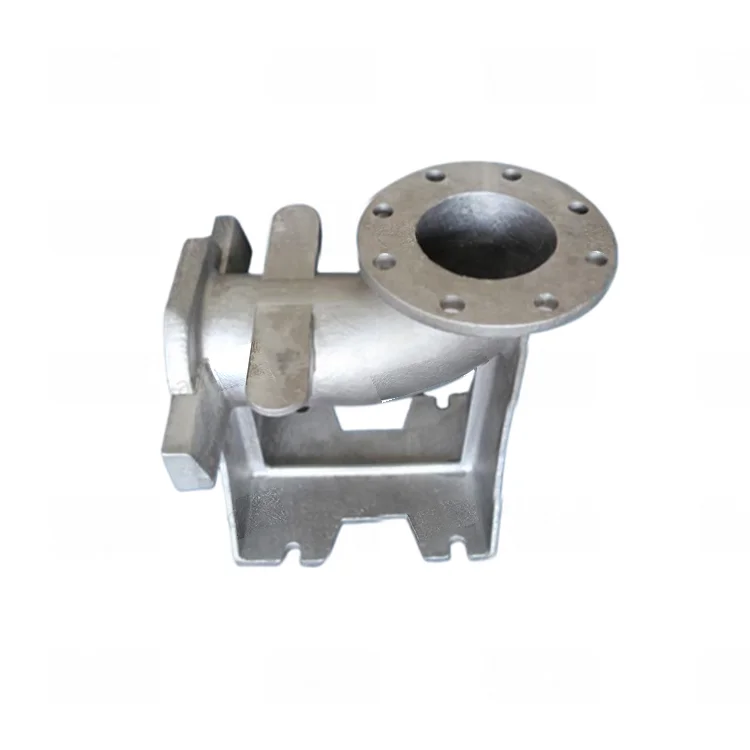
Custom cast-iron or carbon-steel components are offered with sand casting and CNC precision machining for OEM/ODM enquiries. Shot-blasted or polished surfaces can be selected for the actual part. Separate die-casting requests need their own compatible material and manufacturing definition.
Identify the equipment and component duty
Machinery, automotive, petrochemical-equipment and metallurgical applications need their own drawing and operating requirements. Specify the full grade and material condition. Show the geometry and interfaces connecting the selected casting to the surrounding assembly.
Put CNC acceptance on the working geometry
Mark datums and dimensional limits at mounting, mating or contacting surfaces. Identify the measurement stage and any relationships requiring joint assessment for fit. Distinguish general cast form from the interfaces requiring final CNC work, keeping the finished-part requirement explicit.
Choose the blasted or polished result
Define coverage, appearance and contact conditions for the selected surface. Identify any masking required where finishing affects assembly. State the material, dimensional and visual records needed to approve the component in its required supplied condition.
- Provide quantity and the controlling revision.
- Define the purpose of an initial approval part.
- Assign methods within the stated 100% inspection.
- Identify the acceptance limits and required reporting, including the functional interfaces assessed together when approving the finished equipment part.
Retain approved material, geometry and surface changes with the drawing so production acceptance follows the actual ferrous casting and CNC-machined result for the intended equipment.