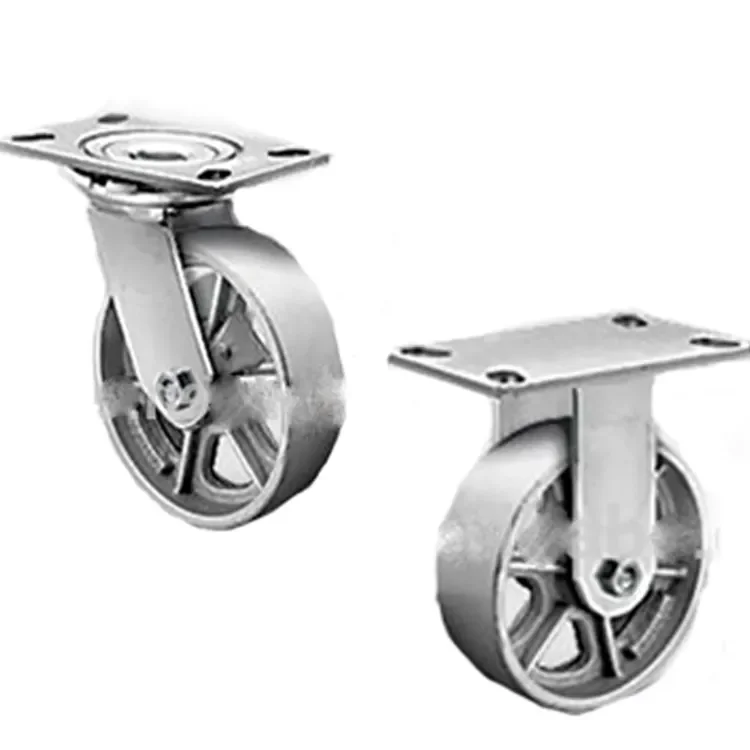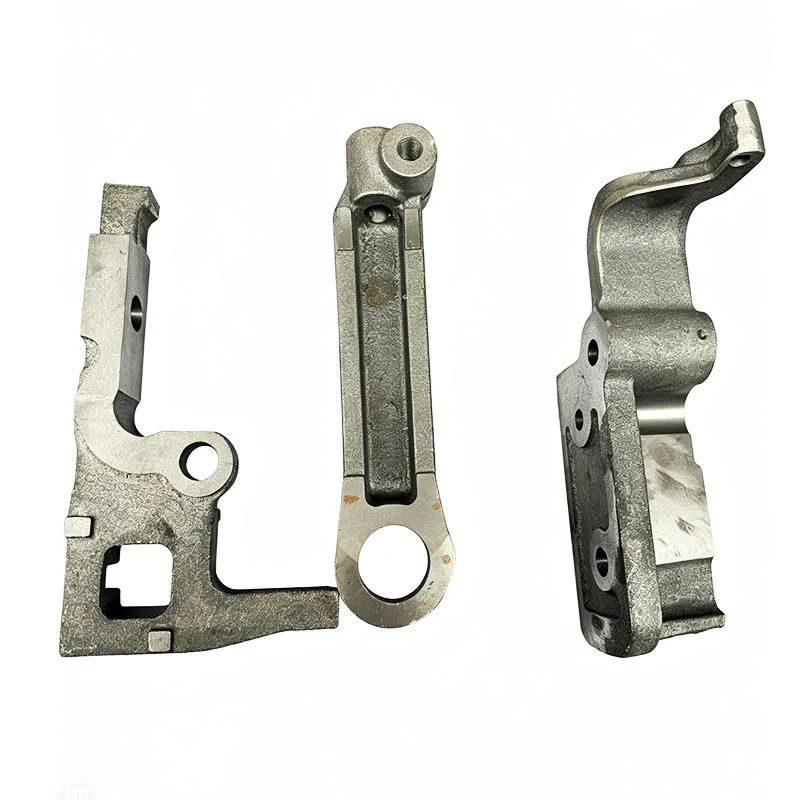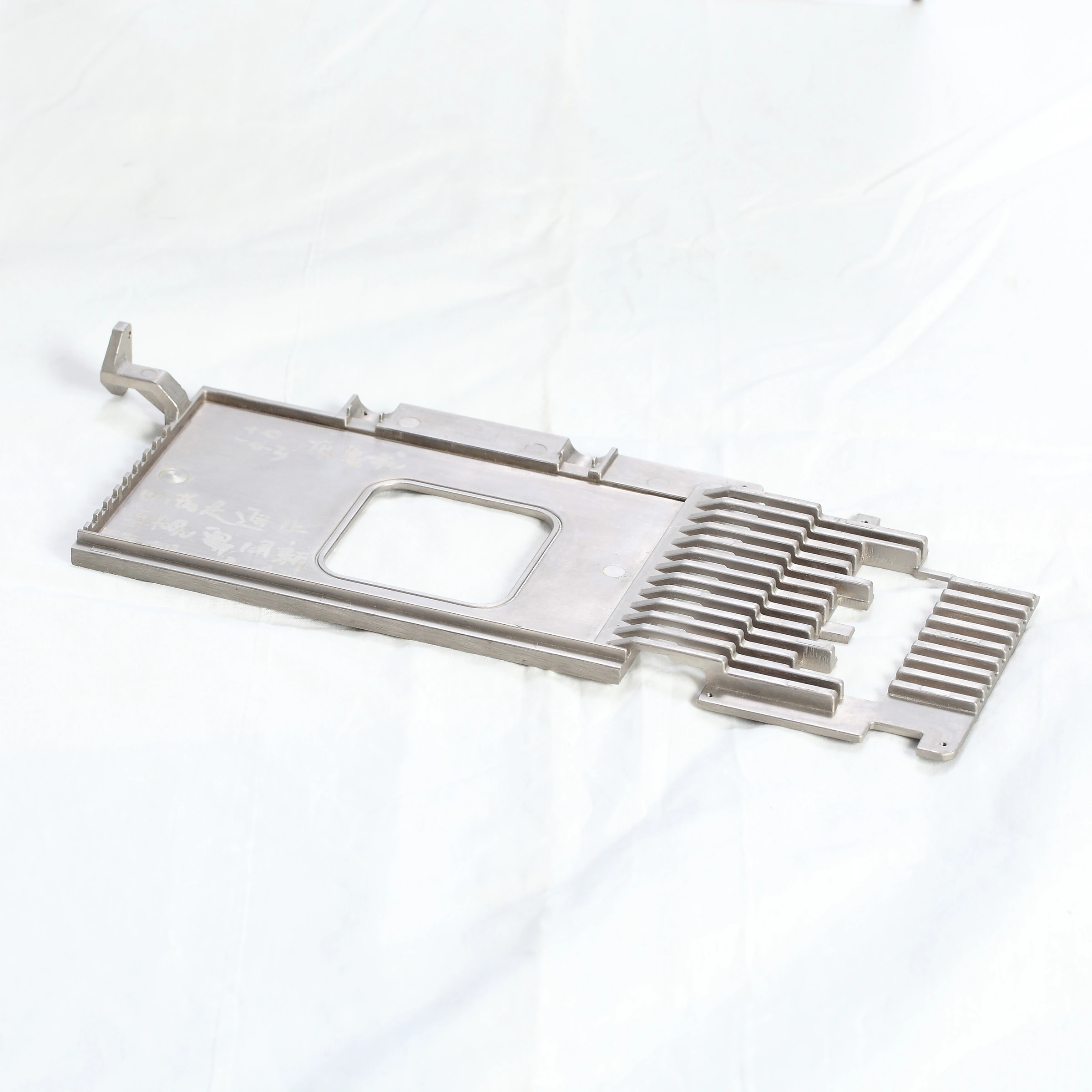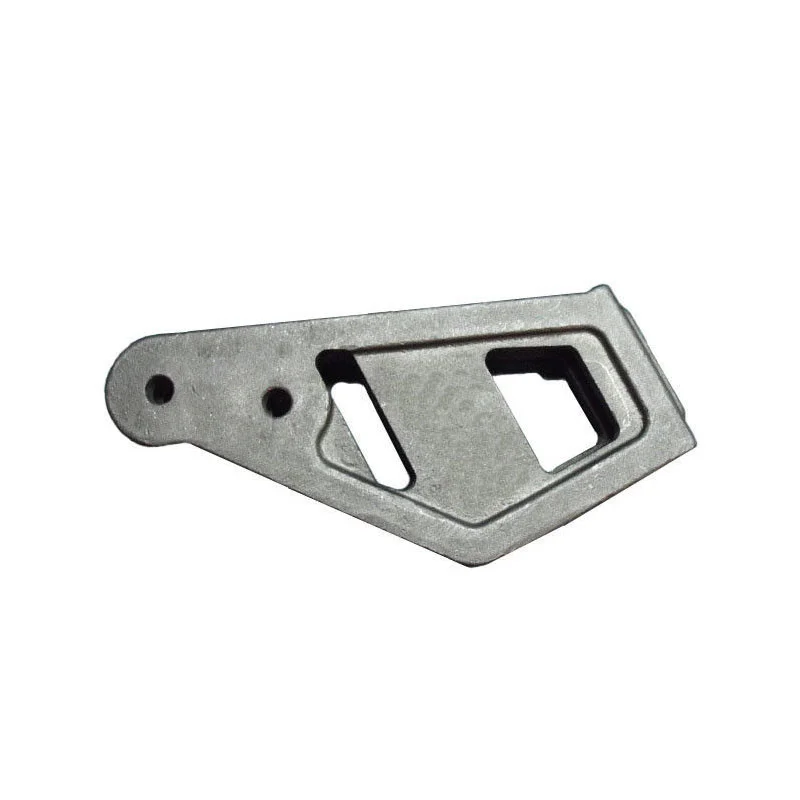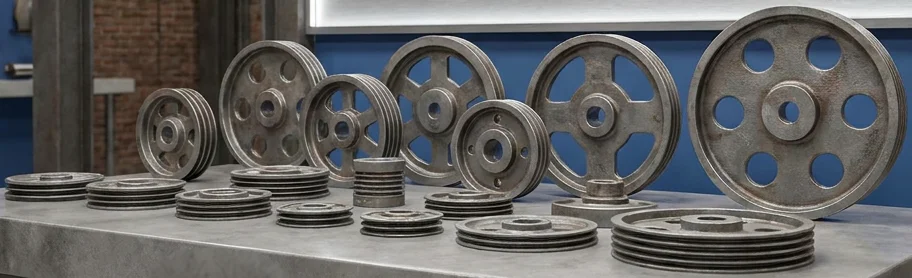
OEM ODM Custom ASTM A48 Class35 Gray Iron Sand Cast Auto Machinery Parts with Separate Ductile Iron Options
Direct factory support
Get a quote that fits your project
Send your drawing or product reference, material grade and required quantity. Relia will review the requirements with you.
- Drawing & specification review
Confirm the supply scope and critical requirements.
- Samples before custom production
Review inspected samples before approving a batch.
- Inspection documents
Agree material and dimensional records for your part.
-
MaterialDuctile Iron & Grey iron
-
ApplicationAuto MachineryProcessSand casting
-
ServiceOEM\ODMCertificationISO9001
-
DimensionsCustomized SizesQuality Control100% Inspected /ISO9001 System
-
ToleranceCustomer's Drawing Request
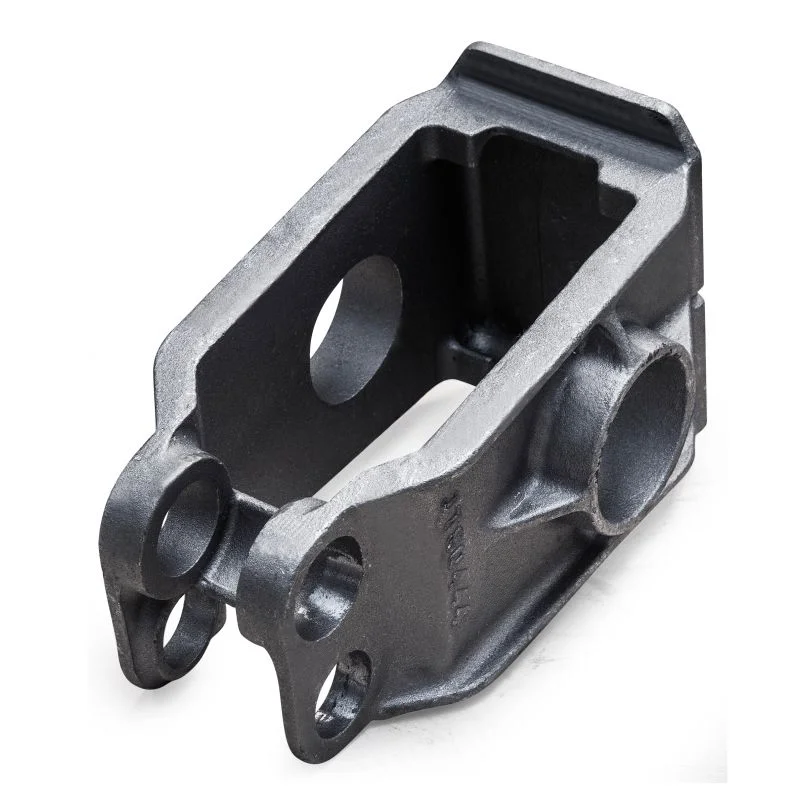
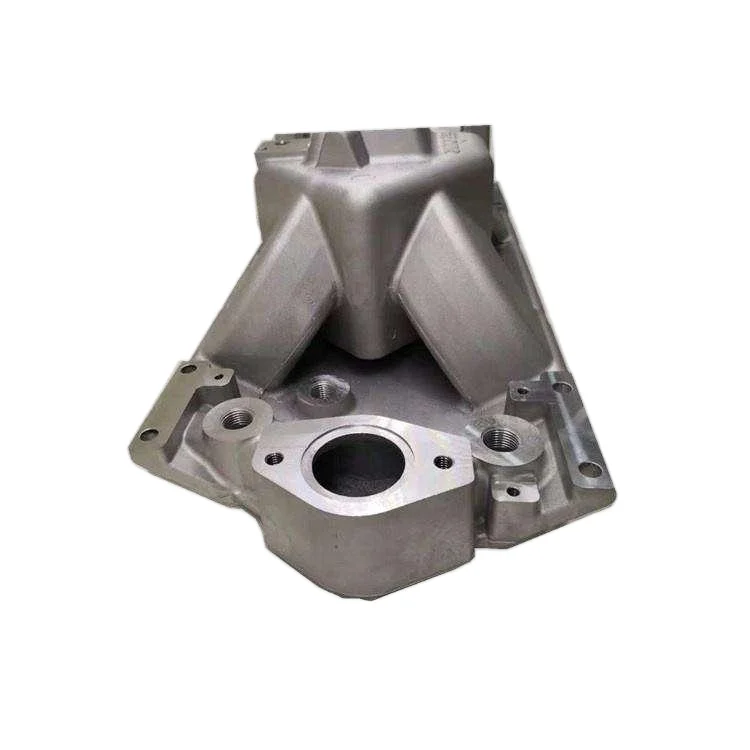
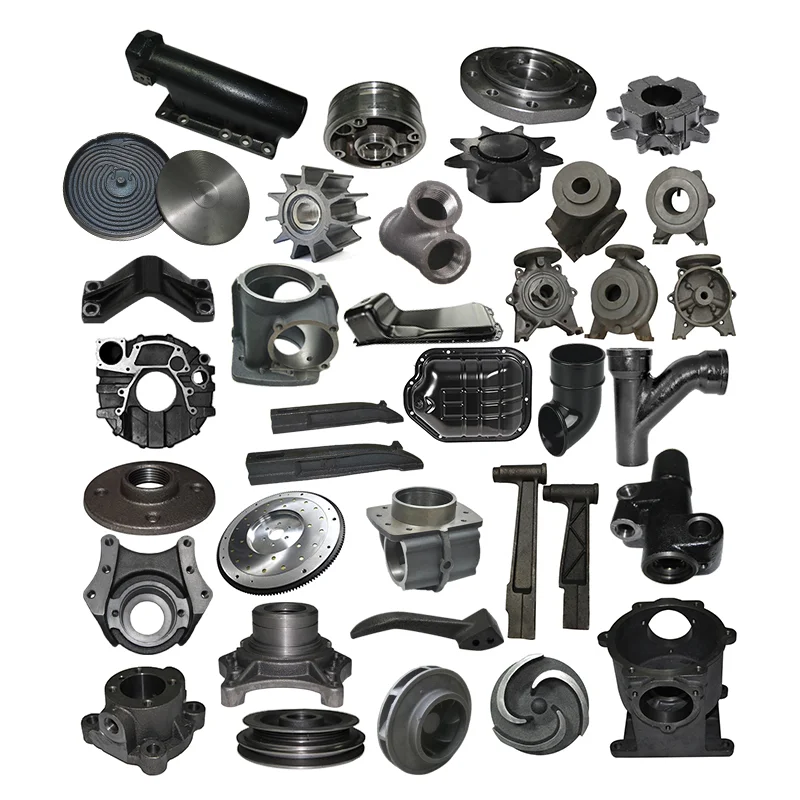
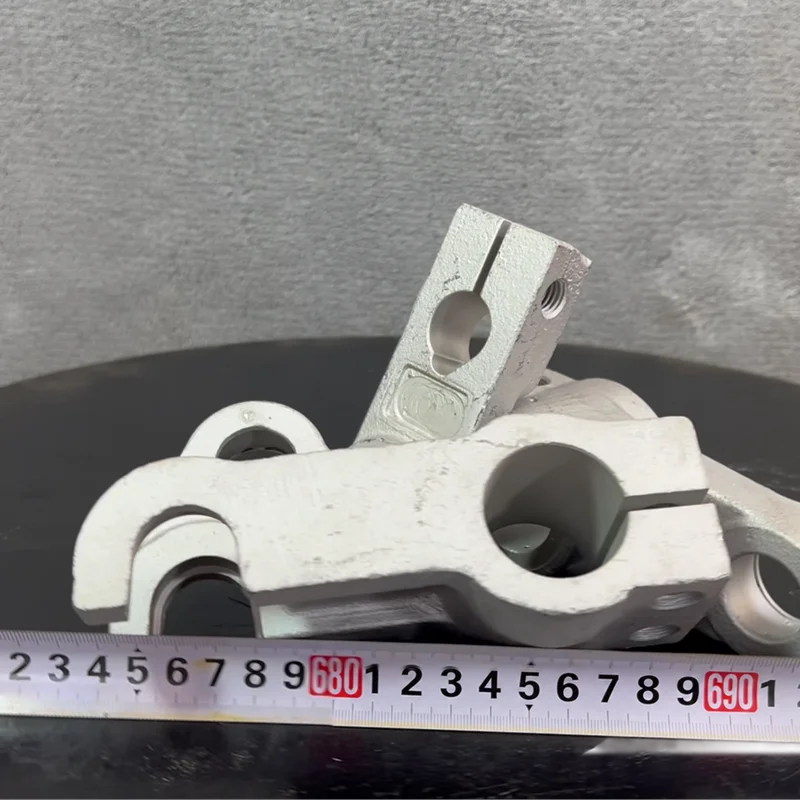
Custom automotive-machinery sand castings are offered in ASTM A48 Class35 gray iron, with ductile iron available as a separately defined material choice. OEM/ODM dimensions and tolerances follow the customer drawing. Select the complete grade and required material condition for the actual component.
Define the casting around its equipment role
Identify the working duty and how the part locates, mounts or contacts adjoining machinery. Show the interfaces governing installation and operation. Distinguish casting surfaces from areas requiring a different final supplied result, using dimensional limits attached to the controlling design.
- Provide the part drawing and its applicable revision.
- State quantity and the required supplied condition.
- Identify mating geometry relevant to final component fit.
- Describe material, dimensional and surface acceptance records.
Turn precision requirements into measurable limits
Indicate the references used to assess the casting and the measurement conditions for related interfaces. Explain which relationships must be checked together during approval. Define the actual permissible variation for each controlled area and the stage at which it applies.
Scope the inspection package
The stated 100% inspection under an ISO9001 system should be tied to the selected component’s actual checks and records. Request applicable certification documentation with the relevant holder and activity scope. Evaluate material-class acceptance separately from the equipment’s design load, retaining approved grade and interface decisions within the part definition used for further orders.