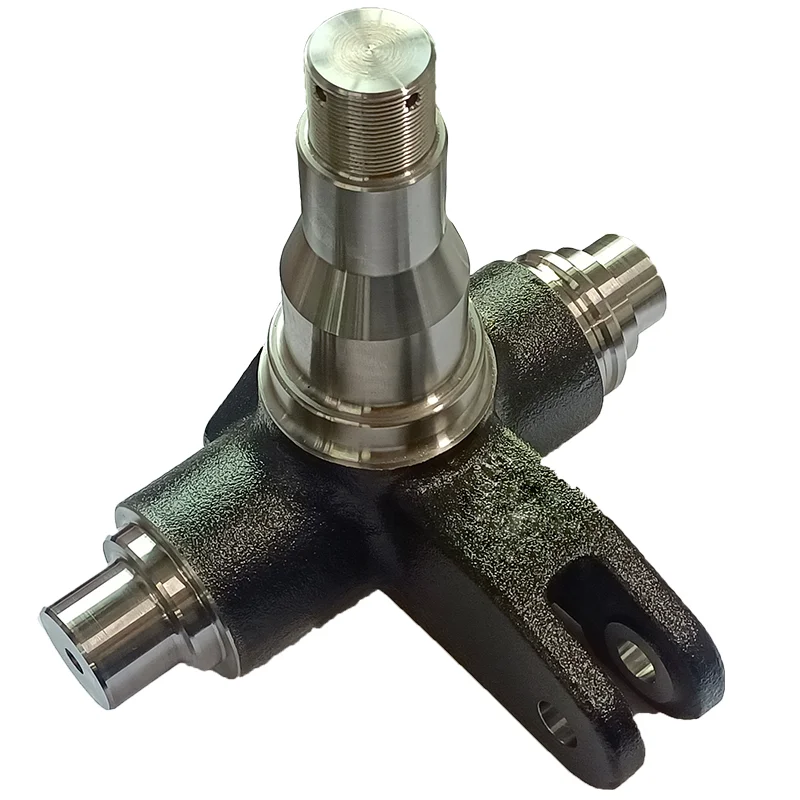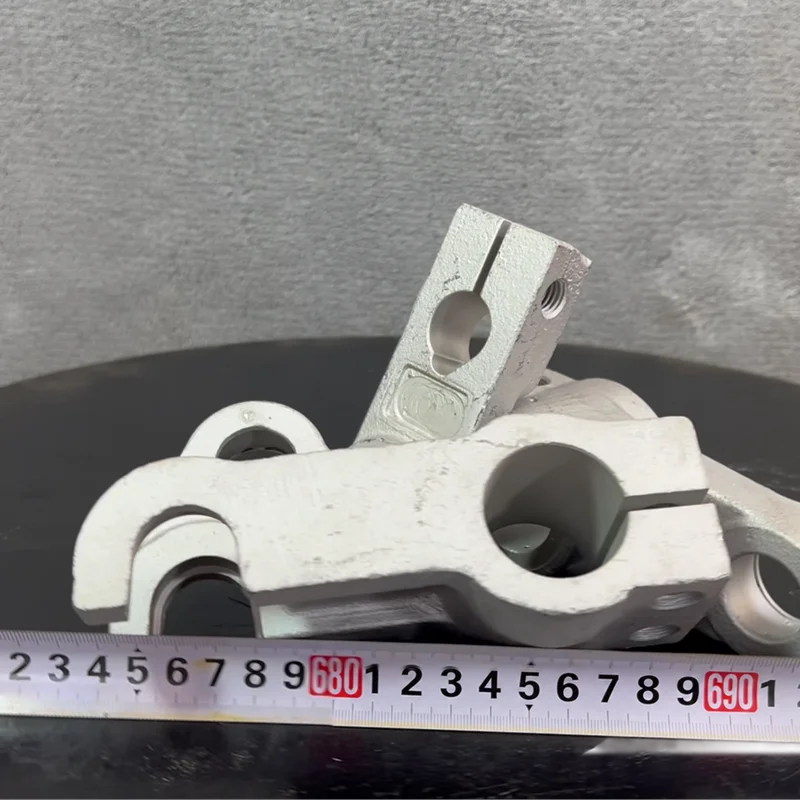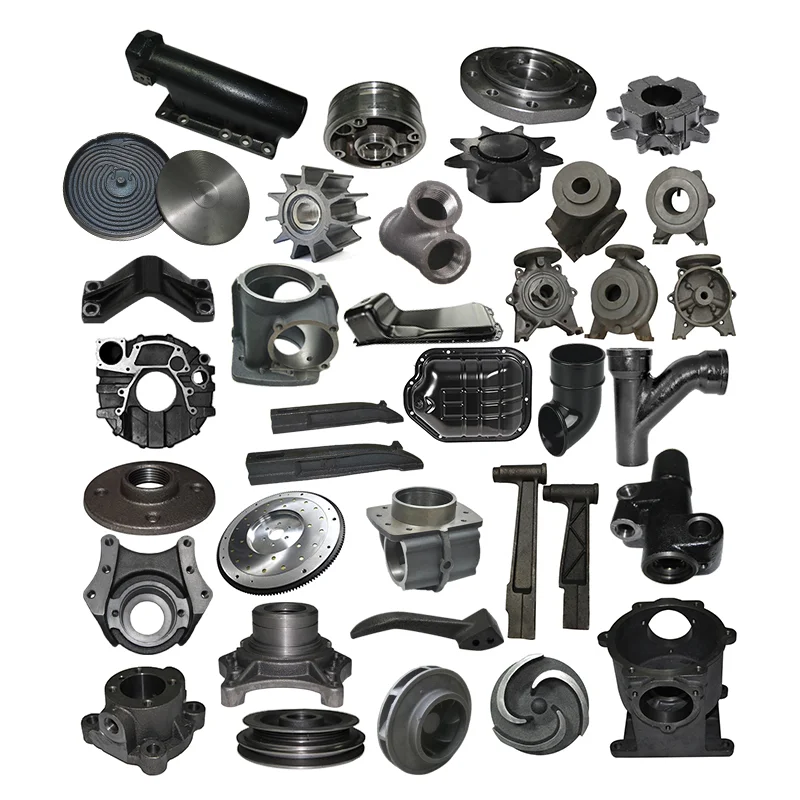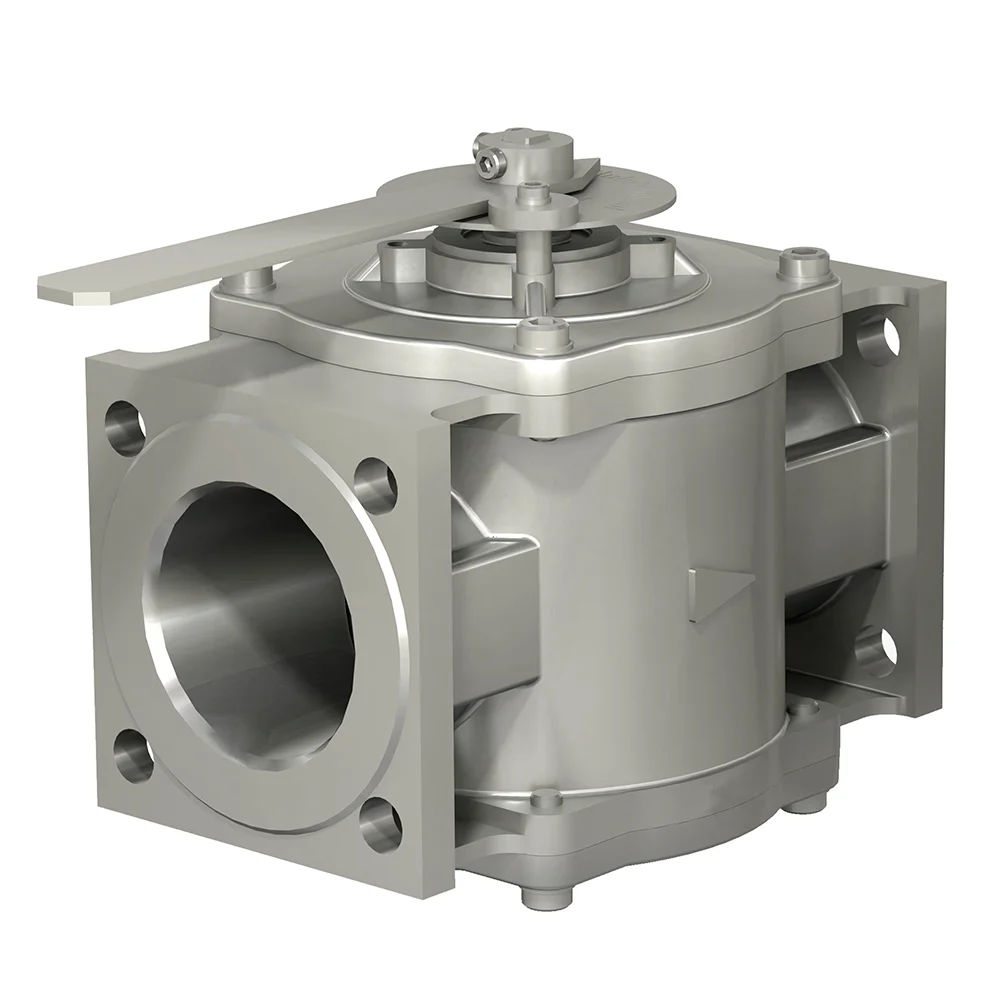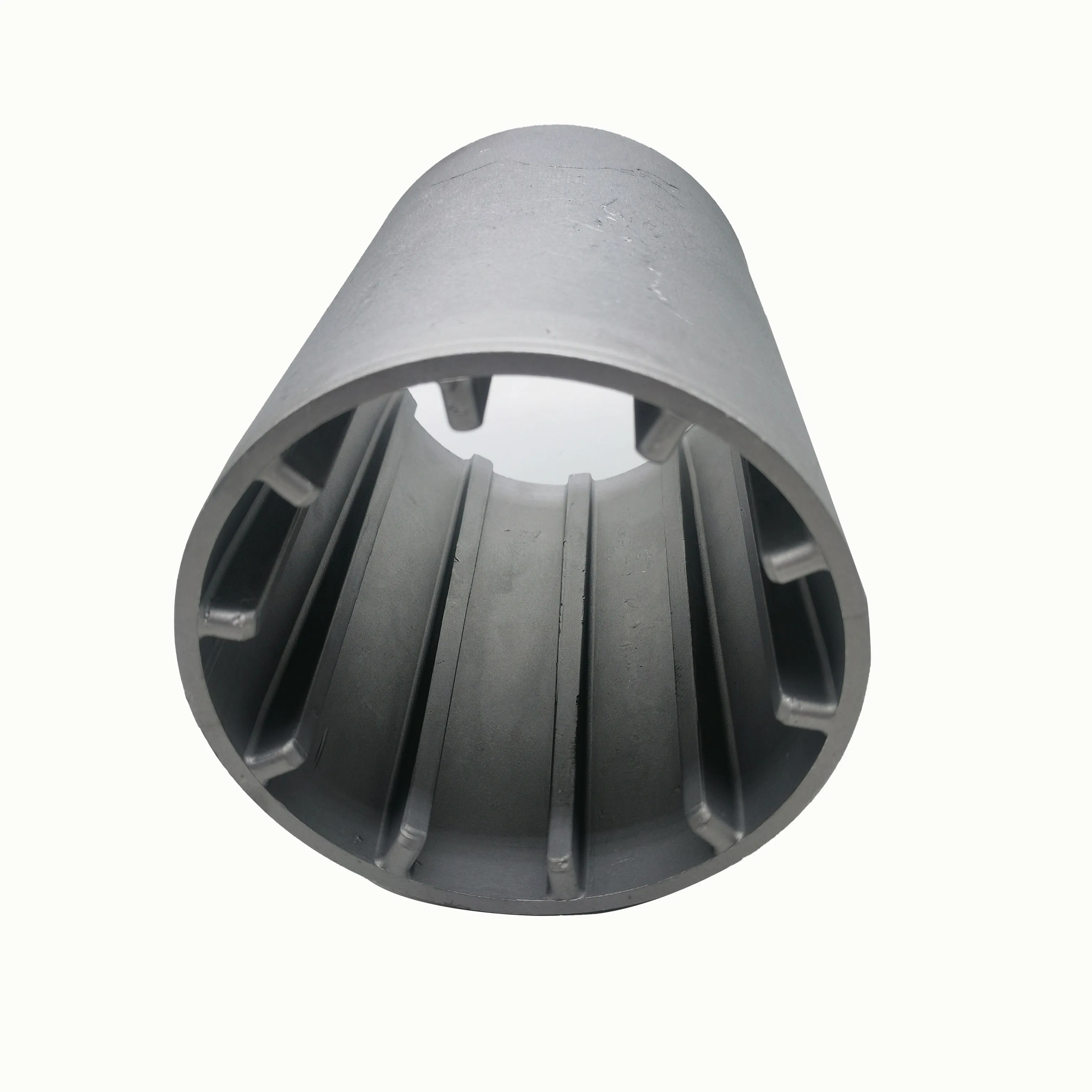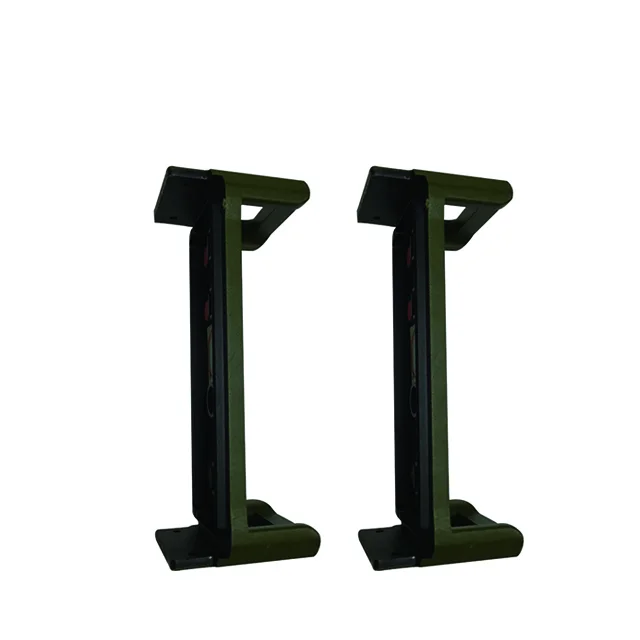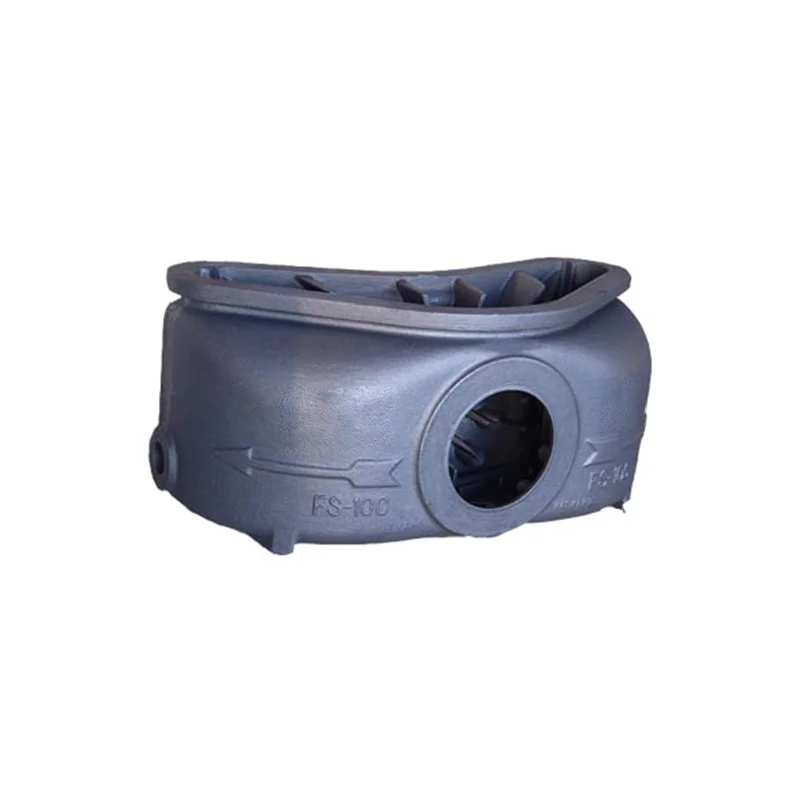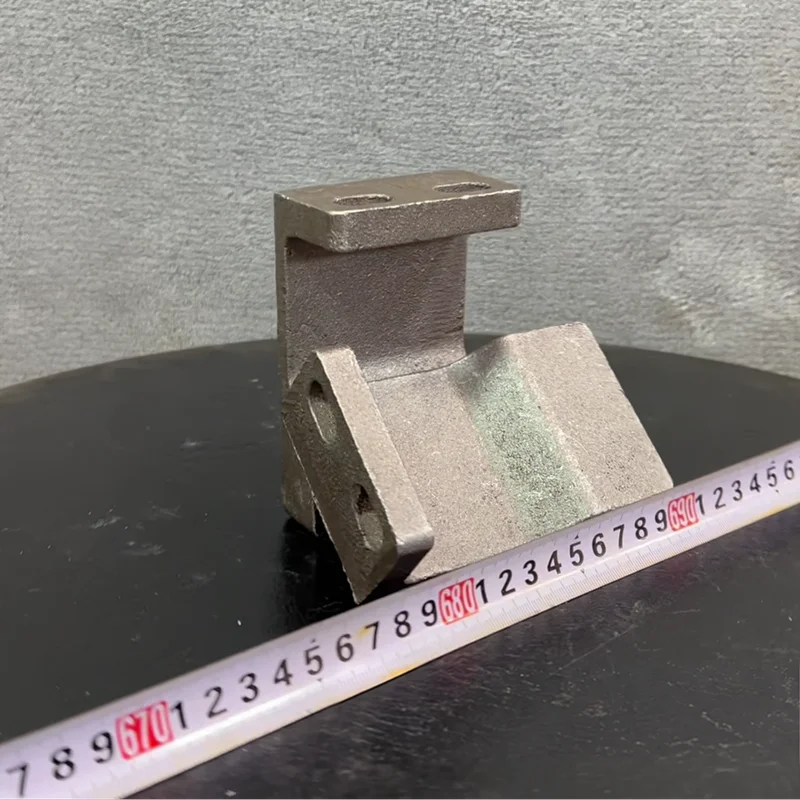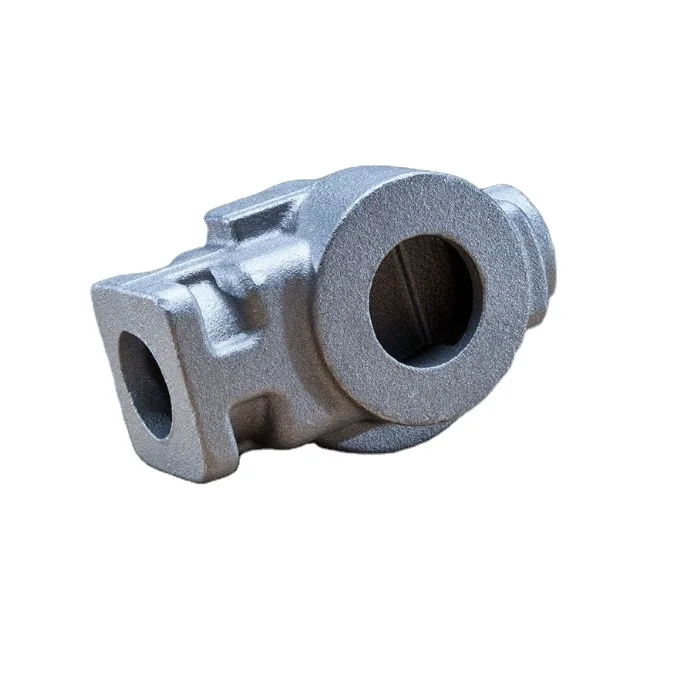
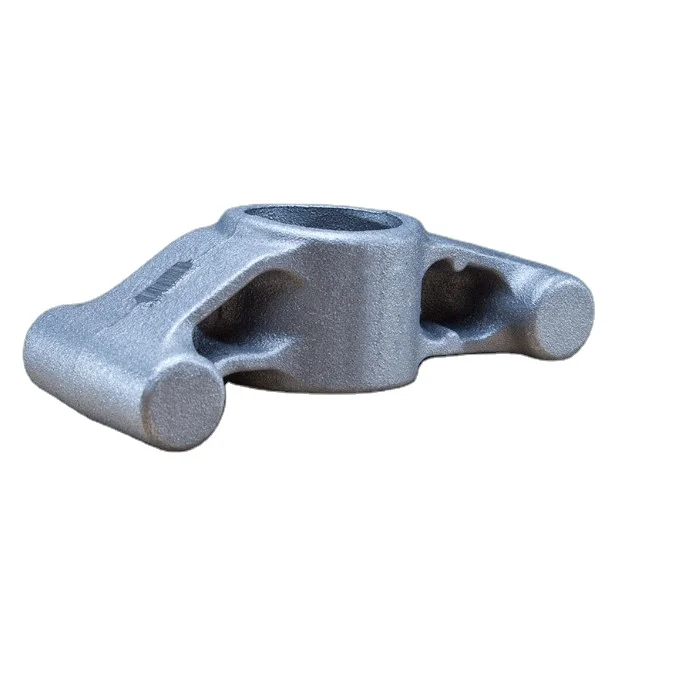
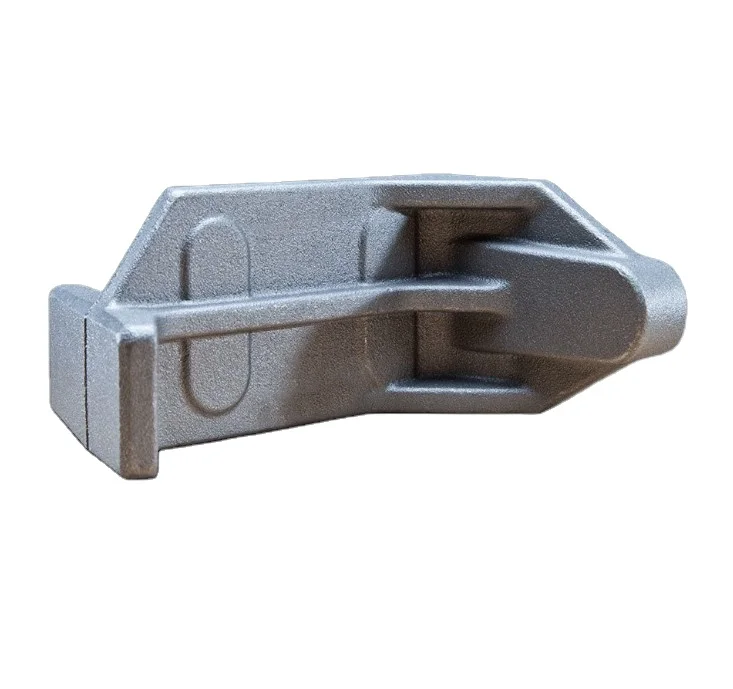
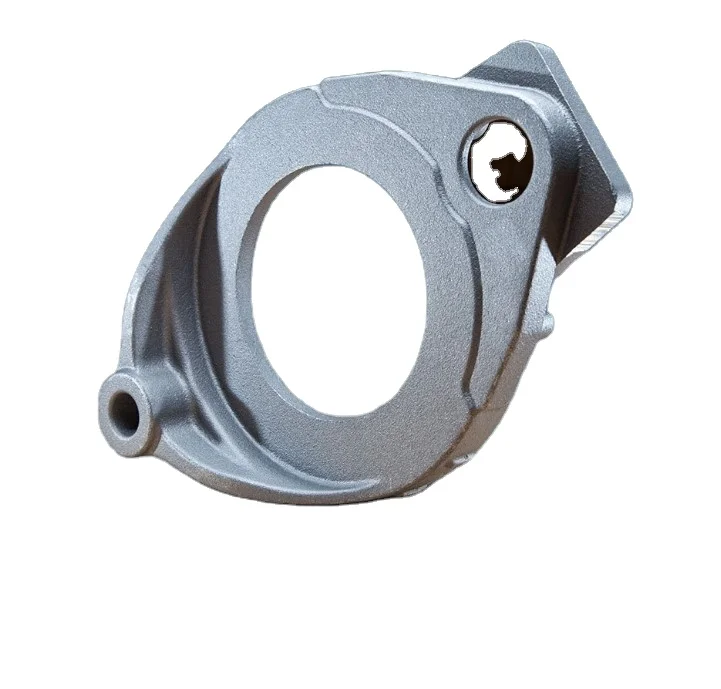
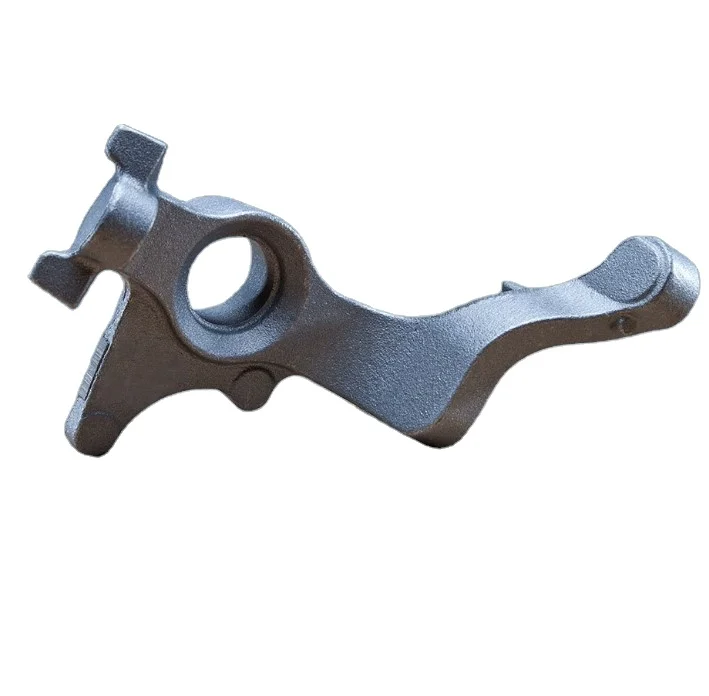
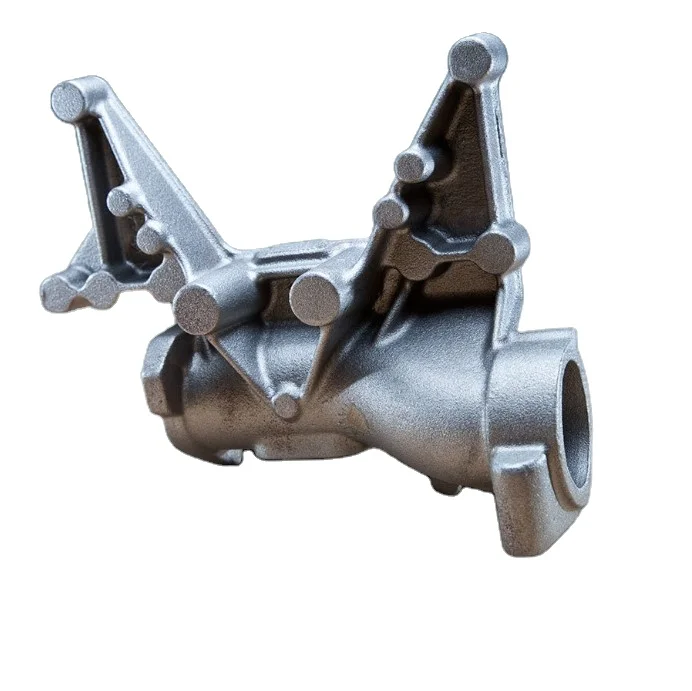
OEM ODM Custom Ductile Iron Sand Cast Parts with Optional Machining GB ASTM Drawing Requirements and Selected Surface Treatments
Direct factory support
Get a quote that fits your project
Send your drawing or product reference, material grade and required quantity. Relia will review the requirements with you.
- Drawing & specification review
Confirm the supply scope and critical requirements.
- Samples before custom production
Review inspected samples before approving a batch.
- Inspection documents
Agree material and dimensional records for your part.
-
Product nameCustom Casting Parts
-
StandardGB ASTM AISI DIN BSMaterialMetal
-
CertificationISO9001:2008/TS 16949ToleranceCustomer's Drawing Request
-
ProcessCasting +Machining(if Need)+surface TreatmentSurface treatmentBlasting, Polishing, Powder Coating, Zinc Plating, Chrome plating
-
ServiceOEM ODM
Custom ductile-iron sand-casting enquiries follow the selected component drawing and material specification. OEM/ODM service includes machining where needed before the requested finish. Define the complete iron grade and required condition around the actual part and its intended supplied state.
Identify the governing document and functional geometry
Specification families include GB, ASTM, AISI, DIN and BS. State the particular document and edition for the selected grade. Show mounting, locating and working interfaces with the datums and dimensional relationships controlling assembly fit.
Set machining and surface coverage
Tolerances follow customer drawing requirements. Mark dimensions needing finished control and the conditions in which they will be measured. Blasting, polishing, powder coating, zinc plating and chrome plating are surface choices; define the selected process, coverage and appearance for the actual iron and use.
Prepare the inspection and qualification brief
Identify material, dimensional and appearance records needed for acceptance. Identify the finished contact surfaces included in the dimensional approval brief. Specify masking and final contact conditions where finishing affects fit. Request applicable ISO9001:2008 and TS16949 documents with their current supplier or activity scope alongside the component-specific approval requirements.
- Provide quantity and the controlling revision.
- Define the required delivered material condition.
- Explain what a sample or initial part must demonstrate.
- Retain approved geometry and surface changes with the drawing.
Keep the selected route and final-interface requirements connected to production approval of the actual custom ductile-iron casting.