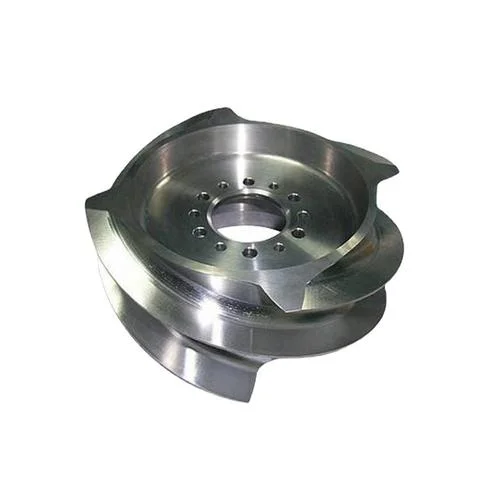
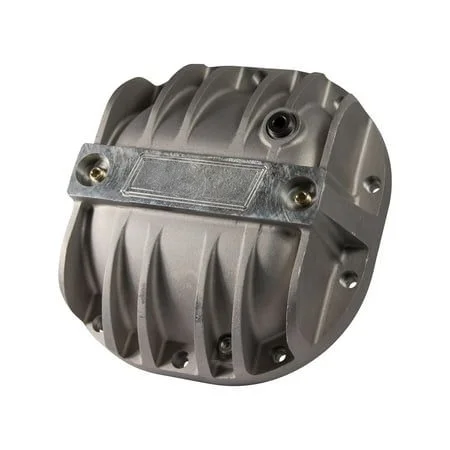
OEM ODM Custom Iron Sand Casting with Optional Machining Polishing and Separate Steel Zinc Aluminum Precision Forging Enquiries
Direct factory support
Get a quote that fits your project
Send your drawing or product reference, material grade and required quantity. Relia will review the requirements with you.
- Drawing & specification review
Confirm the supply scope and critical requirements.
- Samples before custom production
Review inspected samples before approving a batch.
- Inspection documents
Agree material and dimensional records for your part.
-
MaterialIron
-
ApplicationIndustrySurface treatmentPolishing
-
ProcessCasting +Machining(if Need)+surface TreatmentTolerance0.1-0.05mm
-
ServiceOEM\ODMStandardISO9001:2008
-
CertificationIATF16949ColorCustormer's Requirements
-
Product nameCustom Casting Parts
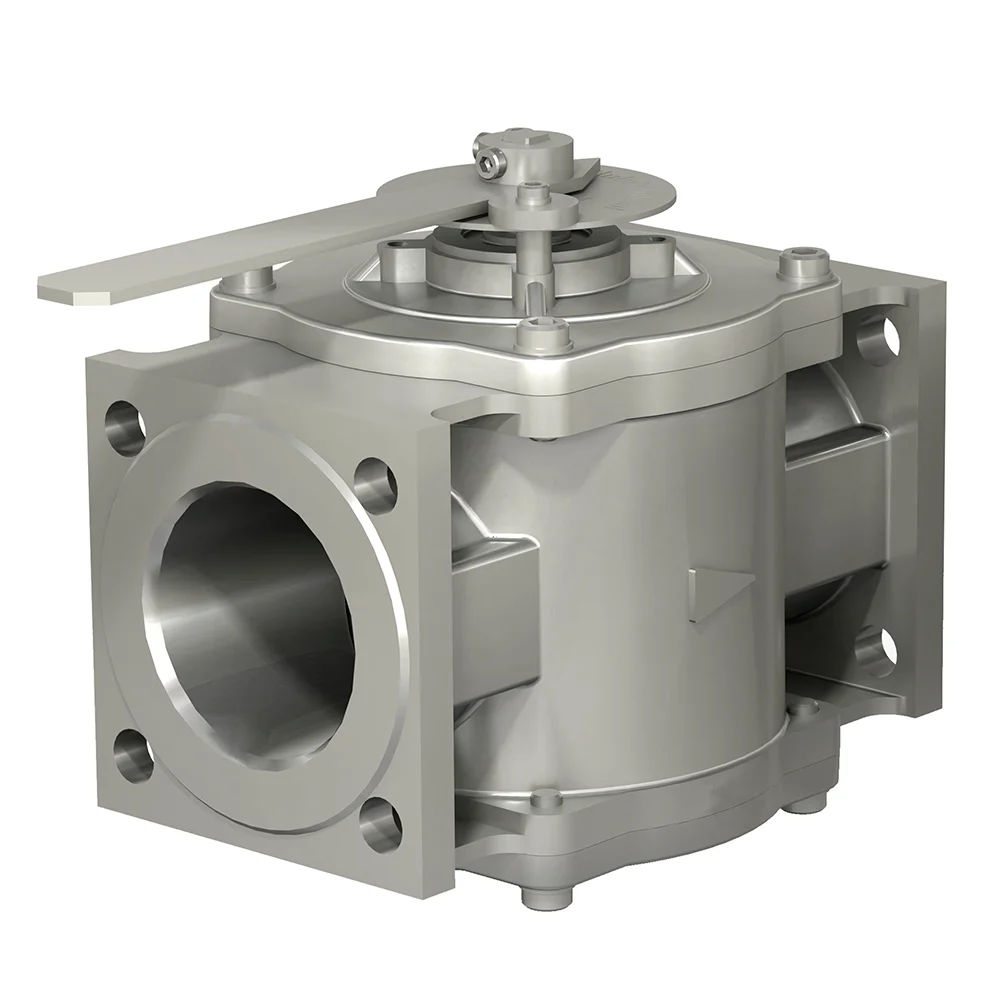
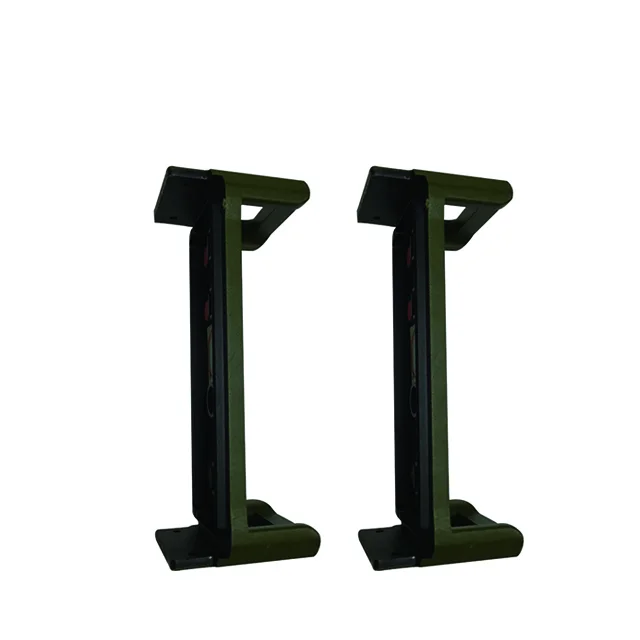
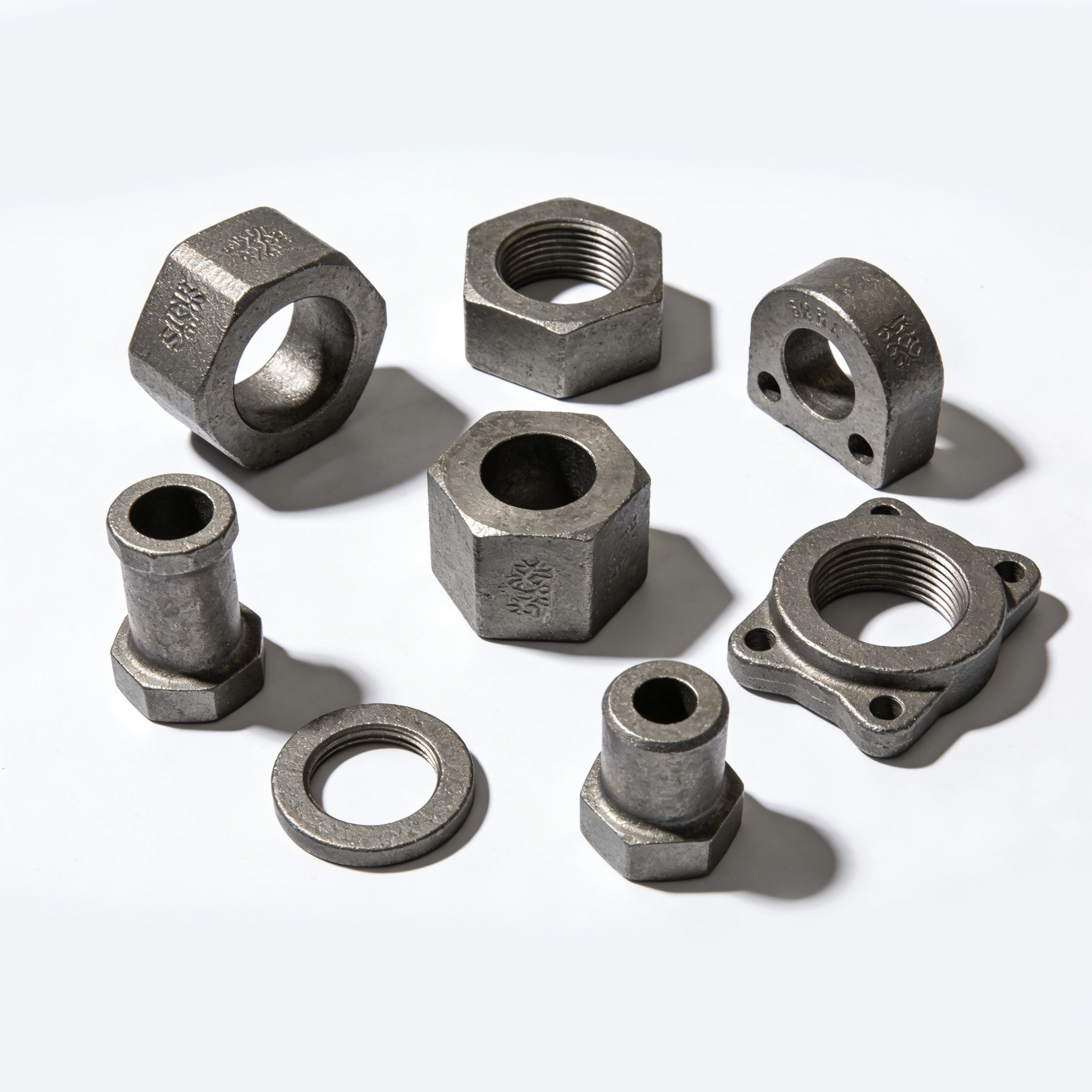
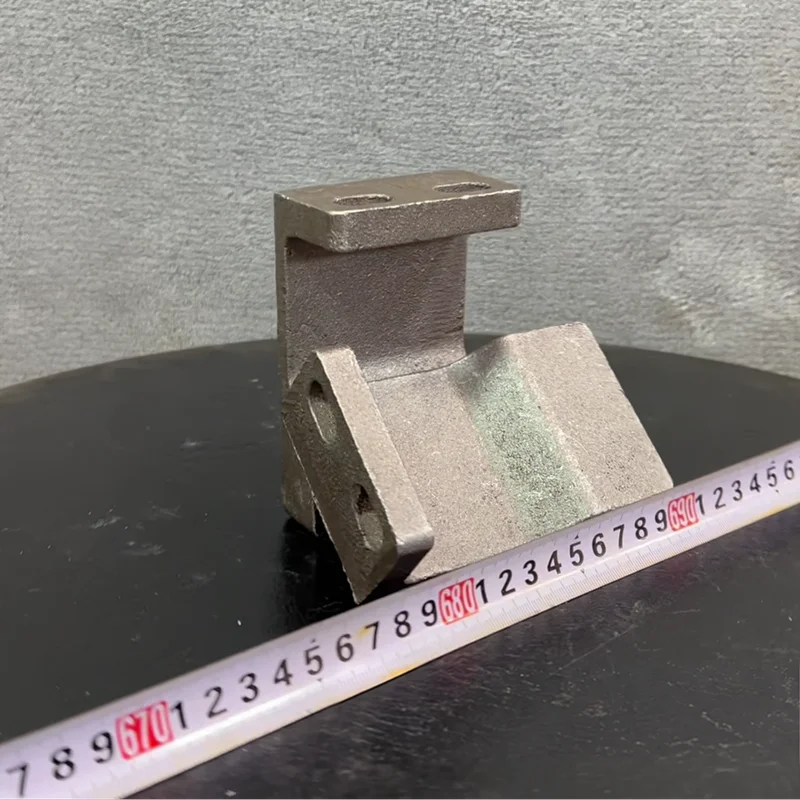
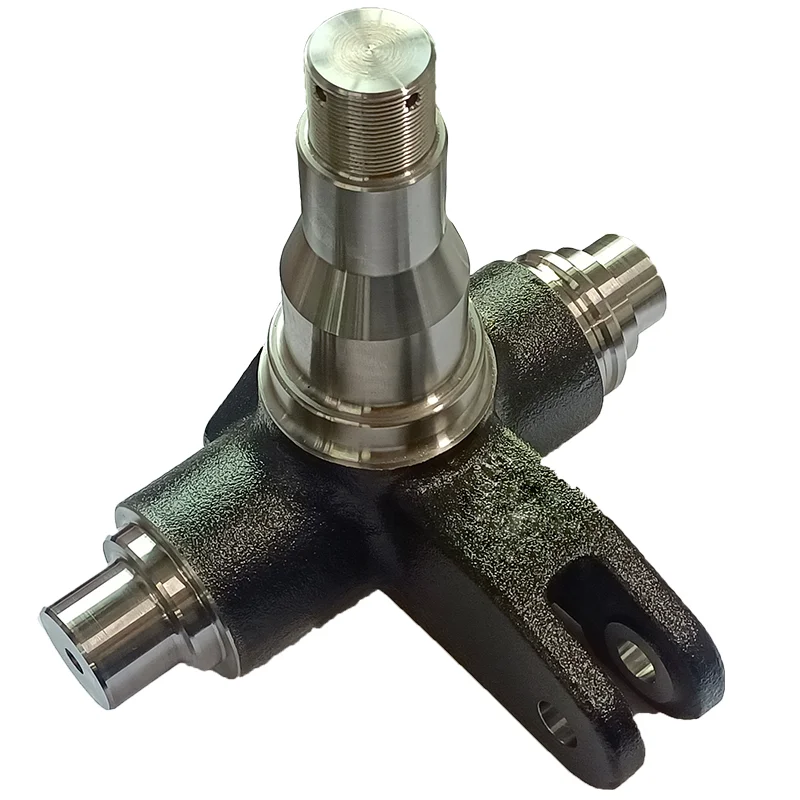
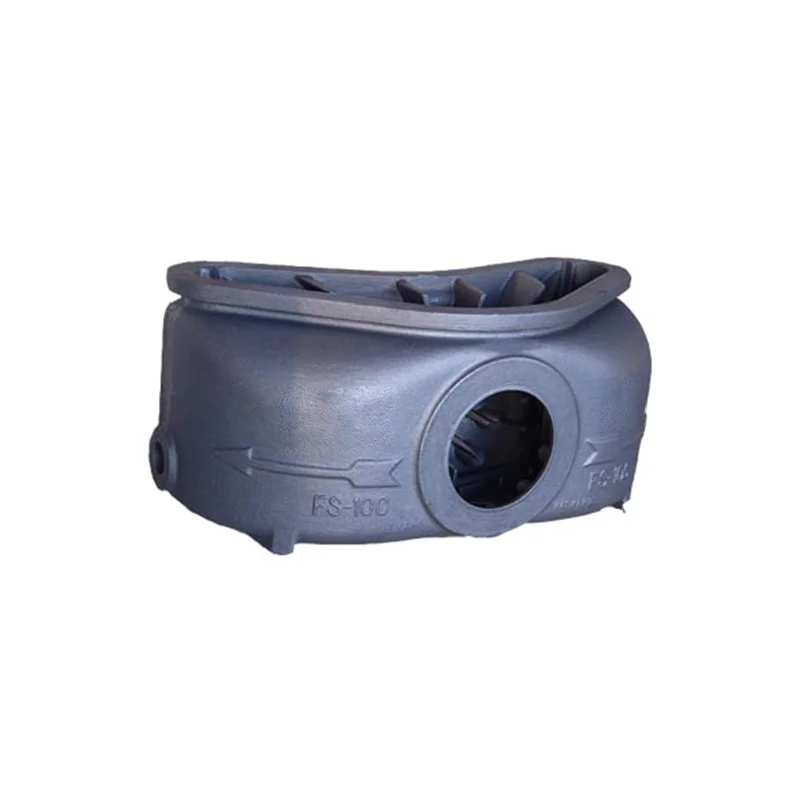
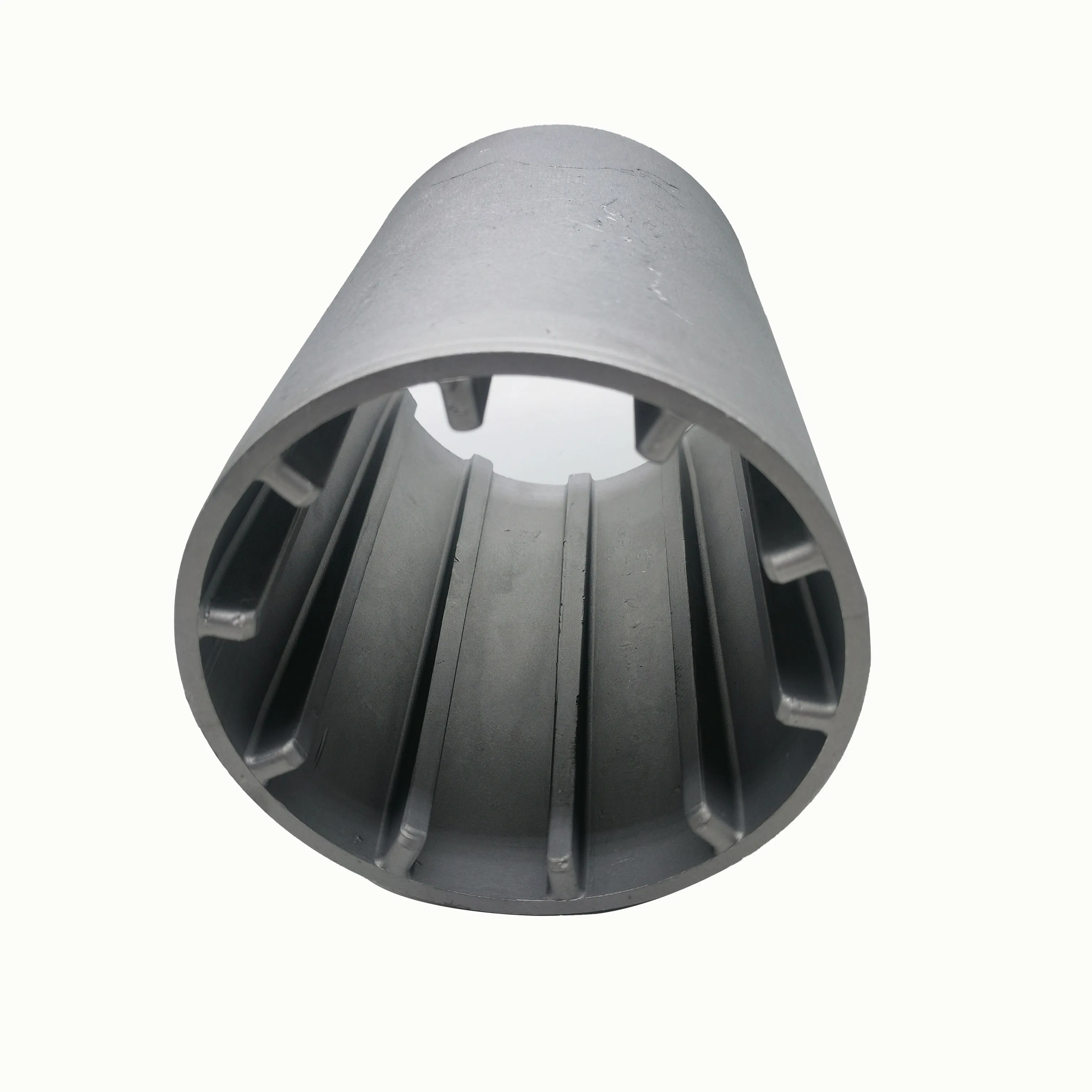
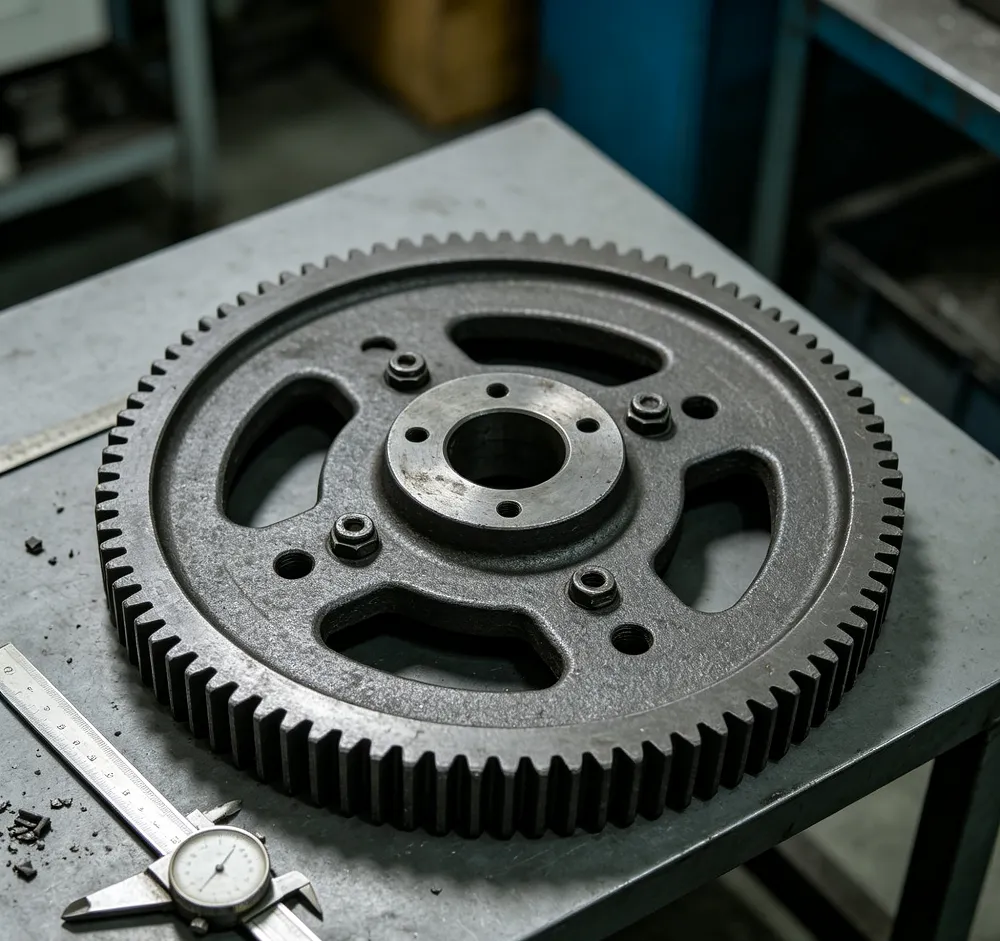
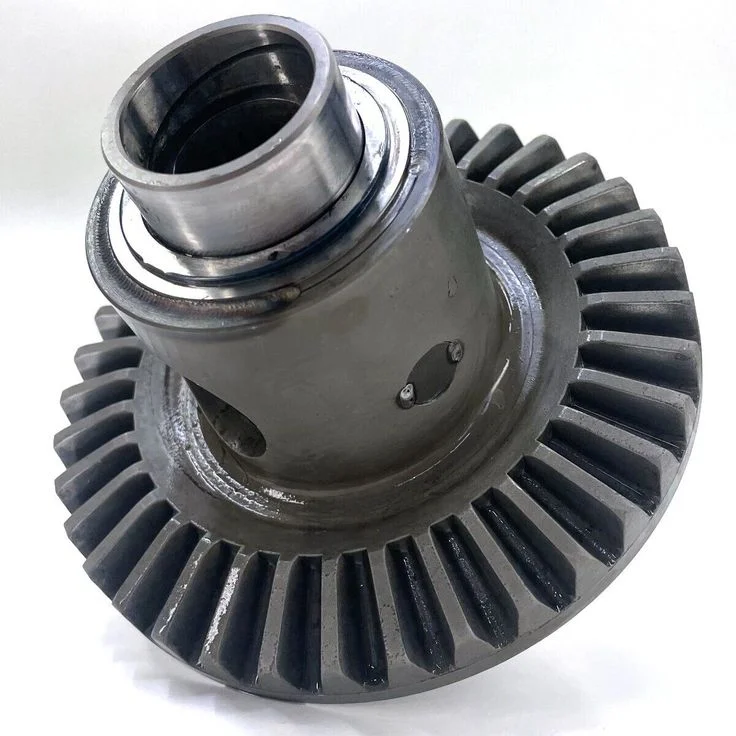
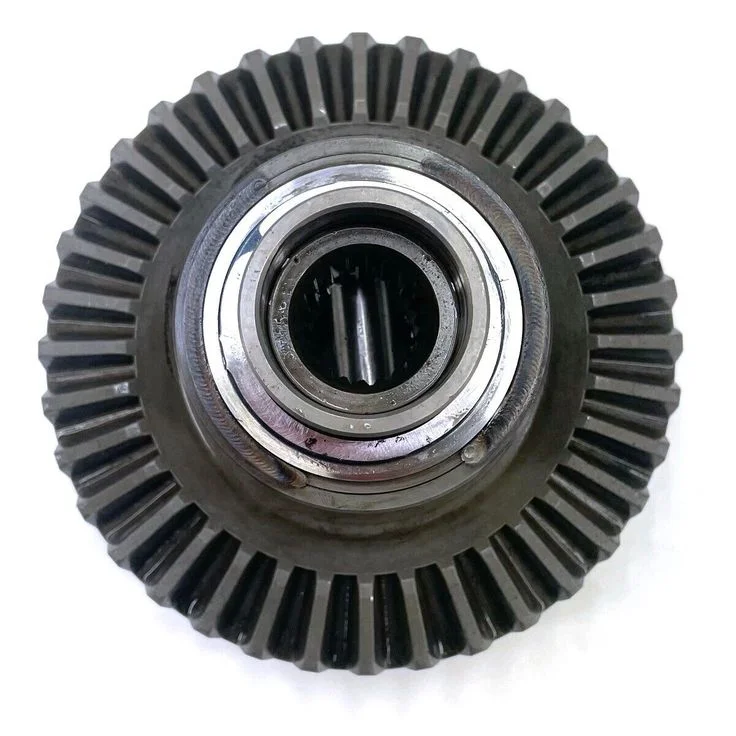
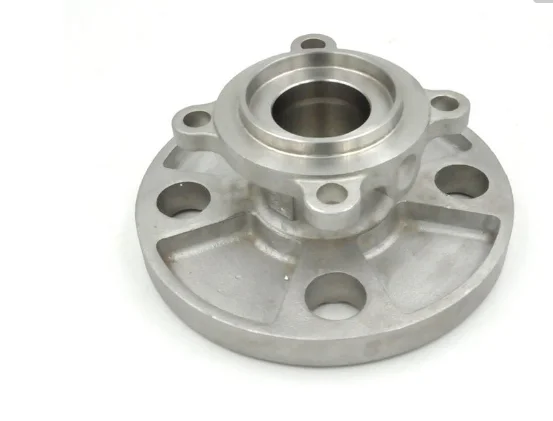
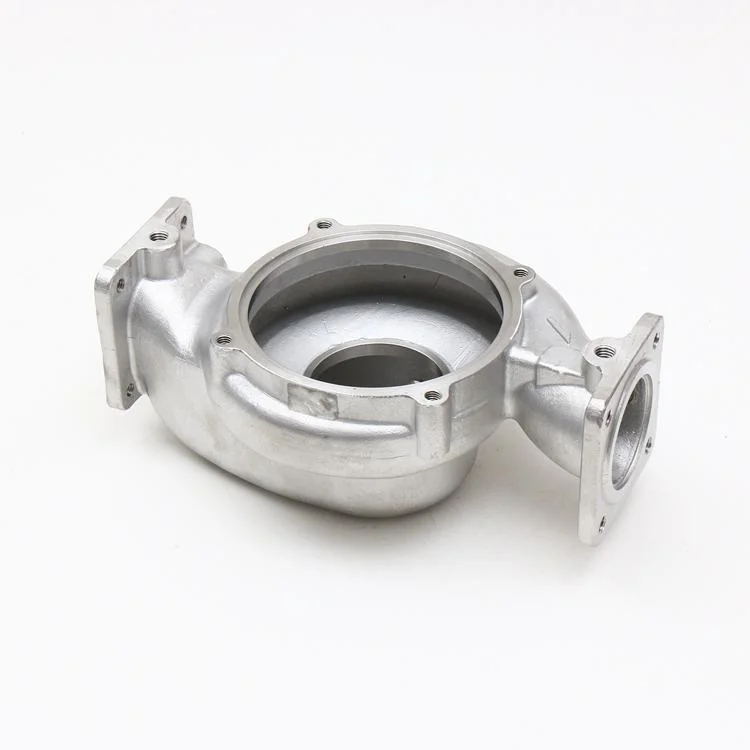
Industrial custom iron components are offered through casting, optional machining and surface treatment, including polishing. Sand casting and separate precision-forging enquiries can be discussed for the appropriate design. Steel, zinc alloy and aluminum are independent material choices requiring their own compatible manufacturing route.
Select the material and forming route together
Identify the complete grade, required condition and working duty of the chosen part. Explain the geometry and interfaces driving the casting or forging request. Keep that route attached to the selected component rather than combining different manufacturing alternatives into one assumed sequence.
Define dimensional acceptance by stage
For the 0.1–0.05 mm tolerance reference, establish the convention, controlled dimensions and applicable processing stage. Mark locating relationships and interfaces assessed together for final fit. Identify which areas need machining and which are accepted in the cast state.
- Provide the controlling drawing revision and item quantity.
- Specify polished areas and their intended contact or appearance result.
- Identify customer-required color for the selected surface treatment.
- Define the records needed to approve material and finished geometry.
Set OEM ODM approval requirements
Request applicable ISO9001:2008 and IATF16949 documentation with the relevant holder and activity scope. Explain what an initial component must demonstrate at its working interfaces. Retain agreed alloy, route, machining and finishing decisions within the part record so later requests refer to the same accepted industrial design.