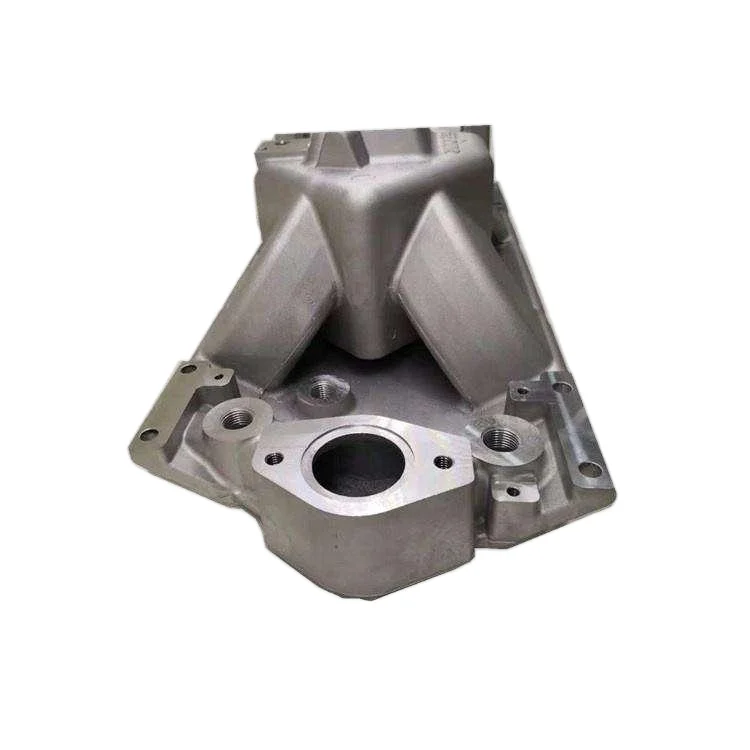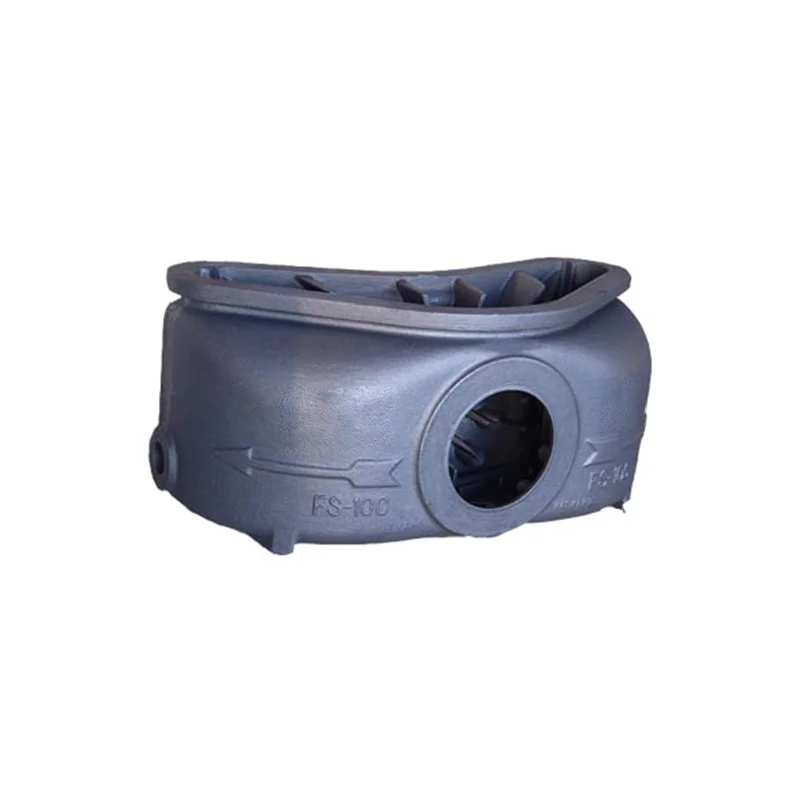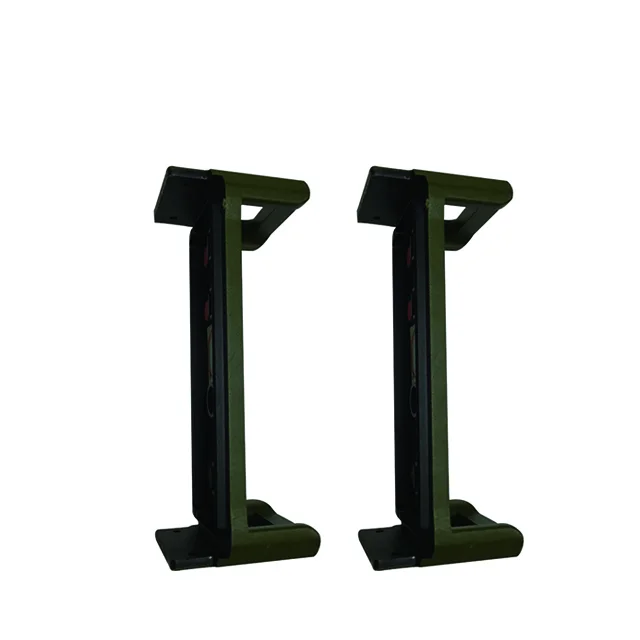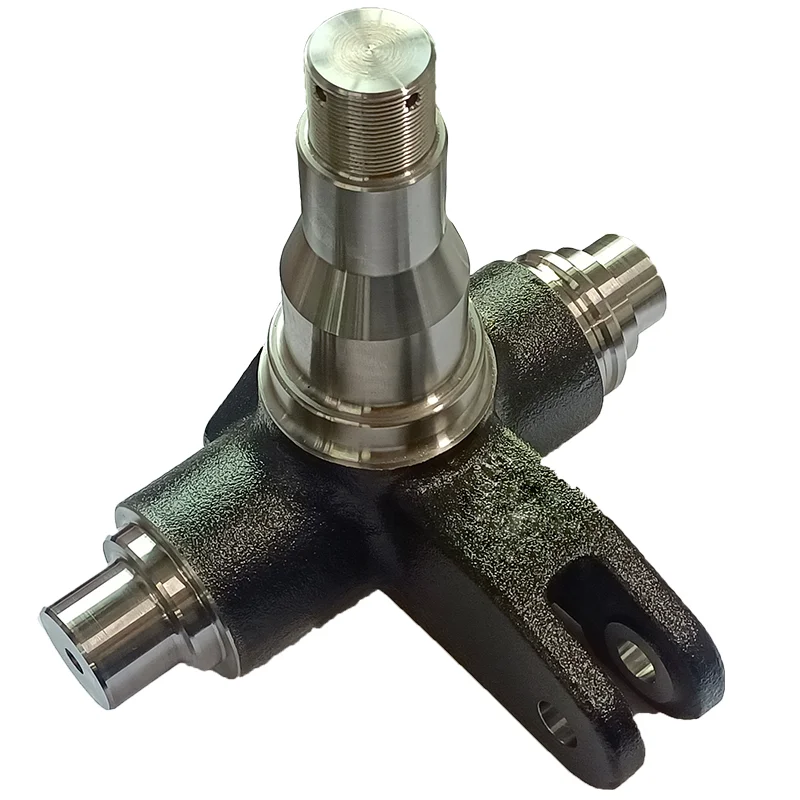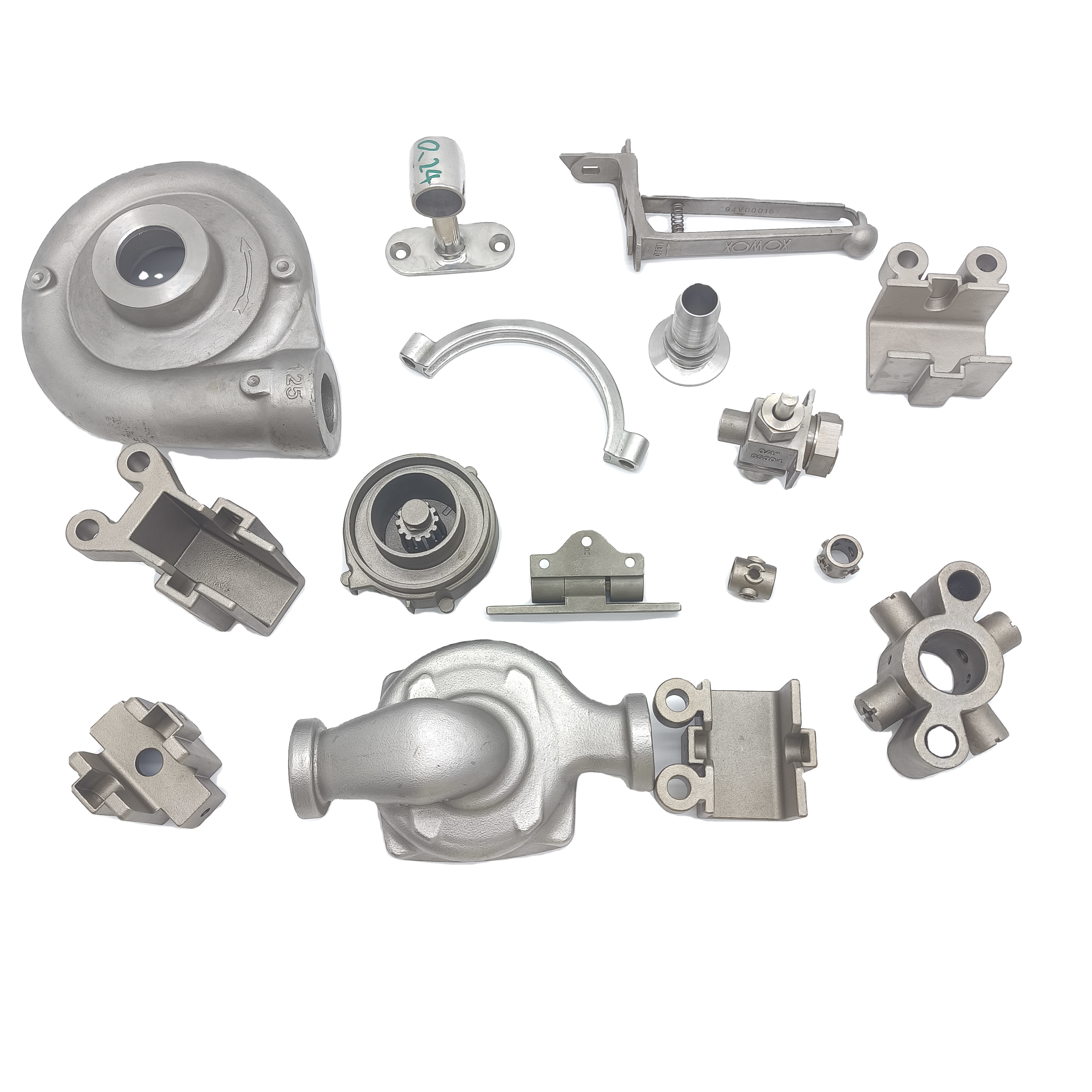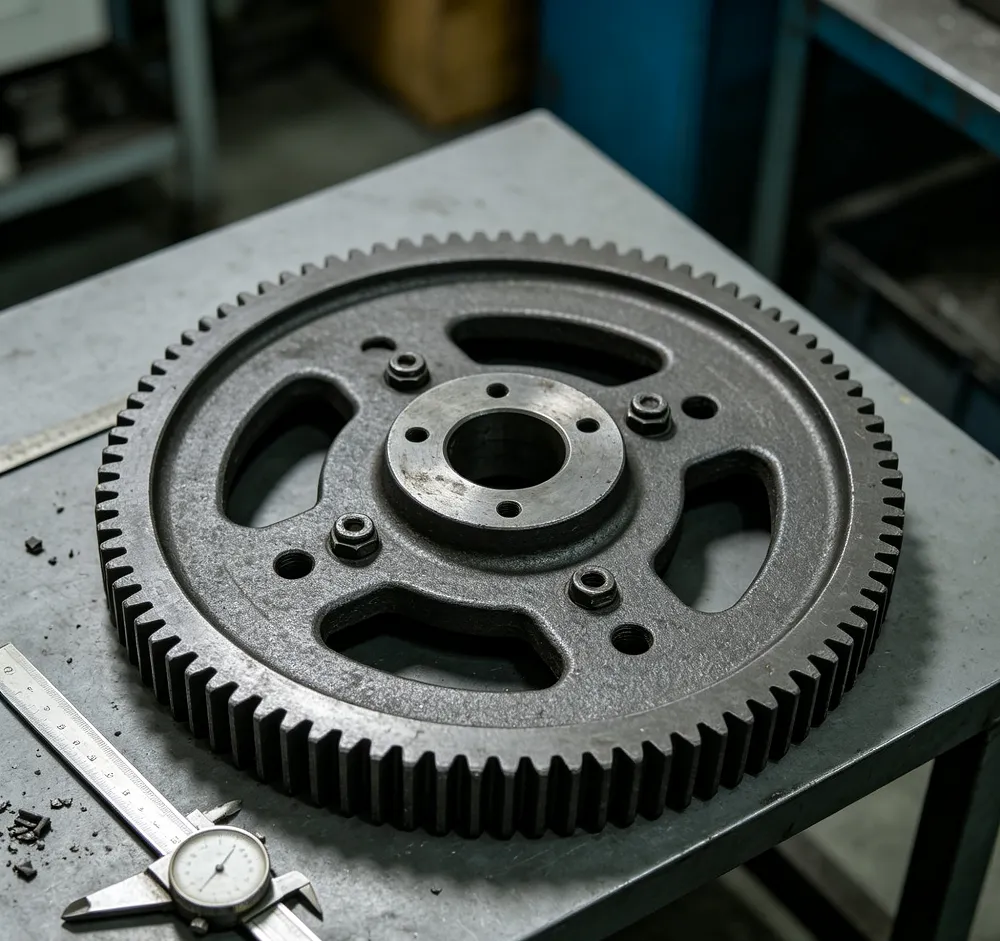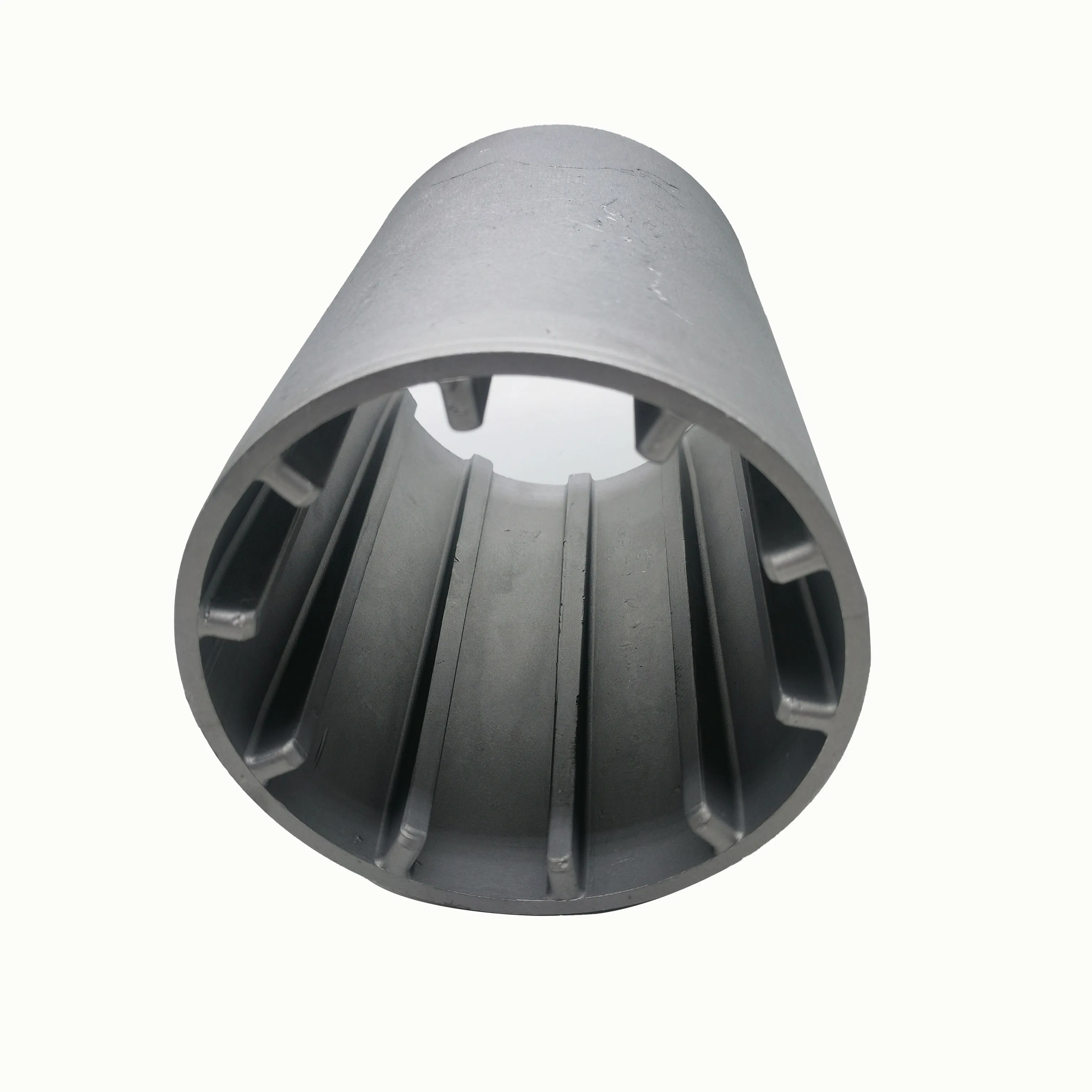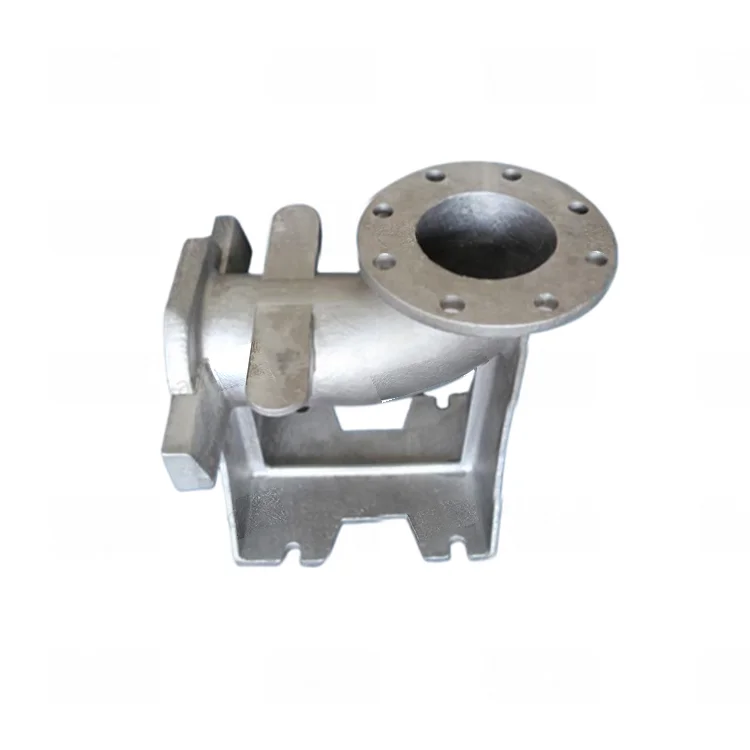
OEM ODM Special Shaped Iron Stainless Steel Coated Sand Lost Wax Cast Parts with CNC Machining and CT4–CT6 Scope
Direct factory support
Get a quote that fits your project
Send your drawing or product reference, material grade and required quantity. Relia will review the requirements with you.
- Drawing & specification review
Confirm the supply scope and critical requirements.
- Samples before custom production
Review inspected samples before approving a batch.
- Inspection documents
Agree material and dimensional records for your part.
-
MaterialStainless Steel,Iron
-
ApplicationMachinery PartsSurface treatmentCustomers' Demand
-
ProcessCasting +Machining(if Need)+surface TreatmentServiceOEM\ODM
-
CertificationISO9001:2015Lead Time30-45days
-
Machining ProcessLost Wax+CNC MechiningToleranceCT4-CT6
-
DimensionsCustomized Dimension
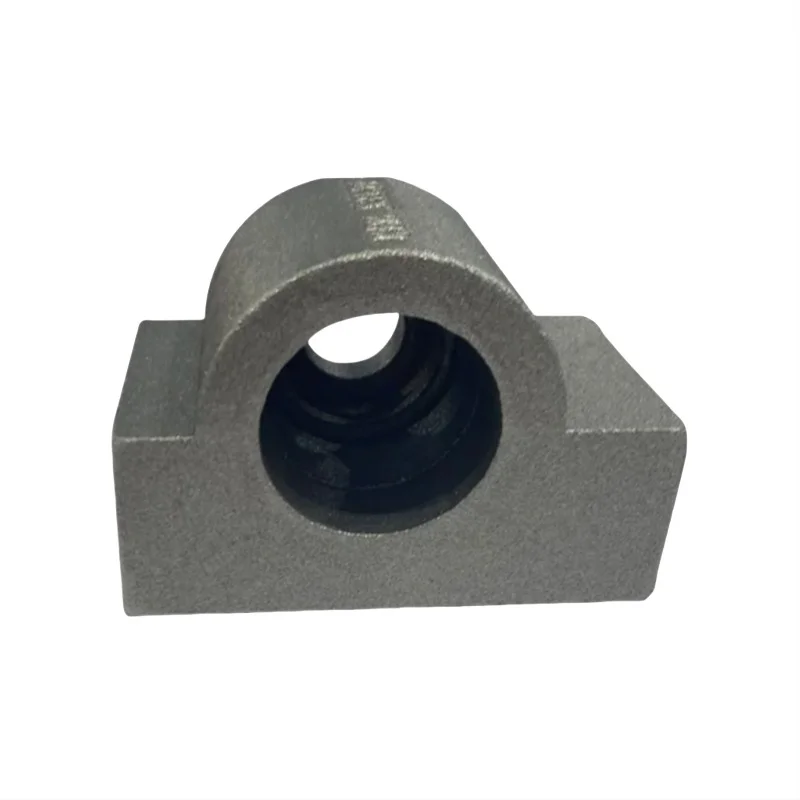
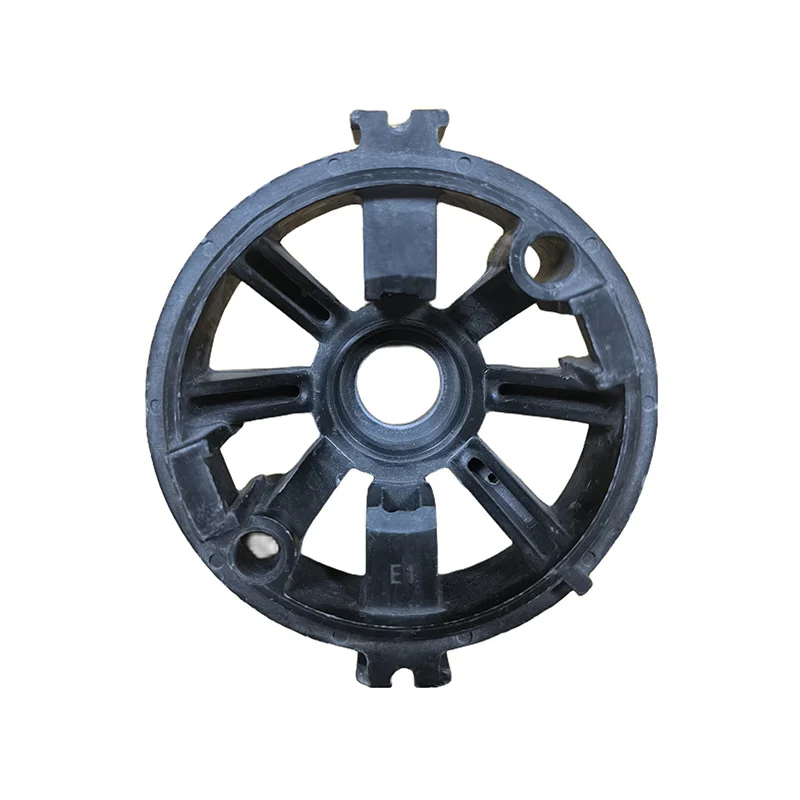
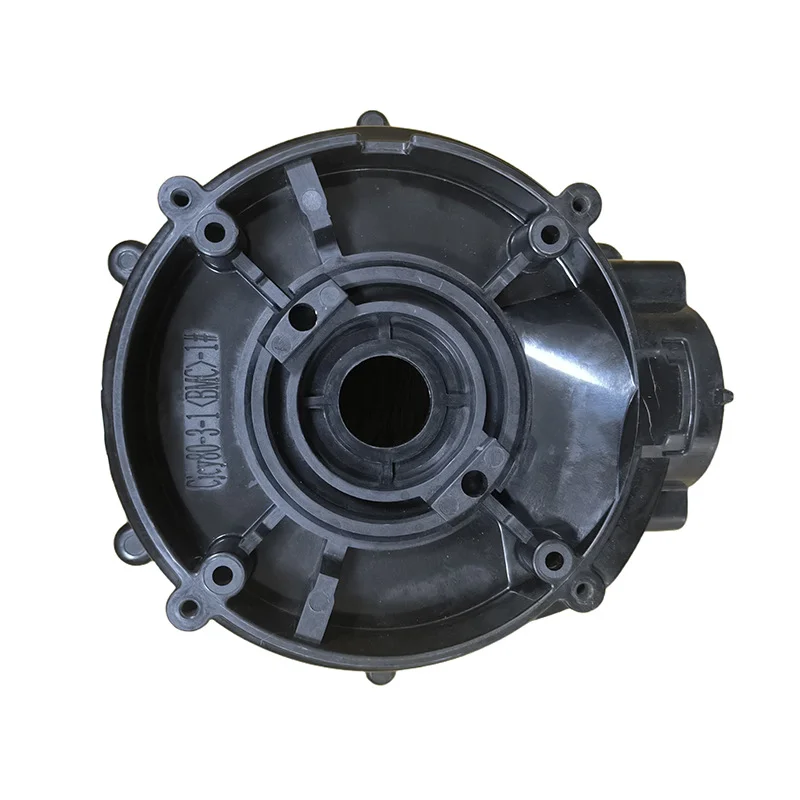
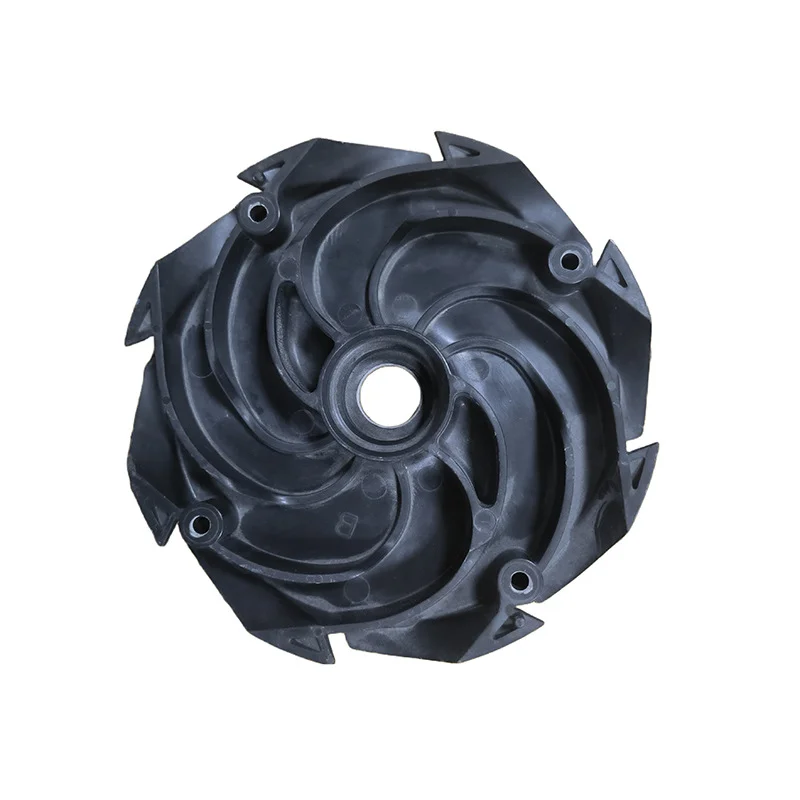
Special-shaped, nonstandard machinery components are offered in iron or stainless steel with selected coated-sand or lost-wax casting and CNC machining. OEM/ODM dimensions follow the actual part drawing. Specify the complete grade and required material condition for the component being ordered.
Describe the nonstandard geometry in its assembly
Show mounting, locating and working contacts with surrounding equipment parts. Identify the overall and internal form relevant to the casting proposal. Put functional datums and dimensional relationships on the drawing so the selected manufacturing scope addresses the actual component.
Assign casting and CNC acceptance separately
The tolerance reference is CT4–CT6. Define the applicable features, governing requirement and delivered stage for that reference. Identify finished CNC dimensions and measurement conditions independently, distinguishing cast-state surfaces from interfaces requiring particular final limits. Identify which special-shaped interfaces must be assessed together to approve the assembly fit.
Specify the requested surface and approval result
Surface treatment follows customer requirements. Define the actual process, substrate, coverage and appearance at working or visible areas. Identify masking or final contact conditions where treatment affects installation, with material and dimensional records needed for approval.
- Provide quantity and the controlling revision.
- Request applicable ISO9001:2015 documentation and scope.
- Explain what an initial component must demonstrate.
- Retain approved material, geometry and finish changes with the drawing.
Keep the selected casting route and final CNC requirements connected to production acceptance of the actual special-shaped machinery part.