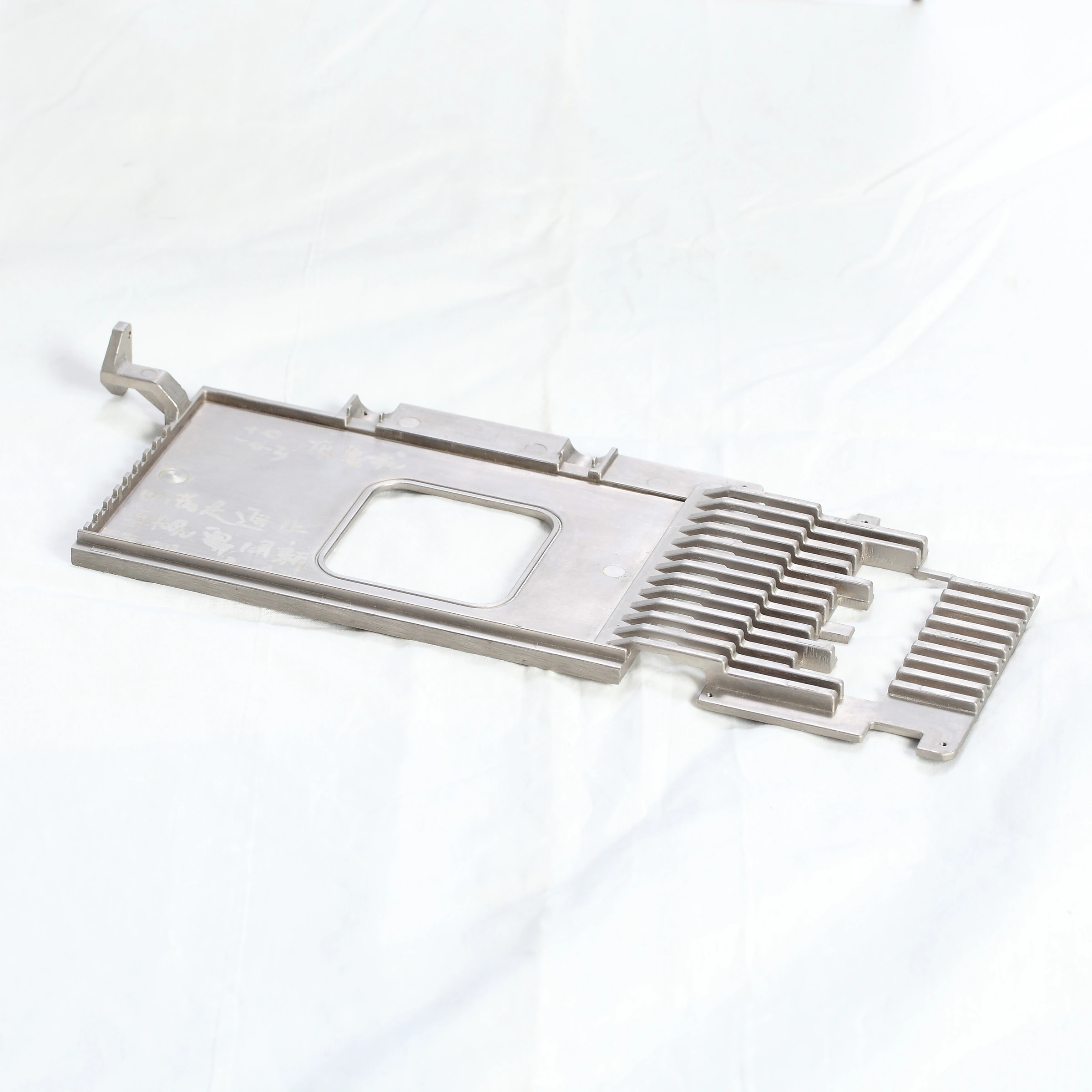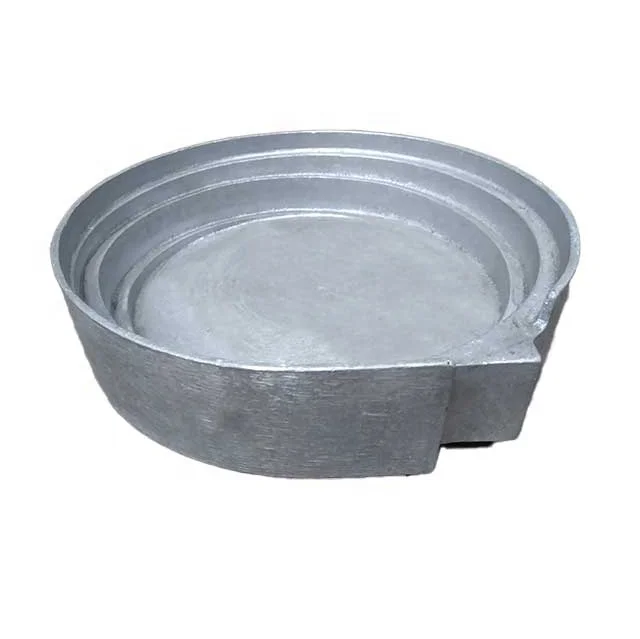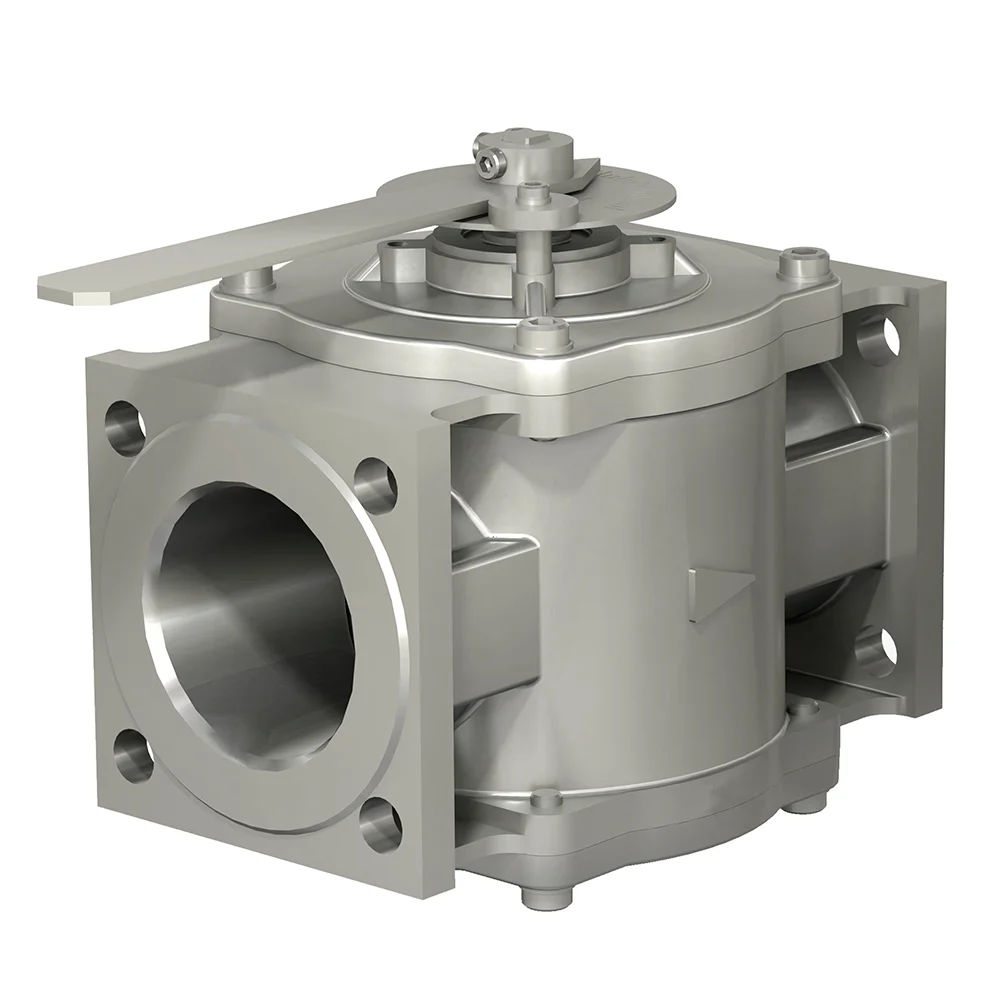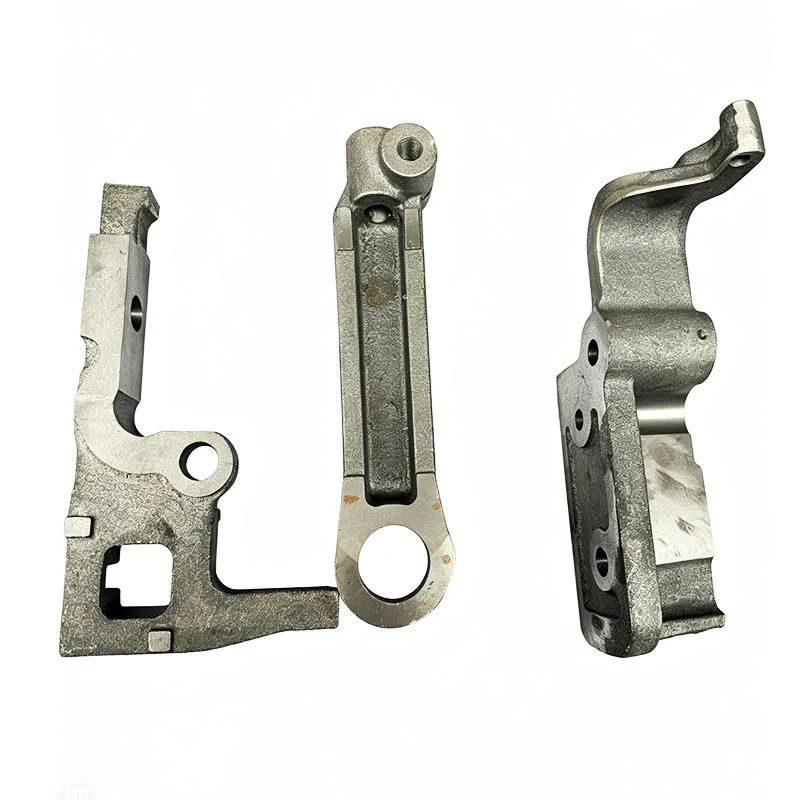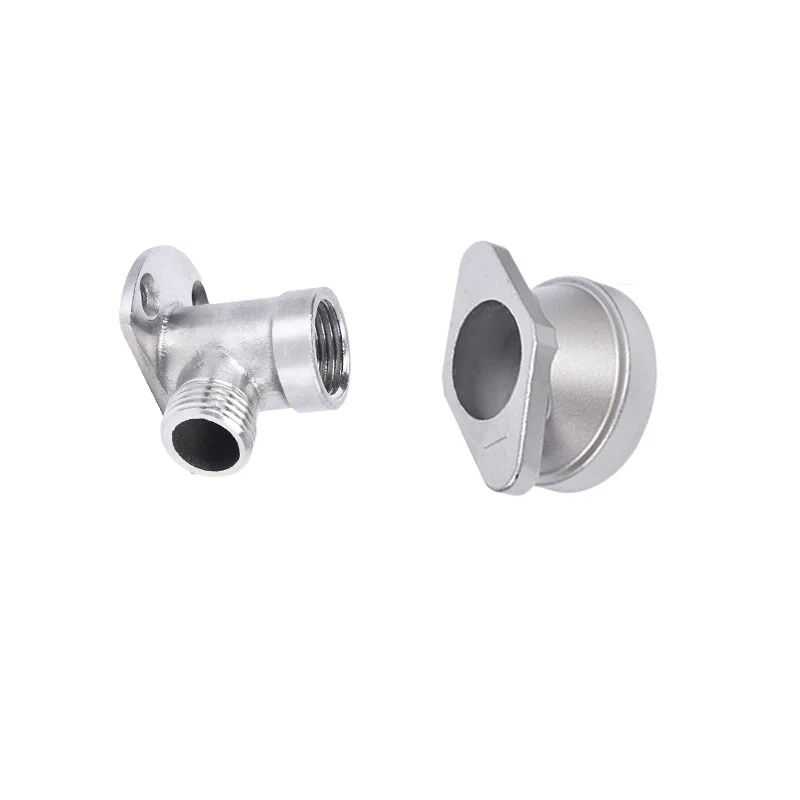
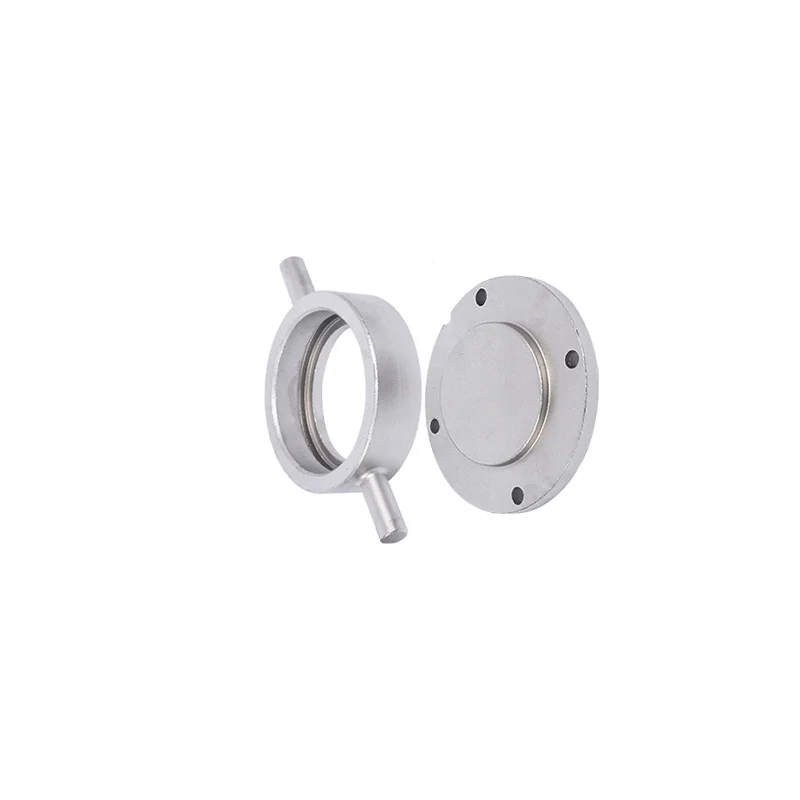
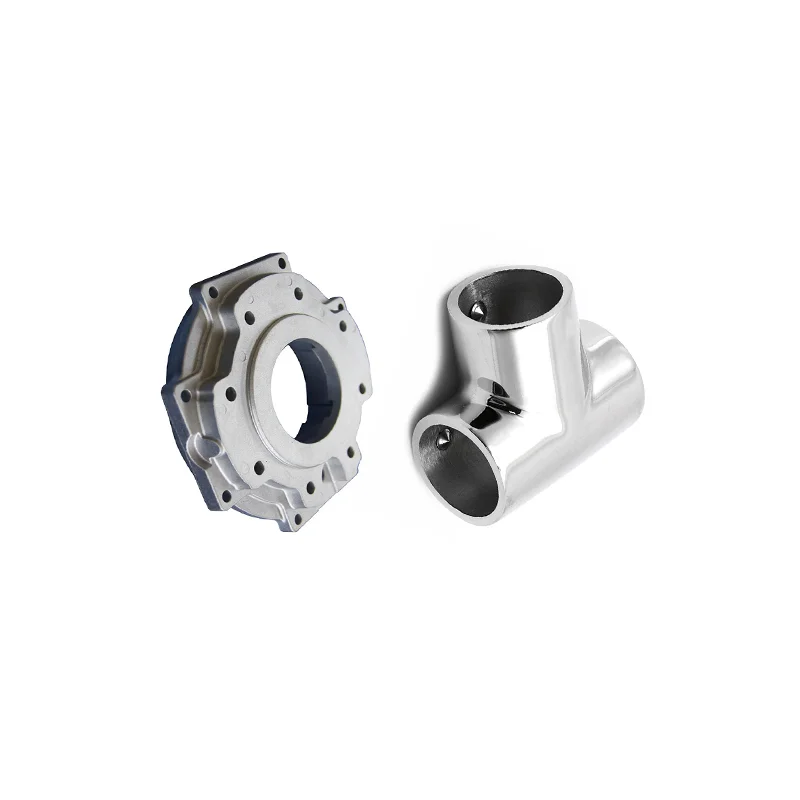
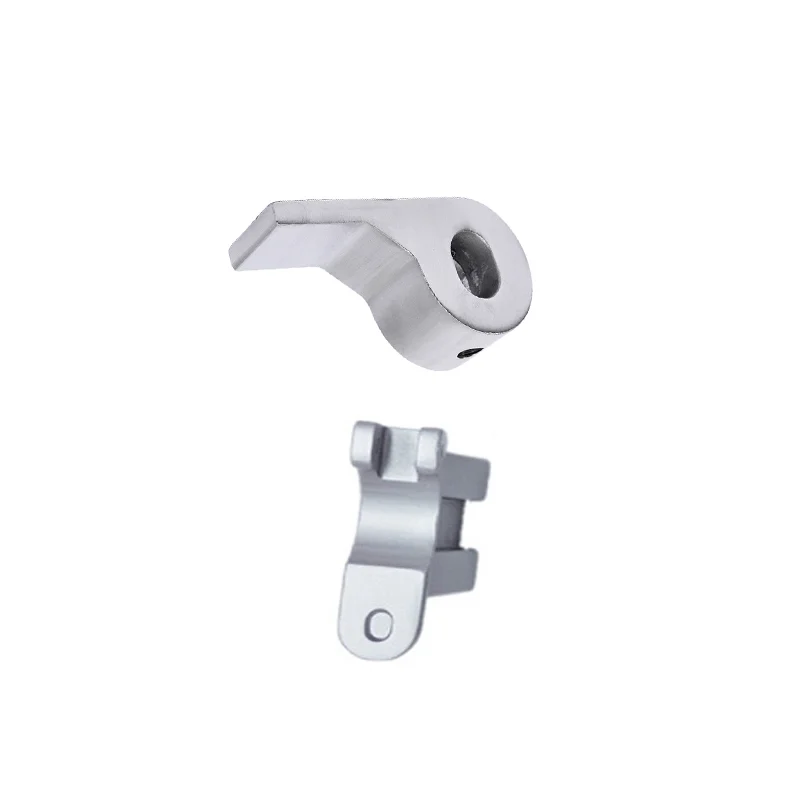
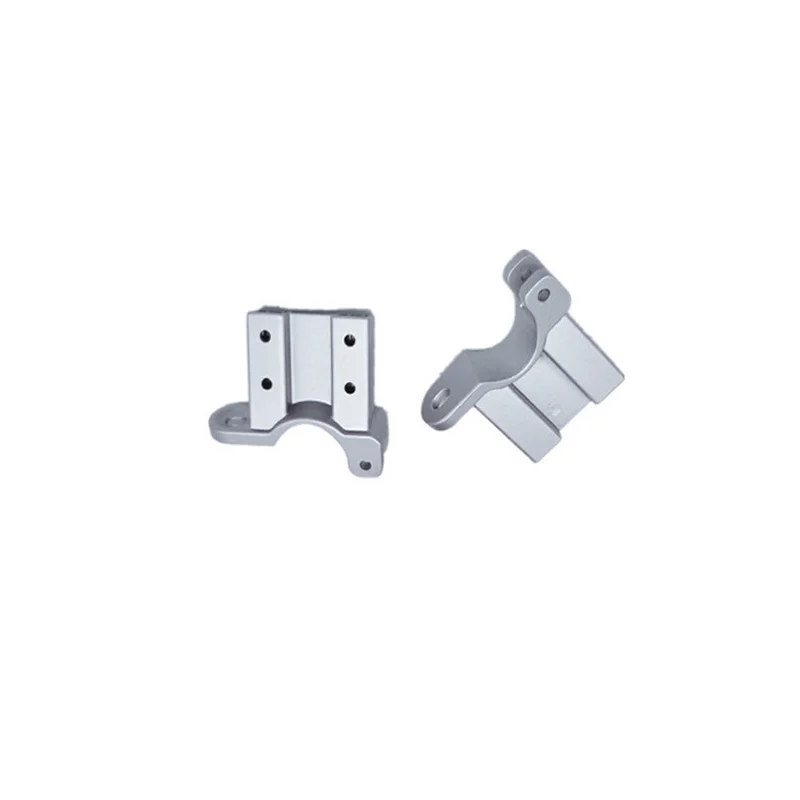
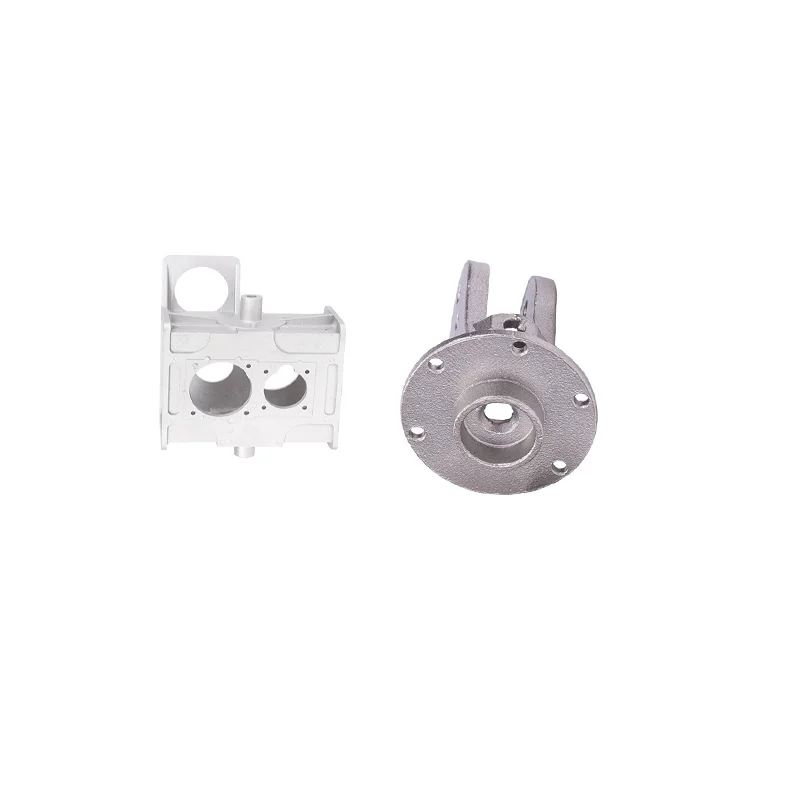
Relia Aluminum Sand/Die-Cast Auto and Industrial Parts, Separate Steel Components and Free-Sample Enquiries
Direct factory support
Get a quote that fits your project
Send your drawing or product reference, material grade and required quantity. Relia will review the requirements with you.
- Drawing & specification review
Confirm the supply scope and critical requirements.
- Samples before custom production
Review inspected samples before approving a batch.
- Inspection documents
Agree material and dimensional records for your part.
-
Product nameCustom Casting Parts
-
MaterialCustomer's RequirementsColorCustomized Color
-
StyleLuxuryApplicationIndustry
-
Thickness0.1~2.5mmSurface treatmentclients' requirement
-
Surface finishAnodized powder Coating polishing.sandblastingProcessStamping
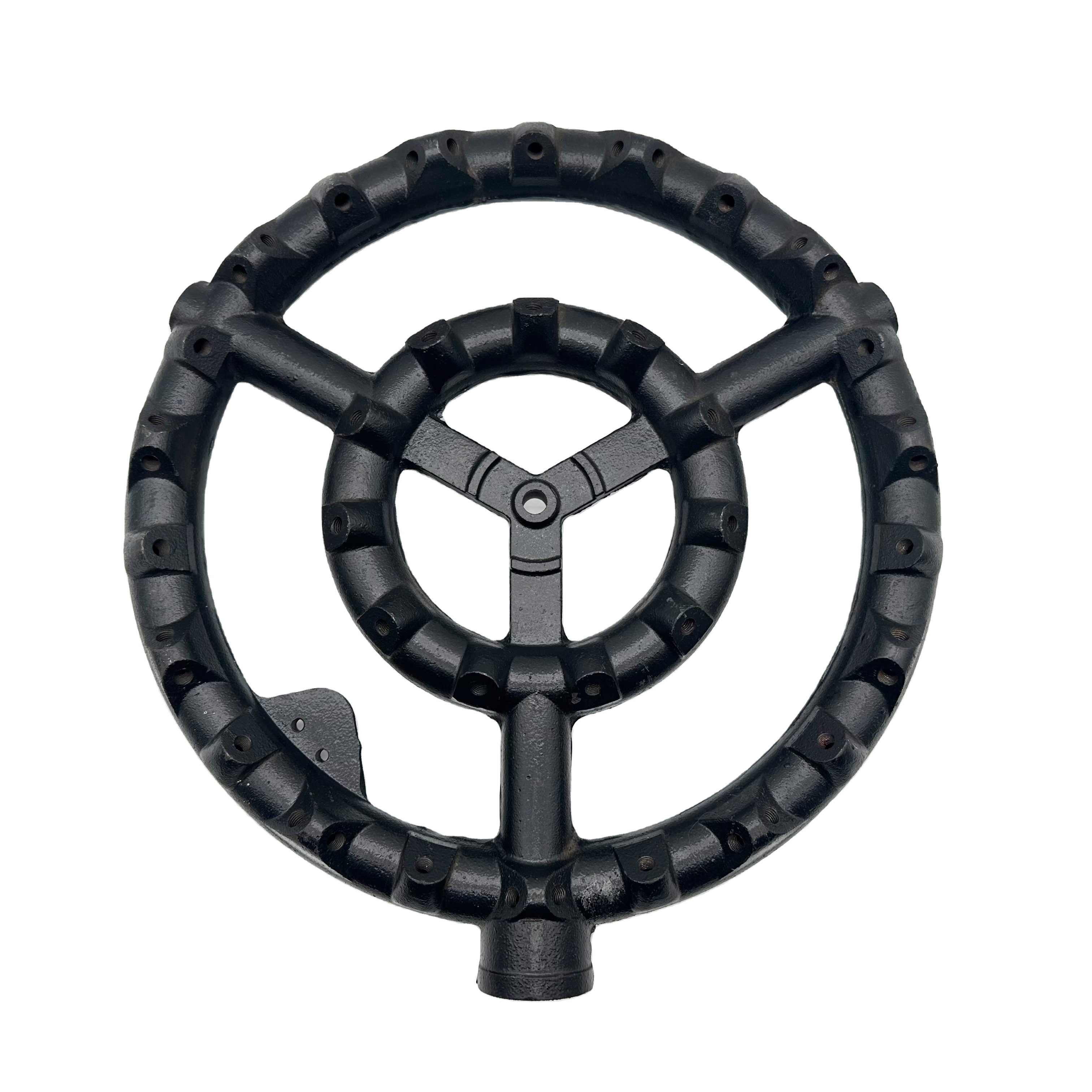
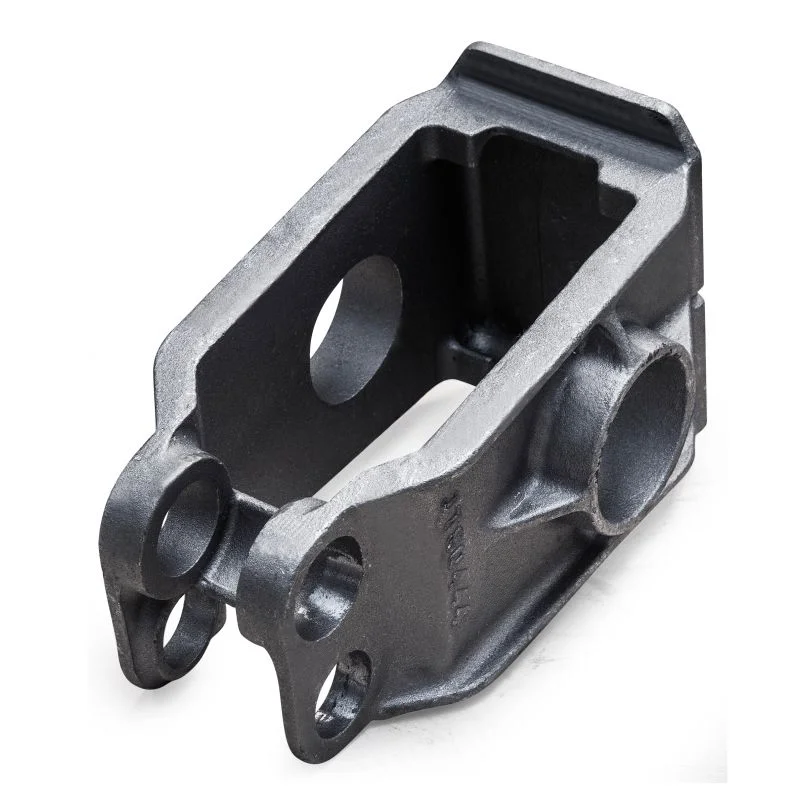
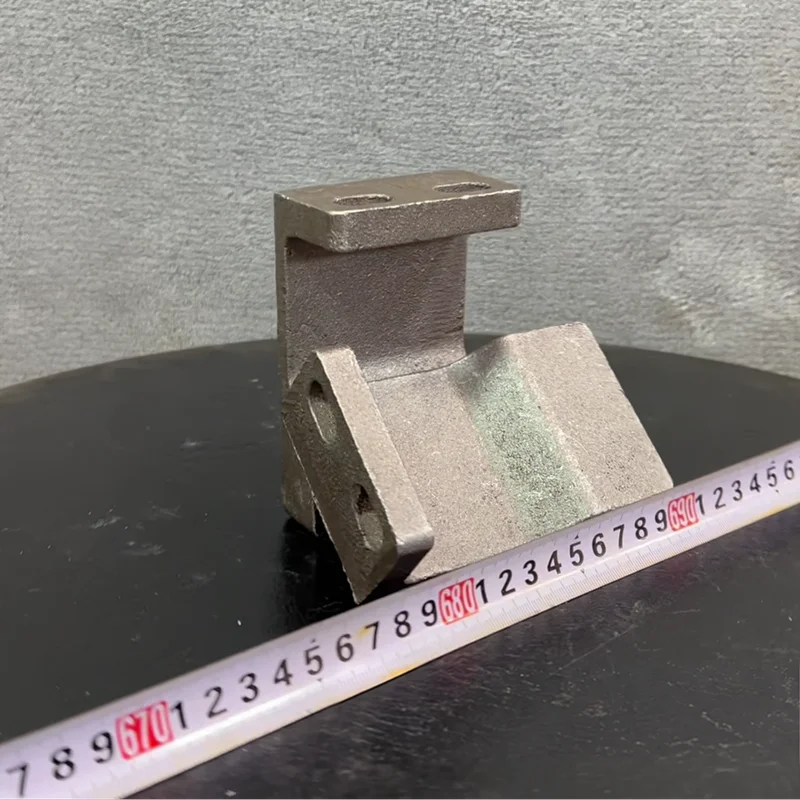
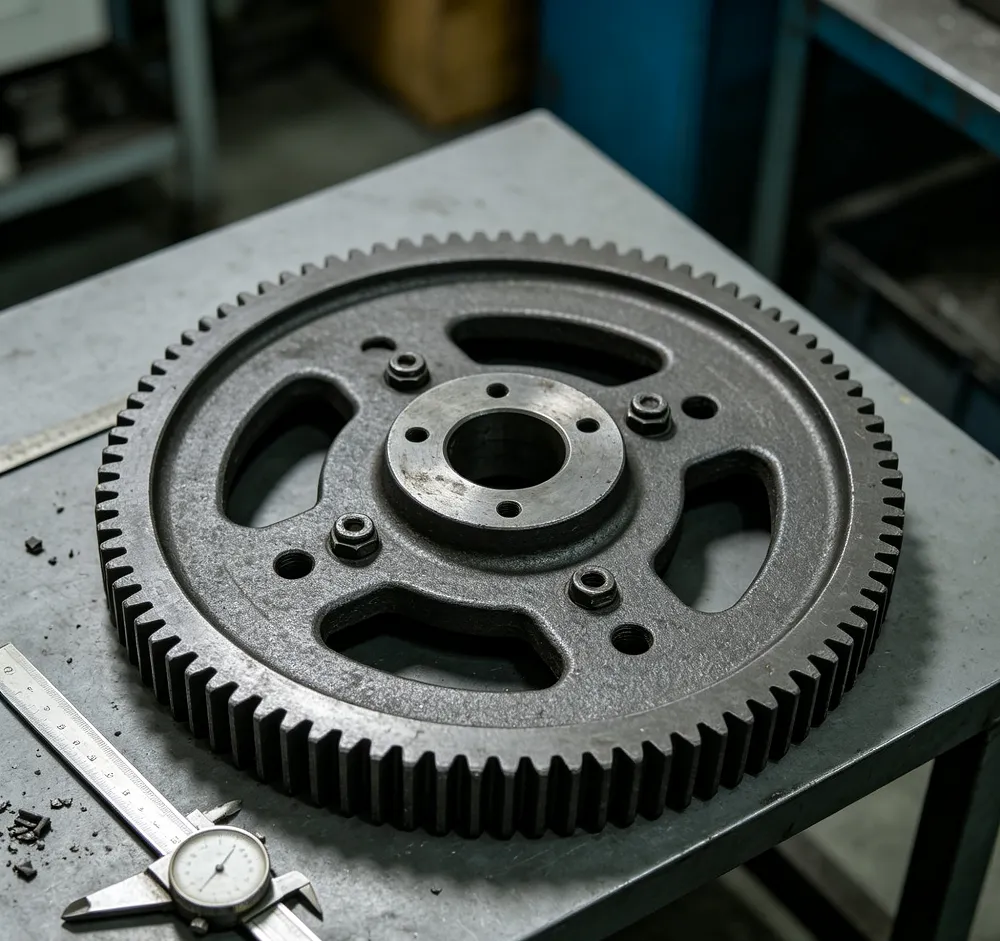
Define the industrial or automotive component before deciding whether the project needs a casting or a separately specified stamped part. Aluminum sand- or die-casting requests can be considered against the actual alloy and drawing. Steel components need their own compatible route, while stamping work carries its own stock and finished-part requirements. This custom enquiry keeps the material, manufacturing route and sample-approval purpose connected to the ordered item.
Separate Stamping Thickness from Cast Geometry
For stamping work, the thickness reference is 0.1–2.5 mm. Confirm the selected stock and final-part requirements independently from any casting wall or envelope. The complete material grade and route should be stated for the specific component so a thin-stock requirement is not used as a blanket casting limit.
Define the Appearance of the Industrial Part
Color and surface treatment follow customer requests, with the required luxury-style appearance described through the actual design and sample criteria. Mark the visible and functional surfaces separately where the component needs different approval requirements. Finishing choices should be assessed against the selected substrate.
- Anodizing can be specified with its actual material and surface requirements.
- Powder coating can be assigned to the relevant component areas.
- Polishing can follow the approved appearance reference.
- Sandblasting can be included with the required final surface condition.
Agree the Free-Sample Scope
Identify the item and arrangements covered by the free-sample enquiry before using it for approval. State what the sample must demonstrate about the actual material, dimensions and surface appearance. Provide the drawing revision, required quantity and functional interfaces so the sample discussion leads to an assessable casting or stamped-component request rather than an undefined production promise.