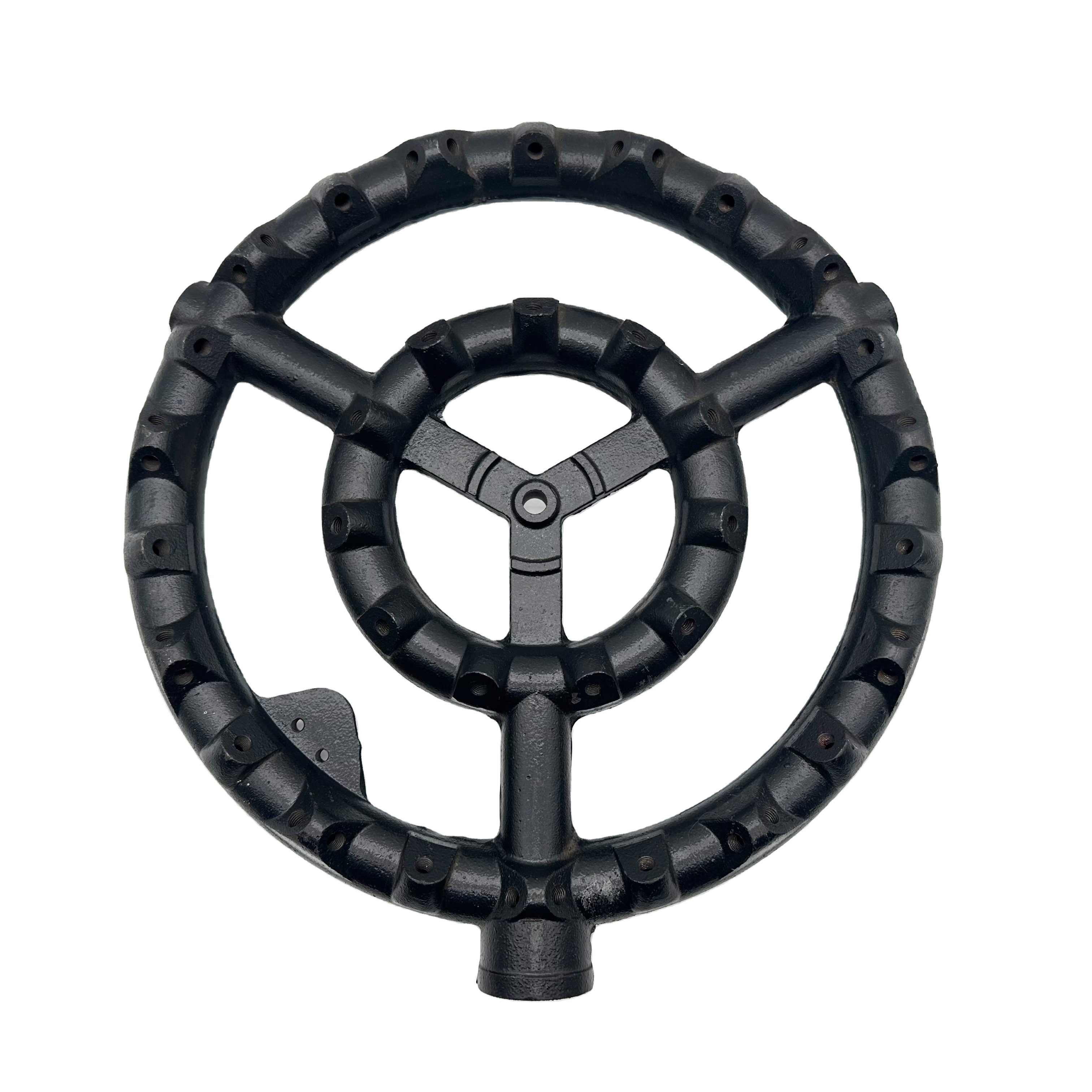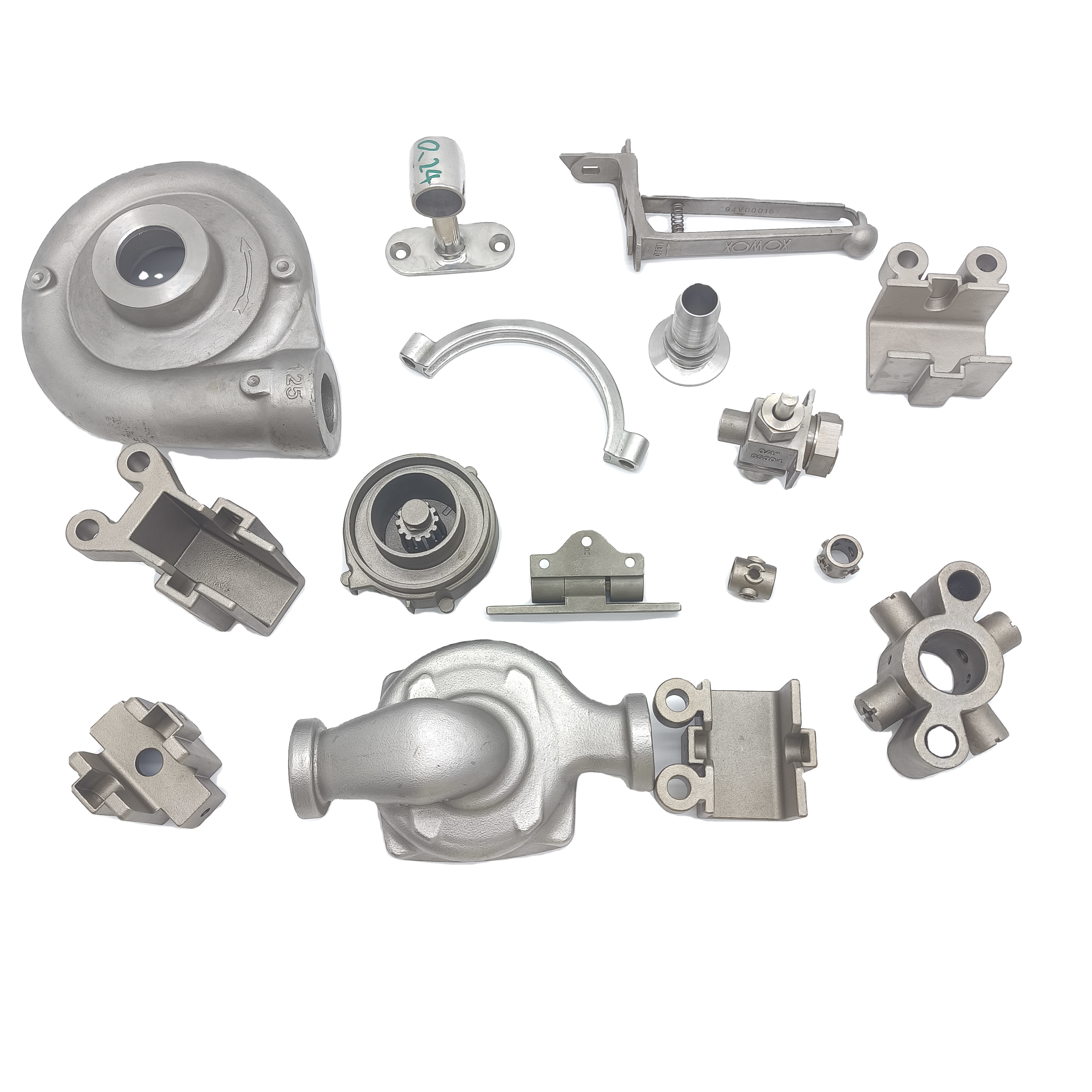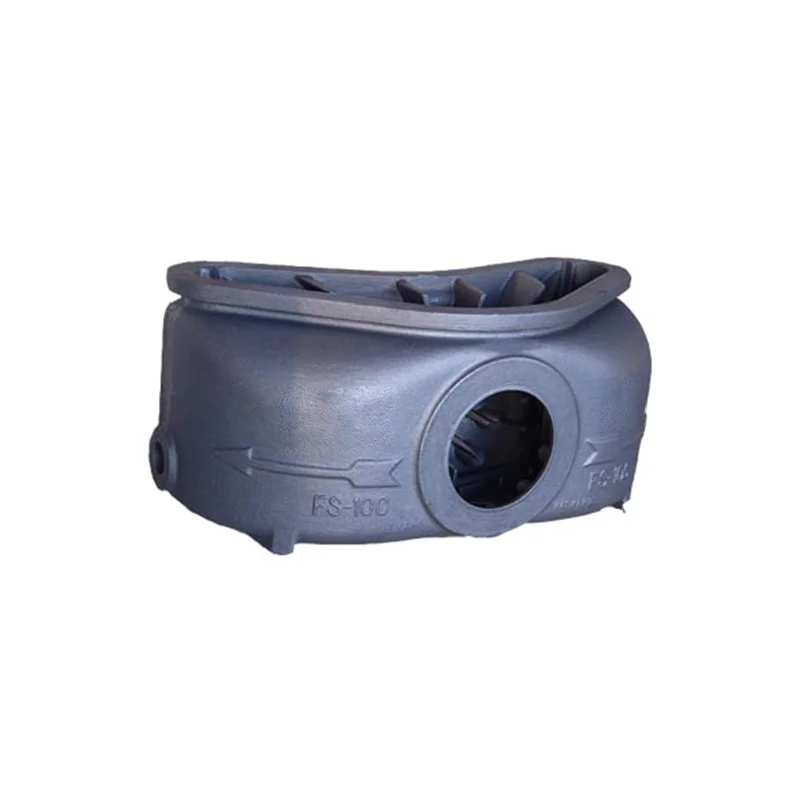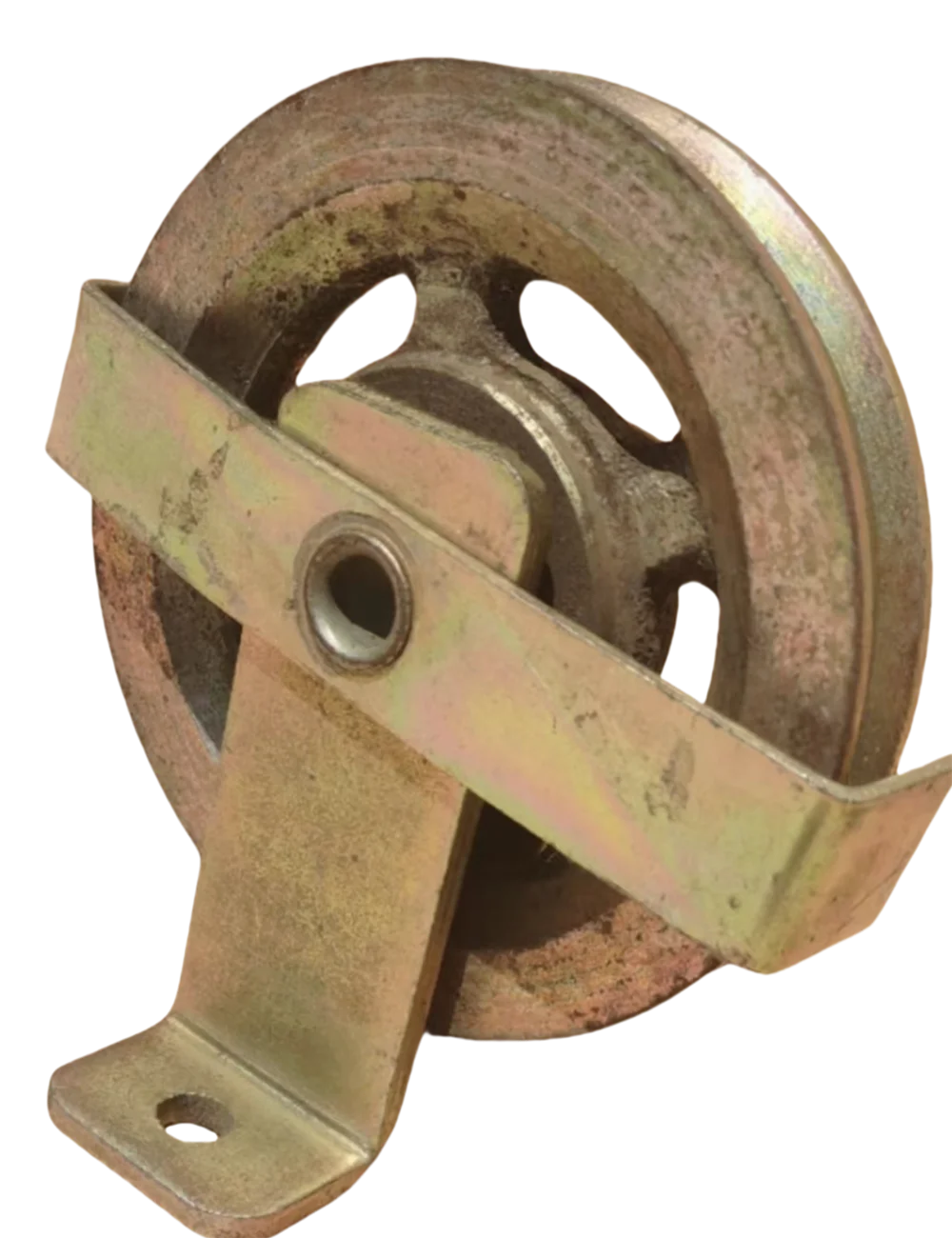
Relia OEM Gray and Ductile-Iron Machine-Tool Castings, Sand Cast and CNC Machined with In-House Processing
Direct factory support
Get a quote that fits your project
Send your drawing or product reference, material grade and required quantity. Relia will review the requirements with you.
- Drawing & specification review
Confirm the supply scope and critical requirements.
- Samples before custom production
Review inspected samples before approving a batch.
- Inspection documents
Agree material and dimensional records for your part.
-
MaterialsHT200-HT300, EN-GJL-200-EN-GJL-300Molding MethodGreen Sand Casting/Resin Bonded Sand Casting
-
Product MaterialASTM A48 Class35-ASTM A48 Class40, FC250-FC300
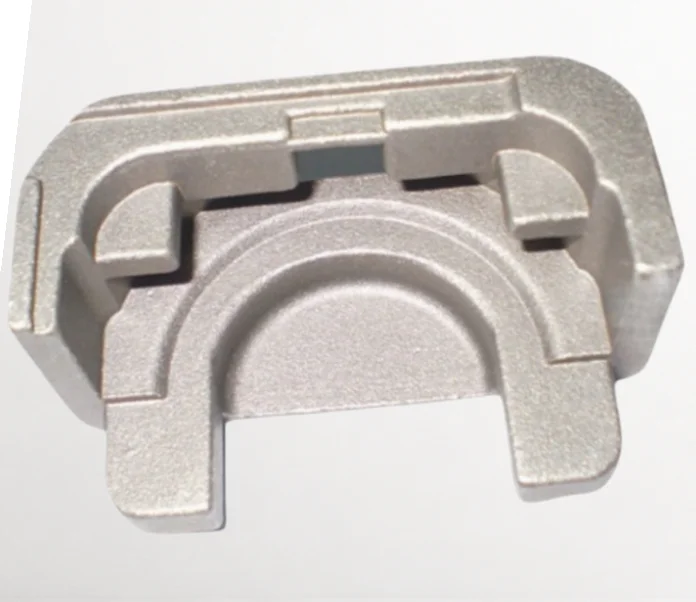
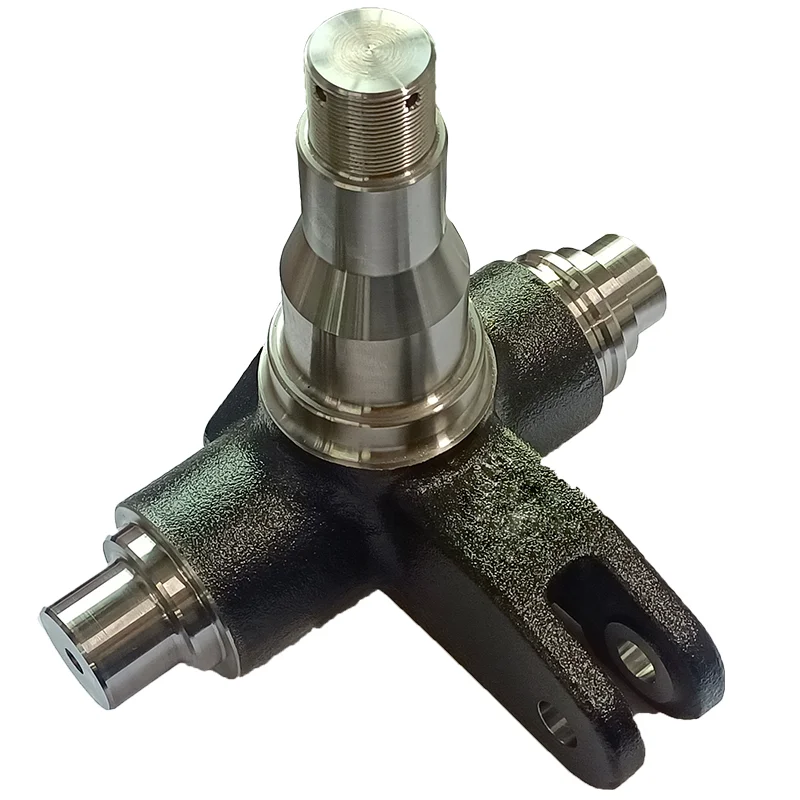
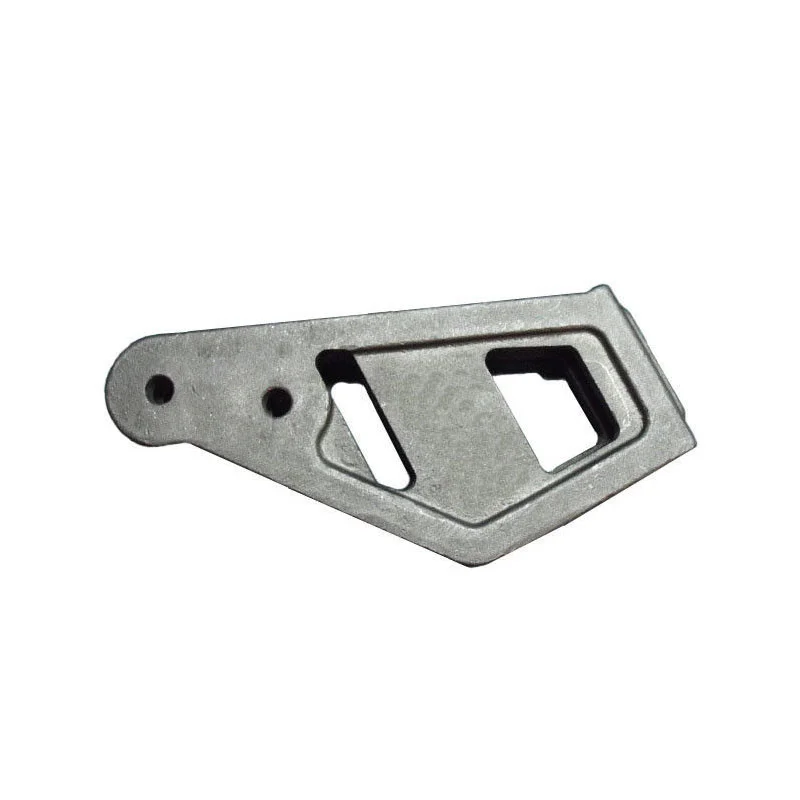
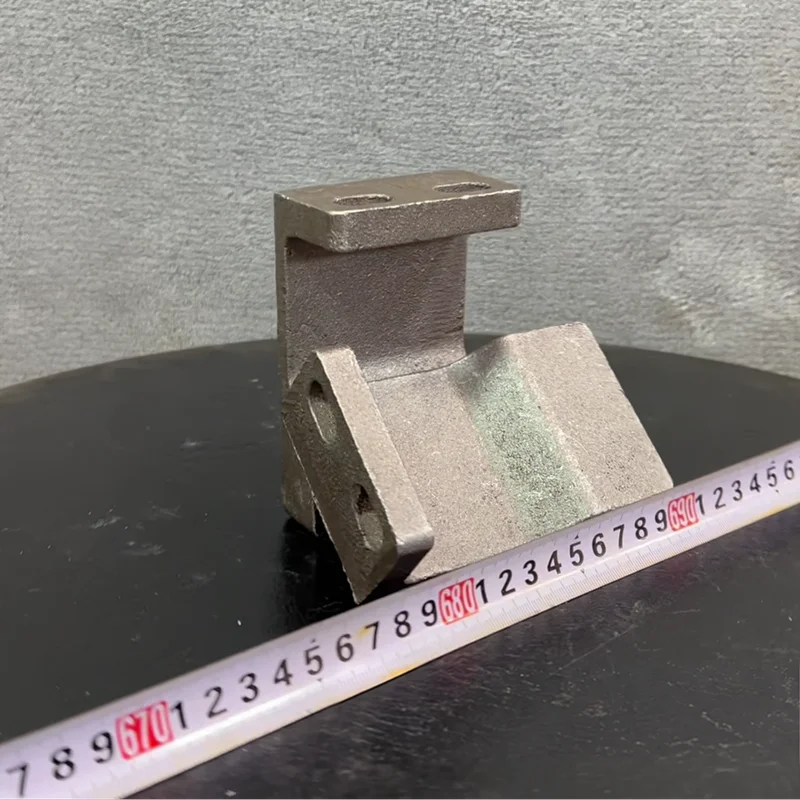
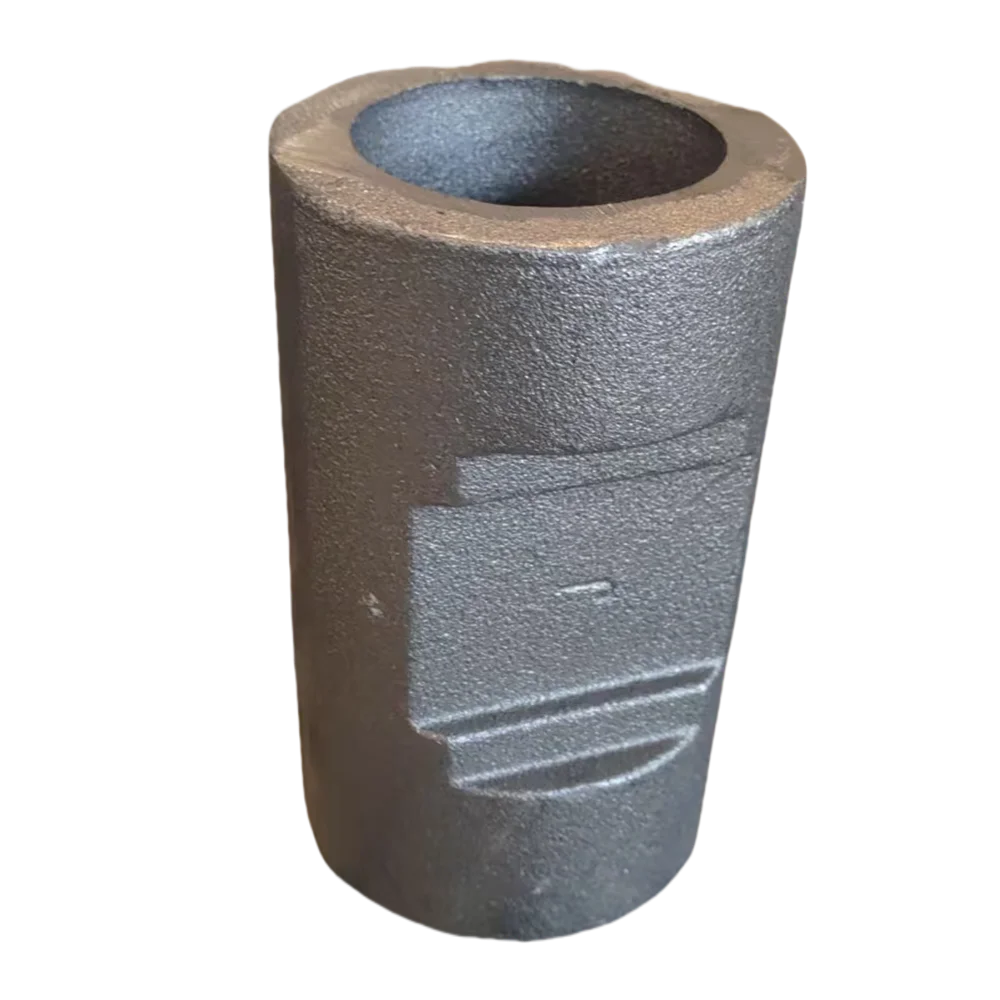
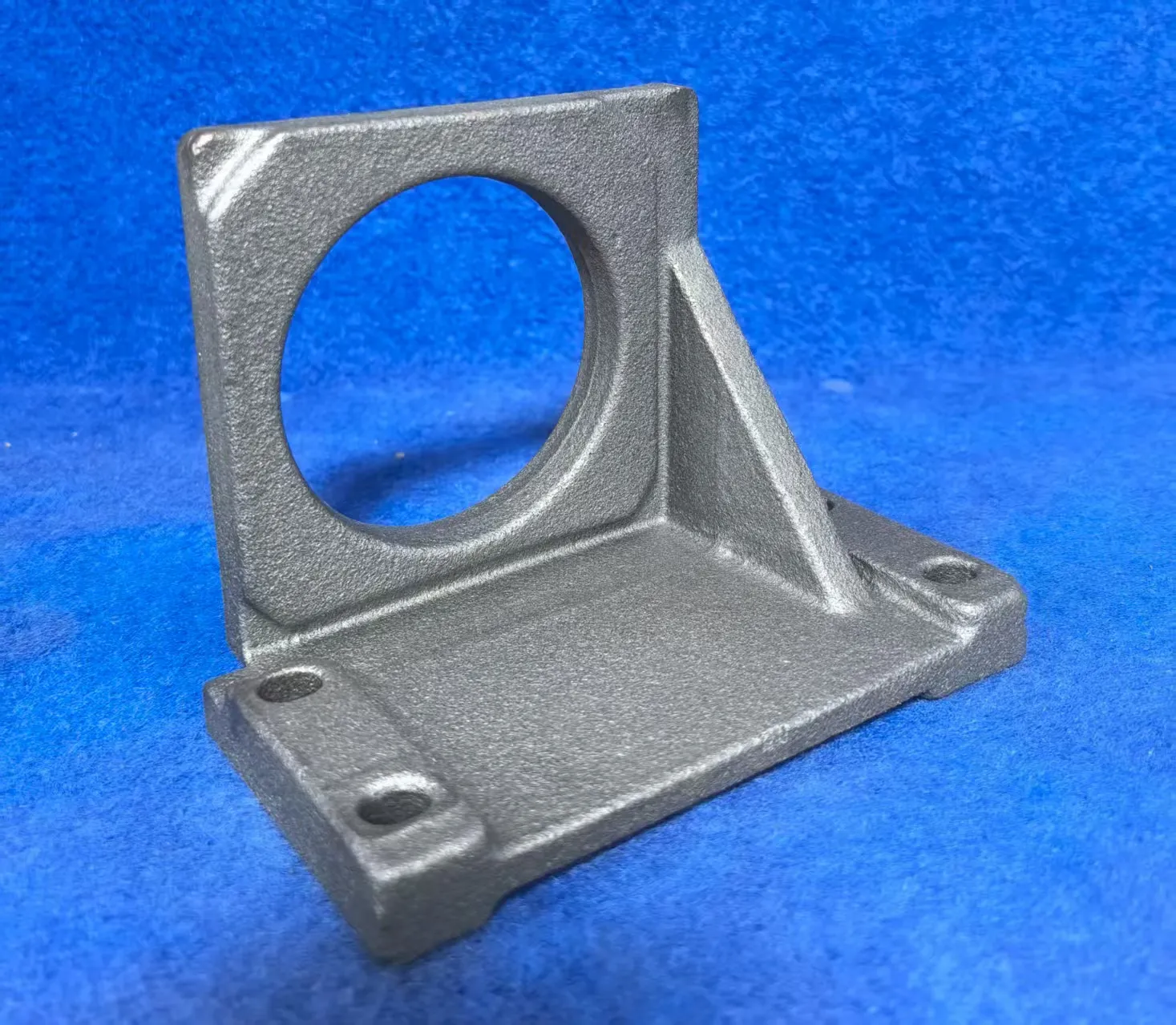
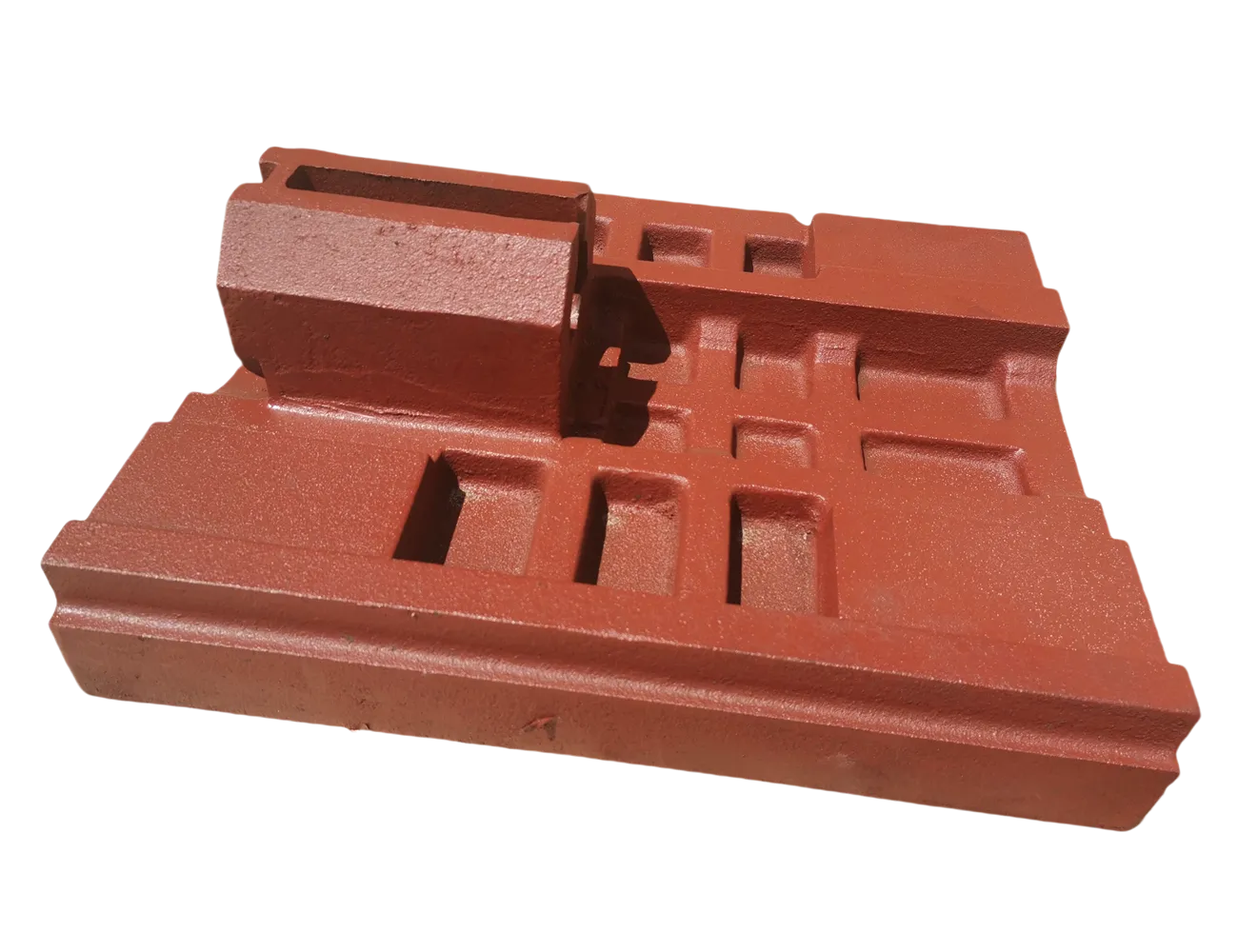
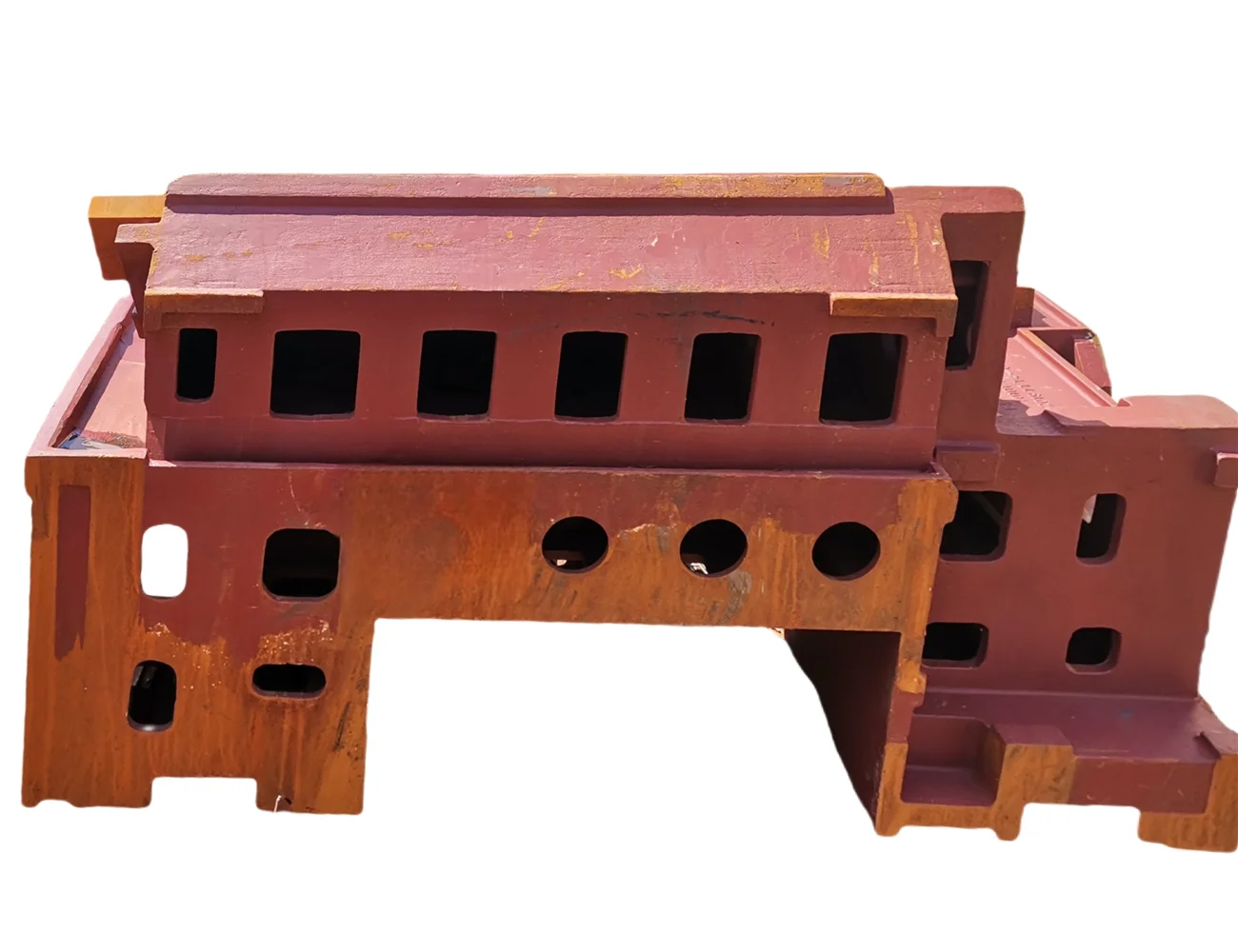
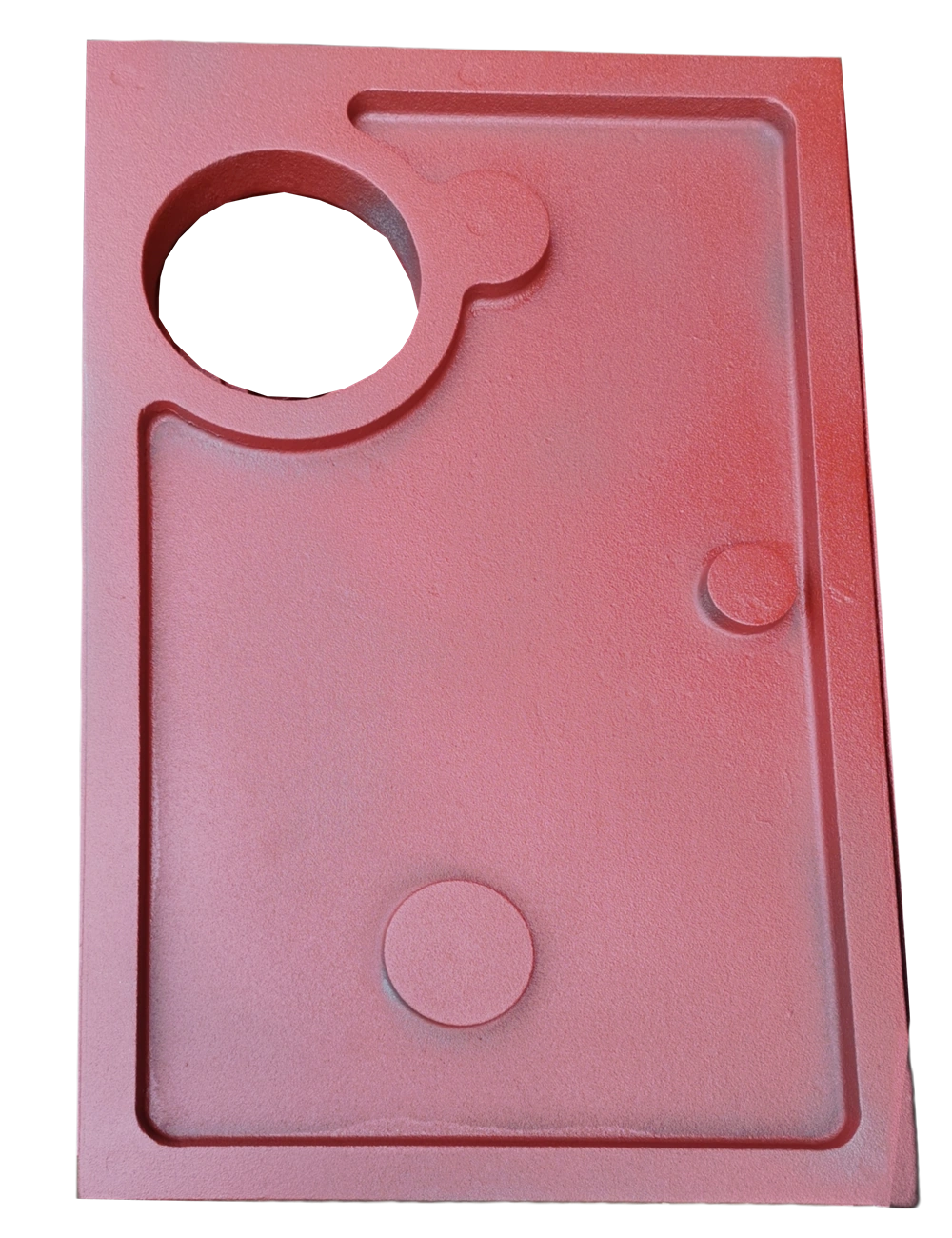
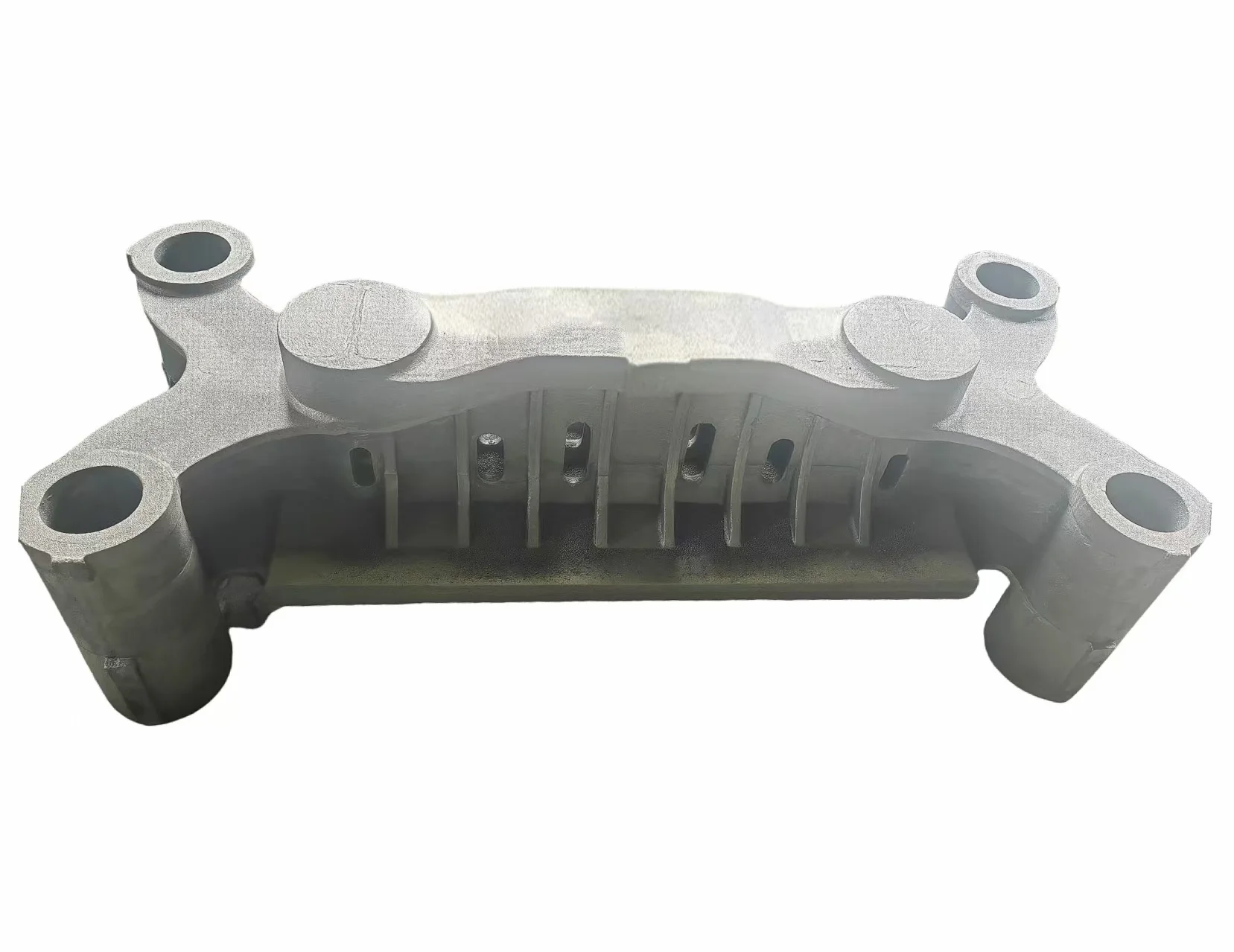
For a custom machine-tool casting, begin with the mounting and locating geometry that determines how the component enters the machine assembly. This OEM enquiry combines in-house sand casting and CNC processing, with gray iron and separately specified ductile-iron work. The route and supplied condition can be defined around the machine-tool drawing instead of relying on a general iron description.
Use the Required Gray-Iron Designation
Gray-iron references cover HT200–HT300, EN-GJL-200–EN-GJL-300, ASTM A48 Class35–Class40 and FC250–FC300. Select the complete grade and governing document for the ordered component; these ranges do not establish automatic interchangeability across standards. A ductile-iron requirement needs its own material designation and acceptance, independently of the gray-iron options.
Plan the Blank and Finished Interfaces Together
Green-sand and resin-bonded-sand molding are the available casting-route choices for the actual design. Mark the surfaces that remain in the casting condition and the interfaces requiring CNC-finished dimensions. That distinction lets the proposed casting geometry and machining scope be discussed against the same drawing revision rather than as unrelated service requests.
For machine-tool parts, mounting and locating relationships should be identified clearly enough to define what the finished component must achieve. Provide the required supplied condition and the dimensions that govern assembly, together with the applicable material and surface criteria. Those requirements guide the in-house processing proposal without adding an unsupported numerical tolerance or machine-performance claim.
Define One Machine-Component Deliverable
State the quantity and the exact component covered by the enquiry, including any drawing revisions or proposed geometry changes. Agree material, dimensional and surface acceptance for that deliverable before the production scope is settled. The one-stop foundry enquiry is most useful when the chosen iron specification, molding route and CNC interface requirements all describe the same machine-tool part.