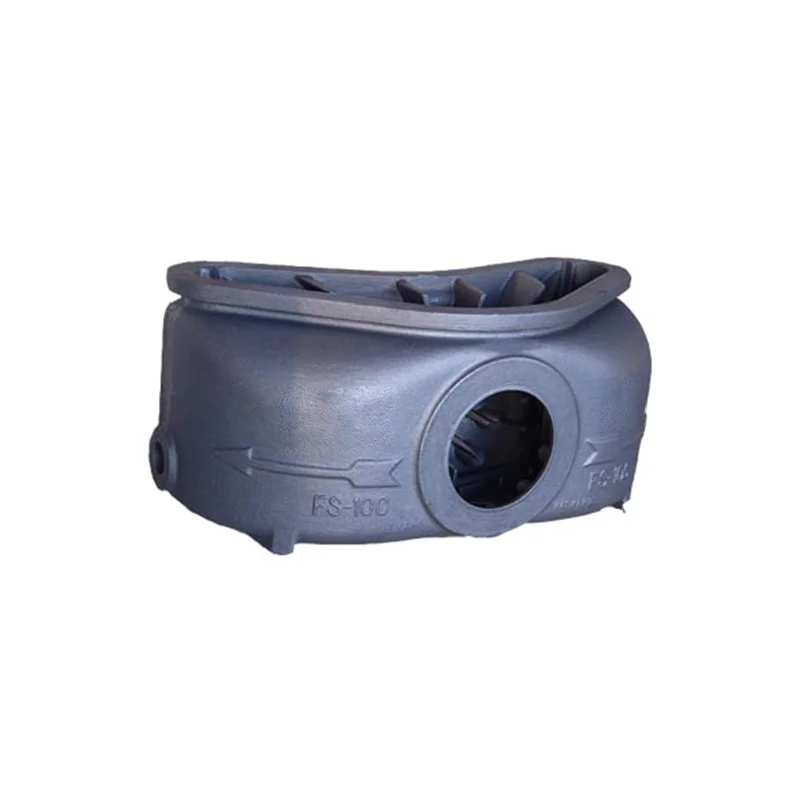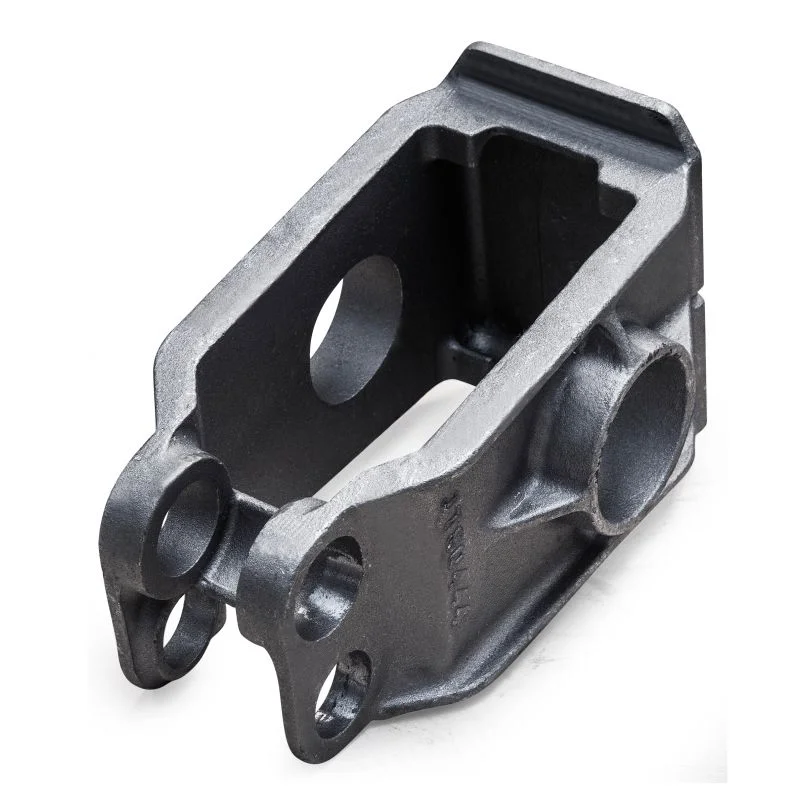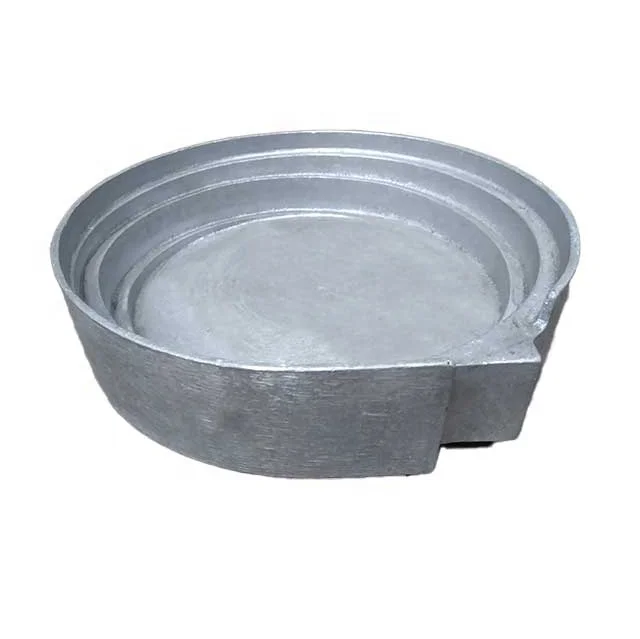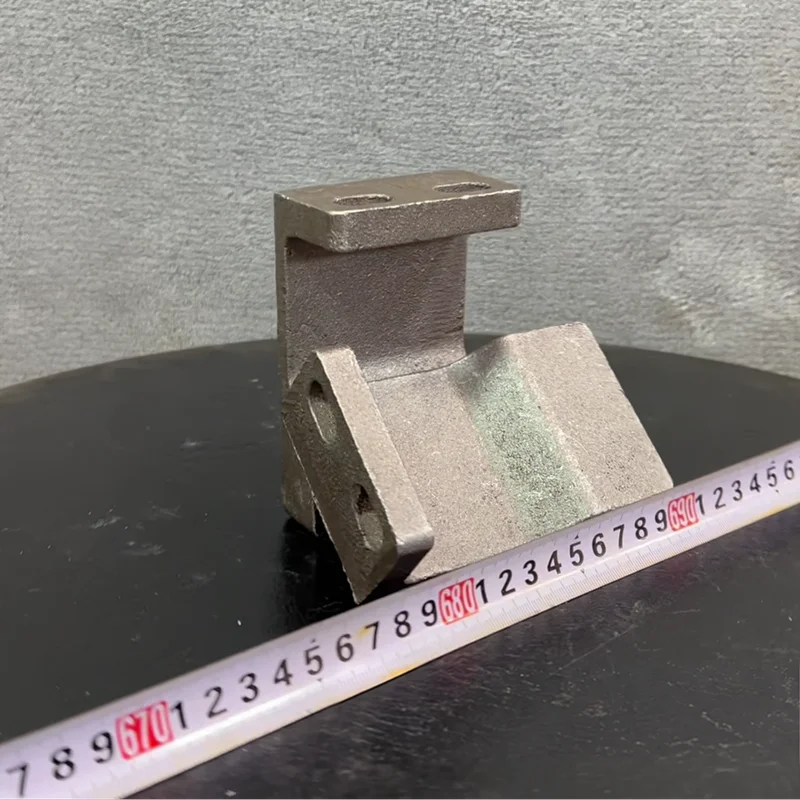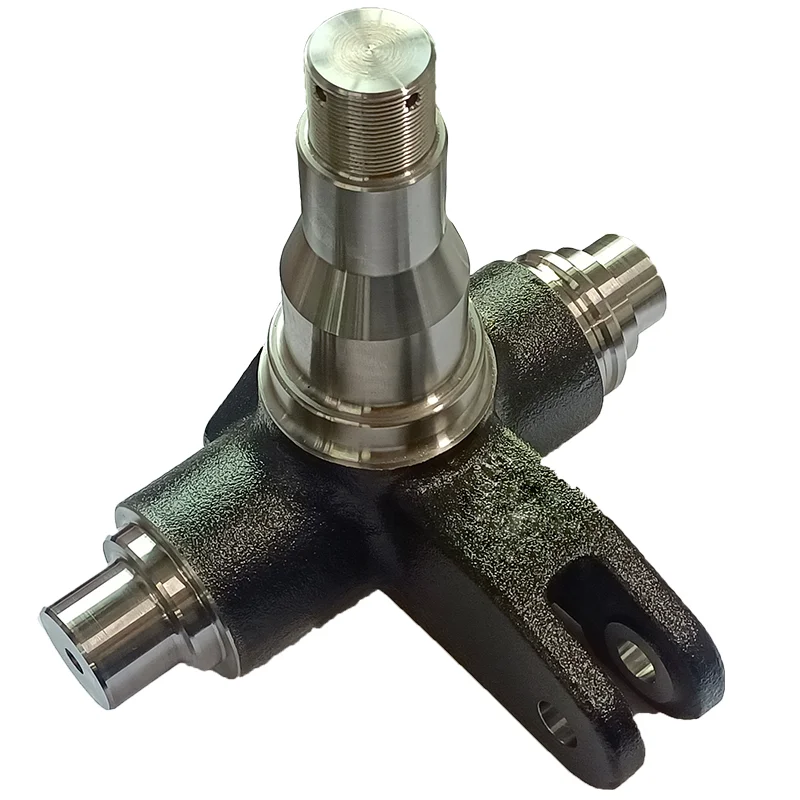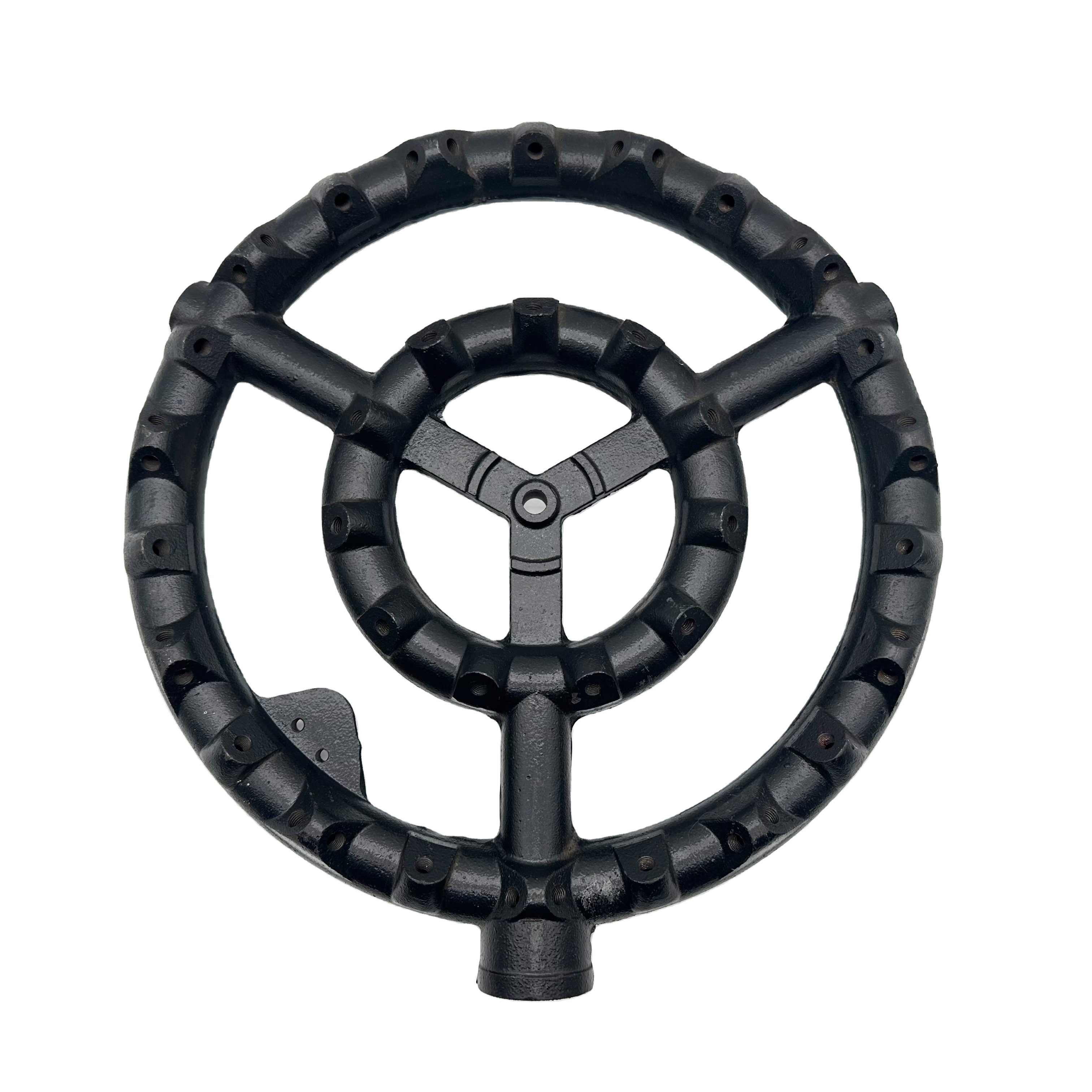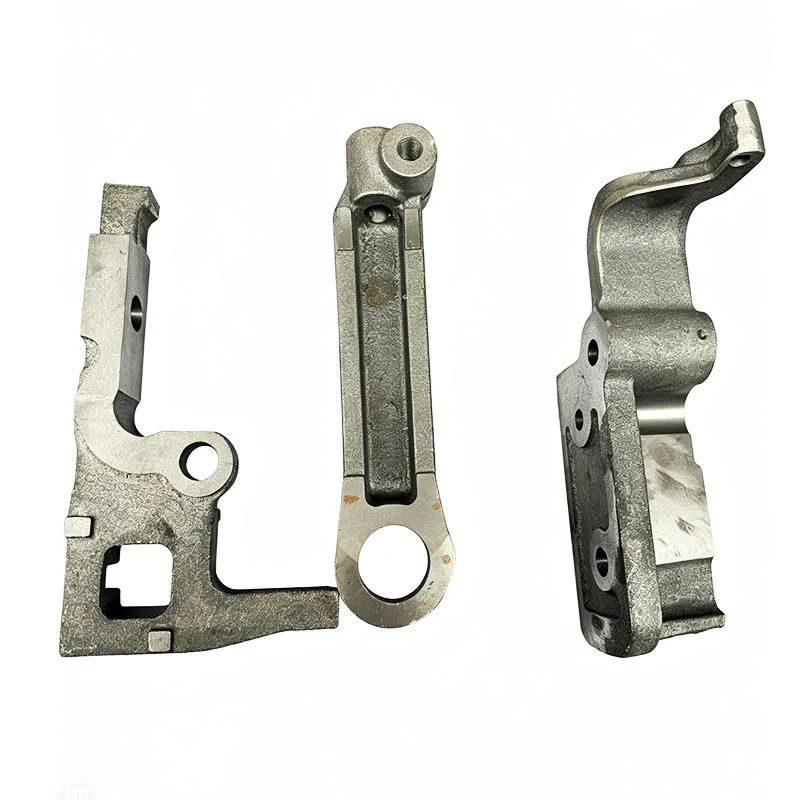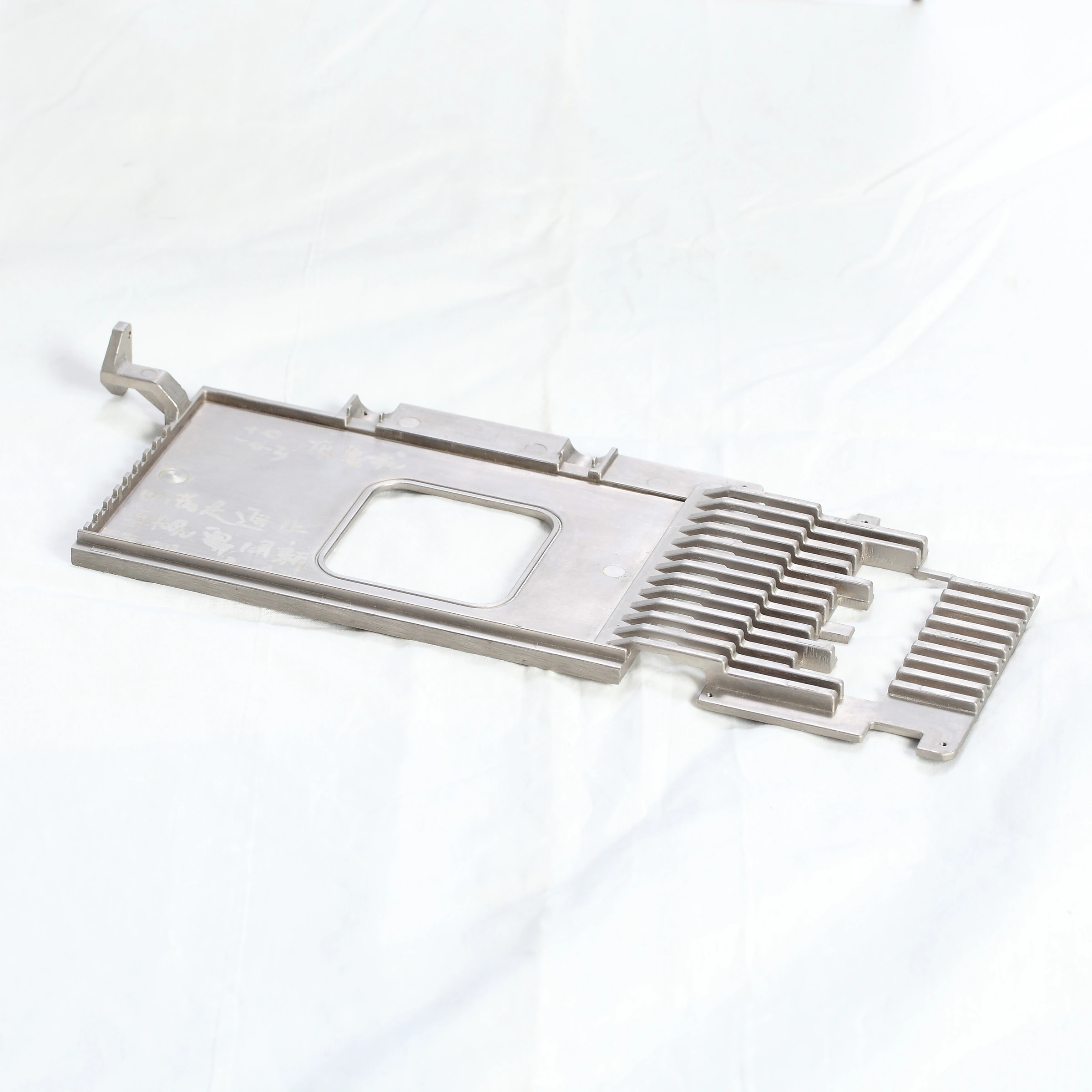
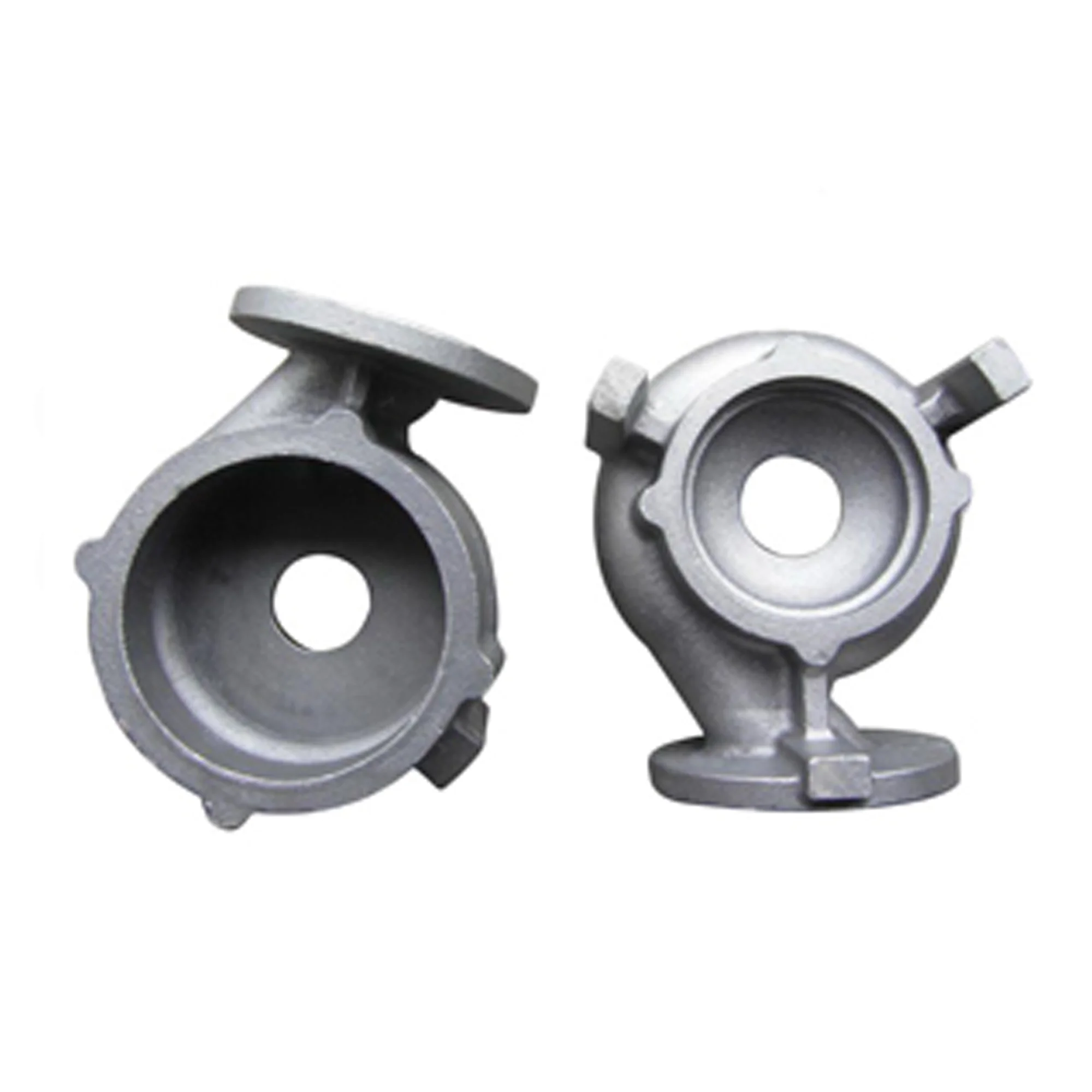
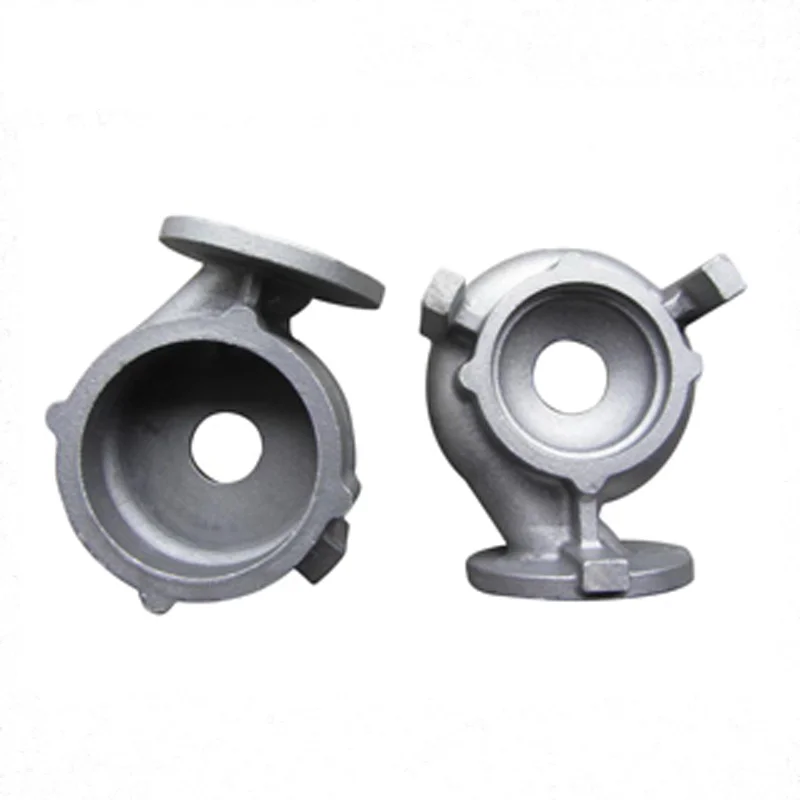
Relia Prototype and Low-Volume Iron Sand Castings for Pump-Body Parts
Direct factory support
Get a quote that fits your project
Send your drawing or product reference, material grade and required quantity. Relia will review the requirements with you.
- Drawing & specification review
Confirm the supply scope and critical requirements.
- Samples before custom production
Review inspected samples before approving a batch.
- Inspection documents
Agree material and dimensional records for your part.
-
Product NameSand Casting for Prototype and Low Volume Iron Castings Pump Body
-
Material GradeDuctile cast iron,GG20,GGG40, GGG50, GGG60 etc. As customers requestBlank ProcessSand casting , cast iron
-
Casting ToleranceCT9-11 for Ductile Iron Casting PumpMachining ProcessCNC Machining/ Lathing/ Milling/ Turning/ Boring/ Drilling etc.
-
Machining ToleranceUp to IT7, Ra 0.8~3.2 , according to customer requirementSurface TreatmentDacromet Coating, Finish Painting etc. As customers request
-
Package for Cast IronMultilayer wooden box with big plastic bag insideLead Time50 days for Ductile Iron Casting Pump
-
Our ServiceDuctile Iron Casting Pump
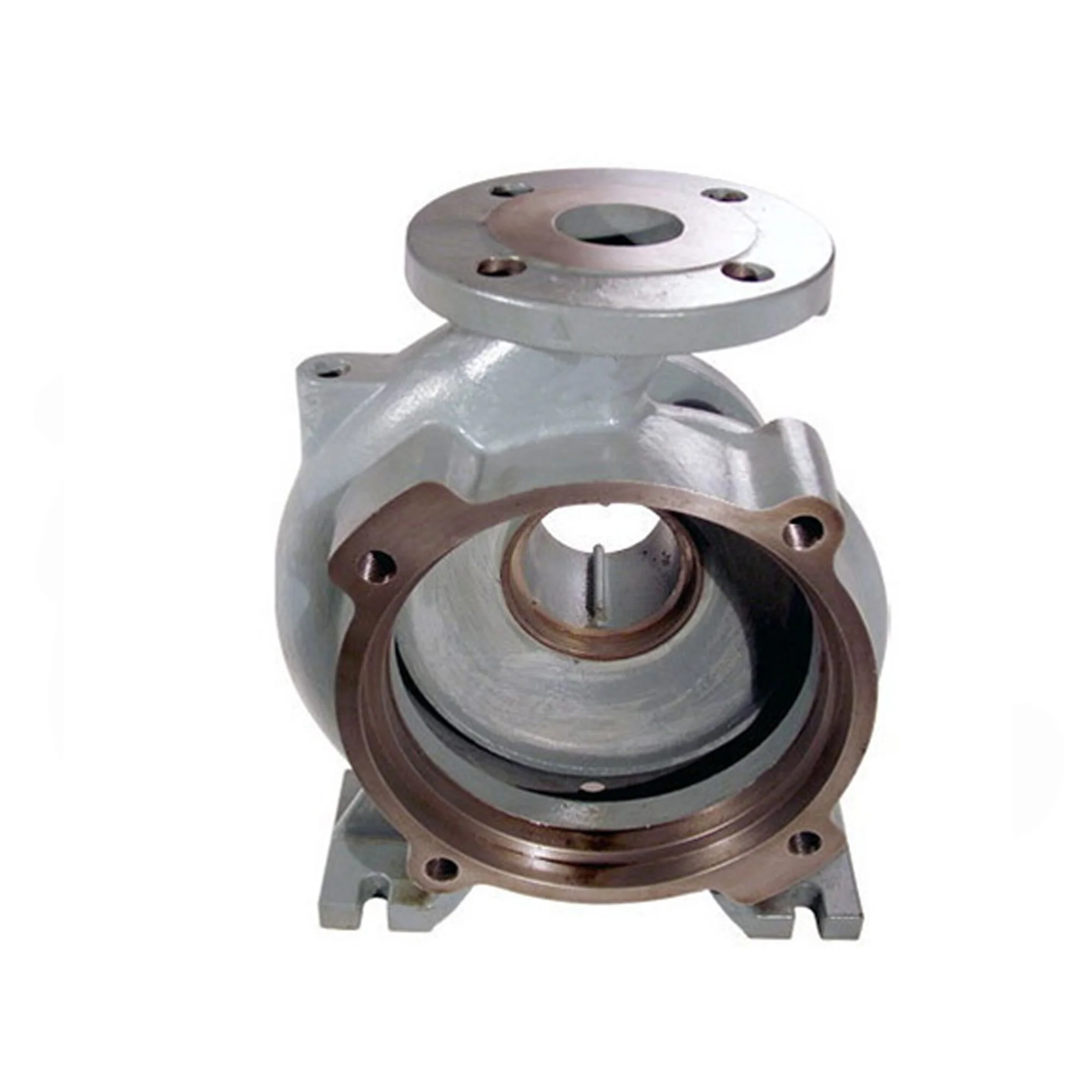
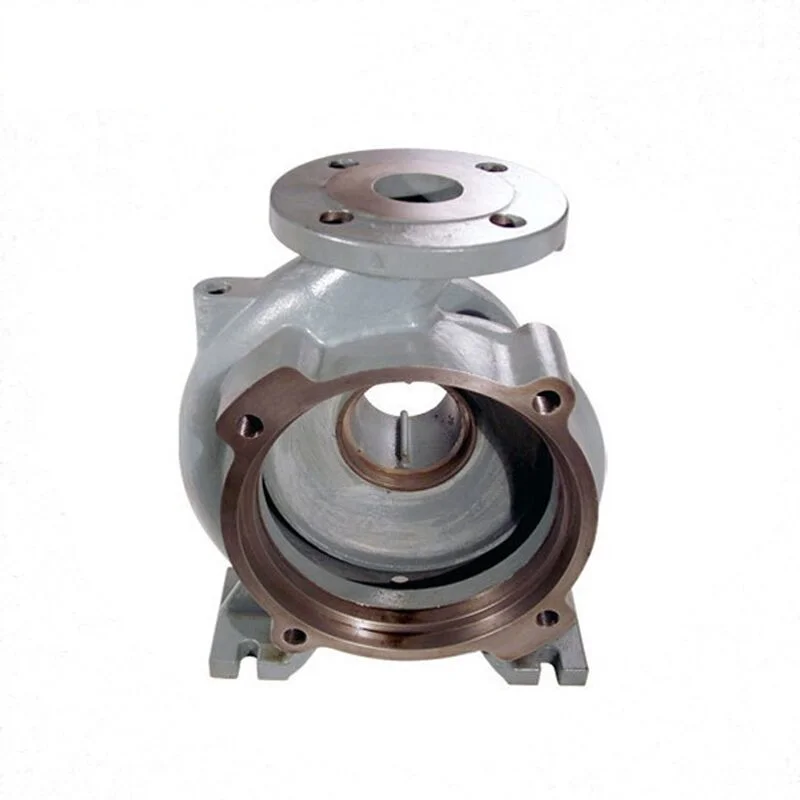
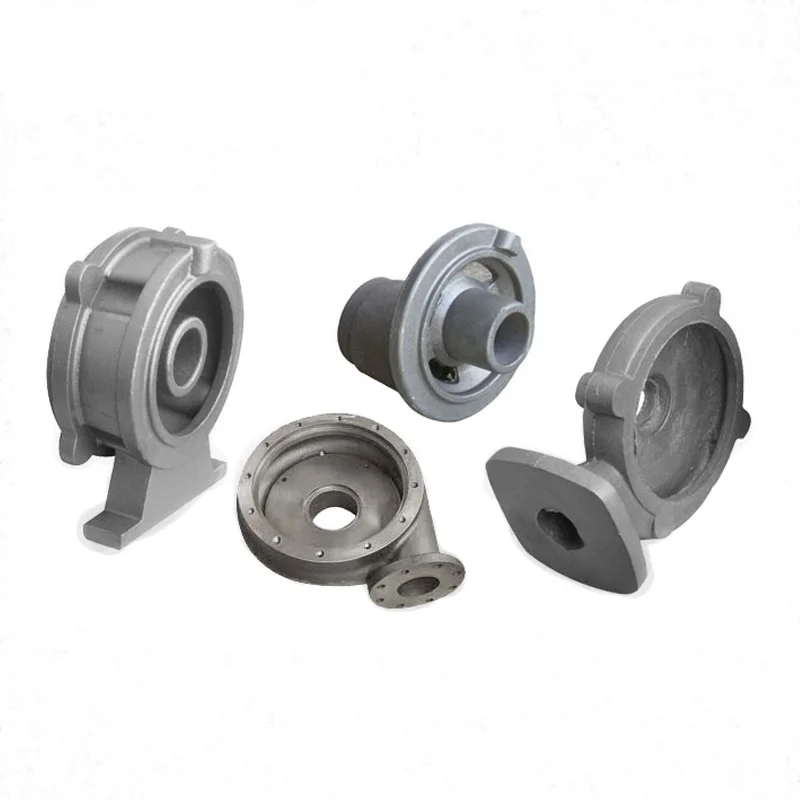
Use the pump-body prototype to define the component and acceptance requirements needed for the intended fluid duty. This low-volume sand-casting enquiry includes GGG40, GGG50 or GGG60 ductile iron and separately specified GG20 iron. Begin with the actual pump drawing so the selected material, connections and finished interfaces describe one identifiable body.
Specify What the Pump Prototype Must Demonstrate
Choose the complete grade and governing material requirement for the ordered body. Identify the connections, mating geometry and actual service conditions relevant to the pump design. Prototype acceptance should address the selected component rather than assume a pressure, leak-test or fluid-compatibility rating from the pump-body name alone.
Define Casting, Machining and Roughness Separately
CT9–CT11 is the casting reference for ductile-iron pump work. Machining is referenced up to IT7 with Ra0.8–3.2, requiring the actual dimensional convention, roughness unit, surfaces and measurement stage to agree. Keep those separate requirements on the same drawing revision so the casting and finished geometry can be assessed consistently.
Allocate the Operations and Final Surface
Machining includes CNC work, lathing, milling, turning, boring and drilling. Identify which operations apply to the selected pump-body features and the final condition required for approval. Dacromet coating or finish painting can be requested for the actual substrate, with treatment coverage and appearance criteria defined for the component.
Prepare the Low-Volume Component Request
Packing uses a multilayer wooden box with a large plastic bag inside. State the required quantity, supplied condition and material, dimensional and surface acceptance for the prototype or production body. A complete request connects the pump's functional interfaces and fluid-duty requirements to the chosen iron specification, keeping the low-volume casting proposal focused on an assessable part.