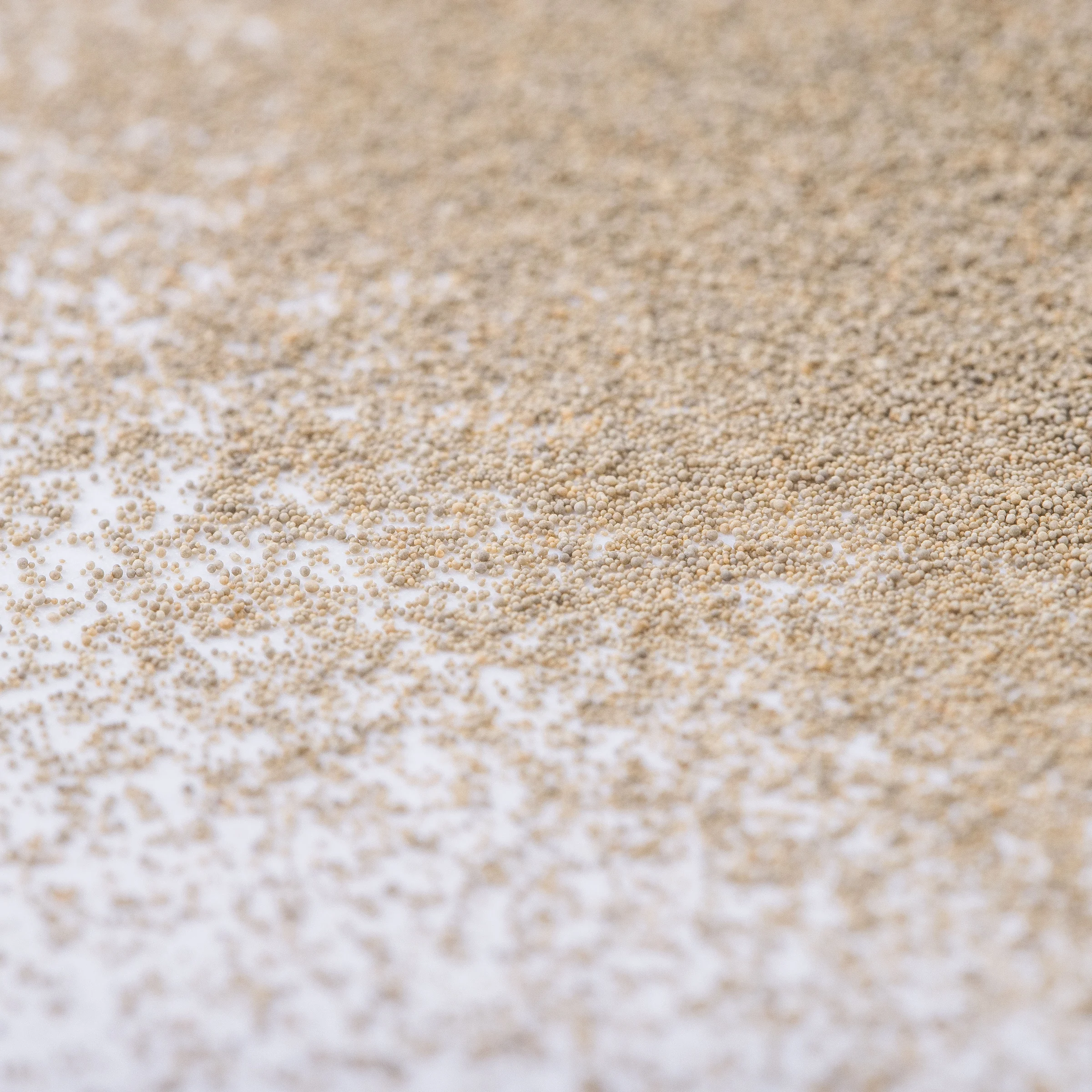
Wholesale High-Temperature Resistant Ceramic Sand for Ductile Iron Sand Casting
Direct factory support
Get a quote that fits your project
Send your drawing or product reference, material grade and required quantity. Relia will review the requirements with you.
- Drawing & specification review
Confirm the supply scope and critical requirements.
- Samples before custom production
Review inspected samples before approving a batch.
- Inspection documents
Agree material and dimensional records for your part.
-
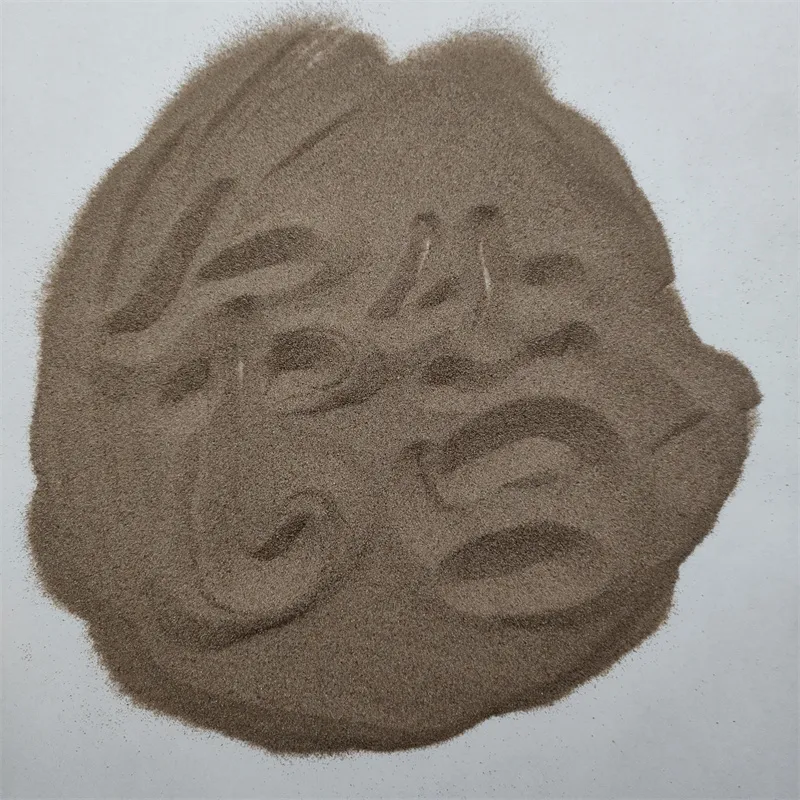
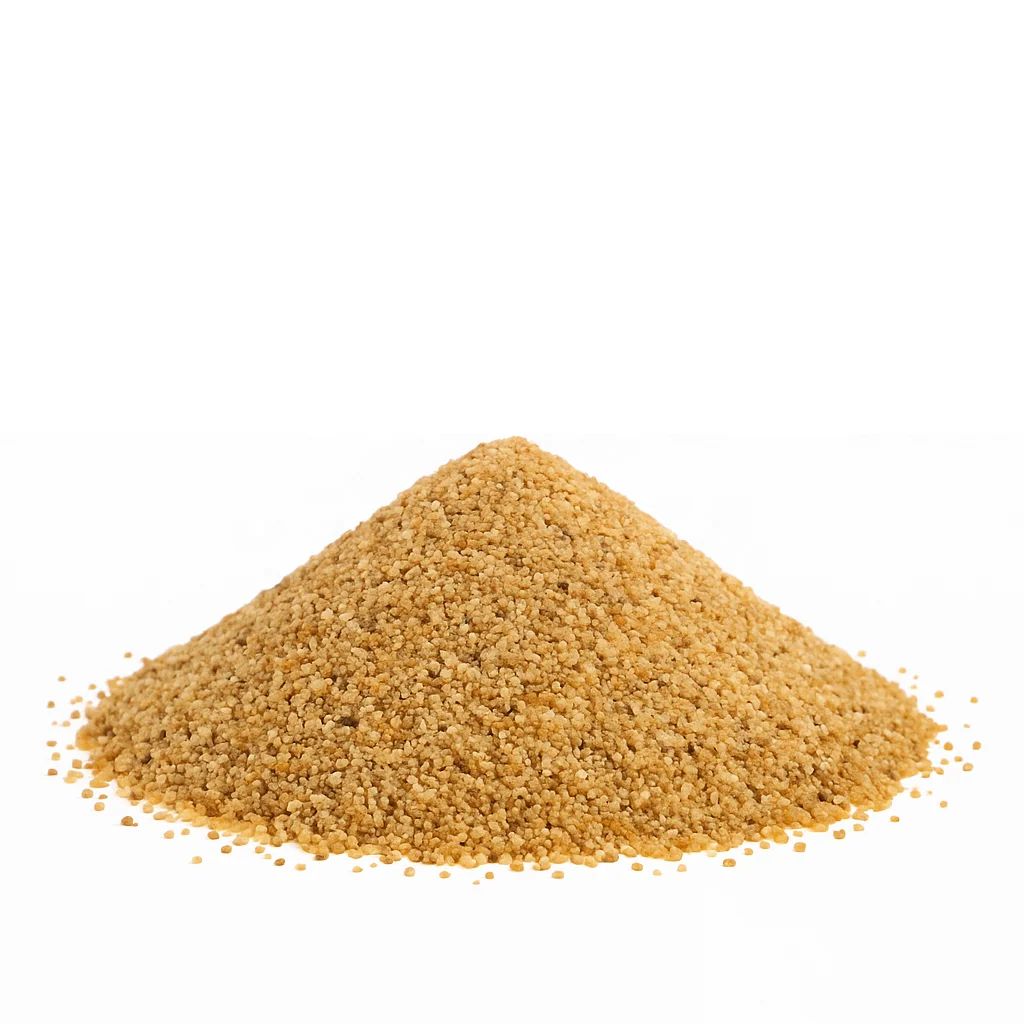
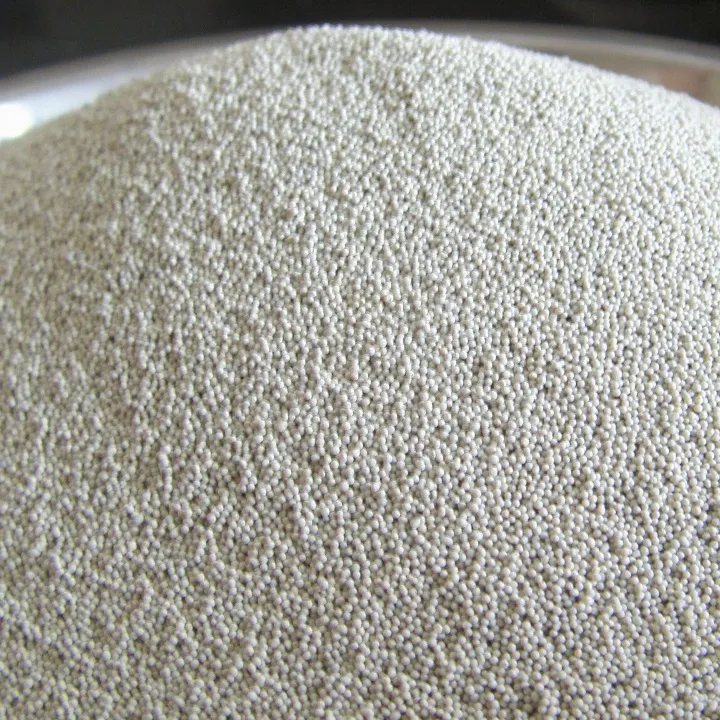
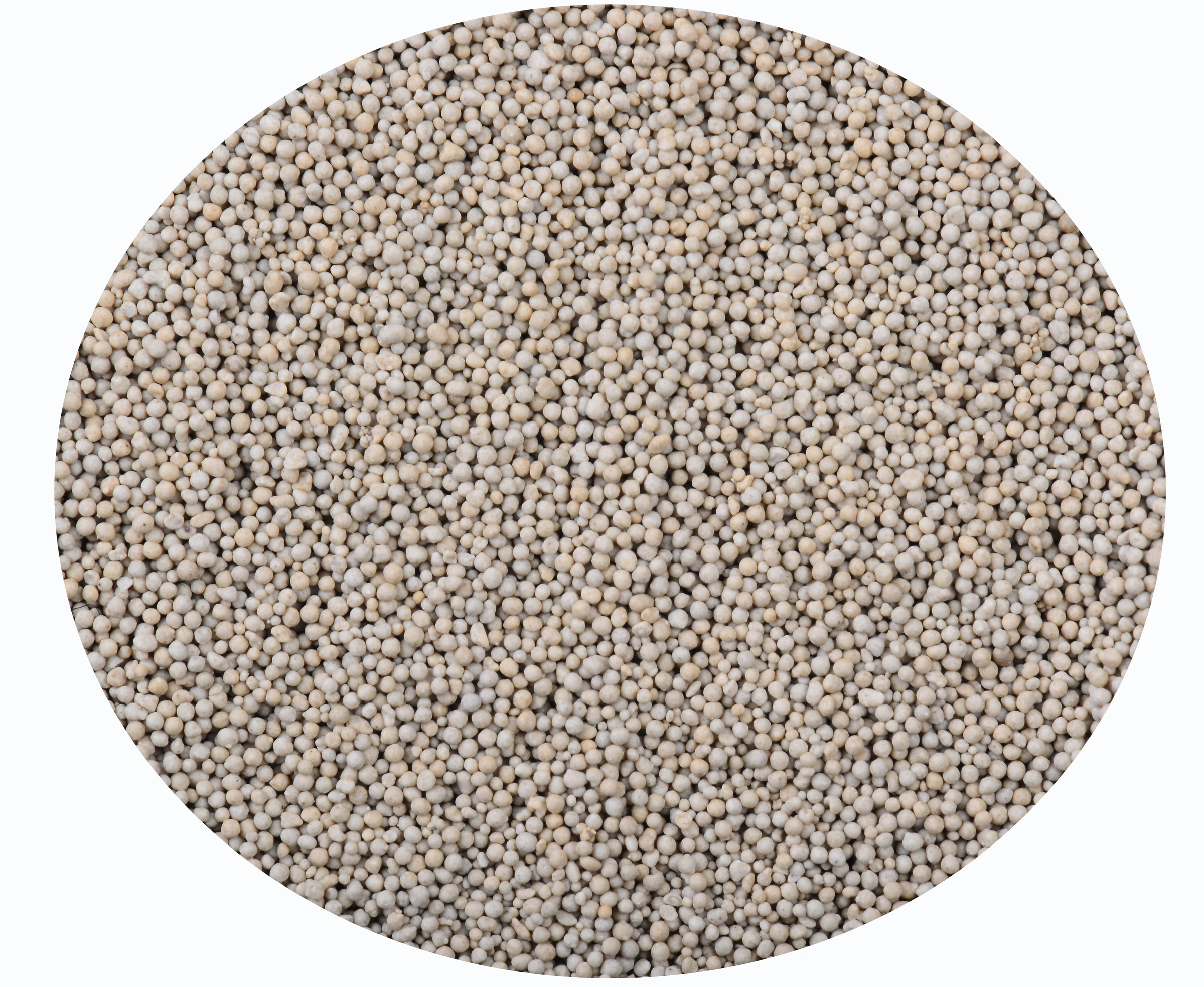
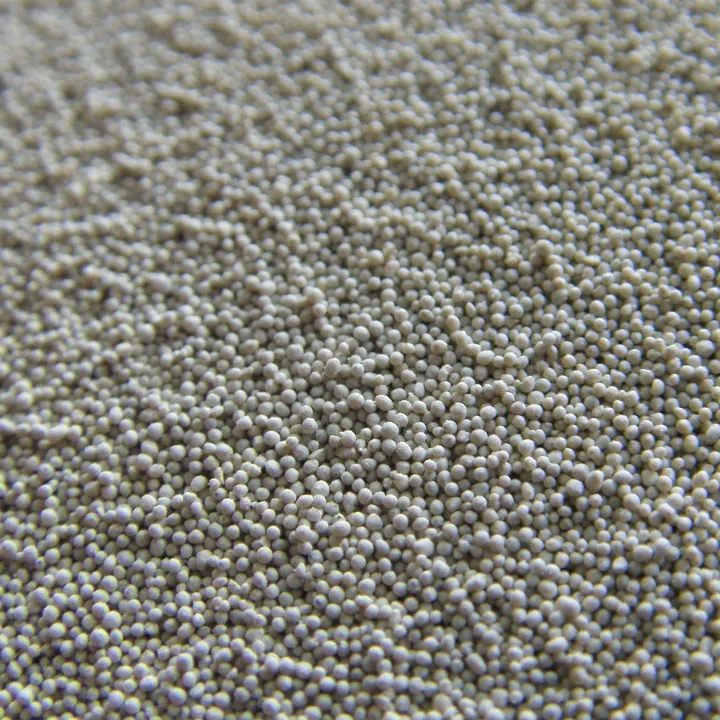
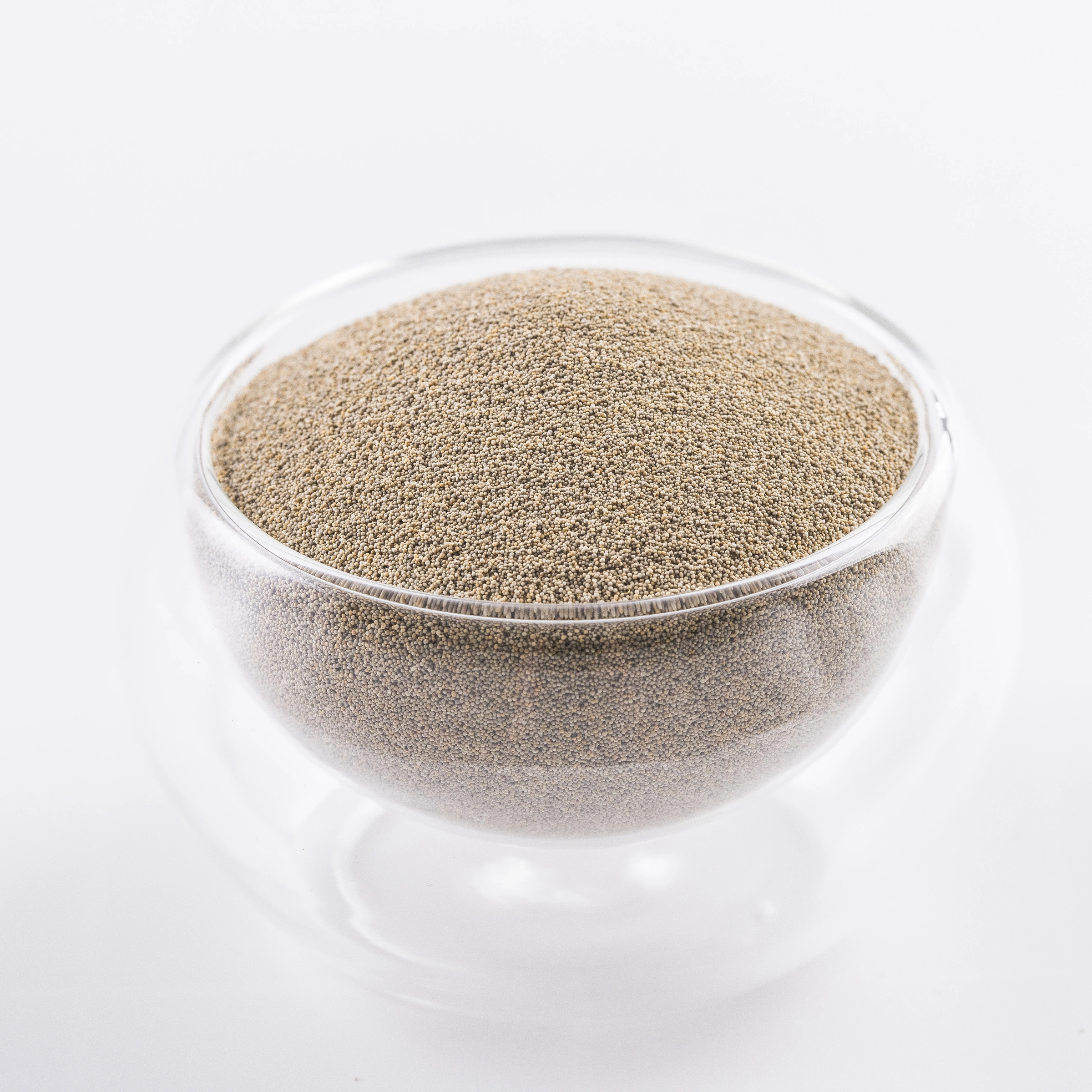
Product nameFoundry Ceramic SandColorbrown
-
Thermal expansion4.5-6.5*10-6/KAngular Coefficient≤1.1
-
Loss on Ignition<0.1%mesh range20-270mesh
-
Refractoriness≥1800℃Bulk density1.50-1.65g/cm3
-
ApplicationSand CastingCertificateISO9001
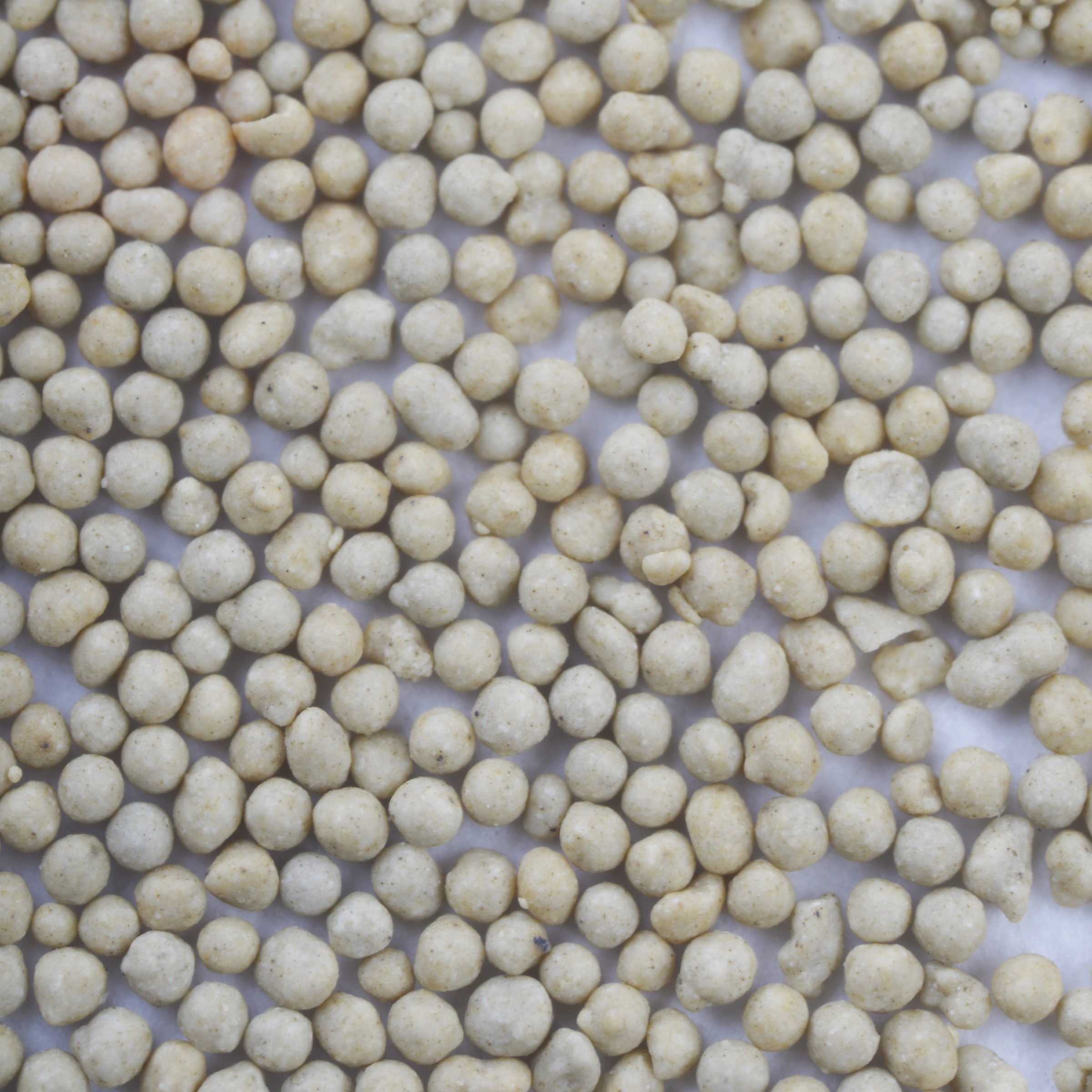
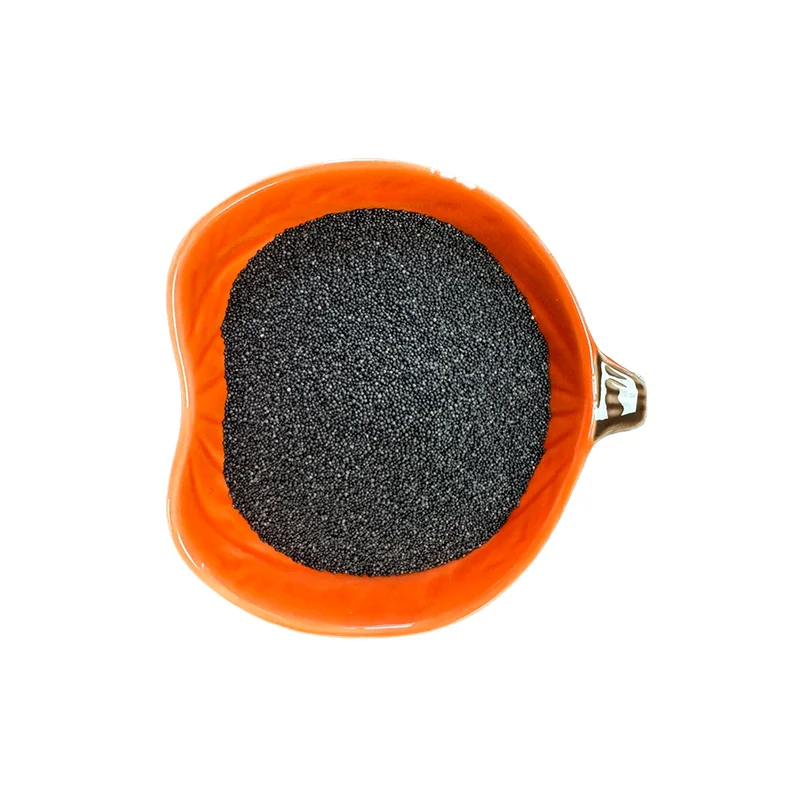
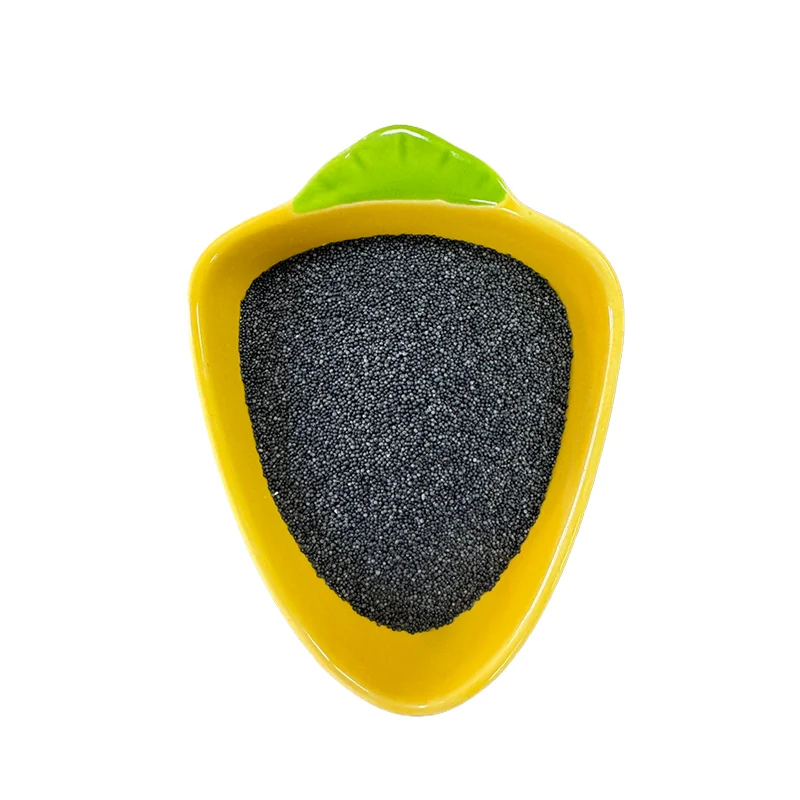
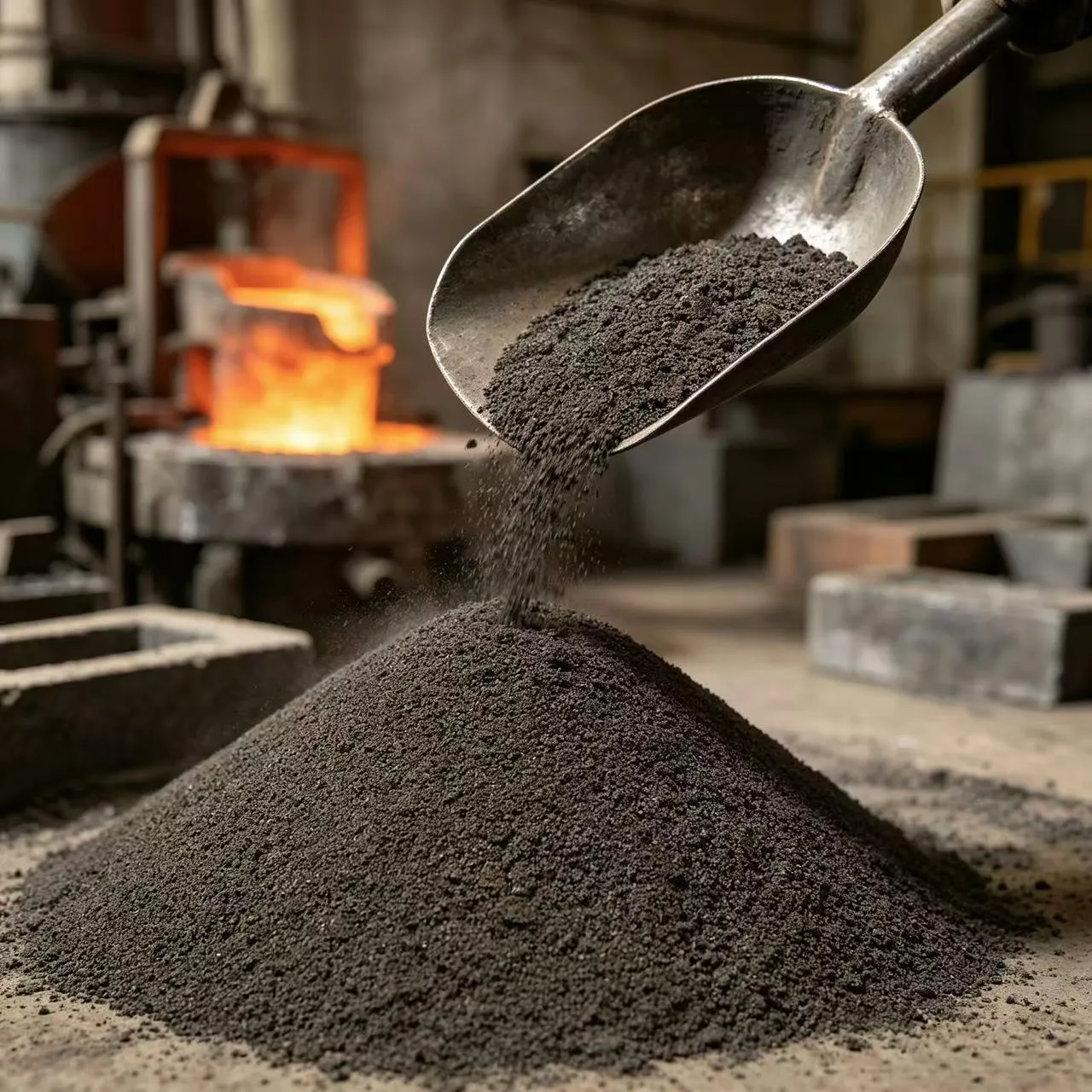
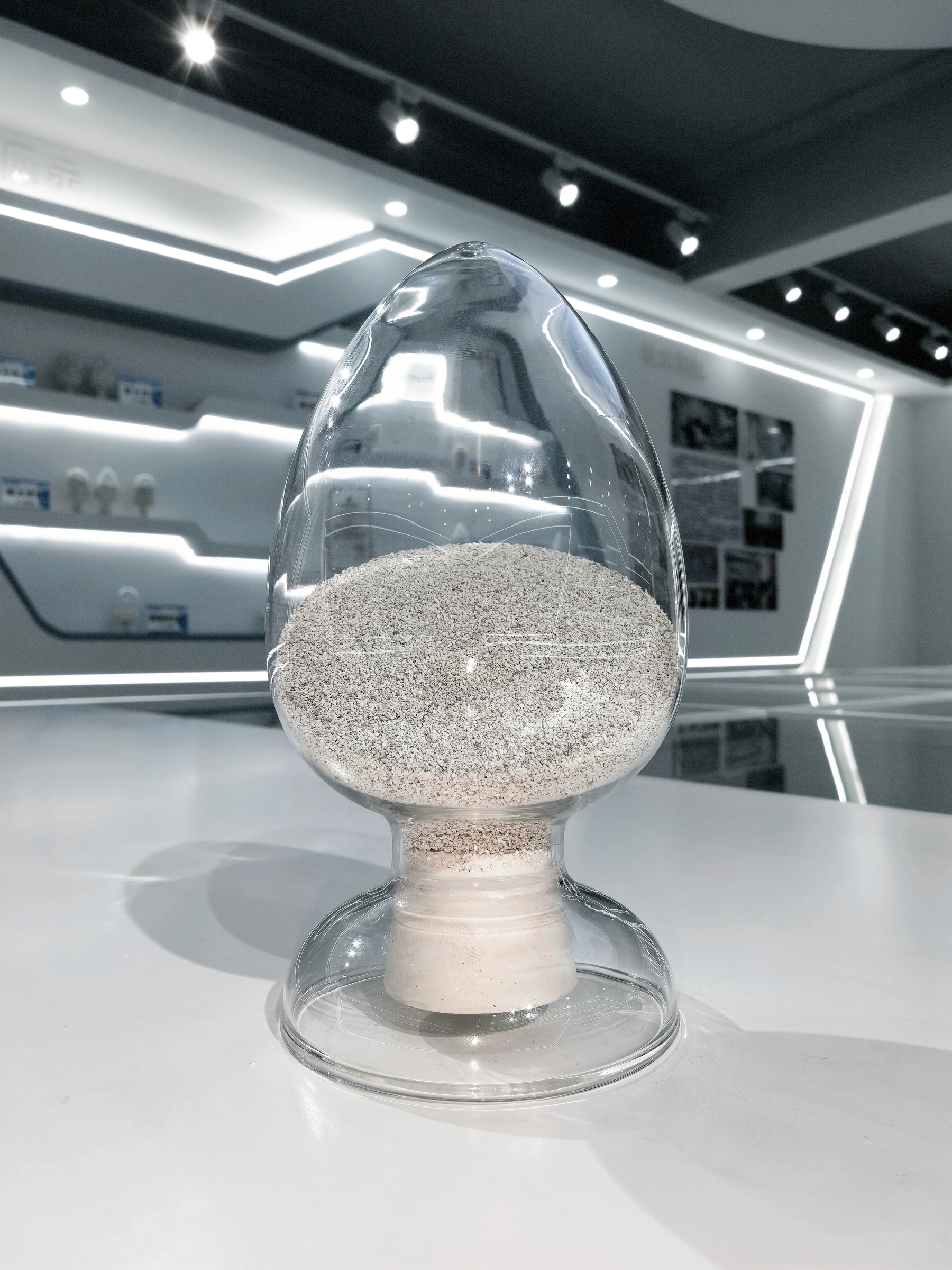
Brown ceramic foundry sand offers a defined material enquiry for ductile-iron and other sand-casting projects. Select the grain distribution and the process requirement together so the proposed sand grade can be evaluated within the foundry setup. The ceramic material's thermal and physical data should be considered alongside its intended mold or core role.
Specify grain distribution within the ceramic grade
The sand-size requirement should describe the distribution needed by the selected casting process, rather than rely only on the general material name. Establish how the grain requirement will be assessed and keep that acceptance basis attached to the chosen grade. For a ductile-iron sand-casting enquiry, this gives the particle-size discussion a defined manufacturing context.
- The available mesh range is 20-270 mesh.
- Refractoriness is at least 1800 °C.
- Thermal expansion is 4.5-6.5 × 10^-6/K.
- The angular coefficient is no greater than 1.1.
- Loss on ignition is below 0.1%.
Connect thermal data to the intended pour
The ceramic-sand selection should identify the metal and the binder system used in the proposed mold or core. Evaluate the thermal requirement under the conditions relevant to that application, keeping refractoriness distinct from a continuous-use temperature limit. The foundry can then discuss the grade against the actual process instead of treating a high-temperature description as a complete suitability decision.
Set the material acceptance brief
Define the particle-size criteria and the relevant physical-property requirements for the ceramic sand order. Include the process conditions that will be used when evaluating the selected grade, together with the applicable acceptance basis. For a ductile-iron casting project, that material brief connects the sand's documented properties to the foundry's own mold, binder and pouring requirements.