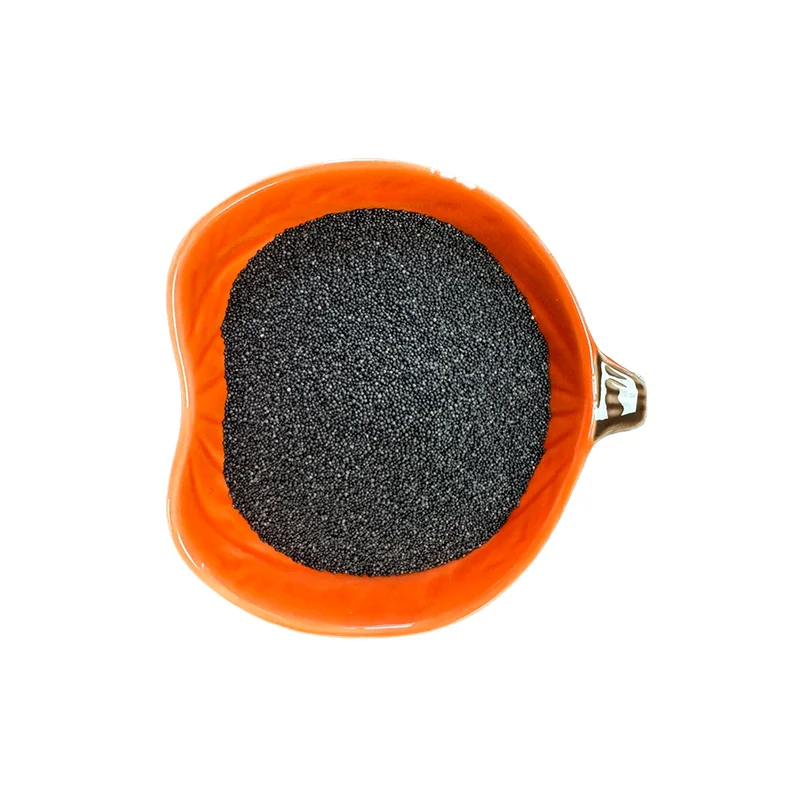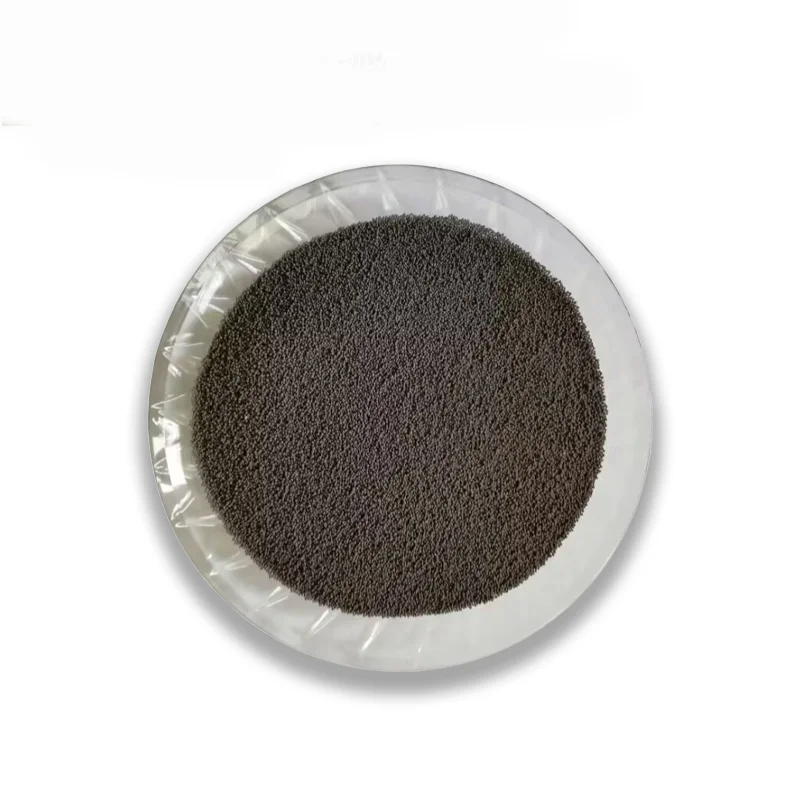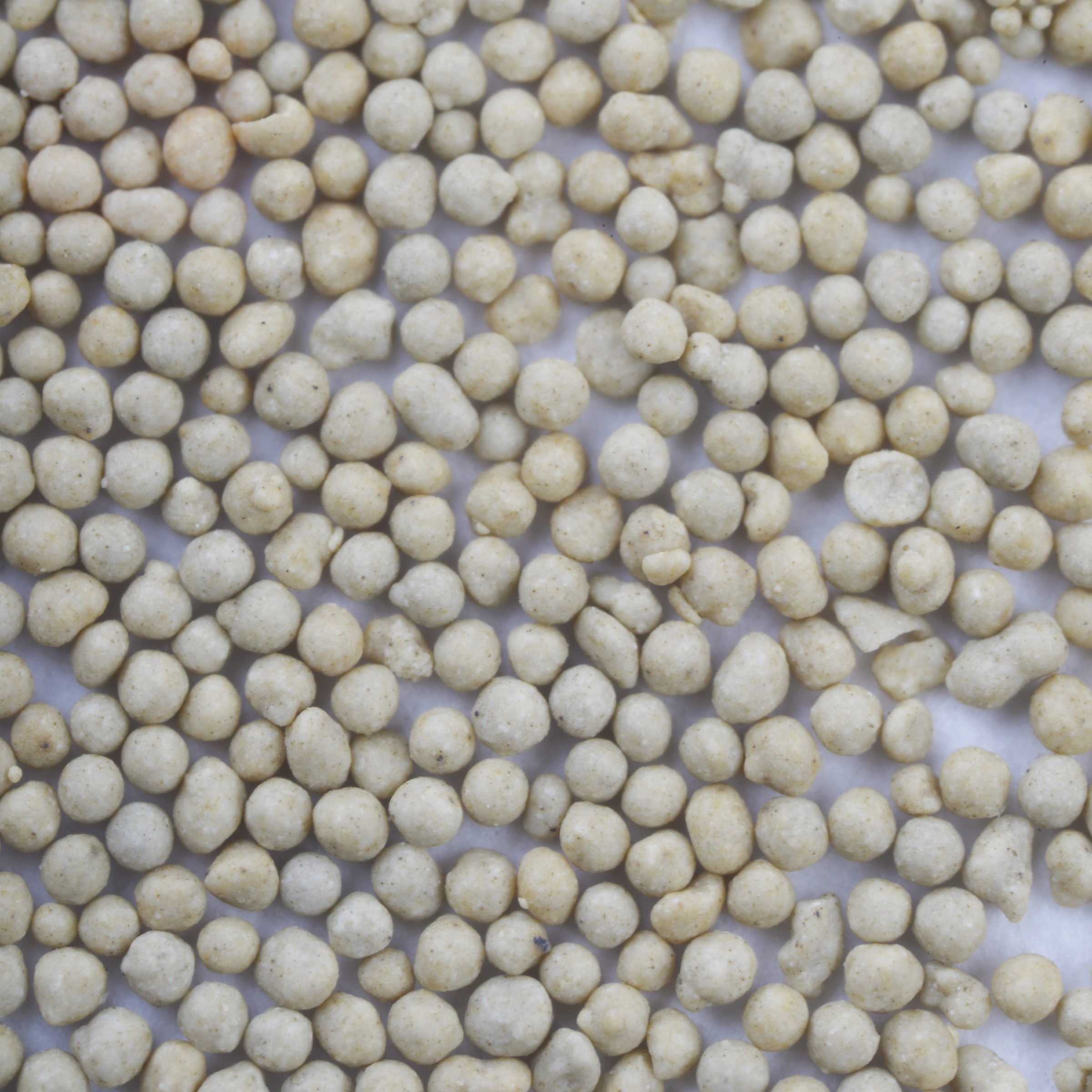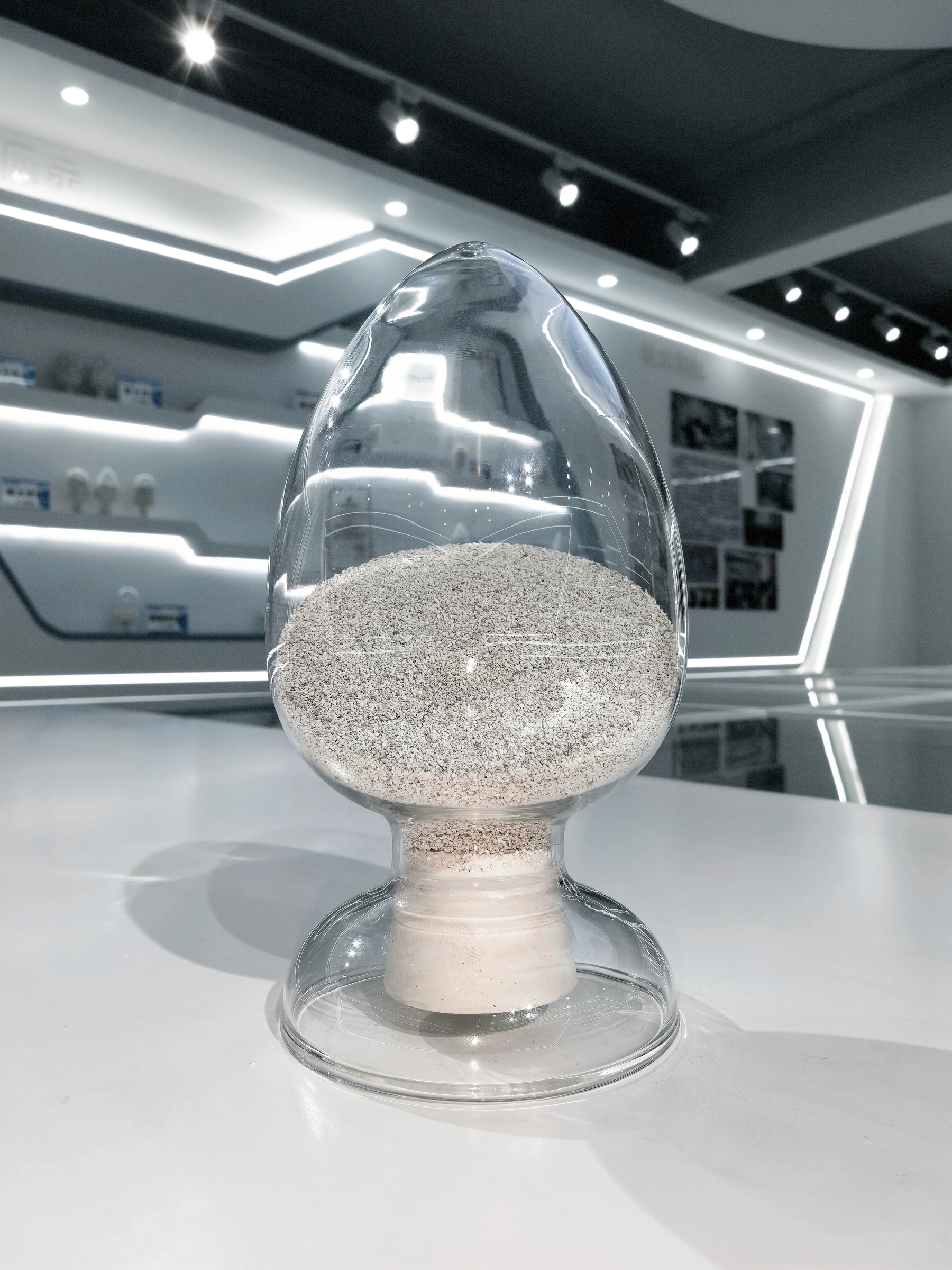
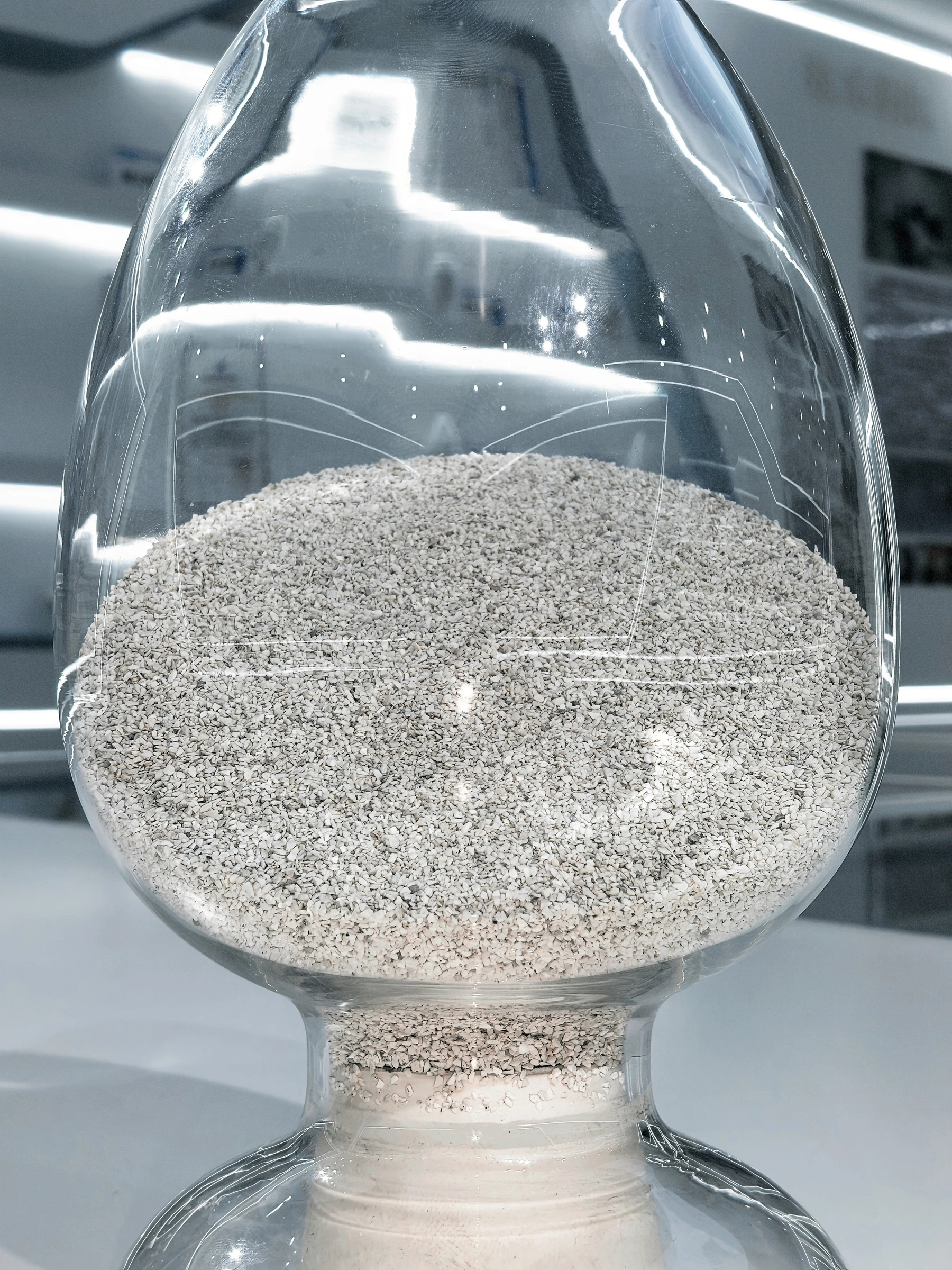
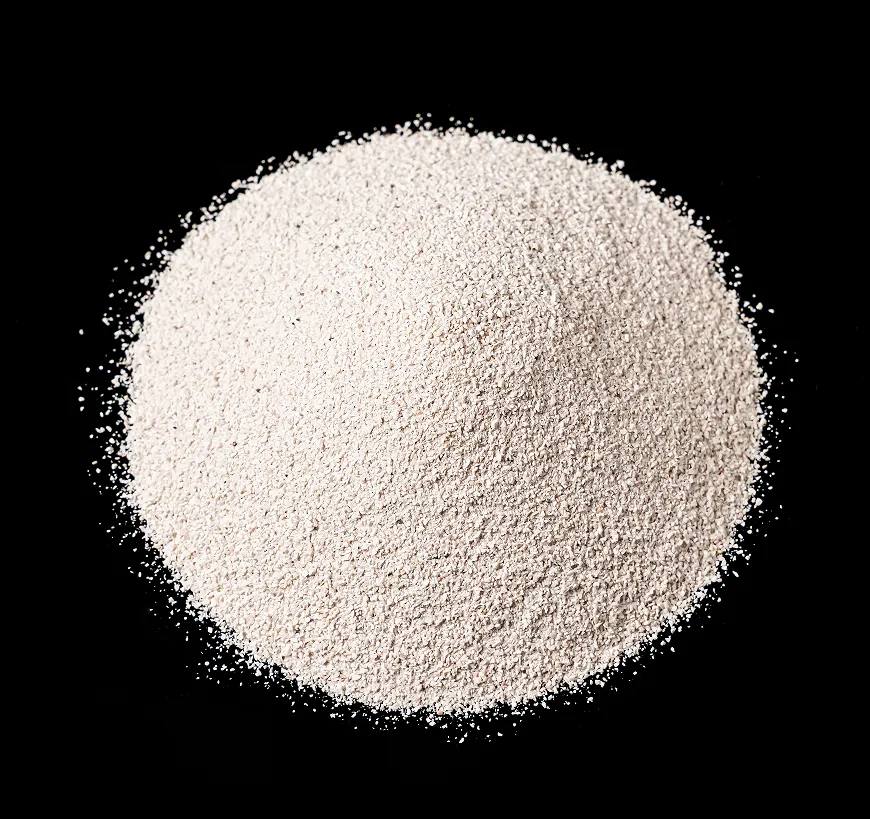
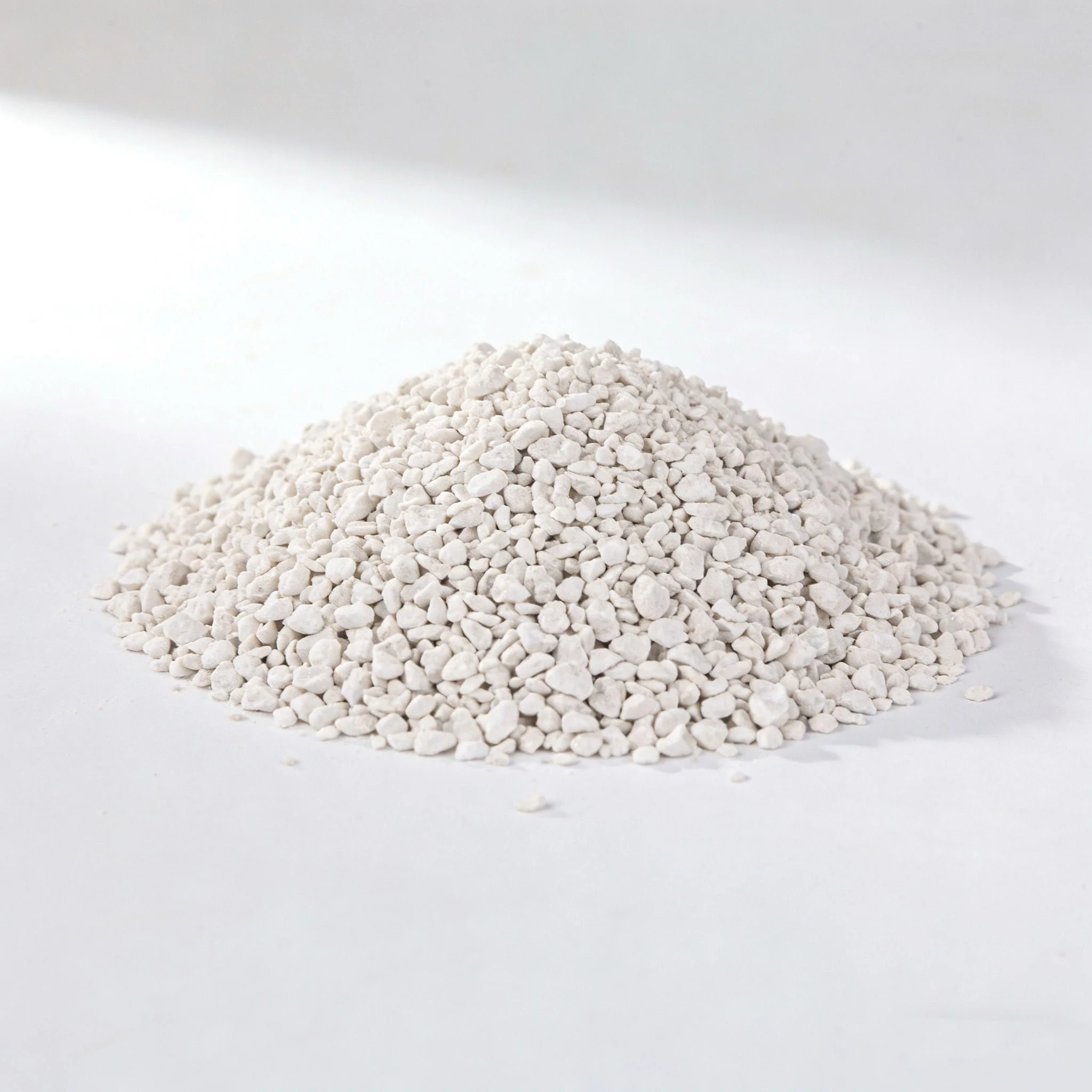
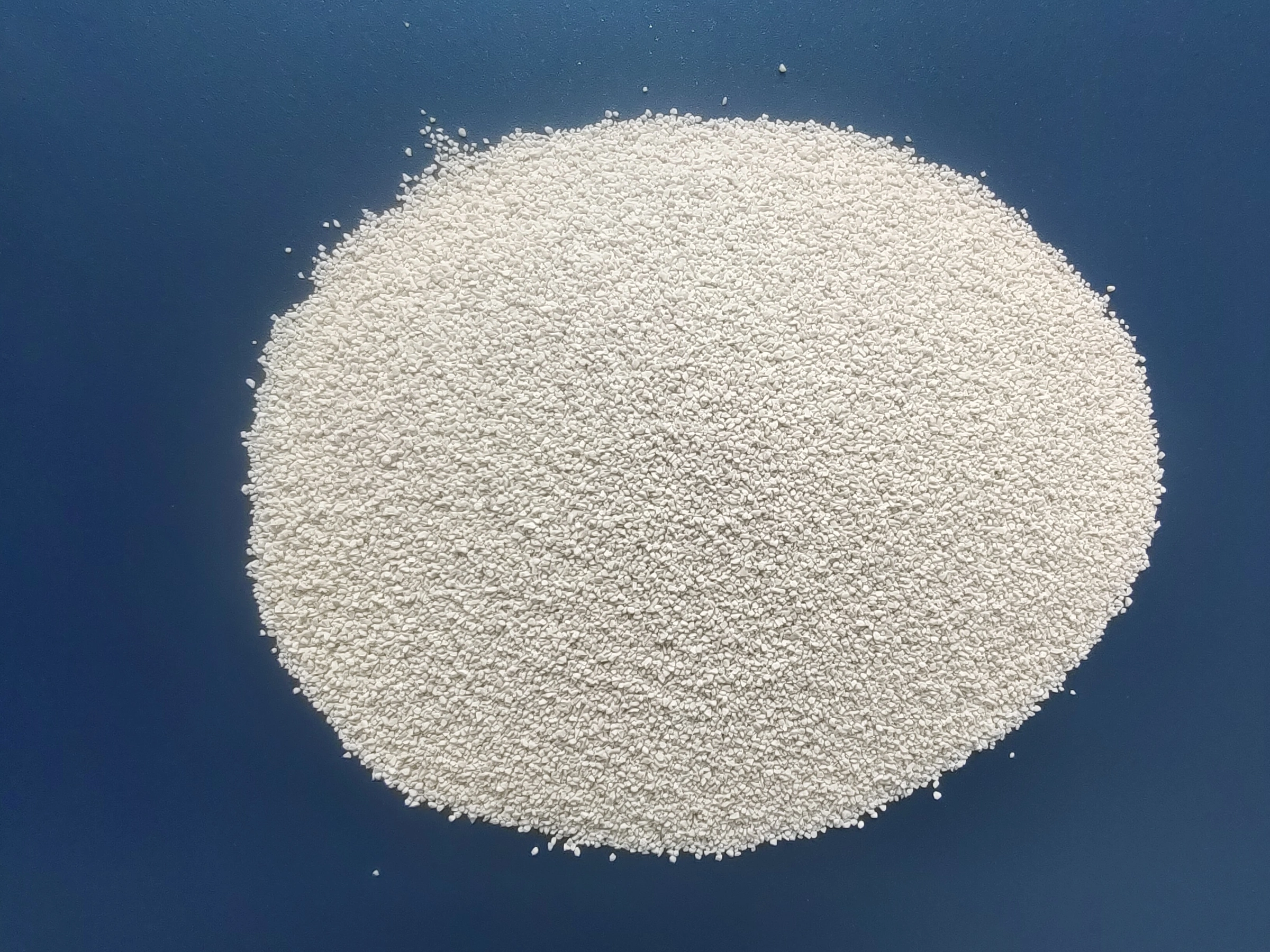
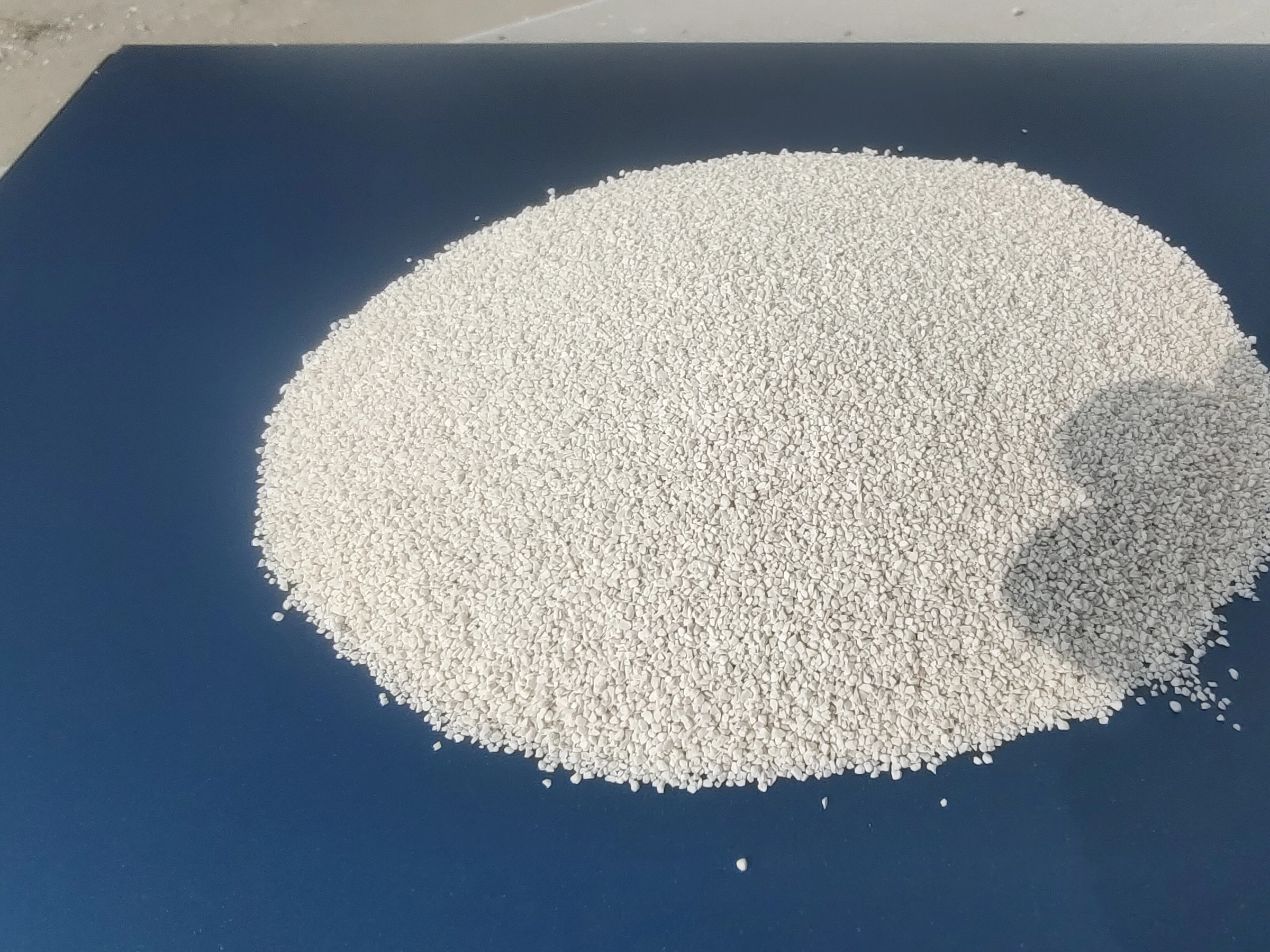
30–60 Mesh Mullite Casting Sand: 46–48% Al2O3, 50–52% SiO2, 1770–2000°C Refractoriness for Automotive, Aerospace and Machinery
Direct factory support
Get a quote that fits your project
Send your drawing or product reference, material grade and required quantity. Relia will review the requirements with you.
- Drawing & specification review
Confirm the supply scope and critical requirements.
- Samples before custom production
Review inspected samples before approving a batch.
- Inspection documents
Agree material and dimensional records for your part.
-
Al2O3 Content (%)46-48CaO Content (%)<0.5
-
MgO Content (%)<0.5SiO2 Content (%)50-52
-
Refractoriness (Degree)High Refractory (1770 °C~2000 °C)UsageMetal Casting
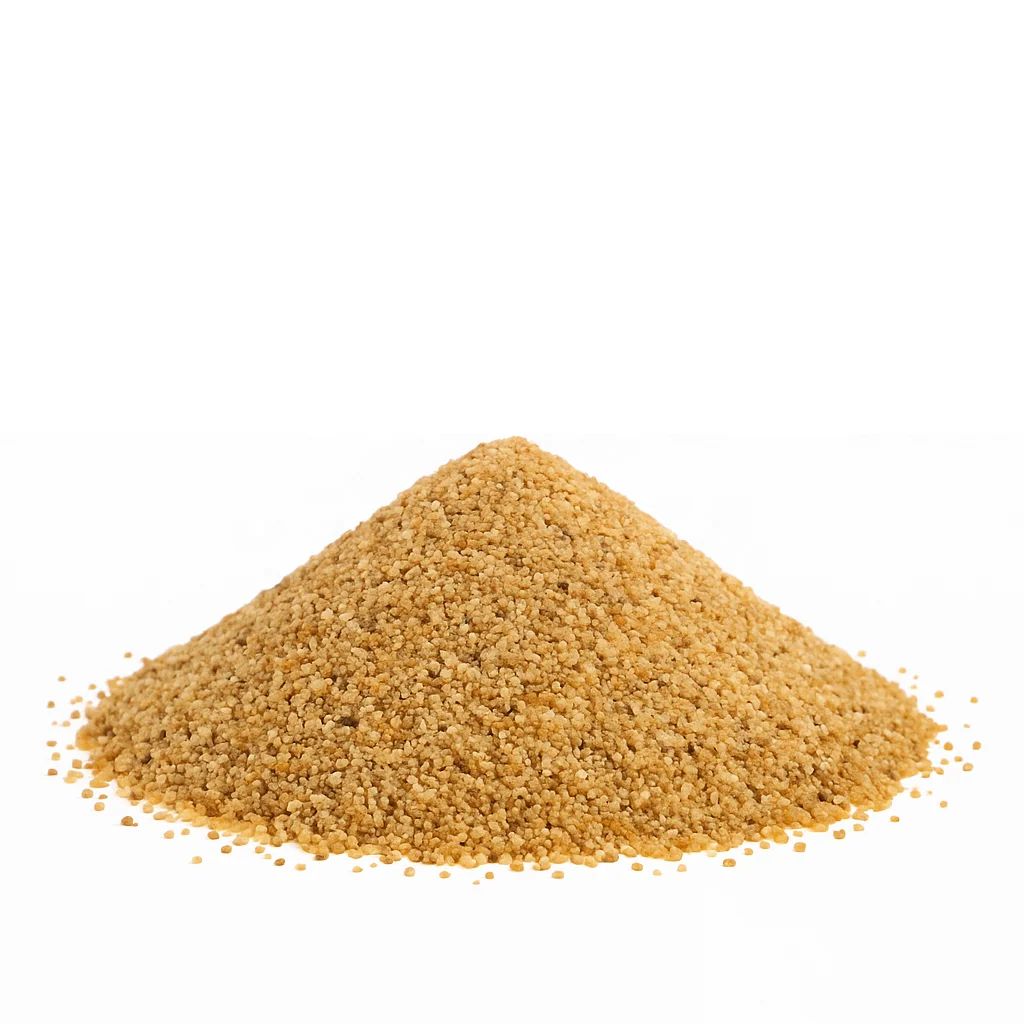
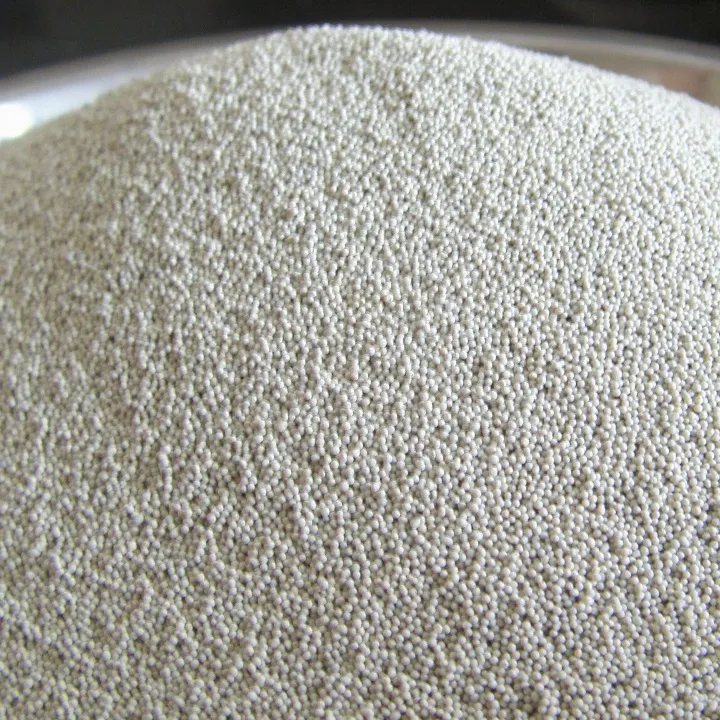
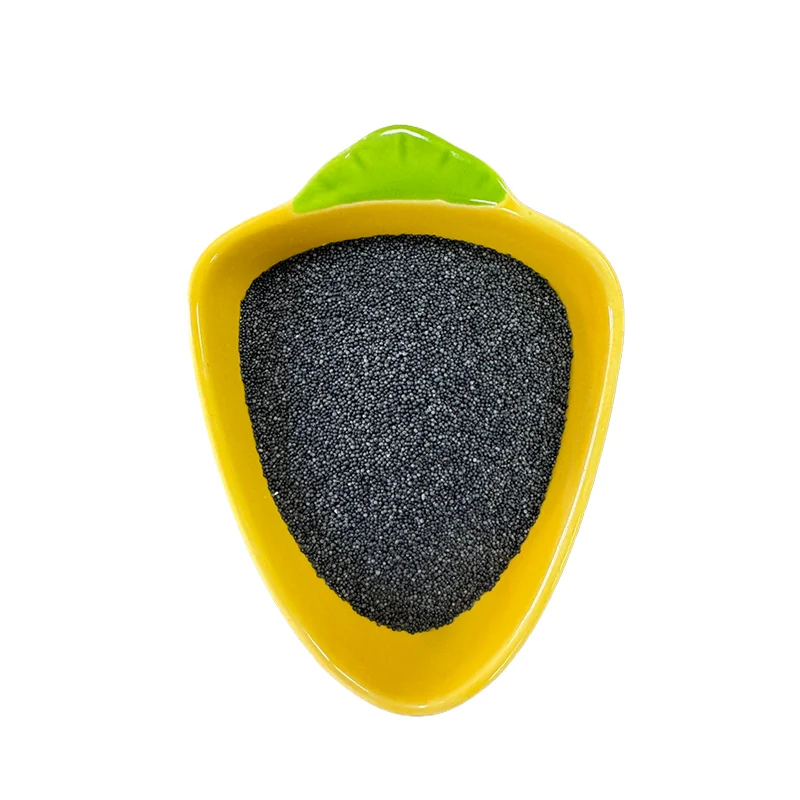
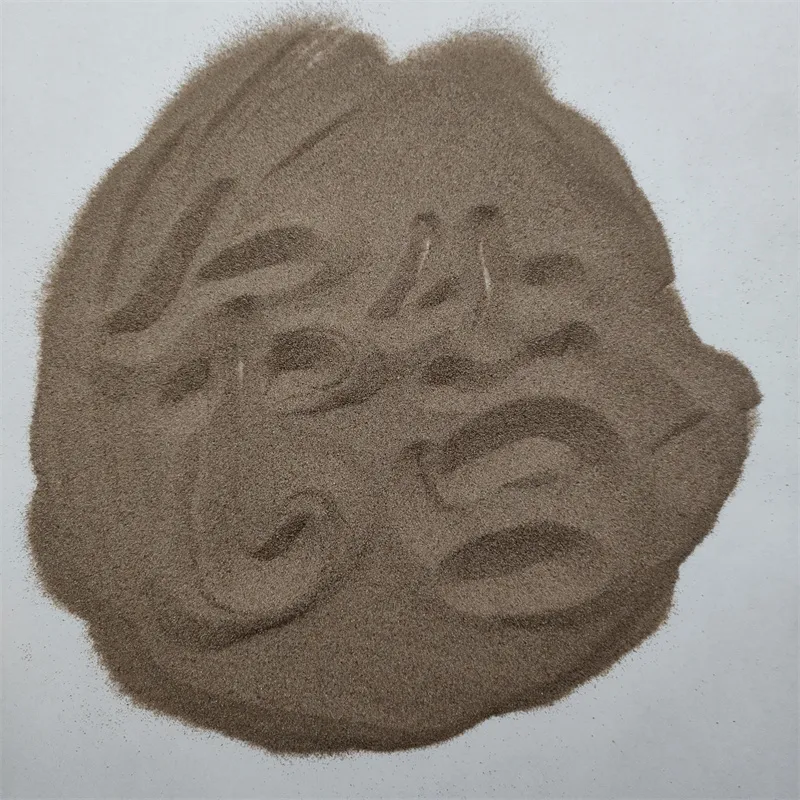
Mullite casting sand should be evaluated as a defined foundry material rather than selected by a high-temperature description alone. This 30-60 mesh grade is offered for metal-casting enquiries, including automotive, aerospace and machinery projects. Connect the grain requirement and chemistry to the mold or core process in which the sand will be used.
- Al2O3 content is 46-48% for the mullite grade.
- SiO2 content is 50-52%.
- CaO content is below 0.5%.
- MgO content is below 0.5%.
- Refractoriness is 1770-2000 °C.
Make grain distribution part of the request
The mullite-sand enquiry should identify the particle-size distribution needed by the foundry process. Agree how that requirement will be assessed for the selected grade, alongside the way the material will be used in the mold or core. A grain-size description and a chemistry requirement answer different parts of the sand-selection decision.
Evaluate mullite within the intended casting process
Identify the metal being cast, the proposed binder system and the process conditions relevant to the mullite application. Those details provide a practical basis for evaluating the sand in the actual foundry setup. Automotive or aerospace project terminology should be accompanied by the acceptance requirements of the particular casting task.
Define how the sand grade will be accepted
Keep the chemistry limits and particle-size criteria distinct in the purchase brief for the mullite material. Specify the applicable acceptance basis for the selected grade rather than treating its material name as a complete process qualification. The foundry can then evaluate the offered sand against the requirement that matters to its own casting operation.
Use refractoriness in its process context
The thermal requirement for mullite sand belongs alongside the intended pouring and binder conditions. Evaluate that property with the rest of the material brief so the foundry selection addresses the complete application, while the stated refractoriness remains separate from a continuous-use temperature requirement.