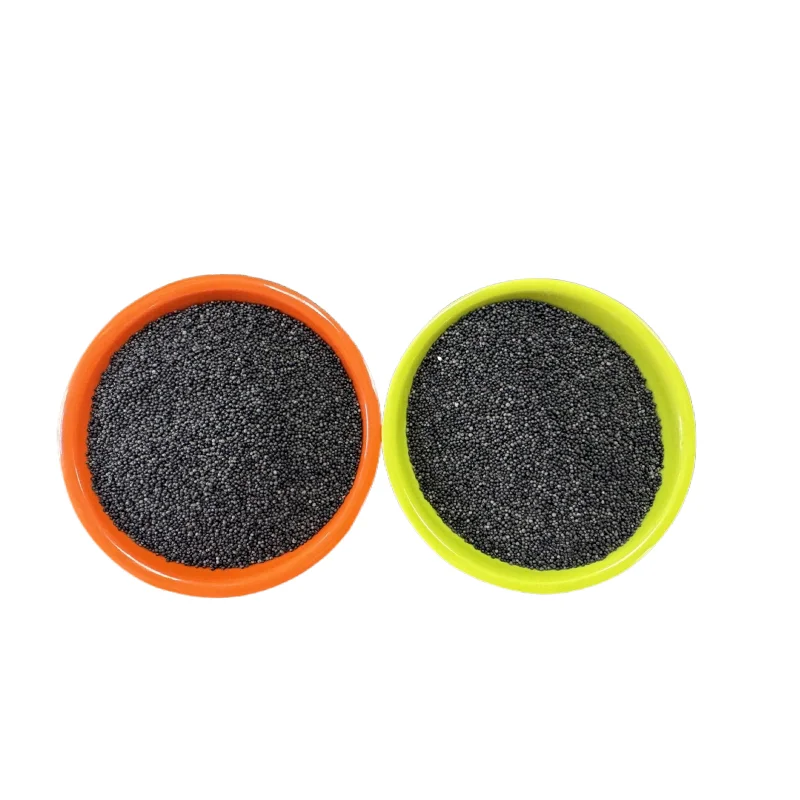
Recyclable Ceramsite Foundry Molding Sand — 8+ Reuses, Low Dust and AFS30–AFS200 Ceramic Grades
Direct factory support
Get a quote that fits your project
Send your drawing or product reference, material grade and required quantity. Relia will review the requirements with you.
- Drawing & specification review
Confirm the supply scope and critical requirements.
- Samples before custom production
Review inspected samples before approving a batch.
- Inspection documents
Agree material and dimensional records for your part.
-
Al2O3 Content (%)65-85%CaO Content (%)0.46%
-
CrO Content (%)N/AMgO Content (%)0.37%
-
SiC Content (%)N/ASiO2 Content (%)8-25%
-
Materialceramic foundry sandRefractoriness (Degree)High Refractory (1770 °C~2000 °C)
-
ShapeBallPacking500kgs/bag or 1000kgs/bag
-
SizeAFS30-AFS200,10-20 mesh 20-30mesh etc.MOQ1 ton
-
ApplicationGreen Material for Steel/lron/Aluminum/Alloy CastingOEMable to customize the size as requested
-
Al2O370%, 73%, 75%, 78%TiO22.94%
-
Na2O0.06%K2O0.48%
-
PH7-8
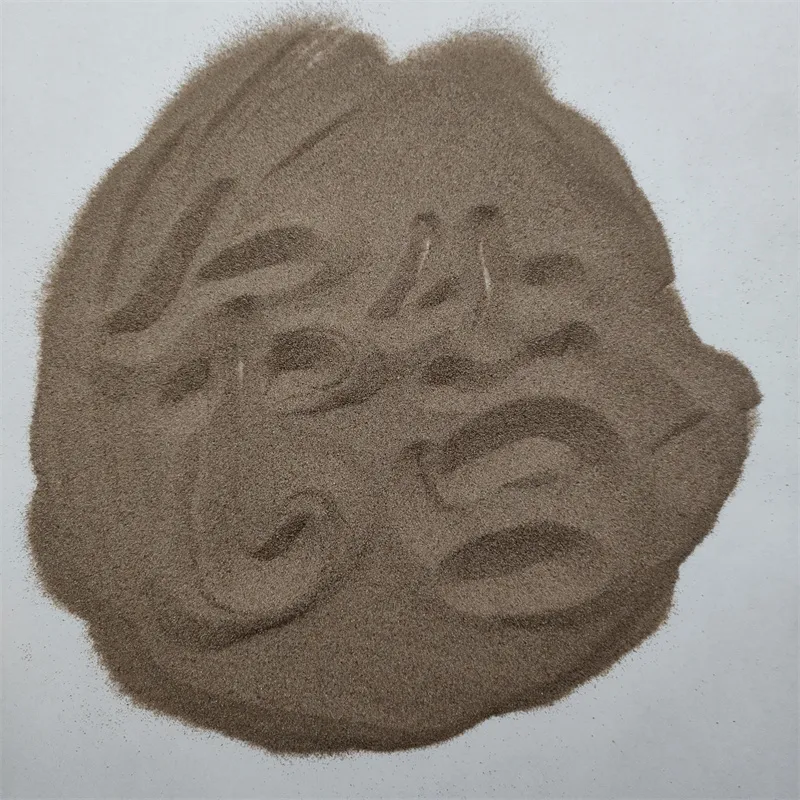
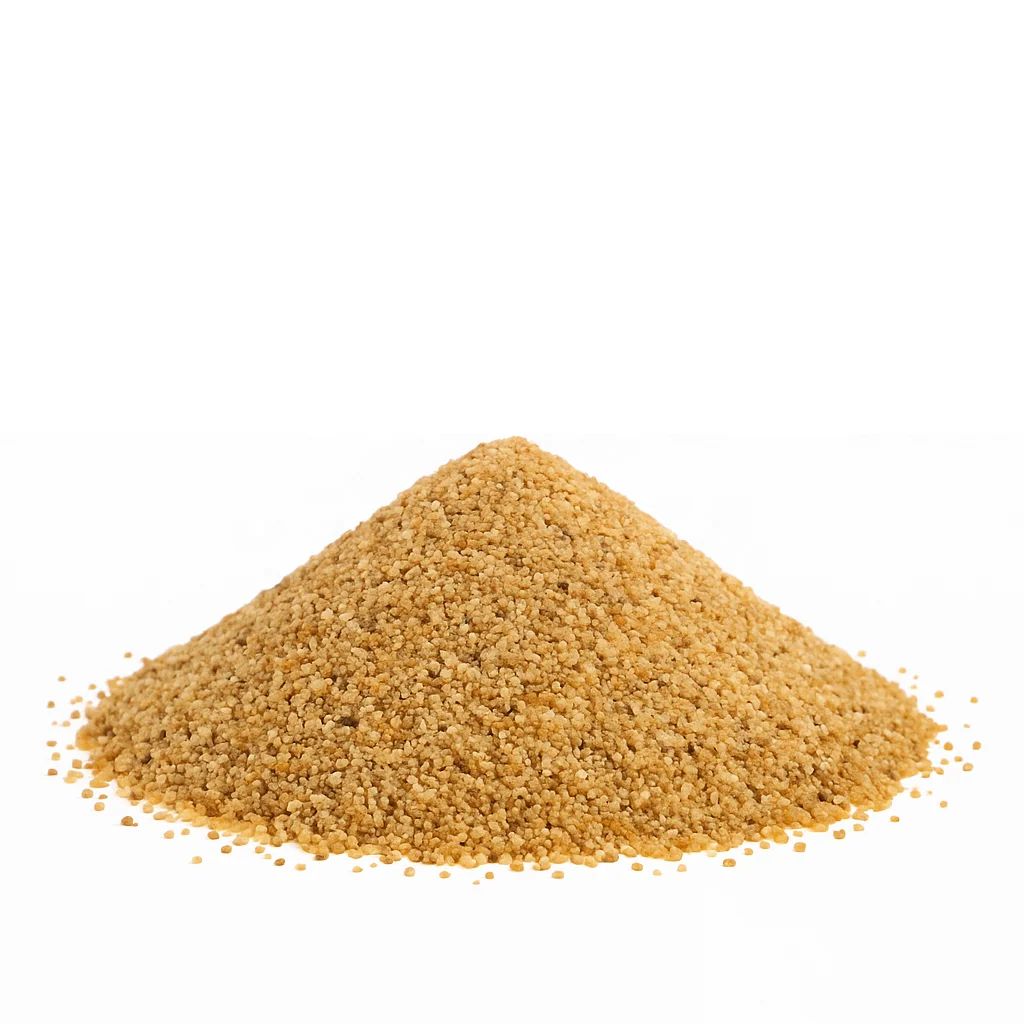
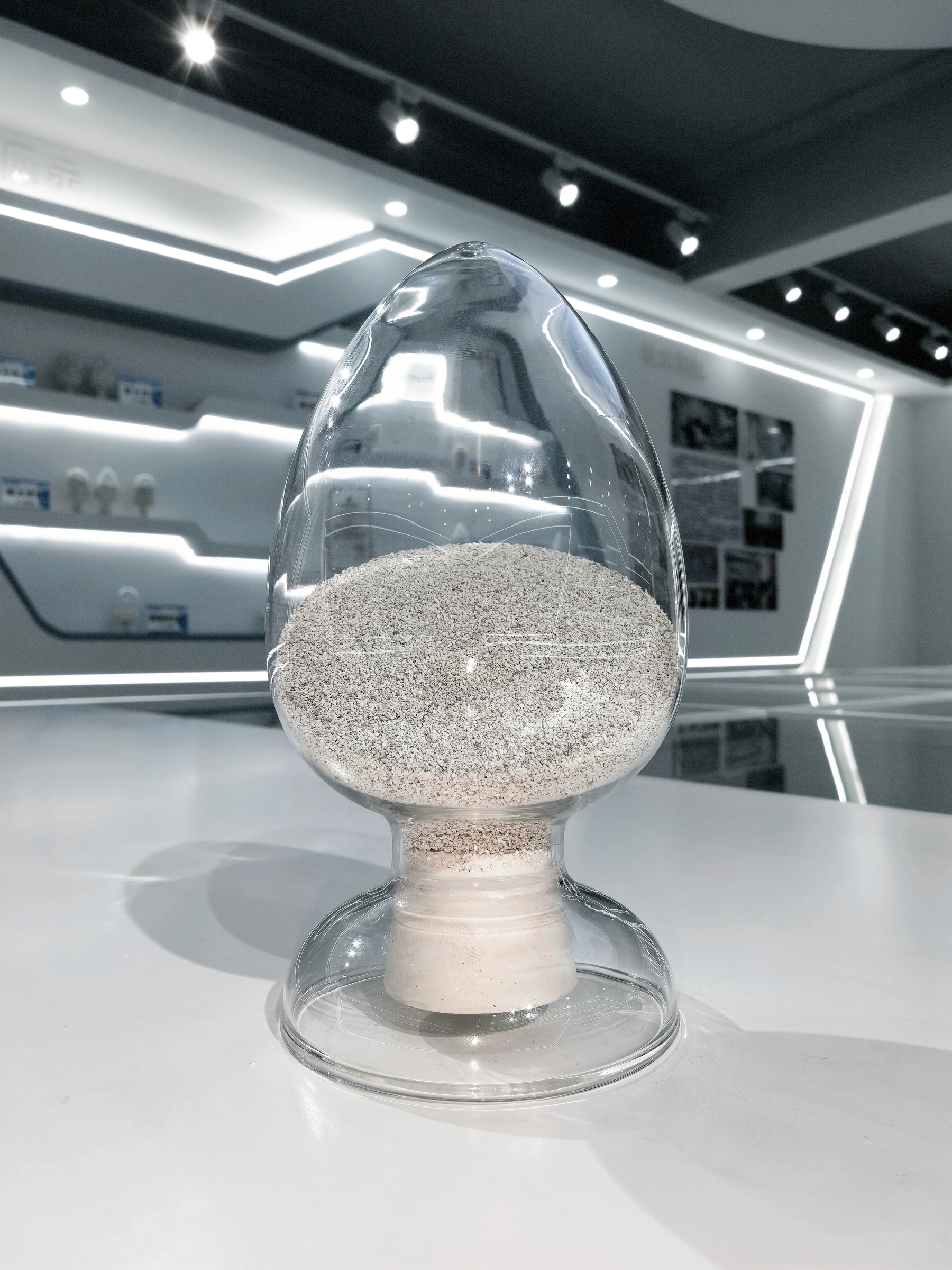
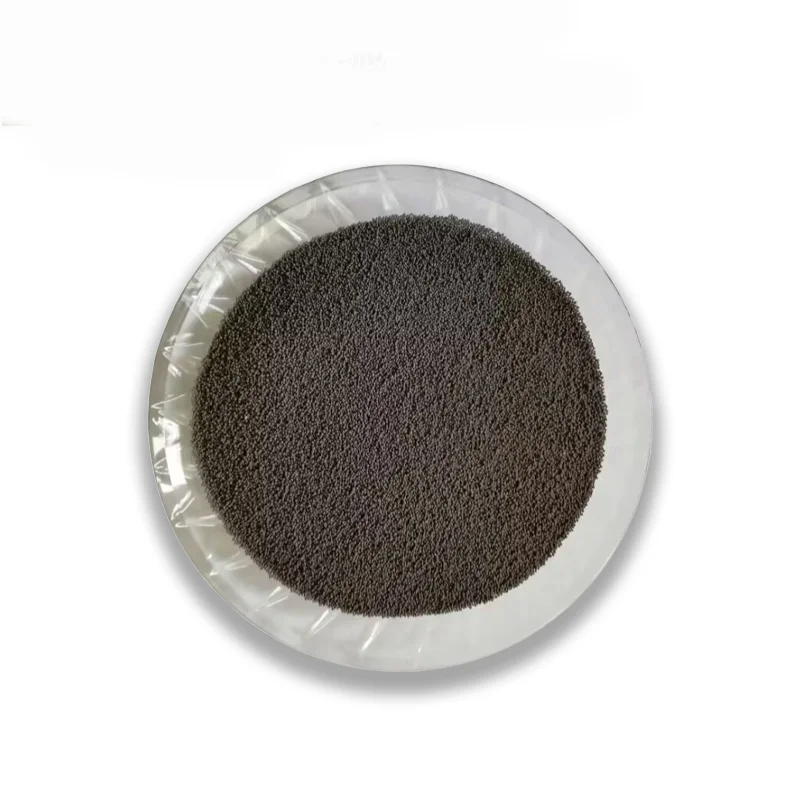
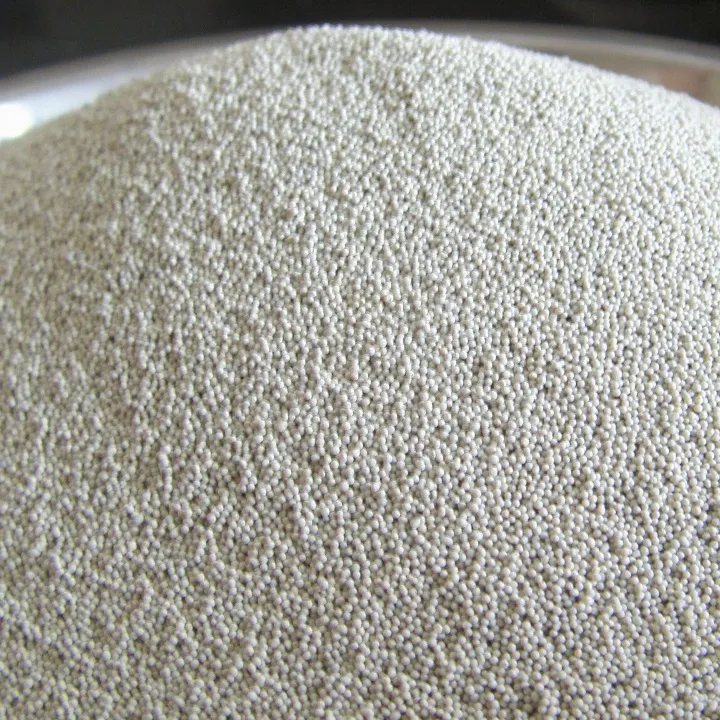
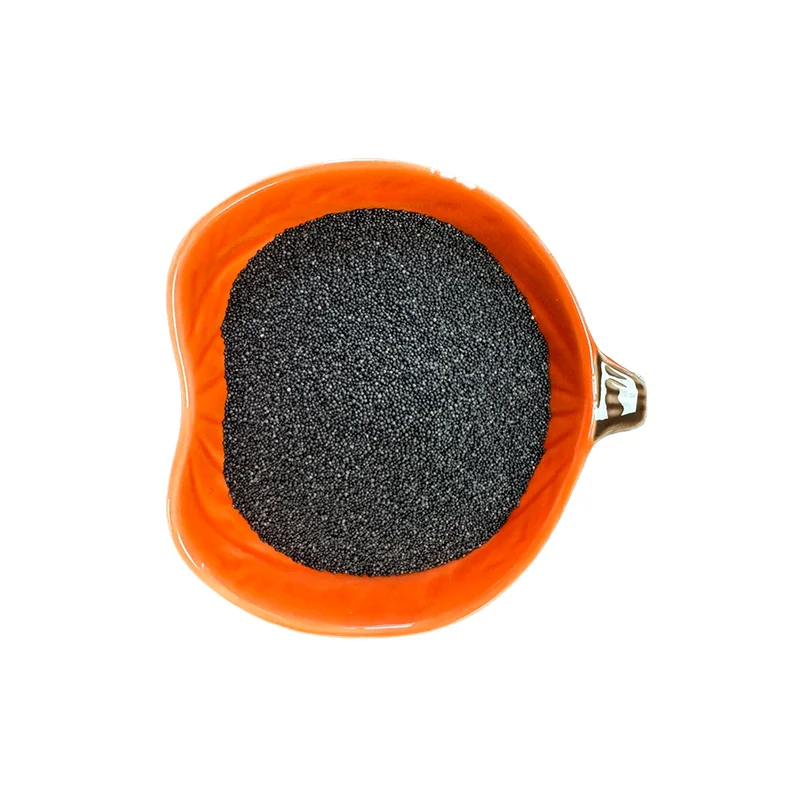
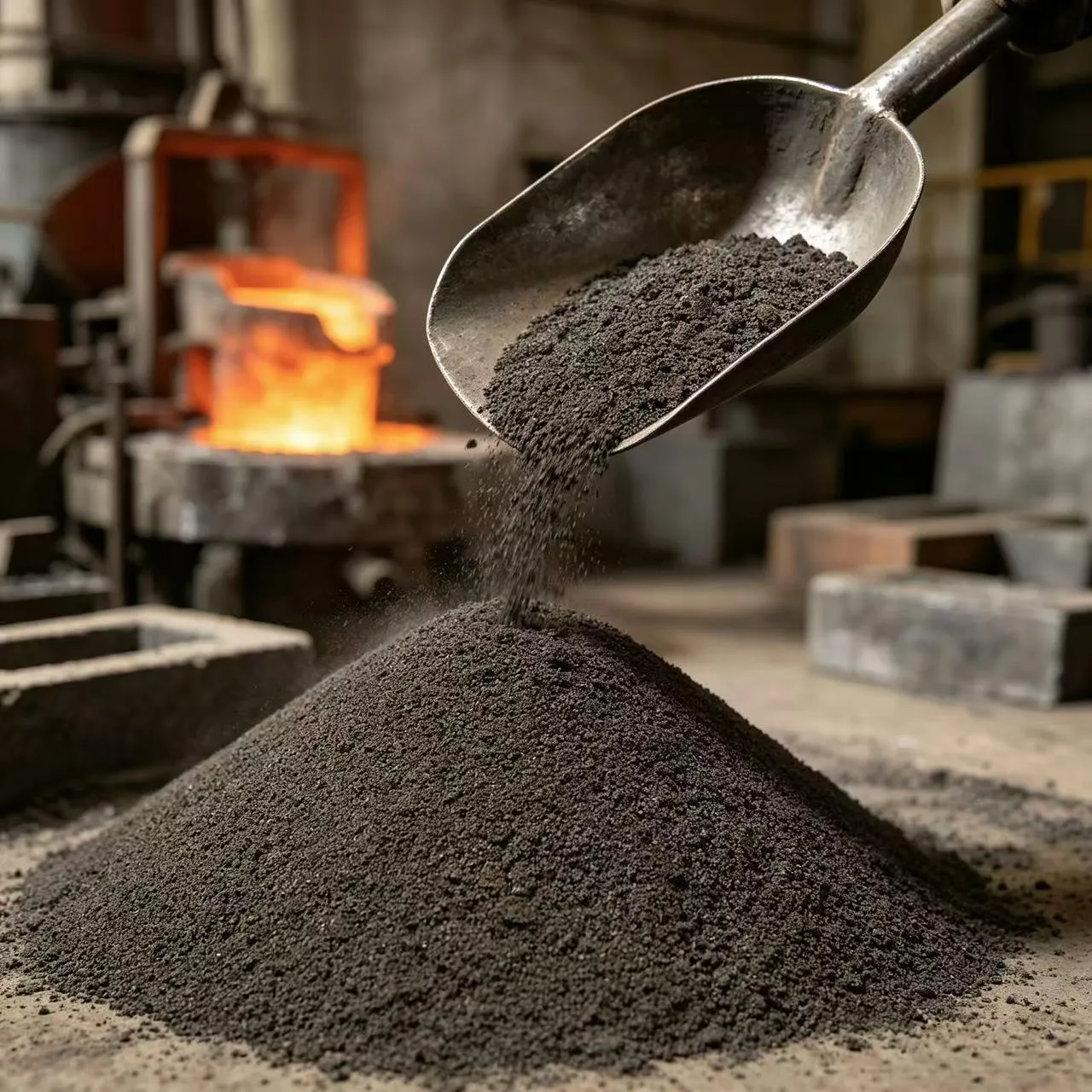
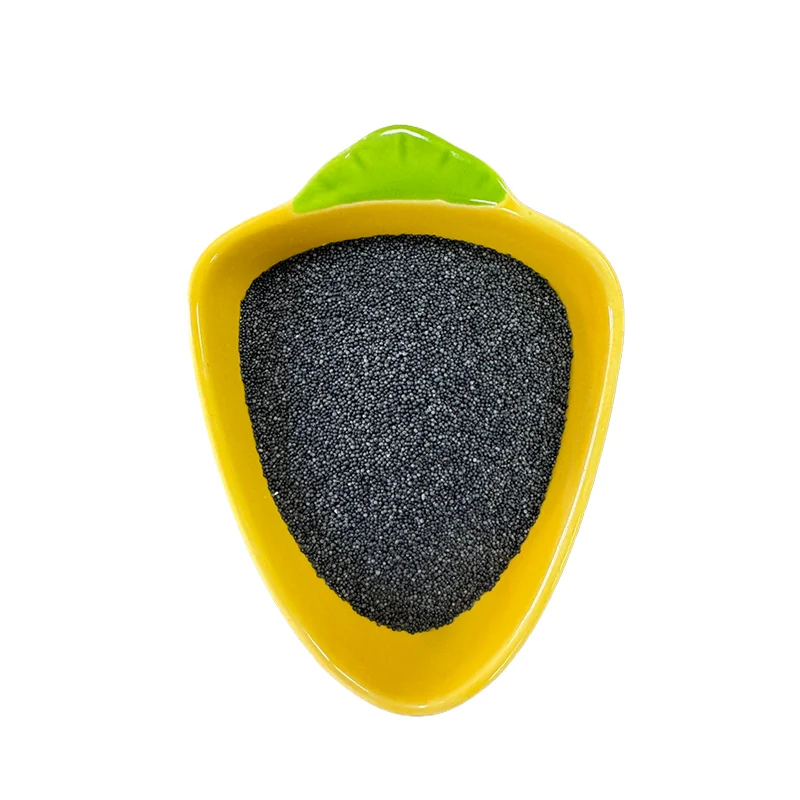
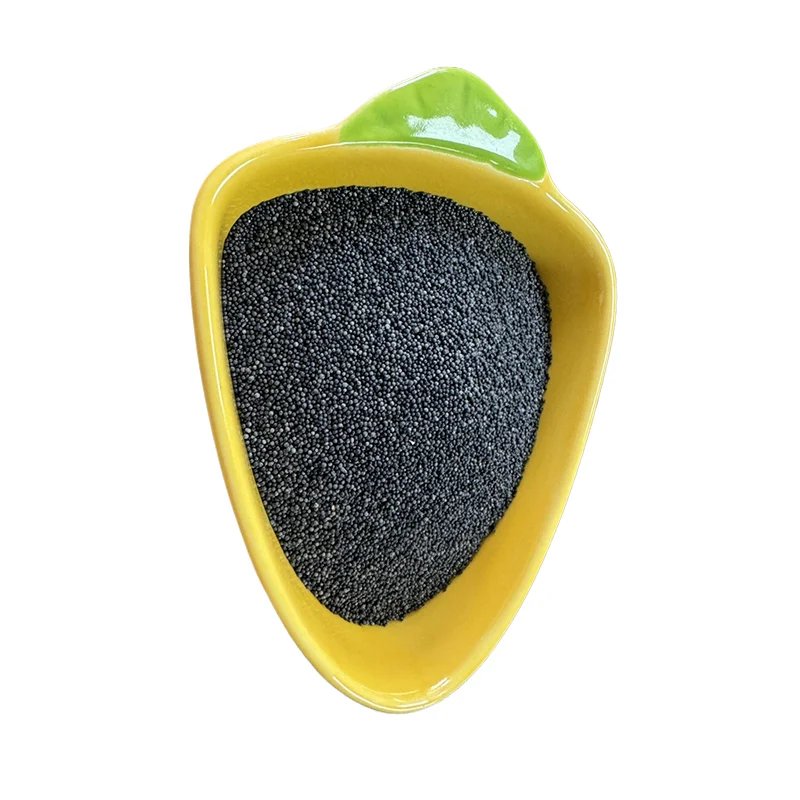
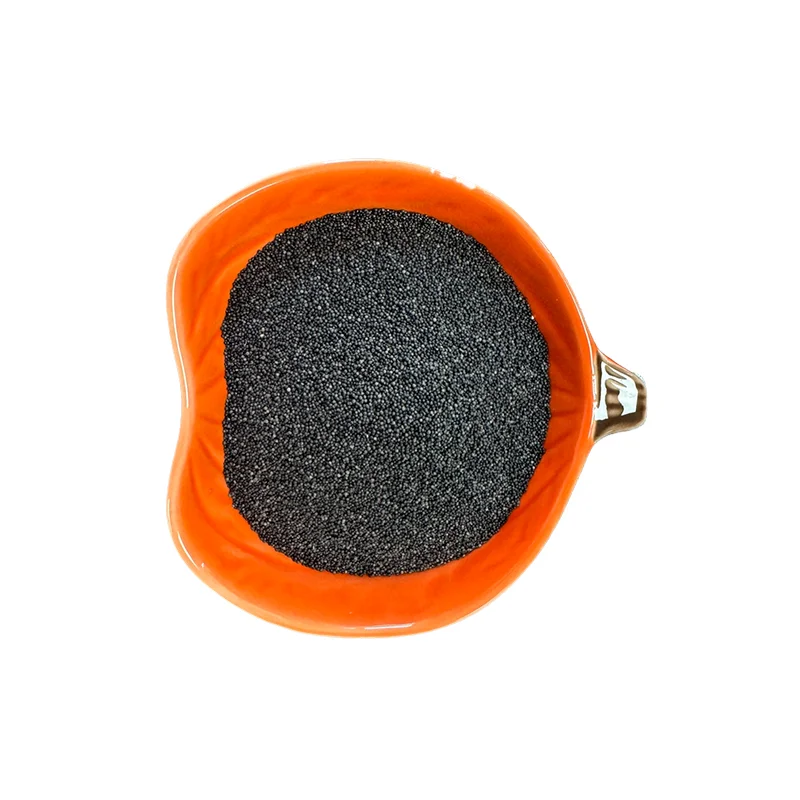
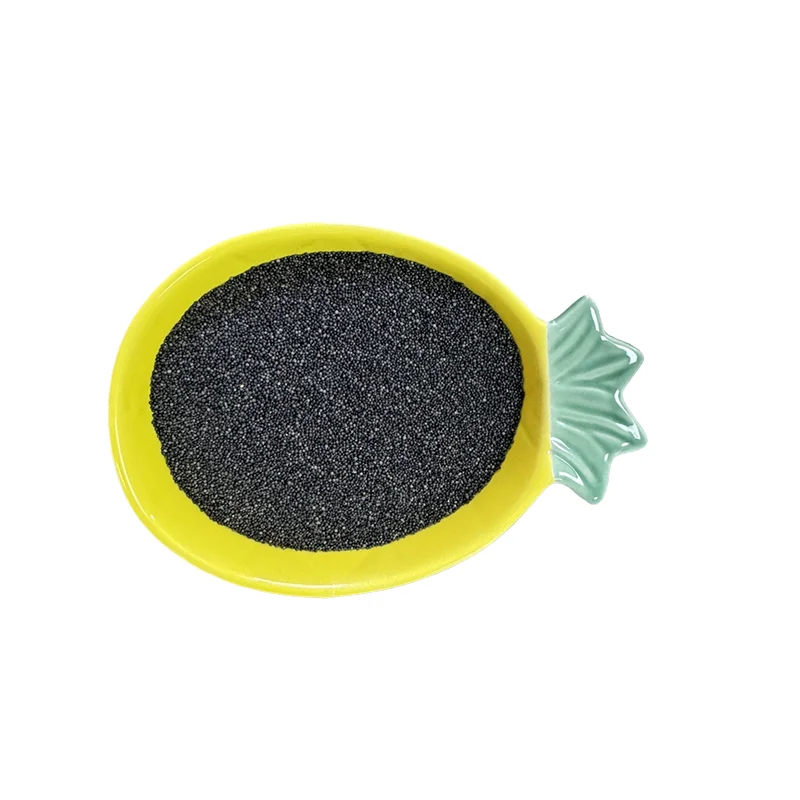
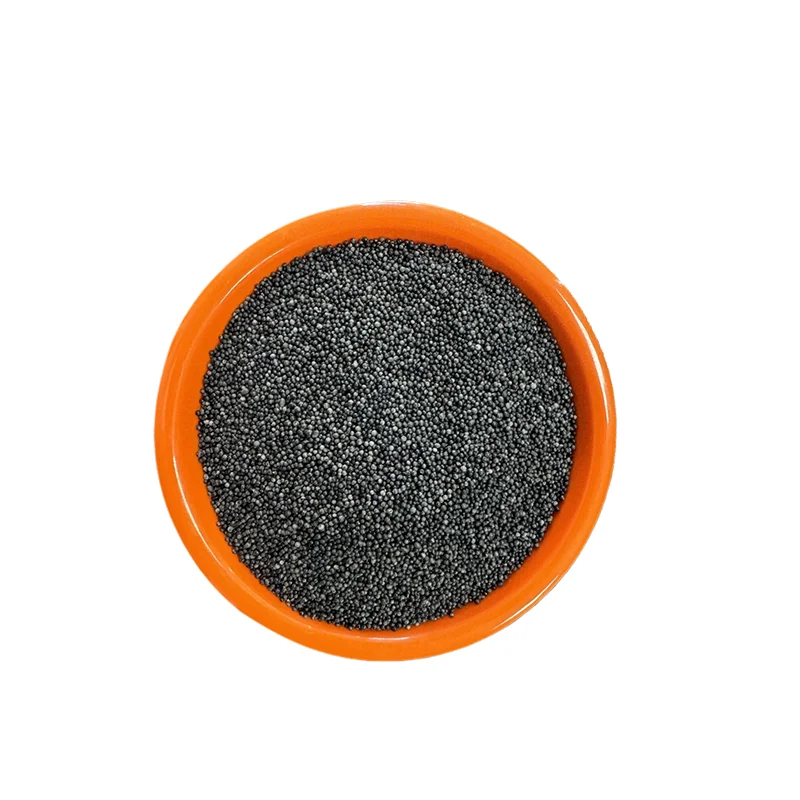
Ball-shaped ceramic/ceramsite molding sand is offered for non-ferrous casting, with steel, iron, aluminum and alloy-casting applications also named. Its performance scope includes 8+ uses and low dust emission. Select the grade and reclamation conditions for the intended foundry system when evaluating those characteristics.
Choose the grain distribution and alumina grade
Size scope is AFS30–AFS200, including 10–20 mesh and 20–30 mesh enquiries, with custom sizing available. The Al2O3 range is 65–85%, including 70%, 73%, 75% and 78% grades. Identify the selected grade and particle distribution rather than treating all ranges as one fixed composition.
- Specify the casting metal and intended molding or core process.
- Select the grain-size distribution and alumina grade.
- Identify the sand/binder system and reclamation arrangement.
- Define sample evaluation and repeated-use acceptance criteria.
Use refractoriness as a material-selection reference
The stated refractoriness range is 1770–2000°C. Apply that material reference alongside the actual metal, binder and process conditions; it is not a general continuous-operation temperature for every foundry system. The ball-shaped material and selected grading should be assessed against the required molding result.
Match the chemistry to the selected supply grade
Other references are SiO2 8–25%, CaO 0.46%, MgO 0.37%, TiO2 2.94%, Na2O 0.06%, K2O 0.48% and pH 7–8. Agree the batch analysis and acceptance limits for the chosen grade. The full chemistry request should identify which values apply to the supply being ordered.
Evaluate reuse under the intended reclamation conditions
Describe how the sand will be recovered and reused in the process. Agree the criteria for evaluating the 8+ reuse and low-dust characteristics under those conditions. This links the recyclable-sand enquiry to the foundry's actual binder, grading and quality requirements.