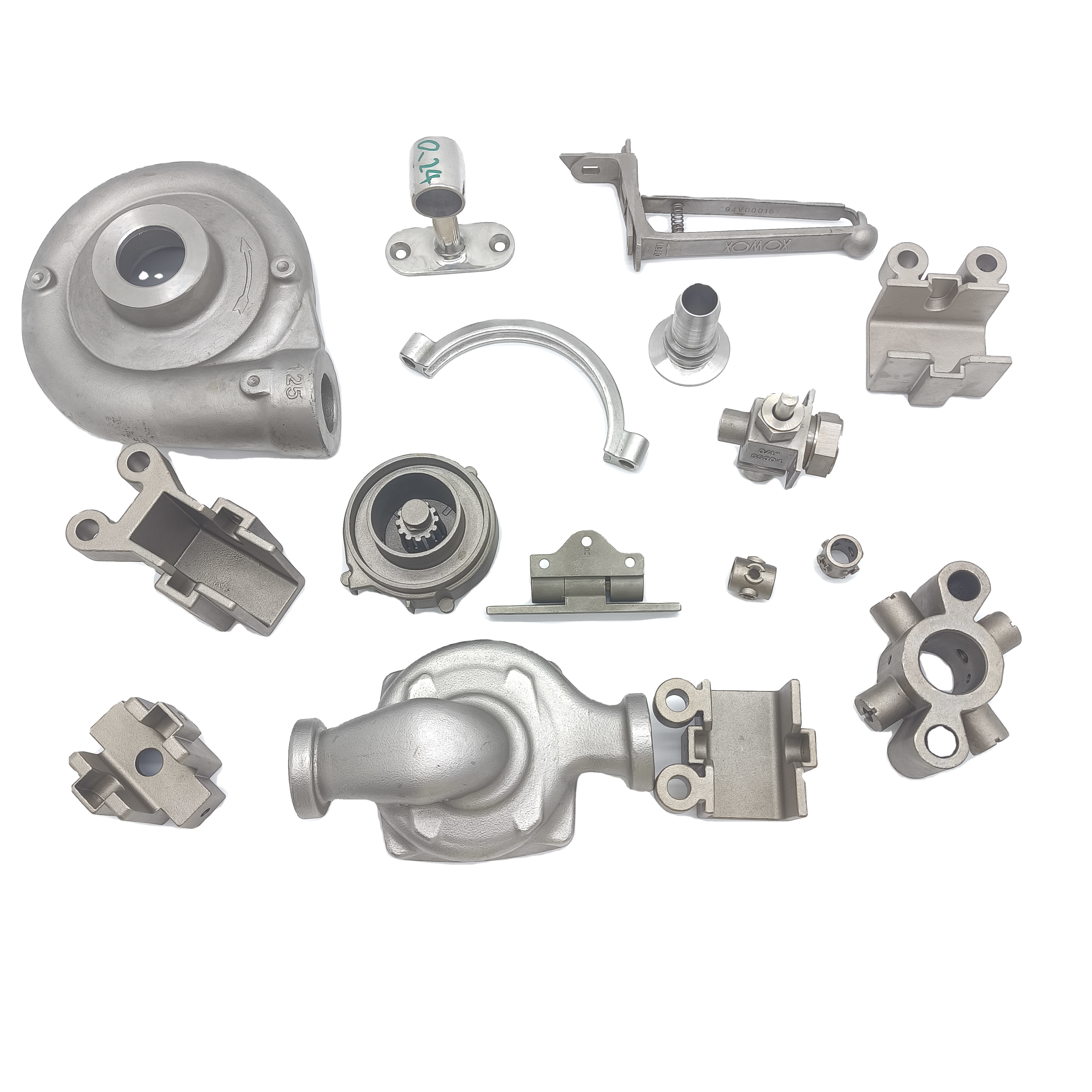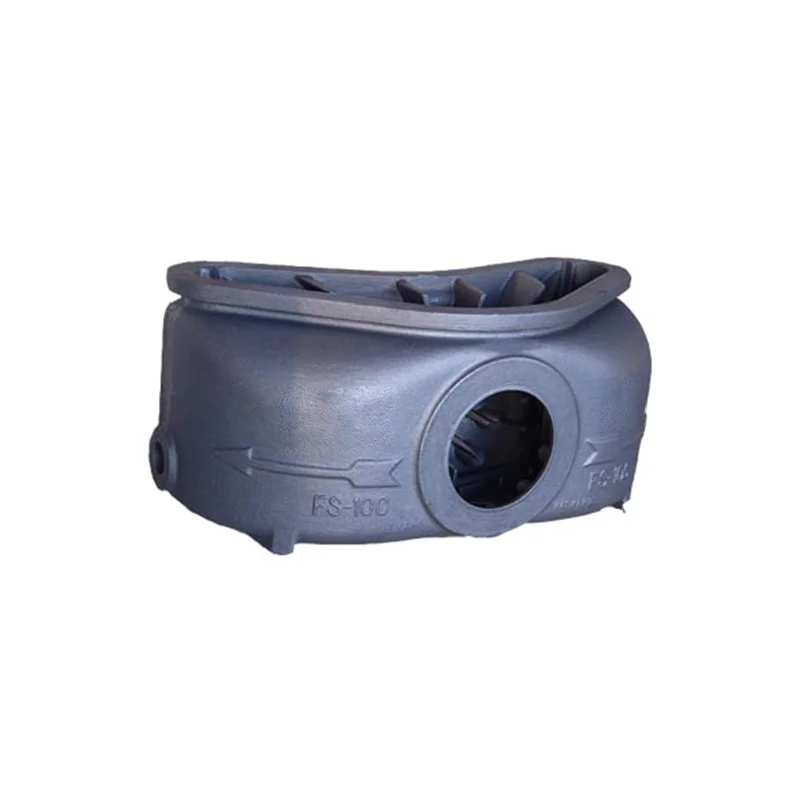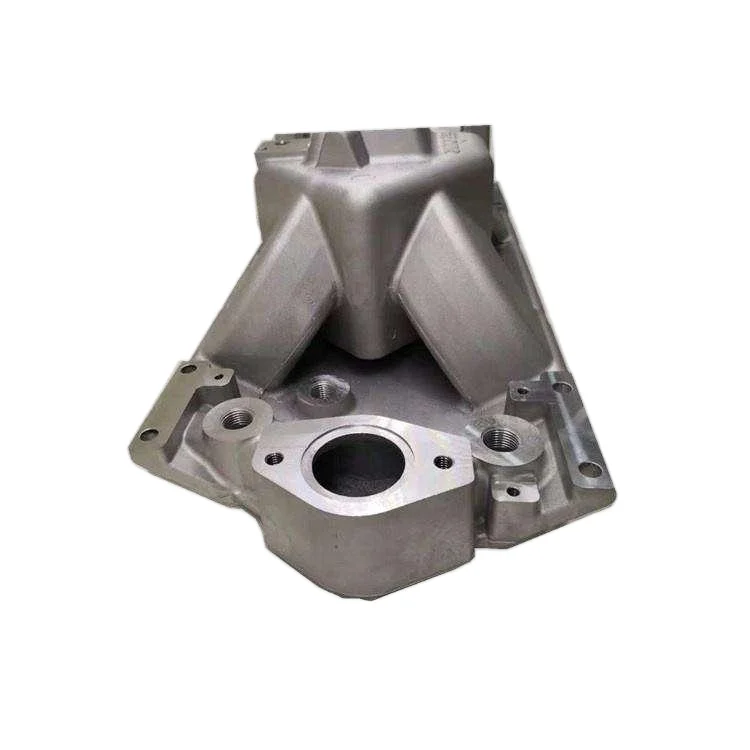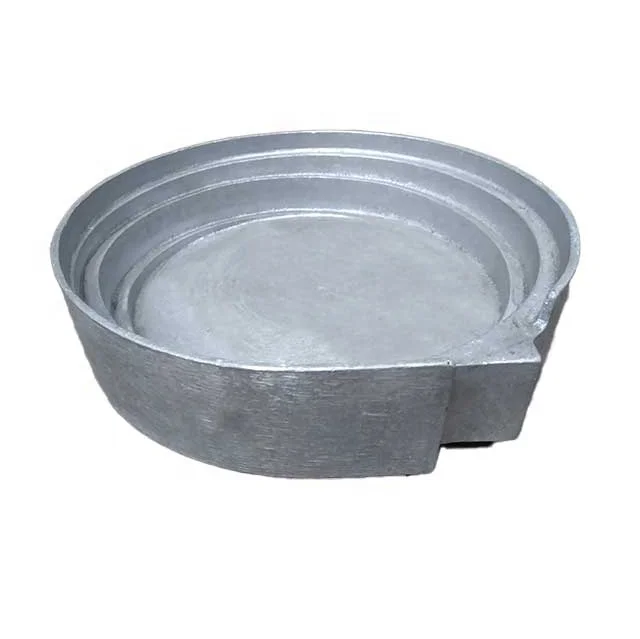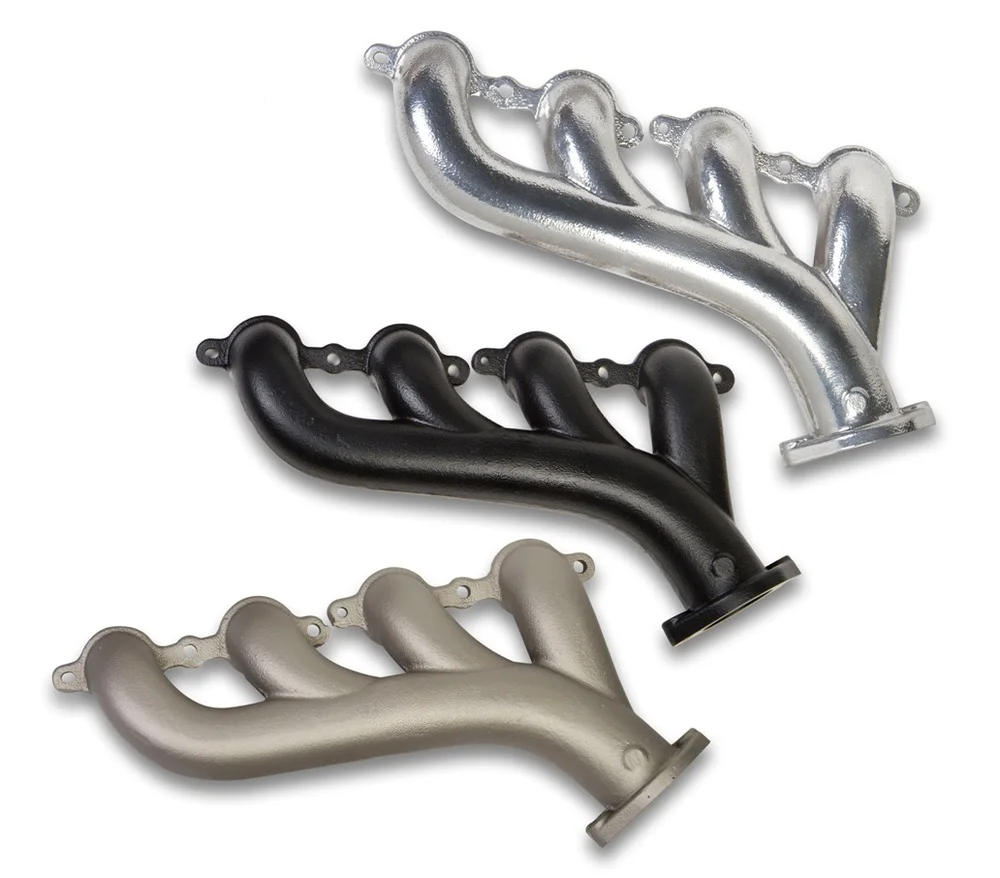
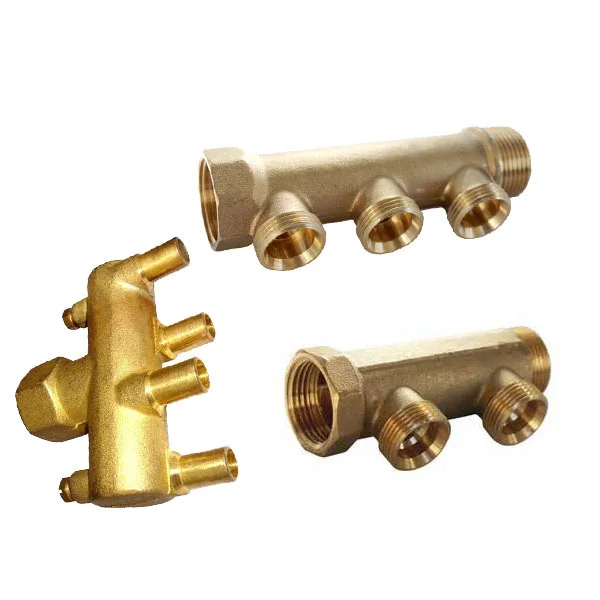
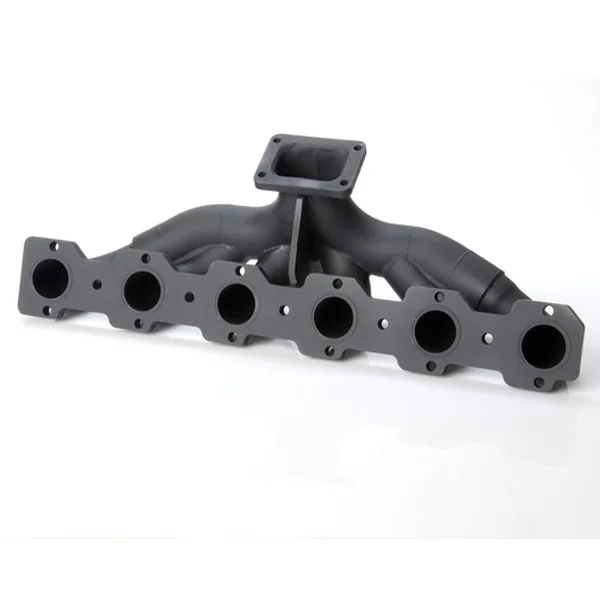
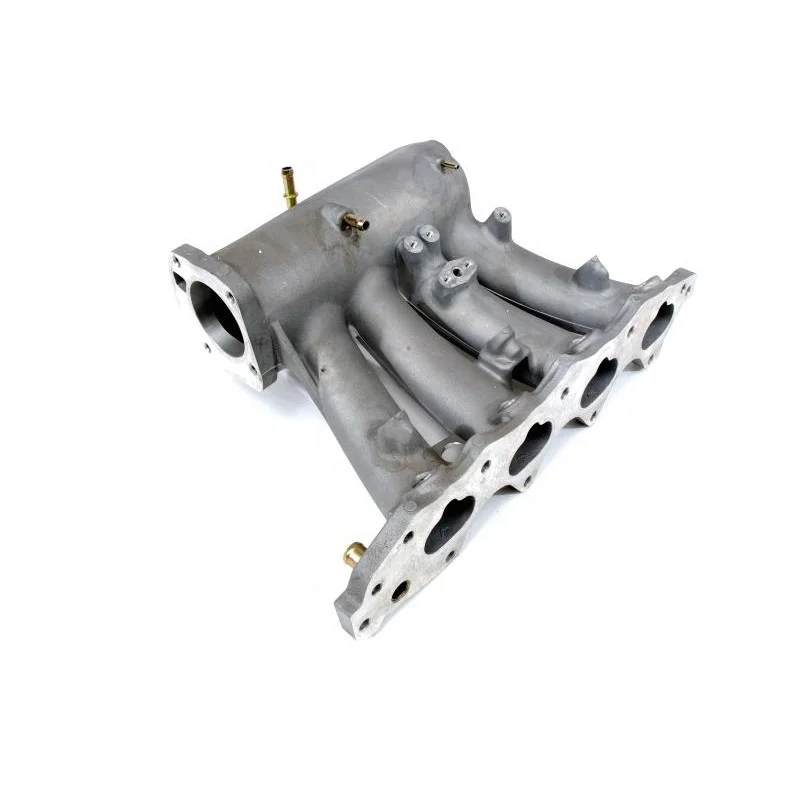
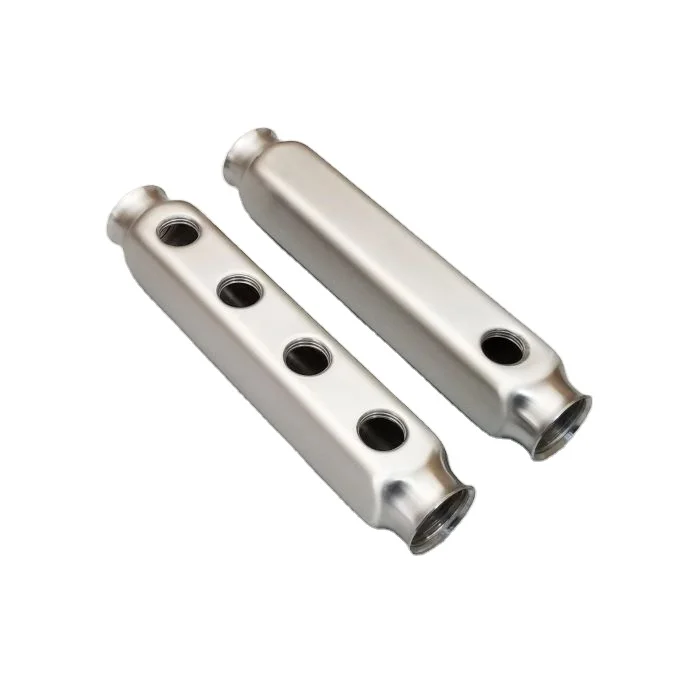
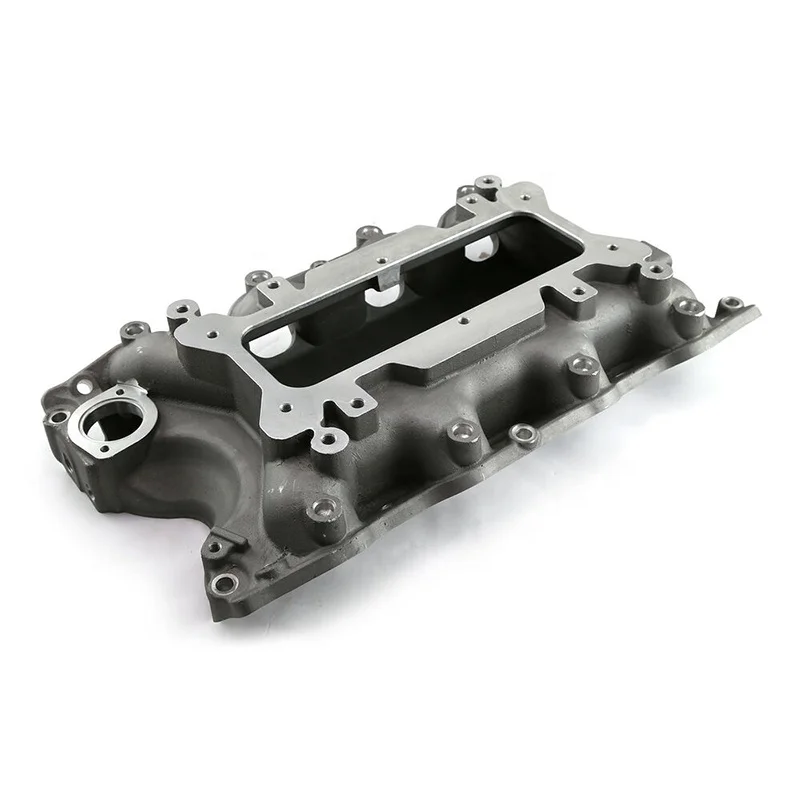
Cast Iron Sand Cast Exhaust Manifold and Pipe Components with CNC Machining
Direct factory support
Get a quote that fits your project
Send your drawing or product reference, material grade and required quantity. Relia will review the requirements with you.
- Drawing & specification review
Confirm the supply scope and critical requirements.
- Samples before custom production
Review inspected samples before approving a batch.
- Inspection documents
Agree material and dimensional records for your part.
-
ConditionNew
-
Year2009-2015, 2017-, 2000-2006, 2013-2020OE NO.m50 m54 n50 e26
-
Car FitmentLEXUS(EU)Warranty1
-
TypeExhaust PipeCar Make2.5 TDI engines
-
Materialcast iron
-
Processsand castingMachiningCNC machining
-
Machining tolerance0.05-0.005mmFinishclean and smooth
-
SurfacenaturalWeight range5.8KG
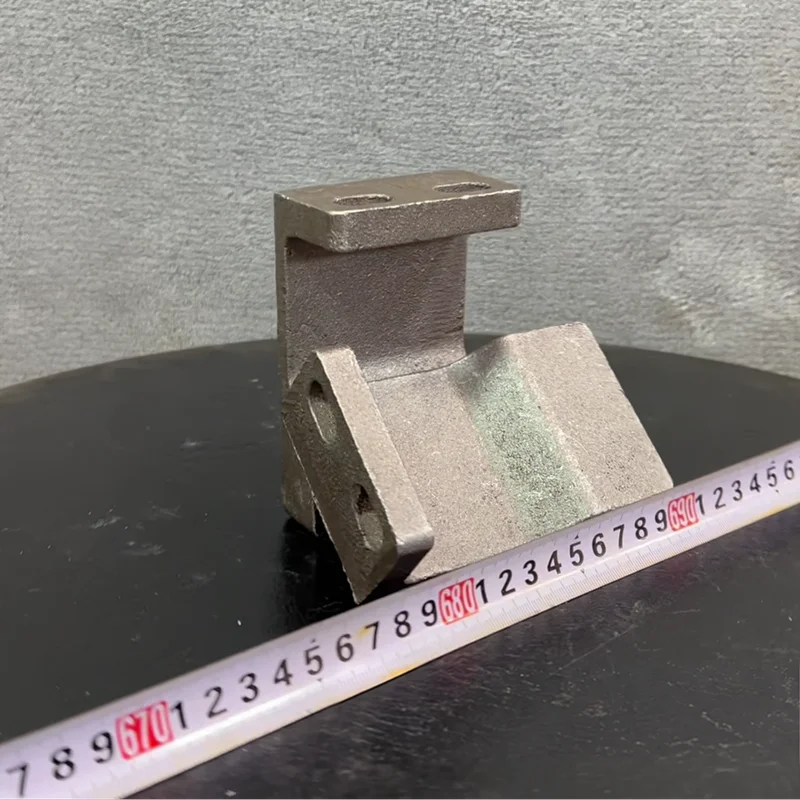
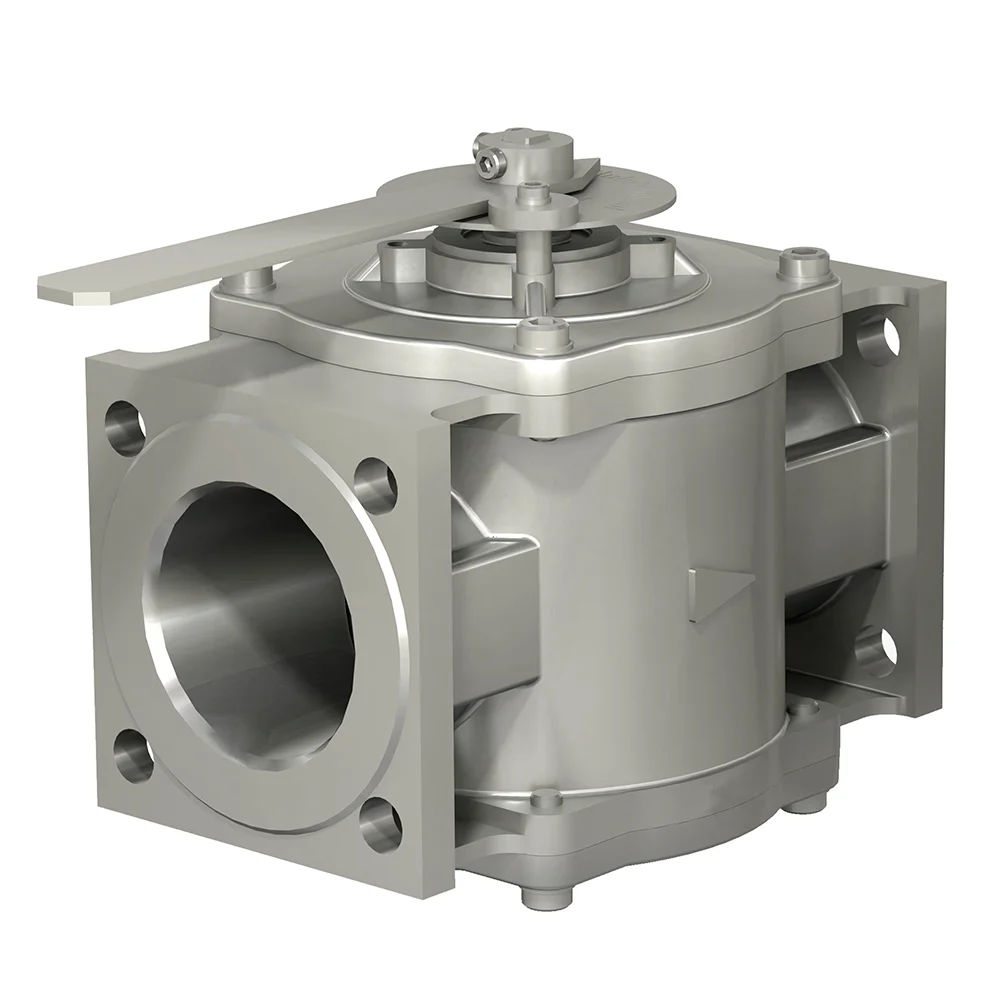
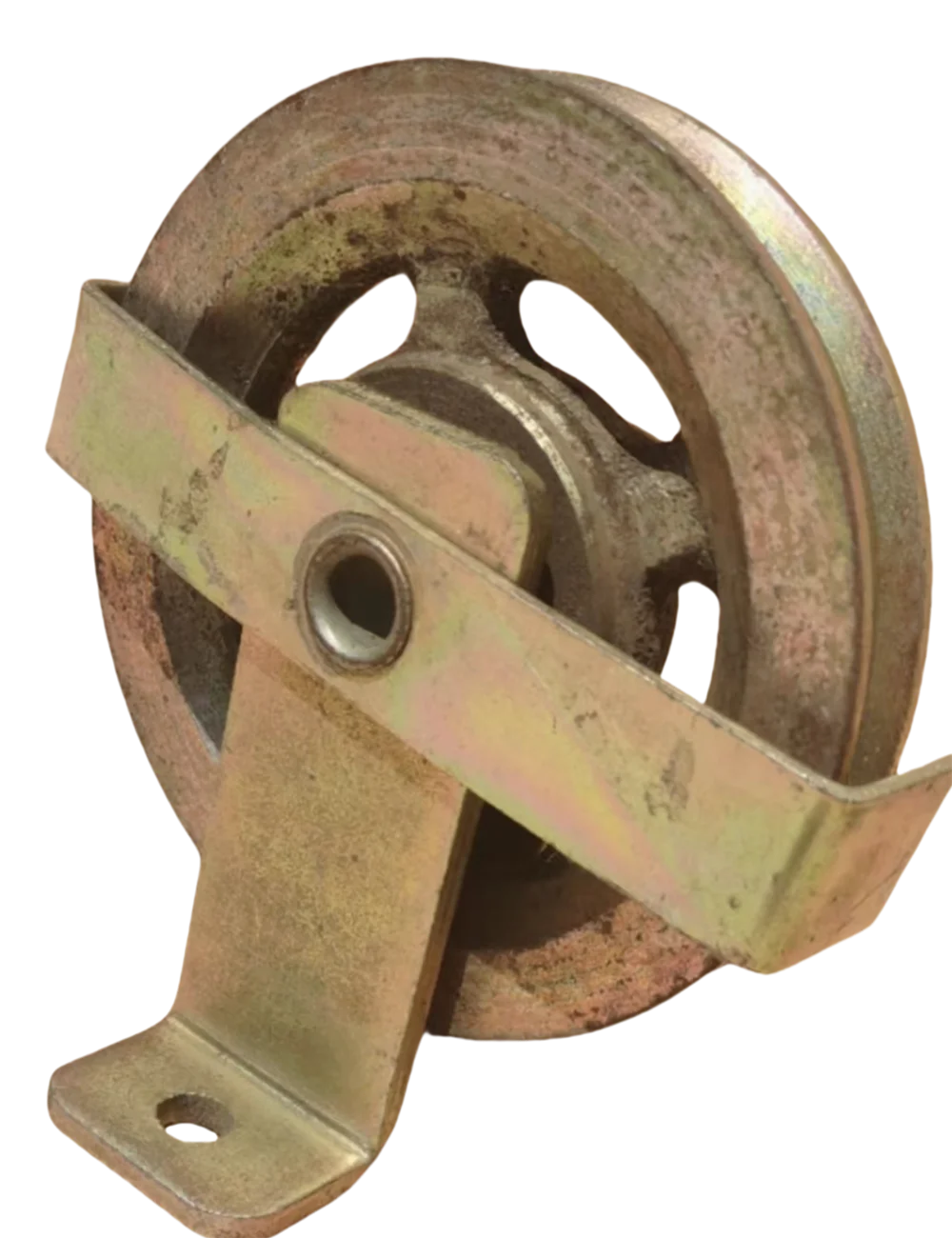
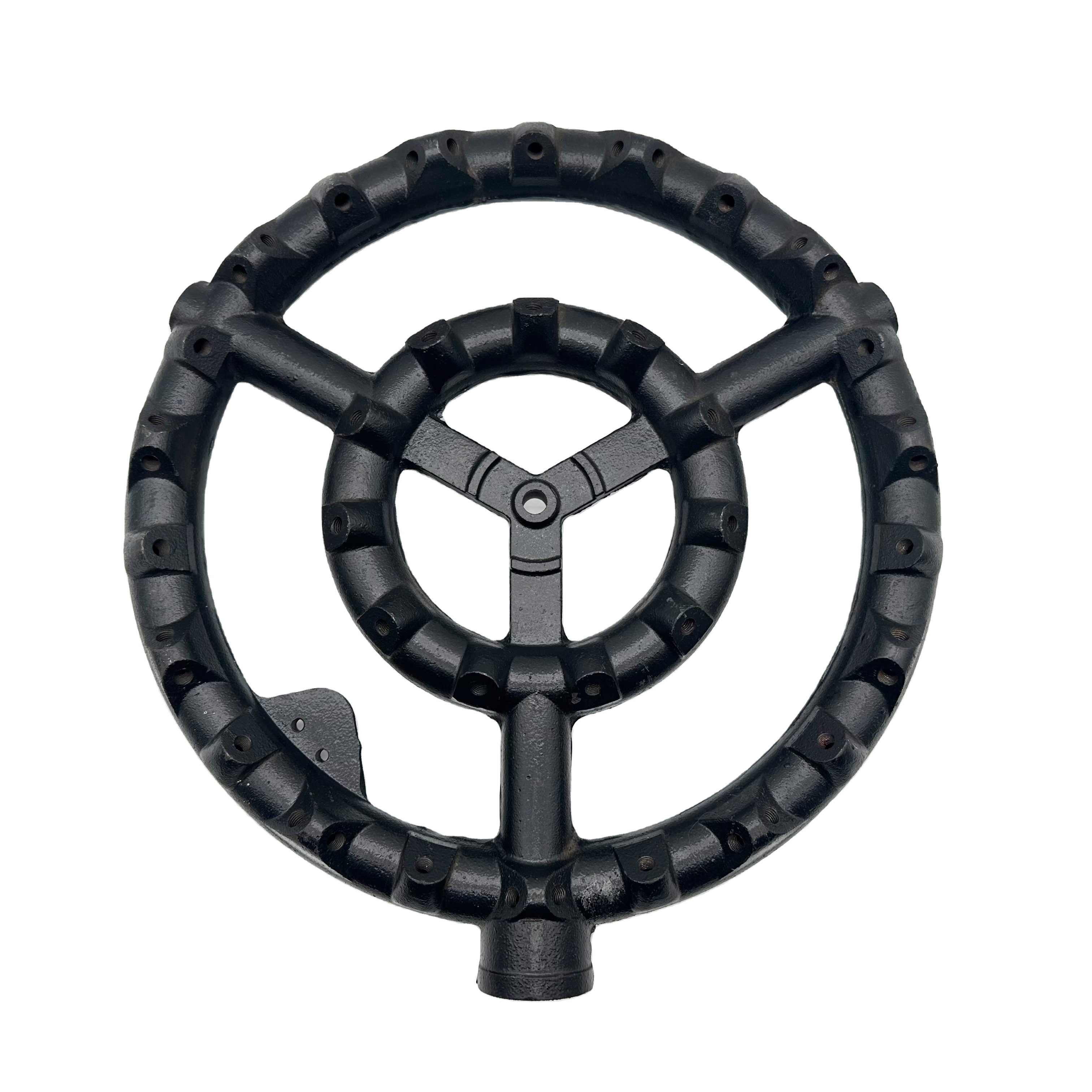
New cast-iron exhaust-manifold or exhaust-pipe enquiries use sand casting with CNC machining. Identify the actual component and engine application through a controlled drawing. The named surface condition is natural, clean and smooth, with the required delivered geometry and acceptance to be defined for the order.
Establish the fitment for the ordered component
For m50, m54, n50, e26 or 2.5 TDI enquiries, provide the actual vehicle, engine and connection definition. Identify the model-year application relevant to that part rather than treating the references as a common fitment list. Show ports, mounting connections and any sealing interfaces required by the design.
- Provide the drawing revision and ordered quantity.
- State the required cast-iron grade and condition.
- Mark mating geometry and measurement datums.
- Identify service and dimensional approval records.
Assign the machining-tolerance reference
The reference is written 0.05–0.005 mm. Agree its intended bounds, convention and controlled dimensions for the supplied stage, including the datum relationships needed for assembly. The acceptance instruction should distinguish machined interfaces from remaining cast surfaces.
Define the final surface and component checks
Identify the areas governed by the requested appearance and the condition needed where the part meets adjoining components. Include the actual exhaust-service acceptance and any sample approval needed for the design. Keep those records connected to the same engine application, material and drawing used to order the component.