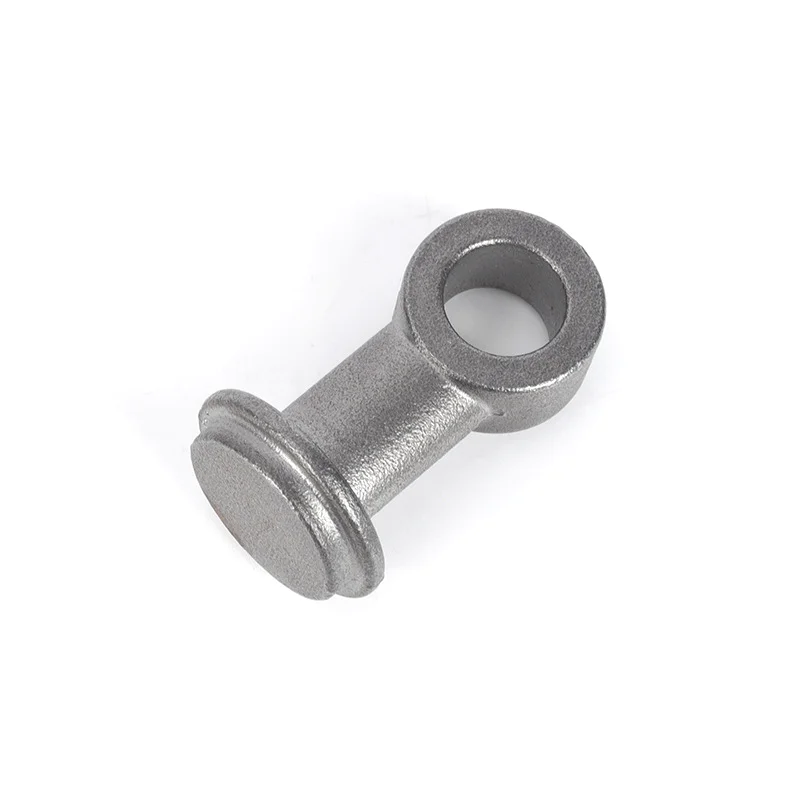
Custom 316L Stainless Steel and Ductile Iron Sand Castings with Separate Steel and Carbon Steel Machinery Parts
Direct factory support
Get a quote that fits your project
Send your drawing or product reference, material grade and required quantity. Relia will review the requirements with you.
- Drawing & specification review
Confirm the supply scope and critical requirements.
- Samples before custom production
Review inspected samples before approving a batch.
- Inspection documents
Agree material and dimensional records for your part.
-
MaterialSteel/Carbon Steel customized
-
ApplicationMachinery PartsProcessCasting +Machining(if Need)+surface Treatment
-
Machining ProcessMachining CenterHeat treatmentTempering/T6 Heat Treatment customized
-
MOQ1000Manufacturing ProcessSand Casting/ customized
-
ServiceCustomized OEMQuality ControlISO/TS16949:2002/ISO9001
-
Surface treatmentCustomers' Demand
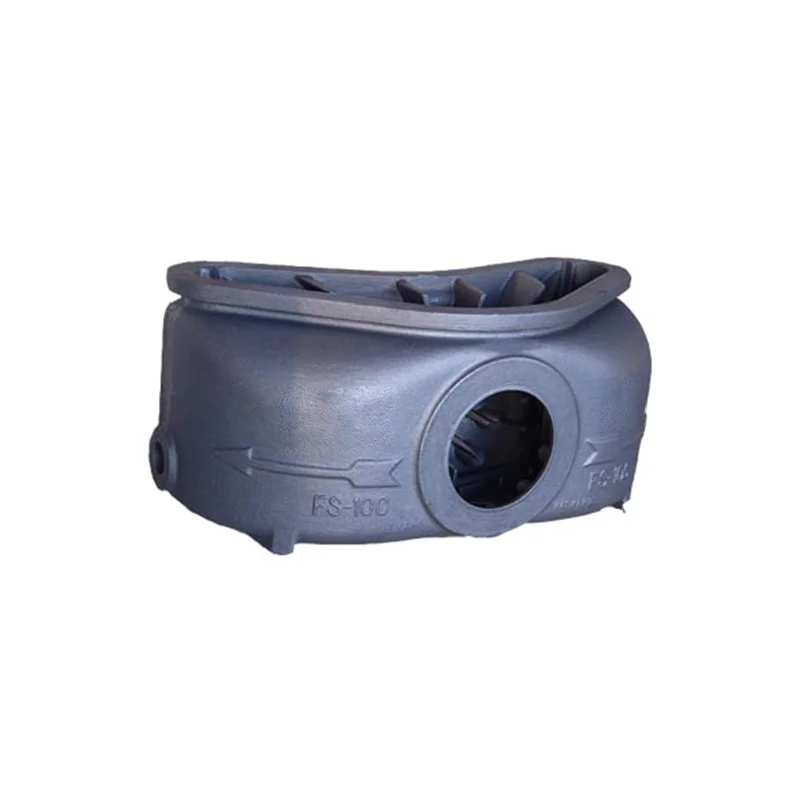
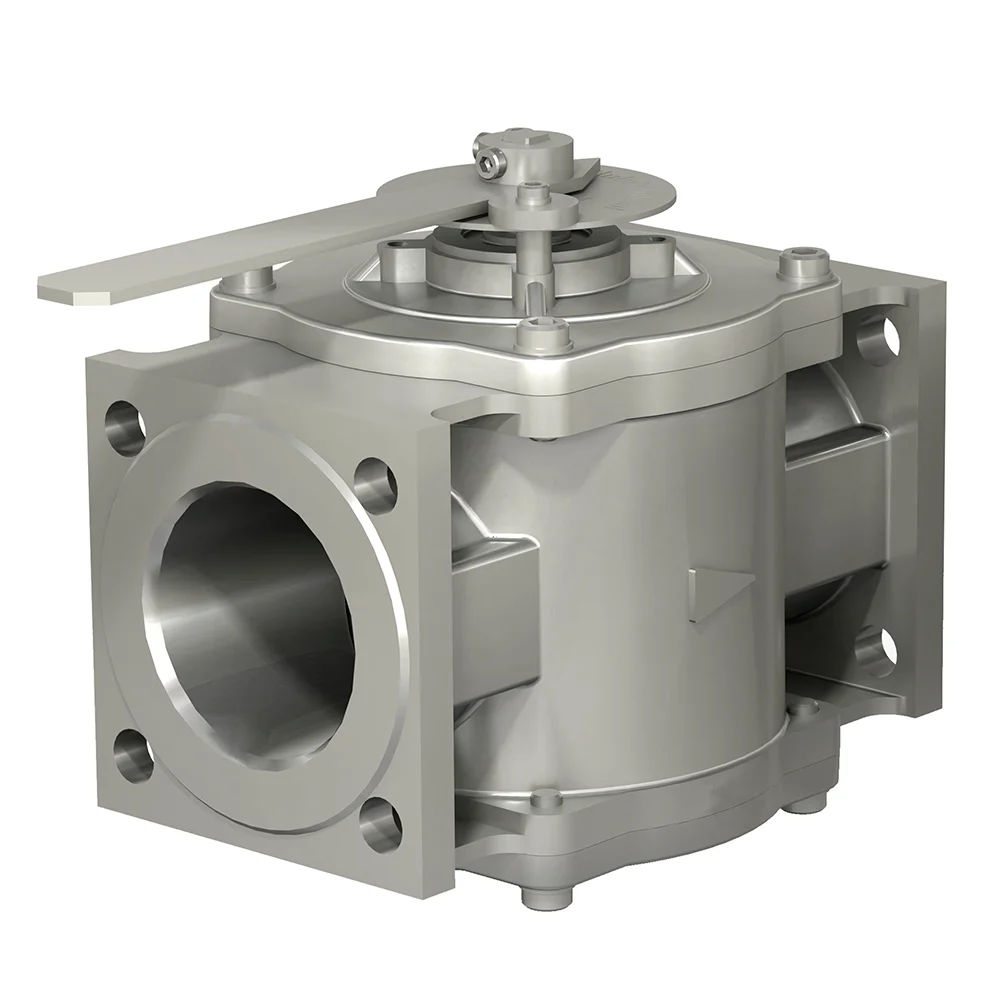
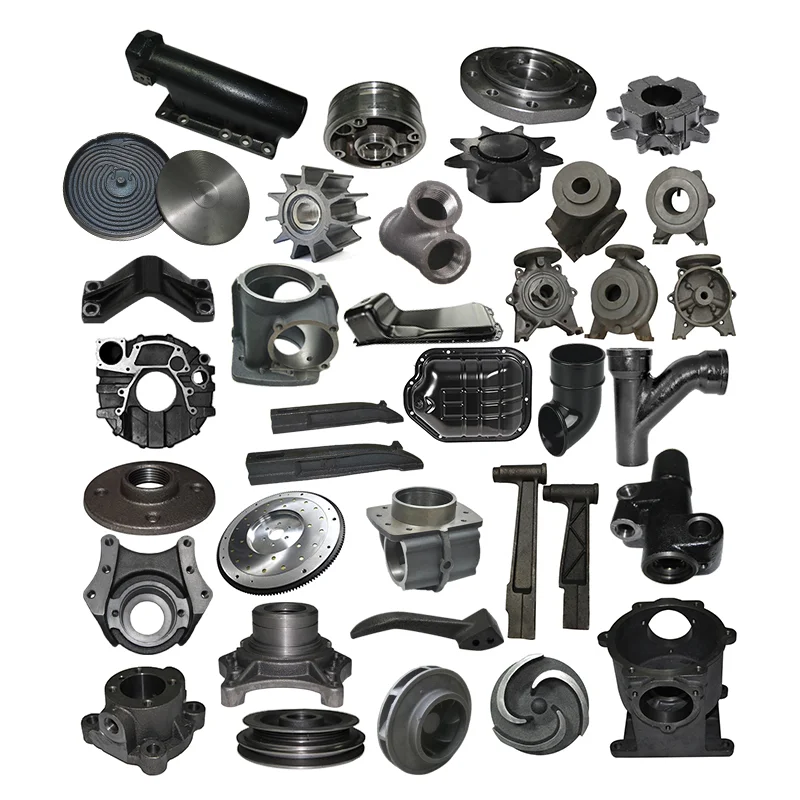
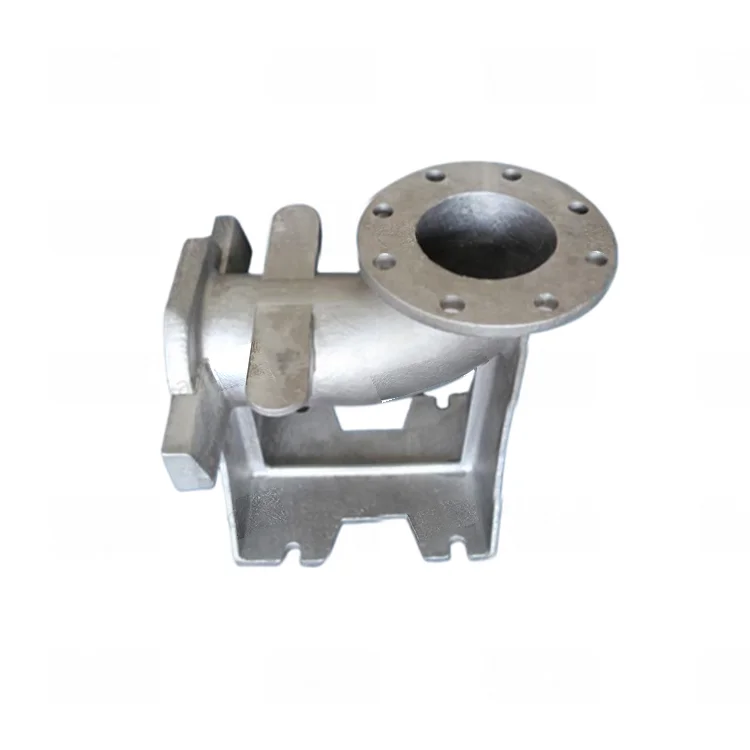
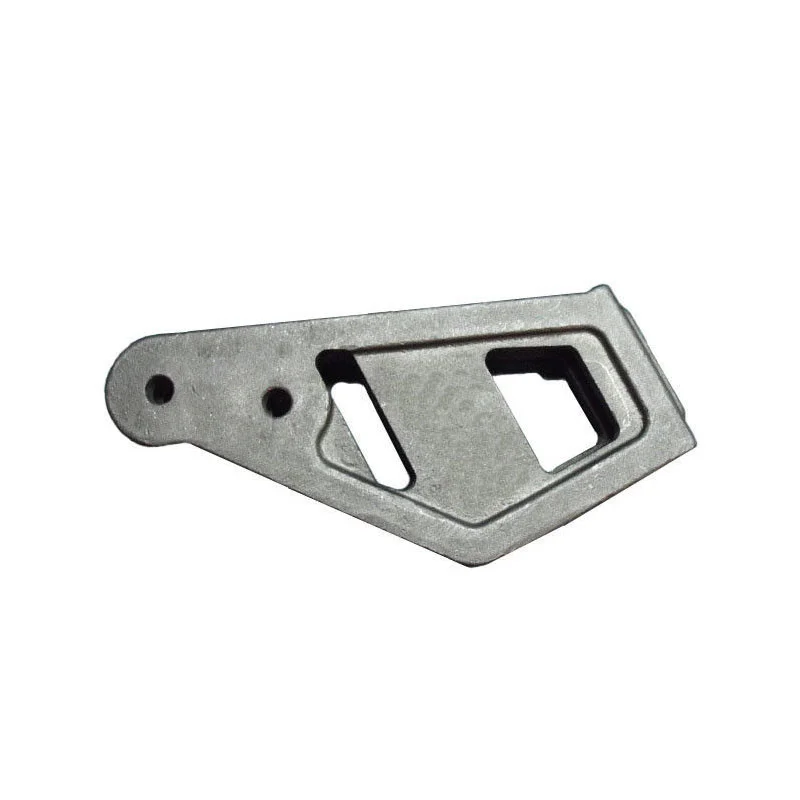
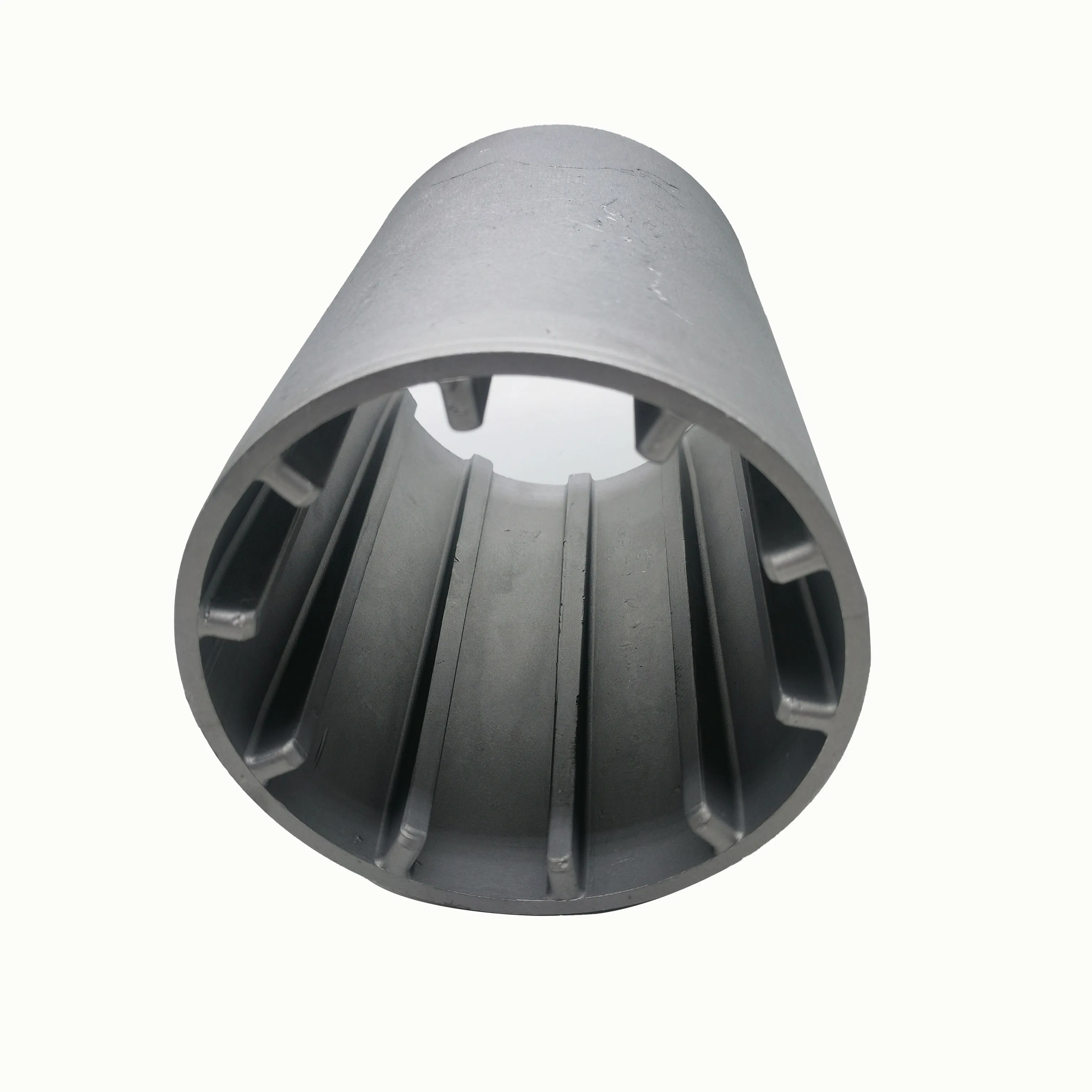
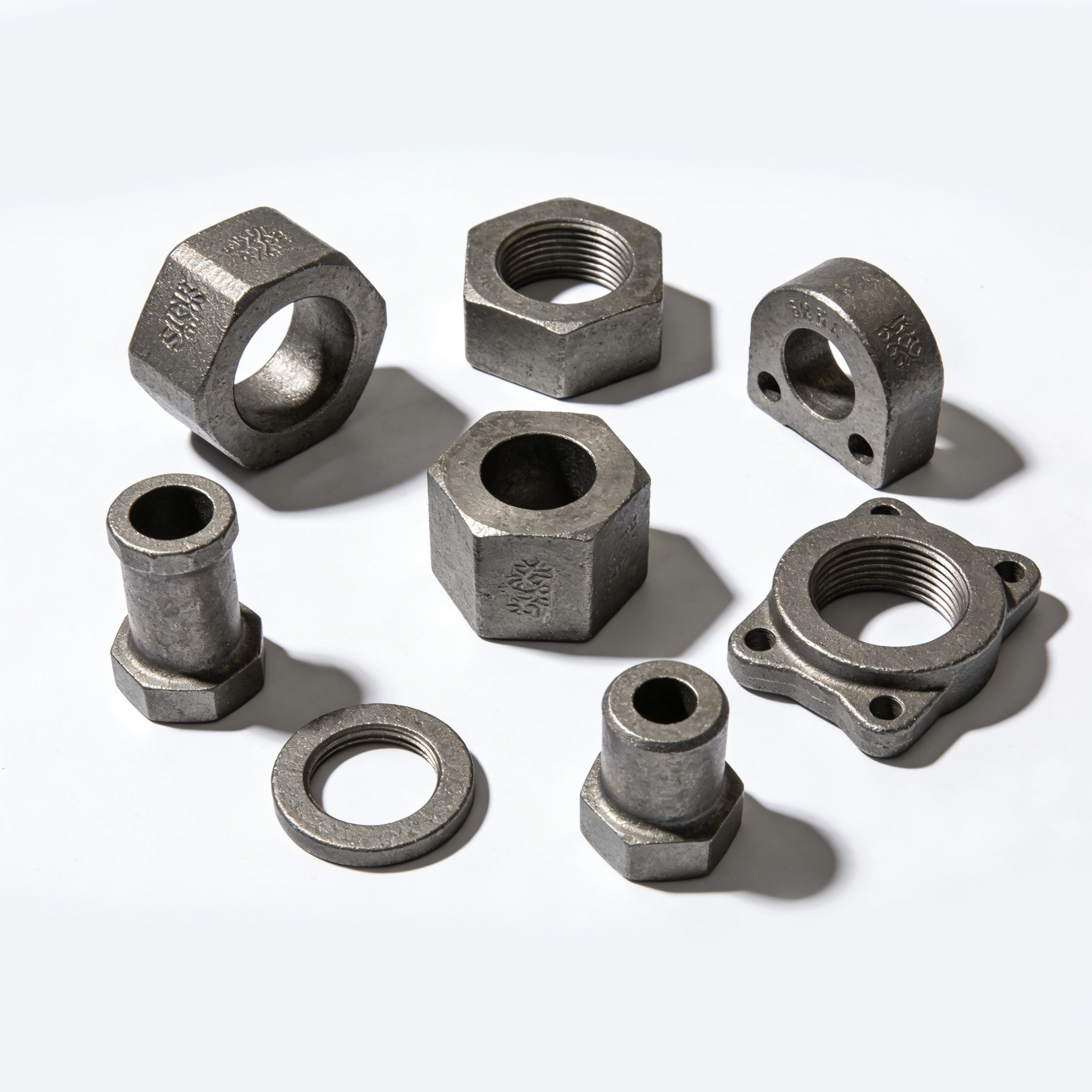
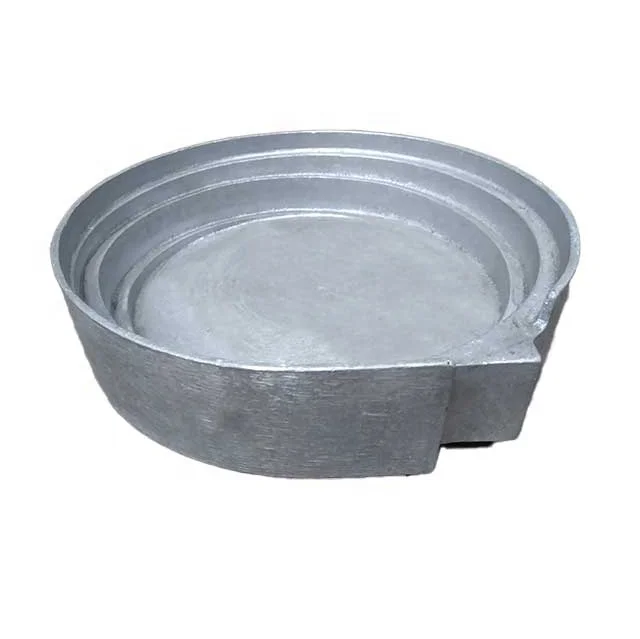
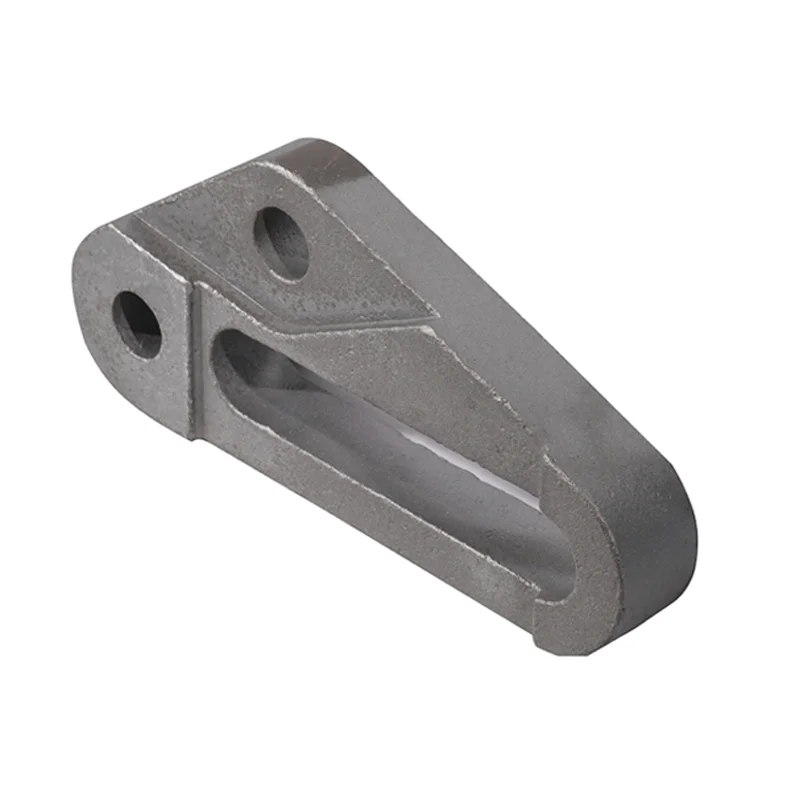
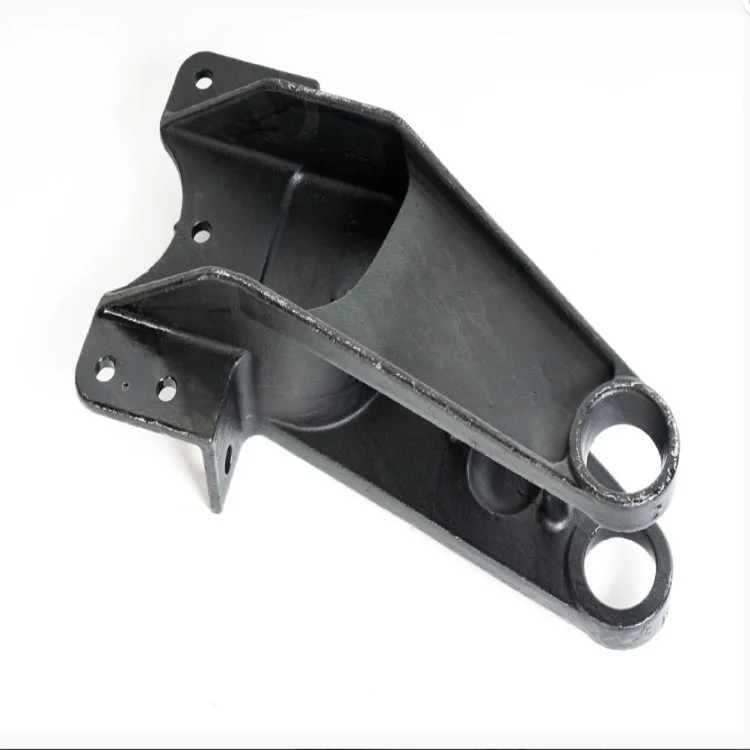
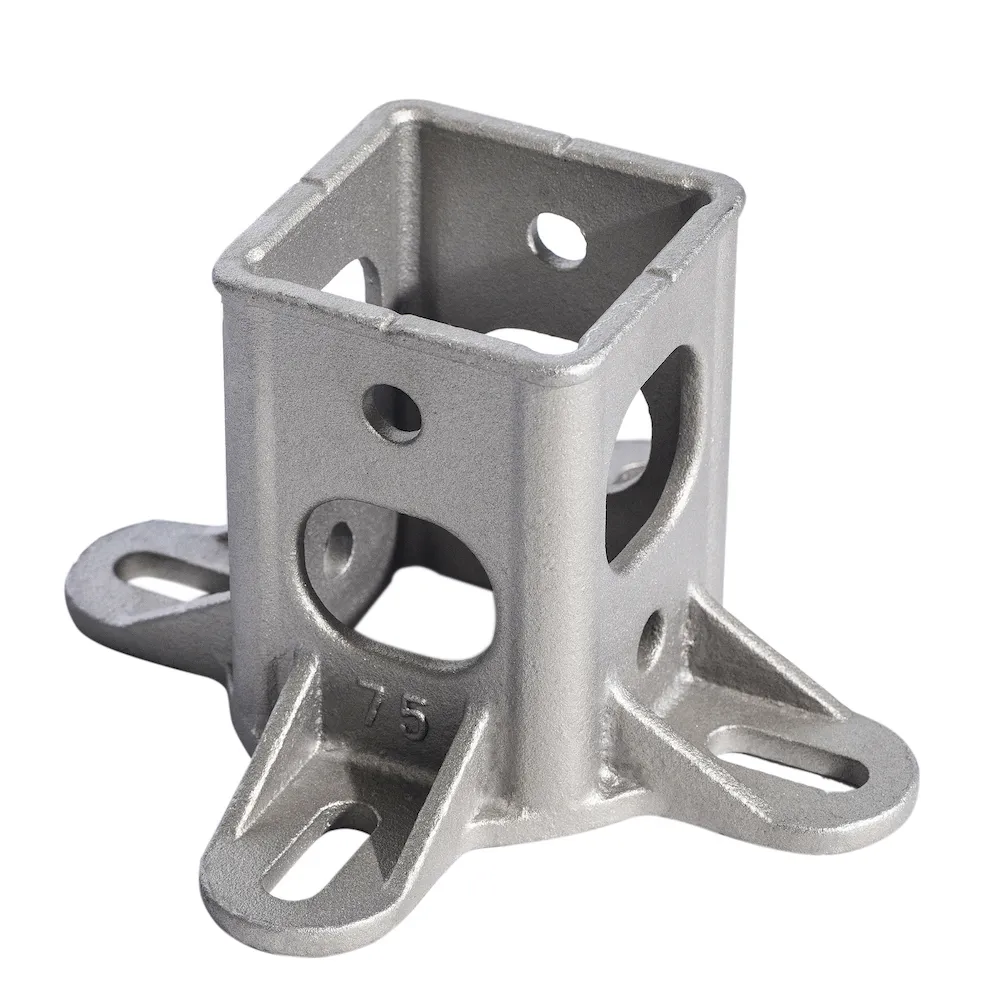
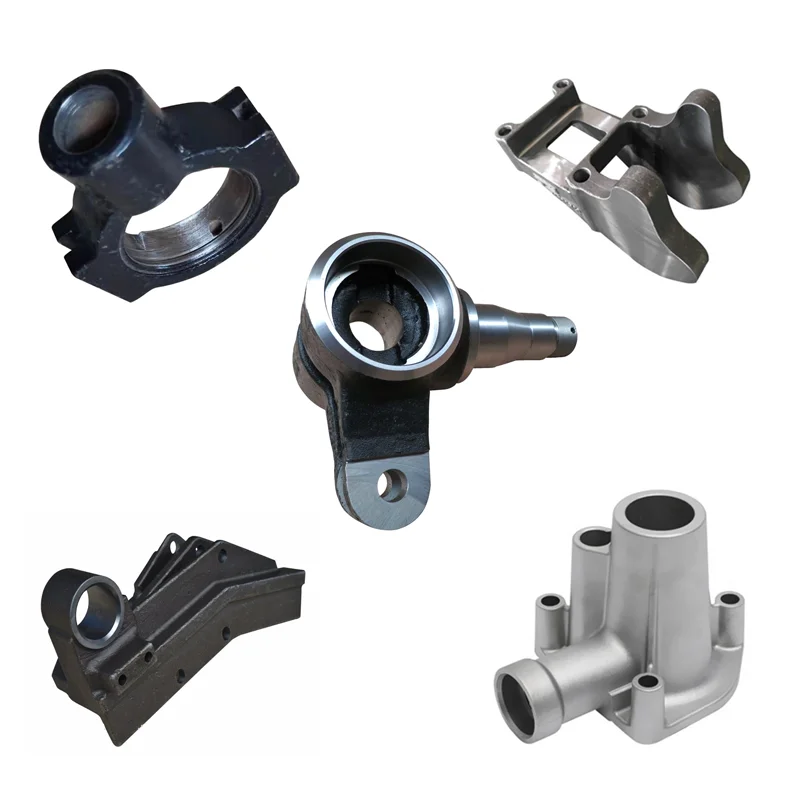
Custom sand-casting enquiries include 316L stainless-steel and ductile-iron components, with steel and carbon-steel machinery parts specified separately. Choose one complete material designation for the drawing being quoted. Define the required supplied condition and the machinery interfaces that determine the component’s function.
Assign material condition to the selected grade
Customized tempering is a heat-treatment request. A T6-labelled condition needs an appropriate alloy and treatment definition before it is assigned to an order. State the required material result and acceptance records for the actual component rather than treating different metal families as one treatment specification.
Locate the machining-center work
Machining-center operations can be included where needed after casting. Show the mounting faces, fitted openings and datum relationships that require controlled finished geometry. Separate those dimensions from areas accepted in the cast condition, with the measurement stage clear for each functional interface.
- Provide quantity and the controlled revision.
- Mark the required surface-treatment coverage.
- Identify material and dimensional approval records.
- Define the final contact and appearance condition.
Complete the order and qualification request
The minimum-order reference is 1000, with its unit and component scope to be agreed. Identify applicable ISO/TS16949:2002 and ISO9001 documentation and supplier scope alongside the part requirements. Connect sample approval and production acceptance to the selected material, drawing and delivered state so the machinery casting has one consistent order definition. Explain which geometry an approval sample should demonstrate.