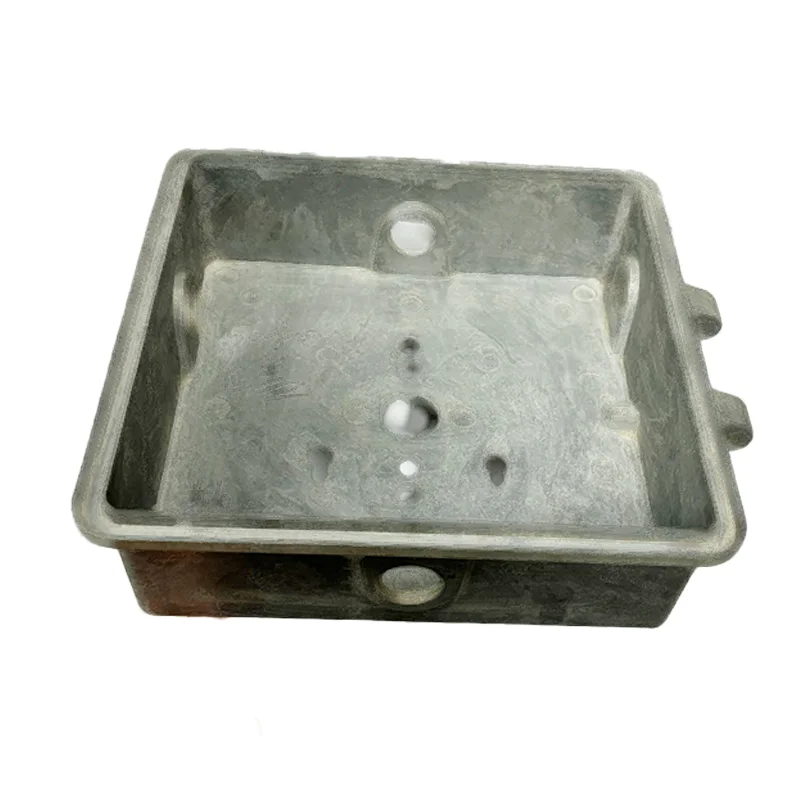
Custom ADC12 A380 Aluminum Zamak 3 5 Casting CNC Parts Molds with Sand Investment Die Route Enquiries
Direct factory support
Get a quote that fits your project
Send your drawing or product reference, material grade and required quantity. Relia will review the requirements with you.
- Drawing & specification review
Confirm the supply scope and critical requirements.
- Samples before custom production
Review inspected samples before approving a batch.
- Inspection documents
Agree material and dimensional records for your part.
-
SizeMax: 1550*1550*1100mm, Min Wall: 1.5mm
-
Surface TreatmentPowder coating, Shotblasting, PaintingMaterialsAluminum Alloys, ADC12, A380, Zinc Alloy Zamak 3/5
-
ProcessCastingKeywordInvestment Casting
-
Other ProcessDie casting,CNC machining,Injection molding,Stamping,etcMaterialStainless Steel,Carbon Steel,Aluminum,Brass,etc
-
Surface treatmentPolish,Sand blasting,Powder coating,Painting,Plating,etcToleranceCustomer's Drawing Request
-
Drawing formatSTP,STEP,etc
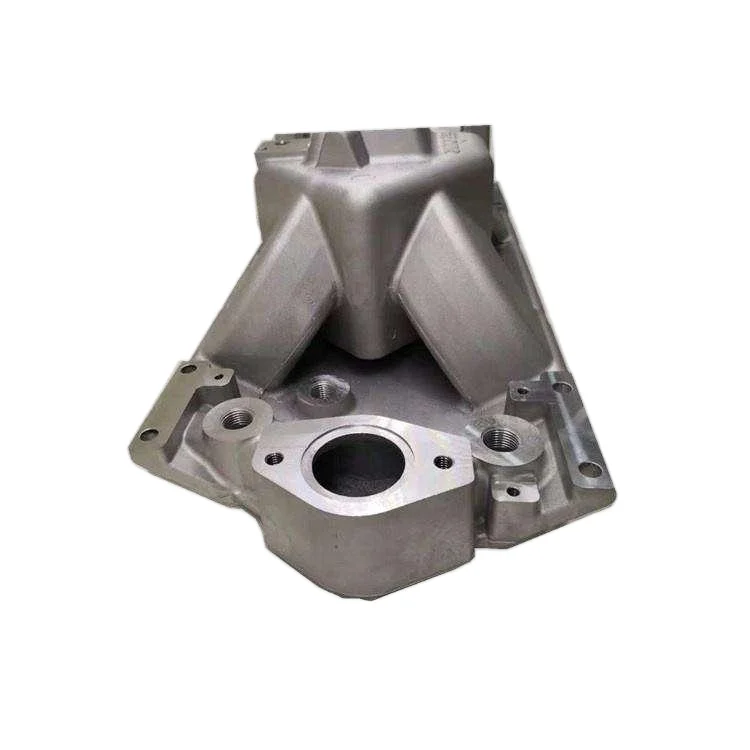
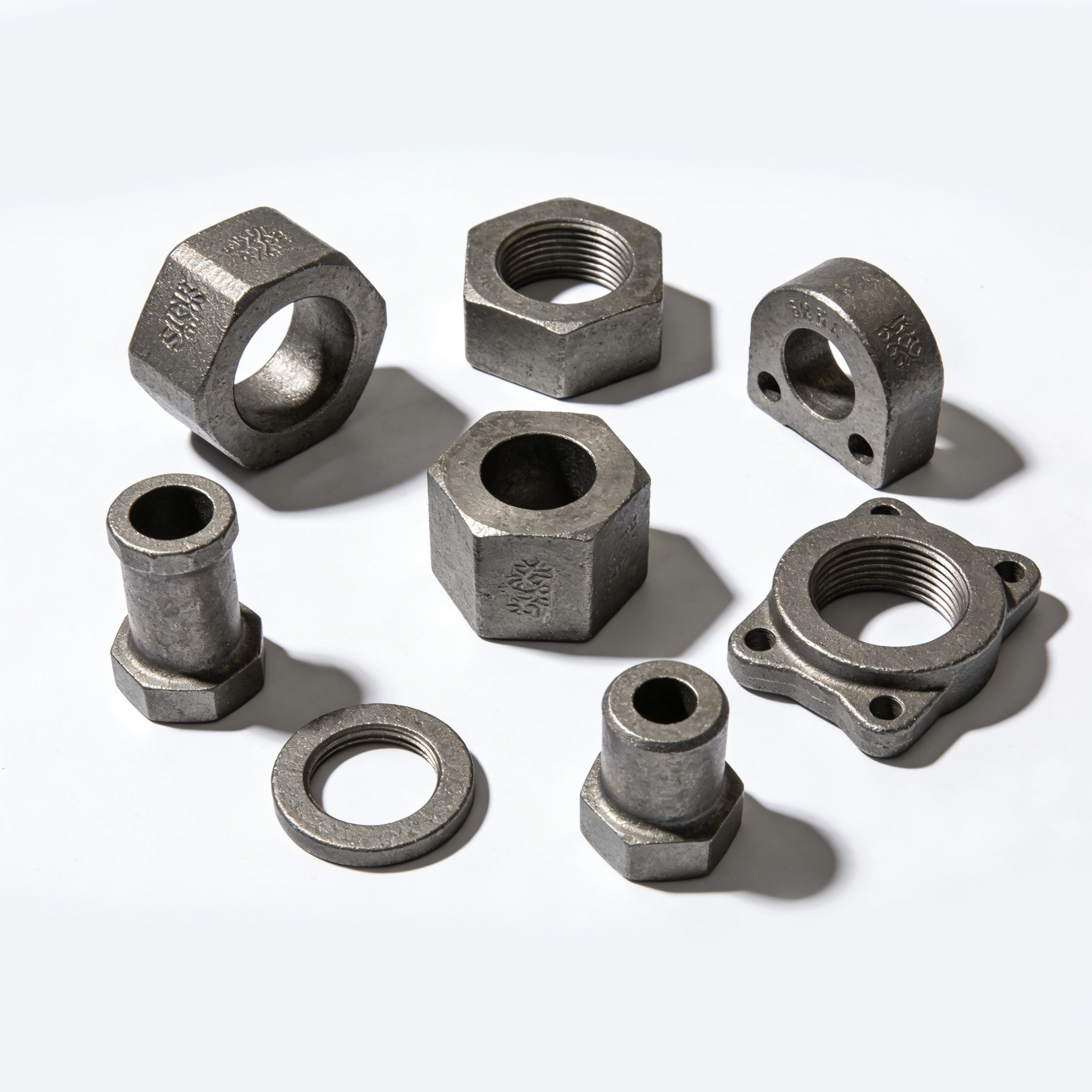
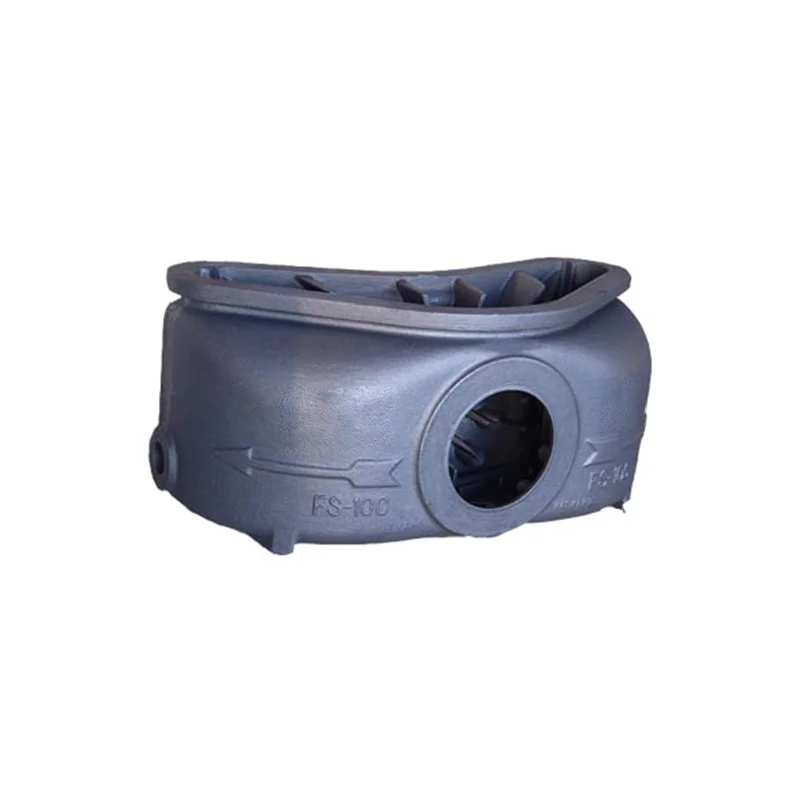
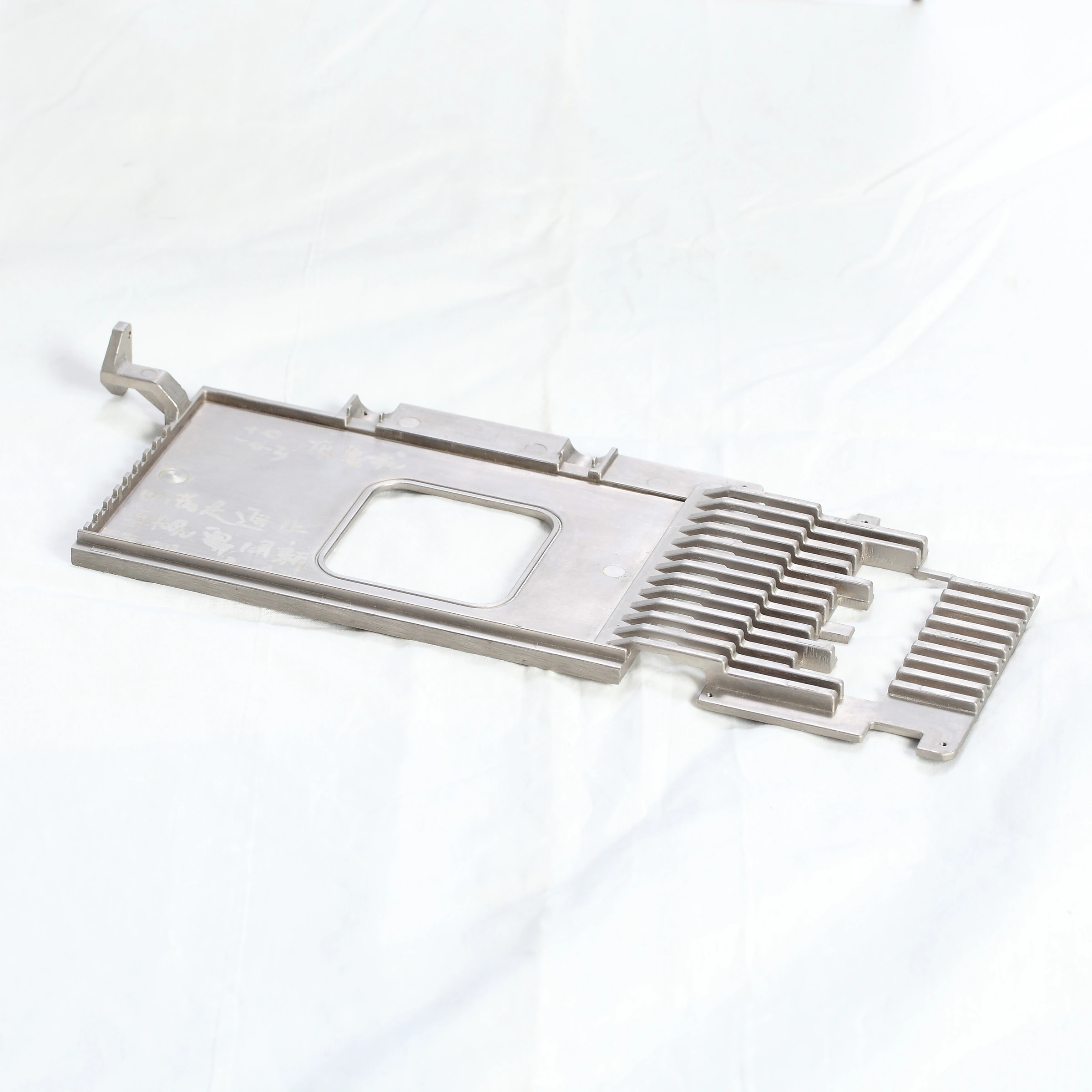
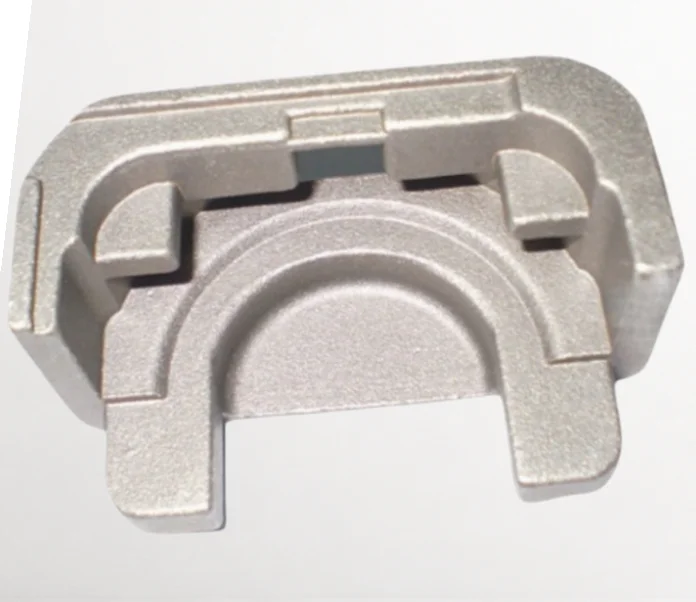
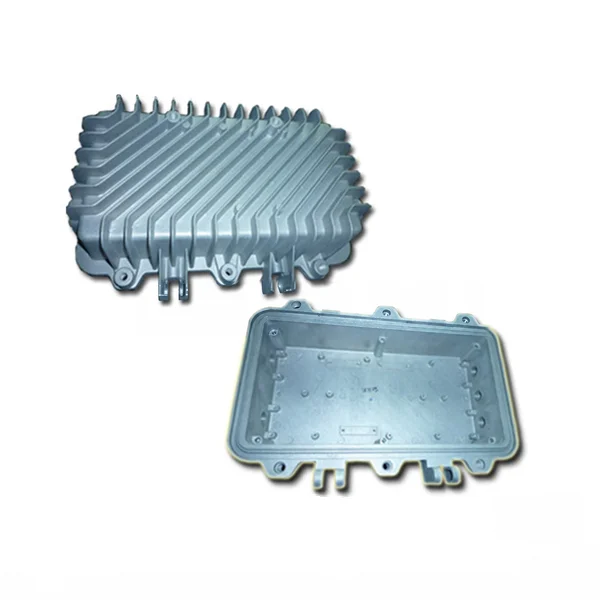
Custom casting and CNC enquiries include ADC12 or A380 aluminum and Zamak 3 or 5 zinc-alloy options, with separate stainless-steel, carbon-steel and brass work. Identify whether the order concerns a component or a die-casting mold. Select investment, sand or die casting for the actual grade and design.
Check the geometry against the selected scope
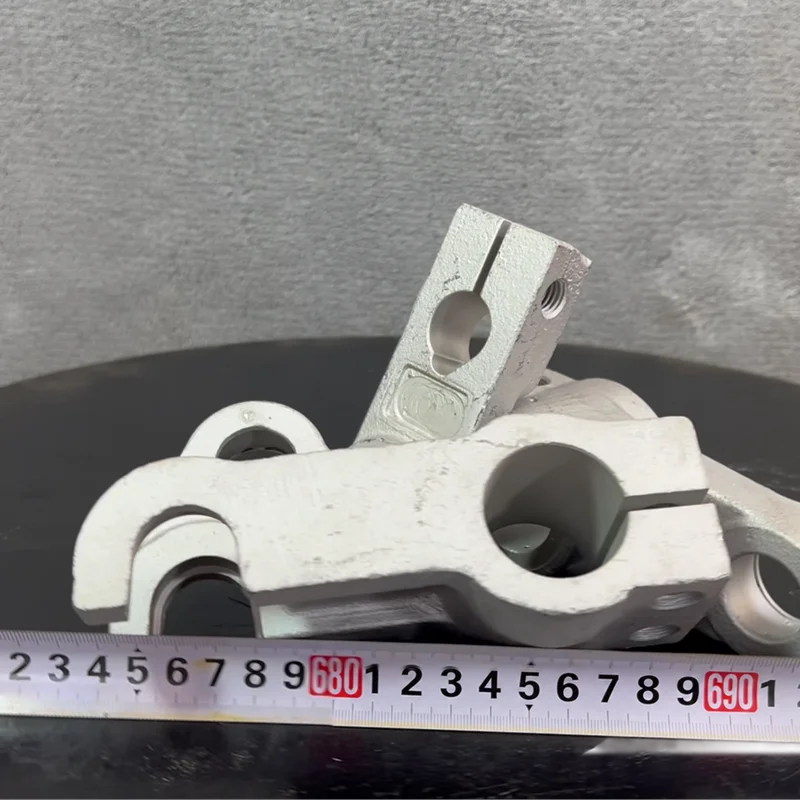
The listed size reference is a maximum of 1550 × 1550 × 1100 mm and a minimum wall of 1.5 mm. Agree applicability to the chosen material, route and local geometry. Tolerances follow the customer drawing, with functional datums and final acceptance dimensions clearly marked.
Separate additional services from casting
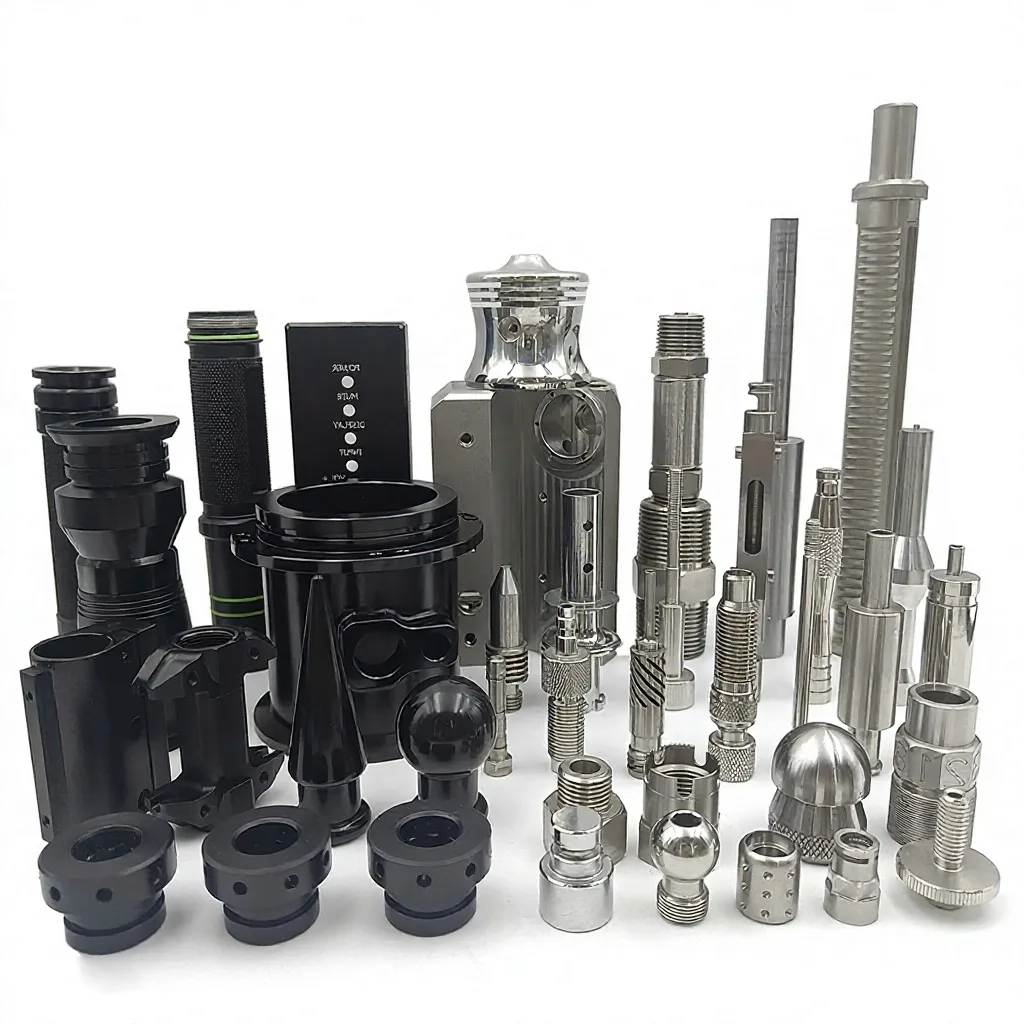
CNC machining, injection molding and stamping are additional enquiries for suitable work. Define the incoming form, tooling and deliverable needed for each selected process. Identify cast areas and any interfaces requiring final work so the quotation describes the component or tool being ordered.
Specify the finished surface
Powder coating, shot blasting, painting, polishing, sand blasting and plating are named options. Choose the treatment for the substrate and define coverage, masking and appearance at the functional and visible faces. Surface acceptance should correspond to the required supplied state.
Submit controlled data for approval
STP or STEP information can be supplied. Provide quantity and the controlled revision with material, dimensional and surface requirements. Agree the records and sample criteria appropriate to the selected part or mold, keeping production approval connected to the actual design and manufacturing scope.