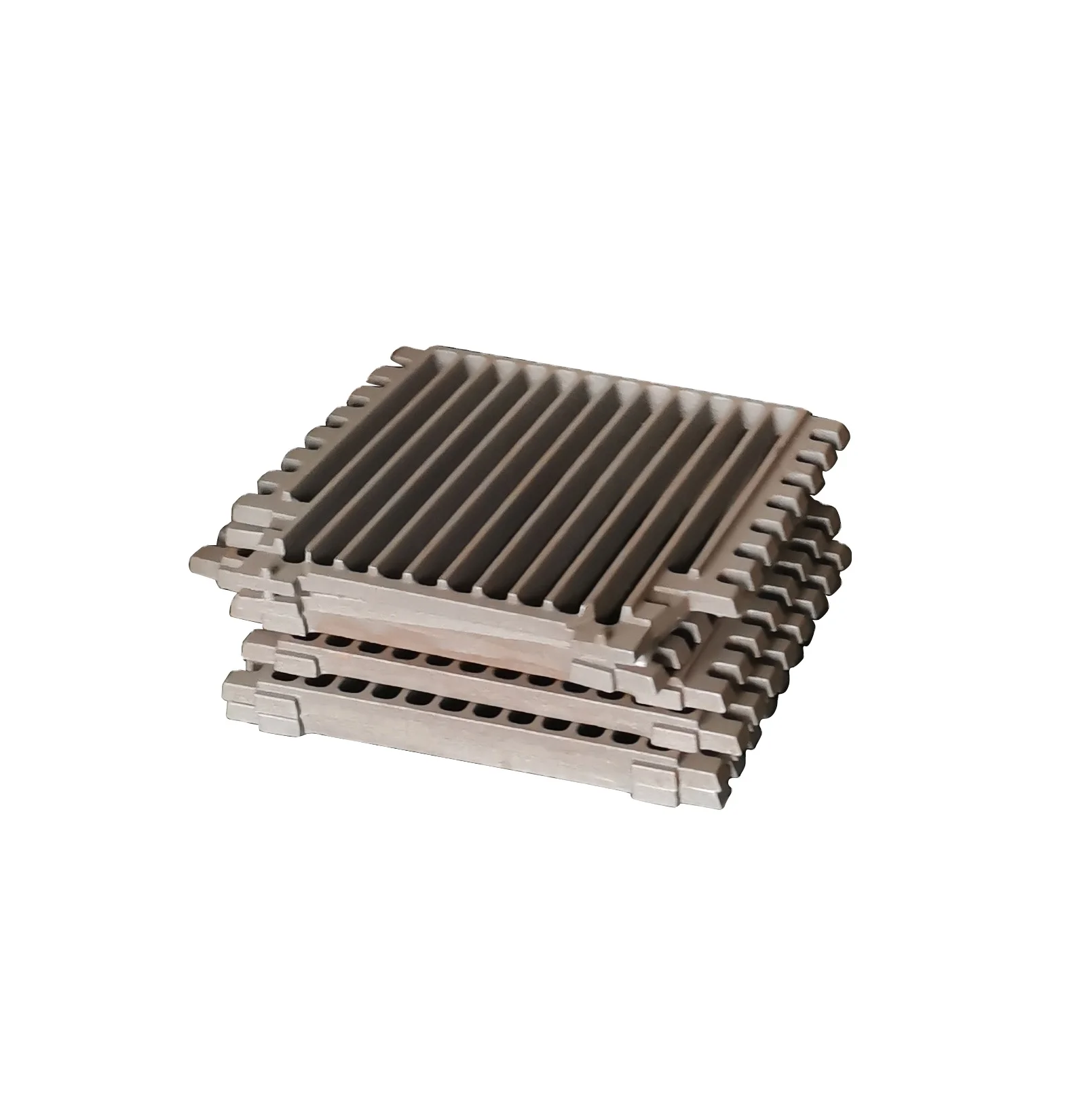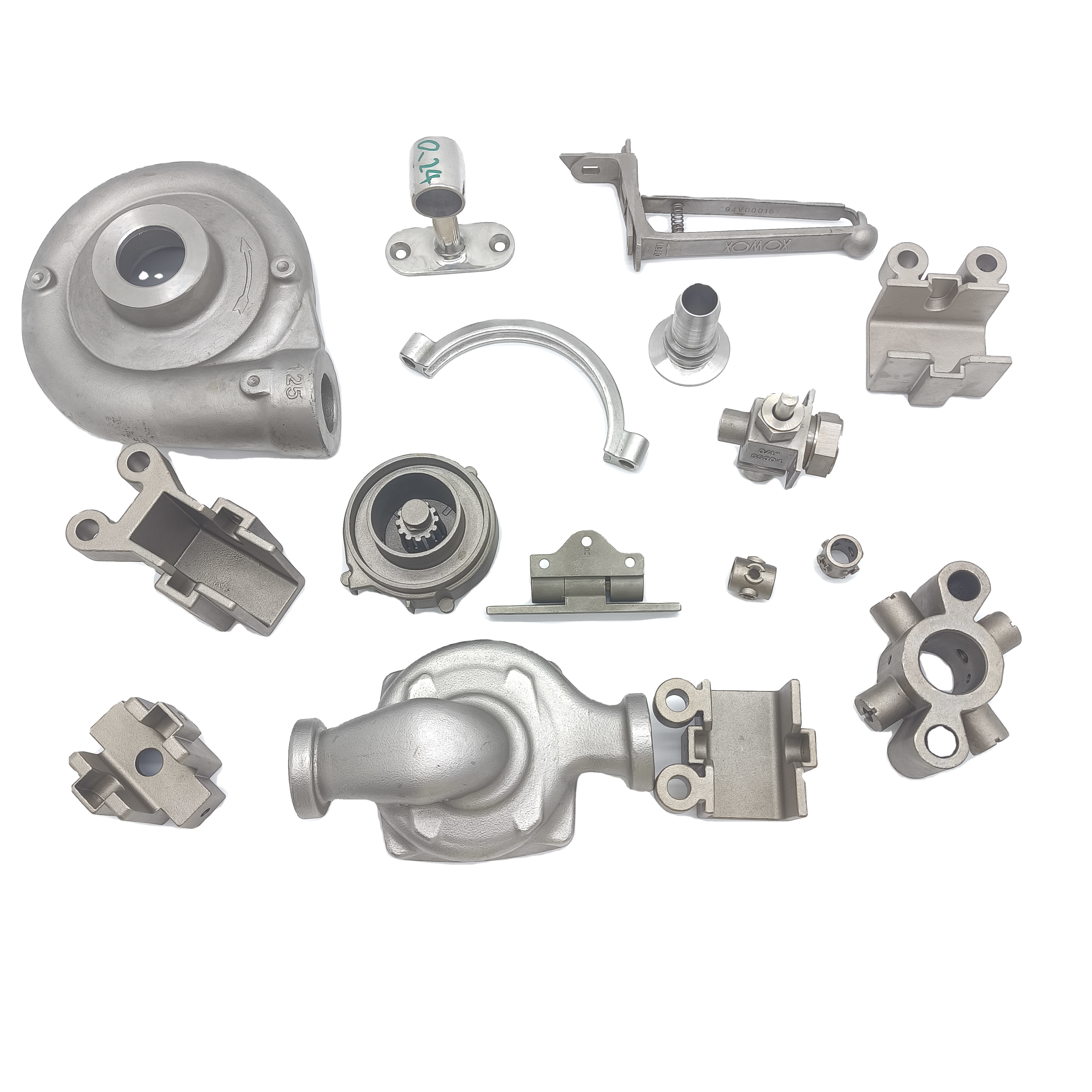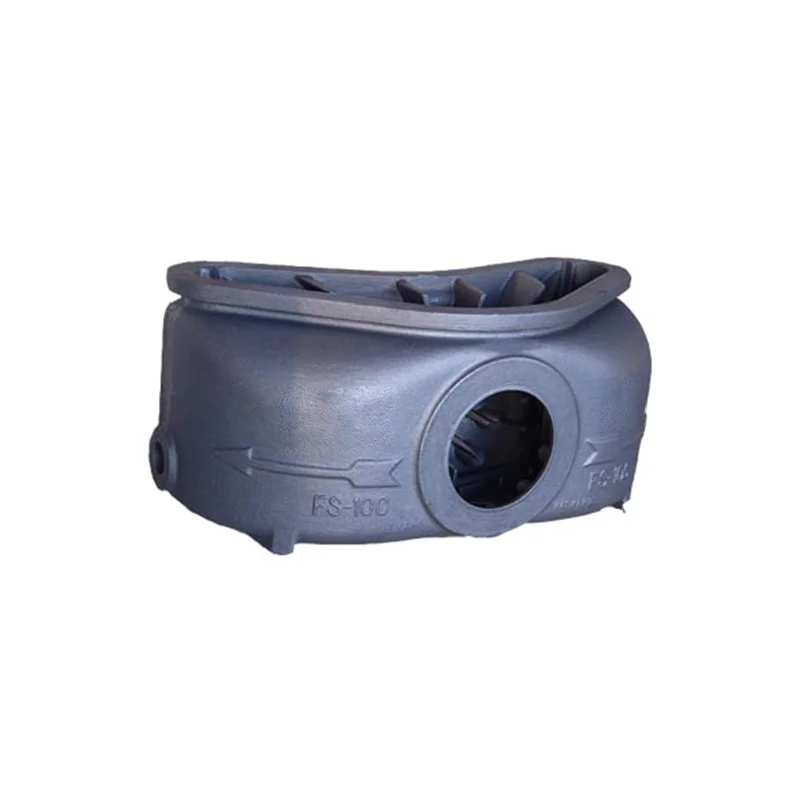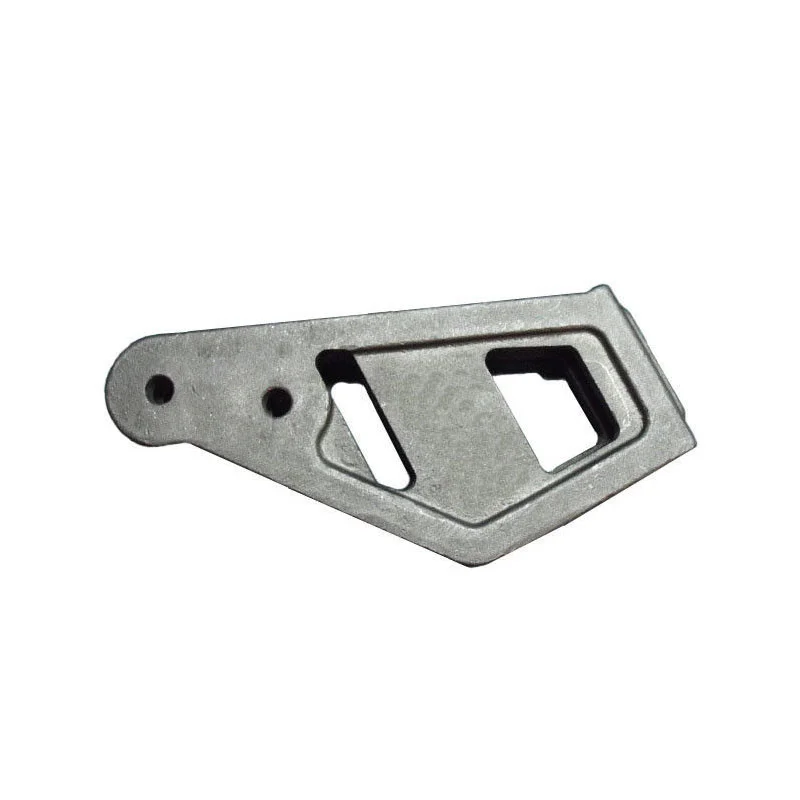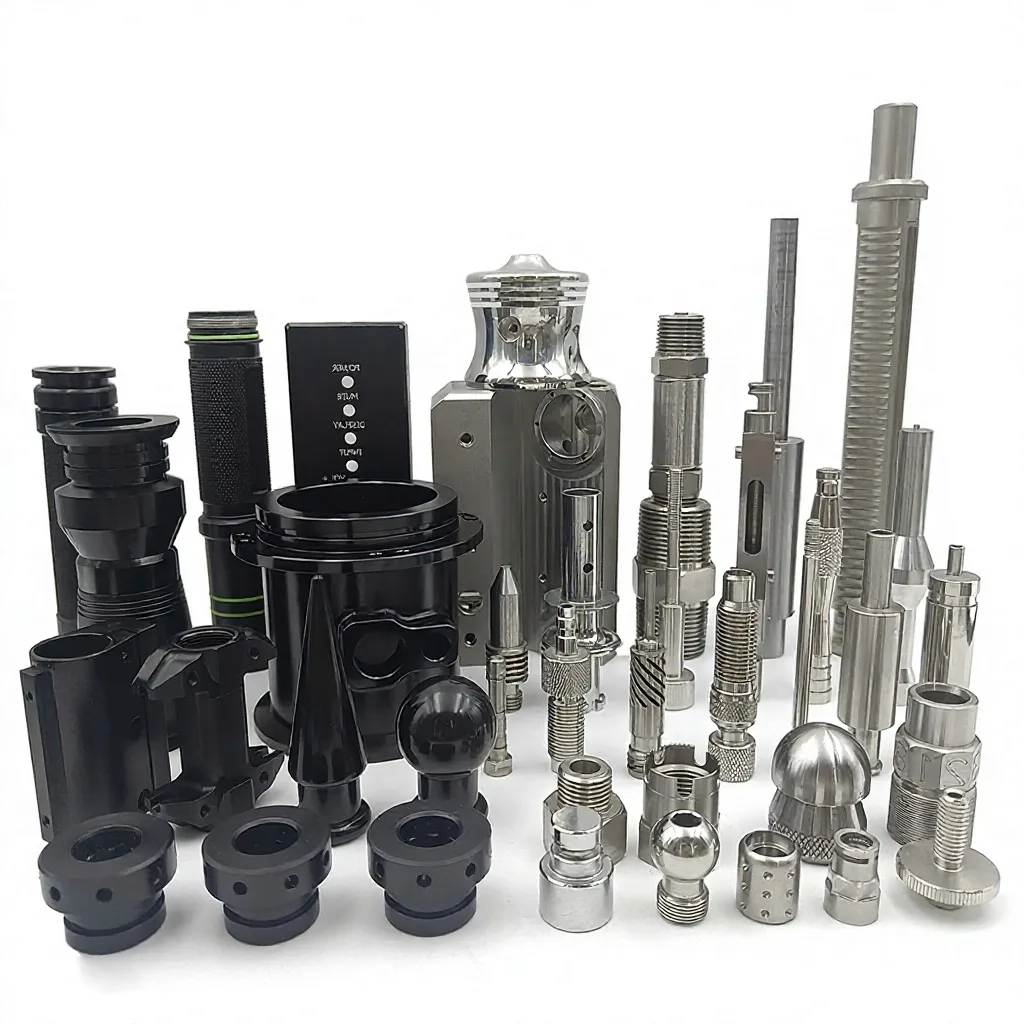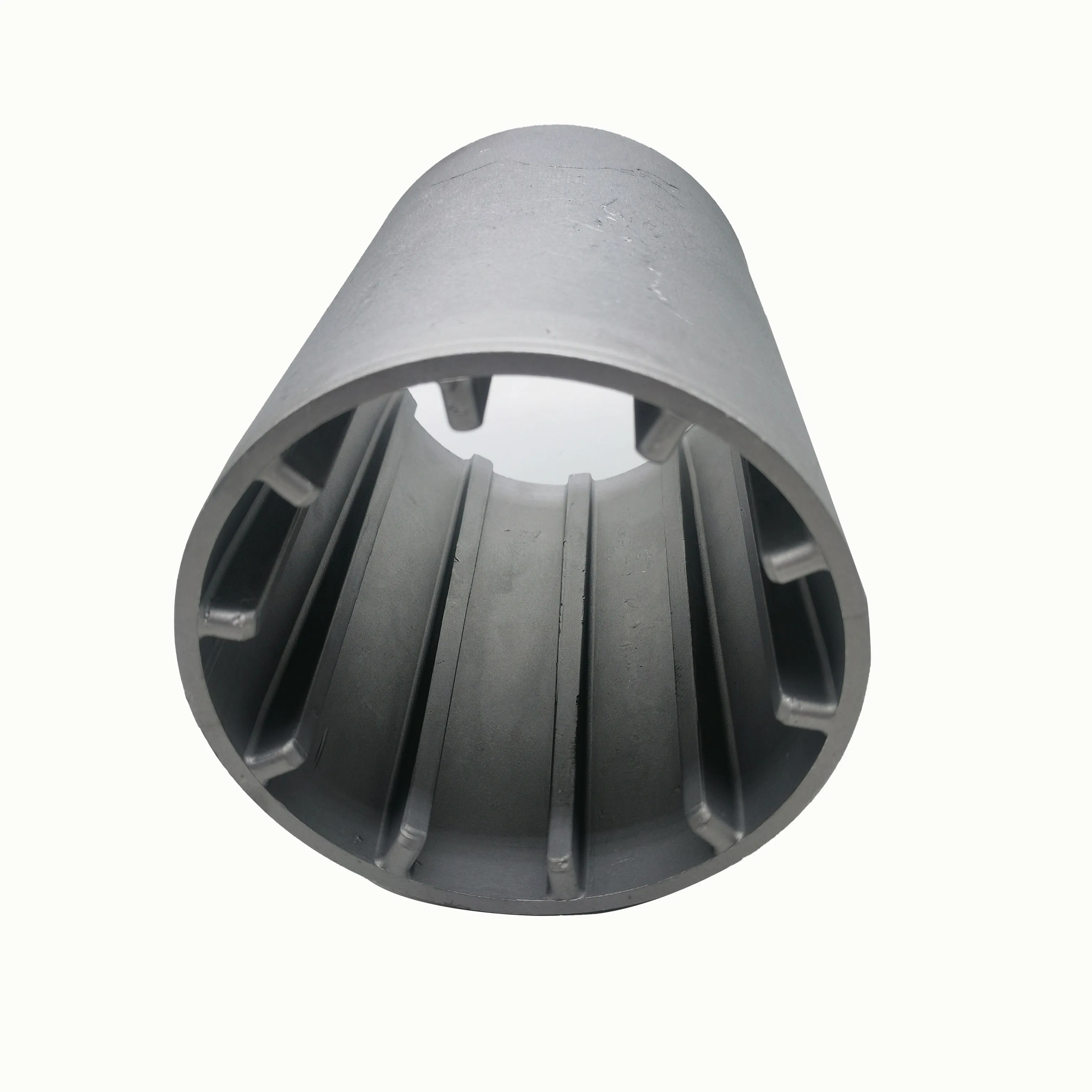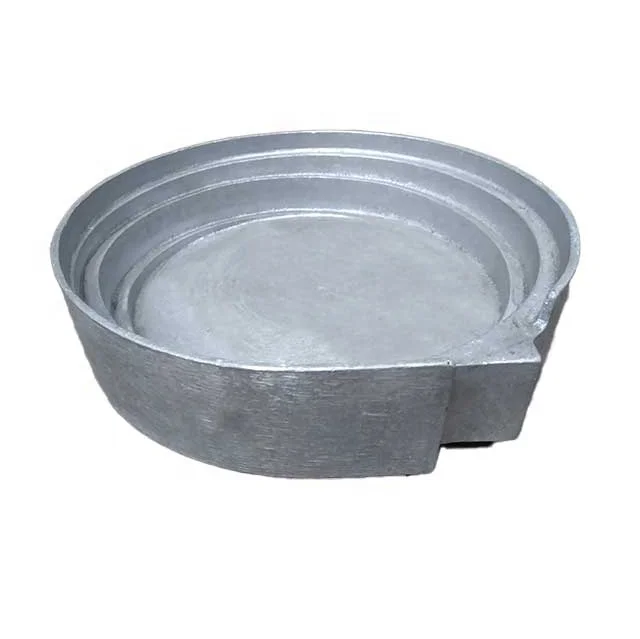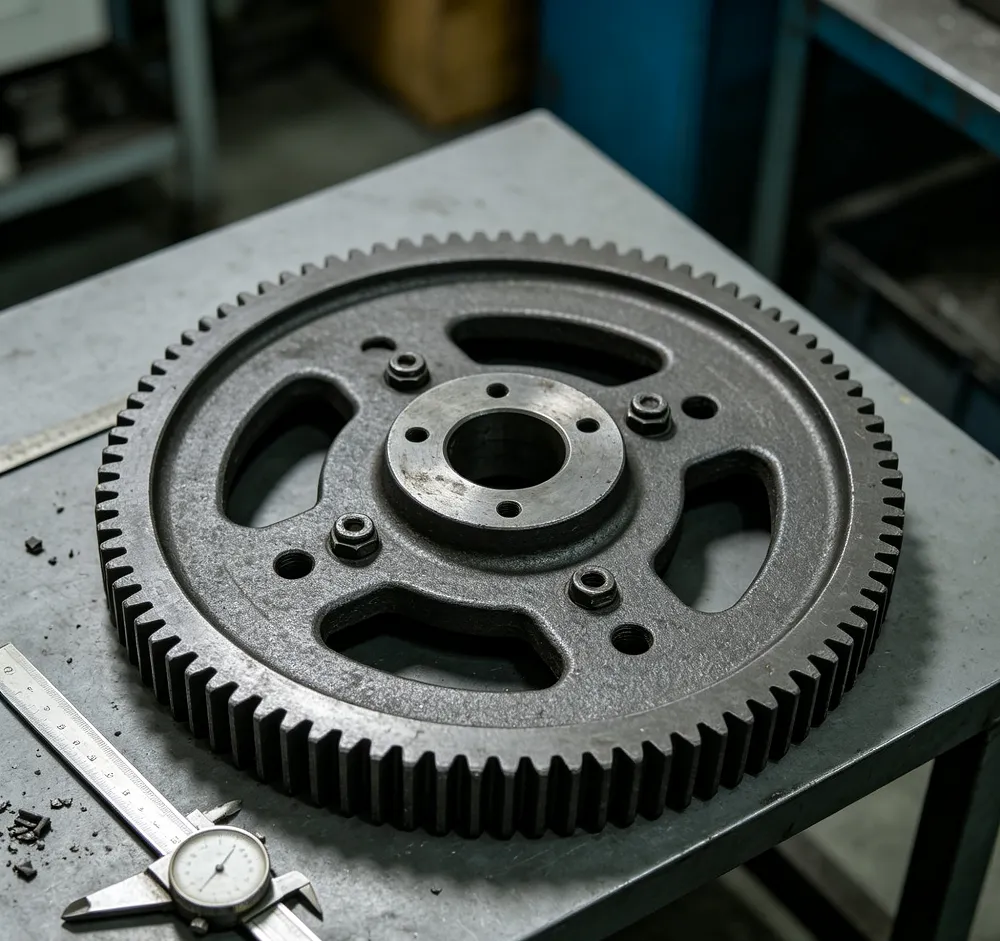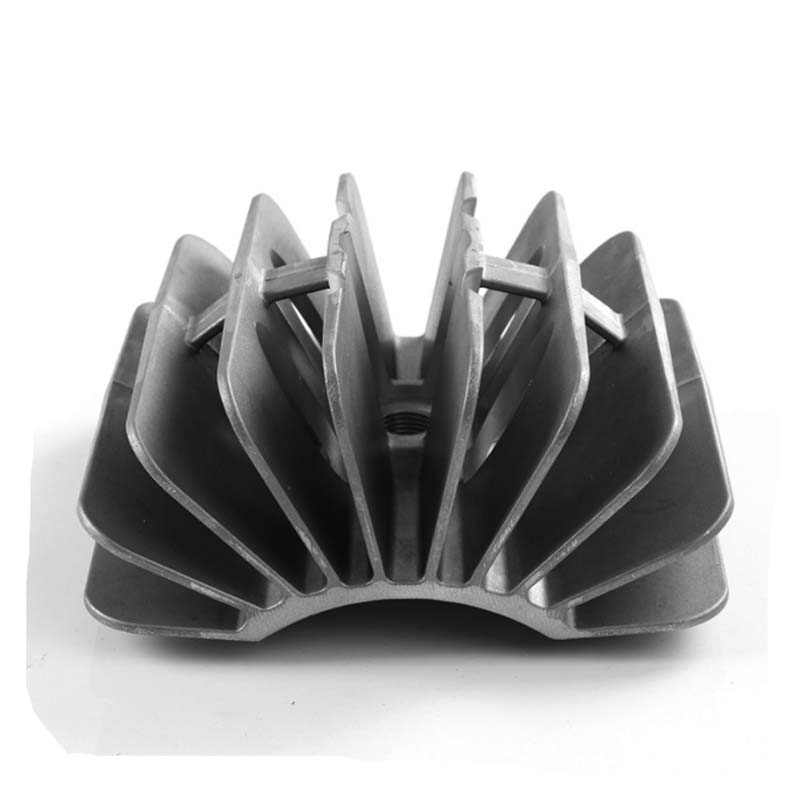
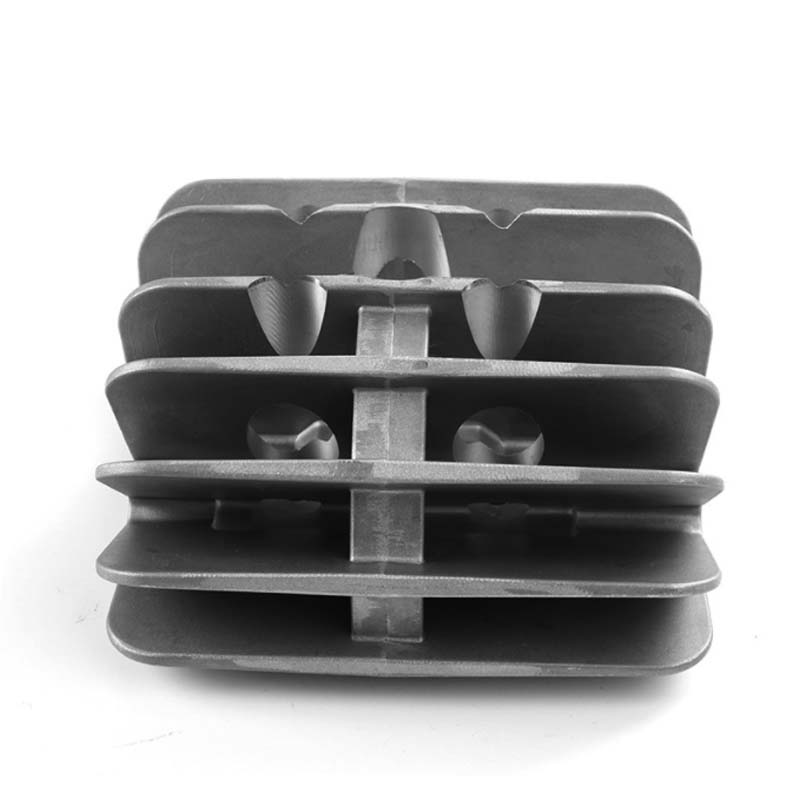
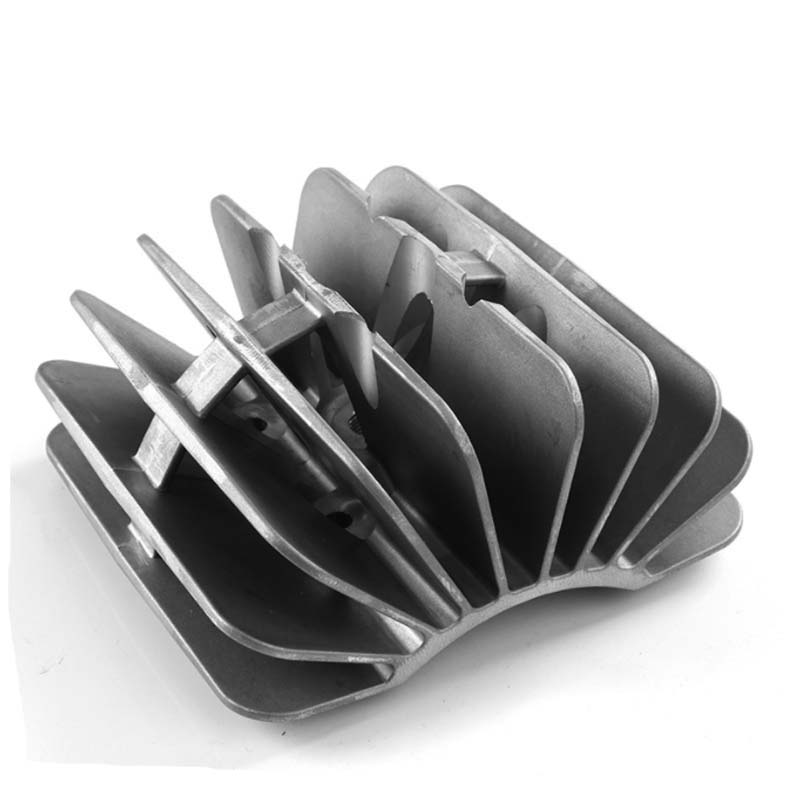
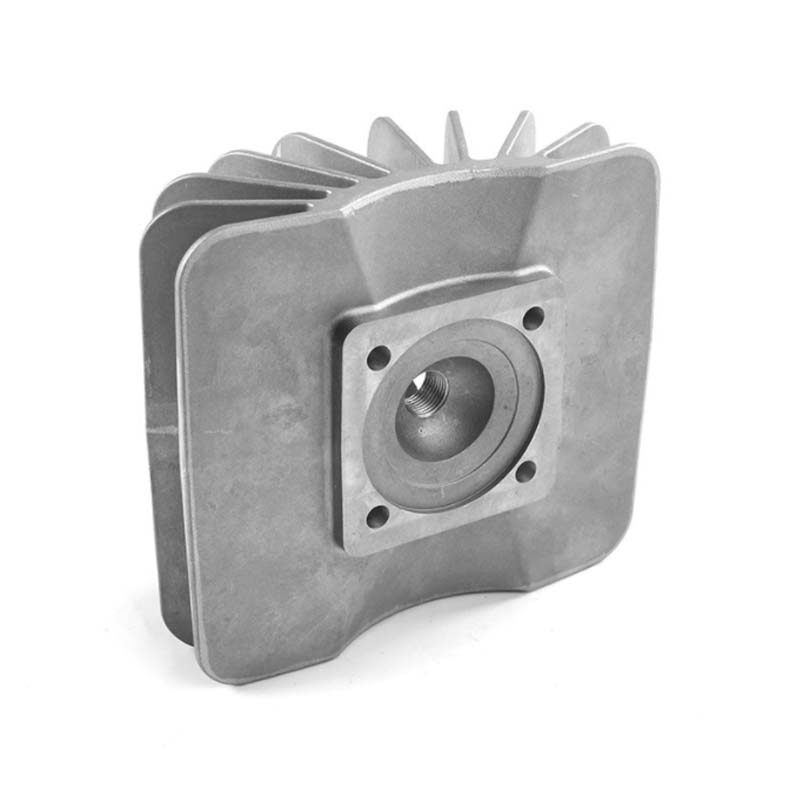
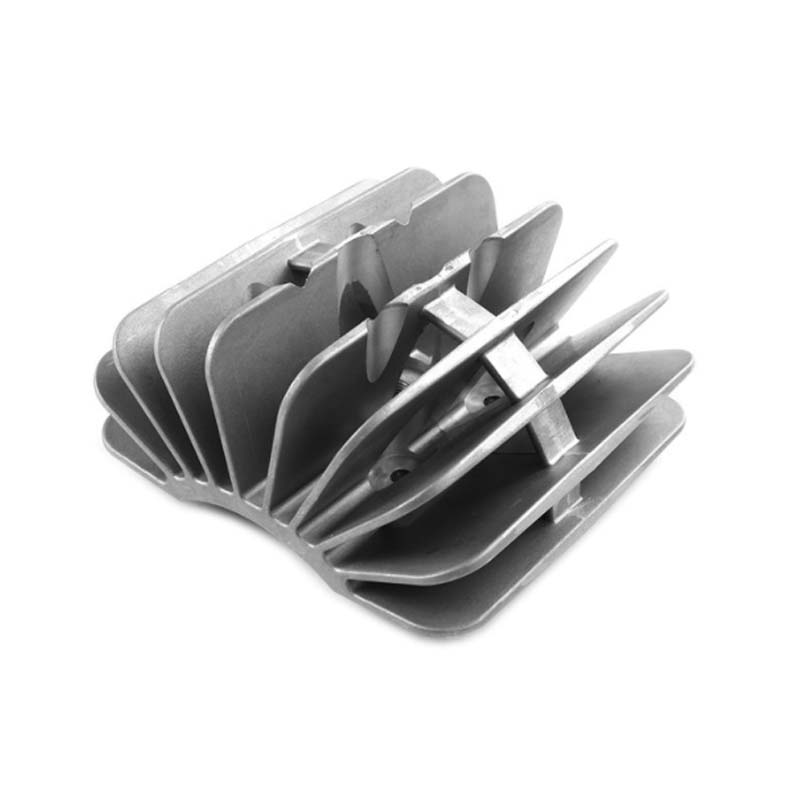
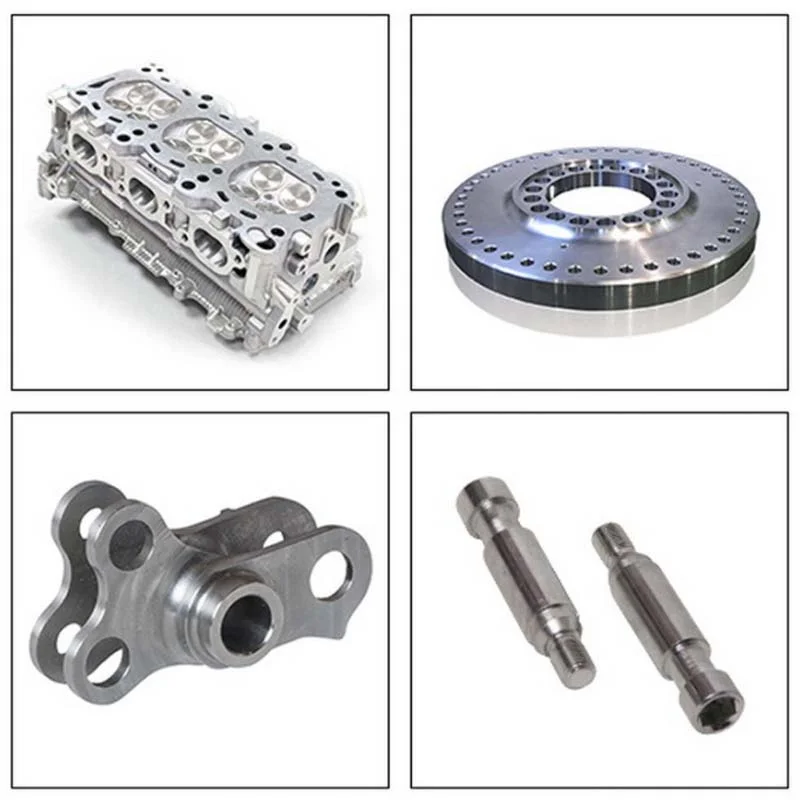
Custom Aluminum Alloy High Pressure Die Metal Mold Chemically Hardened Sand Cast Parts and Separate Steel Tooling Enquiries
Direct factory support
Get a quote that fits your project
Send your drawing or product reference, material grade and required quantity. Relia will review the requirements with you.
- Drawing & specification review
Confirm the supply scope and critical requirements.
- Samples before custom production
Review inspected samples before approving a batch.
- Inspection documents
Agree material and dimensional records for your part.
-
Sand casting typesChemically hardened sand mold
-
Types of special castingMetal mold castingSurface treatmentShot blasting
-
MaterialAluminium alloyMolding processHigh pressure casting
-
Allowance±0.1
Aluminum-alloy parts can be requested through chemically hardened sand-mold, metal-mold or high-pressure die-casting routes with shot blasting. Select the complete grade and actual process for the component. Any separately supplied steel mold or tool should have its own definition and acceptance requirements.
Define the tool and aluminum-part boundaries
Show whether the order includes tooling, a finished casting or both. Connect the selected mold geometry to the component result where relevant to that package. Identify the material condition and required supplied state for each deliverable.
Establish the allowance and dimensional basis
For a ±0.1 requirement, specify the unit, affected feature and processing stage. Define whether it concerns manufacturing allowance or accepted dimensional limits. Mark locating references and measurement conditions for the interfaces controlling the actual component’s fit.
Set shot-blasted surface acceptance
Identify treated areas and the required contact or appearance result on the aluminum substrate. Mark any masking or regions requiring a different final condition. Keep the finish criteria connected to the actual casting geometry and the state in which it will be approved.
- State the aluminum part or steel tool quantity and controlling revision.
- Describe application duty and adjoining components.
- Identify material, dimensional and surface evidence required for approval.
- Retain accepted grade, route and allowance decisions within the supplied-item record.
Confirm repeat work against that selected tool or component definition and its intended working relationships.