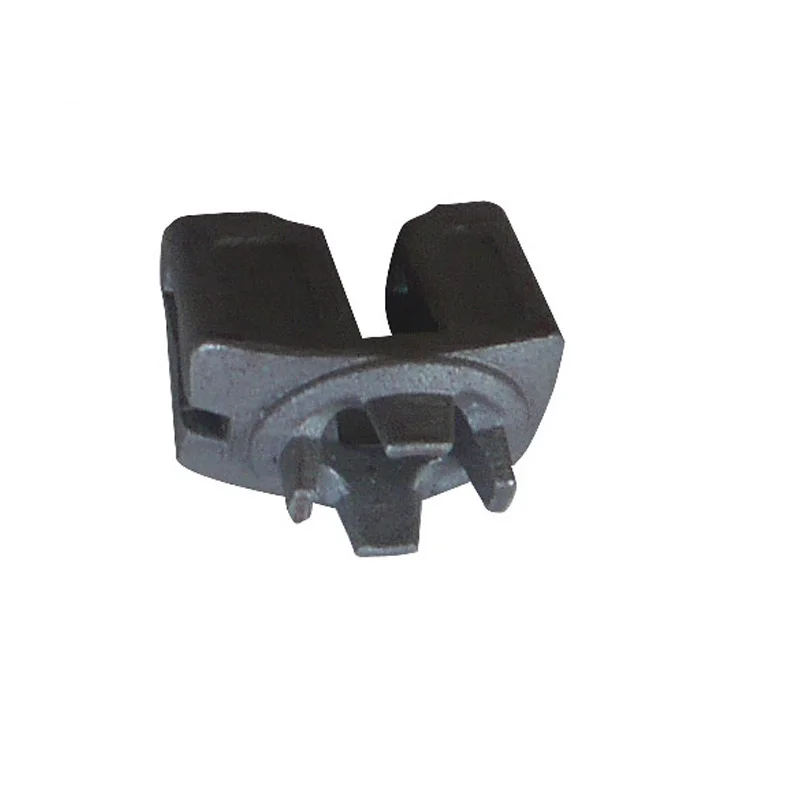
Custom Aluminum Die Investment Vacuum and Sand Casting Parts with Separate Multi-Material Machining Enquiries
Direct factory support
Get a quote that fits your project
Send your drawing or product reference, material grade and required quantity. Relia will review the requirements with you.
- Drawing & specification review
Confirm the supply scope and critical requirements.
- Samples before custom production
Review inspected samples before approving a batch.
- Inspection documents
Agree material and dimensional records for your part.
-
MaterialStainless Steel,Steel,Brass,Copper,Aluminum,Iron,Plastic
-
TechnologyInvestment Casting,Sand Casting,Machining,Welding,ForgingMachiningBroaching,DRILLING,Milling,Turning,Tapping,Wire
-
ProcessMolds,Casting,Deburring,Machining,Surface Treatment,PackingWeightAvailable from 0.01 Kg-10T
-
StandardISO,GB,DIN,JIS,ANSI,BSW,ASTM,ASME,BS,API,ENCasting ToleranceCT4-CT8
-
Machining Tolerance+/-0.02mmSurface TreatmentPolishing, Passivating, Sandblasting, Zinc plating, Oxide black
-
CertificationIS09001: 2015,TUV
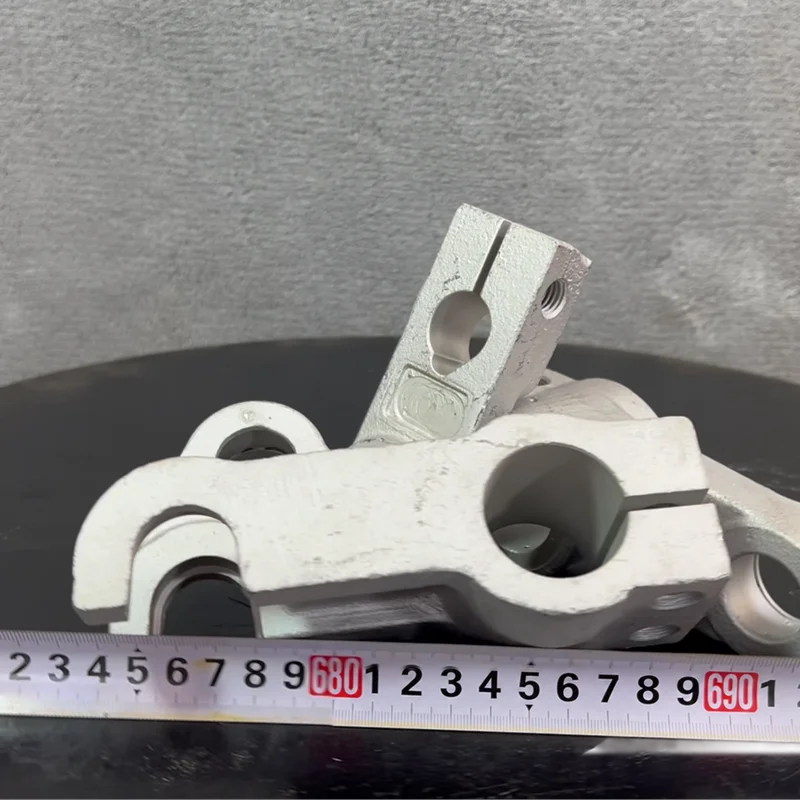
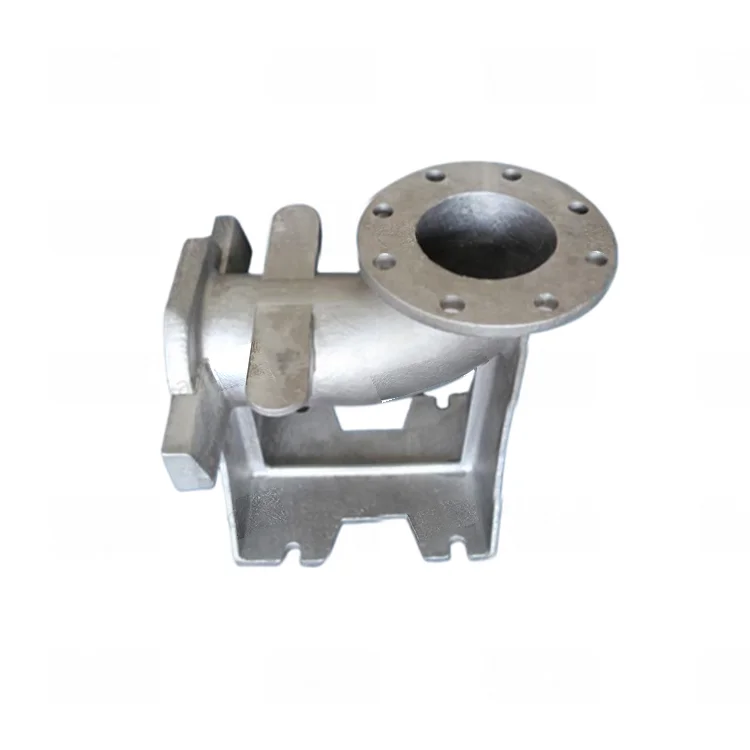
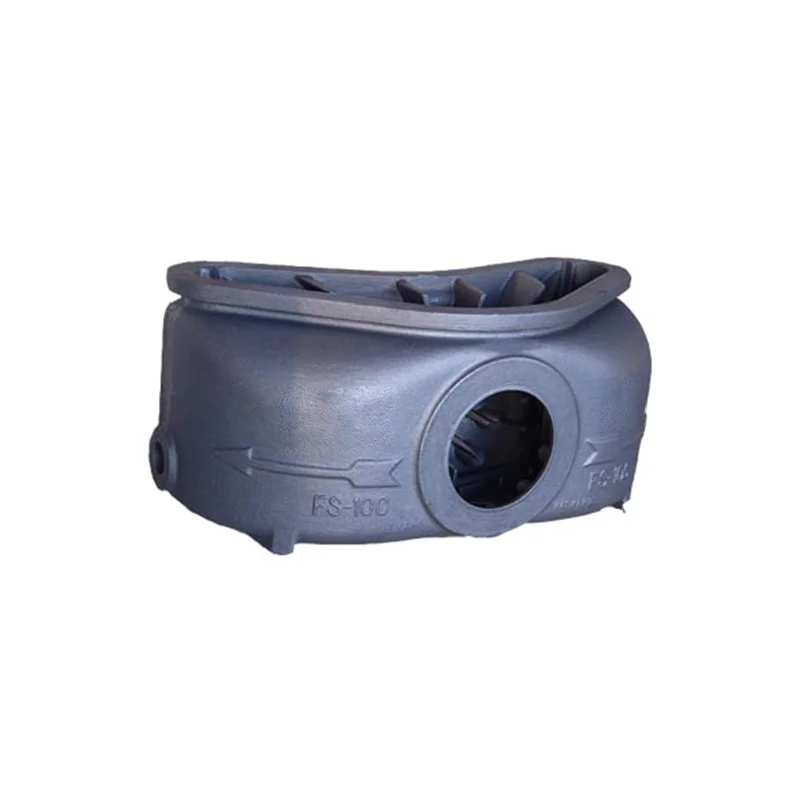
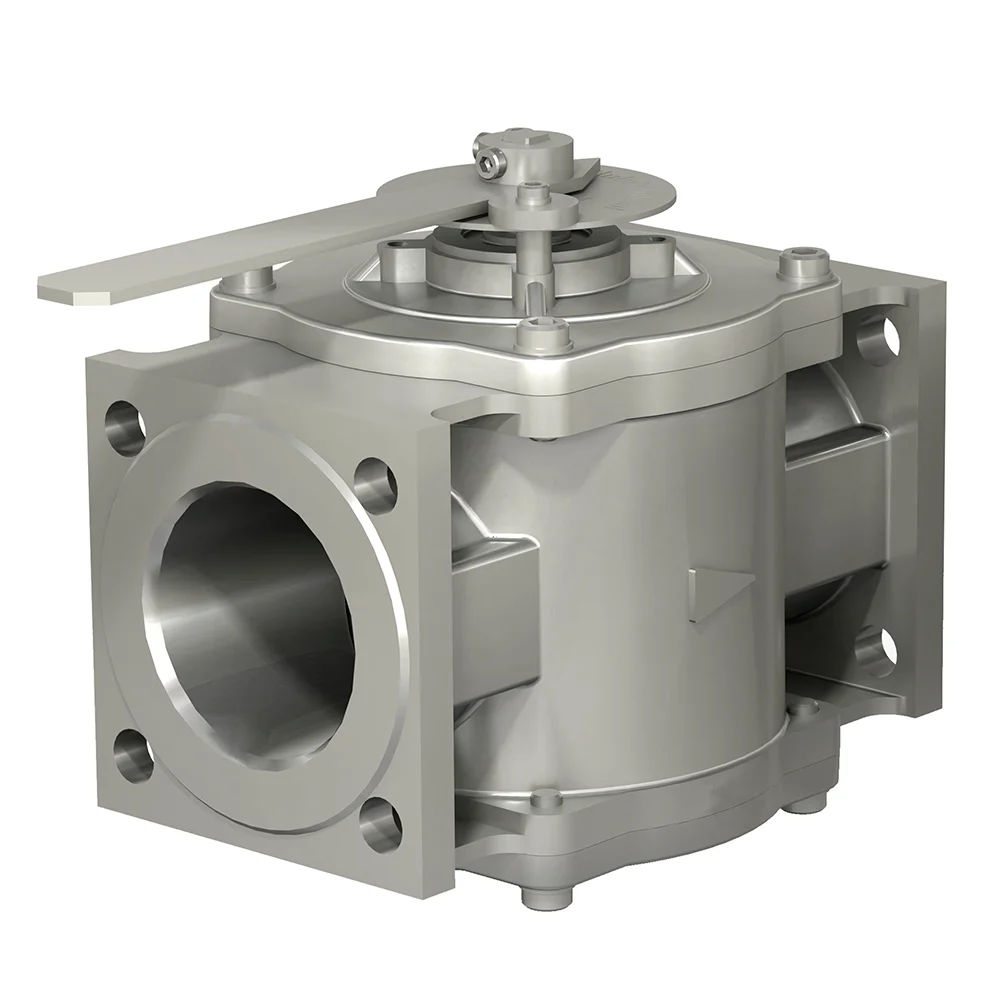
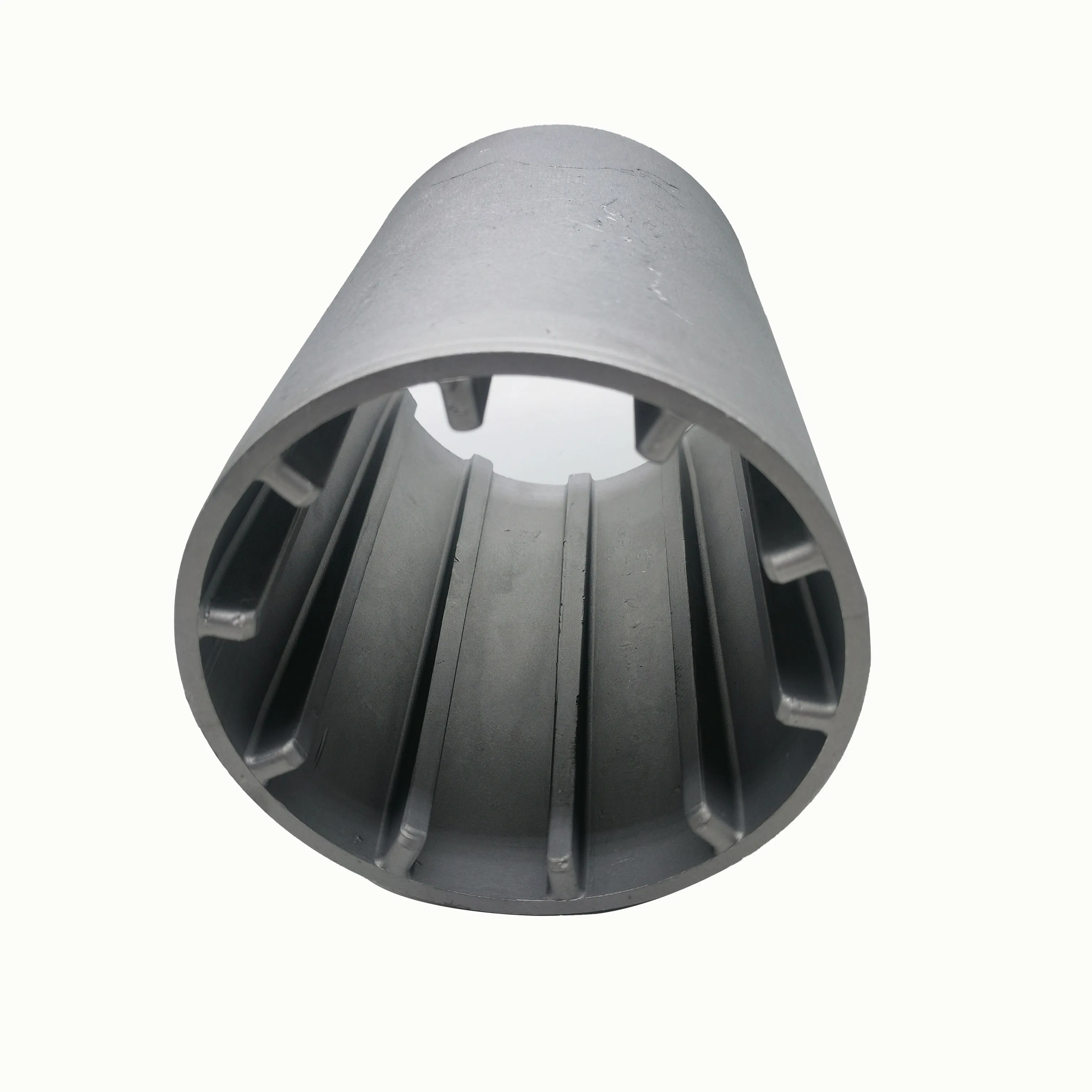
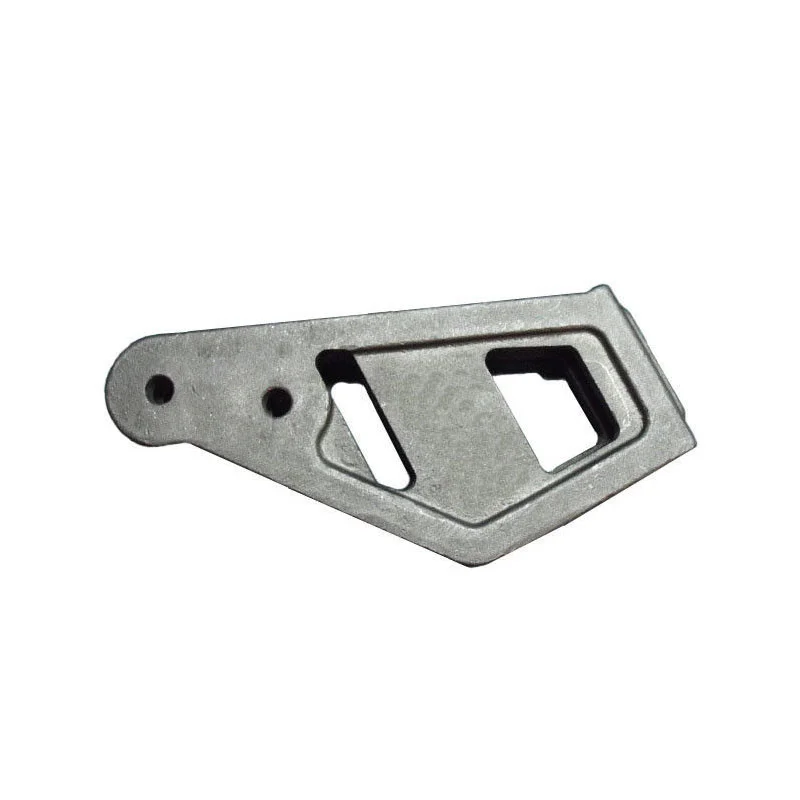
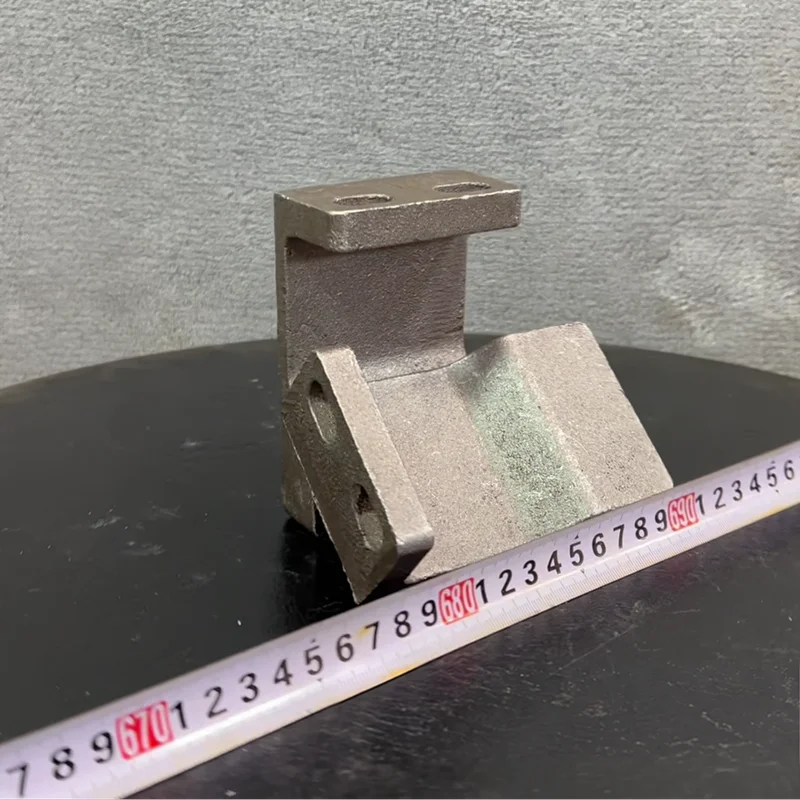
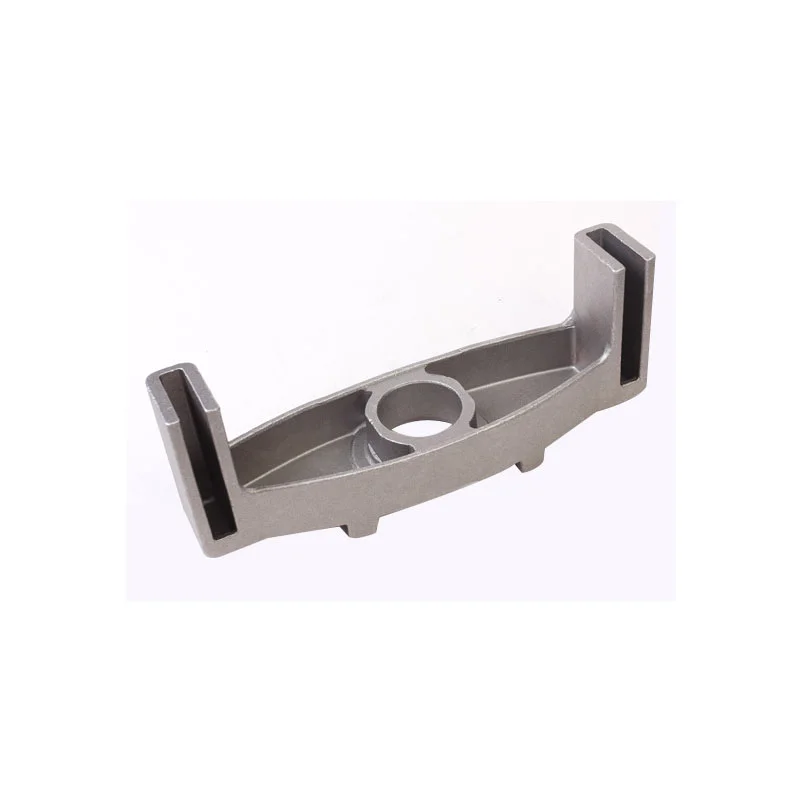
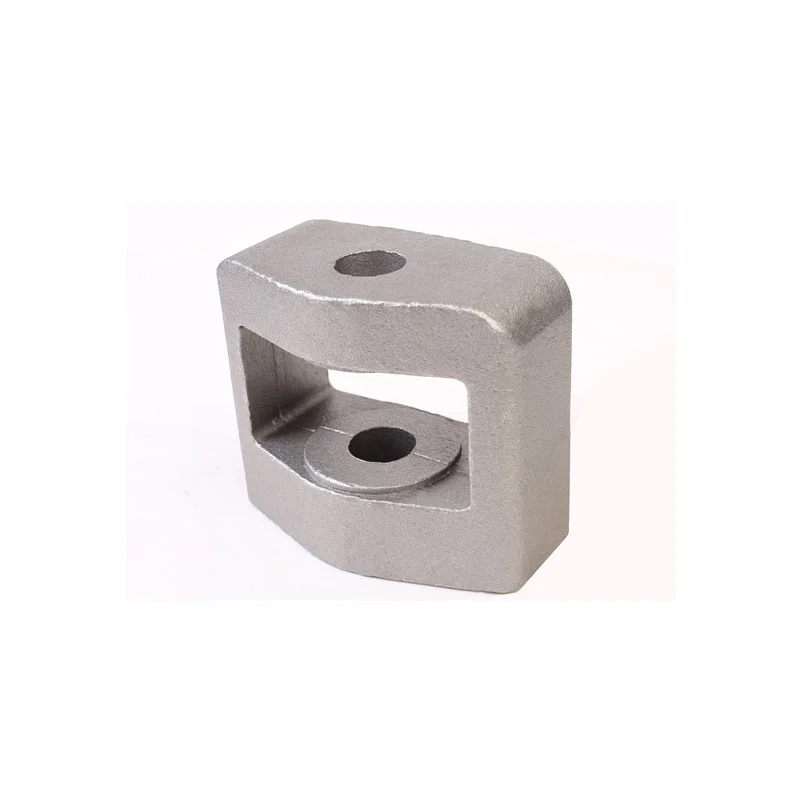
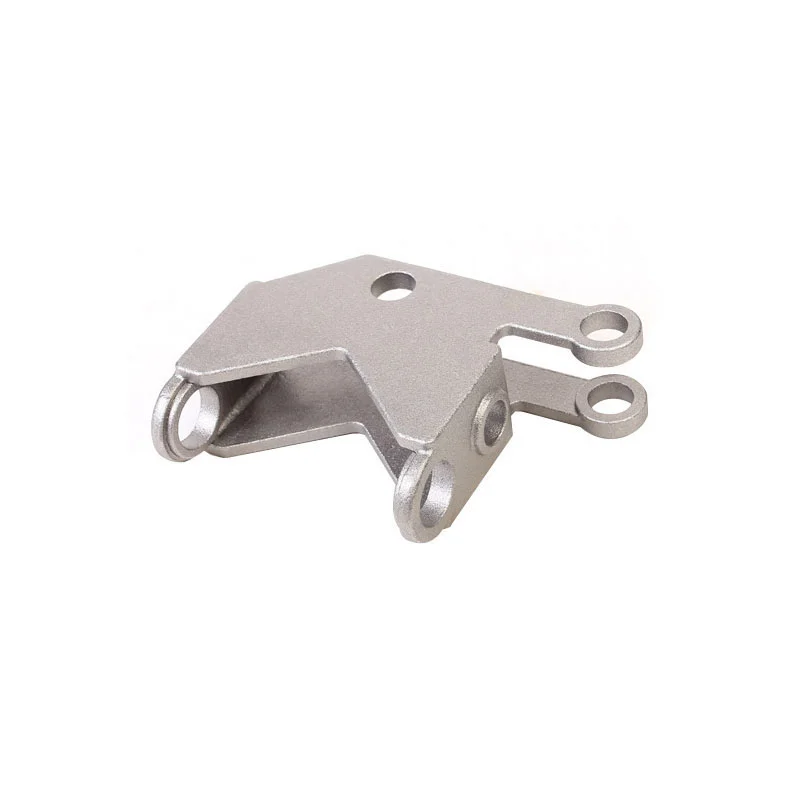
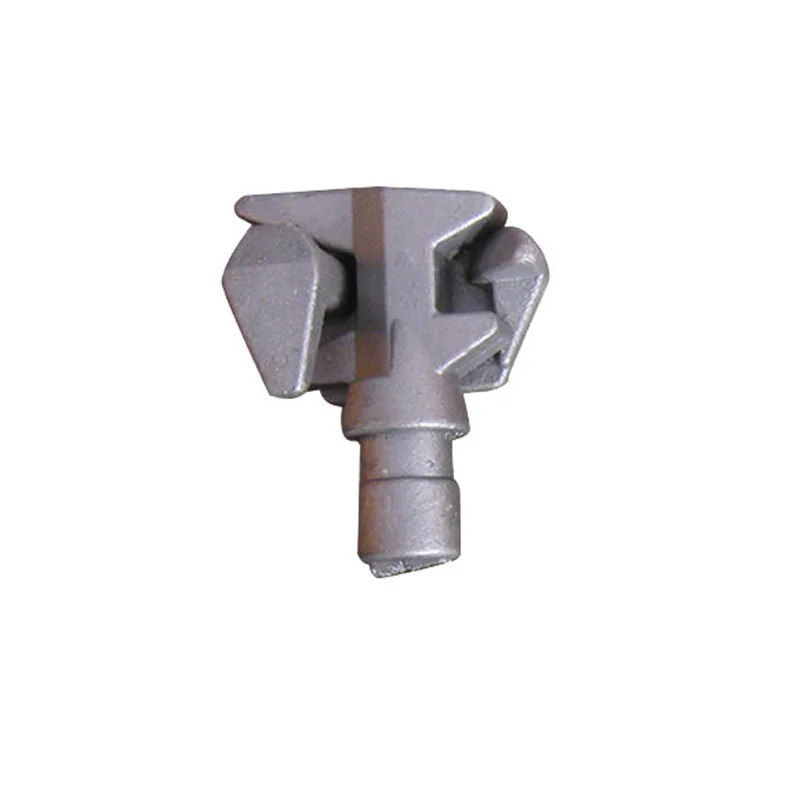
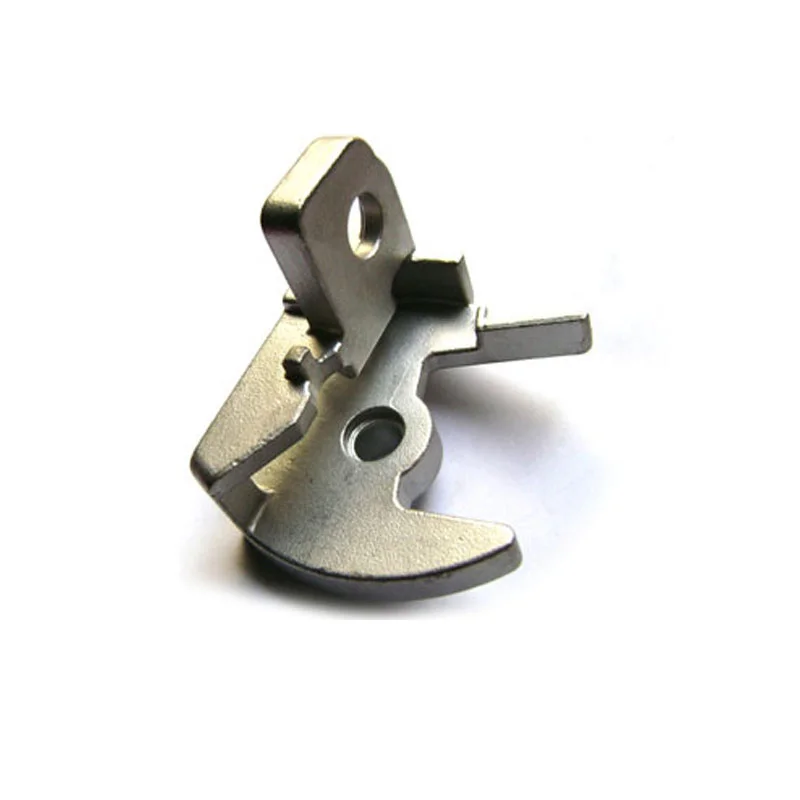
Custom aluminum die-cast enquiries include selected investment, vacuum-related and sand-casting requests. Separate component materials include stainless steel, steel, brass, copper, iron and plastic. Choose the complete grade and compatible route for the actual item, with machining, welding or forging defined where requested.
Assign dimensions to casting and finished stages
The casting-tolerance reference is CT4–CT8 and machining tolerance is stated as ±0.02 mm. Identify the controlled dimensions, datum relationships and supplied stages for acceptance. The component drawing should distinguish the cast form from interfaces requiring subsequent work. Include any measurement-access limitations at recessed or internal areas in the dimensional inspection brief.
Specify the operations required by the geometry
Broaching, drilling, milling, turning, tapping and wire processing are named machining options. Define the actual wire method and the finished geometry required from the selected operations. Supply scope includes molds, deburring, surface treatment and packing for the ordered part.
- Provide the controlled drawing and quantity.
- State the grade and required material condition.
- Mark finished interfaces and measurement references.
- Identify dimensional and surface approval records.
Close treatment and document requirements
Polishing, passivation, sandblasting, zinc plating and black oxidation are named finish choices. Define the treatment and masking boundaries for the substrate. Specify complete documents within ISO, GB, DIN, JIS, ANSI, BSW, ASTM, ASME, BS, API or EN families. Identify applicable ISO9001:2015-related and TUV qualification scope alongside the part-specific inspection and sample approval requirements.