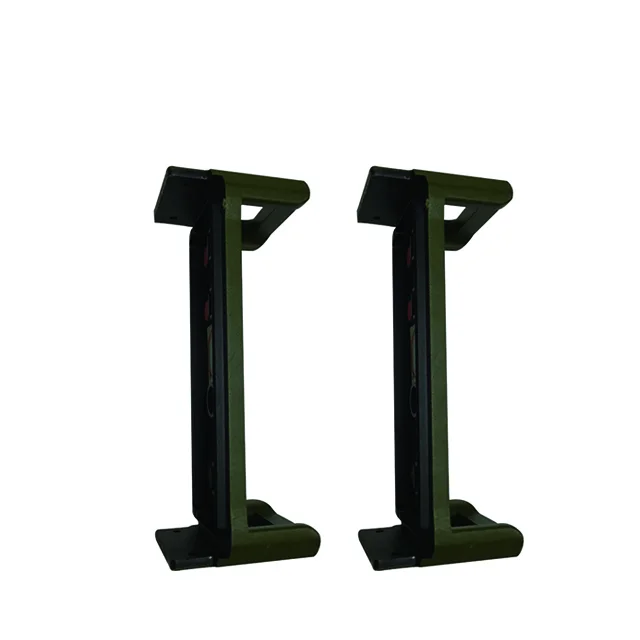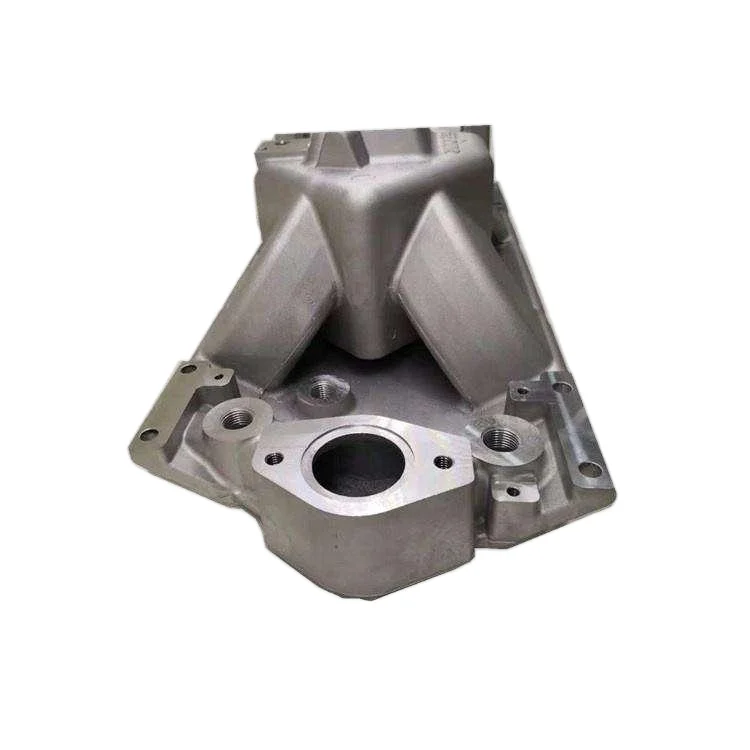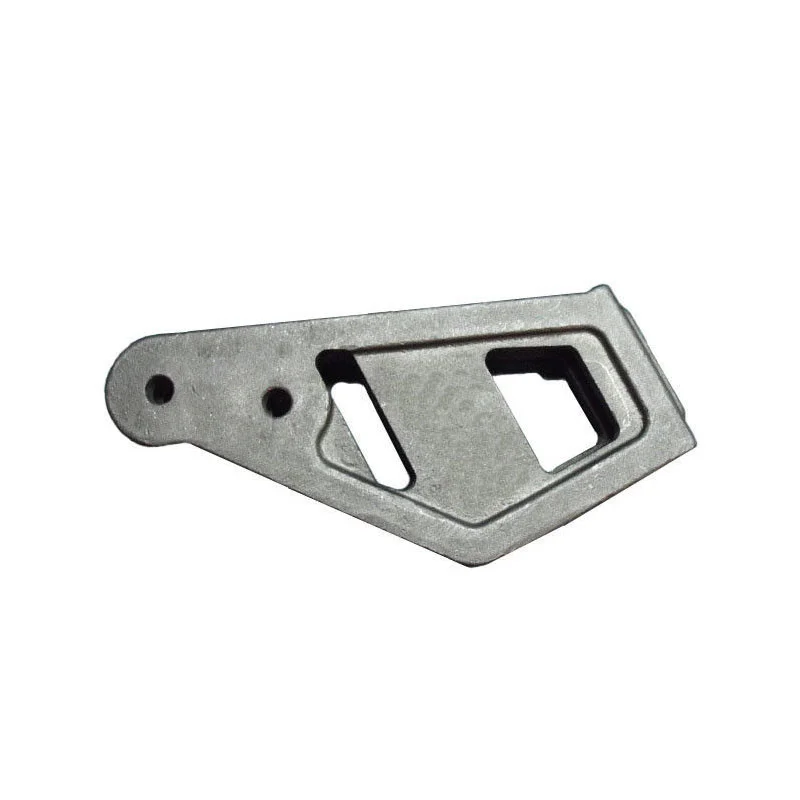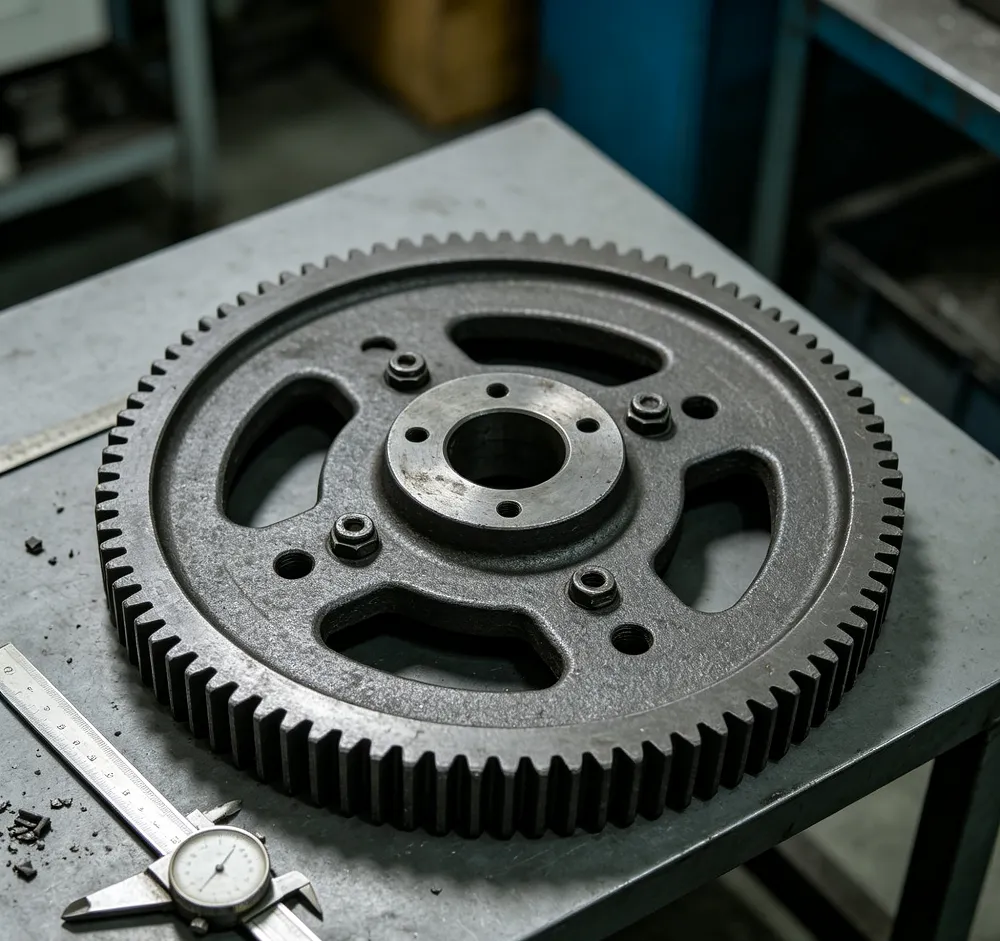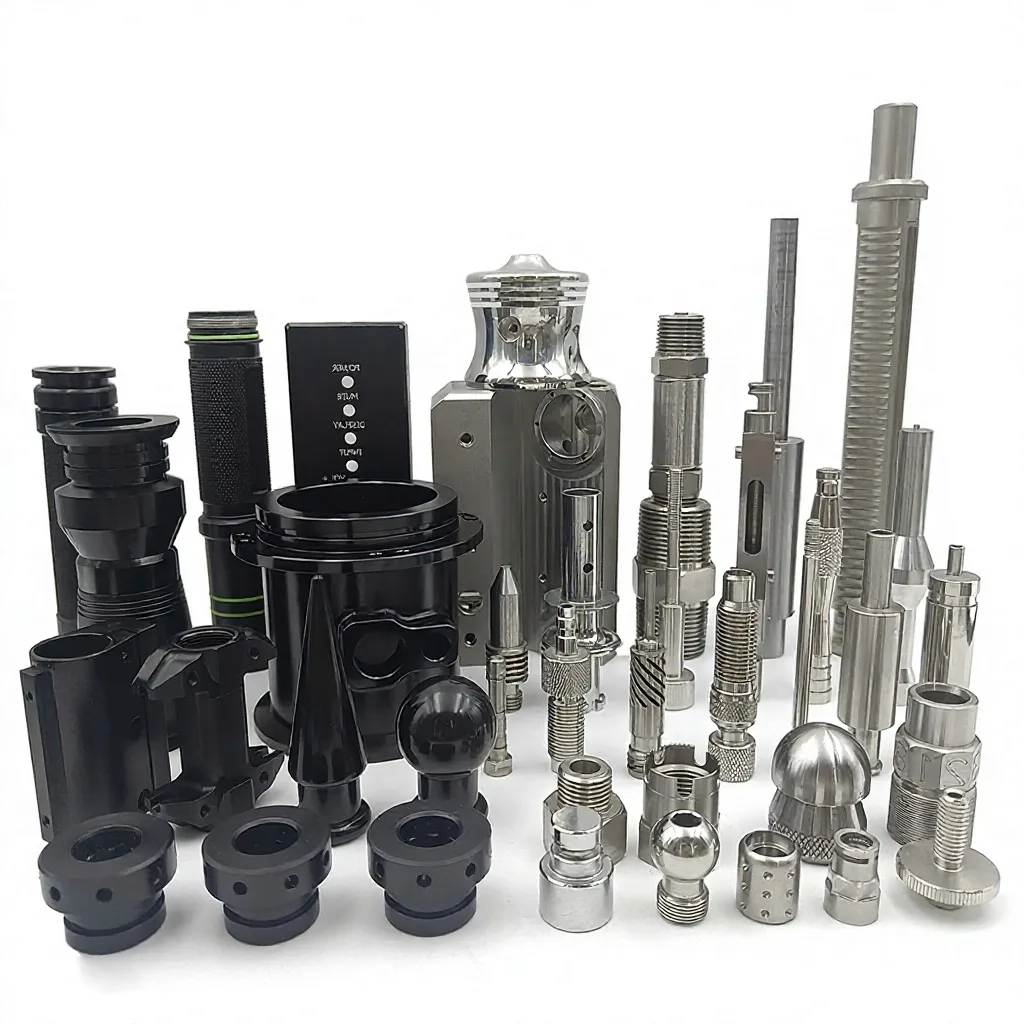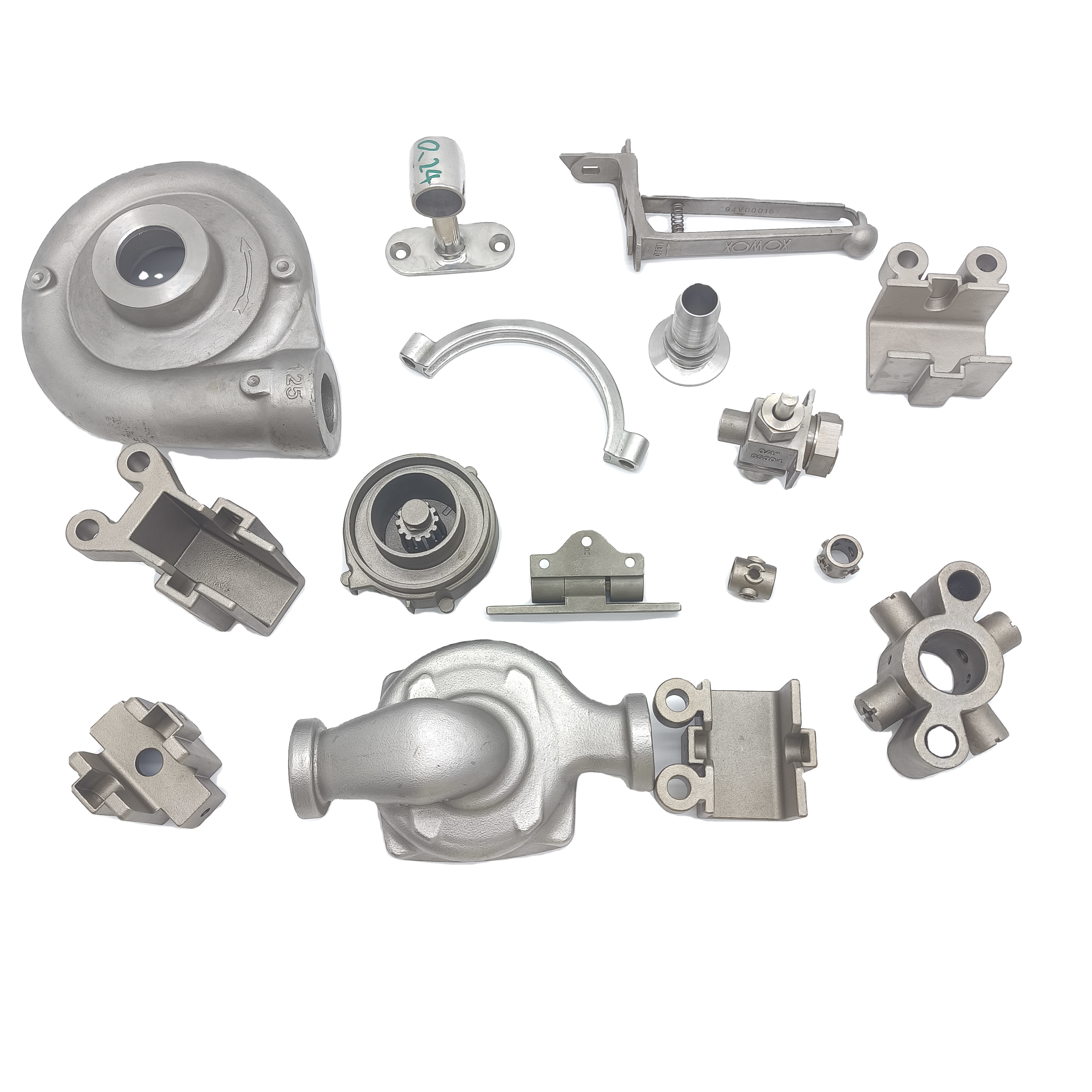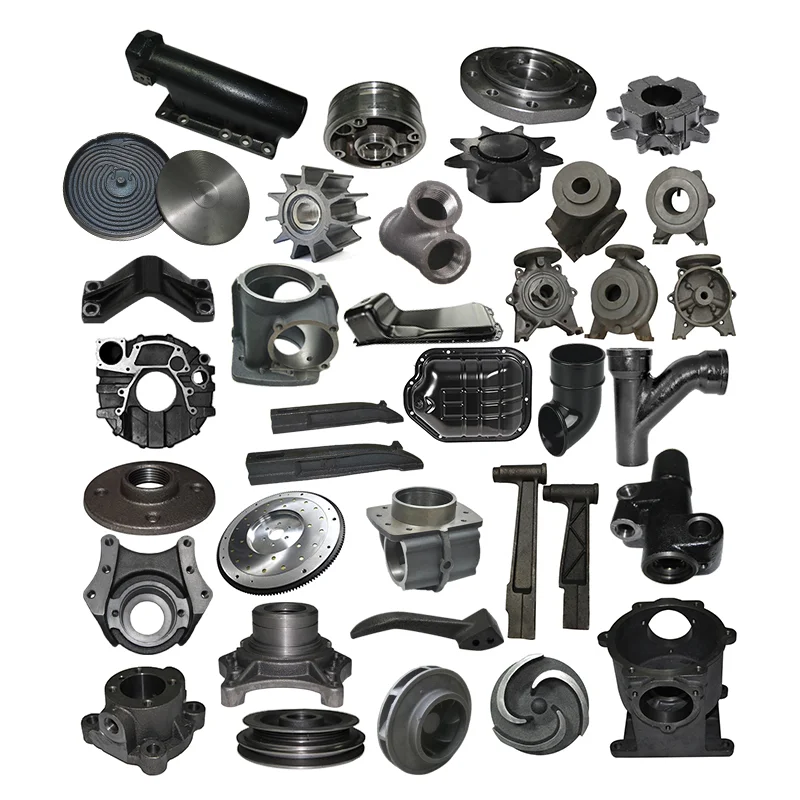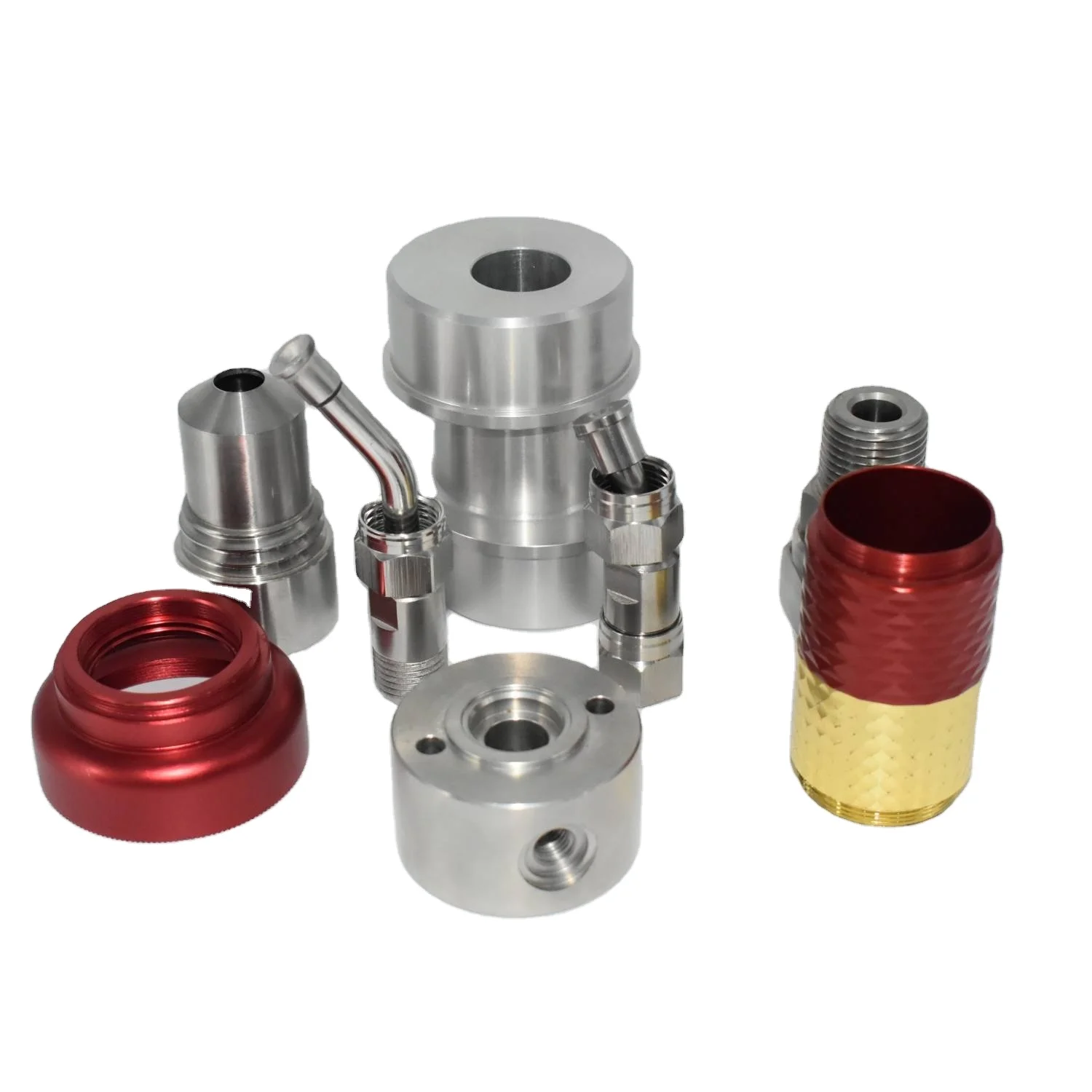
Custom Aluminum Dry-Sand Castings for Mechanical Equipment — Drawing Processing with a 1 mm Accuracy Reference
Direct factory support
Get a quote that fits your project
Send your drawing or product reference, material grade and required quantity. Relia will review the requirements with you.
- Drawing & specification review
Confirm the supply scope and critical requirements.
- Samples before custom production
Review inspected samples before approving a batch.
- Inspection documents
Agree material and dimensional records for your part.
-
Part Number9Dimensional accuracy1mm
-
Have a licensed private labelnoMachinable surface roughness-
-
Types of sand castingDry sand casting
-
brandReliaMain downstream platformsother
-
Application areas of machined partsMechanical equipment partsProcessing tradeProcessing based on provided drawings
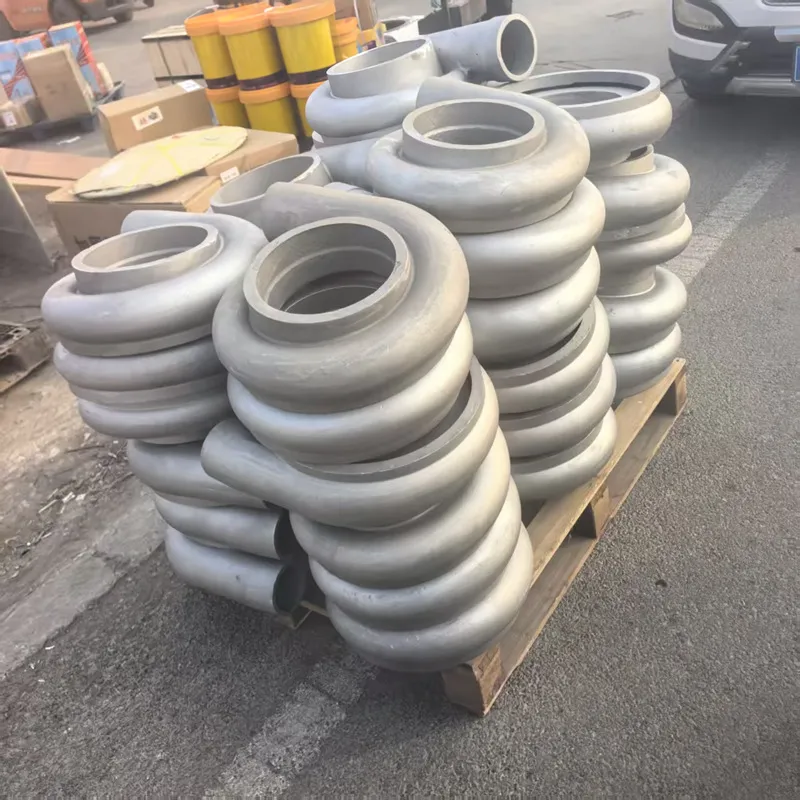
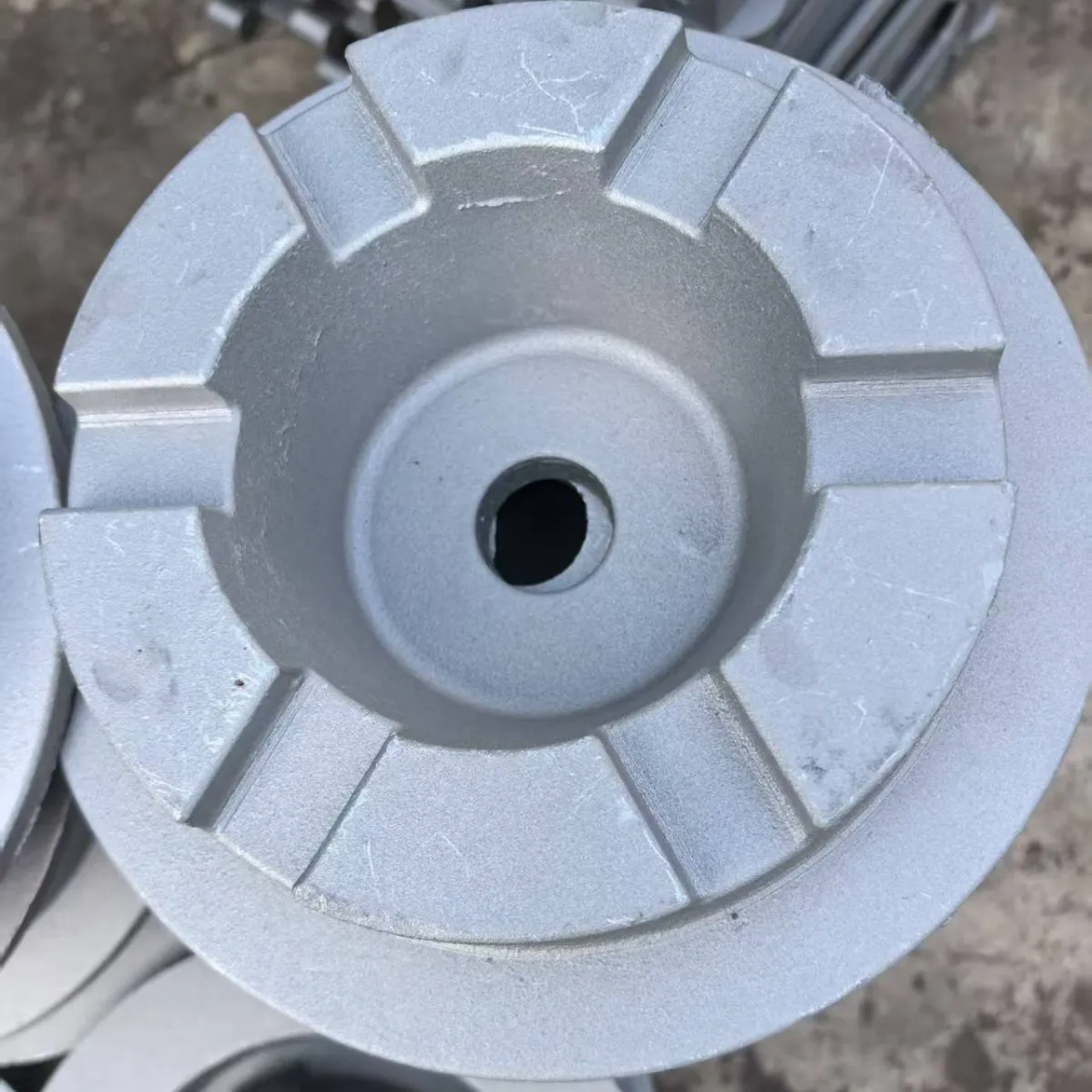
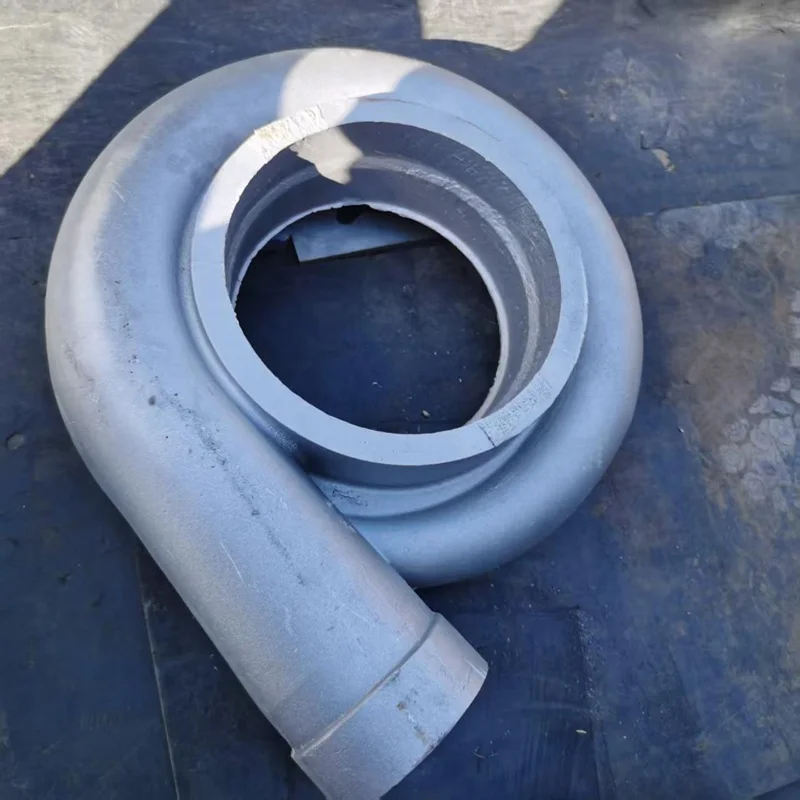
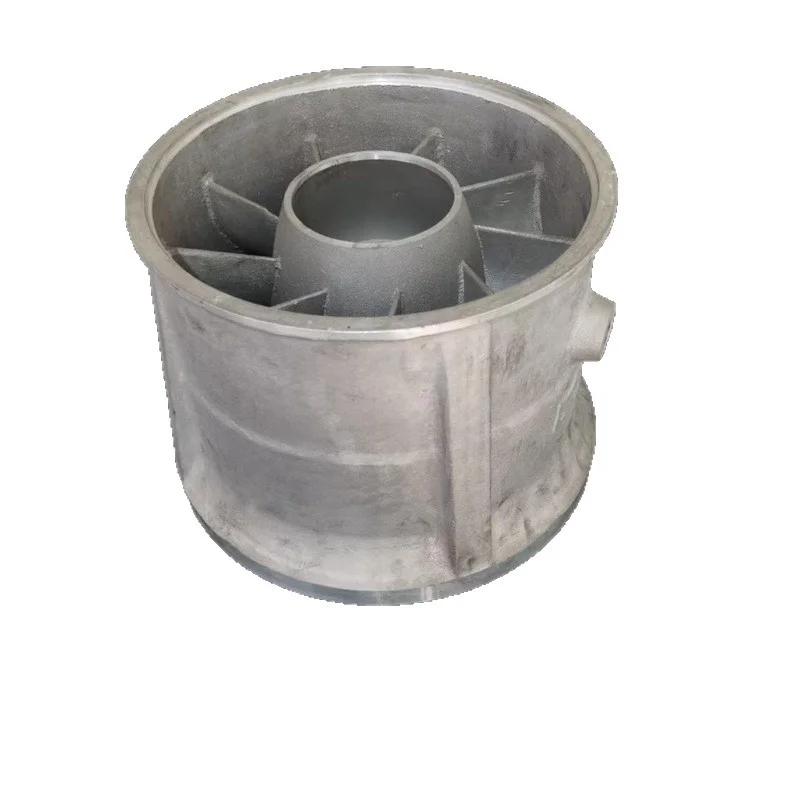
Custom aluminum parts for mechanical equipment are offered using dry-sand casting and processing to supplied drawings. The dimensional-accuracy reference is 1 mm, with the actual alloy, geometry and supplied condition defined through the ordered component.
Describe the equipment interface on the drawing
Identify the component's function and the surfaces that connect it to the surrounding equipment. Provide the aluminum grade and the current drawing revision. The part reference is 9, while the selectable item is custom made; the drawing should establish the actual geometry being requested.
- Provide the controlled mechanical-equipment part drawing.
- Select the full aluminum-alloy requirement.
- Mark mounting, locating and mating interfaces.
- Define dimensional limits and delivered-condition acceptance.
- State quantity and the inspection information needed.
Place the accuracy reference on controlled dimensions
Assign the stated accuracy reference to the agreed dimensions and specify the tolerance convention used for acceptance. State the supplied stage at which those dimensions are measured. This lets the dry-sand casting enquiry address the interfaces required by the actual mechanical component.
Define any machining and surface request separately
If the part needs further machining, identify the required operations and the finished geometry in the quotation brief. Specify a roughness parameter, unit and measurement basis where a machined surface has an acceptance requirement. Keep the selected material, casting dimensions and any additional work together so the order describes one identifiable component and its required supplied condition.