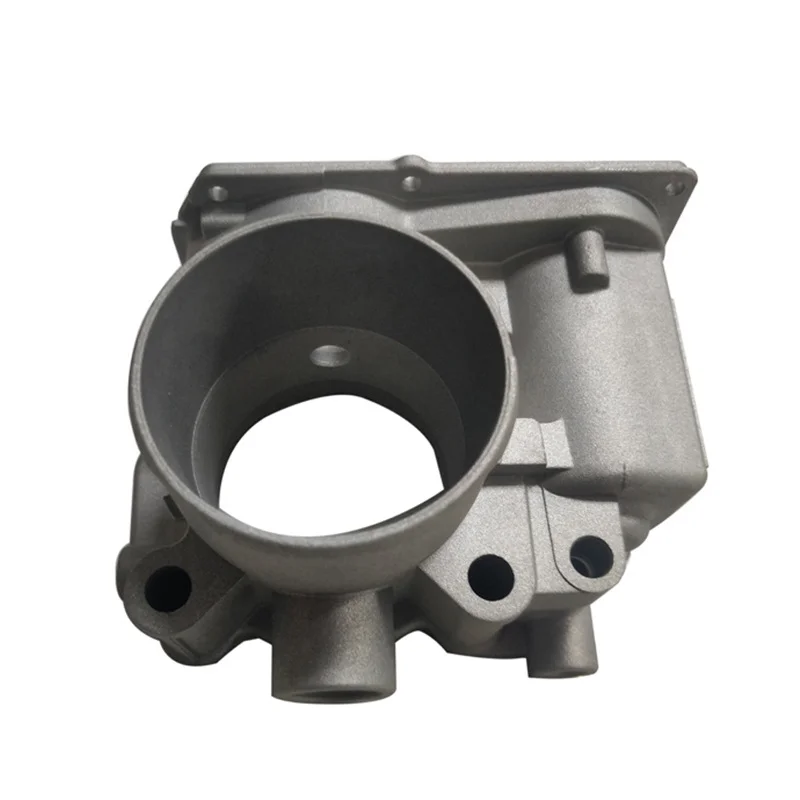
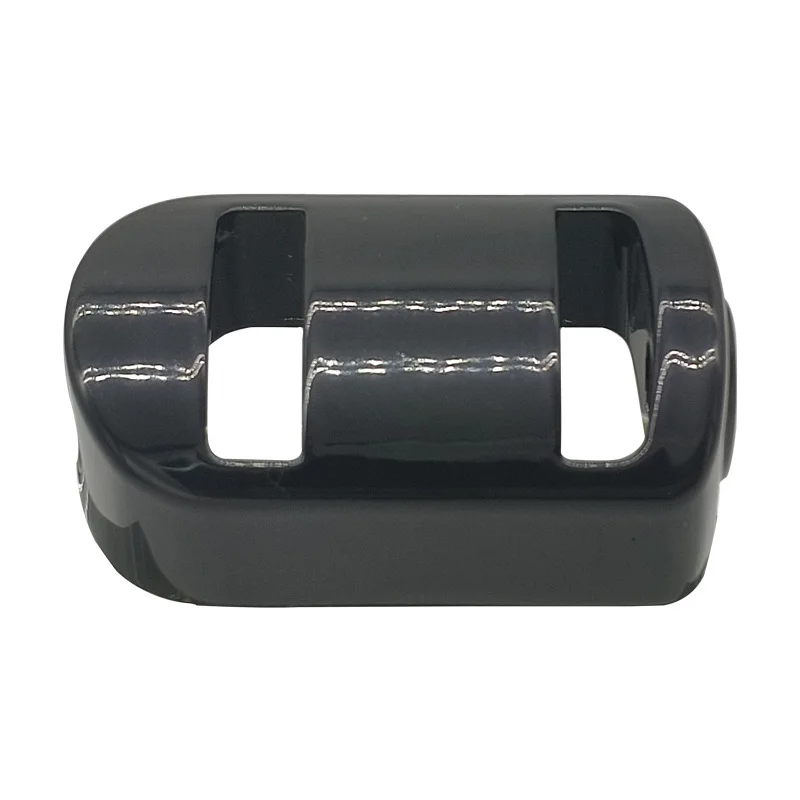
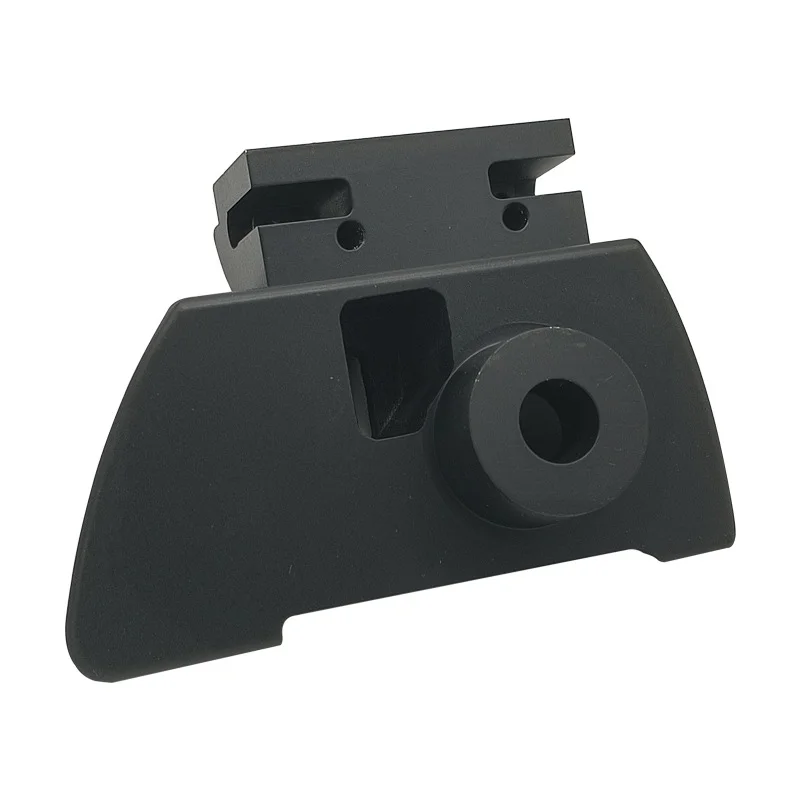
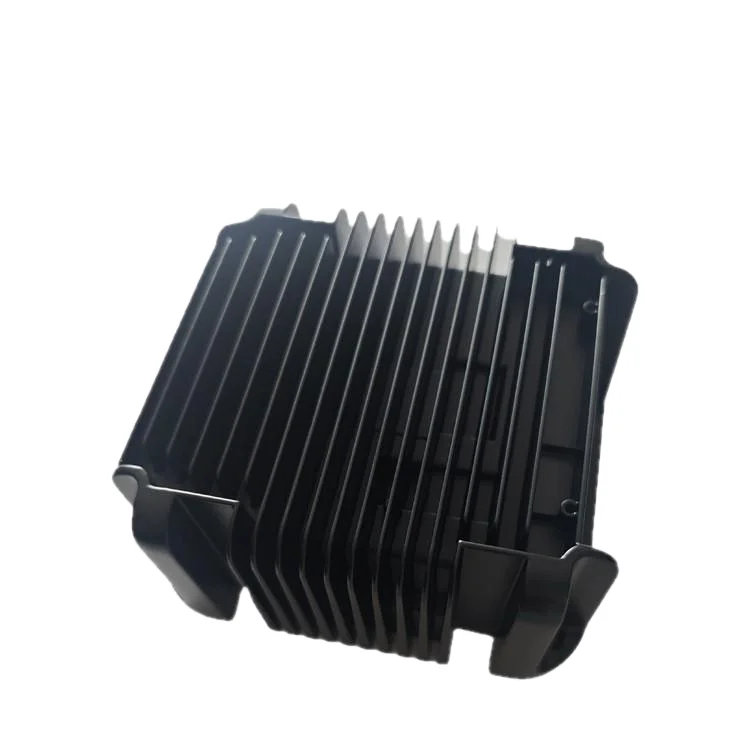
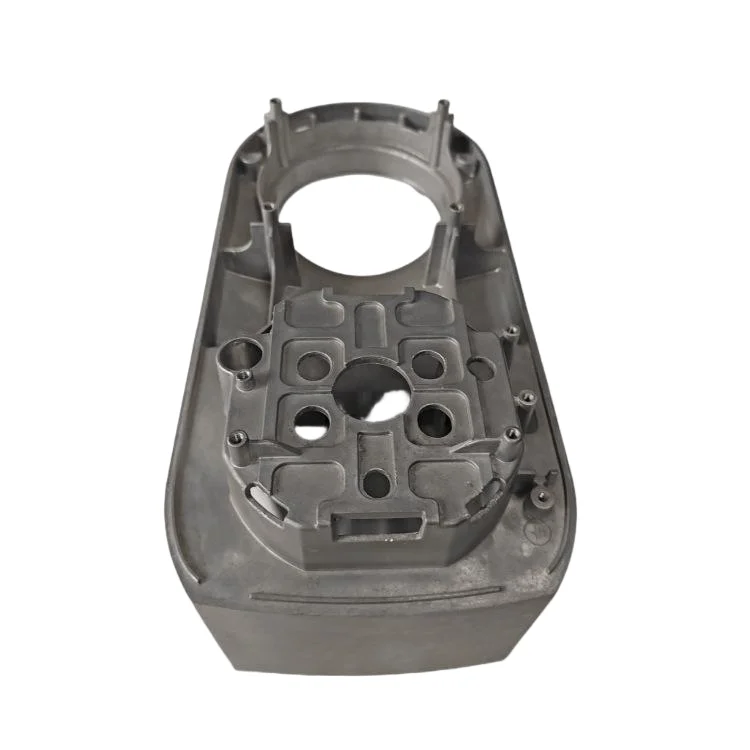
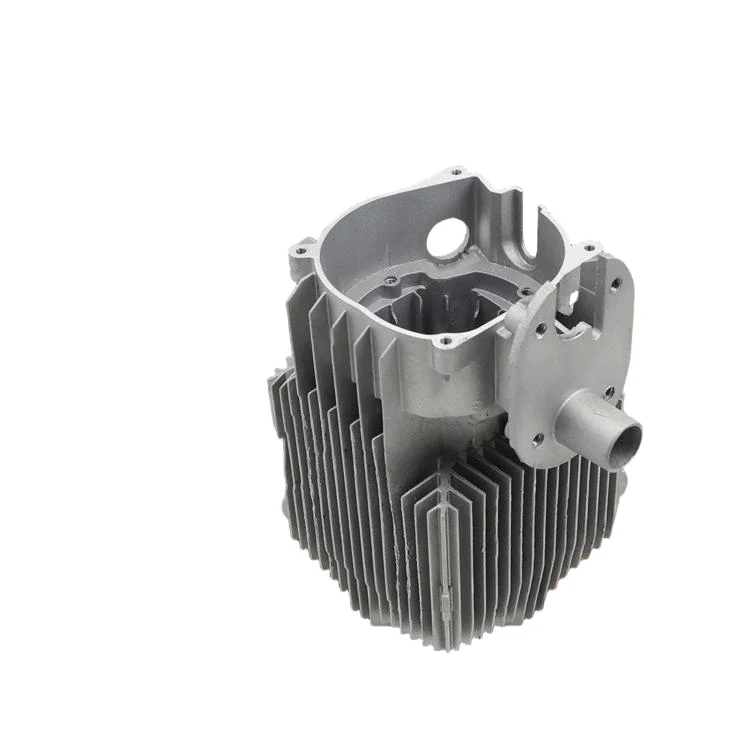
Custom Aluminum Machinery Parts with Die Sand Squeeze Casting Route Choices Optional Machining and Drawing Based Finishes
Direct factory support
Get a quote that fits your project
Send your drawing or product reference, material grade and required quantity. Relia will review the requirements with you.
- Drawing & specification review
Confirm the supply scope and critical requirements.
- Samples before custom production
Review inspected samples before approving a batch.
- Inspection documents
Agree material and dimensional records for your part.
-
MaterialAluminum
-
ApplicationMachinery PartsProcessCasting +Machining(if Need)+surface Treatment
-
DimensionsCustomized SizesToleranceStrictly Casting Tolerance
-
PackingCustomers'requirementDrawing format2D/(PDF/CAD)3D(IGES/STEP)
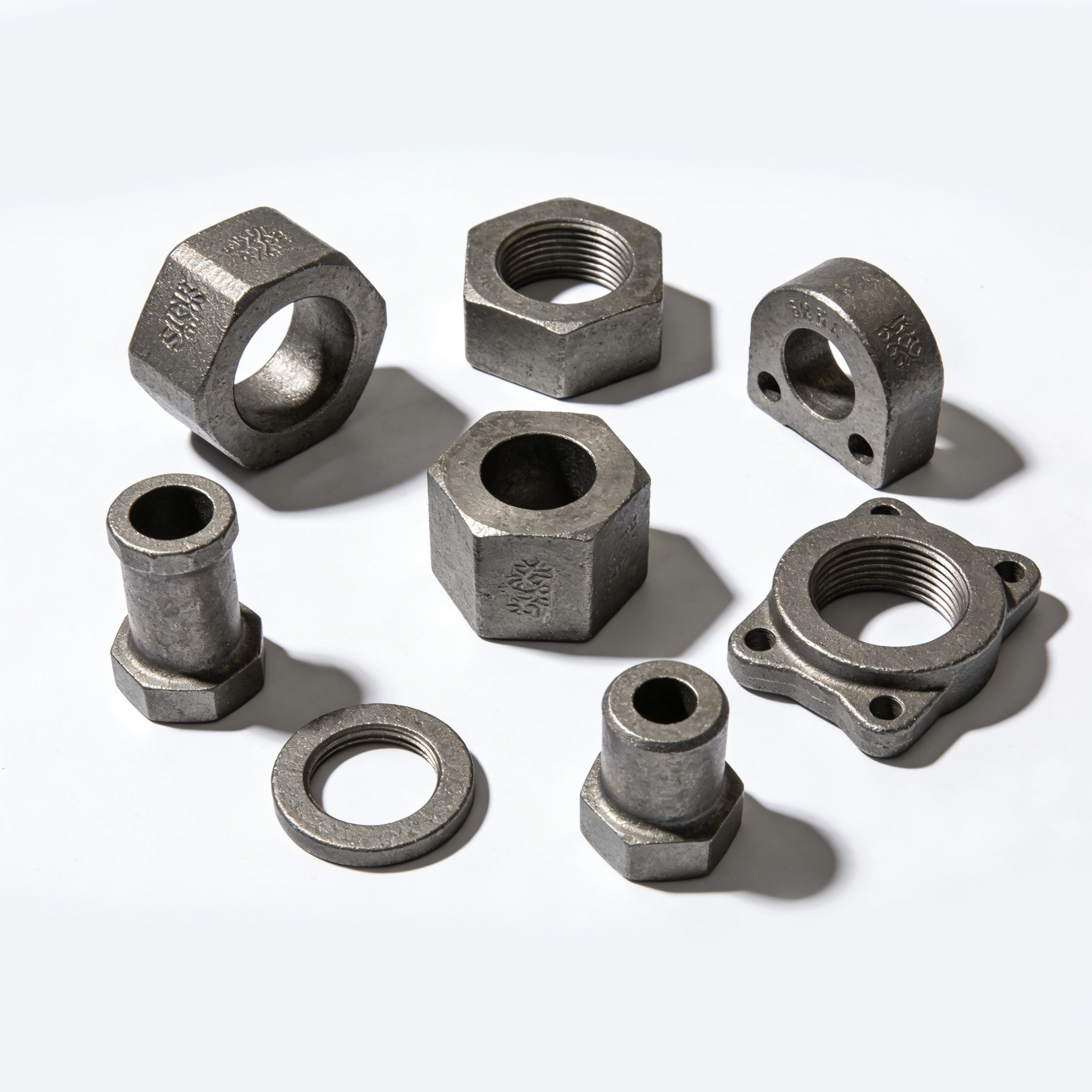
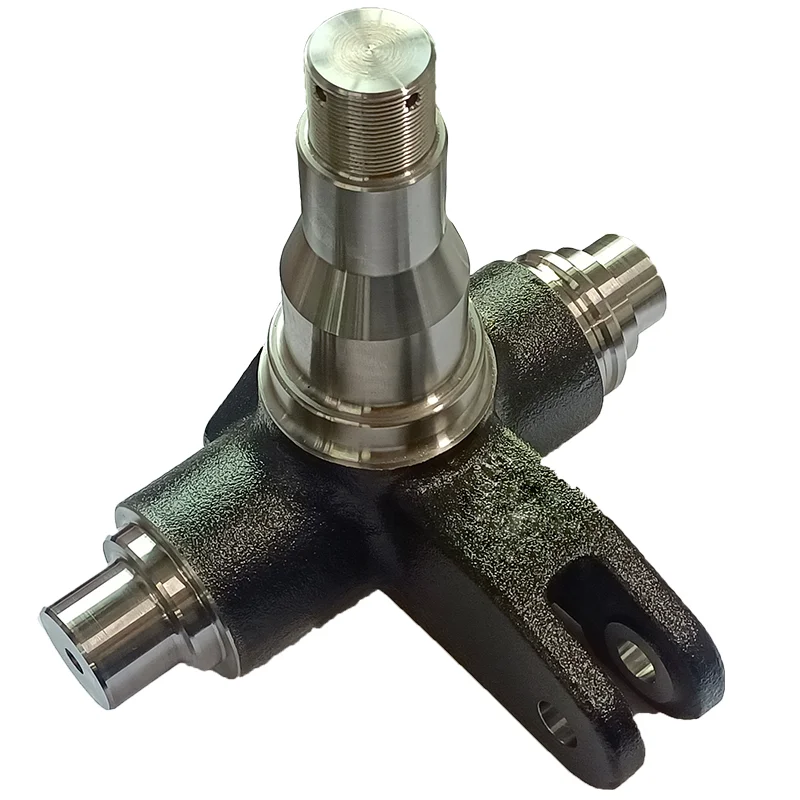
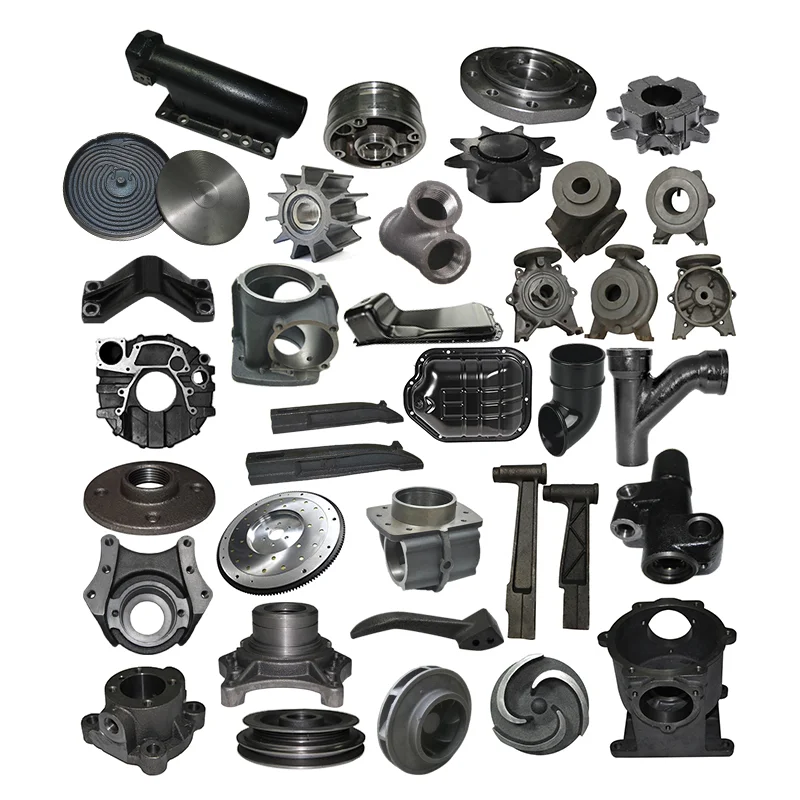
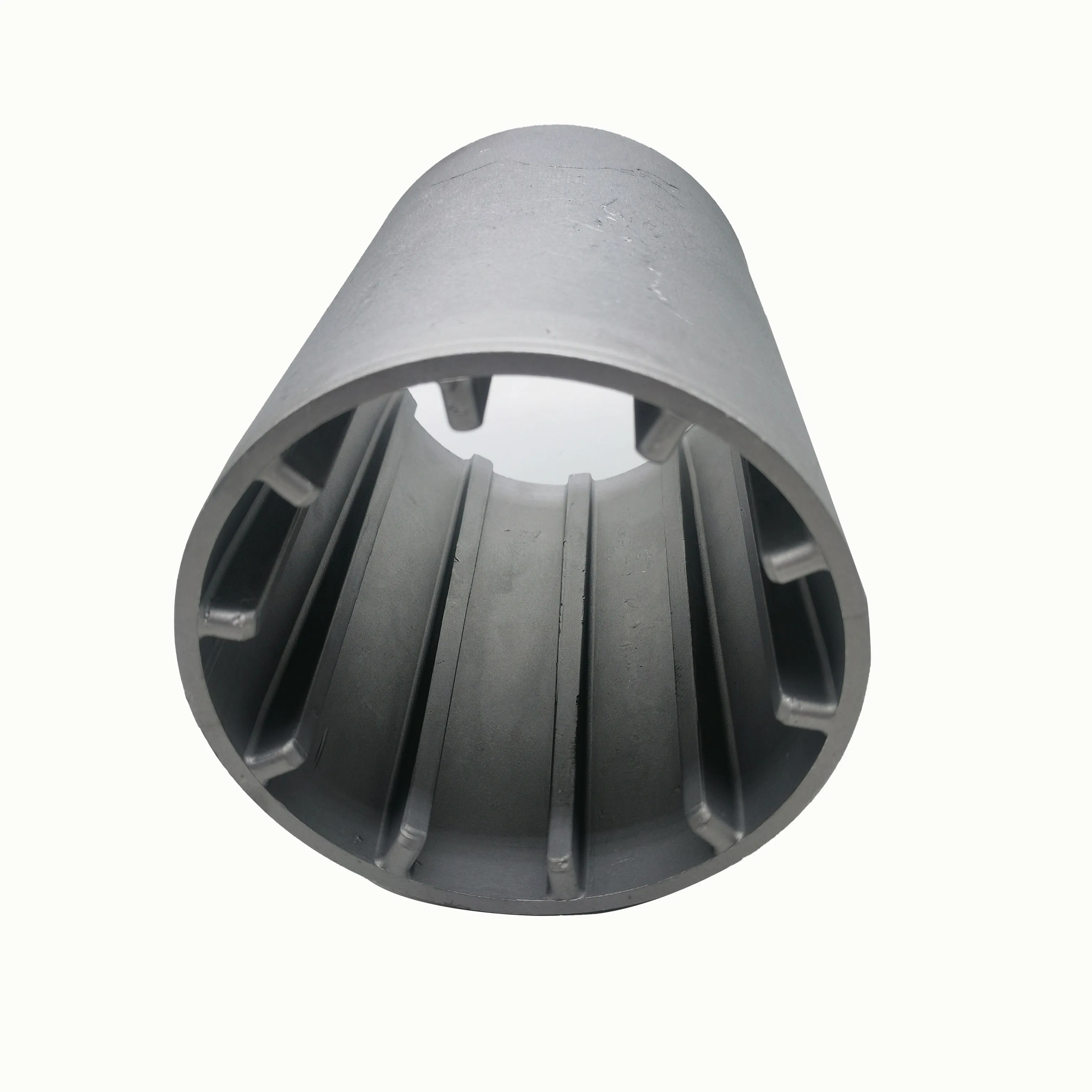
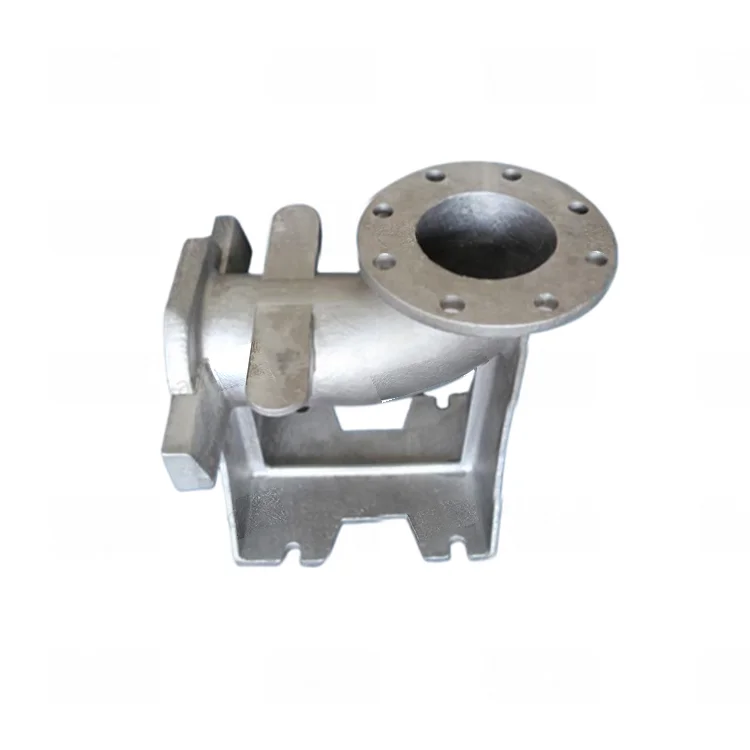
Aluminum machinery castings can be requested with die-, sand- or squeeze-casting routes selected for the component. Customized dimensions follow the actual drawing. Define the full alloy grade and required supplied condition before agreeing the manufacturing proposal.
Choose the route around geometry and function
Show the part’s overall form and the way it connects to the intended machinery. Identify internal geometry and surfaces accepted in their cast state. Explain the working requirements relevant to material and route selection so the casting brief addresses the actual component.
Set casting and finished-interface acceptance
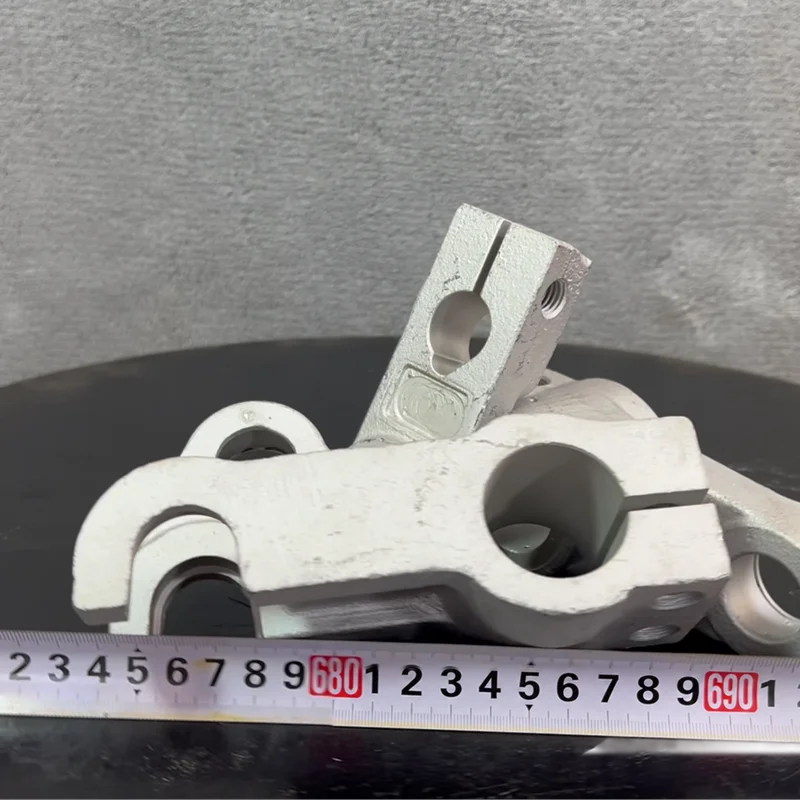
Define the required casting tolerances on the drawing. Where machining is needed, mark the affected dimensions, datums and measurement conditions for finished acceptance. Identify relationships that must be assessed together to establish installation or working fit.
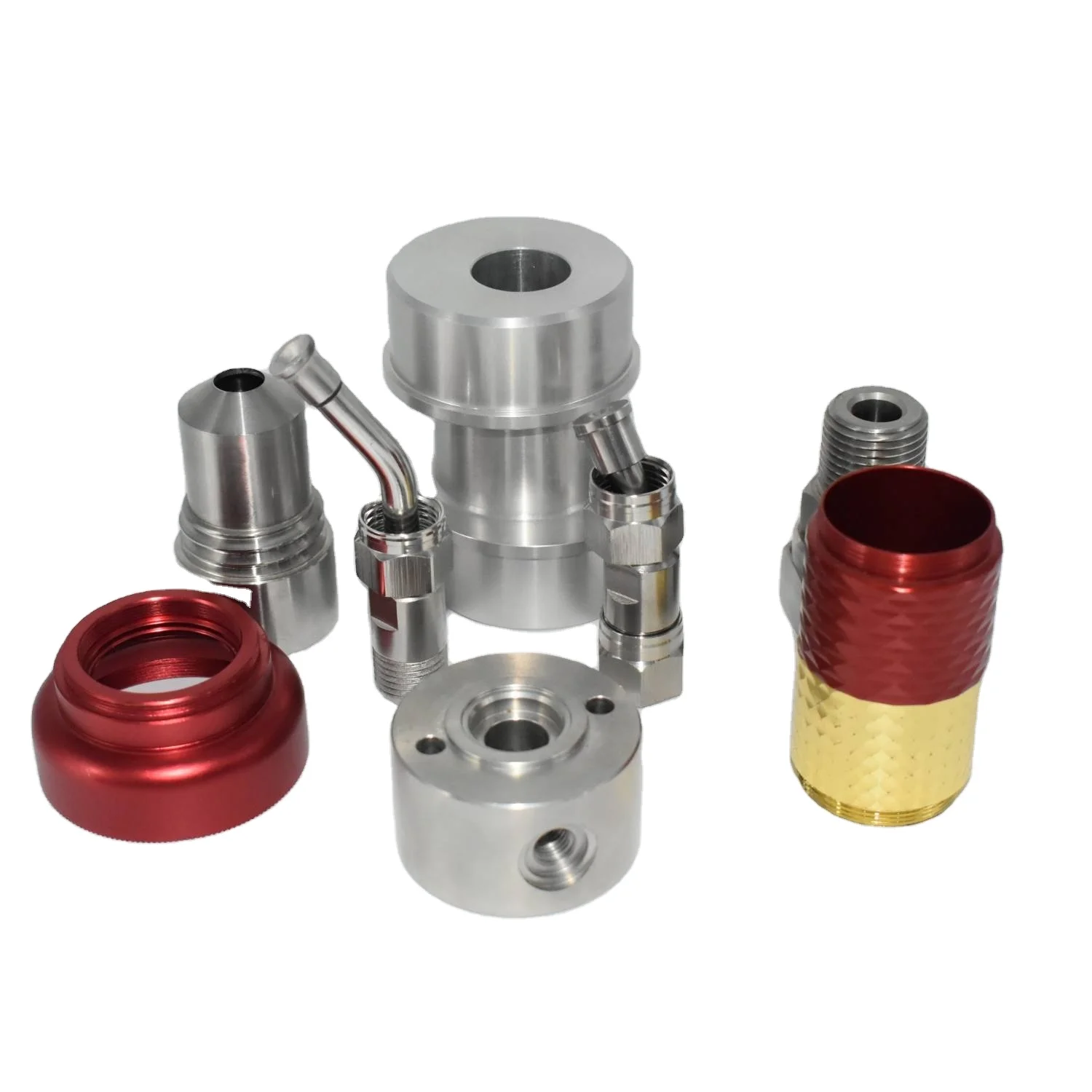
Specify the final surface and protection
Surface treatment and packing follow customer requirements. Mark working, contacting and visible areas and state the required result at each. Define treatment coverage and masking, together with protection needed for the selected supplied condition.
- Submit 2D PDF/CAD or 3D IGES/STEP information.
- Provide quantity and the controlling revision.
- Identify material and dimensional approval records.
- Explain the purpose of a sample or initial part.
Keep approval tied to the selected casting
Record the agreed alloy, route and final machining or surface boundaries. Retain approved changes with the component definition so production acceptance assesses the machinery part in the condition actually ordered.