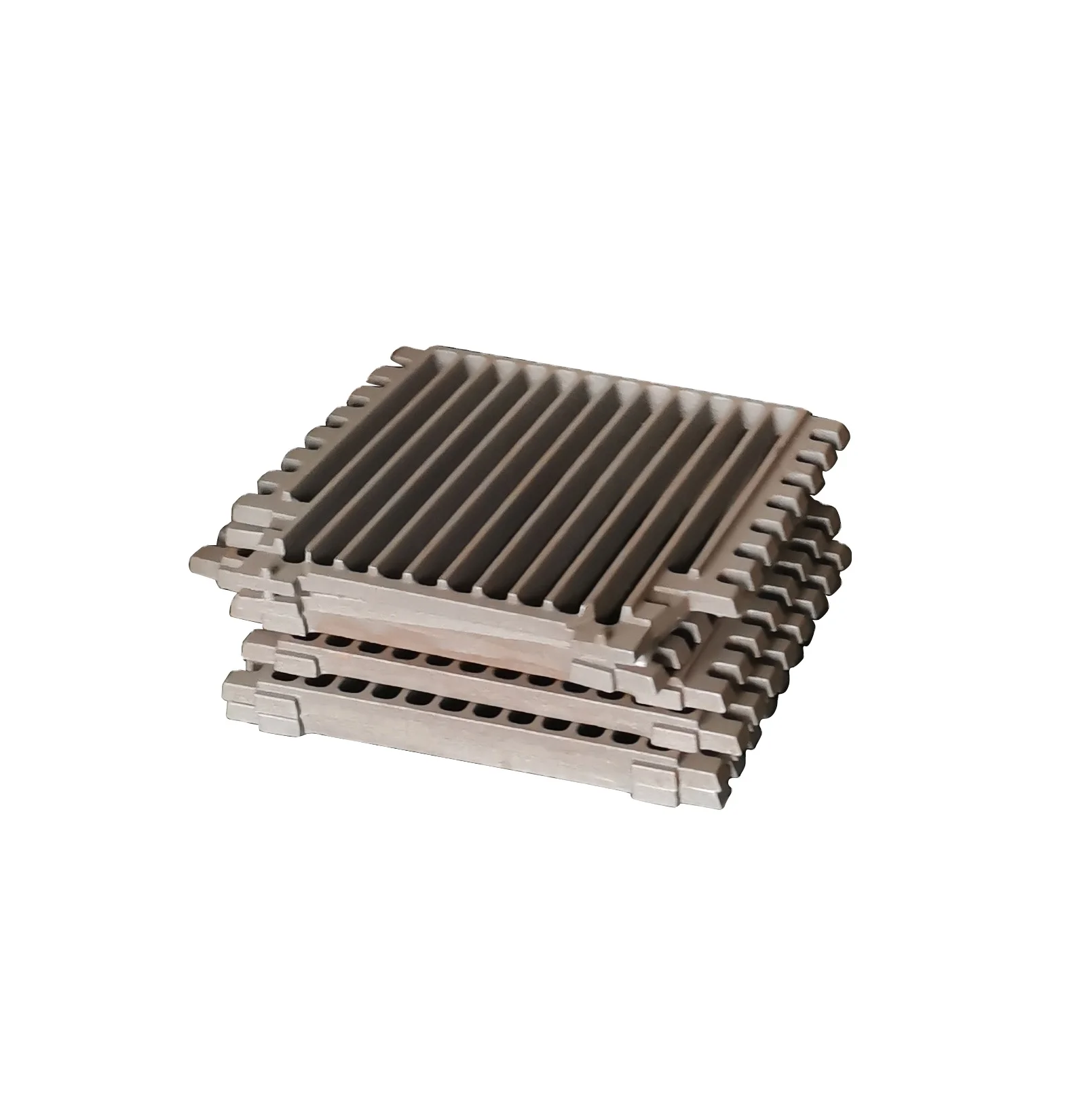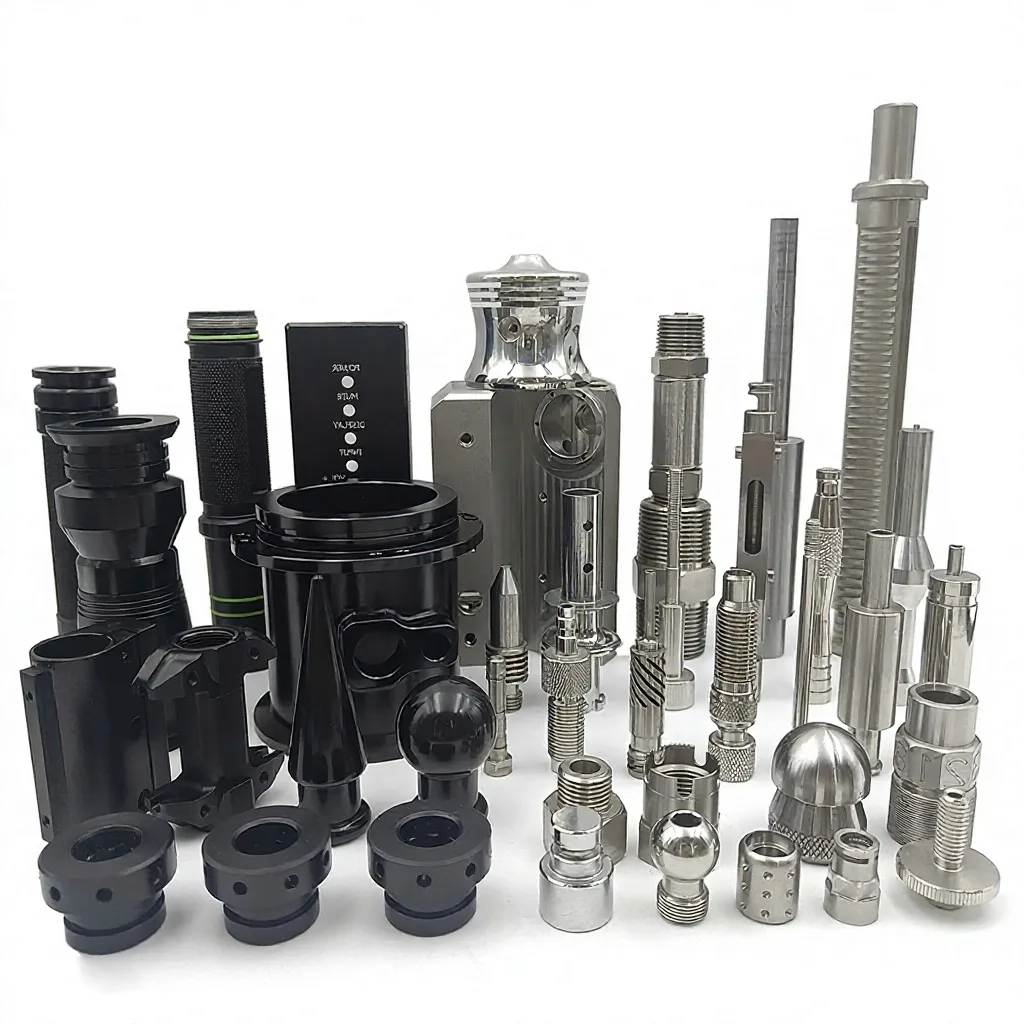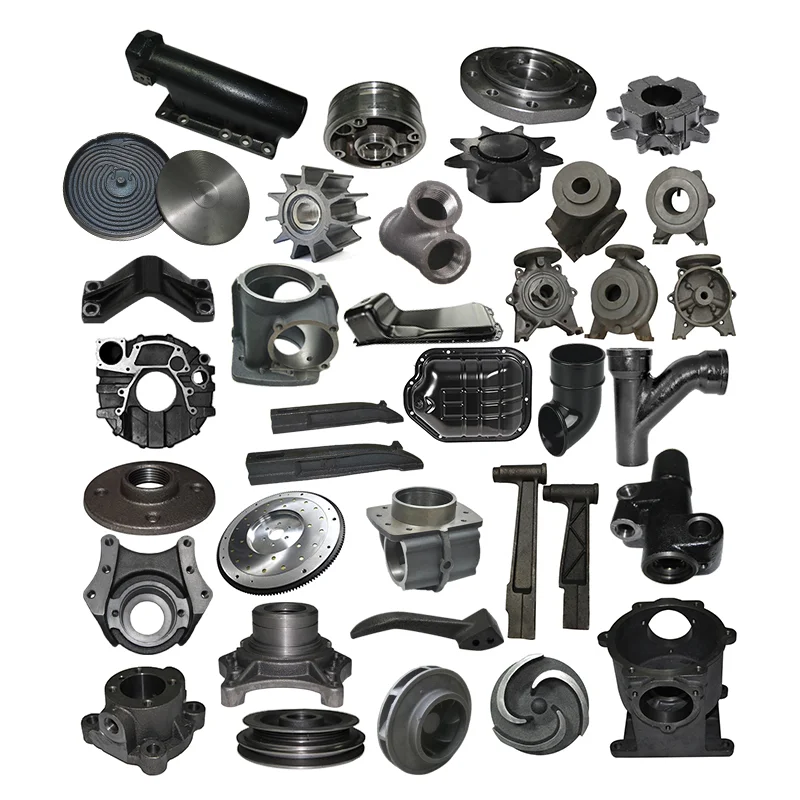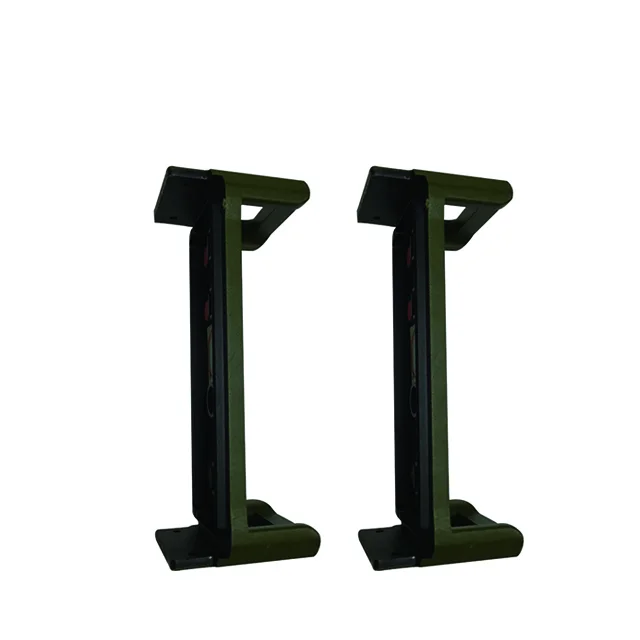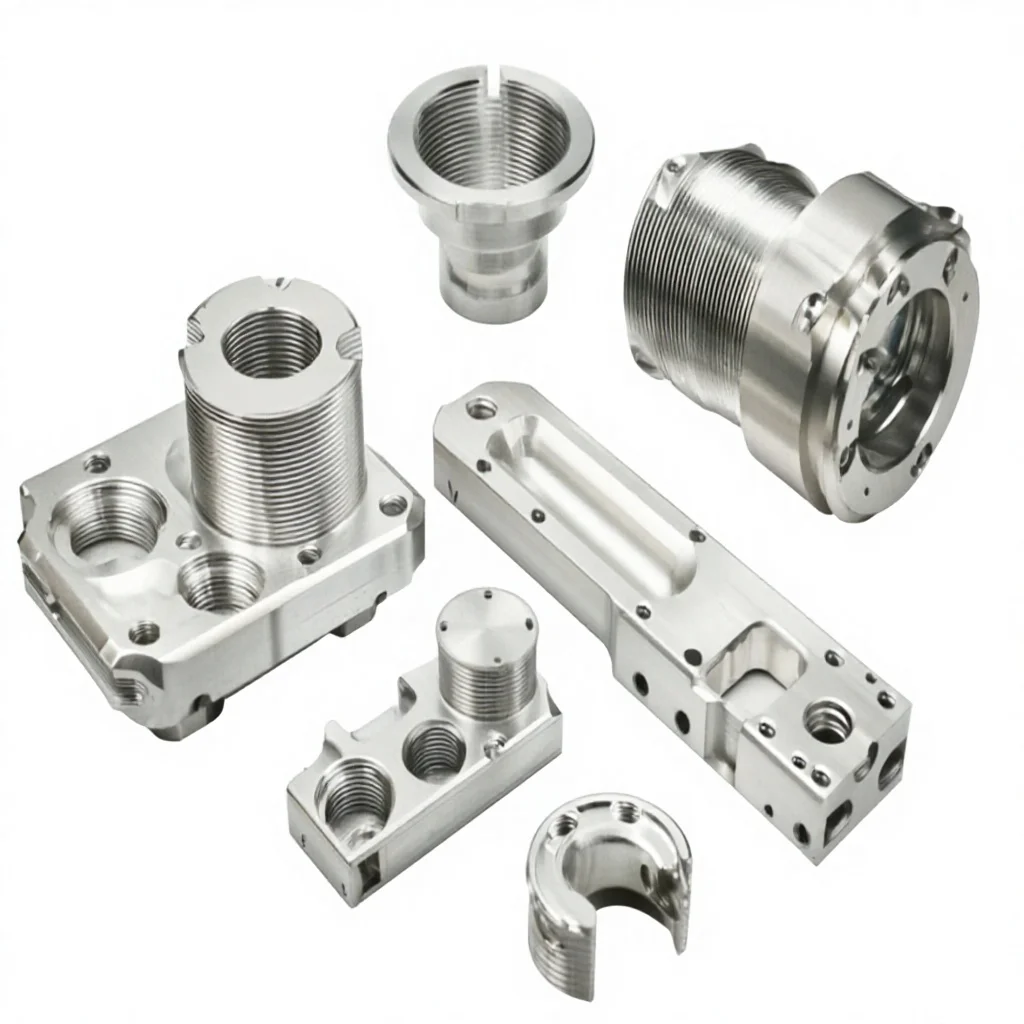
Custom Aluminum Sand/Die-Cast and Precision CNC Parts — Metal/Plastic, Stamping, Hobbing and Forging Enquiries
Direct factory support
Get a quote that fits your project
Send your drawing or product reference, material grade and required quantity. Relia will review the requirements with you.
- Drawing & specification review
Confirm the supply scope and critical requirements.
- Samples before custom production
Review inspected samples before approving a batch.
- Inspection documents
Agree material and dimensional records for your part.
-
Product nameProfessional Precision CNC Machining Parts
-
Materialaluminum alloy, stainless steel, brass, copper, iron, plastic etc.Surface treatmentAnodized, PVD plating, zinc/nickl/chrome/titanium plating etc.
-
Size / ShapeCustomized Size\Client's DrawingsApplicationRobotics, aerospace, automotive, industrial machinery etc.
-
Tolerance+/-1umProcessCnc lathe, stamping, hobbing, forging etc.
-
SampleAccept Sample OrdersColorBlack, silver, gold, blue, red, white, yellow etc.
-
MOQ1 PCS
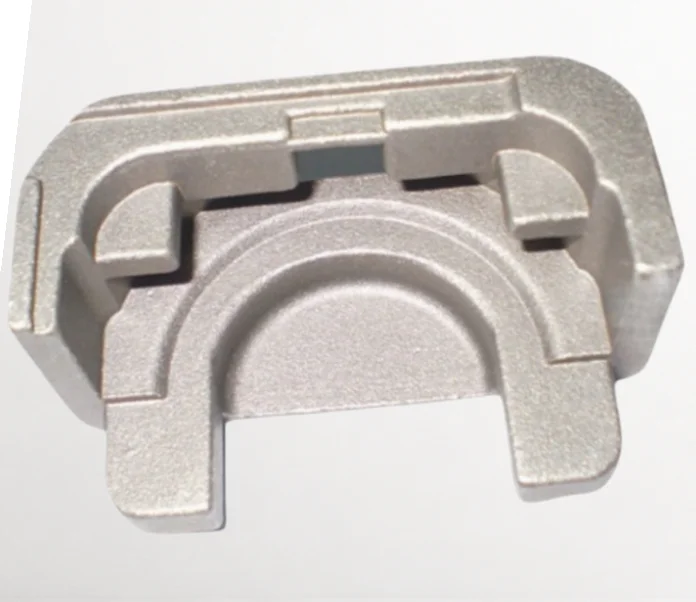
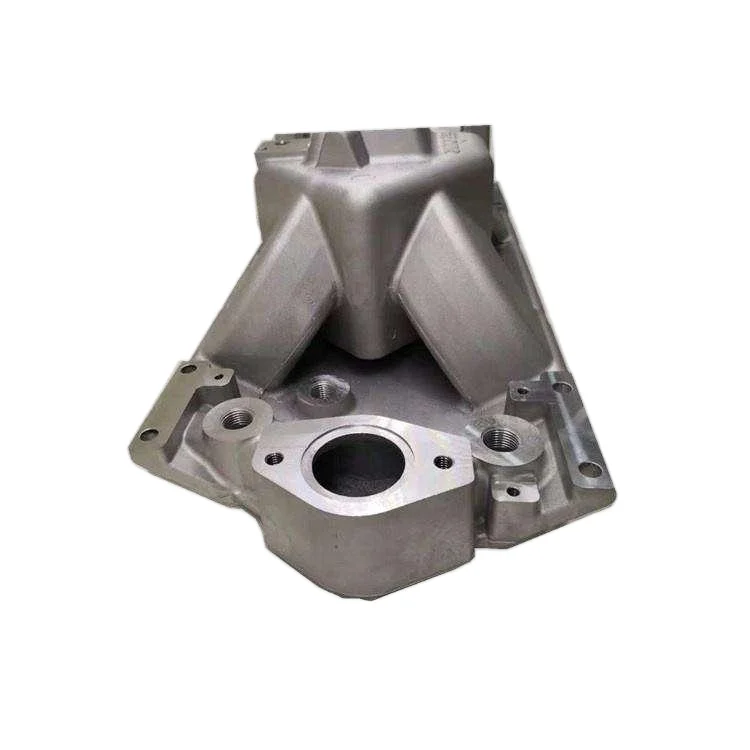
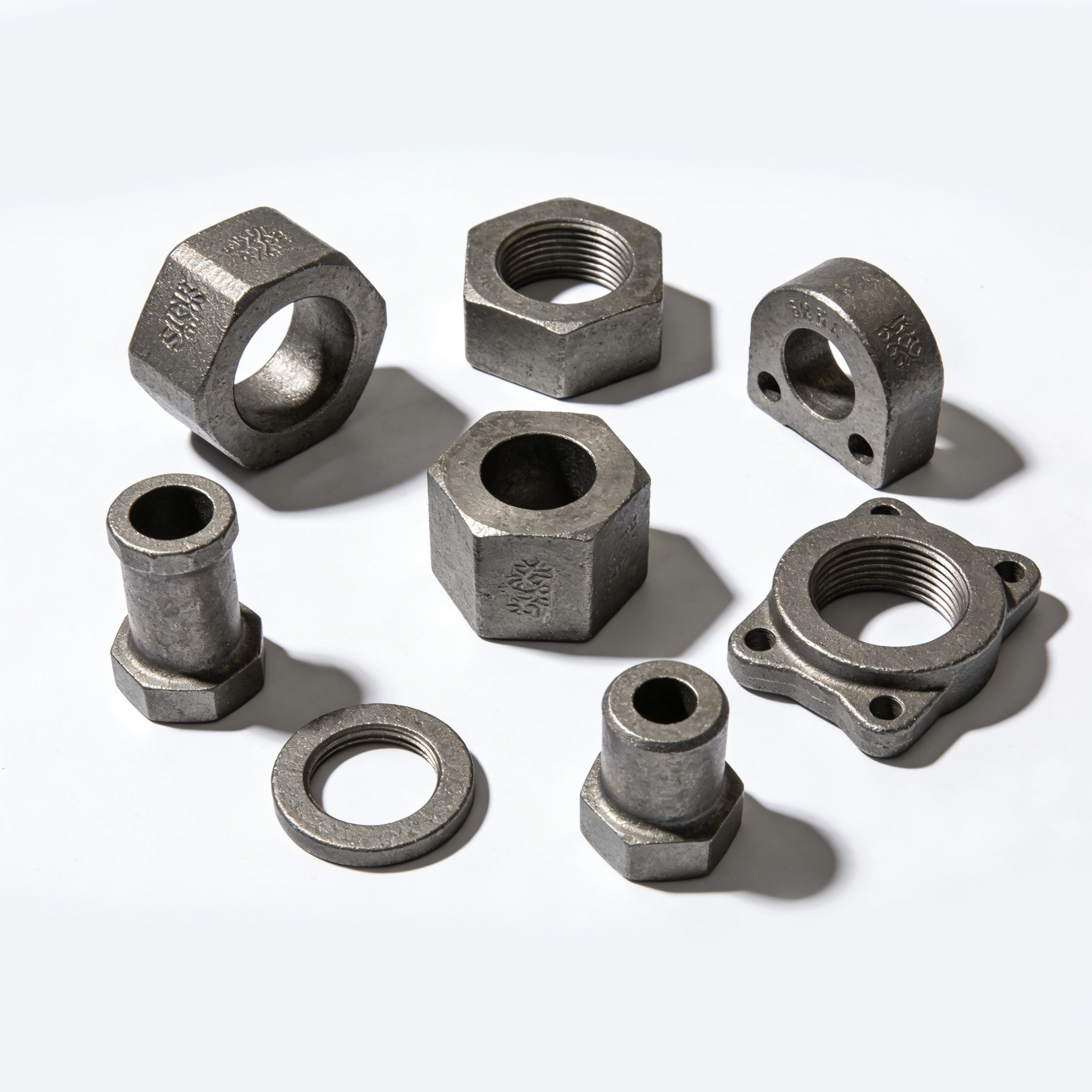
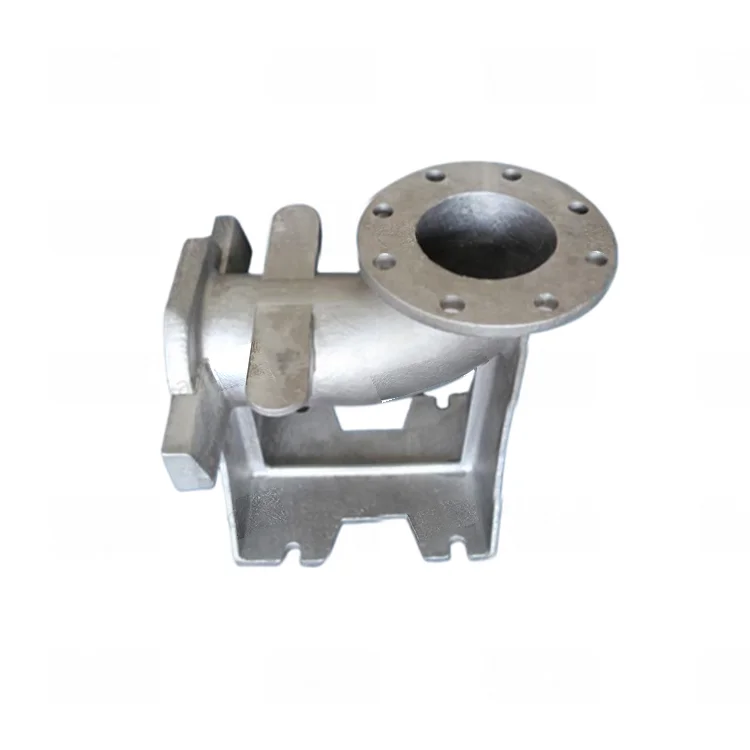
Custom precision-component enquiries cover CNC work in aluminum alloy, stainless steel, brass, copper, iron or plastic. Aluminum sand- and die-casting requests, stamping, hobbing and forging are separately selected processes for the actual material and component geometry.
Choose the component and manufacturing brief
Provide the client drawing and identify the part's function in the intended assembly. Select the material grade and the CNC-lathe, casting or other metalworking request needed for that geometry. Plastic parts should carry their own material and suitable processing requirements.
Assign the micrometre reference to controlled dimensions
The stated tolerance reference is ±1 µm. Identify the dimensions, supplied stages and measurement requirements to which it applies. Relating that reference to the specific finished interfaces gives the precision enquiry a defined inspection basis rather than extending it across every cast or formed surface.
- Submit the controlled drawing and selected material.
- Identify the actual CNC or separate manufacturing scope.
- Mark dimensions and the required measurement basis.
- Define finish, color and sample-approval requirements.
- State quantity and application-specific acceptance.
Select finish and sample requirements
Anodizing, PVD and zinc, nickel, chrome or titanium plating are named finishes for appropriate materials. Color choices include black, silver, gold, blue, red, white and yellow. Sample orders are accepted and the minimum order is one piece. Robotics, aerospace, automotive and industrial-machinery projects should include the actual qualification and component requirements needed for approval.