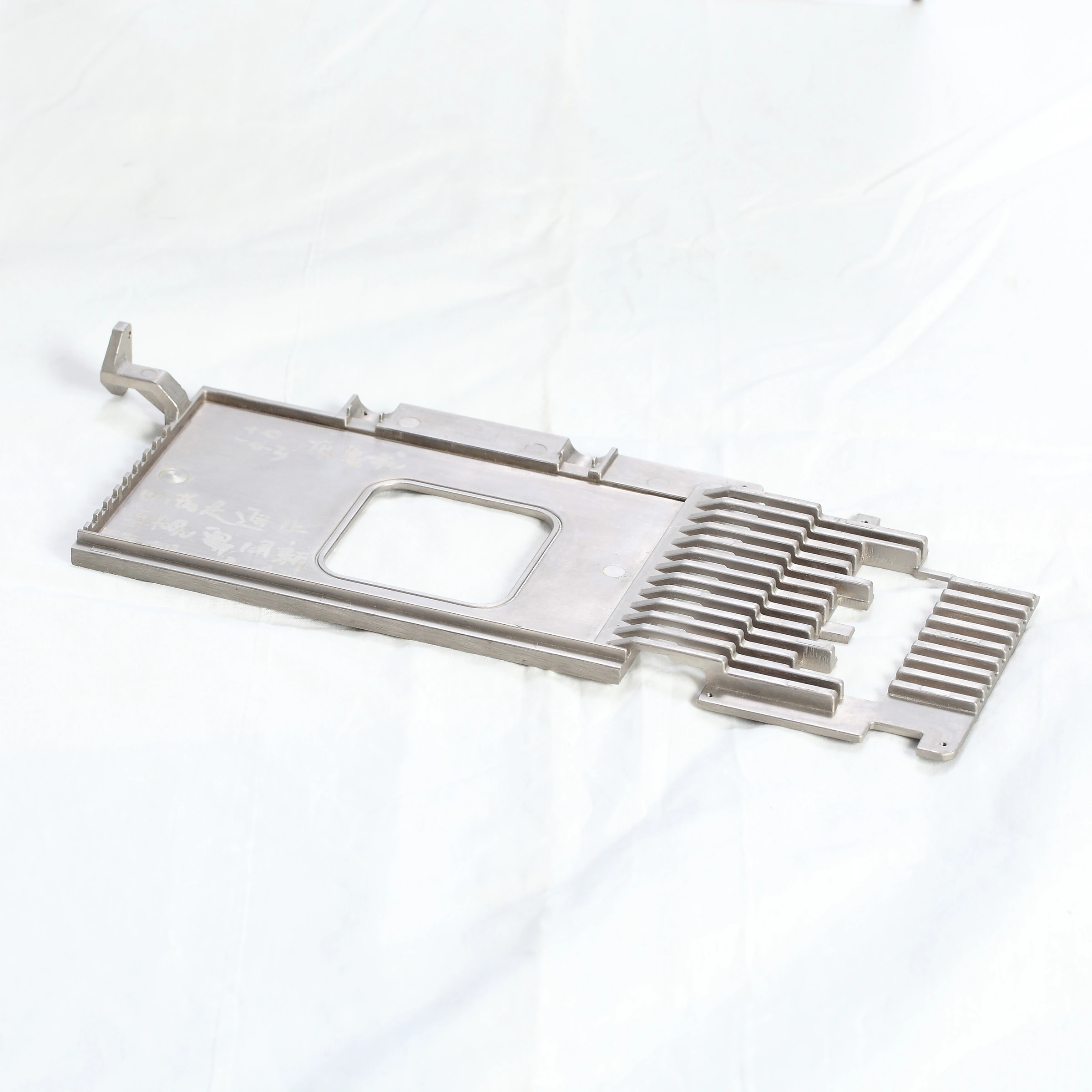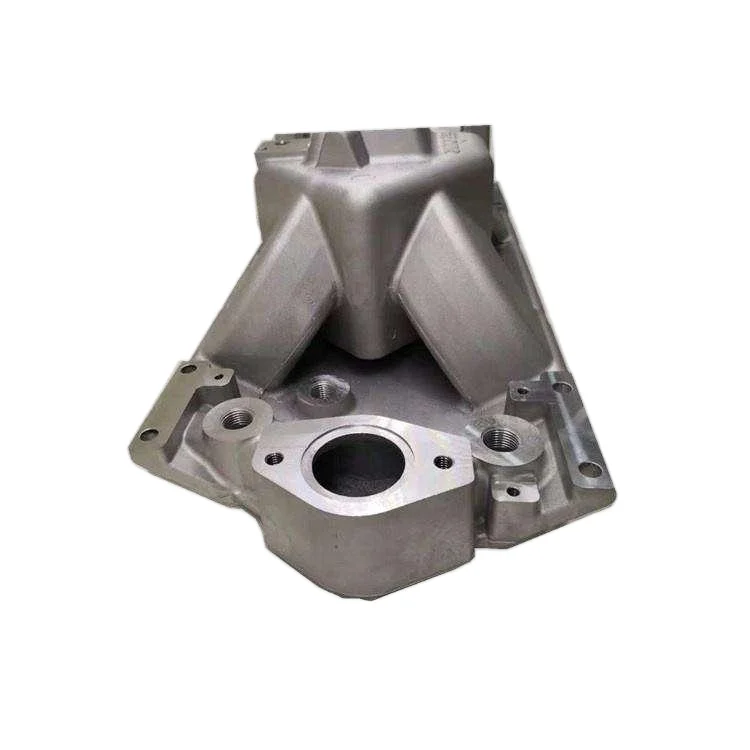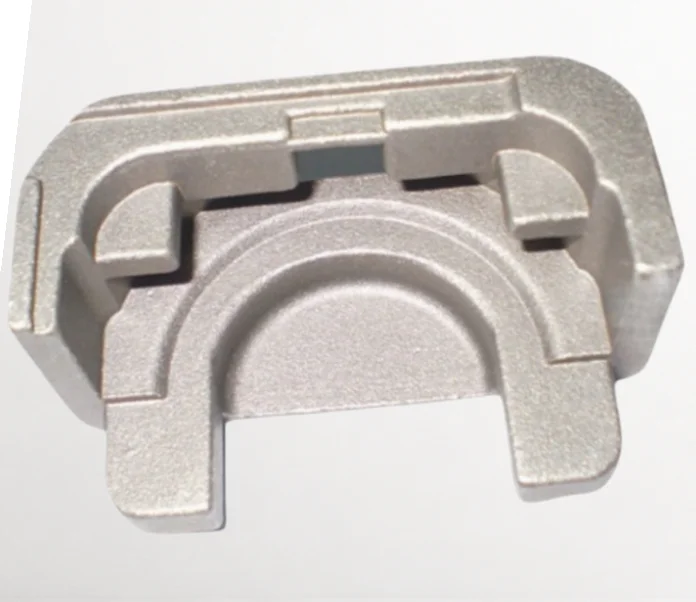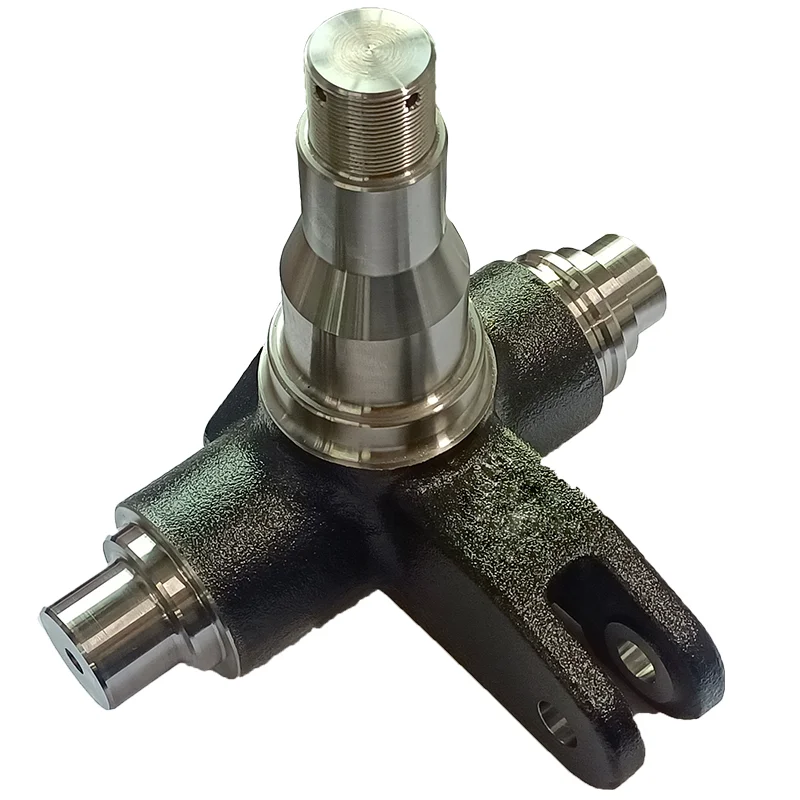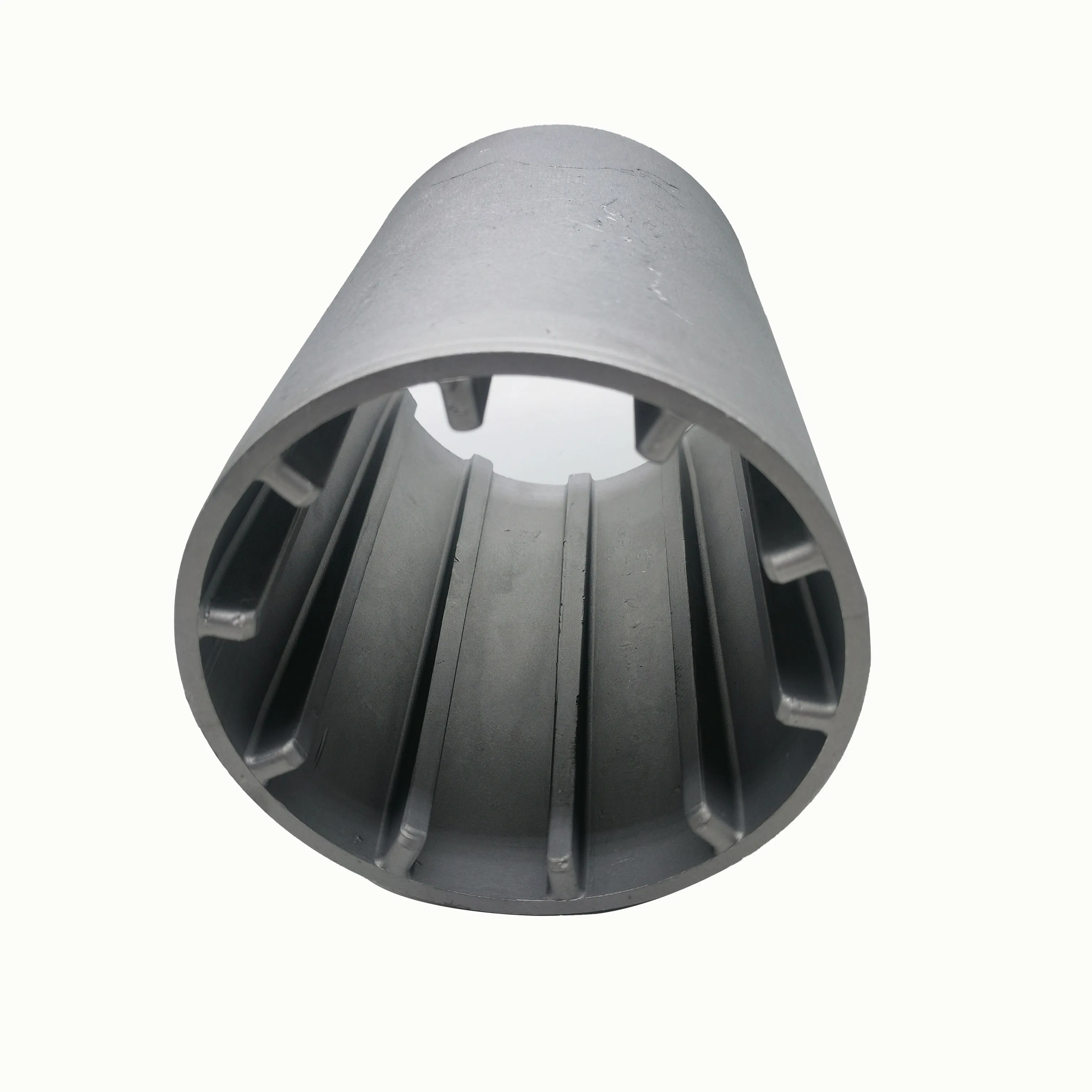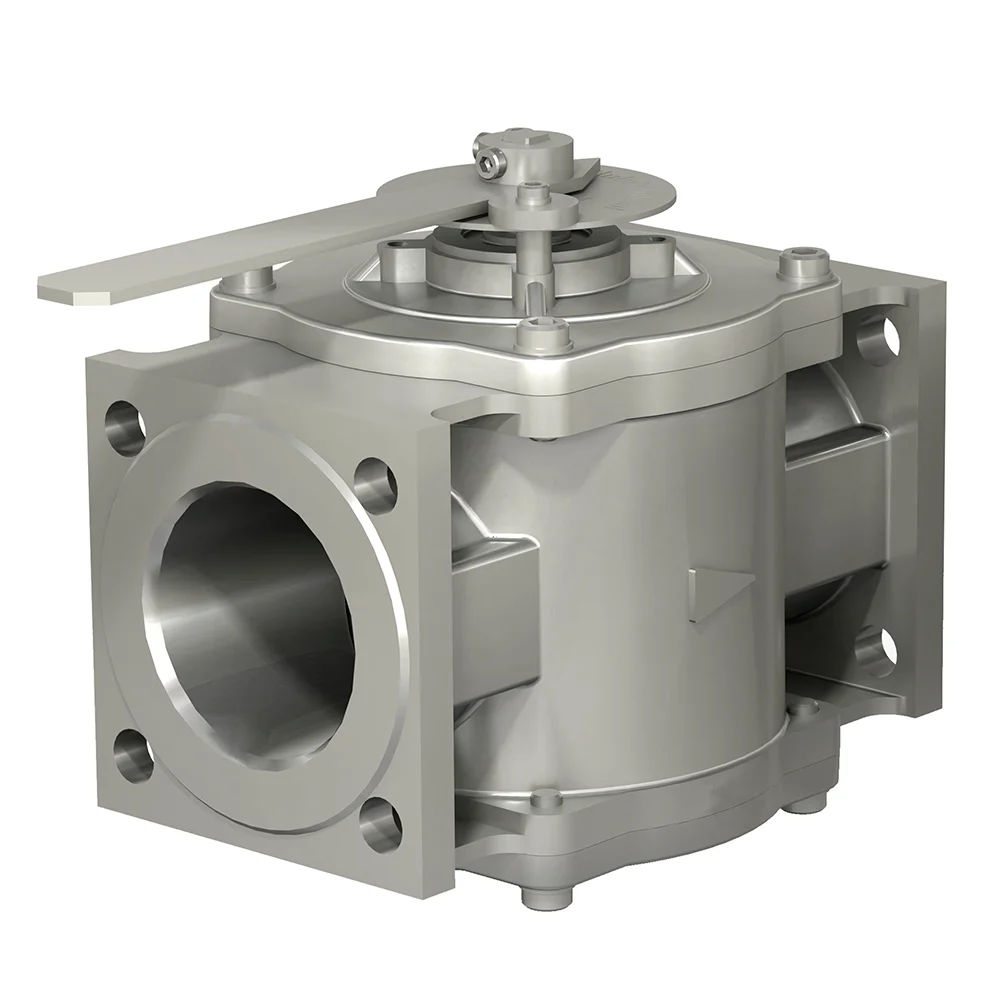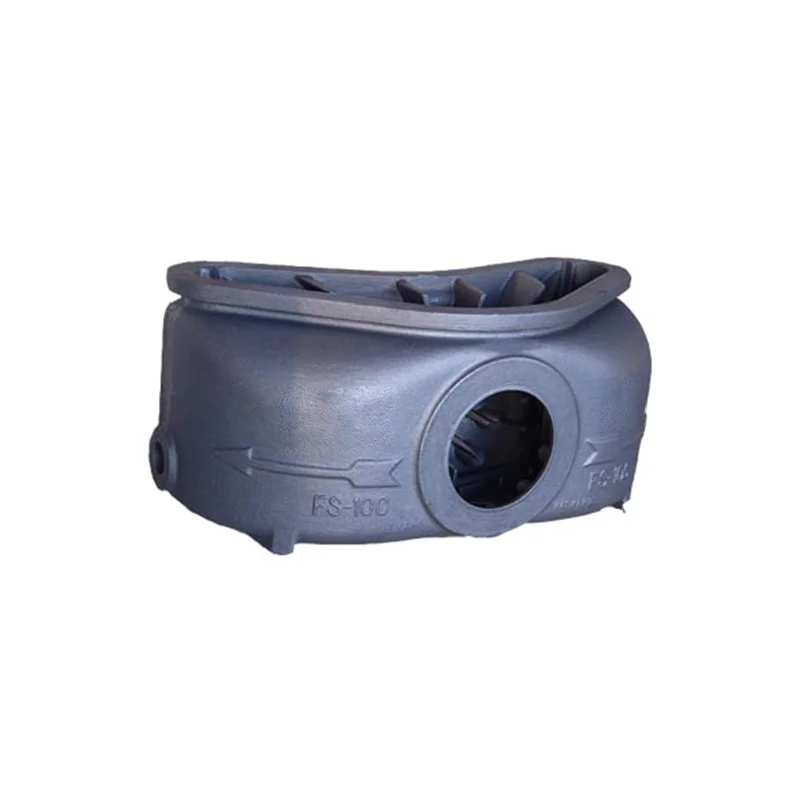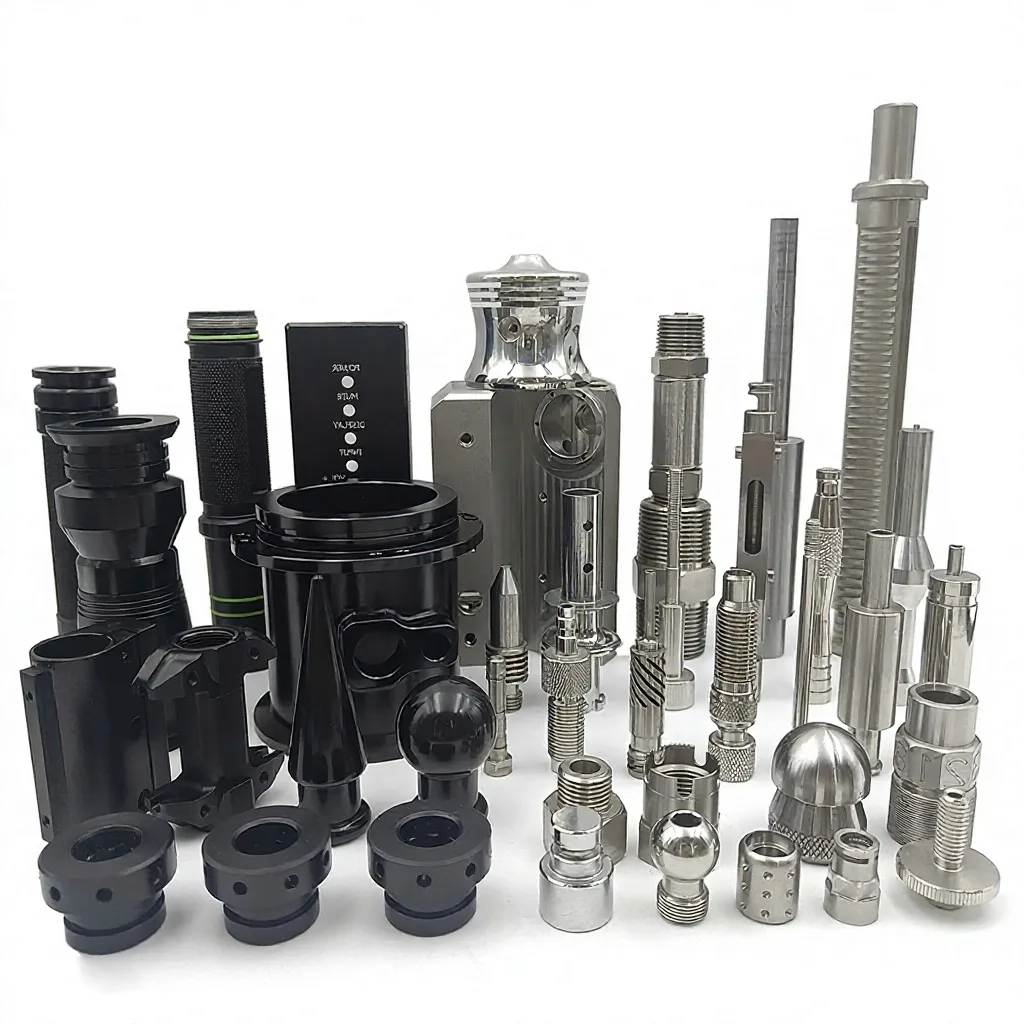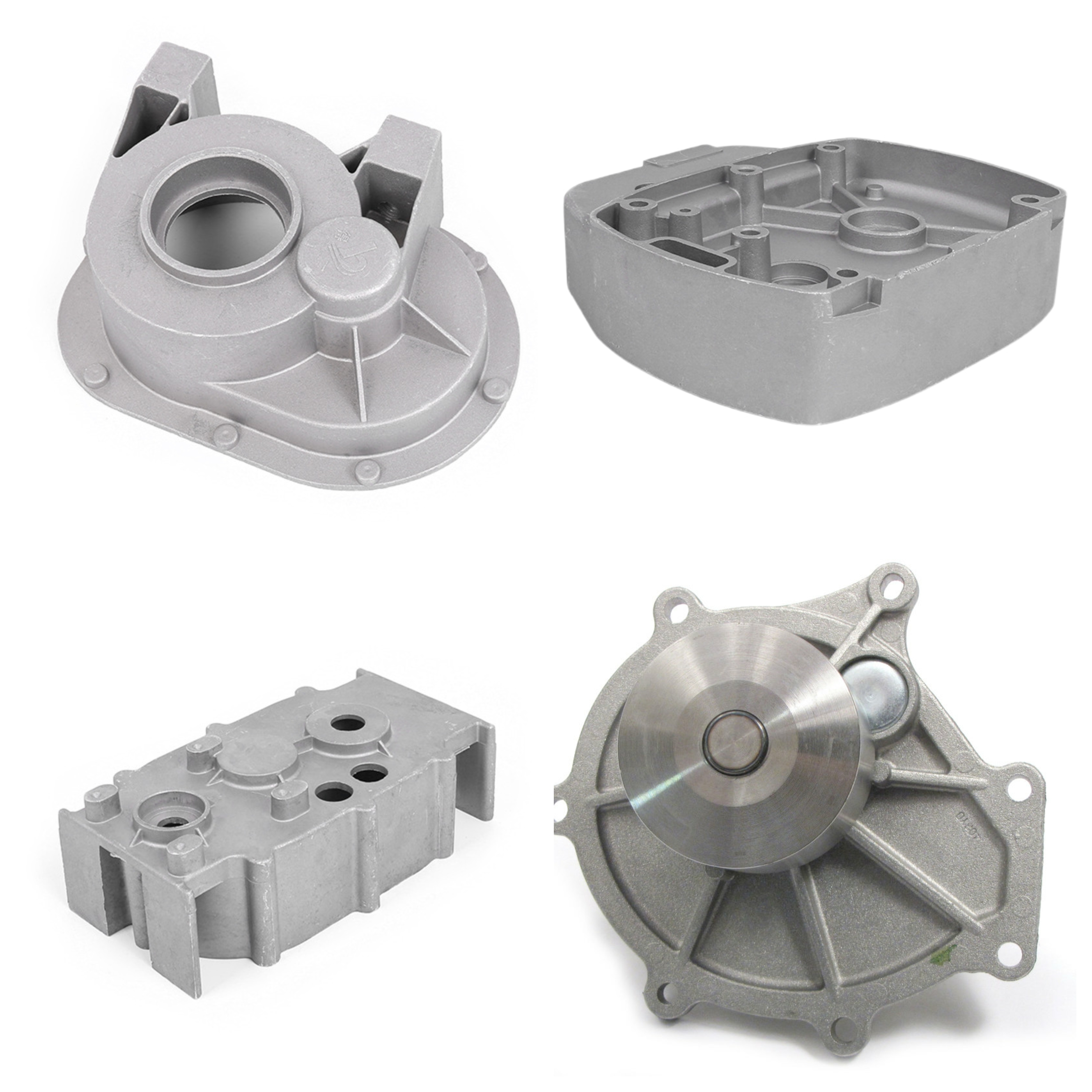
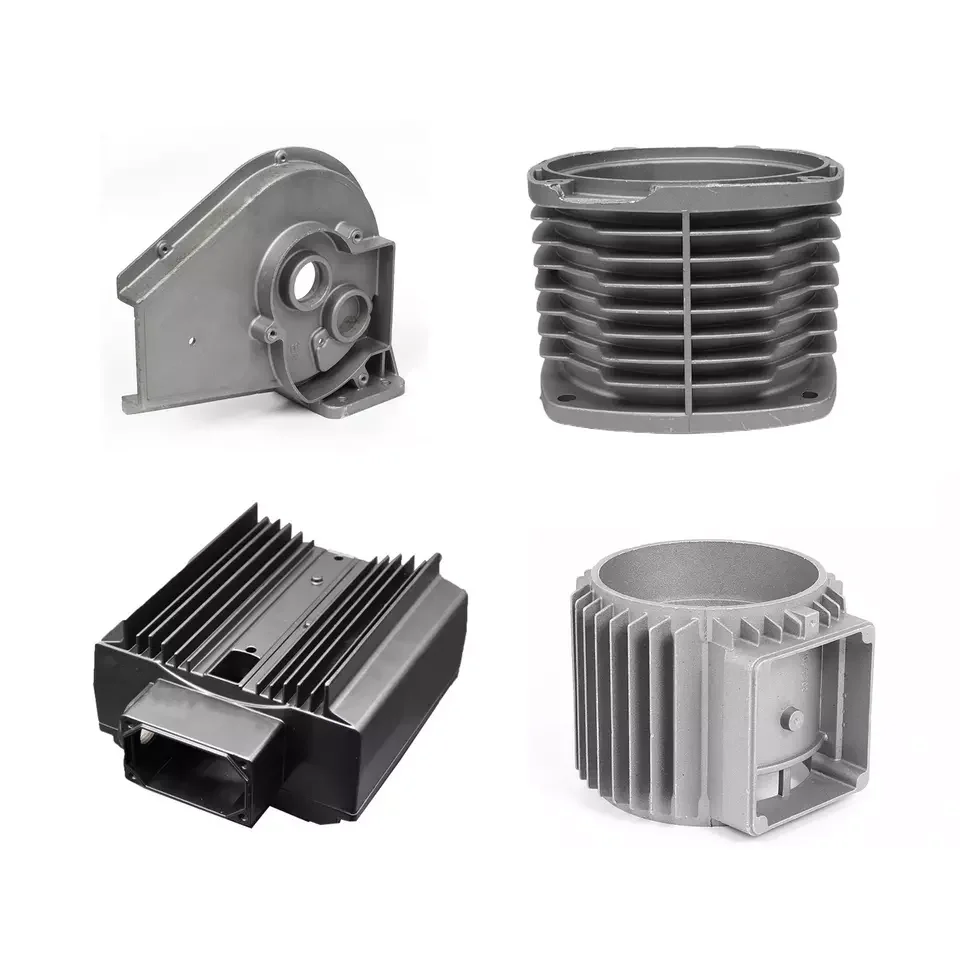
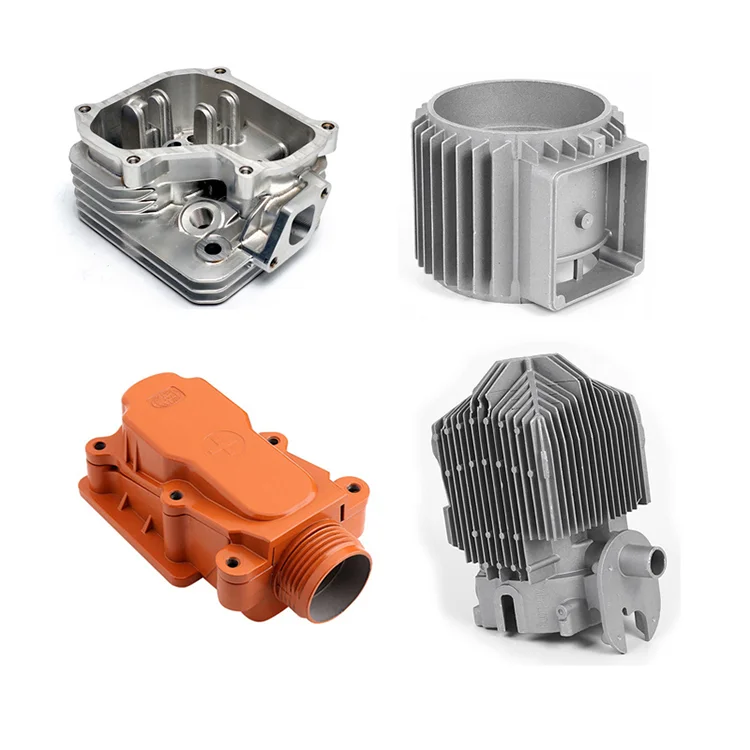
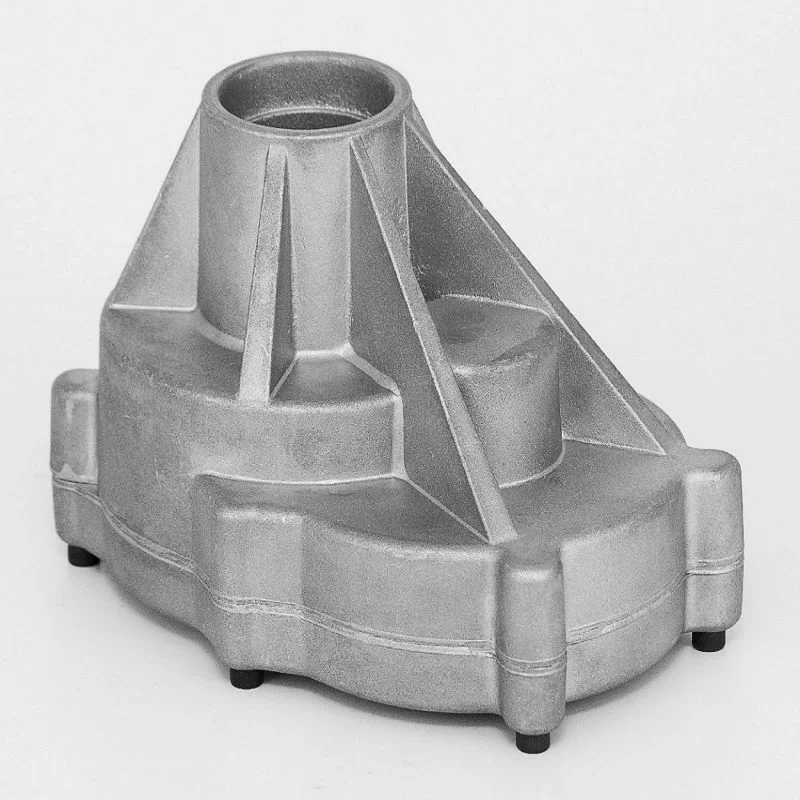
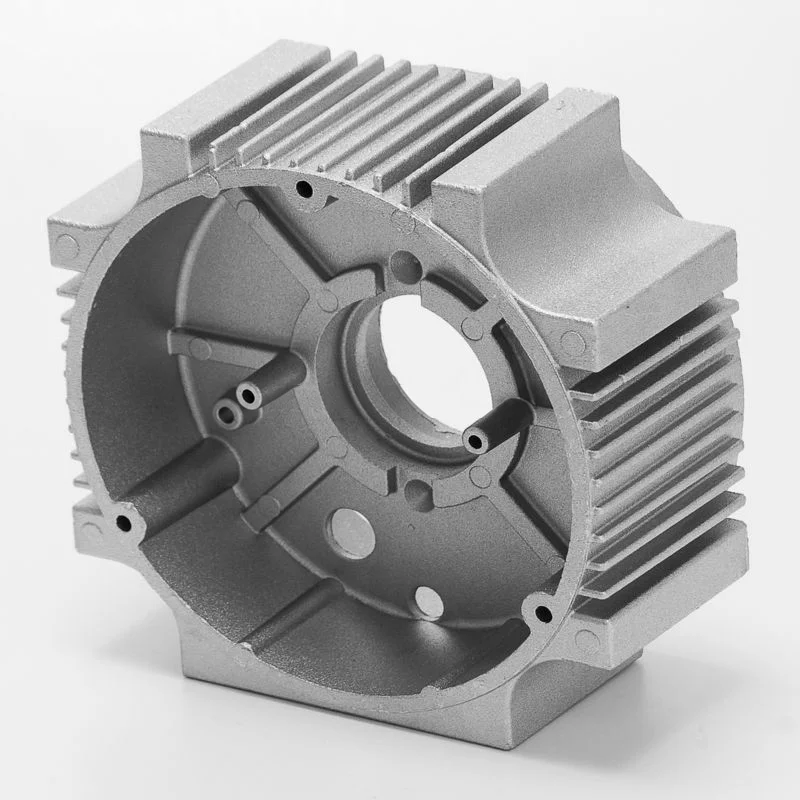
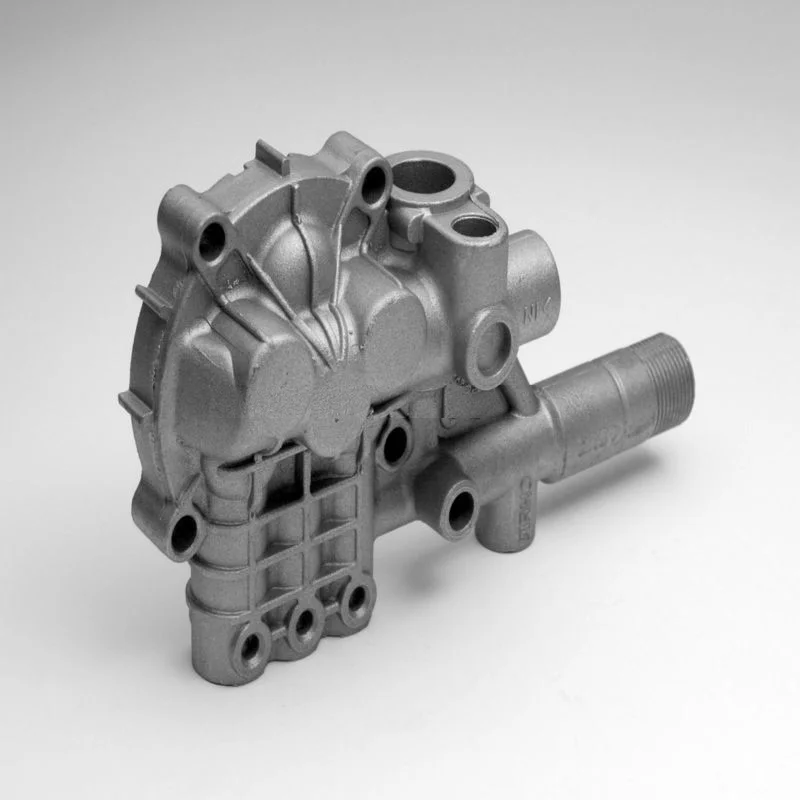
Custom Aluminum Sand Die Cast Parts with Deburring and Drawing Defined Component Geometry and Supplied Condition
Direct factory support
Get a quote that fits your project
Send your drawing or product reference, material grade and required quantity. Relia will review the requirements with you.
- Drawing & specification review
Confirm the supply scope and critical requirements.
- Samples before custom production
Review inspected samples before approving a batch.
- Inspection documents
Agree material and dimensional records for your part.
-
ApplicationDie-cast parts
-
MaterialMetalDimensionsT-ONE
-
ProcessDie CastingDie castingDeburr
Custom aluminum components can be requested through selected sand- or die-casting routes with deburring. Choose the complete alloy specification and material condition for the actual item. A dimensioned drawing should describe the geometry, working relationships and state in which the part will be supplied.
Identify the component’s working purpose
Describe the application and the environment relevant to that selected design. Show how the part mounts, locates or contacts adjoining components. Connect those relationships to the chosen material and compatible route rather than a general precision or demand description.
Define cast geometry and acceptance limits
Mark drawing references and dimensions controlling the installed fit. Specify permitted limits and the conditions used for measurement. Distinguish regions accepted in their cast state from areas requiring another final result for the intended function.
Set the deburred surface condition
Identify edges and surfaces needing deburring and describe the result required at working or visible areas. Define contact and appearance criteria for the actual component. Agree any separately requested surface work around a compatible substrate and the selected supplied state.
- State the aluminum part’s quantity and controlling revision.
- Identify mounting and mating relationships assessed together for fit.
- Specify material, dimensional and surface approval records.
- Explain what an initial casting must demonstrate in the chosen assembly.
Retain accepted alloy, route and edge-condition decisions within the component record used for subsequent supply.