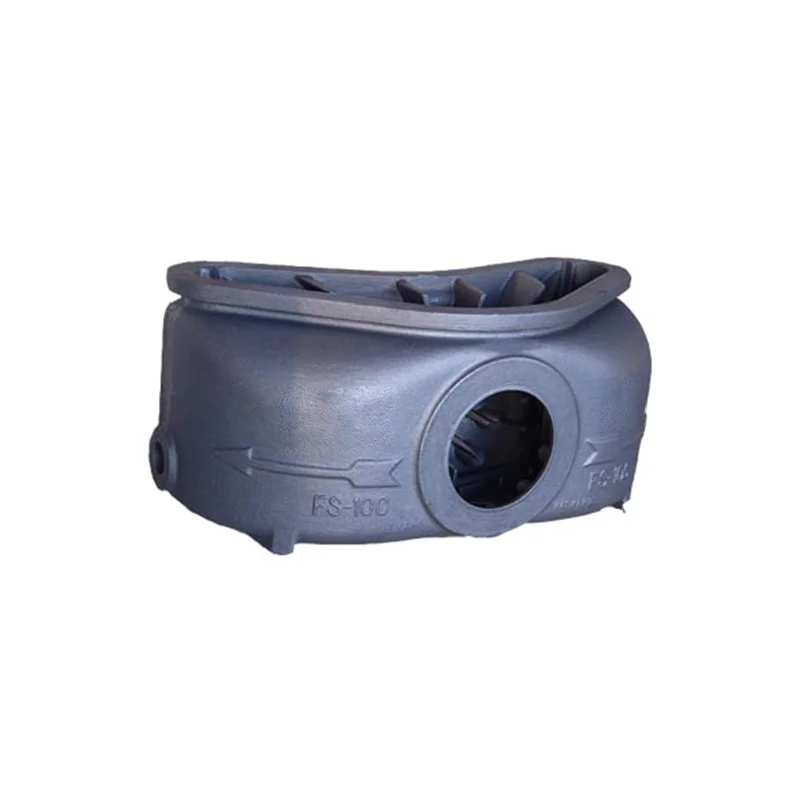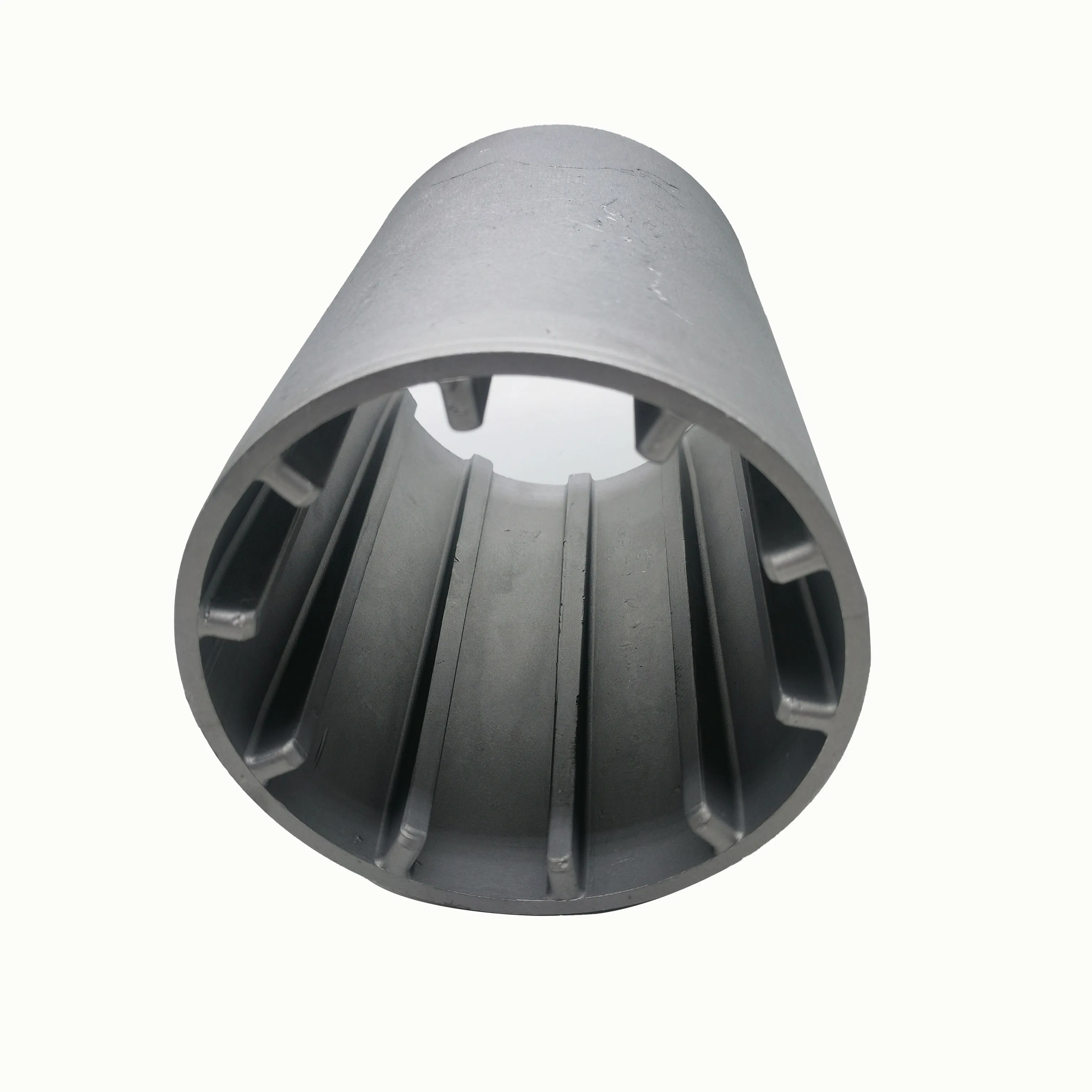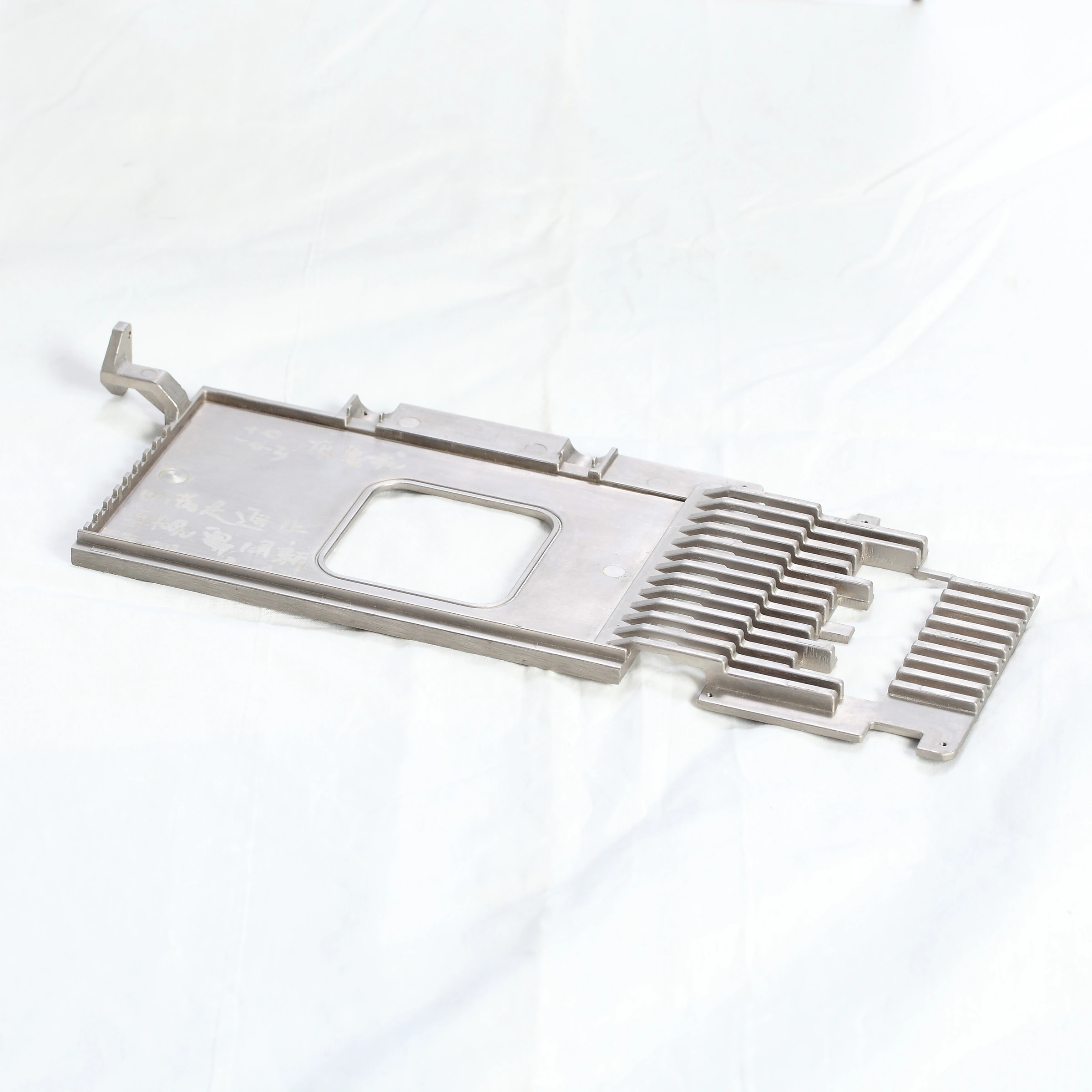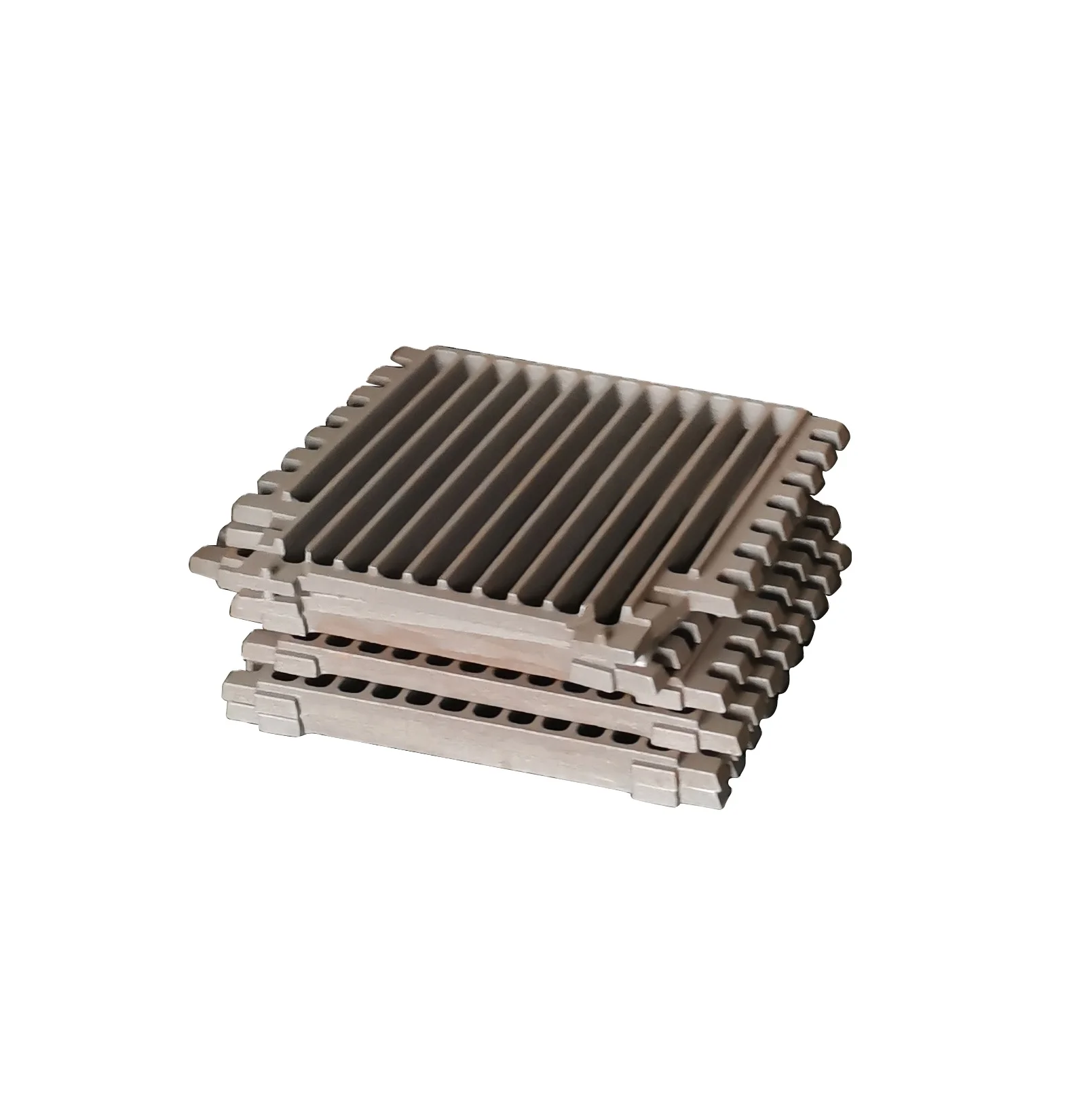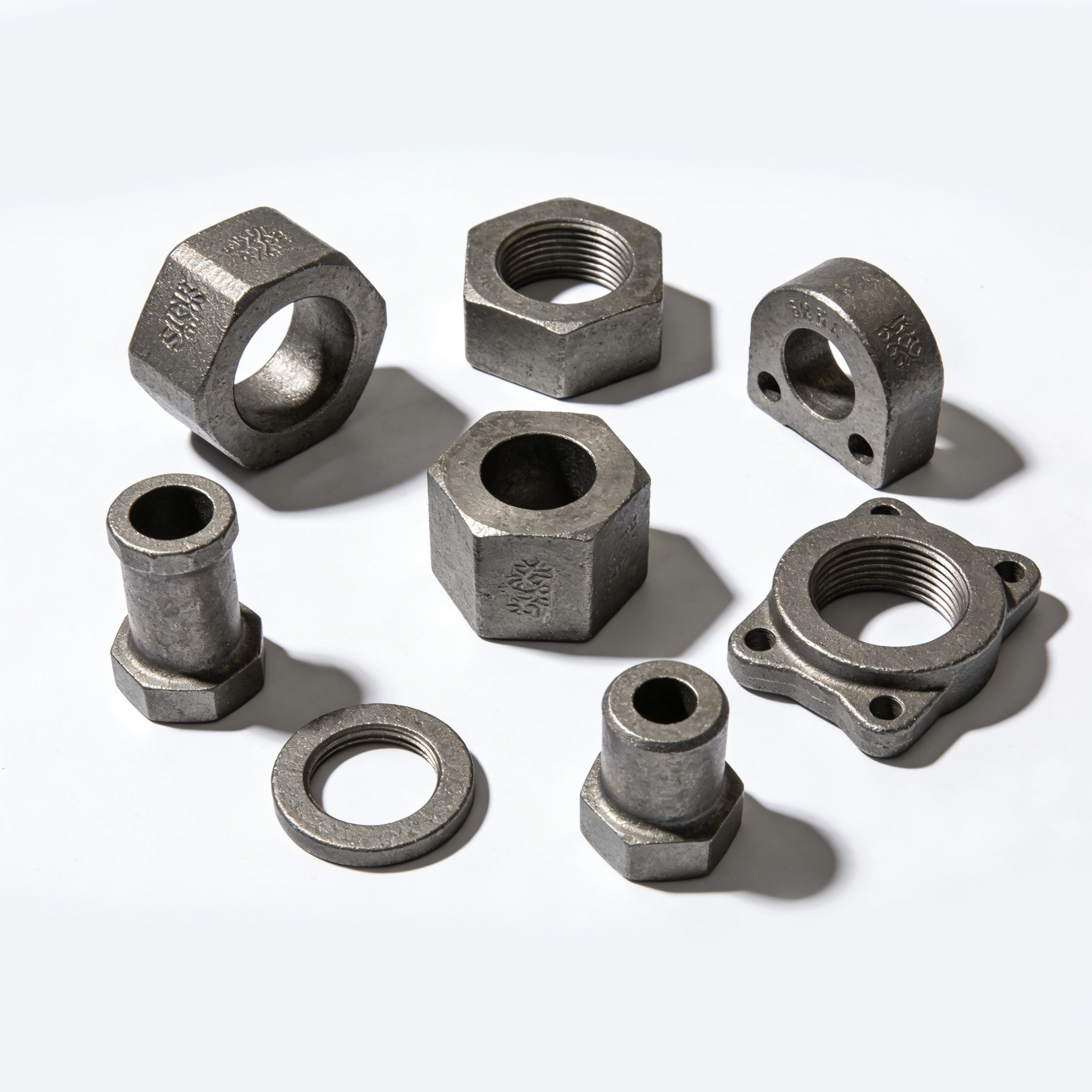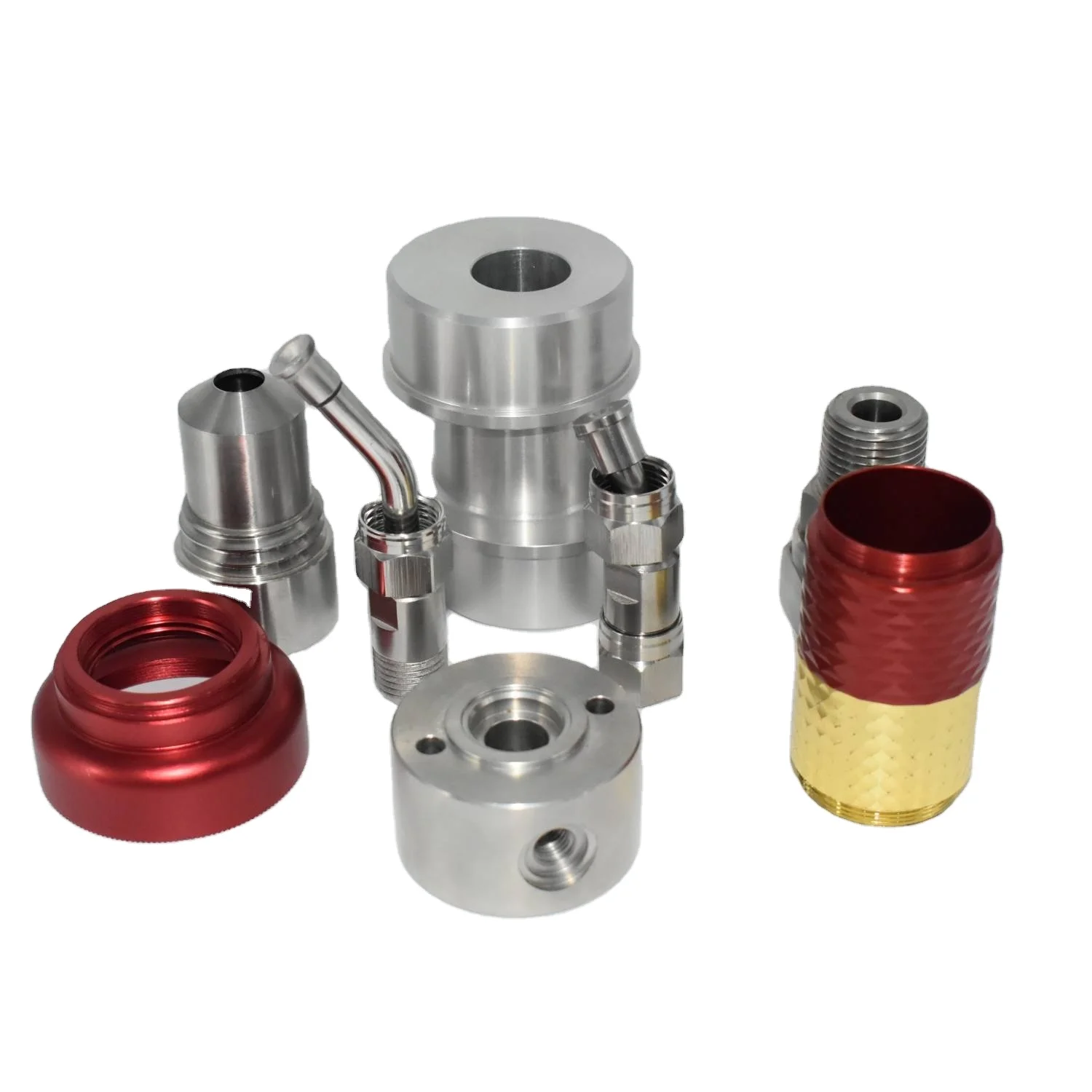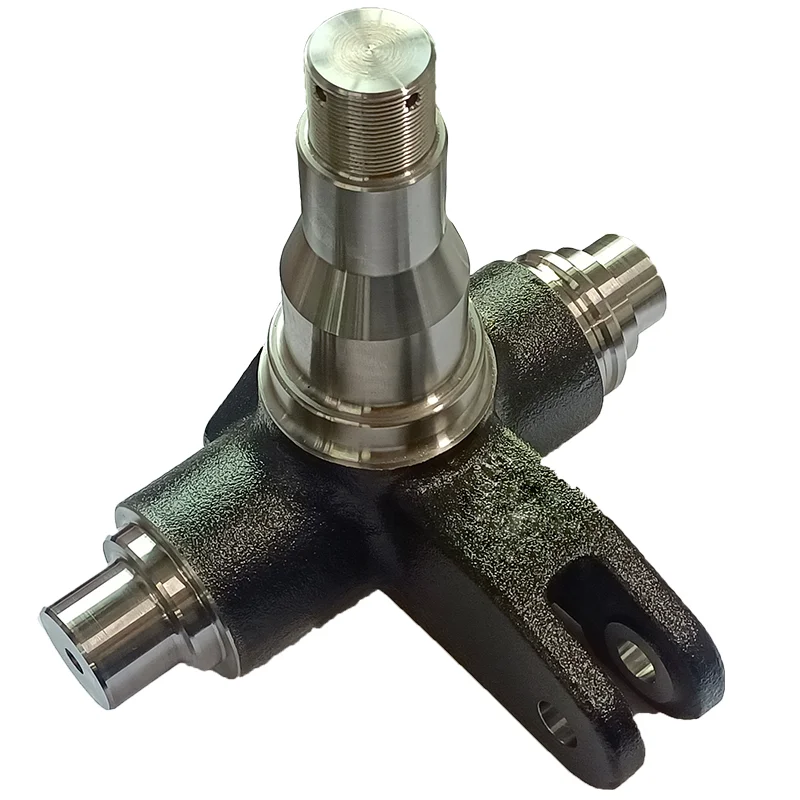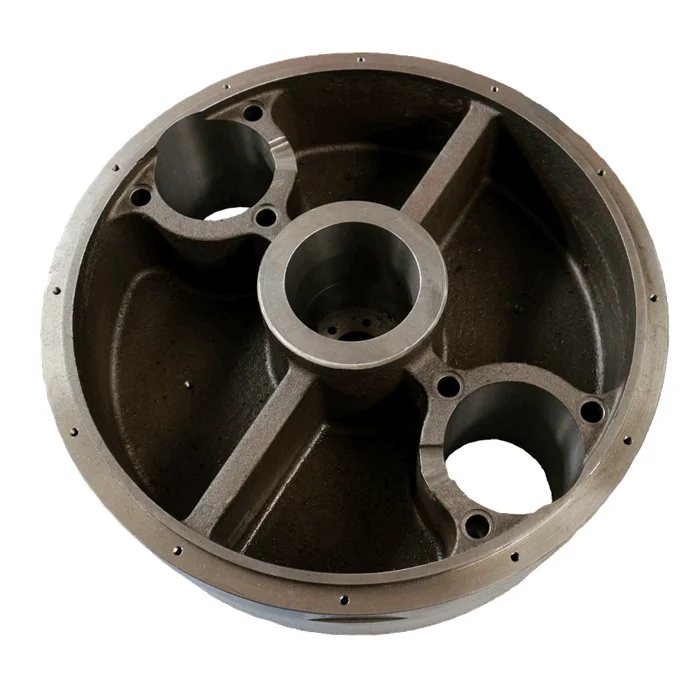
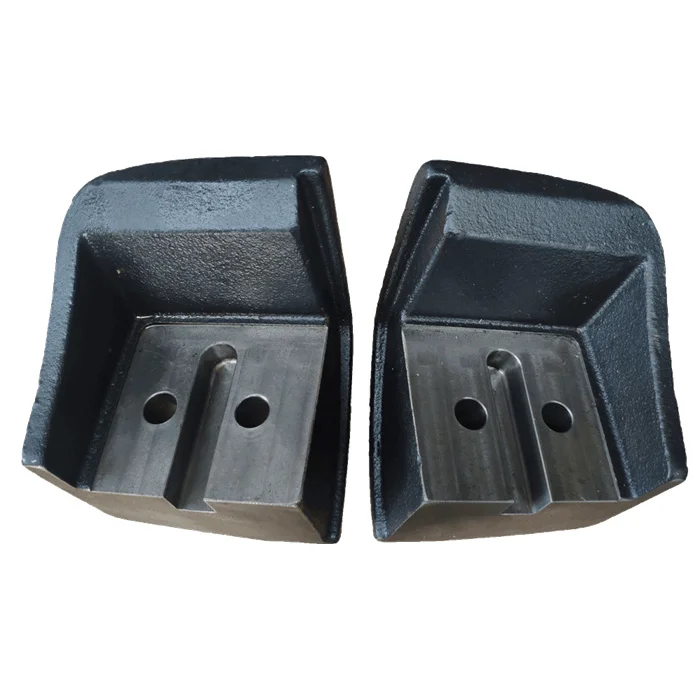
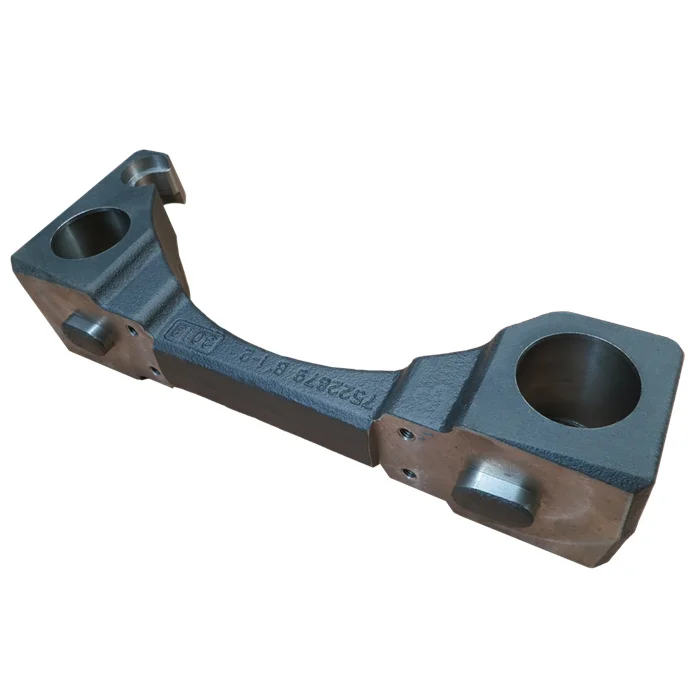
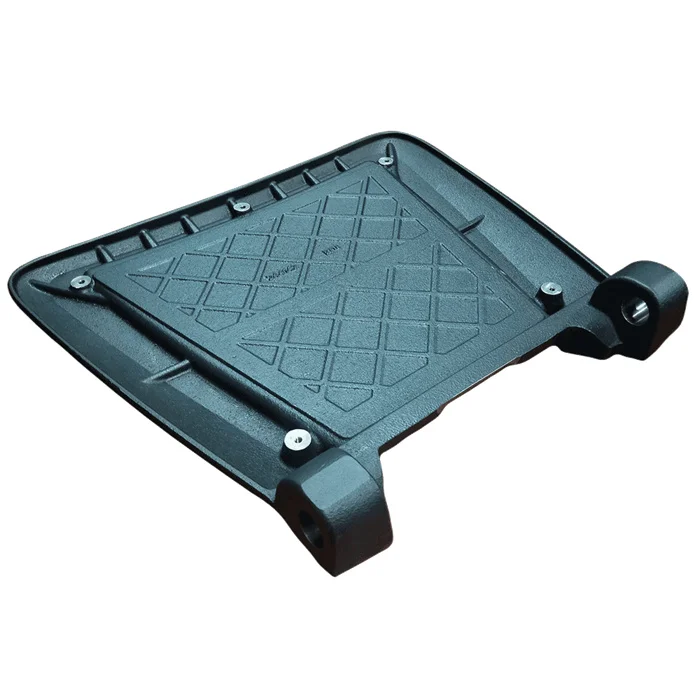
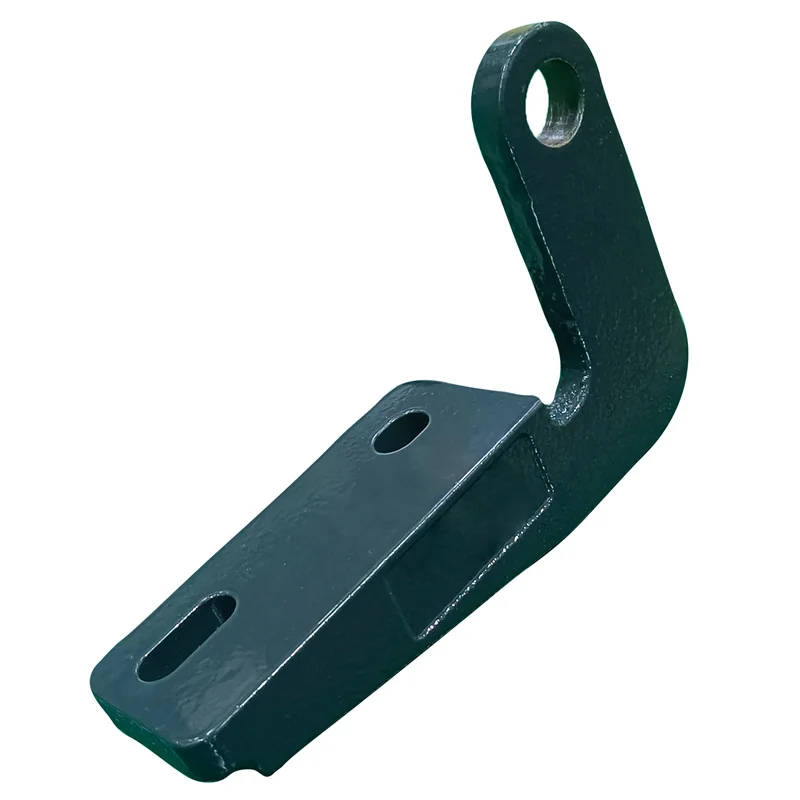
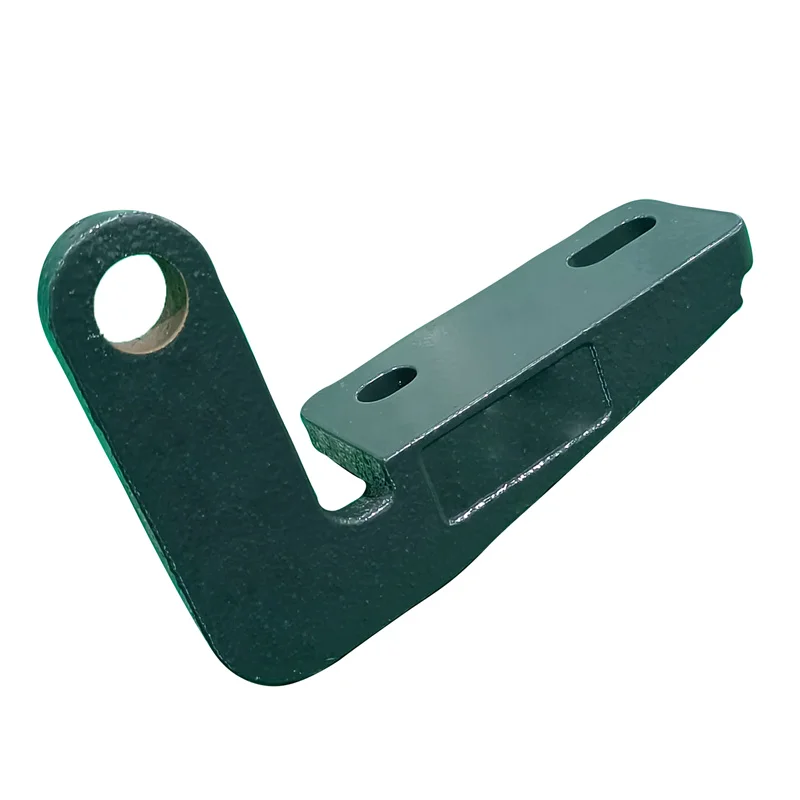
Custom Cast Iron Sand Casting CNC Machining Quench Temper Shot Blasting and Assembly with Scoped Visual Gauge CMM Inspection
Direct factory support
Get a quote that fits your project
Send your drawing or product reference, material grade and required quantity. Relia will review the requirements with you.
- Drawing & specification review
Confirm the supply scope and critical requirements.
- Samples before custom production
Review inspected samples before approving a batch.
- Inspection documents
Agree material and dimensional records for your part.
-
NameSand Casting Process Manufacturer
-
Keywordscast ironProcesscast iron casting+CNC machined
-
Heat TreatmentQuench and temper by 2 set mesh belt furnacesSurface TreatmentShot blasting+Assembling
-
Machining Facility50+ Machining centers,80+ CNC machinesInspectionMT/UT/RT/100% visual+100%gage/CMM
-
StandardASTM. AISI. DIN. BS. JIS. NF. AS.CertificationIATF16949/ISO14001
Cast-iron component enquiries can include sand casting, CNC machining, shot blasting and assembly. Select the iron grade and final supplied condition around the actual drawing. Quench-and-temper treatment should be defined for a suitable alloy and its required material condition.
Plan the component’s treatment and machining stages
Heat-treatment resources reference two mesh-belt furnaces. Machining resources list more than 50 machining centers and more than 80 CNC machines, with order-specific allocation to agree. Identify the stages at which dimensional and material acceptance must be established for the chosen casting.
Keep inspection coverage tied to the part
For the cast component, the stated 100% visual and 100% gauge inspection should address the agreed appearance and gauged characteristics. CMM, MT, UT and RT are additional inspection references with their own assigned areas, methods and acceptance criteria. Define the records needed for each selected check.
- Applicable specification families include ASTM, AISI, DIN, BS, JIS, NF and AS.
- Identify the actual document, edition and controlled requirement.
- Mark shot-blast coverage and the required surface result.
- Define assembly interfaces and the supplied assembly boundary.
Set approval and documentation scope
Request relevant IATF16949 and ISO14001 documents for the applicable activity. Provide quantity, revision and the intended approval deliverable. Keep material condition, measured interfaces and assembly acceptance linked to the same component definition, allowing the order to address the required finished result.