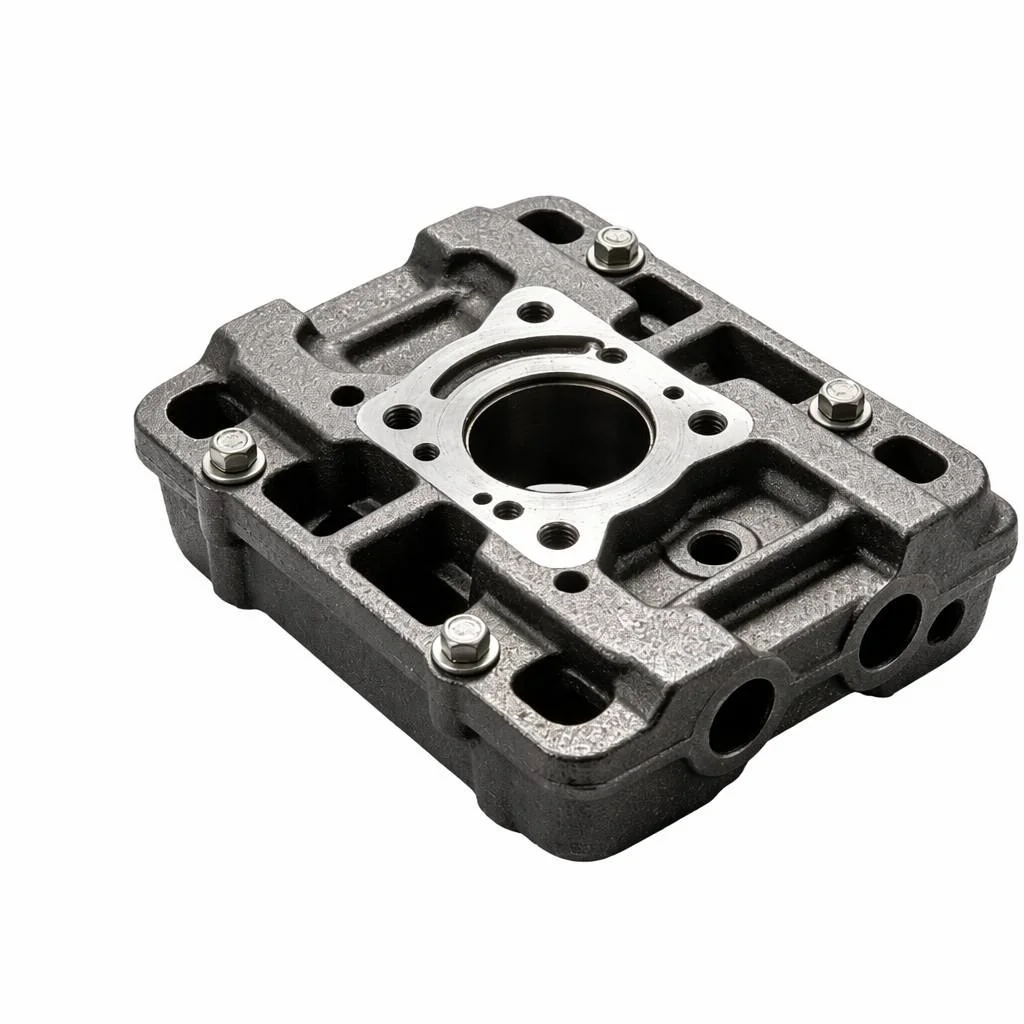
Custom Ductile Gray Iron Gravity Sand and Lost Foam Castings with Tailored Surface Treatment
Direct factory support
Get a quote that fits your project
Send your drawing or product reference, material grade and required quantity. Relia will review the requirements with you.
- Drawing & specification review
Confirm the supply scope and critical requirements.
- Samples before custom production
Review inspected samples before approving a batch.
- Inspection documents
Agree material and dimensional records for your part.
-
SizecustomizedSurface TreatmentCustomizable
-
MaterialsIron
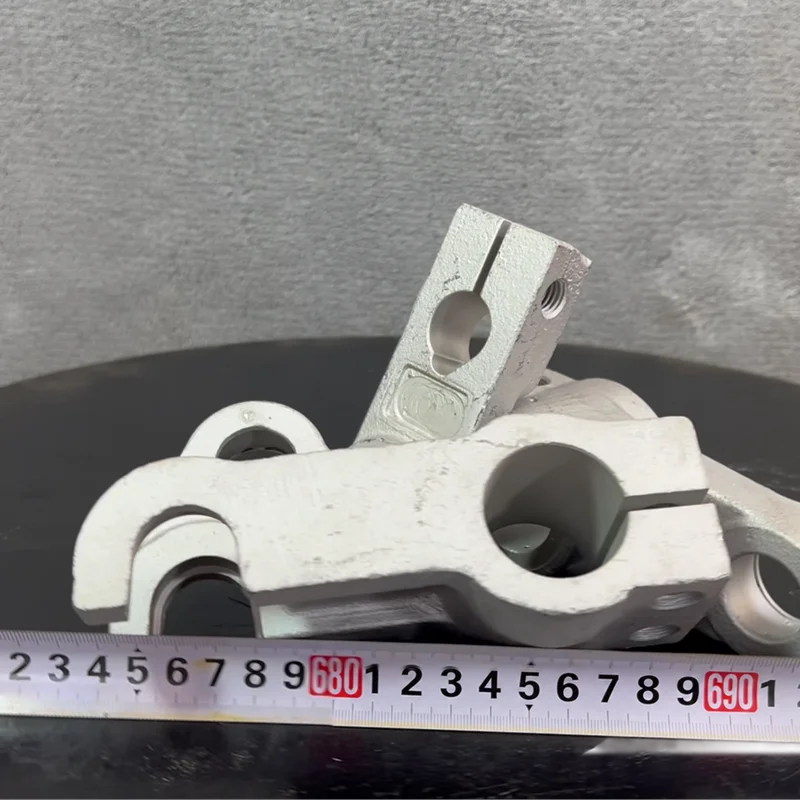
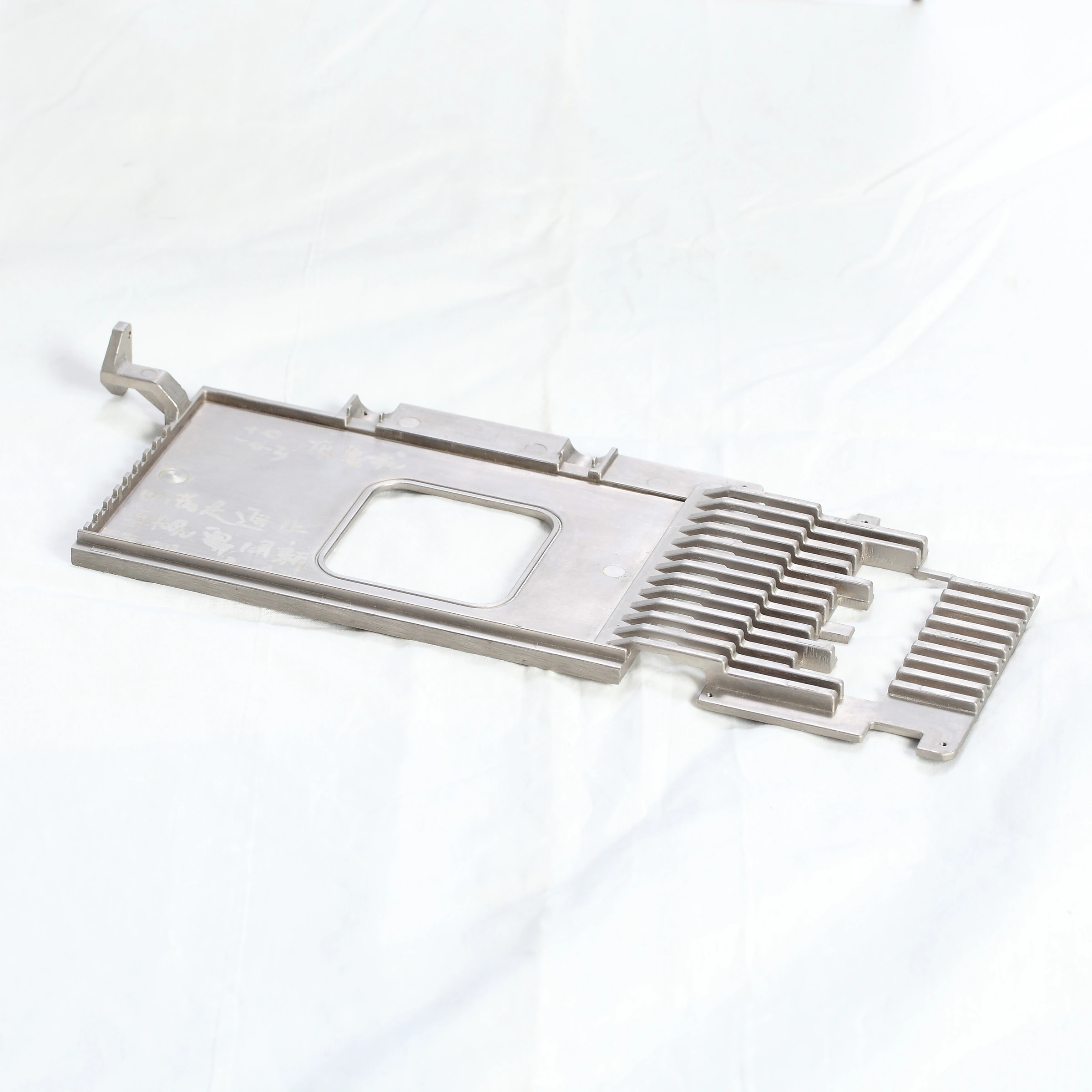
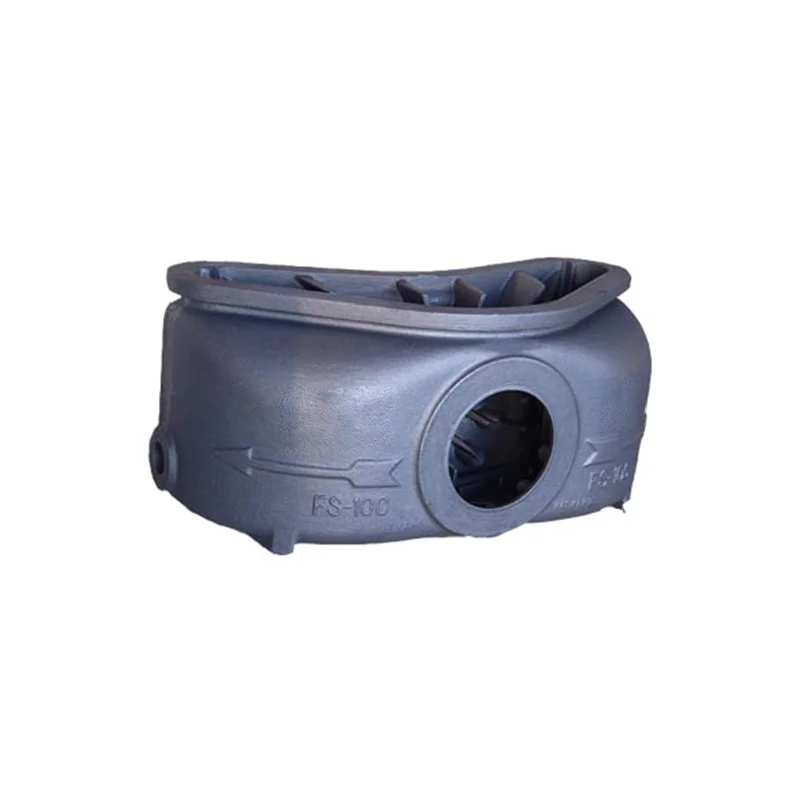
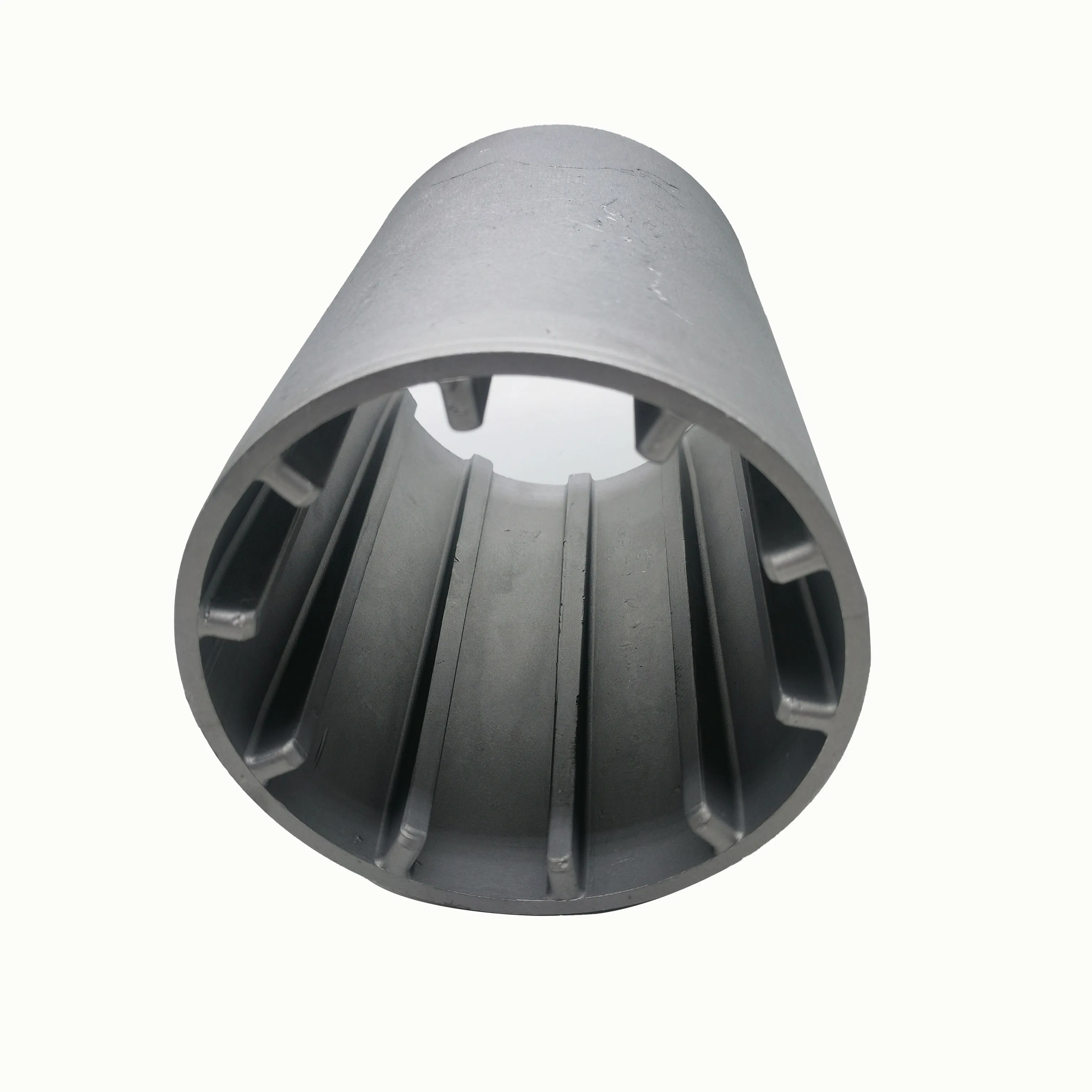
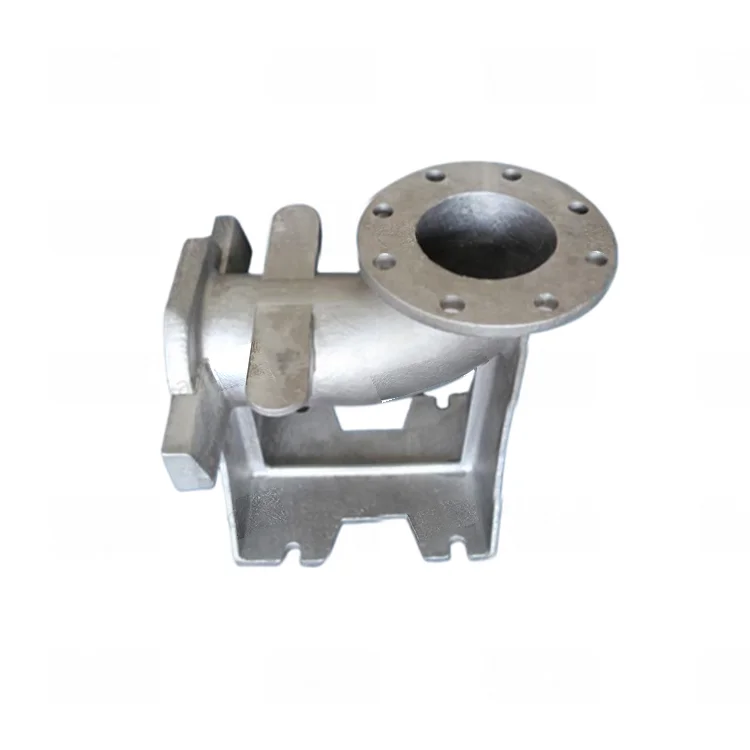
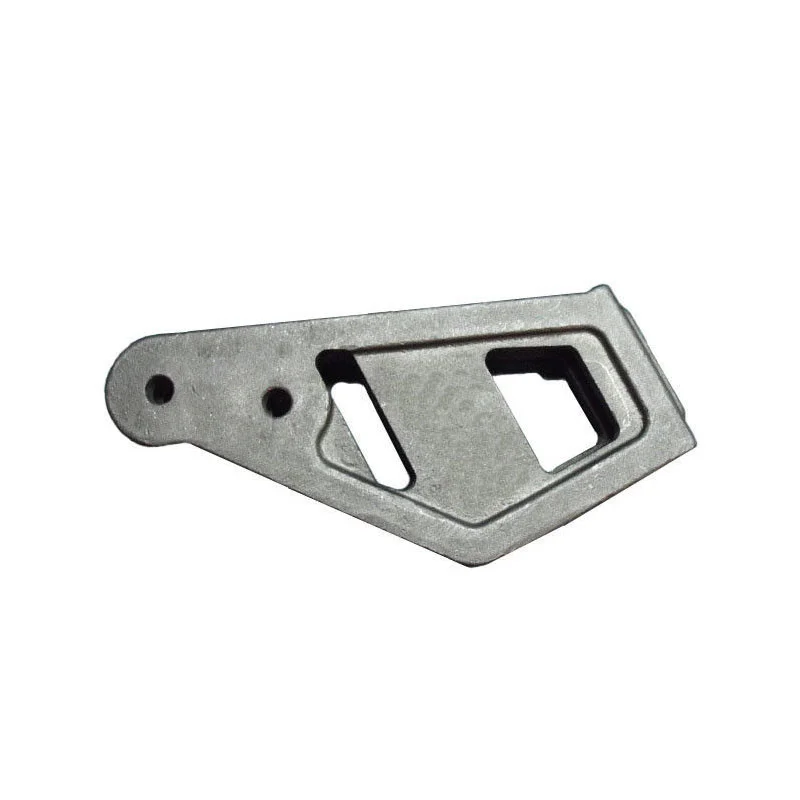
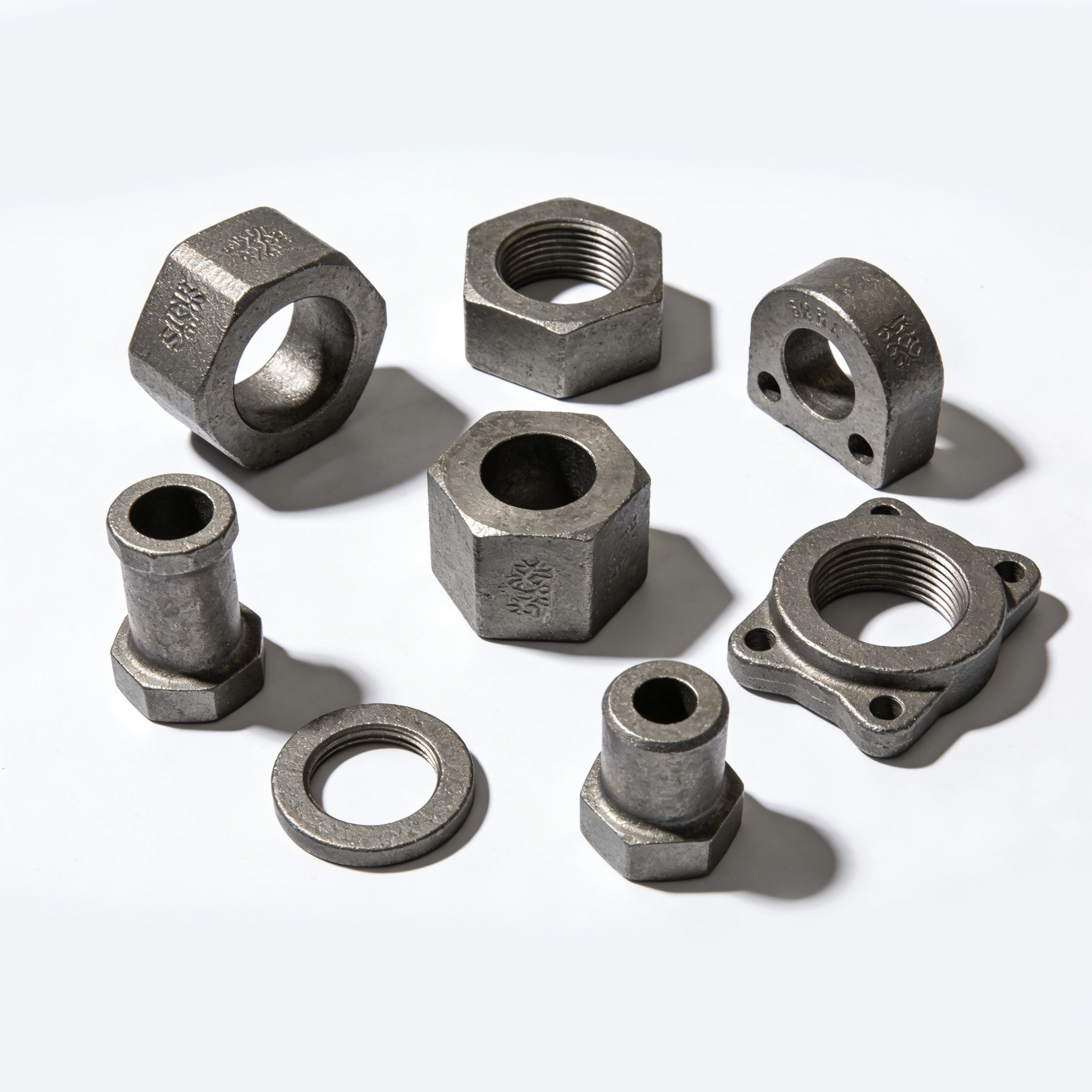
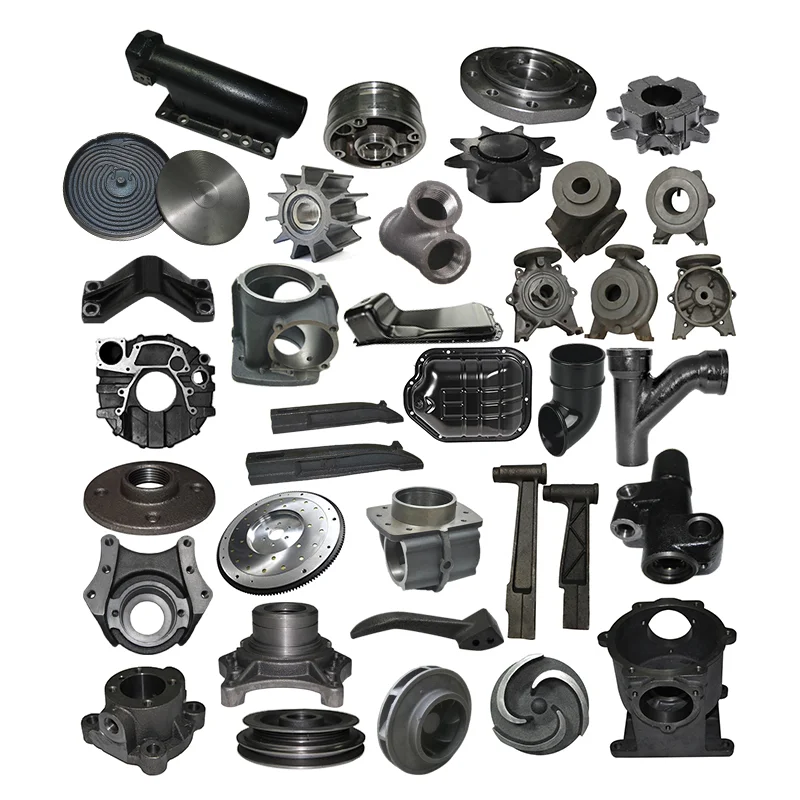
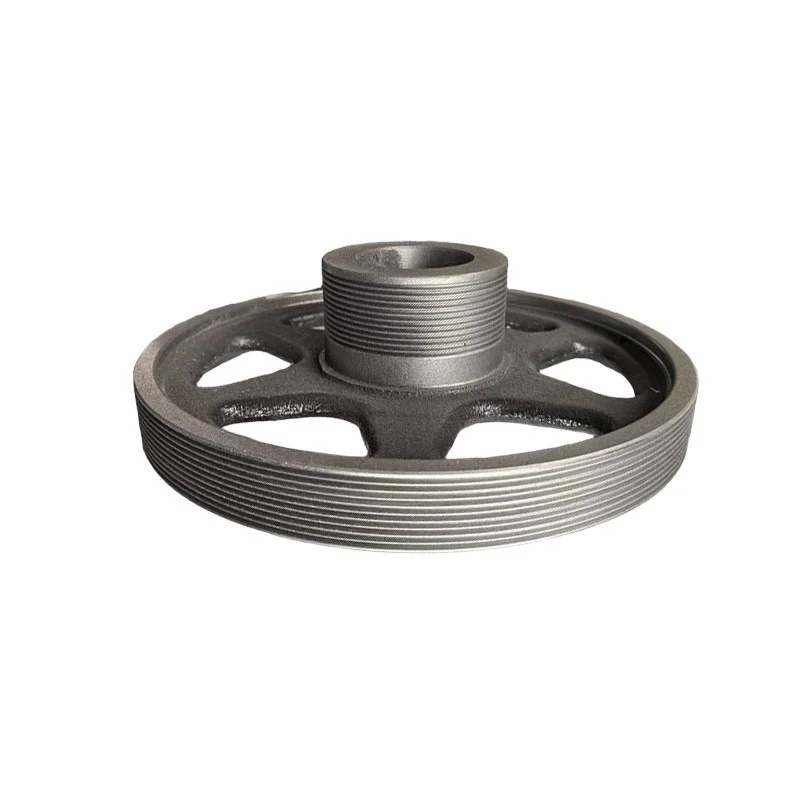
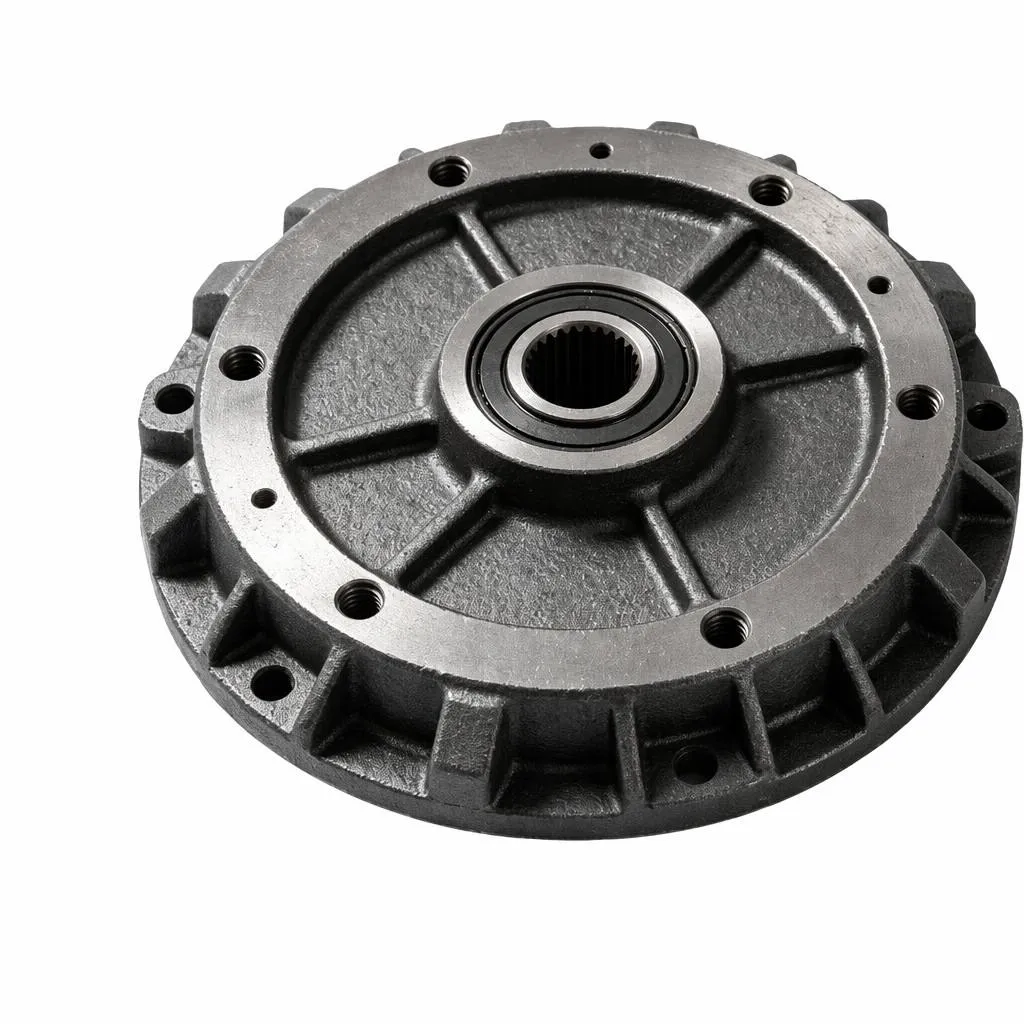
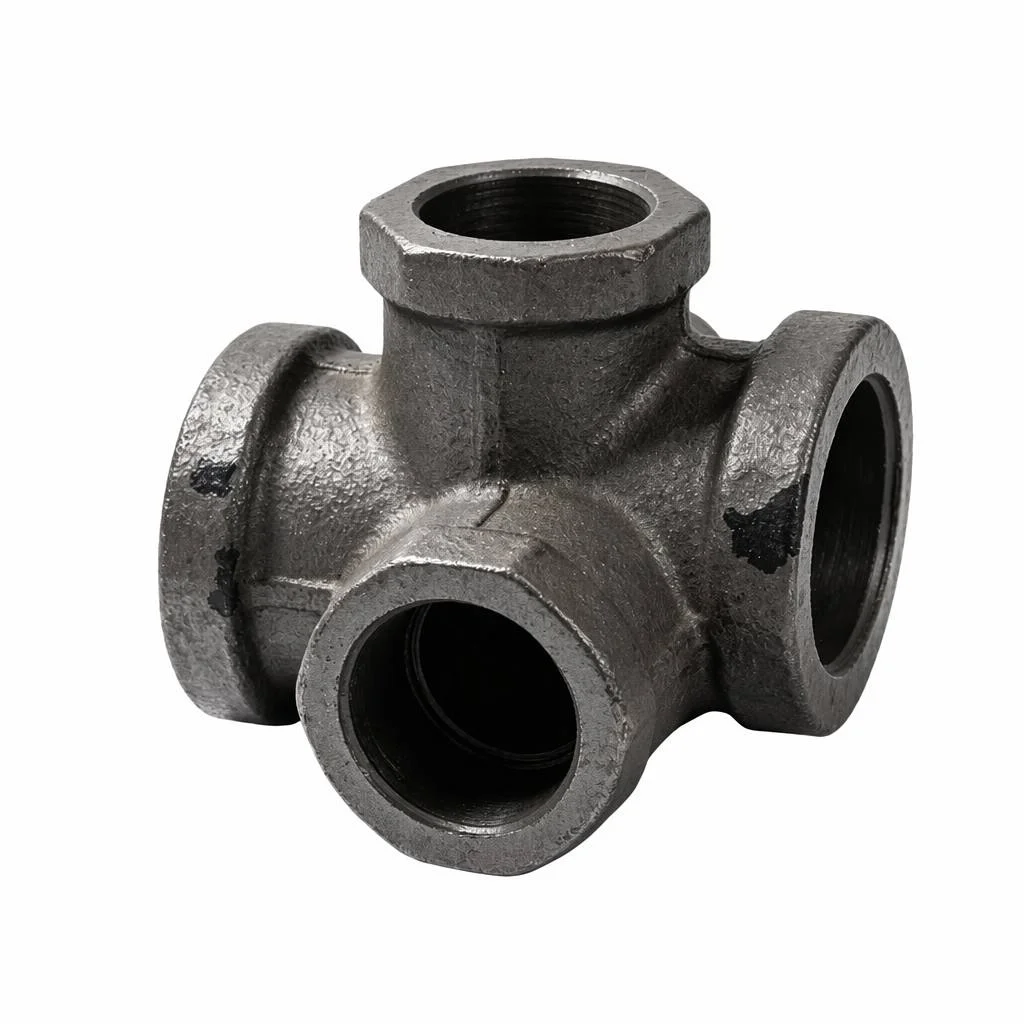
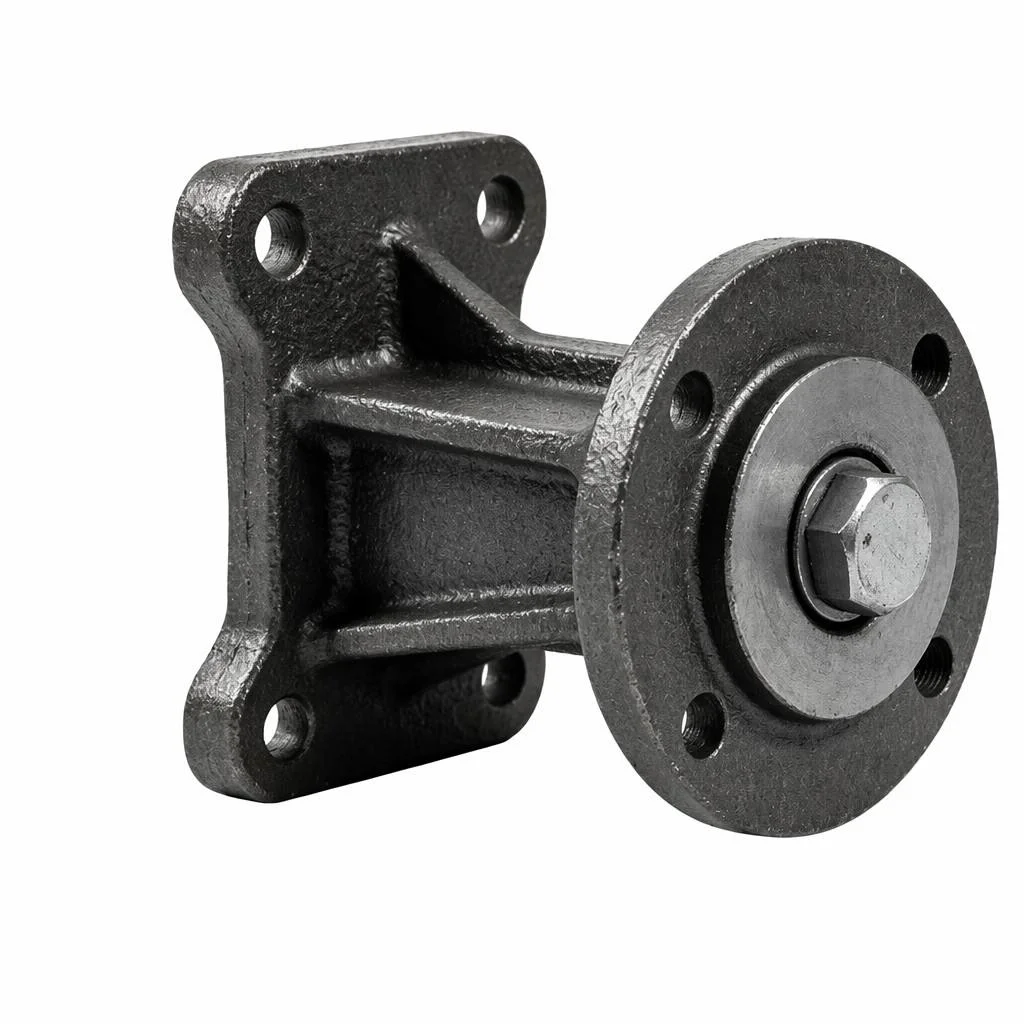
Custom-sized ductile- or gray-iron castings can be requested through gravity sand casting or lost-foam sand casting. Select the full iron designation and the route required for the actual part. Surface treatment is customizable, with the delivered condition defined around the component’s use.
Show the geometry the route must deliver
Provide the overall form and sections explaining internal spaces, wall transitions and attachment geometry. Identify the casting surfaces that locate the component within its assembly. The drawing should make the intended part clear before the molding request and acceptance requirements are agreed.
Separate material choice from dimensional acceptance
State the grade and material condition needed for the duty, alongside the dimensional limits controlling fit. Mark the datum relationships and the stage at which each functional dimension is accepted. This gives the selected iron and route a component-specific requirement rather than a broad family description.
Describe the requested surface in context
Identify visible faces, working areas and interfaces that need a particular delivered surface. Specify the treatment, coverage and any masking requested for the order. If a sample is used to establish appearance, show which faces it illustrates and how they relate to the drawing.
Build a clear enquiry package
Include quantity, controlled revision and the records needed to assess material, dimensions and surface condition. Where an existing casting serves as the reference, identify wear or damage that differs from the intended design. Agree the supplied-state definition used for approval so subsequent production follows the same part requirements.