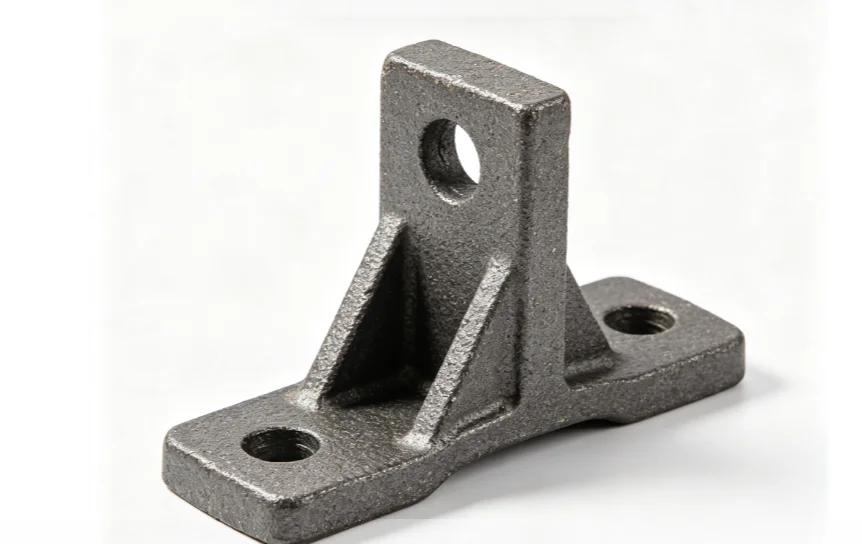
Custom Ductile-Iron Pump and Valve Mechanical Spares — Resin-Sand Casting with Spray-Painted Finish
Direct factory support
Get a quote that fits your project
Send your drawing or product reference, material grade and required quantity. Relia will review the requirements with you.
- Drawing & specification review
Confirm the supply scope and critical requirements.
- Samples before custom production
Review inspected samples before approving a batch.
- Inspection documents
Agree material and dimensional records for your part.
-
Surface TreatmentSpray paintingMaterialsductile iron
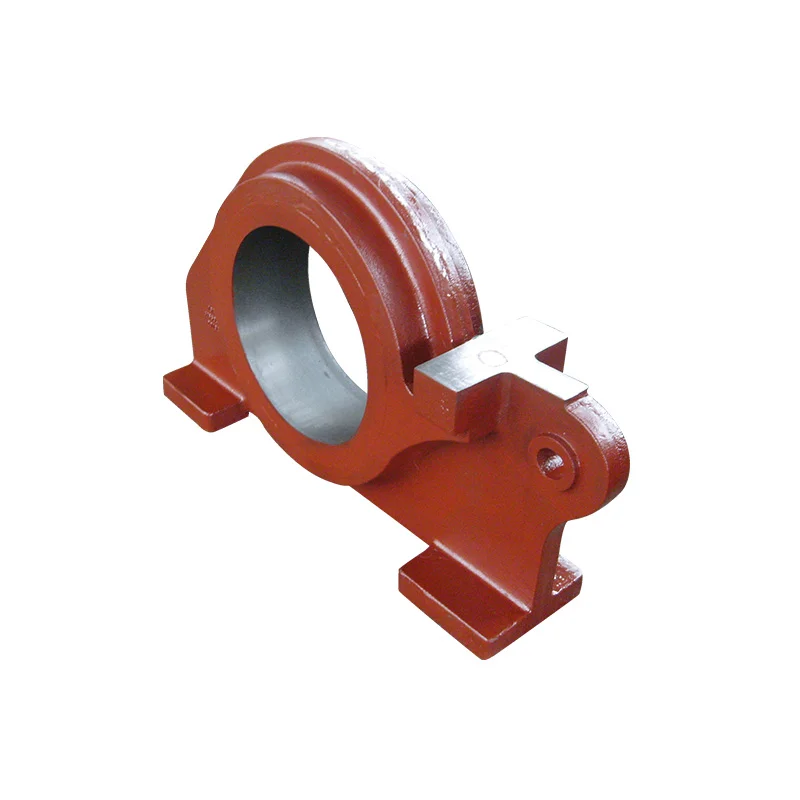
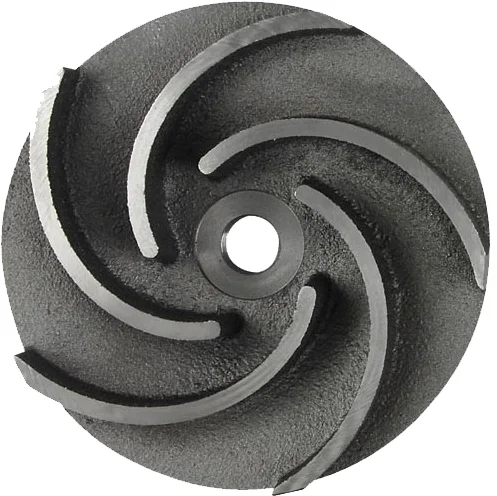
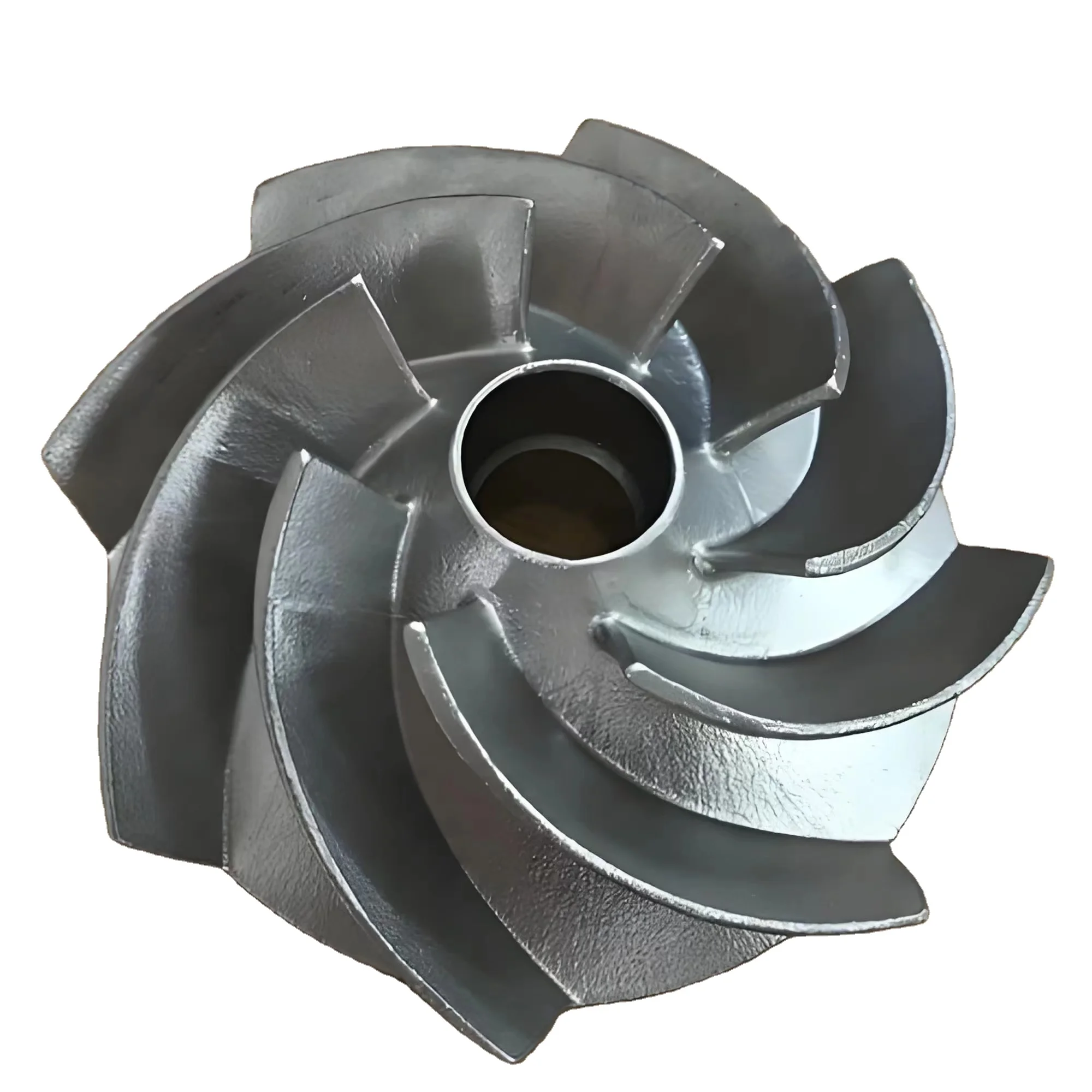
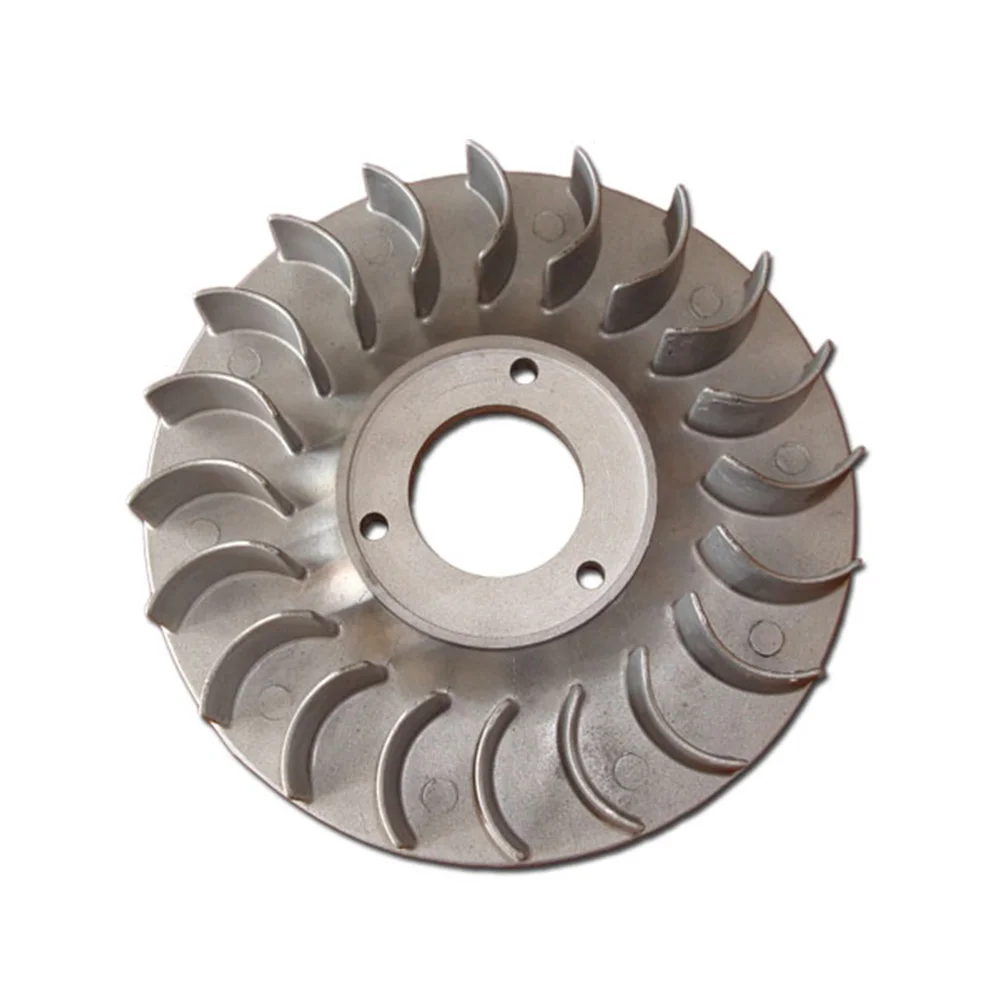
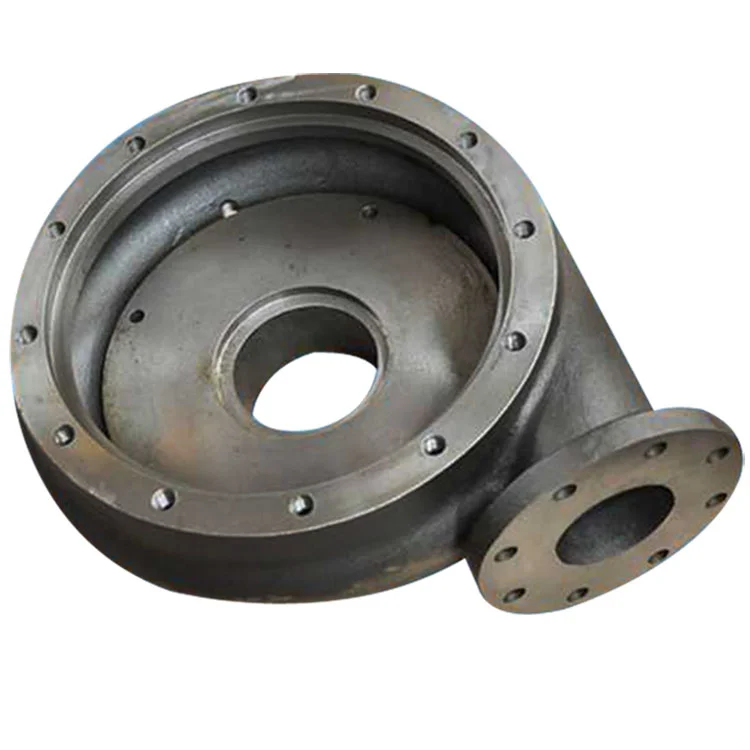
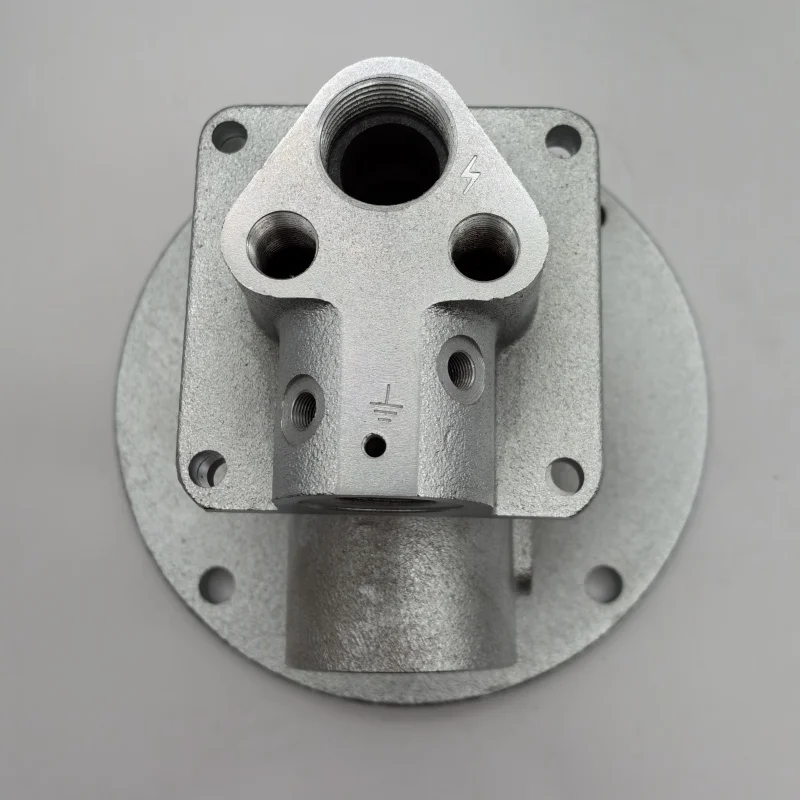
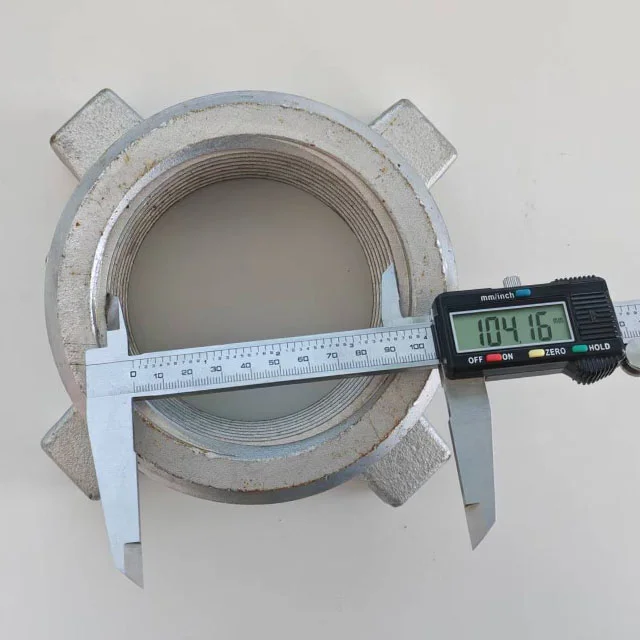
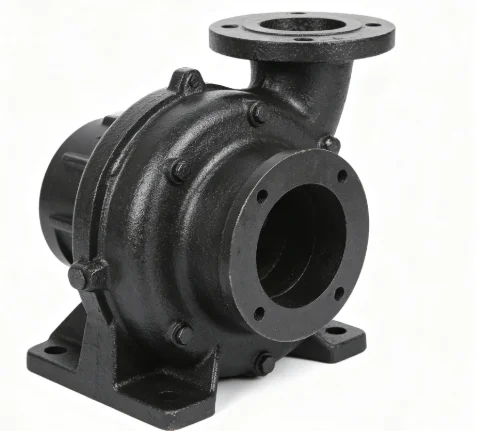
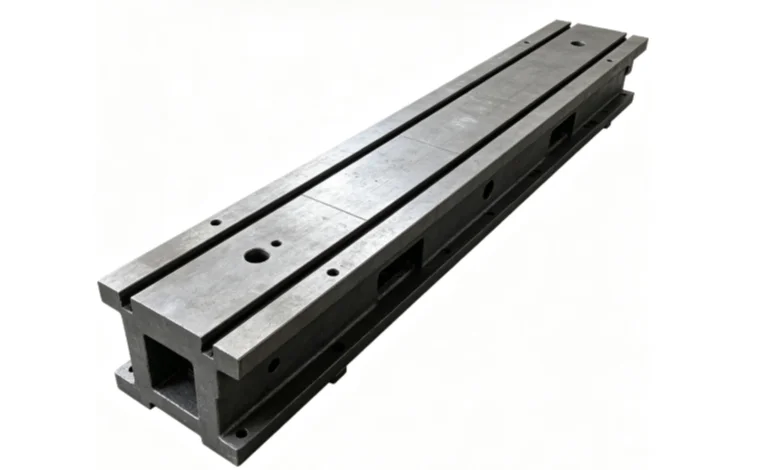
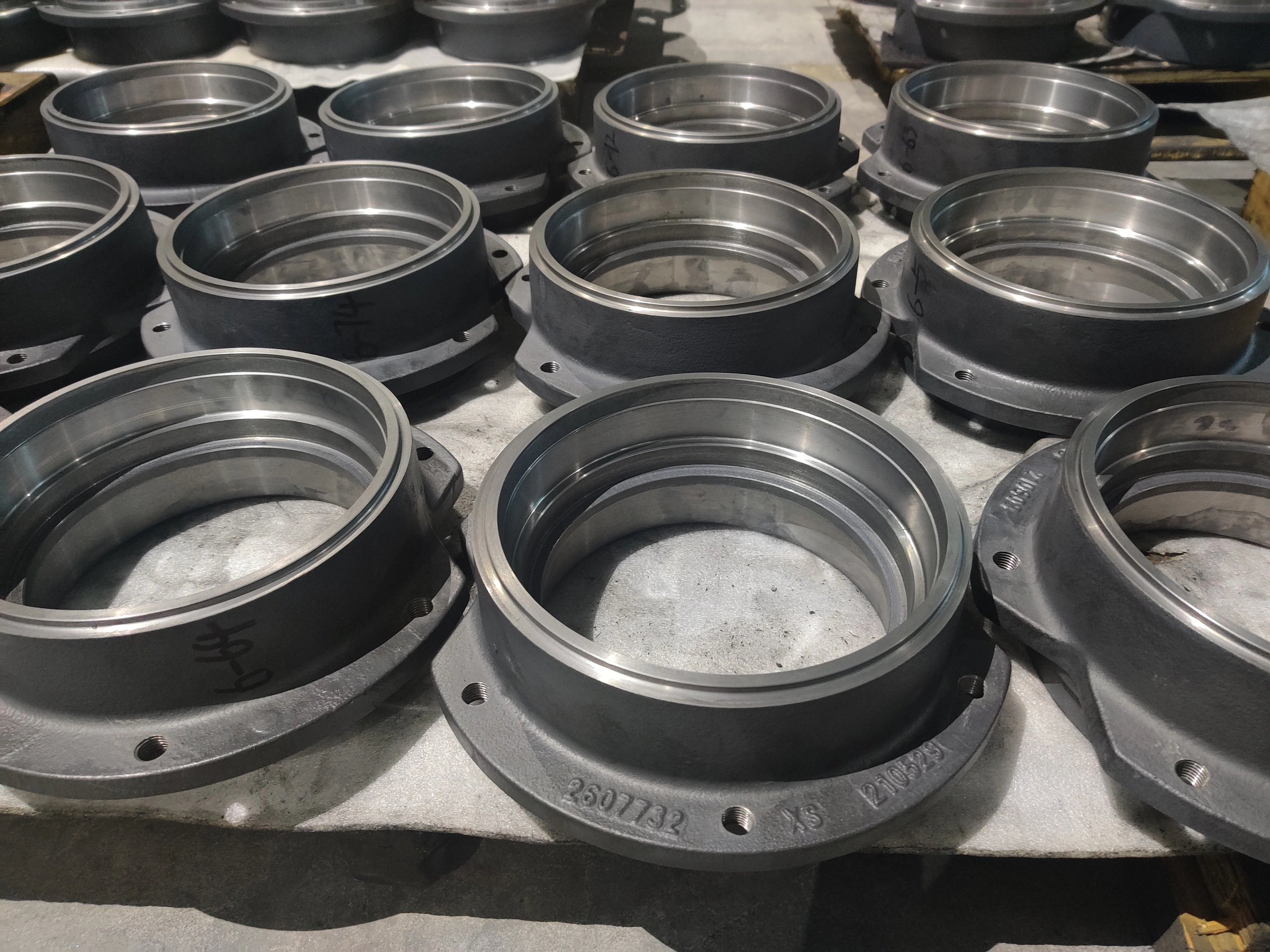
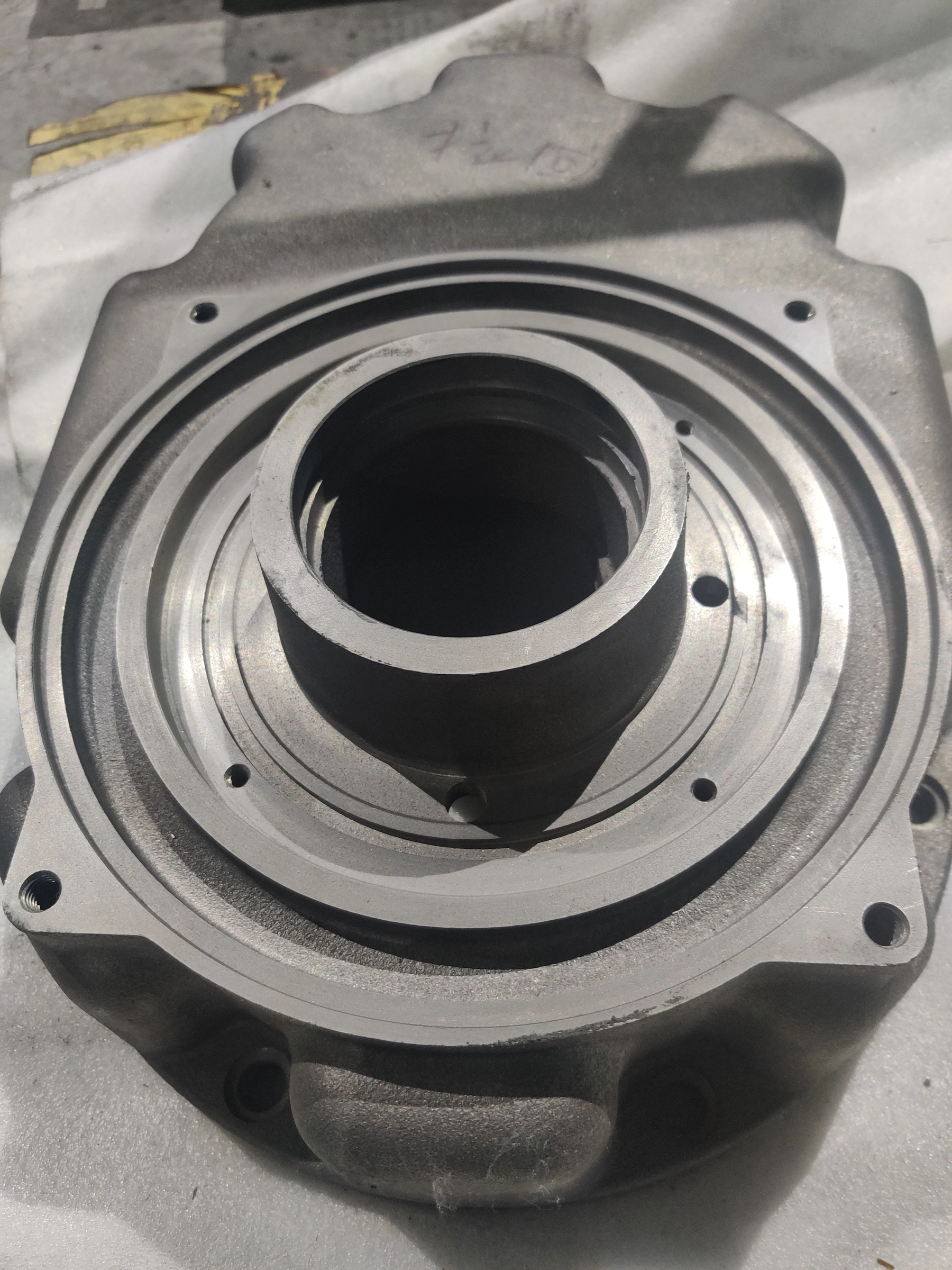
Pump and valve spare castings should be matched to the component geometry required by the equipment. This enquiry names ductile iron, resin-sand casting and spray painting. Define the actual spare part, selected grade and supplied condition before requesting the casting.
Identify the spare within the pump or valve assembly
Provide the drawing and show how the component connects to the surrounding equipment. Mark the interfaces and dimensions that determine installation or operation. If the request concerns an existing spare, identify the geometry and requirements that the new part must reproduce.
- Provide the pump or valve component drawing.
- Select the ductile-iron grade and applicable specification.
- Mark mating interfaces and any separately finished dimensions.
- State quantity and the required spray-painted condition.
- Describe operating duty and acceptance requirements.
- Identify inspection records needed for the order.
Define resin-sand and supplied-condition requirements
Resin-sand casting is the named forming enquiry. Identify the complete geometry and the condition in which the casting must be delivered. Any additional requested work should be included explicitly in the quotation so the part and acceptance boundaries are clear.
Specify spray painting and component acceptance
Describe the paint result required by the design and any contact areas needing particular instructions. Agree the dimensional, surface and application-specific inspection requirements for the selected spare. The component drawing and service conditions should establish the purchase requirement rather than an assumed standard replacement fit, pressure class or pump-performance rating.