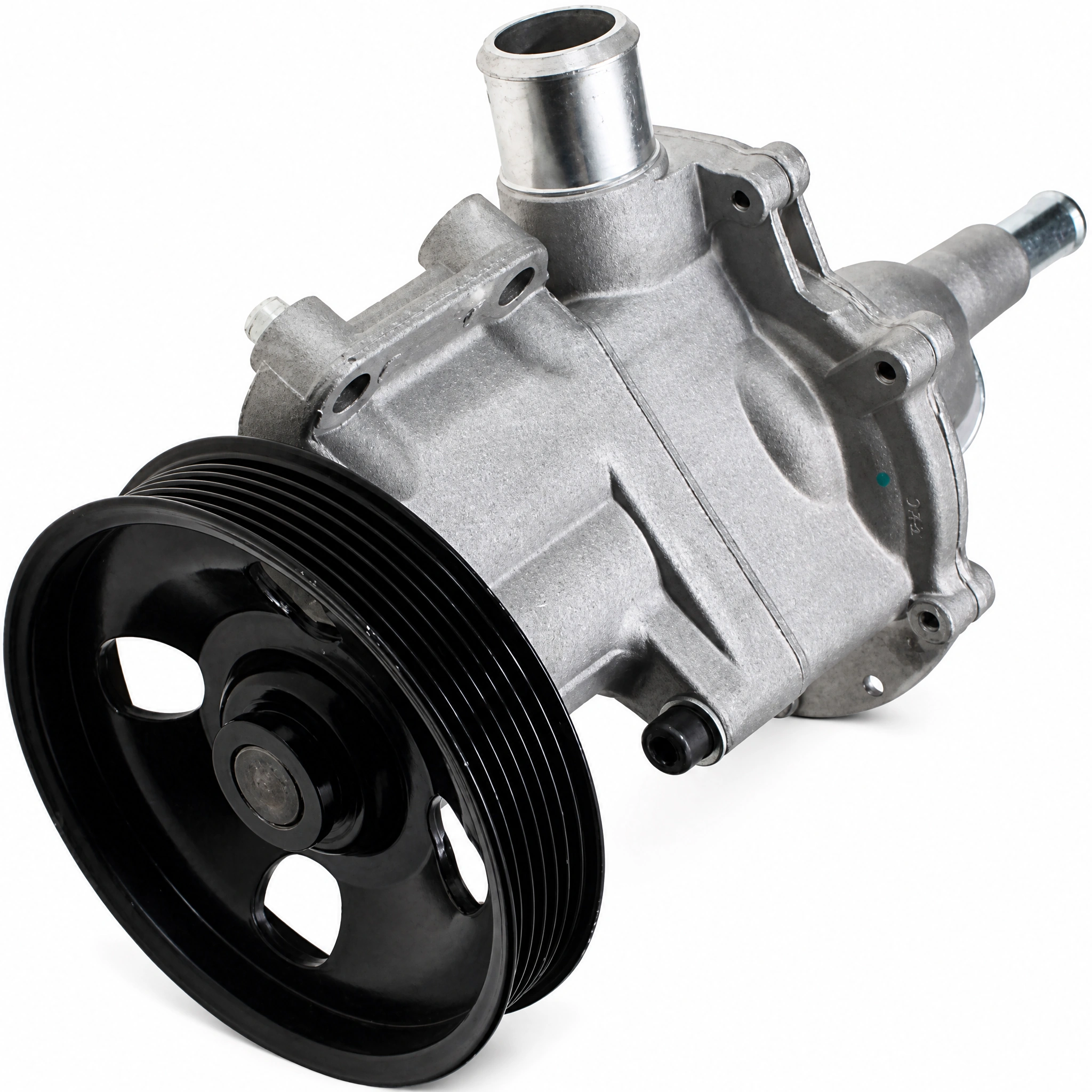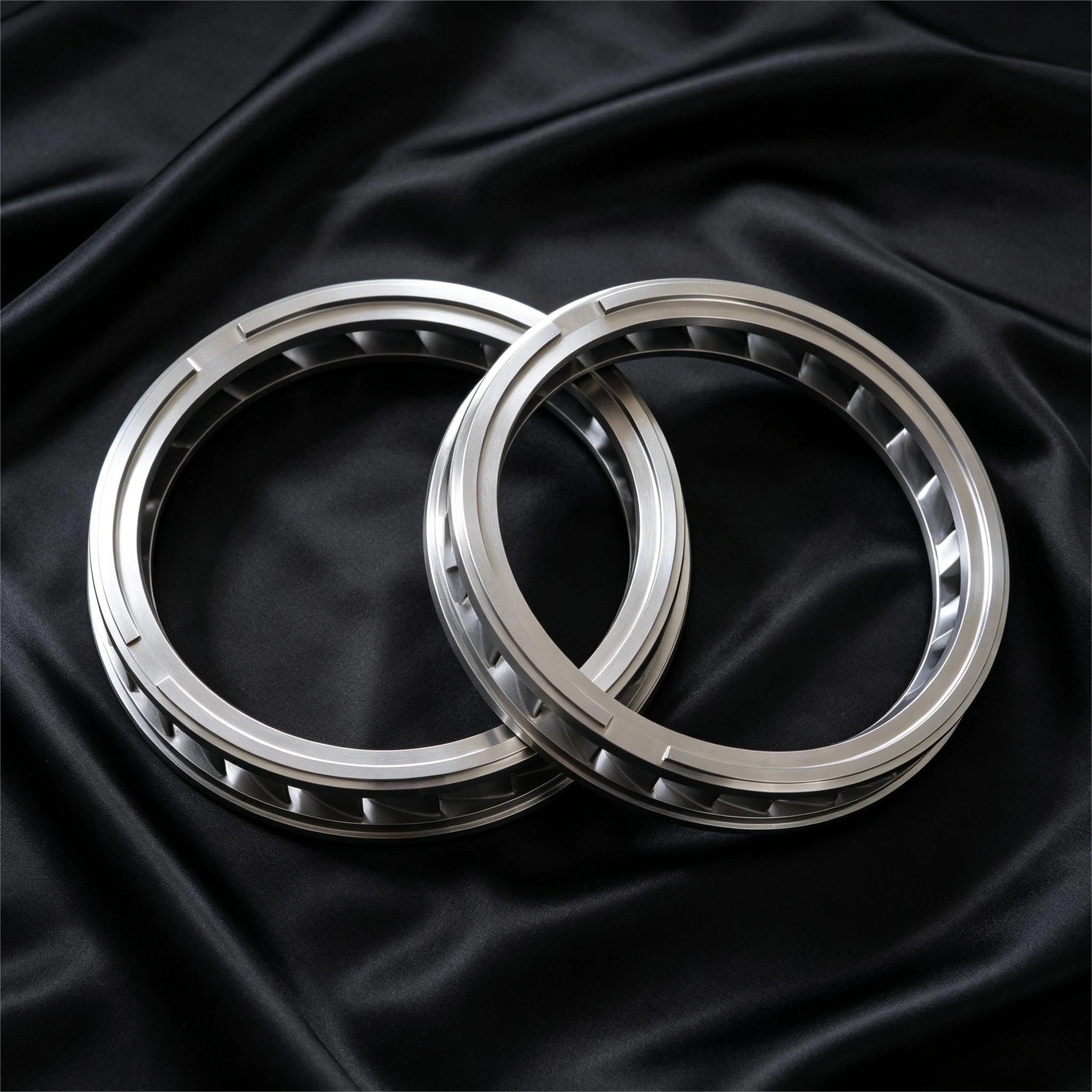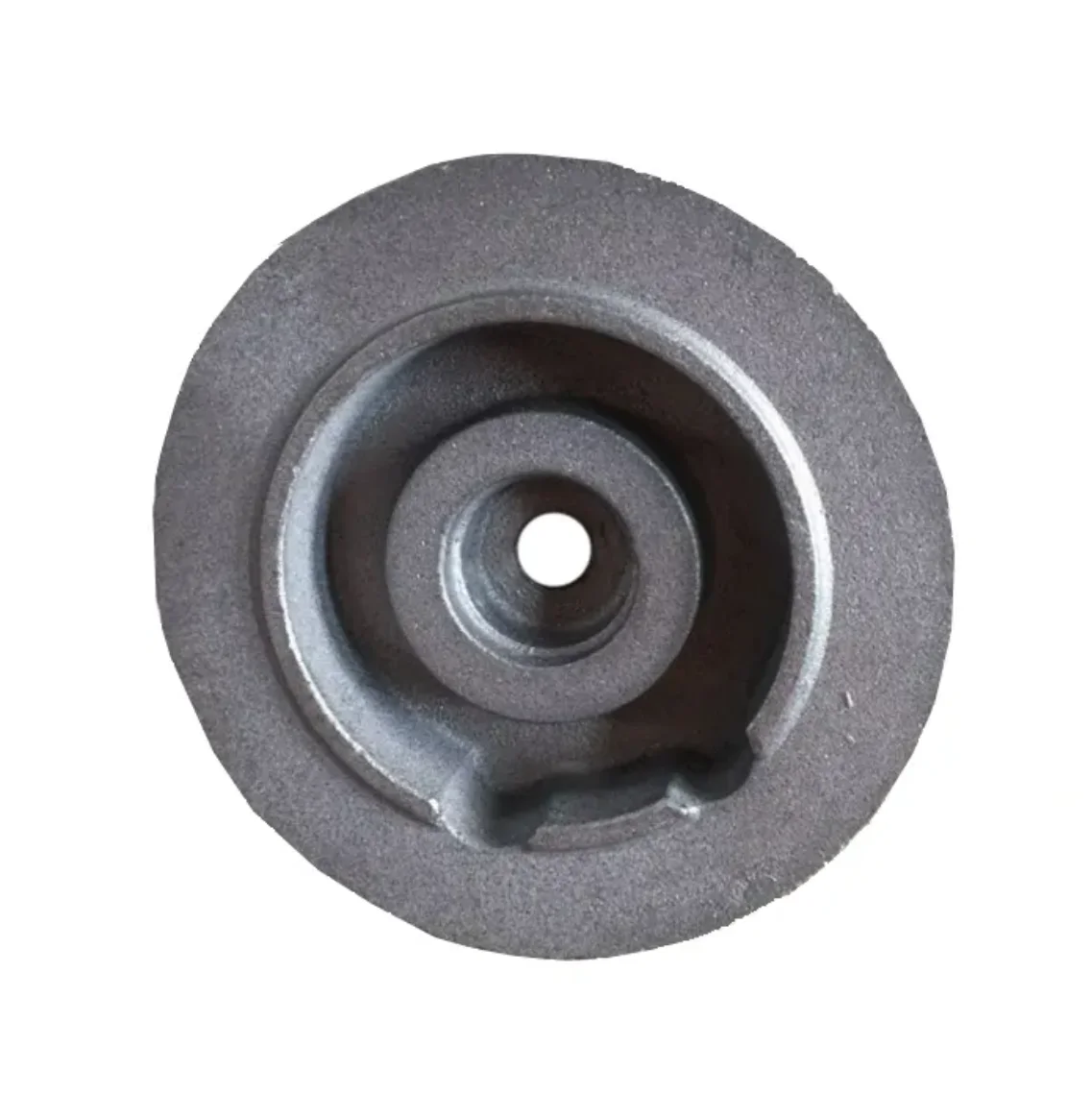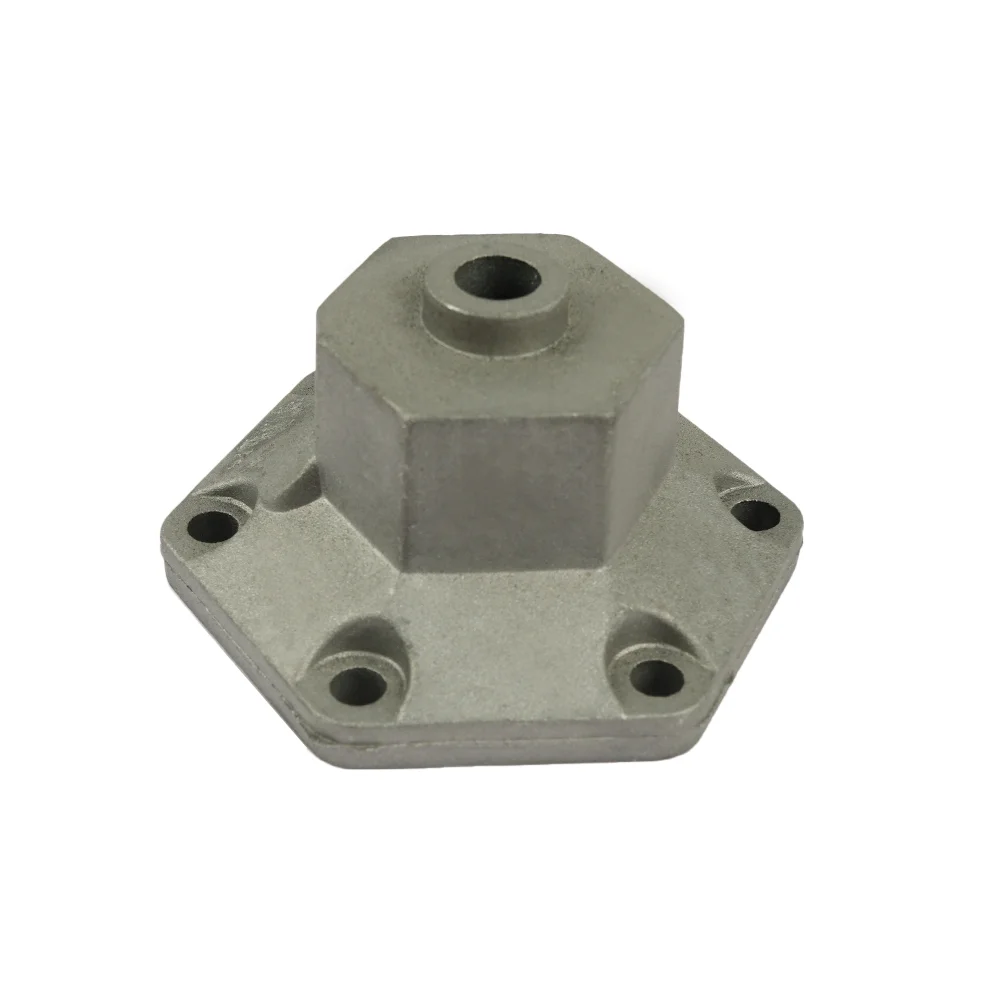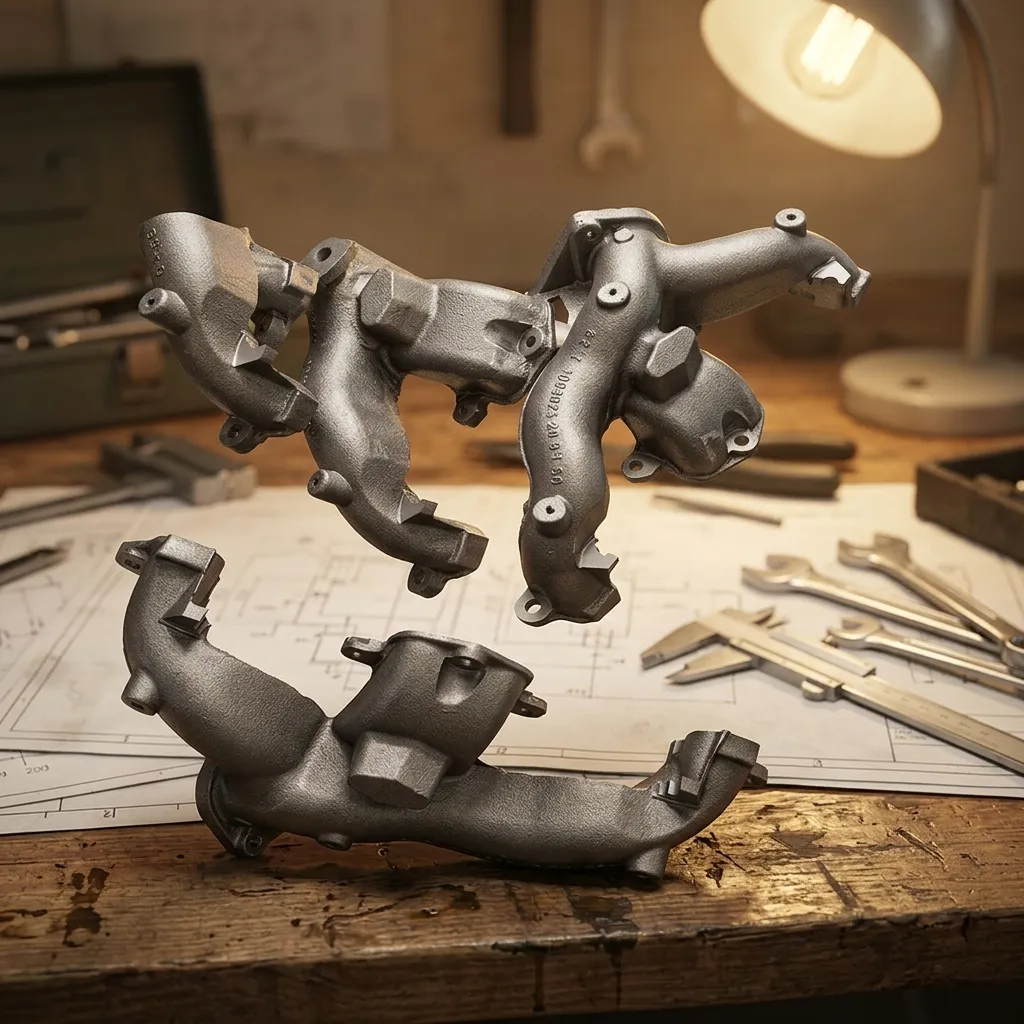
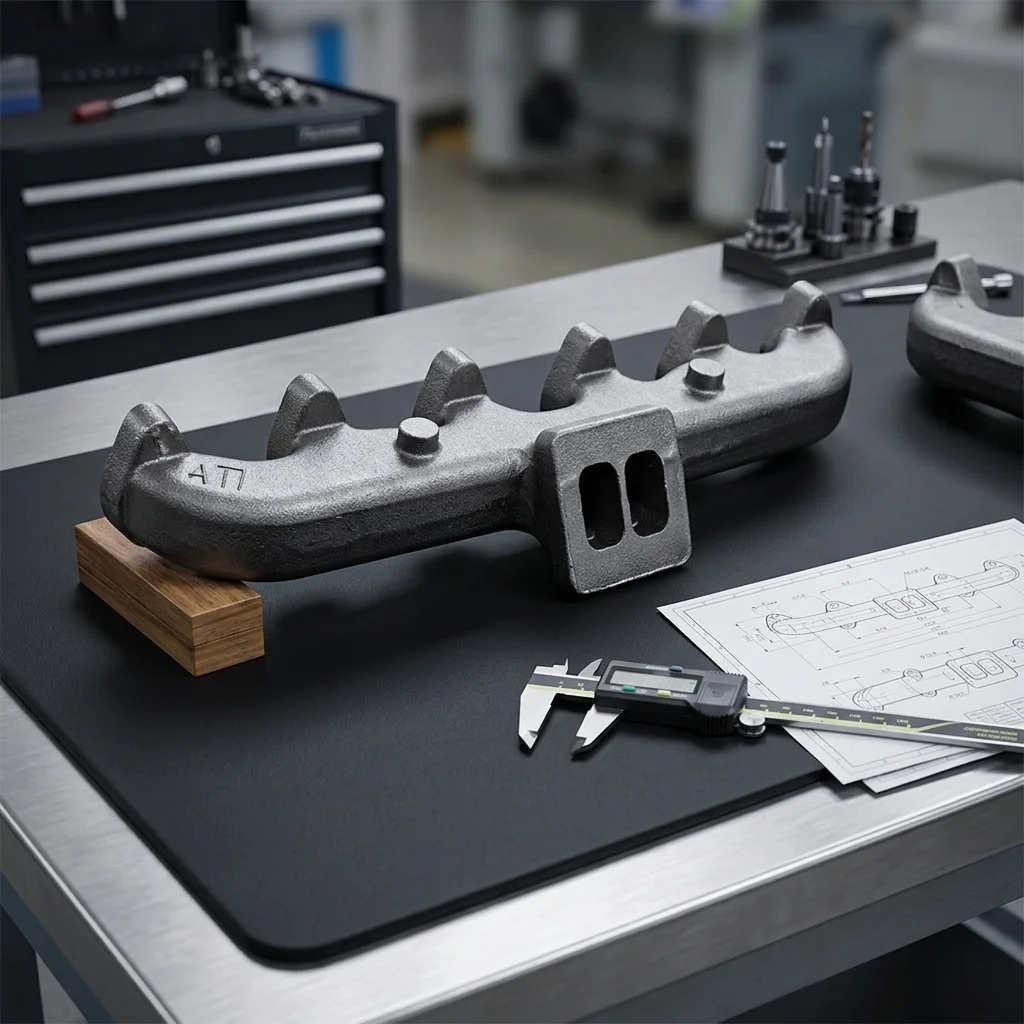
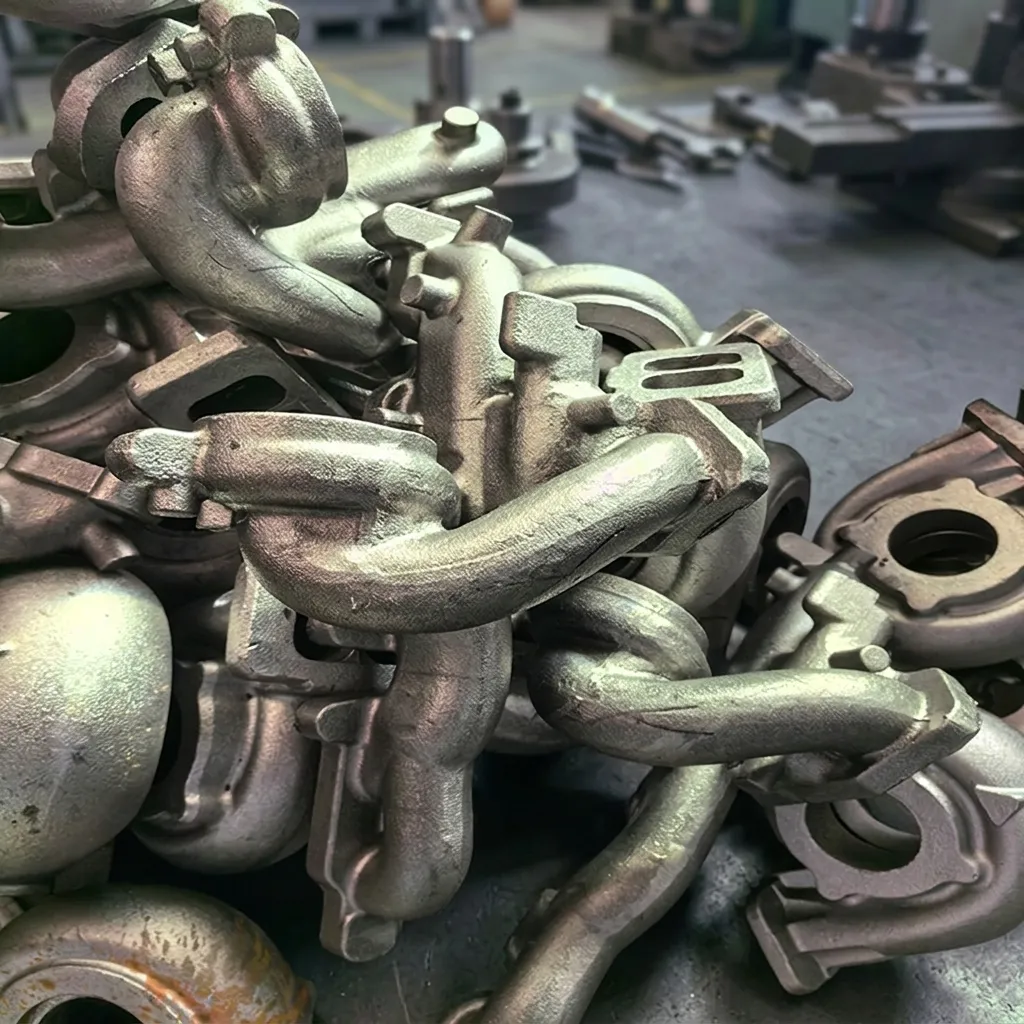
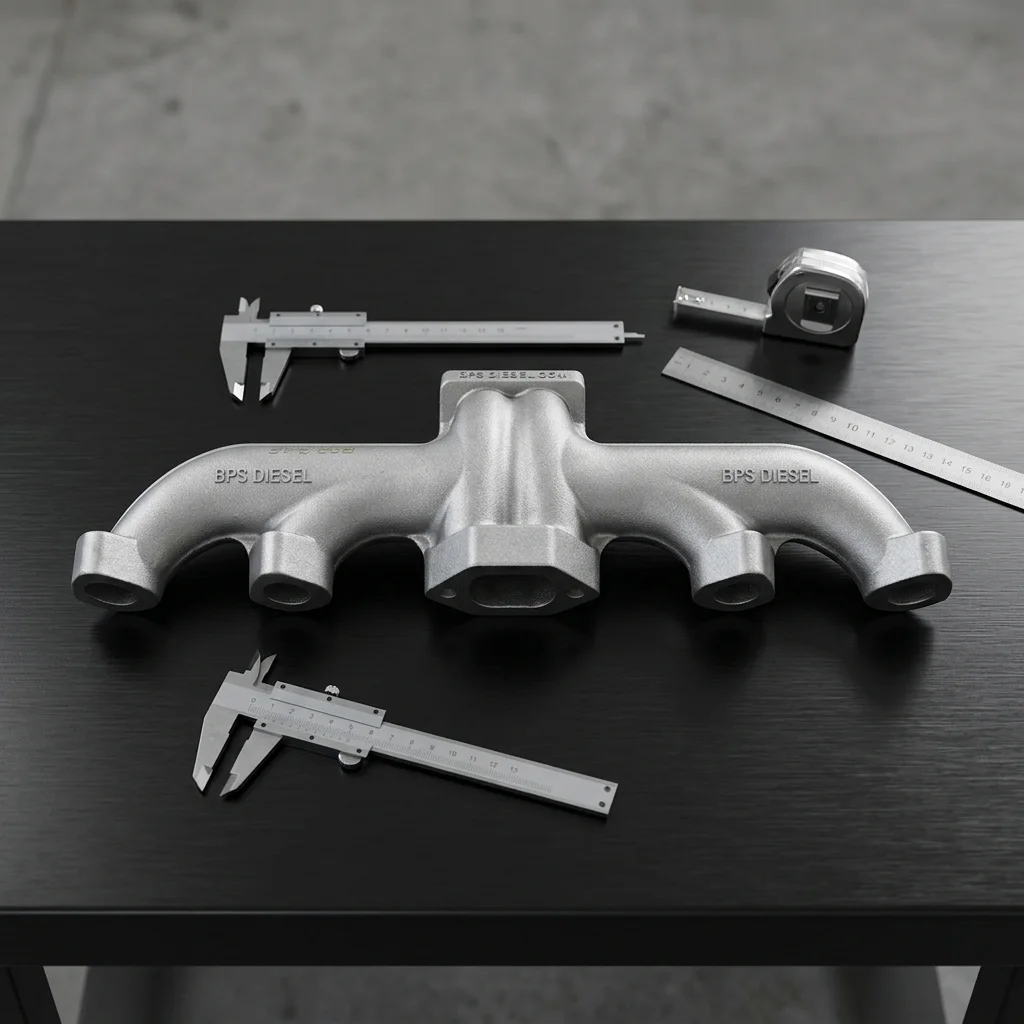
Custom KA24DE-Reference Cast-Iron Exhaust Manifolds — Sand Casting, Thickness Customization and Separate Metalwork Enquiries
Direct factory support
Get a quote that fits your project
Send your drawing or product reference, material grade and required quantity. Relia will review the requirements with you.
- Drawing & specification review
Confirm the supply scope and critical requirements.
- Samples before custom production
Review inspected samples before approving a batch.
- Inspection documents
Agree material and dimensional records for your part.
-
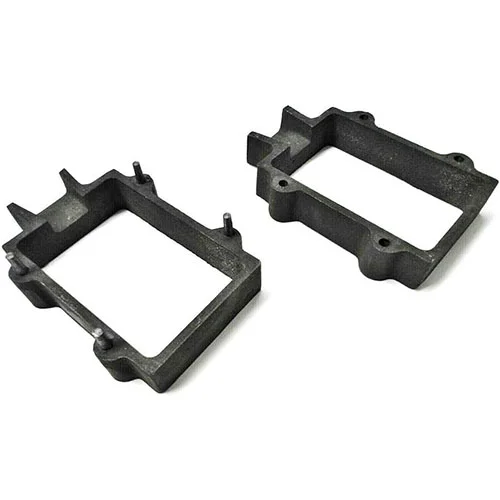
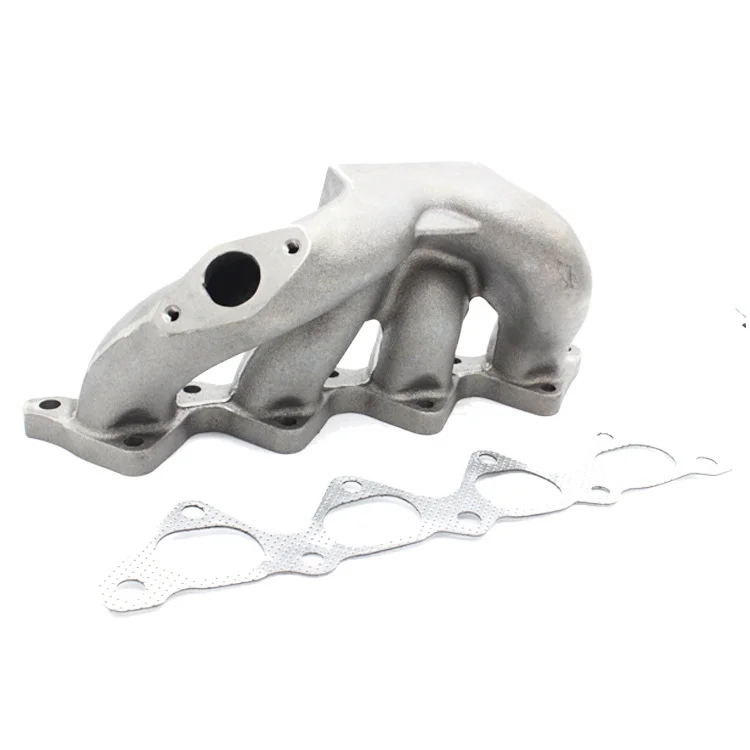
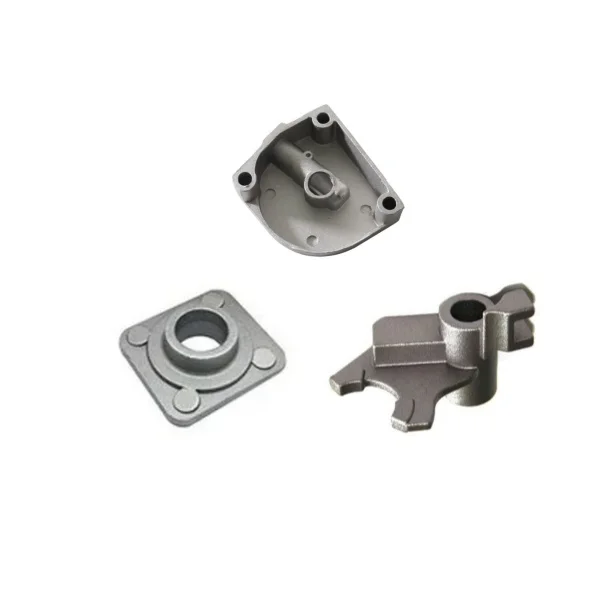
Product nameCustom Ka24de Cast Iron Exhaust Manifold Industrial Sand Castings
-
ThicknesscuatomizedMaterialsZinc, aluminum, copper, steel, powder coating, etc.
-
Surface treatmentElectric plating,powder coated,sand blasting,lacquerProcessPunching, stamping, bending, riveting, etc.
-
TestingTestingOEM/ODMAccept
-
ColorCustom AcceptedDrawing format2D/3D/CAD/DWG//STEP/PDF/IGS
Exhaust-manifold enquiries should match the component geometry to the intended engine installation. This OEM/ODM scope names KA24DE-referenced cast-iron sand castings with customized thickness and color. Separate zinc, aluminum, copper and steel fabrication requests are also included.
Match the KA24DE reference to the actual interfaces
Provide the controlled manifold drawing and the mating geometry required by the assembly. Identify the iron grade, thickness and finished dimensions established by the design. The reference should be checked against that geometry rather than used alone as a replacement-fit guarantee.
- Supply the manifold drawing and required quantity.
- Select the material grade and thickness requirement.
- Mark connection geometry and dimensional acceptance.
- Describe the thermal environment and selected finish.
Specify surface work for the service environment
Electroplating, powder coating, sandblasting and lacquer are named finish choices. Select the treatment appropriate to the actual item and operating conditions. Identify contact areas or surfaces where finishing instructions affect fit or acceptance.
Keep fabricated-component requests separate
Punching, stamping, bending and riveting are additional metalworking options. Define the selected metal and component for those operations instead of applying them as a mandatory sequence to the iron manifold. Each deliverable should retain its own drawing and manufacturing scope.
Agree testing and design-data requirements
Testing is available as an enquiry scope, with the method and acceptance to be specified for the part. Accepted information includes 2D/3D CAD, DWG, STEP, PDF and IGS. The material, interfaces and operating requirements should establish the actual manifold or fabricated component to be supplied.