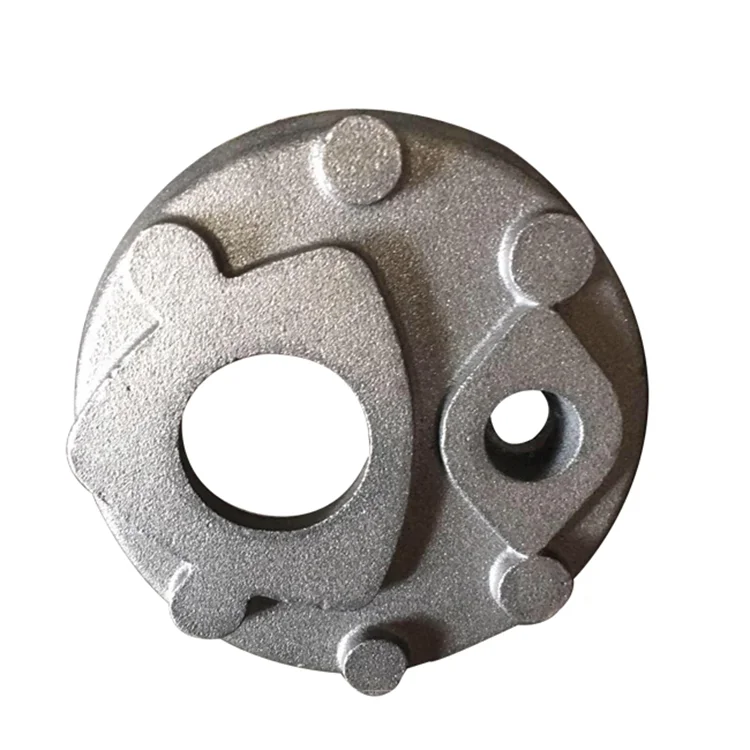
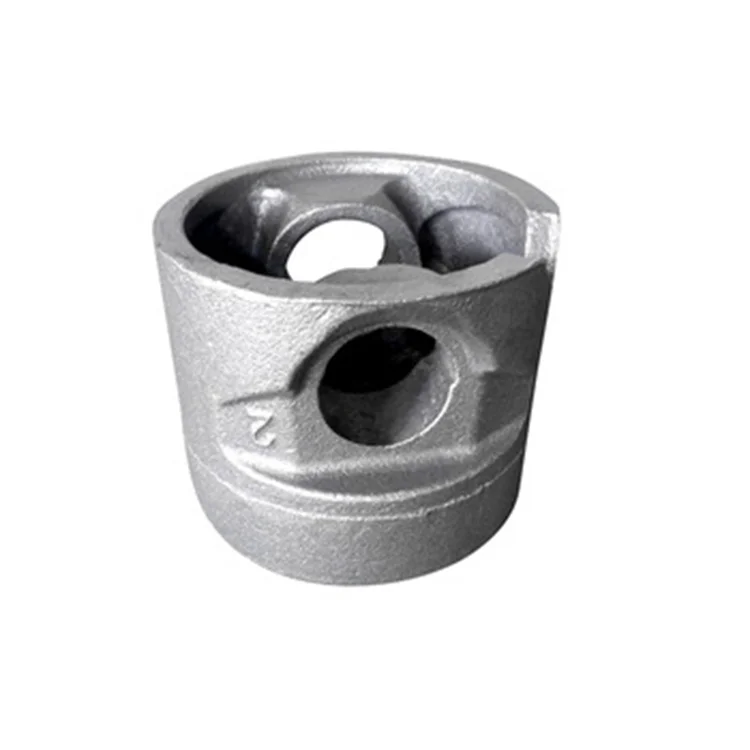
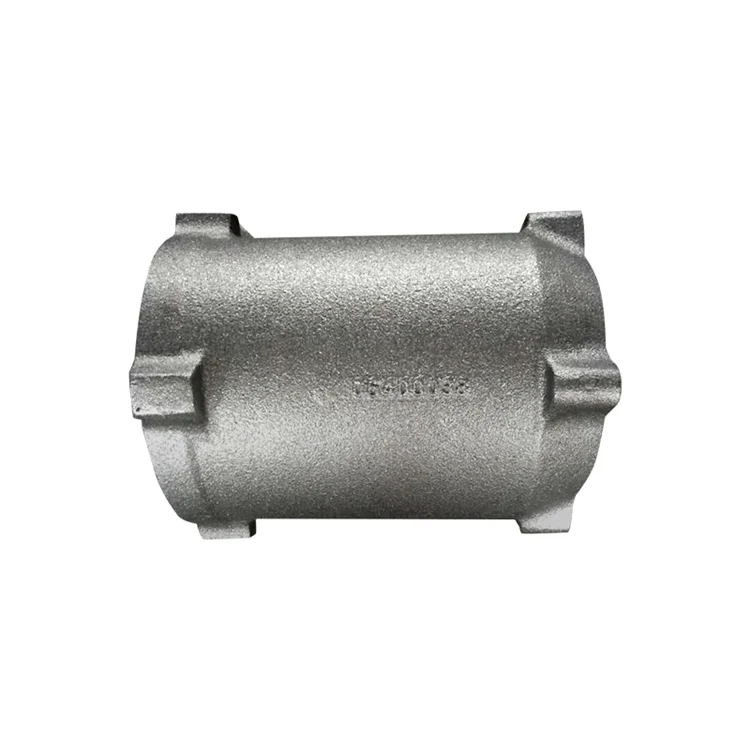
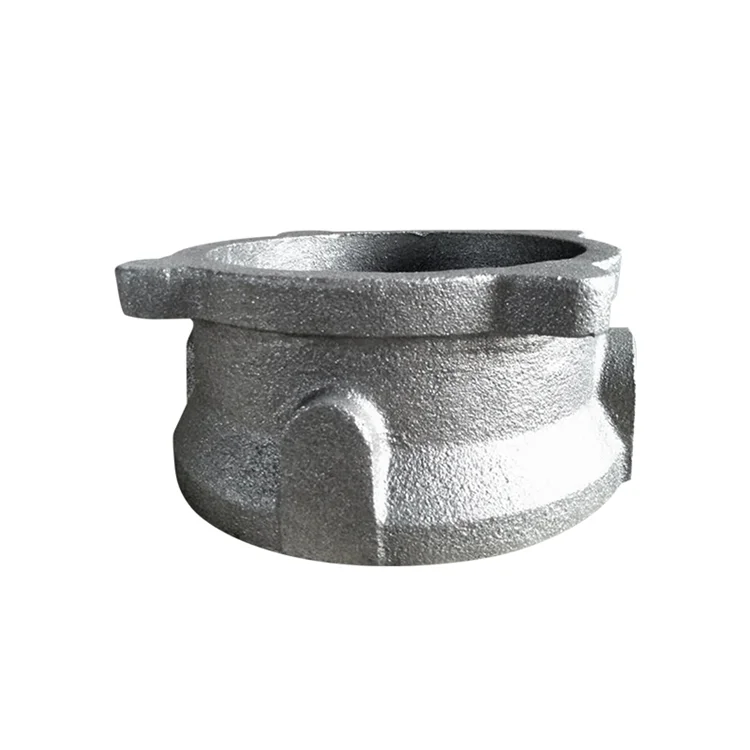
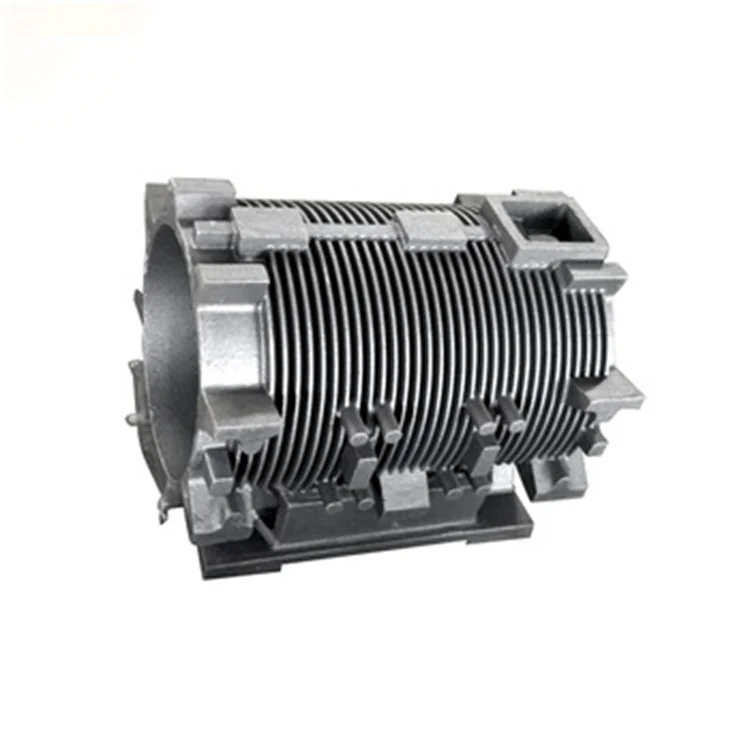
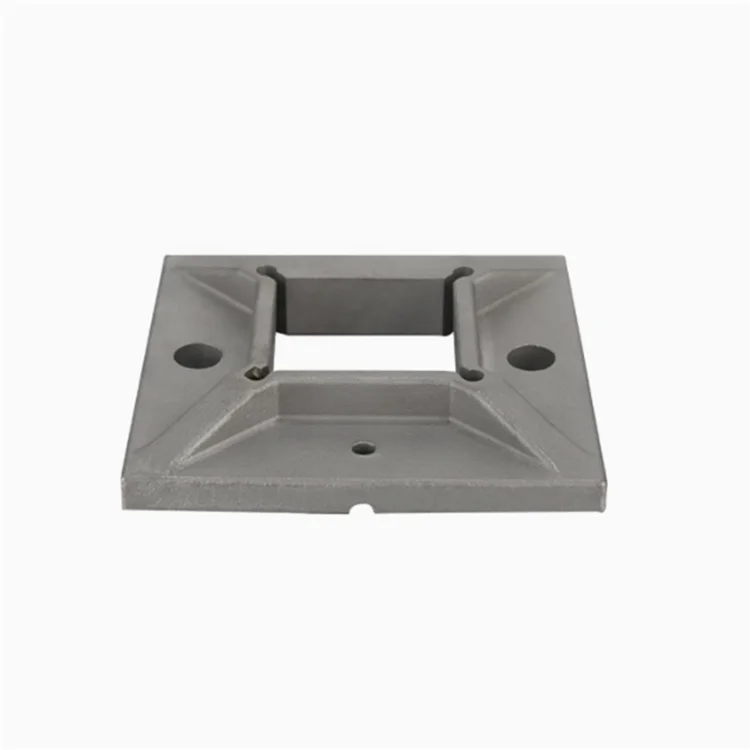
Custom Grey Ductile Iron Sand Cast Parts with CNC Machining 0.01 mm Precision and Drawing Based Inspection Enquiries
Direct factory support
Get a quote that fits your project
Send your drawing or product reference, material grade and required quantity. Relia will review the requirements with you.
- Drawing & specification review
Confirm the supply scope and critical requirements.
- Samples before custom production
Review inspected samples before approving a batch.
- Inspection documents
Agree material and dimensional records for your part.
-
Product nameCustom Cast Iron Foundry Grey Iron Casting High Quality Sand Casting P
-
MaterialGG20,GG25,GG30,GGG50, HT150, HT200,QT450-10, QT500-7, QT600-3Surface treatmentSand blasting, Mill Finishing,primerAntirust oil
-
Applicationindustry Machinery parts/ equipment/Agriculture/Farming accessoriesServiceOEM ODM Customised
-
Drawing Format3D Drawing:.step/.stp /igs, 2D Drawing: .dxf/ .dwg / .pdf /jpgTolerance0.01mm
-
DeliveryExpress for sample, oceanshipping/air for mass productionInspection, Dimension, Heat treatment,Hardness, NDT, Surfac
-
ProcessCasting +Machining(if Need)+surface Treatment
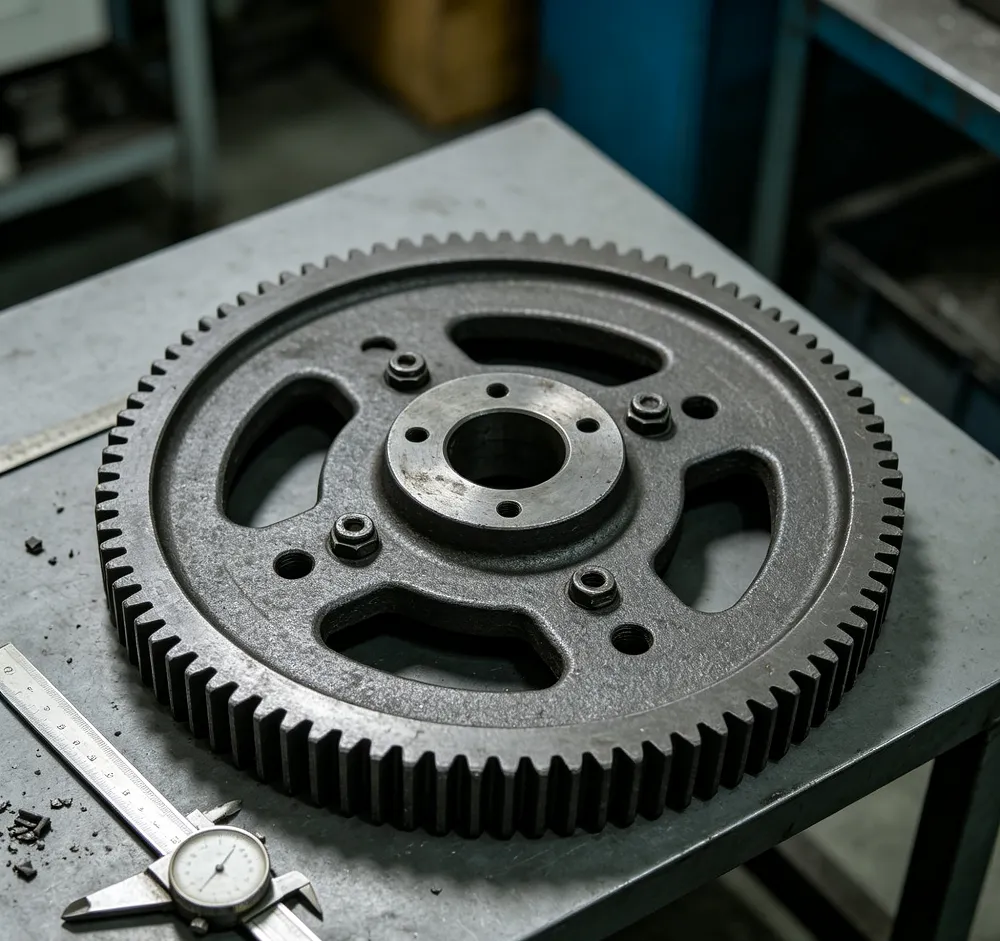
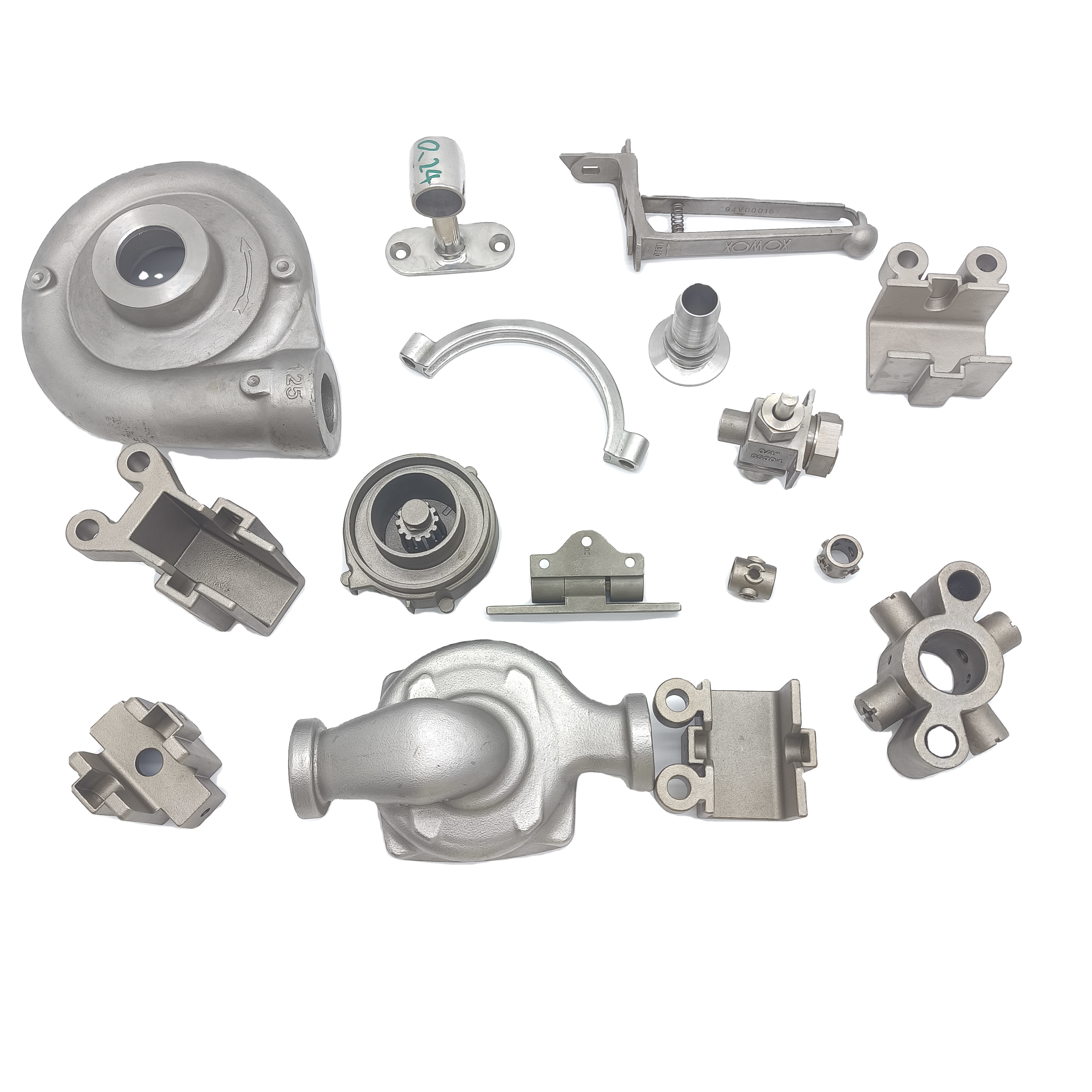
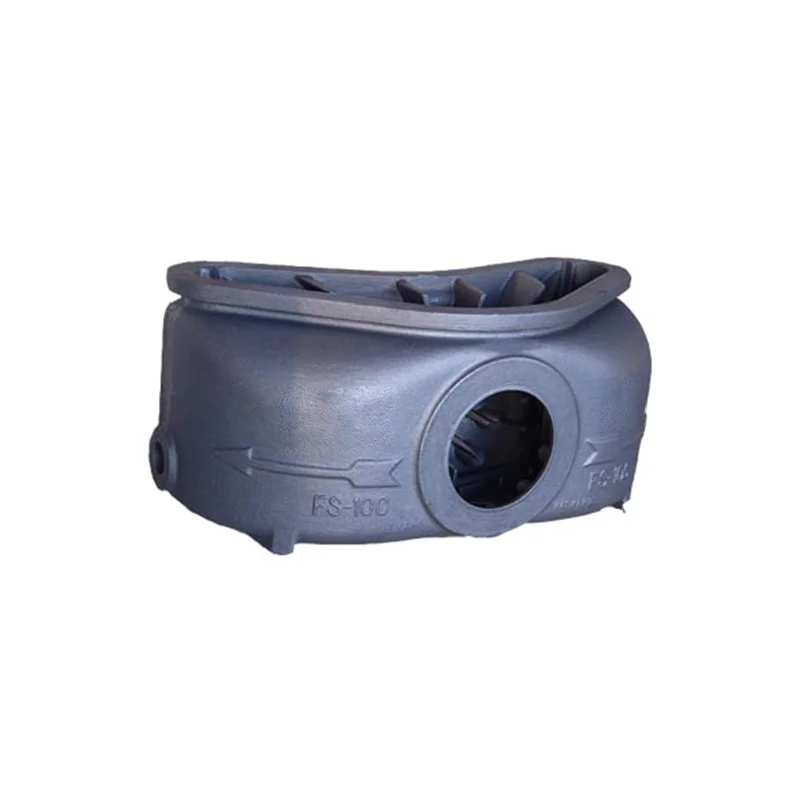
OEM/ODM iron sand castings with CNC machining serve machinery, equipment and agricultural components. Choose the governing grade and specification for the actual drawing. Available references are GG20, GG25, GG30, GGG50, HT150, HT200, QT450-10, QT500-7 and QT600-3.
Assign precision to the supplied component
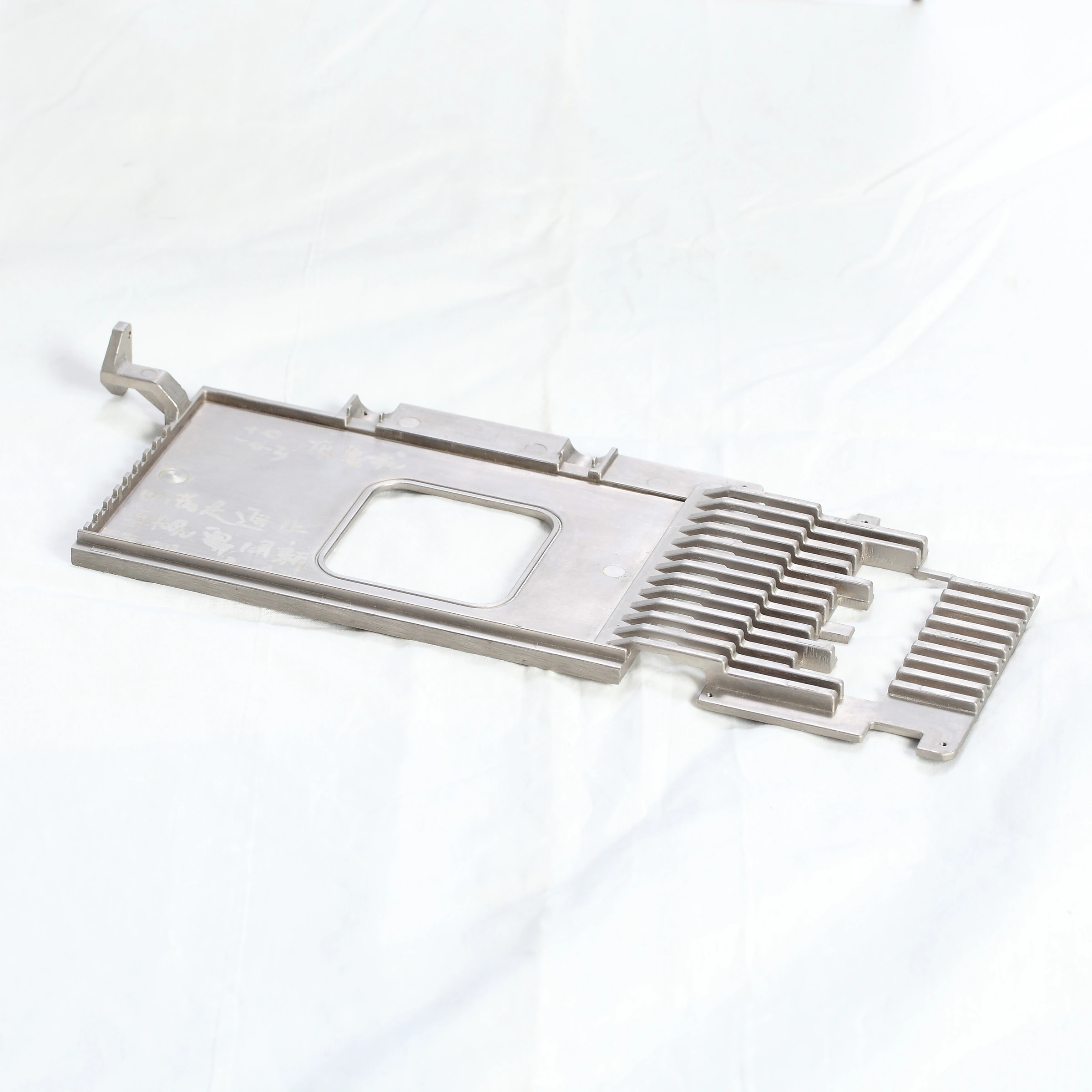
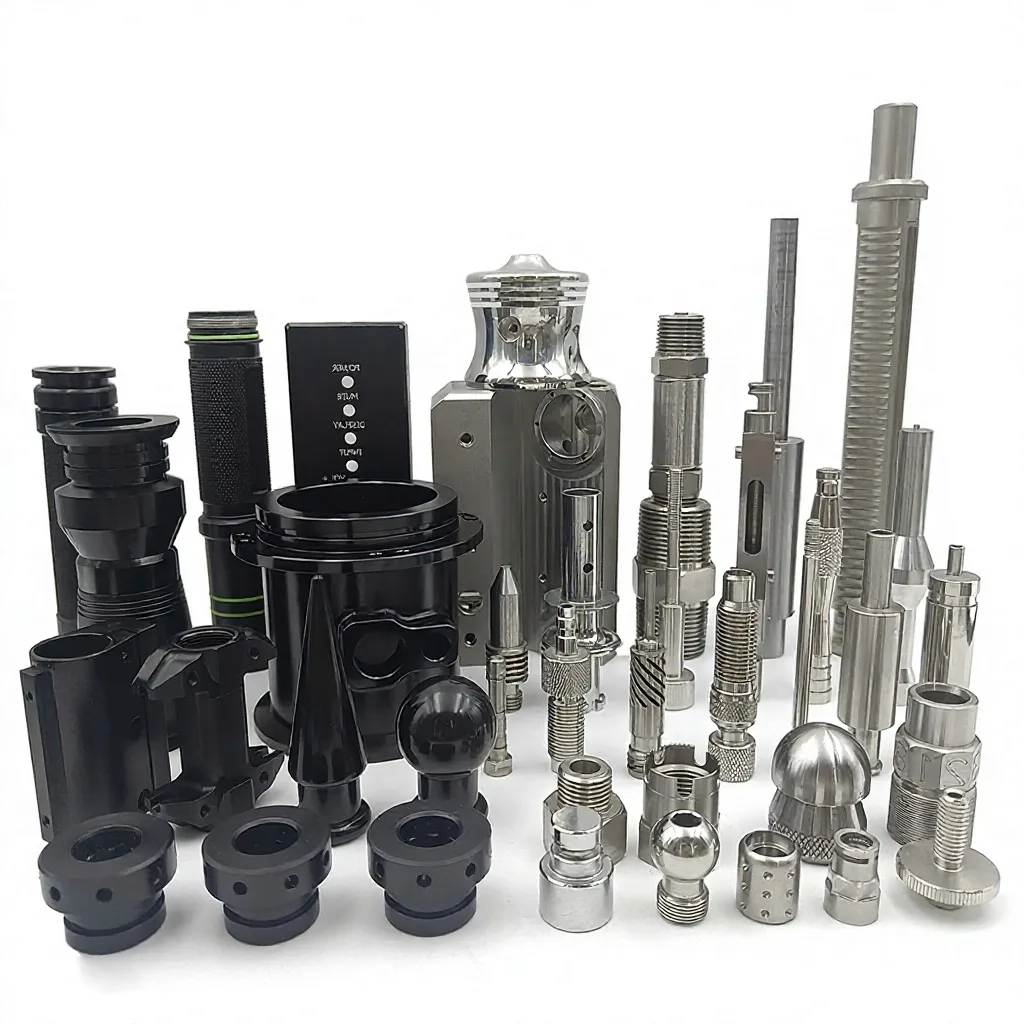
For the chosen machinery or agricultural part, agree how the 0.01 mm reference applies to its controlled interfaces and finishing stage. Mark the dimensions, allowable limits and datums used to assess fit. Distinguish cast-state geometry from interfaces requiring CNC work.
Select the surface and inspection requirements
Sand blasting, mill finishing and primer or anti-rust-oil requirements are named options. Specify coverage and the delivered condition at working or contact areas. Inspection references cover dimensions, heat-treatment condition, hardness, NDT and surface condition; define the methods, scope and acceptance limits for the component.
Provide coordinated drawing data
Information can be supplied as 3D STEP, STP or IGS and 2D DXF, DWG, PDF or JPG. Keep their revision and geometry aligned. Identify material and dimensional approval records, including the characteristics an approval sample must demonstrate.
Retain one production-acceptance basis
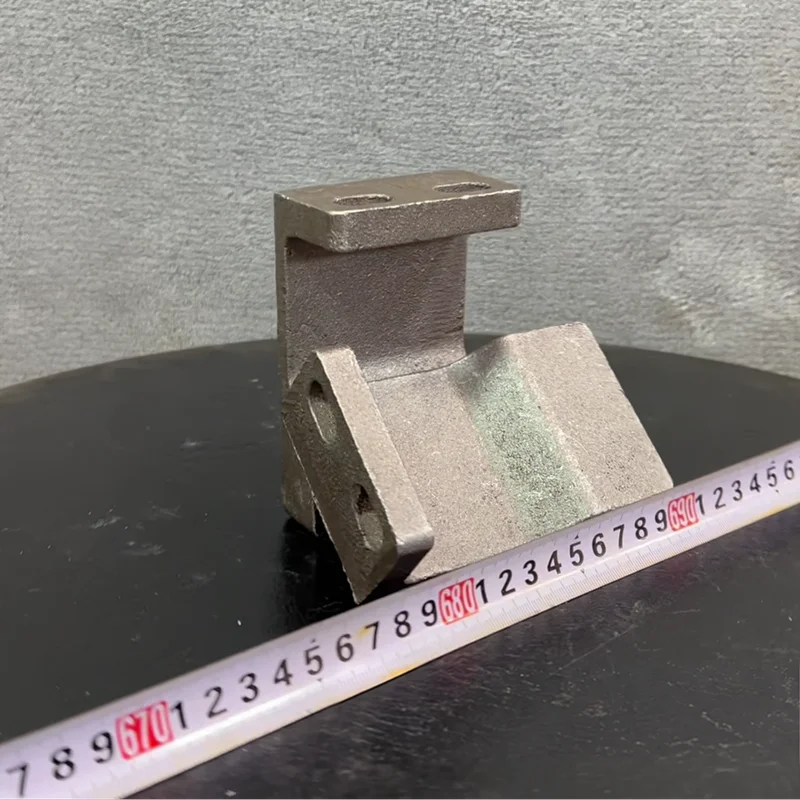
Provide quantity and the selected material condition with the required final surface. If an existing part illustrates the enquiry, identify wear or damage and show where the drawing governs. Carry the agreed grade, CNC interfaces and supplied-state definition into production acceptance so the custom casting order remains tied to the intended component.