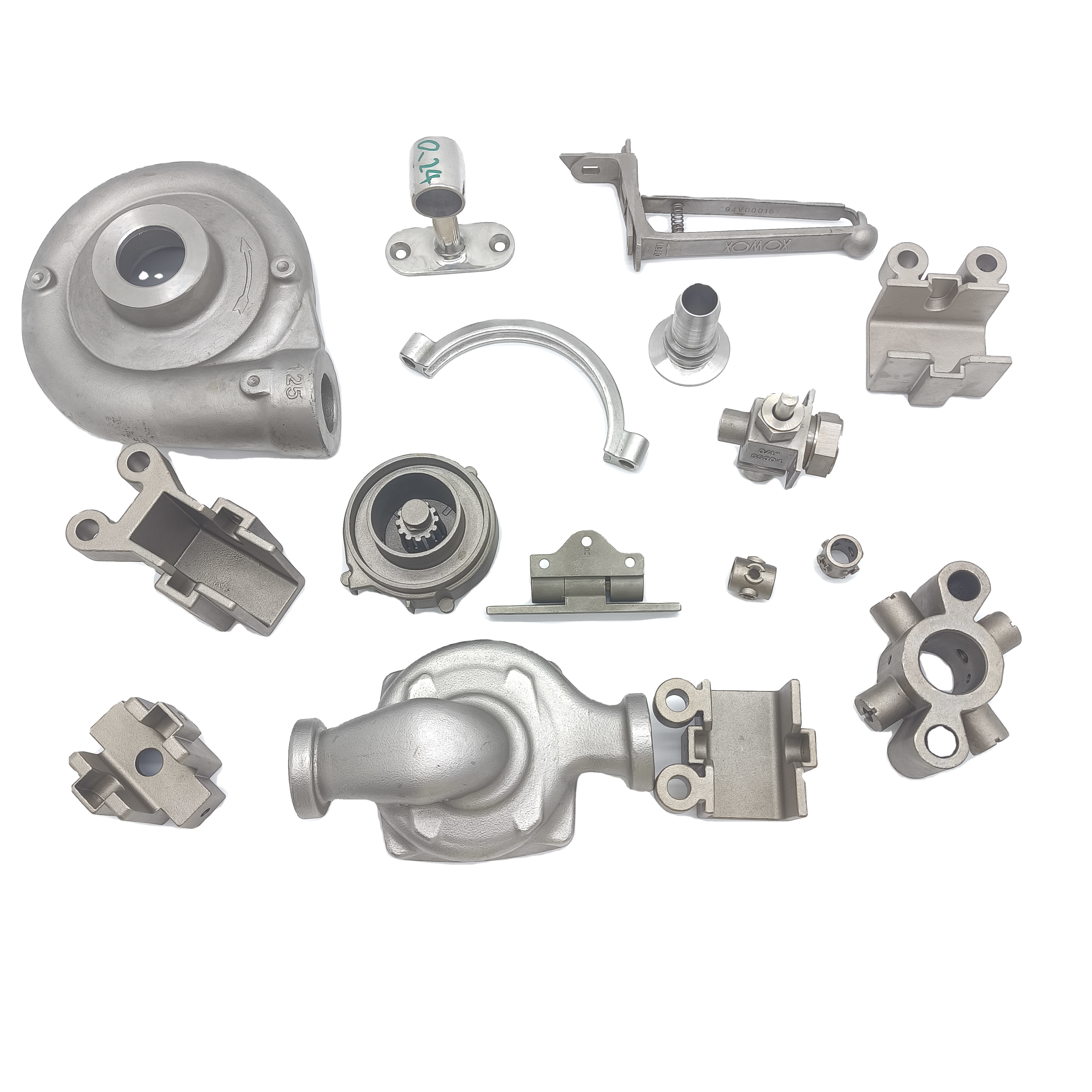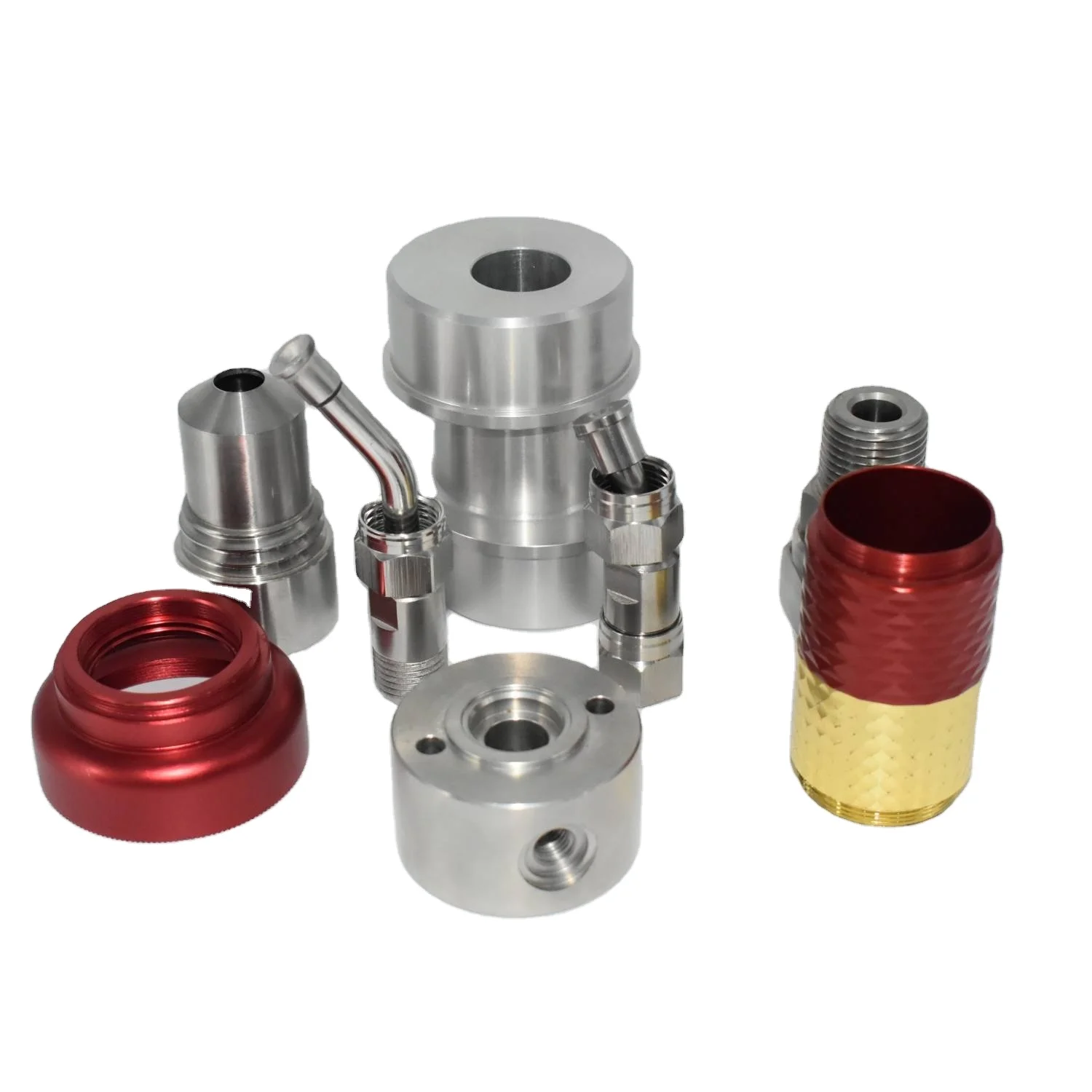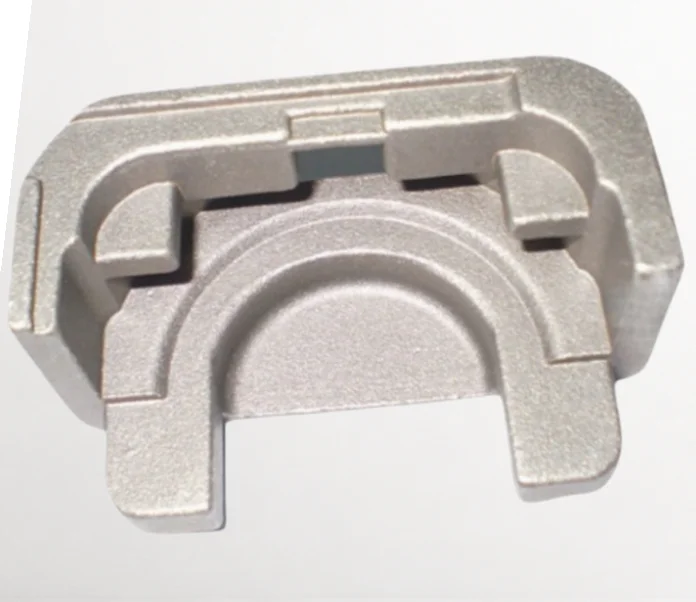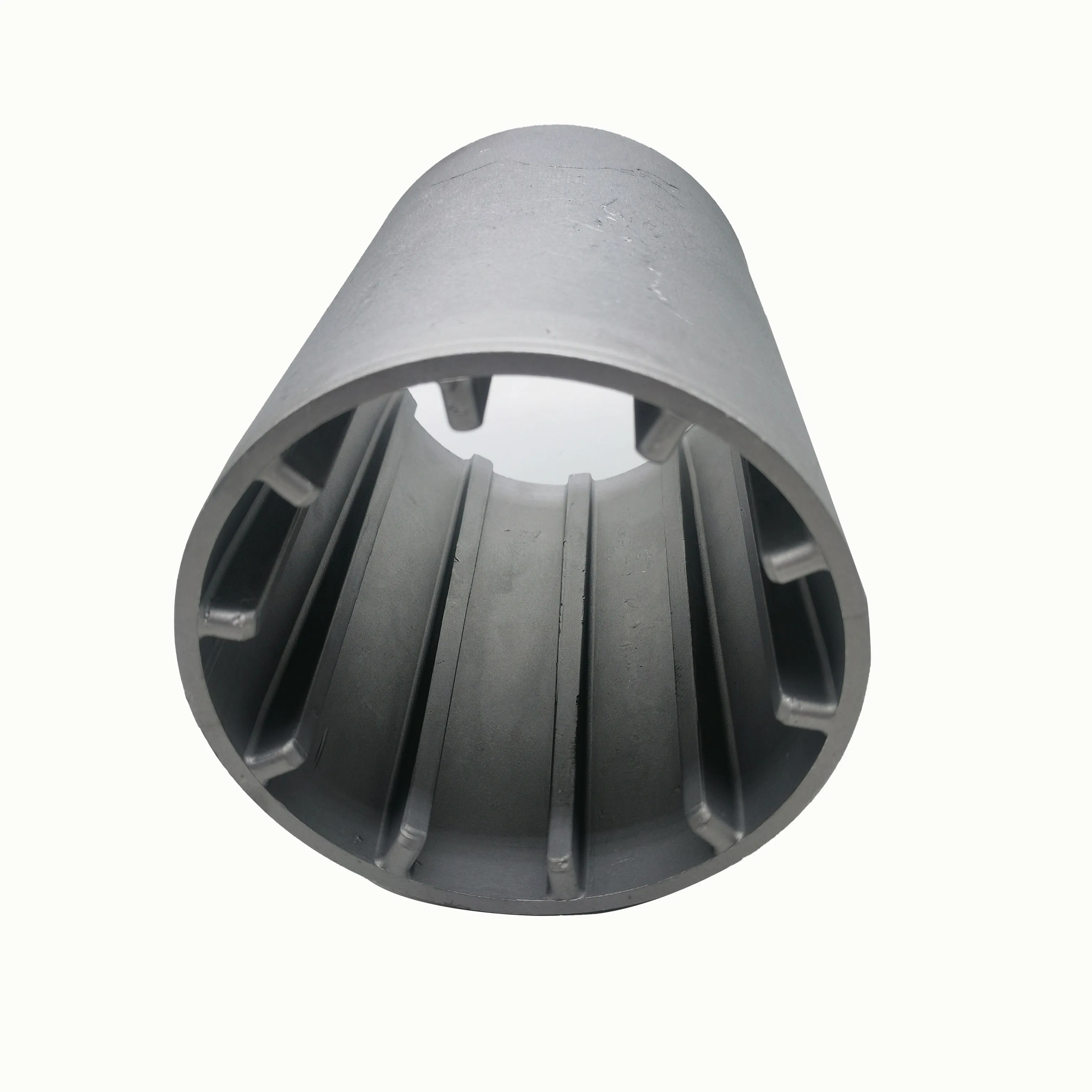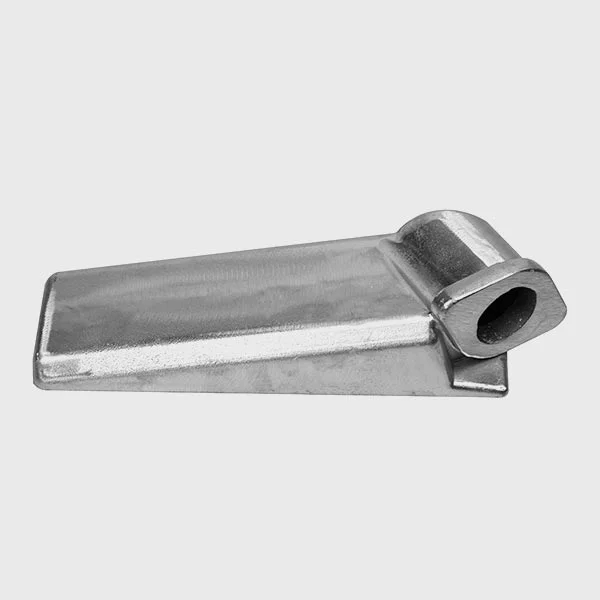
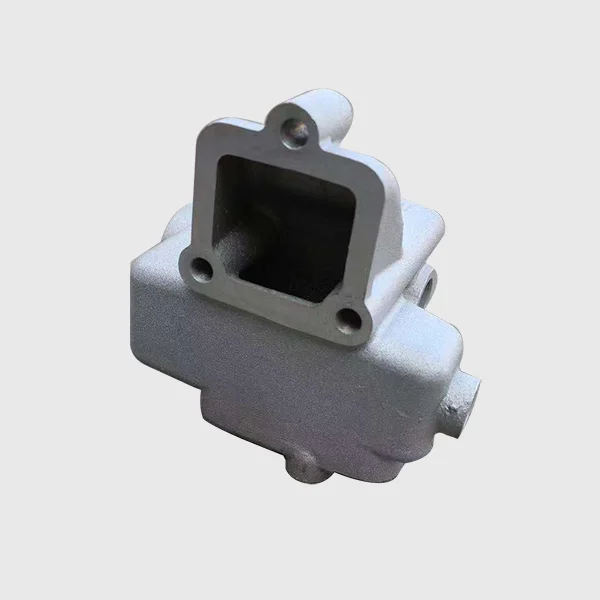
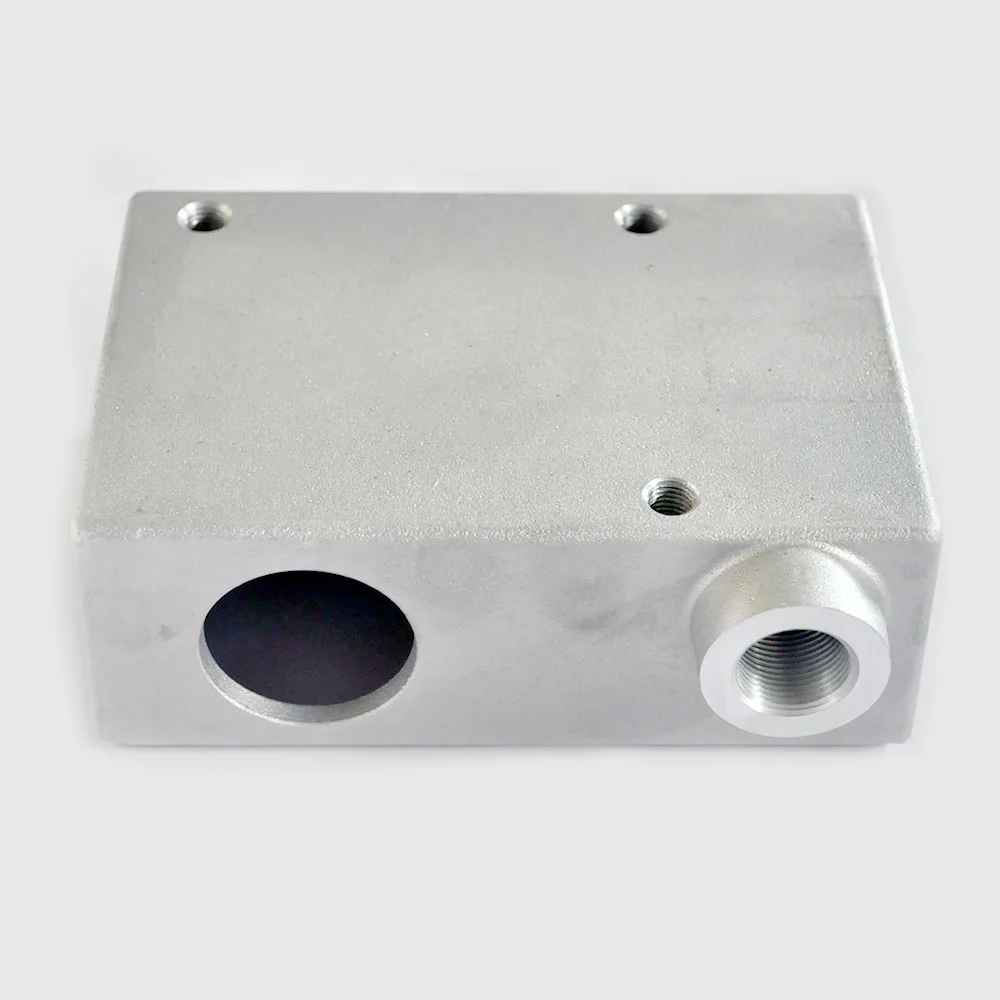
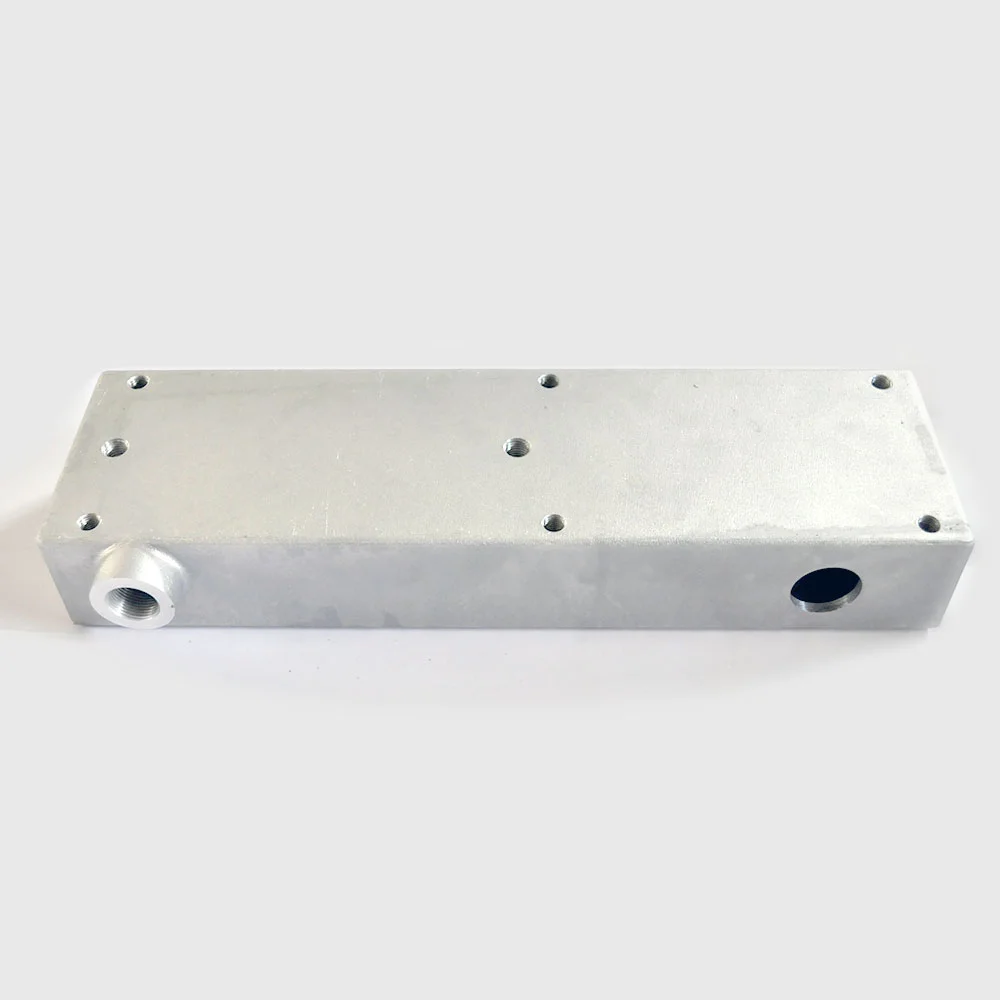
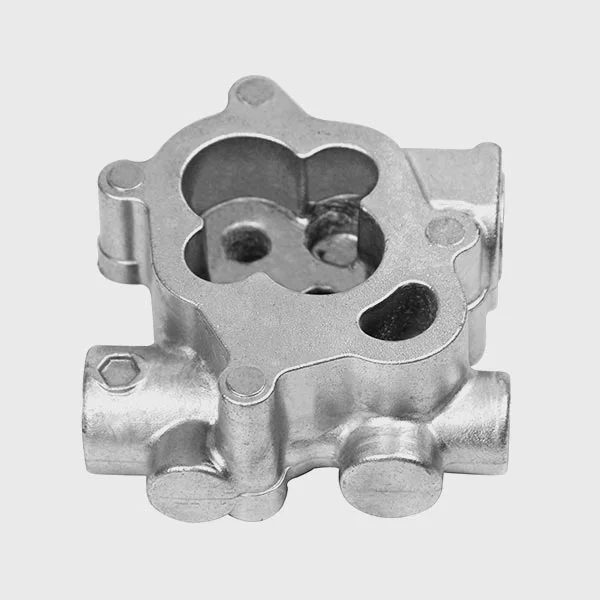
Custom Grey-Iron Resin-Coated-Sand Cast Components — Shell-Molding Casting Service to Drawing
Direct factory support
Get a quote that fits your project
Send your drawing or product reference, material grade and required quantity. Relia will review the requirements with you.
- Drawing & specification review
Confirm the supply scope and critical requirements.
- Samples before custom production
Review inspected samples before approving a batch.
- Inspection documents
Agree material and dimensional records for your part.
-
MaterialIronCasting MethodShell molding casting
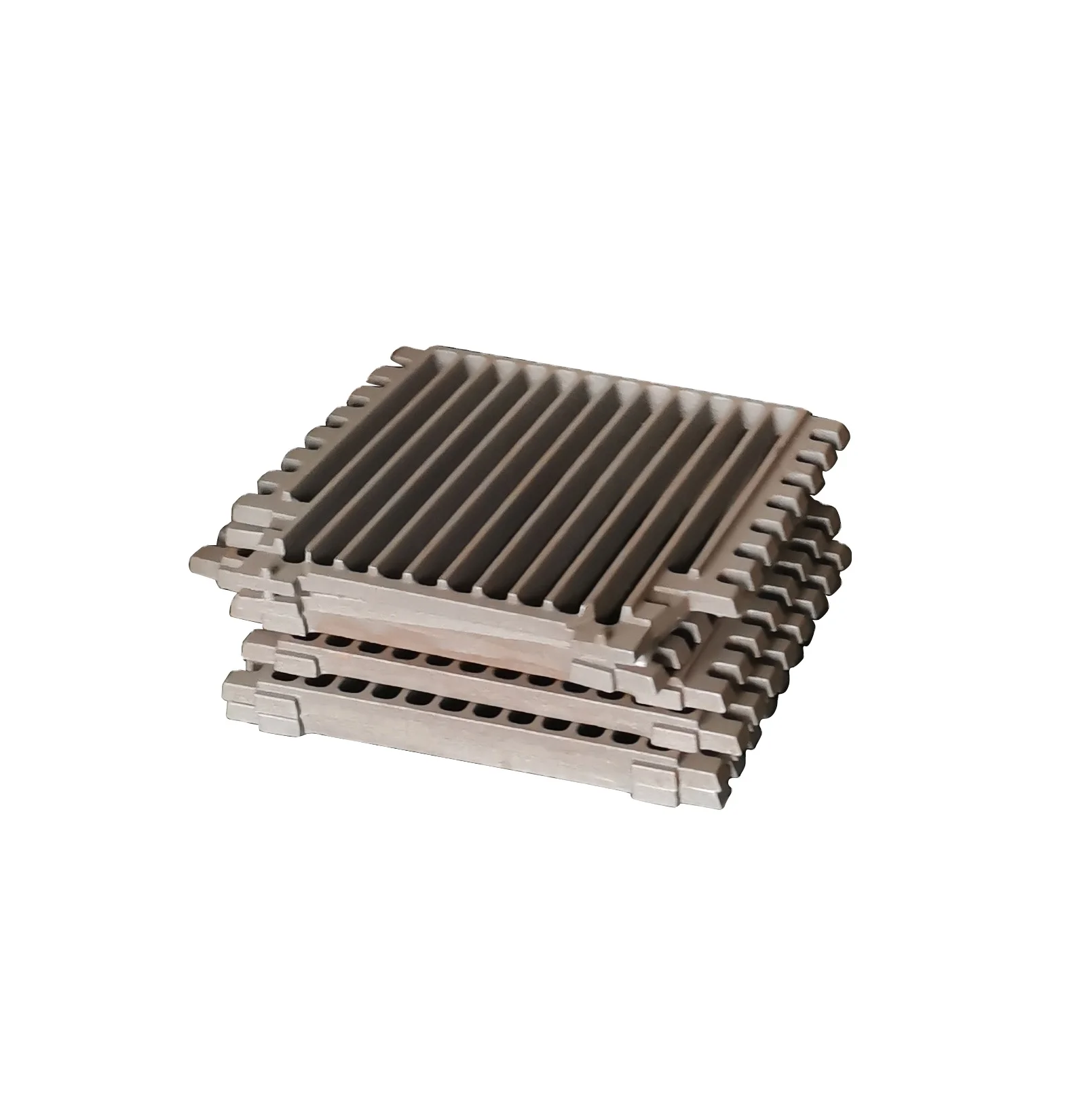
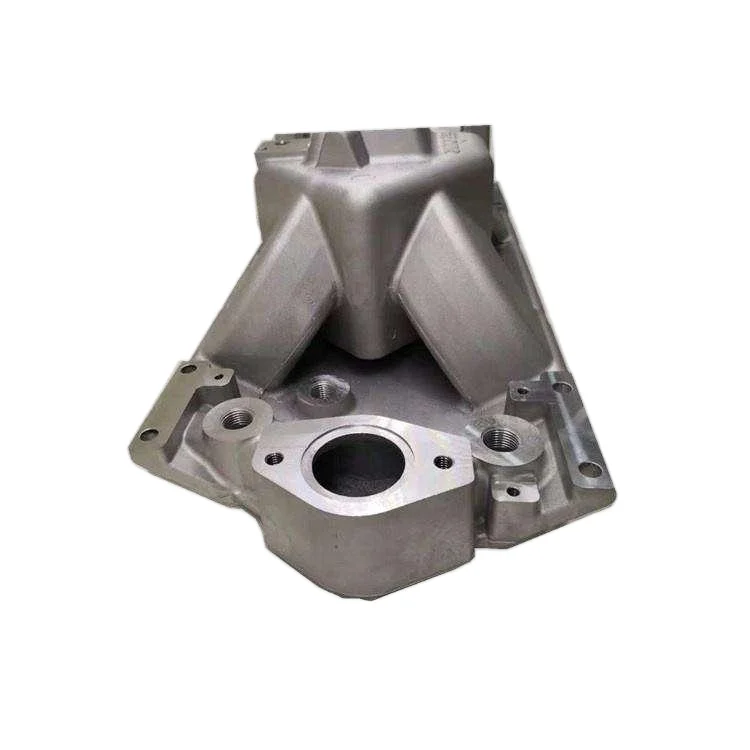
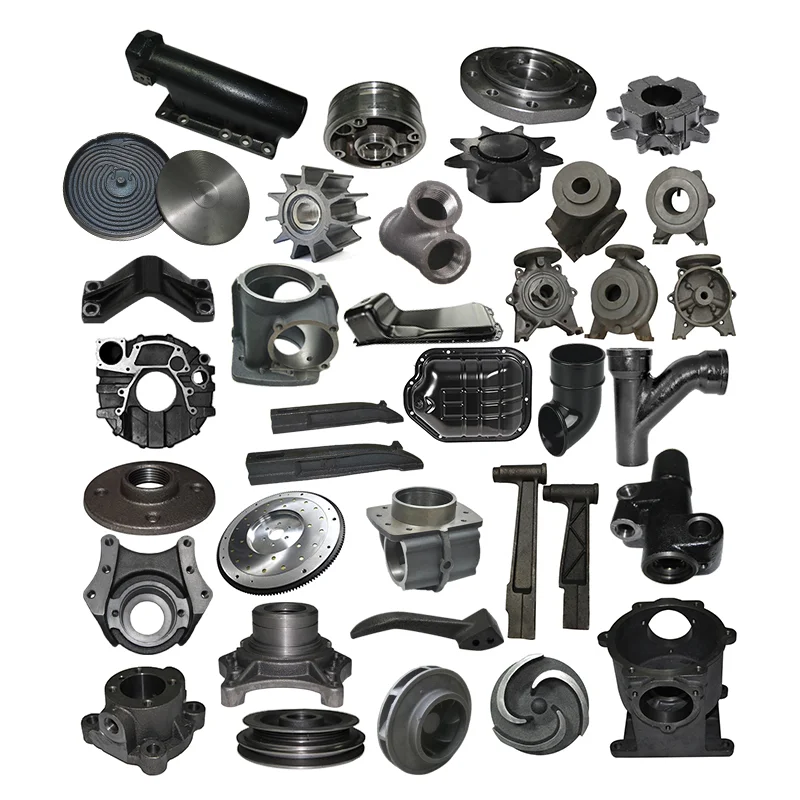
Grey-iron component enquiries are offered using resin-coated-sand and shell-molding casting. The requested part should be defined through its complete material grade, controlled drawing and the condition required when the casting is supplied.
Describe the component and its interfaces
Provide the overall geometry and explain how the part works within the assembly. Identify the mounting, locating and other mating surfaces that influence acceptance. The selected grade and component function give the casting enquiry a clearer material and dimensional requirement.
- Submit the grey-iron component drawing and revision.
- Specify the full grade and governing material document.
- Mark functional dimensions and relevant datums.
- Describe the supplied surface and any additional work requested.
- State quantity and the checks needed for acceptance.
Define the condition at each controlled surface
Identify the dimensions accepted on the casting and any further processing needed for the actual item. Put the required limits and supplied stages on the drawing so the quotation can address the component's interfaces. Surface requirements should state the result needed for use or appearance rather than relying on a broad finish description.
Use an agreed inspection brief for purchasing
Specify the material, dimensional and surface checks relevant to the selected part, including methods and acceptance criteria where needed. Keep the required records with the drawing and material designation. This gives the supplier a practical basis for discussing the proposed casting and gives purchasing one consistent reference for the supplied component.