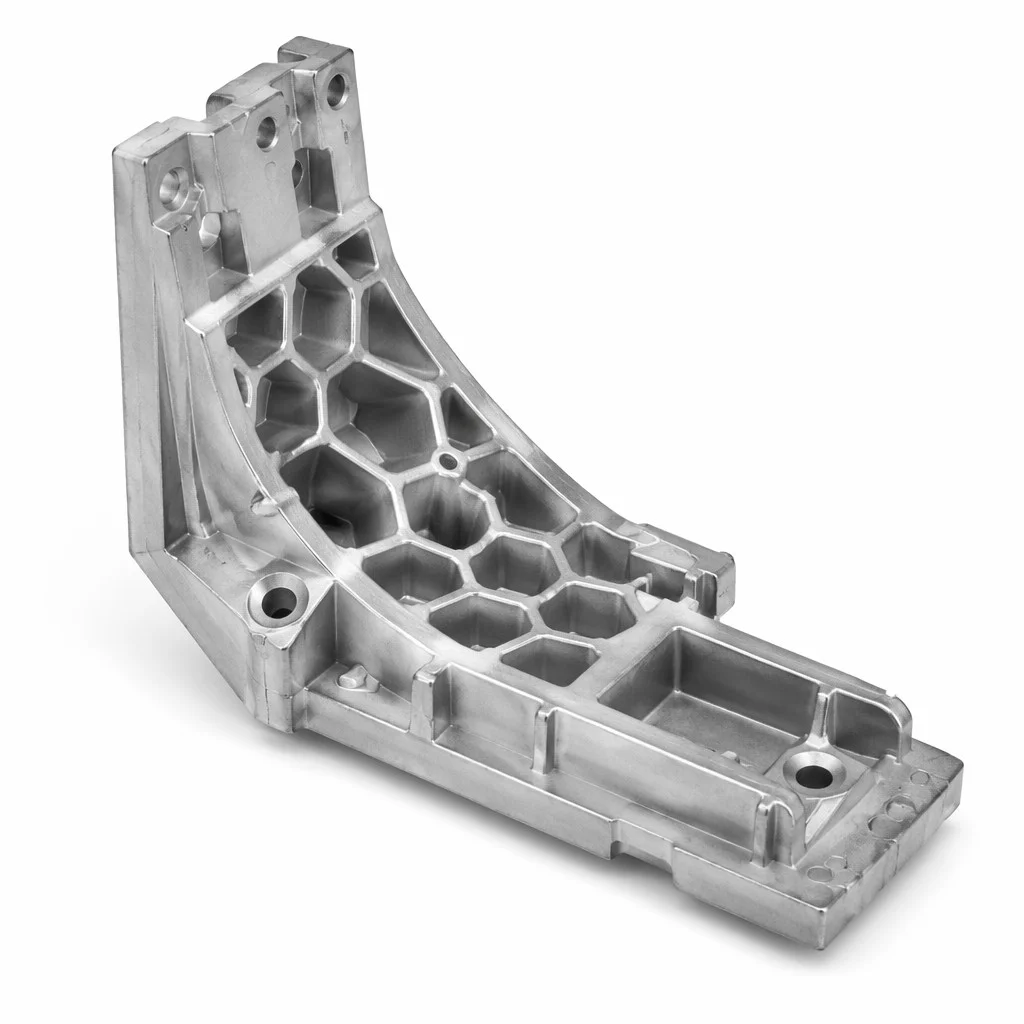
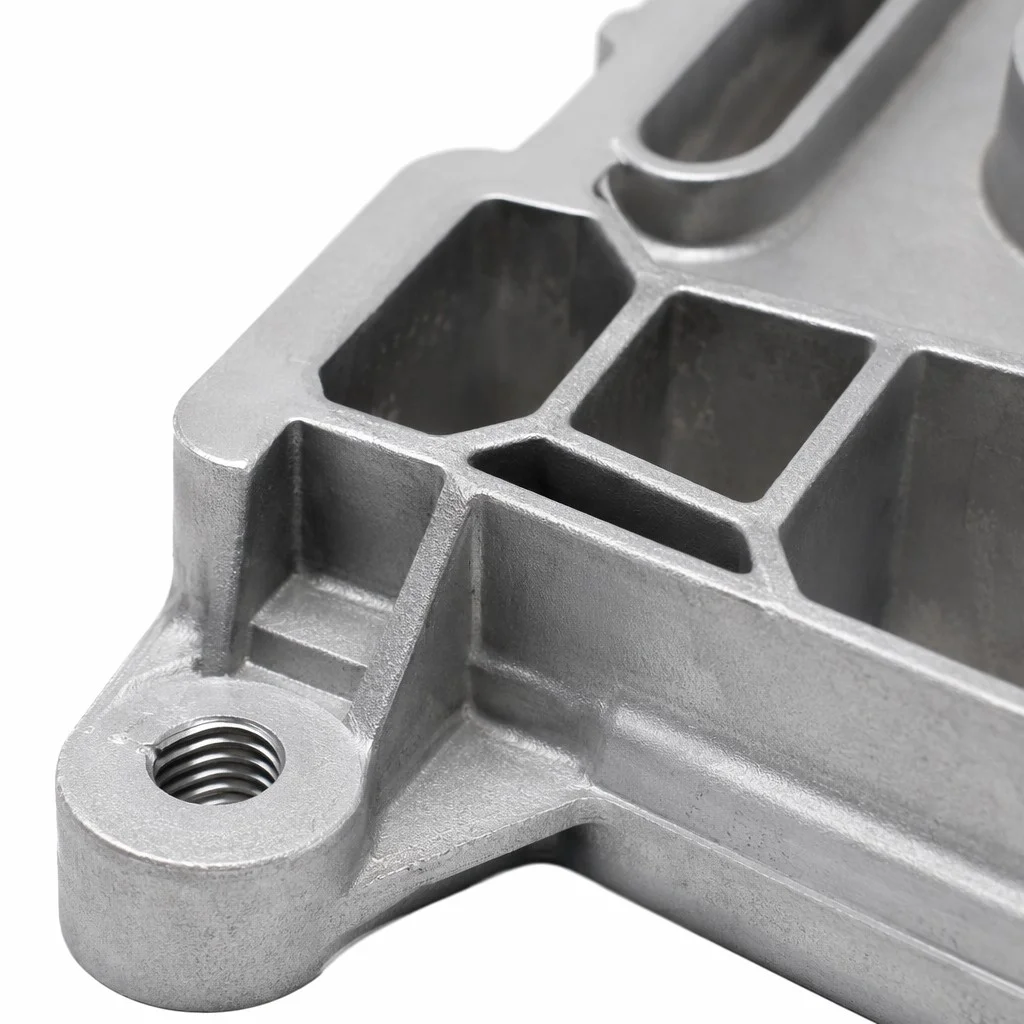
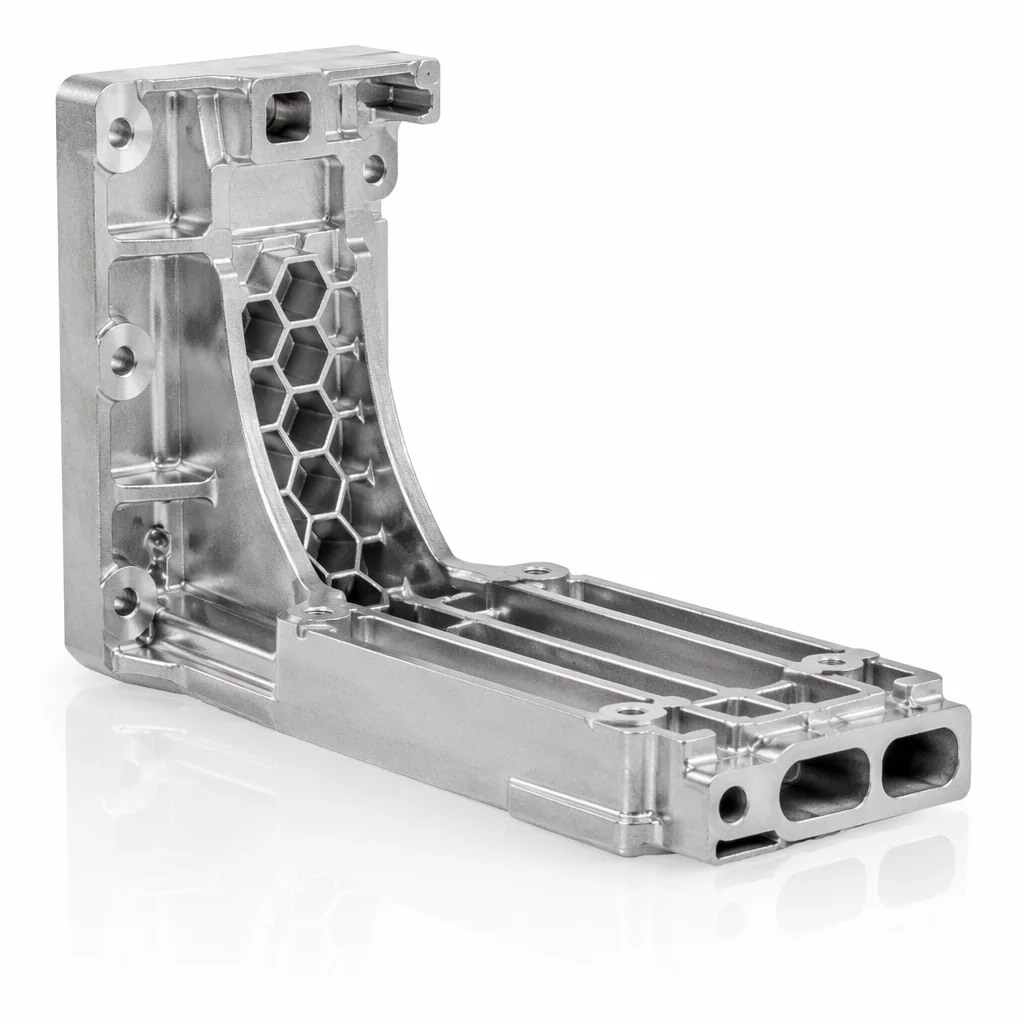
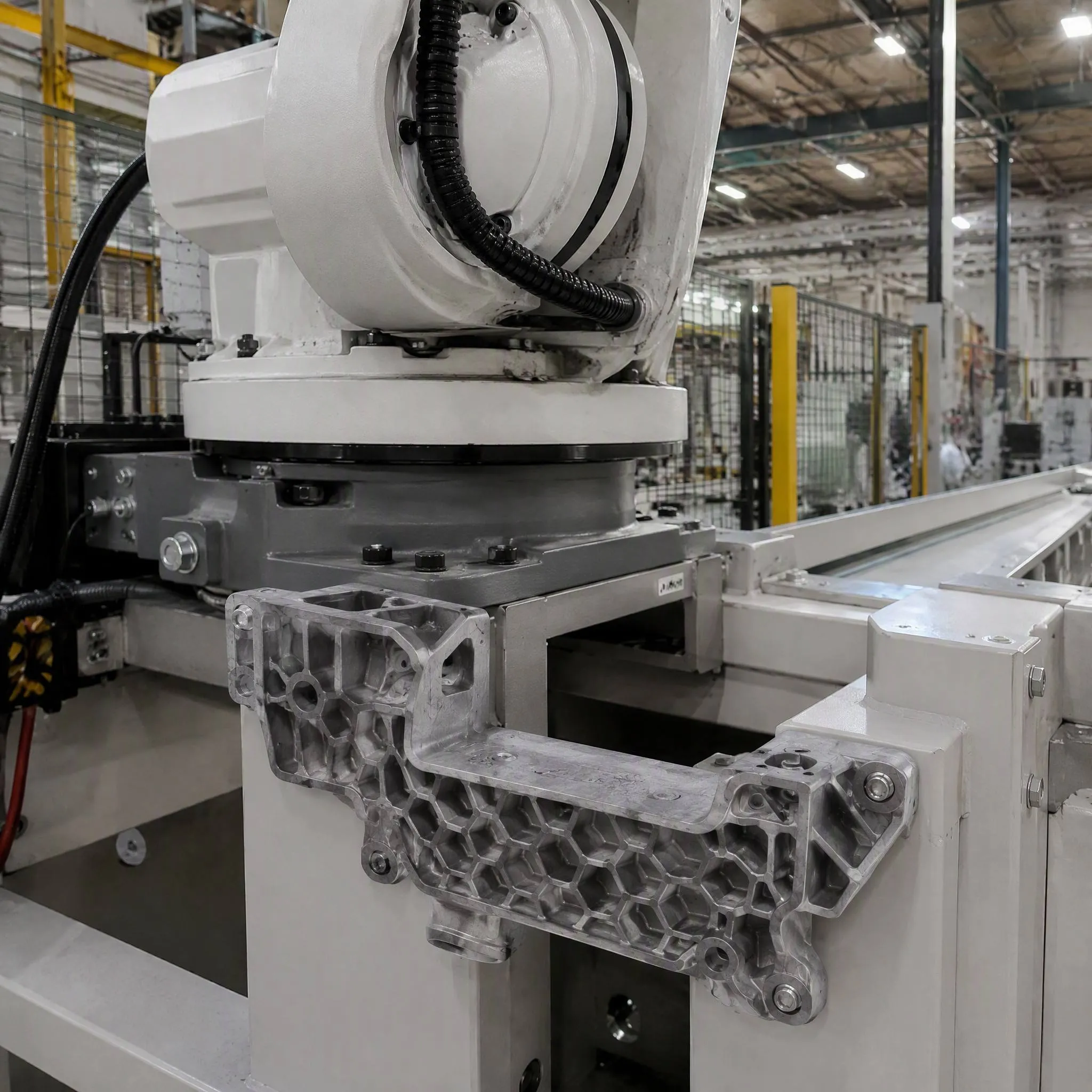
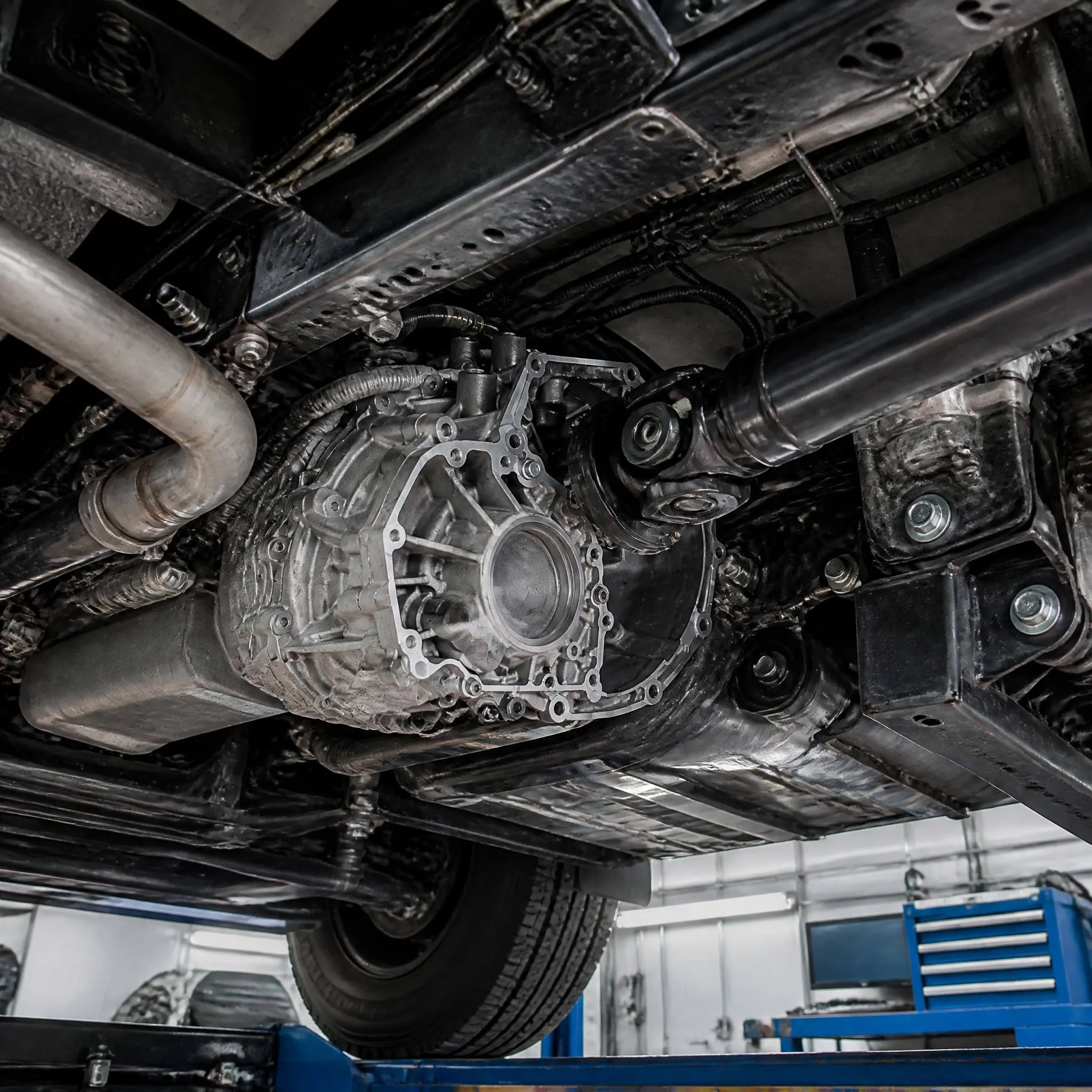
Custom High Strength Aluminum Suspension Steering Knuckles Sand Cast and CNC Machined with M12 Thread
Direct factory support
Get a quote that fits your project
Send your drawing or product reference, material grade and required quantity. Relia will review the requirements with you.
- Drawing & specification review
Confirm the supply scope and critical requirements.
- Samples before custom production
Review inspected samples before approving a batch.
- Inspection documents
Agree material and dimensional records for your part.
-
SizeCustomSurface TreatmentPainted
-
MaterialsAluminum AlloyProduct TypeAluminum Steering Knuckle
-
Manufacturing ProcessCasting and CNC MachiningMaterialAluminum Alloy
-
Casting TypeHigh Strength CastingMachiningCNC Machined Bores and Mounting Holes
-
Thread SpecificationM12 ThreadQuality GradeStable OEM Quality
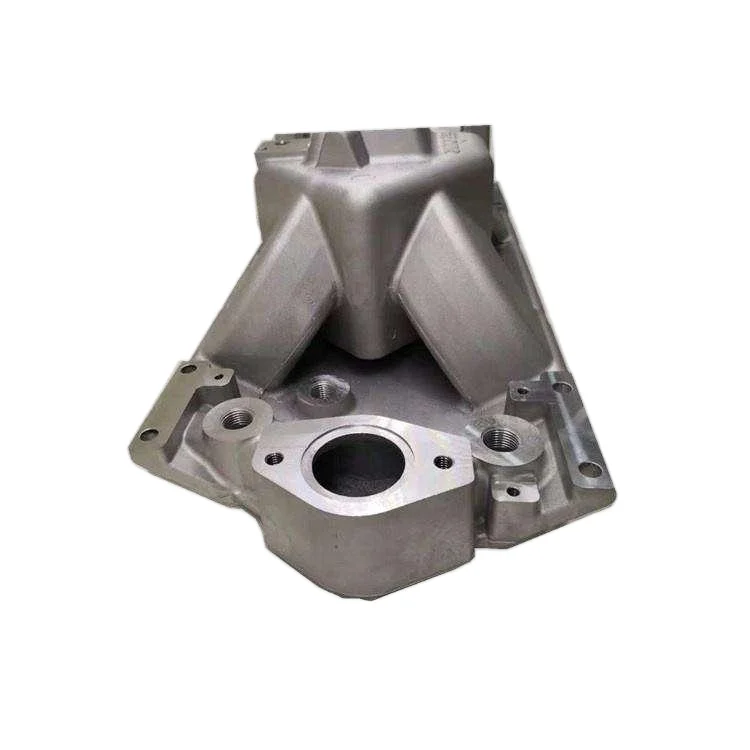
Custom OEM aluminum-alloy steering-knuckle enquiries cover automotive suspension parts made by sand casting and CNC machining. Bores and mounting holes are named machined areas, and an M12 thread is specified. The component drawing should define the actual vehicle application and the required supplied condition.
Locate the suspension interfaces on one drawing
Show the mounting arrangement, controlled bores and datums that establish the part’s position in the assembly. Identify the relationships needed between those areas and any adjacent geometry relevant to fitment. Specify the complete thread pitch, engagement and acceptance for the threaded connection.
- State the full aluminum grade and required condition.
- Provide the controlled drawing revision and quantity.
- Mark finished dimensions and their measurement references.
- Identify material and dimensional approval records.
- Define design-specific service and testing requirements.
Make the strength requirement component specific
High-strength and heavy-duty requests should carry the operating duty and acceptance criteria of the actual knuckle design. The quality brief should identify which requirements come from the OEM drawing and which checks are needed to approve the supplied component. This creates a defined basis for reviewing the casting and finished geometry.
Set the painted and contact-surface condition
The named finish is painted. Mark the coating boundaries and any areas requiring masking at bores, threads or mounting faces. Define the appearance and contact-surface condition used for approval, with any sample assessment tied to the same material and drawing requirements as the order.