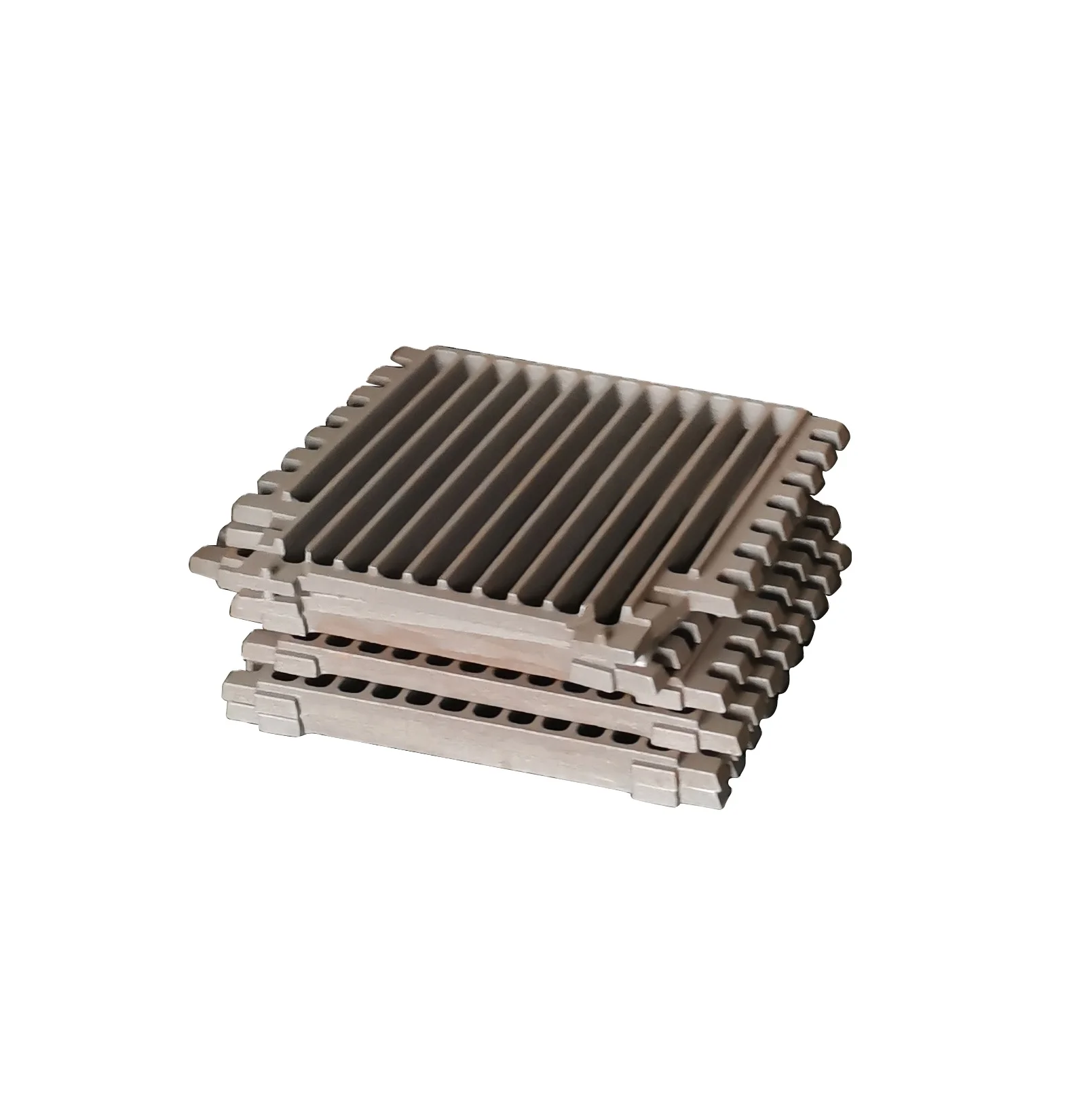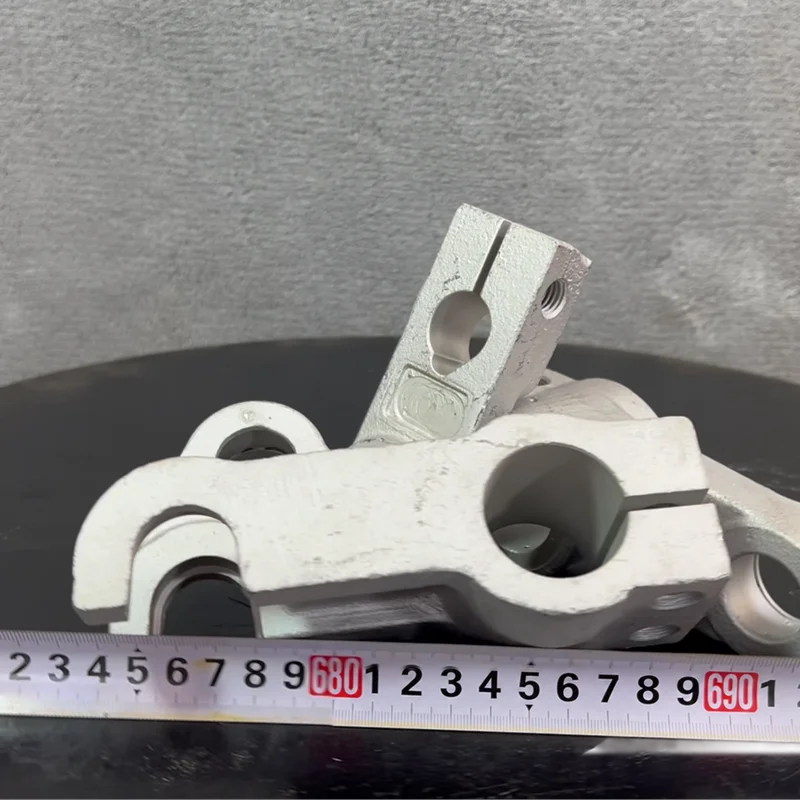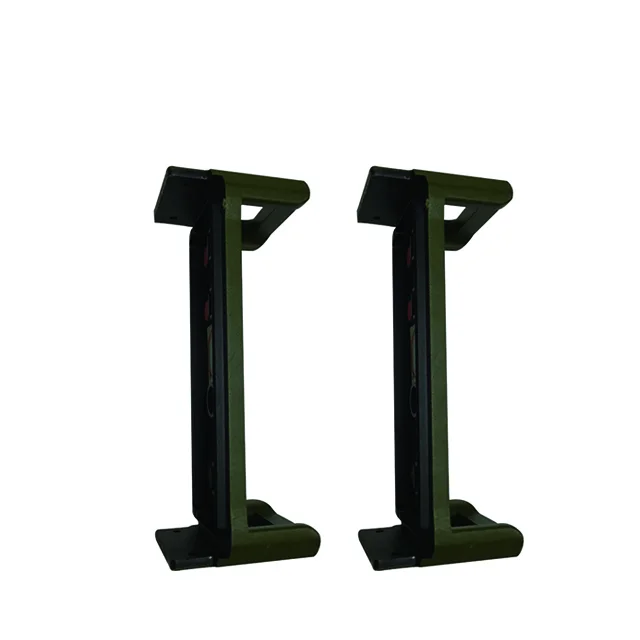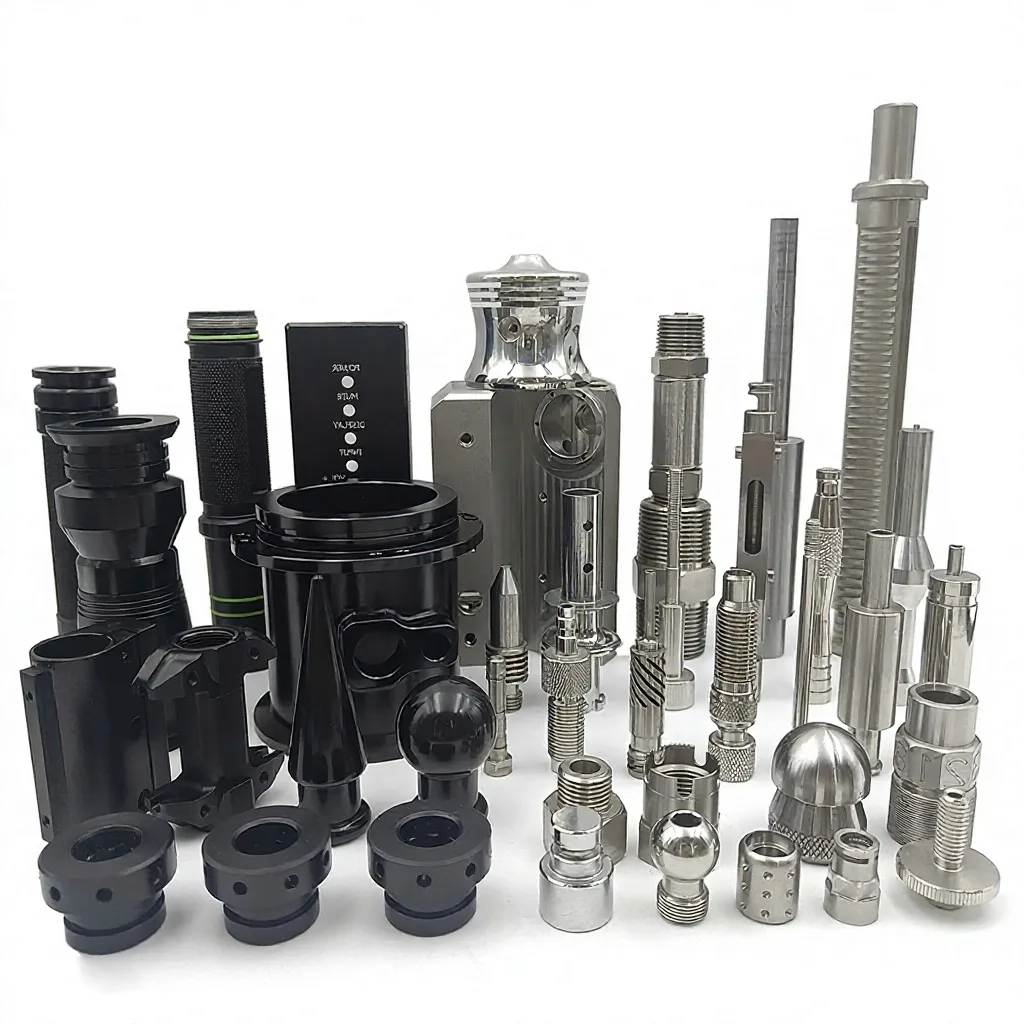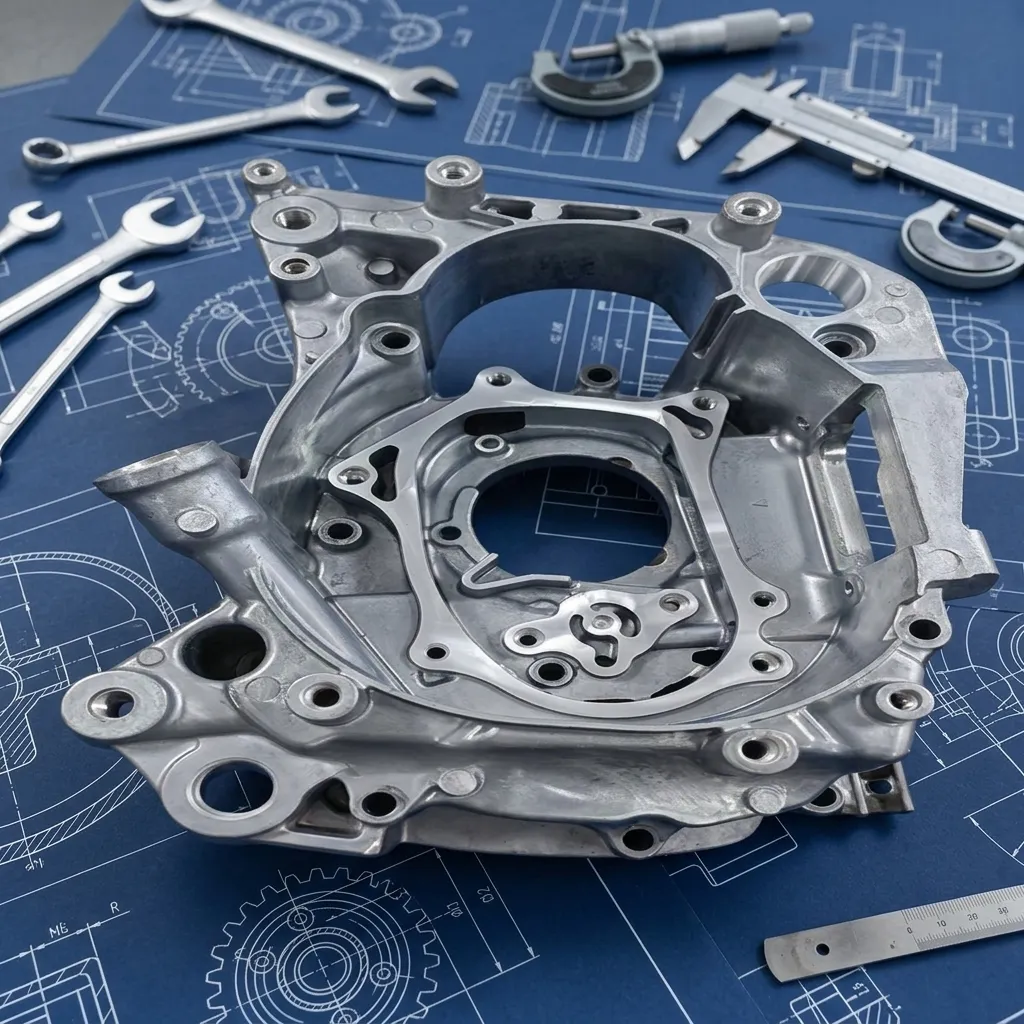
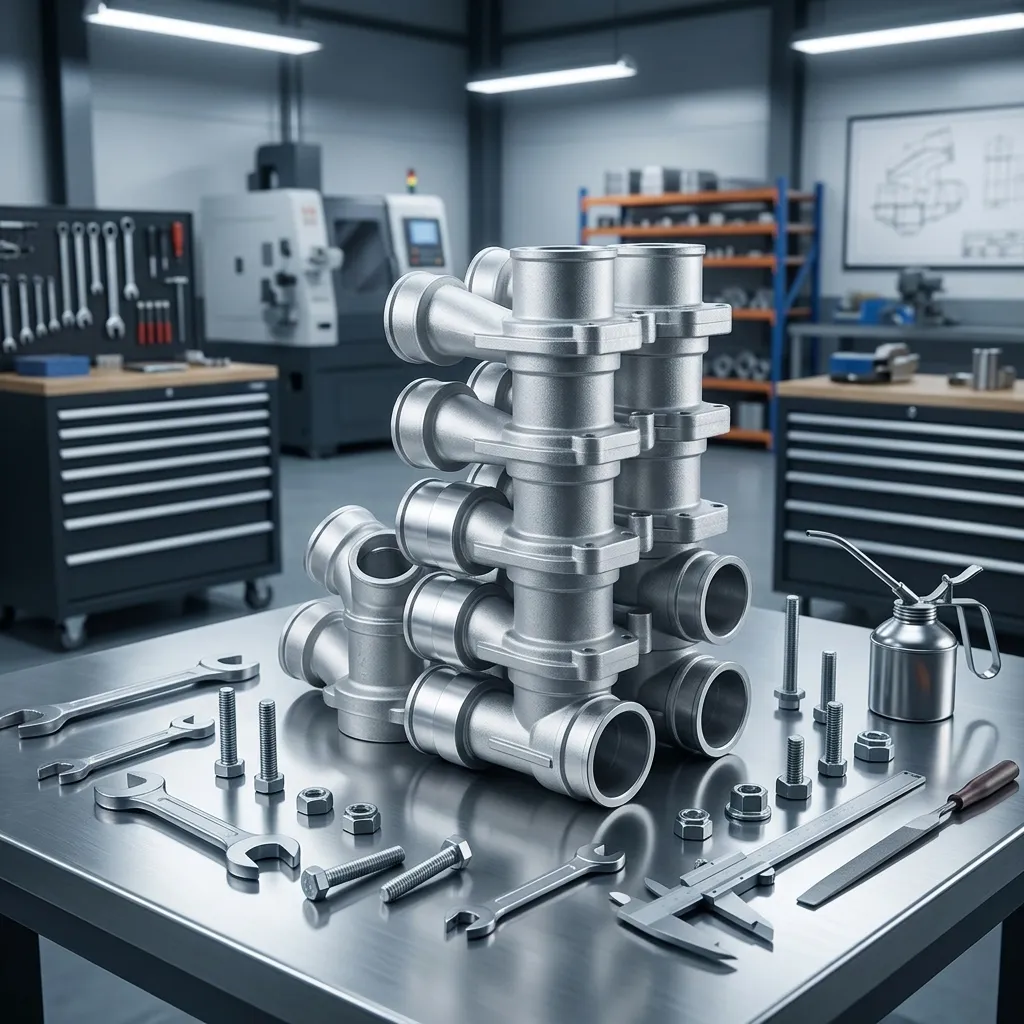
Custom Industrial Aluminum Sand Gravity Casting with Separate Zinc Copper Steel Fabrication and Drawing Based Thickness
Direct factory support
Get a quote that fits your project
Send your drawing or product reference, material grade and required quantity. Relia will review the requirements with you.
- Drawing & specification review
Confirm the supply scope and critical requirements.
- Samples before custom production
Review inspected samples before approving a batch.
- Inspection documents
Agree material and dimensional records for your part.
-
Product nameAluminum Sand and Gravity Casting
-
ThicknesscustomizedMaterialsZinc, aluminum, copper, steel, powder coating, etc.
-
Surface treatmentElectric plating,powder coated,sand blasting,lacquerProcessPunching, stamping, bending, riveting, etc.
-
TestingTestingOEM/ODMAccept
-
ColorCustom AcceptedDrawing format2D/3D/CAD/DWG//STEP/PDF/IGS
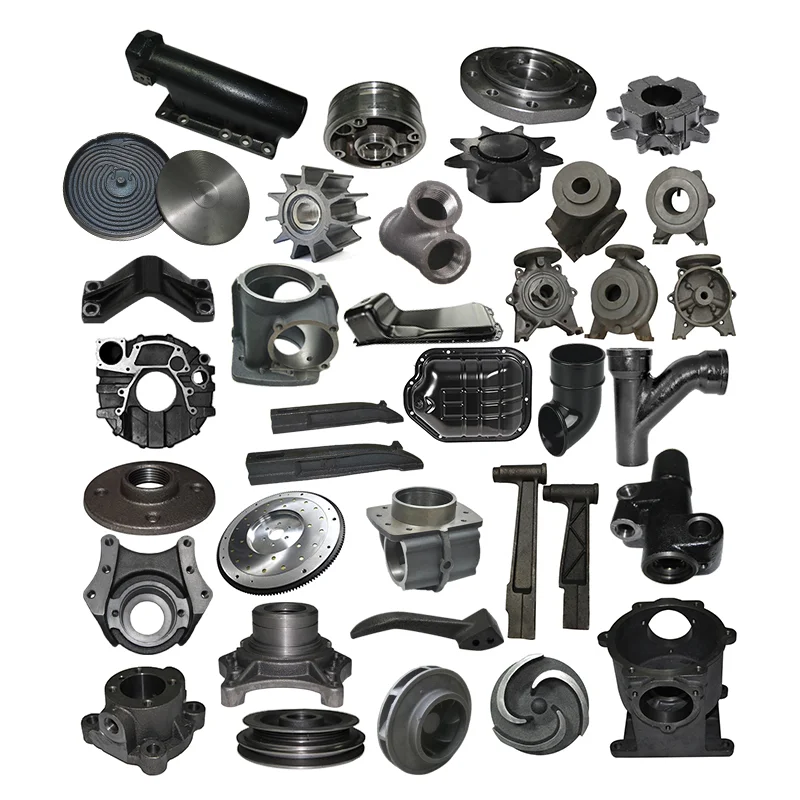
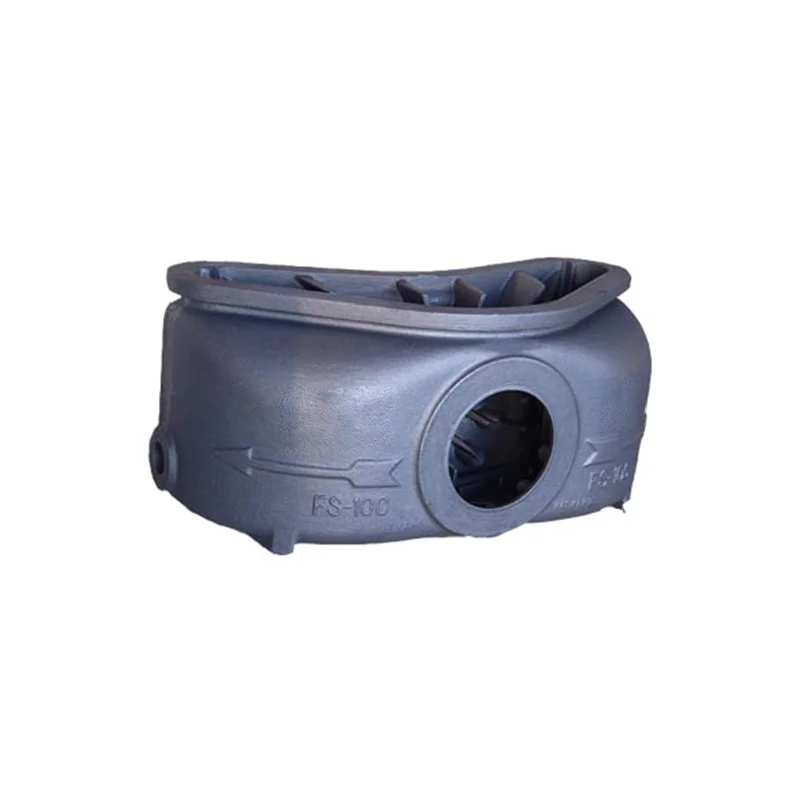
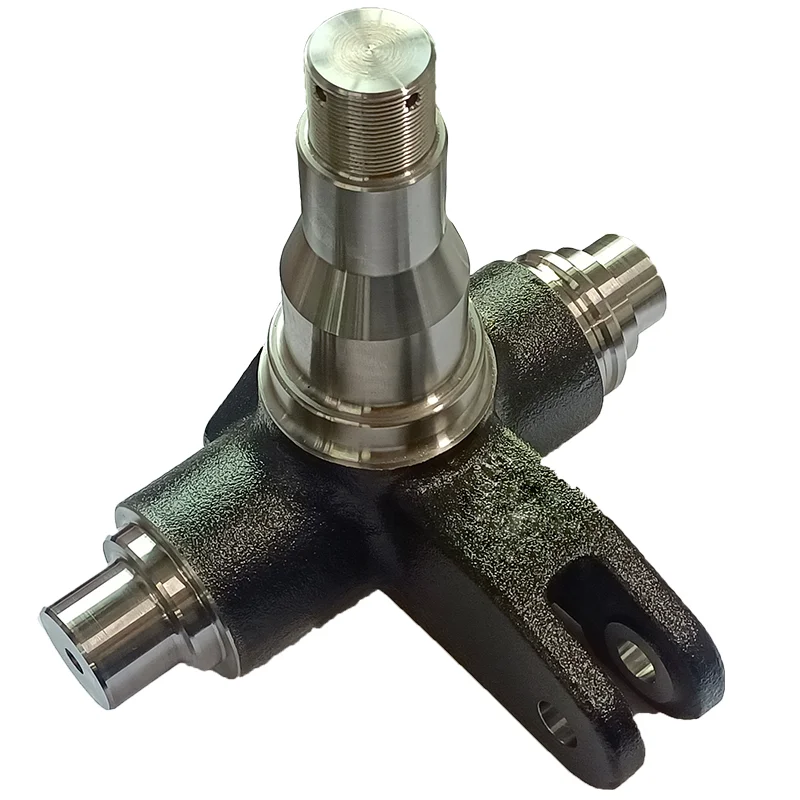
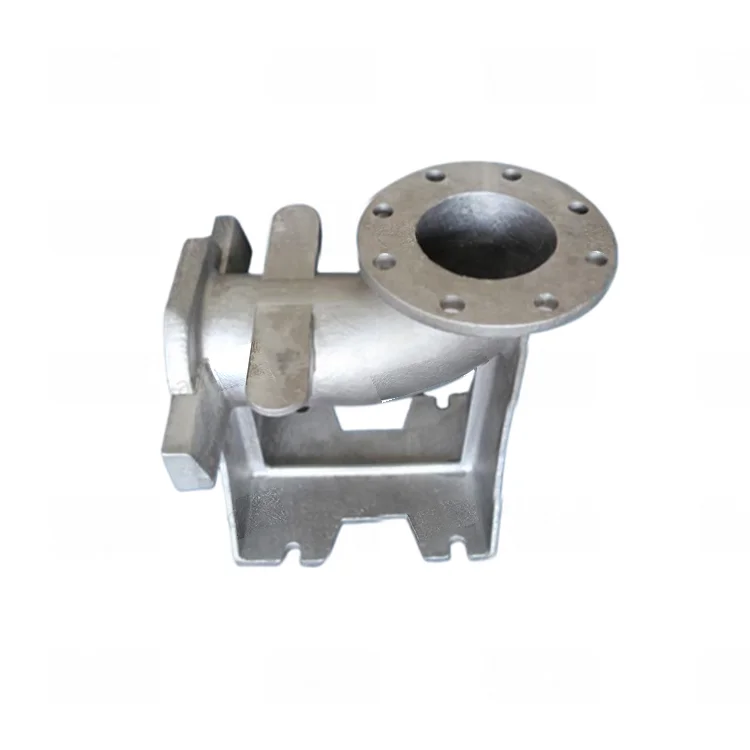
Custom industrial aluminum-component enquiries cover sand or gravity casting with drawing-defined thickness. Zinc, copper and steel parts are separate material options. Select the complete grade, geometry and actual manufacturing route for OEM/ODM work before defining the supplied component.
Separate fabrication from casting requests
Punching, stamping, bending and riveting are additional enquiries for suitable fabricated parts. Assign the required operations to the chosen material and geometry rather than treating them as a fixed casting sequence. Mark formed, joined or cast areas so the quotation describes the actual work.
Locate thickness and acceptance dimensions
Show sections or walls requiring a particular thickness and the datums controlling fitted interfaces. Define dimensional limits and the supplied stage used for assessment. Design information can include 2D or 3D CAD, DWG, STEP, PDF or IGS, with revision and geometry kept consistent.
Select the finish and custom color
Electroplating, powder coating, sand blasting and lacquer are named treatments. Define the method, coverage and appearance required for the selected substrate. Mark masking or contact-surface requirements where finishing interacts with fit or installation.
Set the actual testing brief
Agree the checks, methods and acceptance limits required by the component’s material, geometry and final surface. Include quantity and the controlled revision with any sample-approval requirements. Keep the selected casting or fabricated deliverable tied to that supplied-state definition, giving the order a clear basis for material, dimensional and visual approval.