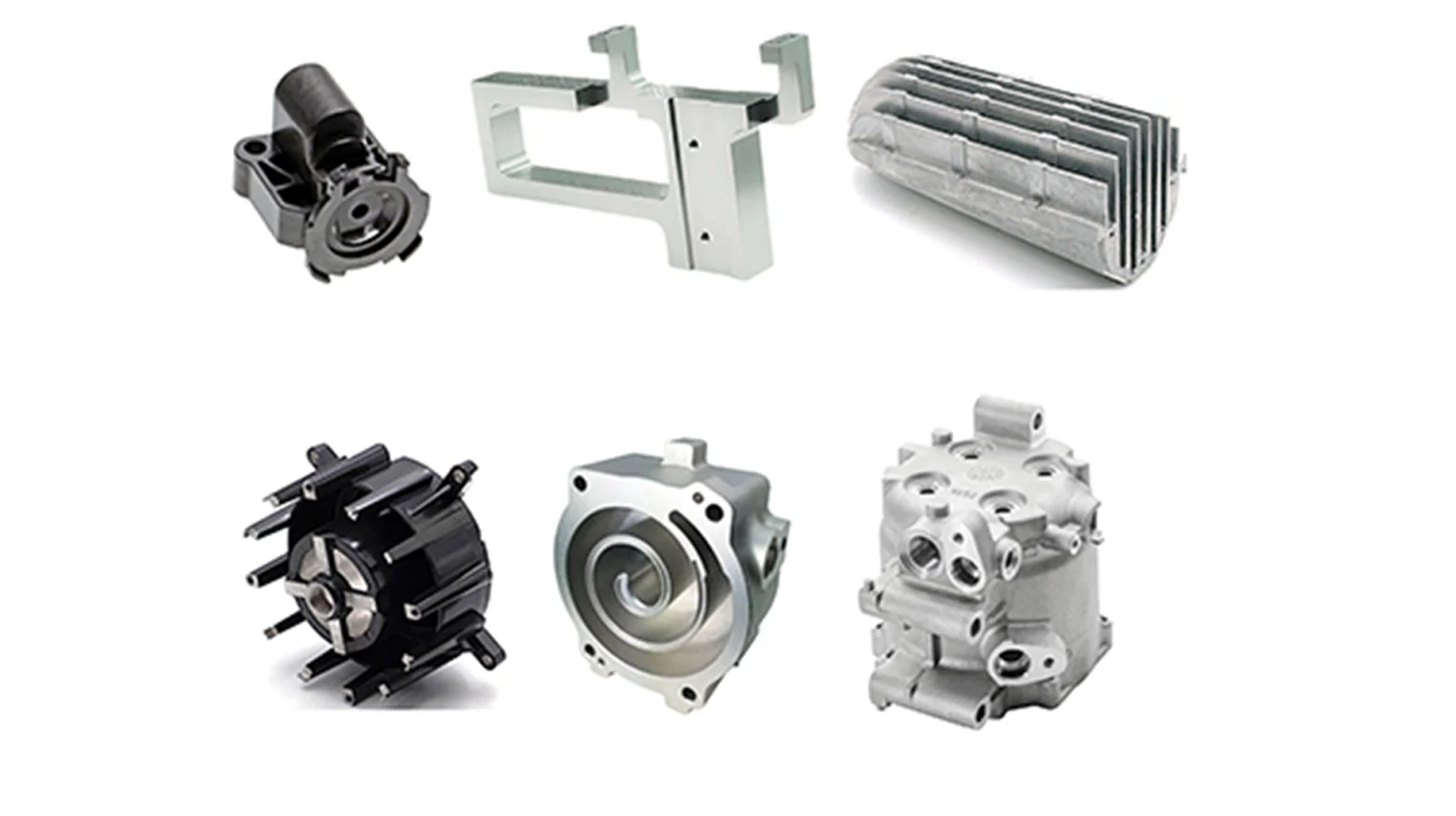
Custom Industrial Pump Sand Cast Aluminum Parts and Cast Iron Components with Separate Metal Alloy Enquiries
Direct factory support
Get a quote that fits your project
Send your drawing or product reference, material grade and required quantity. Relia will review the requirements with you.
- Drawing & specification review
Confirm the supply scope and critical requirements.
- Samples before custom production
Review inspected samples before approving a batch.
- Inspection documents
Agree material and dimensional records for your part.
-
Materialsaluminum/stainless steel/brass/Copper/metal
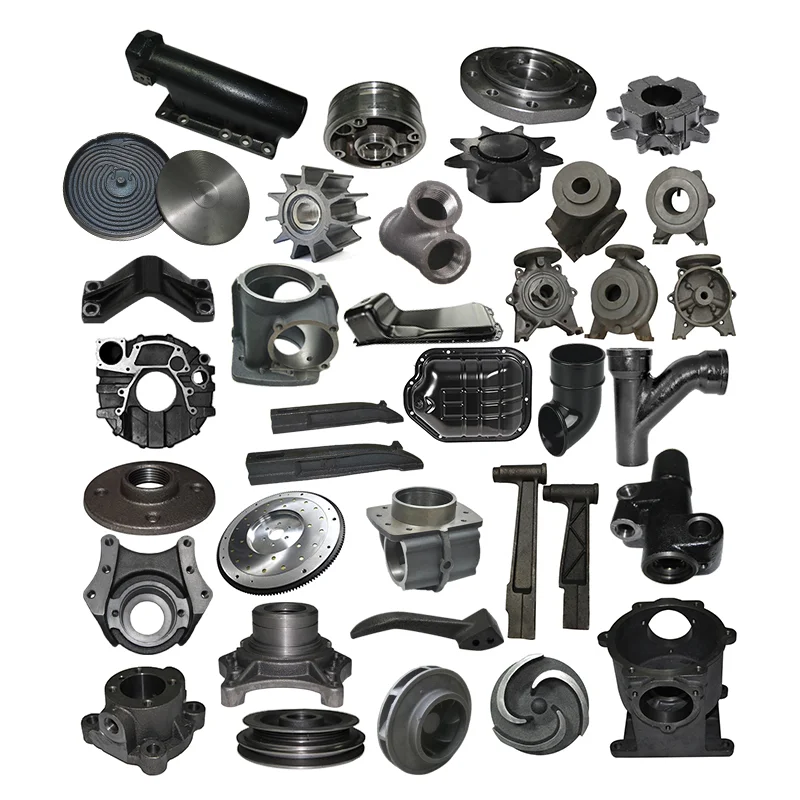
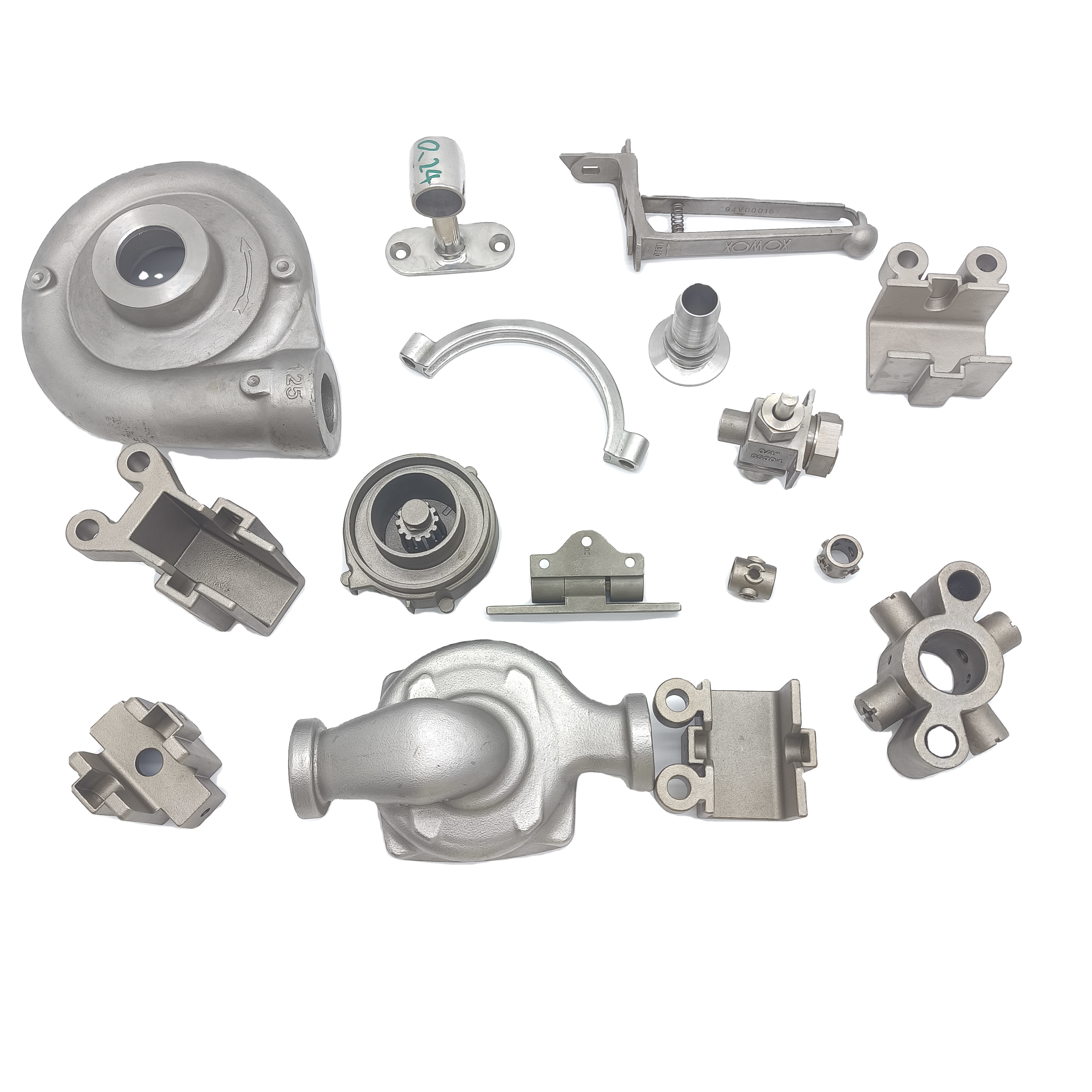
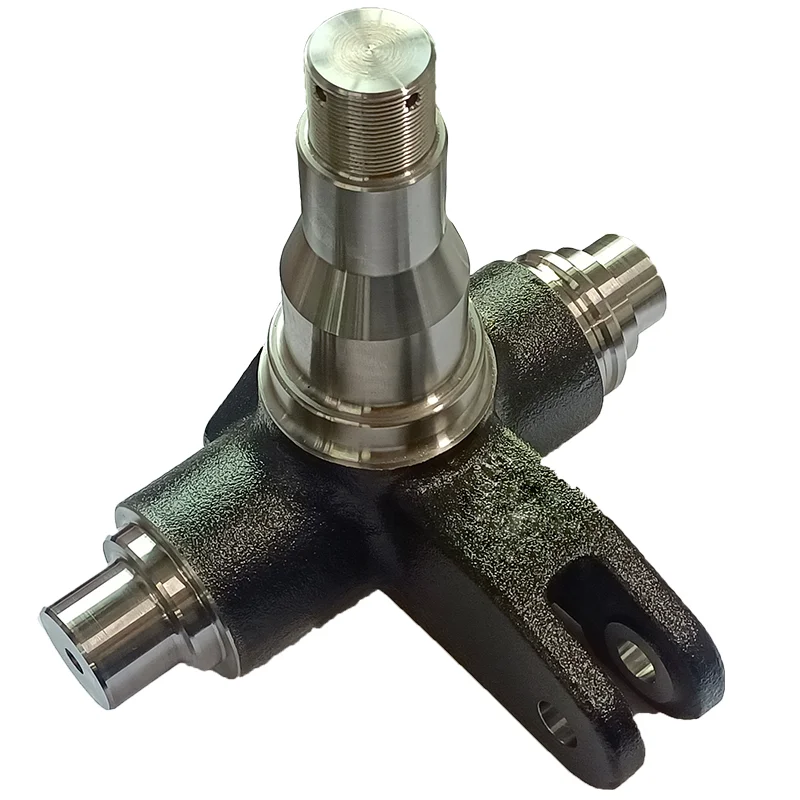
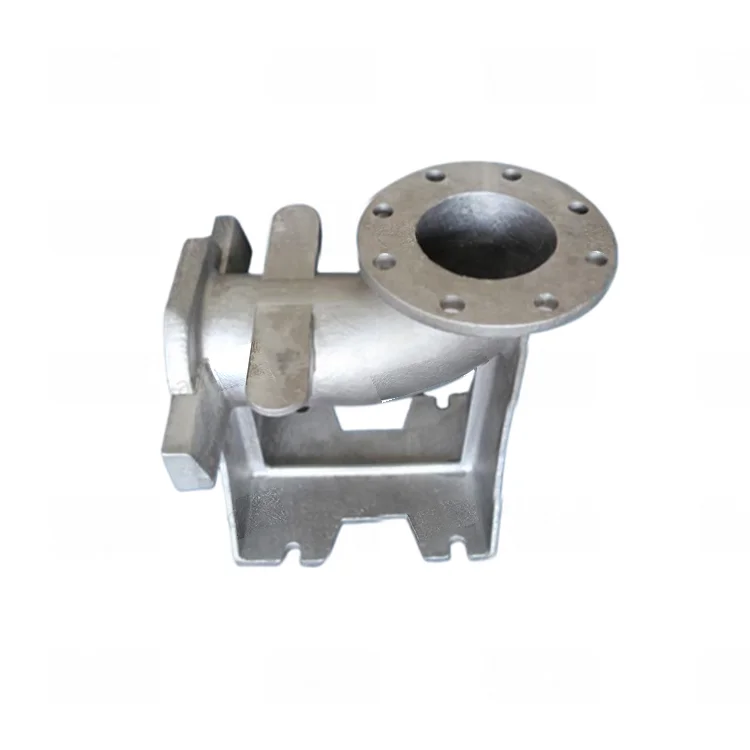
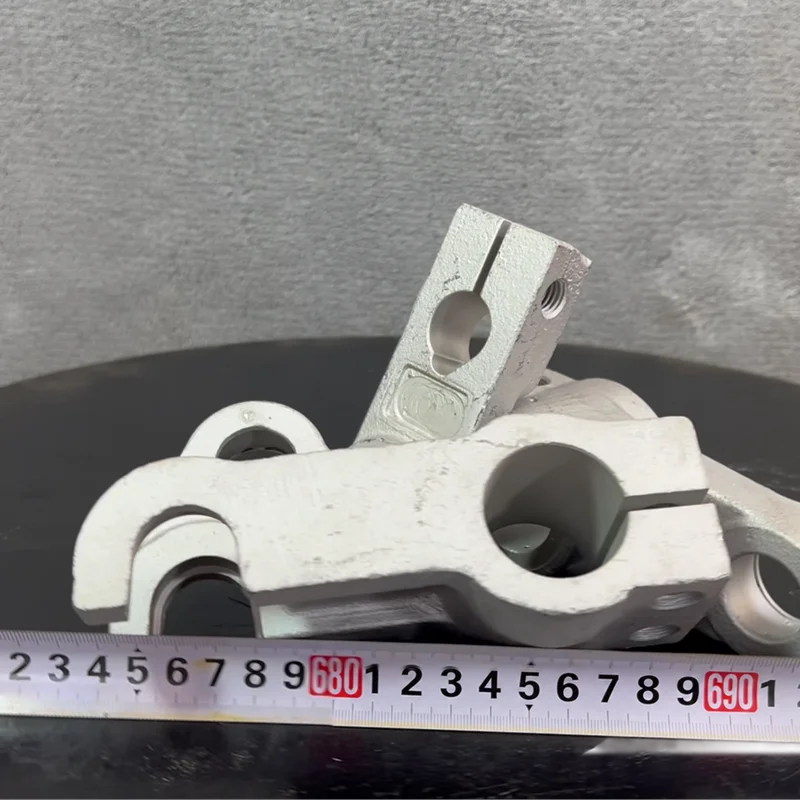
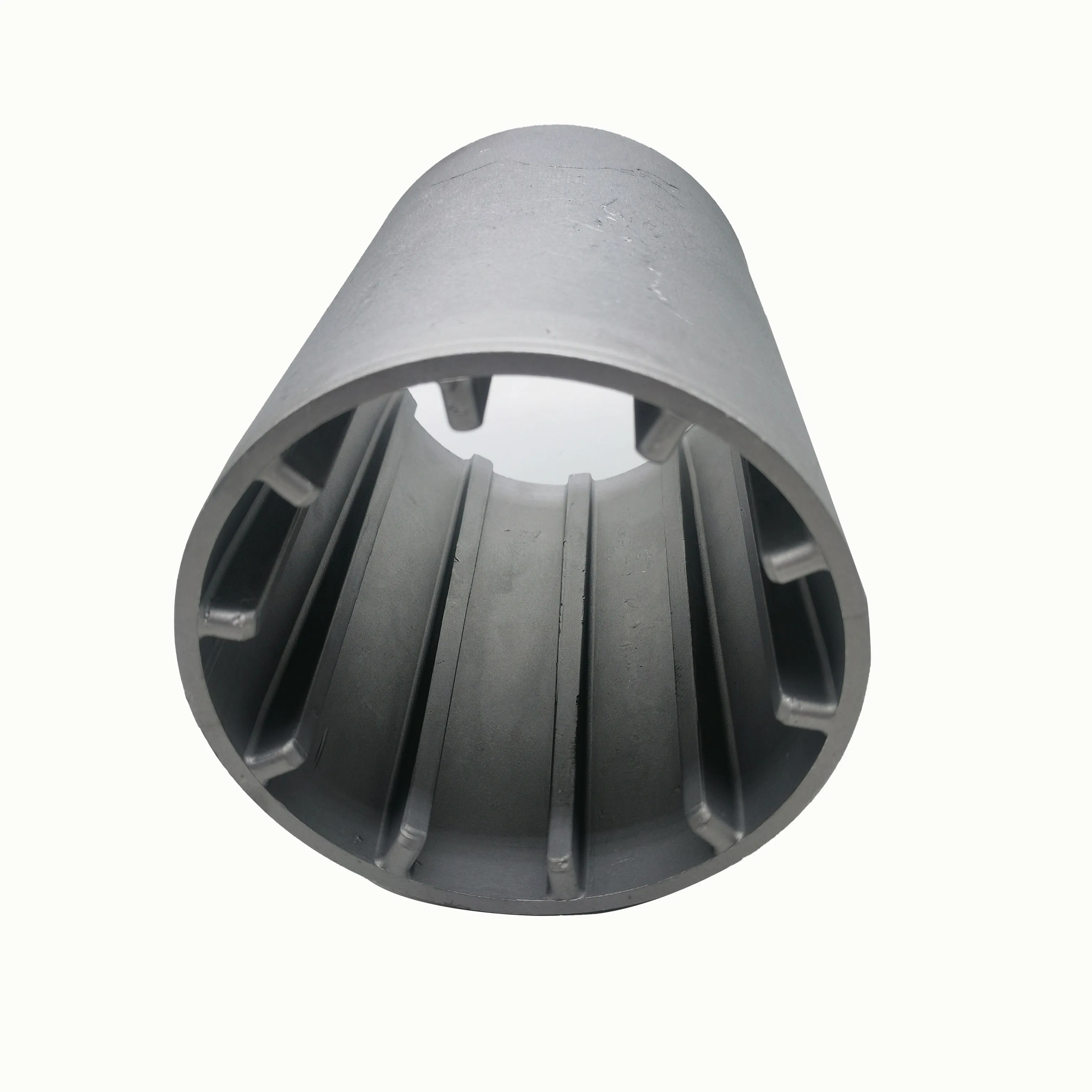
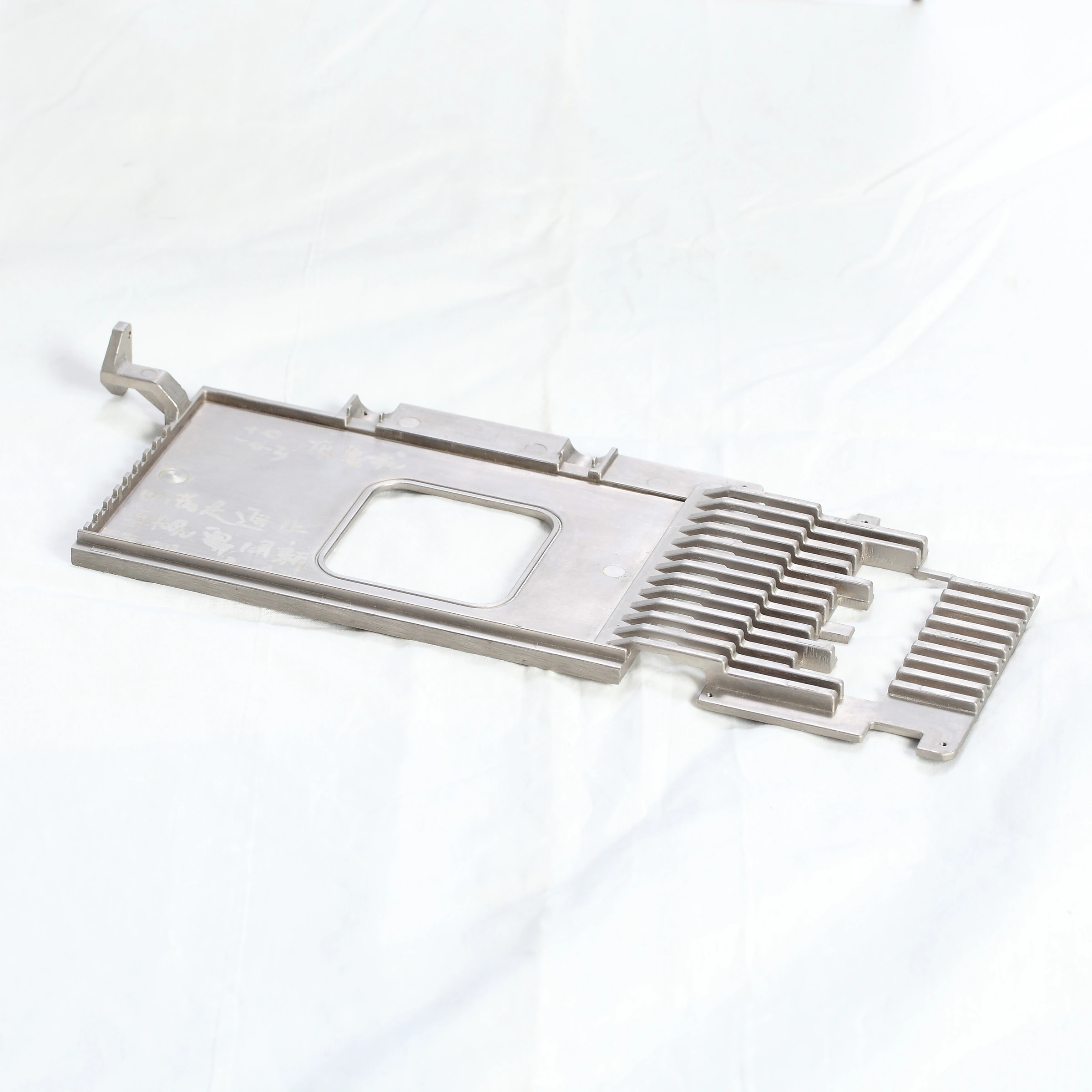
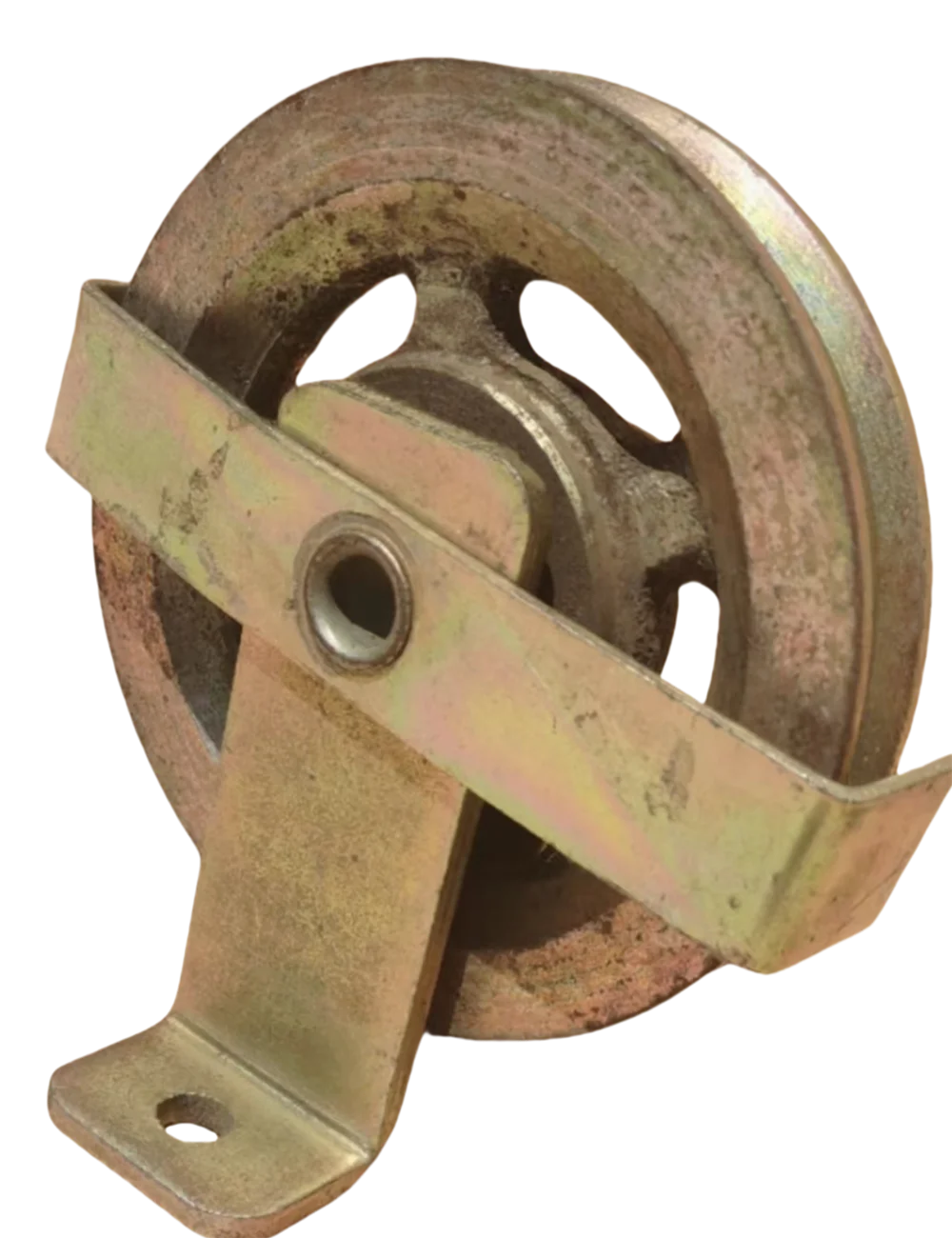
Custom industrial-pump casting enquiries include aluminum and cast-iron components, with separate stainless-steel, brass and copper requests. Select the complete material grade and the actual part drawing. Sand casting or another requested route should be matched to that material, geometry and required supplied condition.
Describe the fluid path and assembly
Provide sections that explain internal passages, wall form and changes in geometry. Show mounting faces, sealing locations and connections to adjacent pump components. These details help define what must be delivered and where the dimensional requirements affect assembly or the intended flow path.
- Identify the fluid and intended operating conditions.
- Mark locating datums and critical interfaces.
- Specify the required condition of wetted and sealing surfaces.
- State quantity and the controlled drawing revision.
Make the material request duty-specific
Connect the selected grade with the service environment and any material condition required by the design. Describe surface requirements for the areas contacting the fluid and neighboring components. Where additional processing is requested, identify the relevant interfaces and include that work in the quotation scope.
Define pump-component acceptance before ordering
Agree material, dimensional and surface records for the actual casting, together with any duty-specific checks required by the buyer. State the applicable method and acceptance criteria for such requested checks. A sample or reference part should be tied to the controlled drawing, with worn areas identified, so approval concerns the intended component rather than an ambiguous replacement shape.