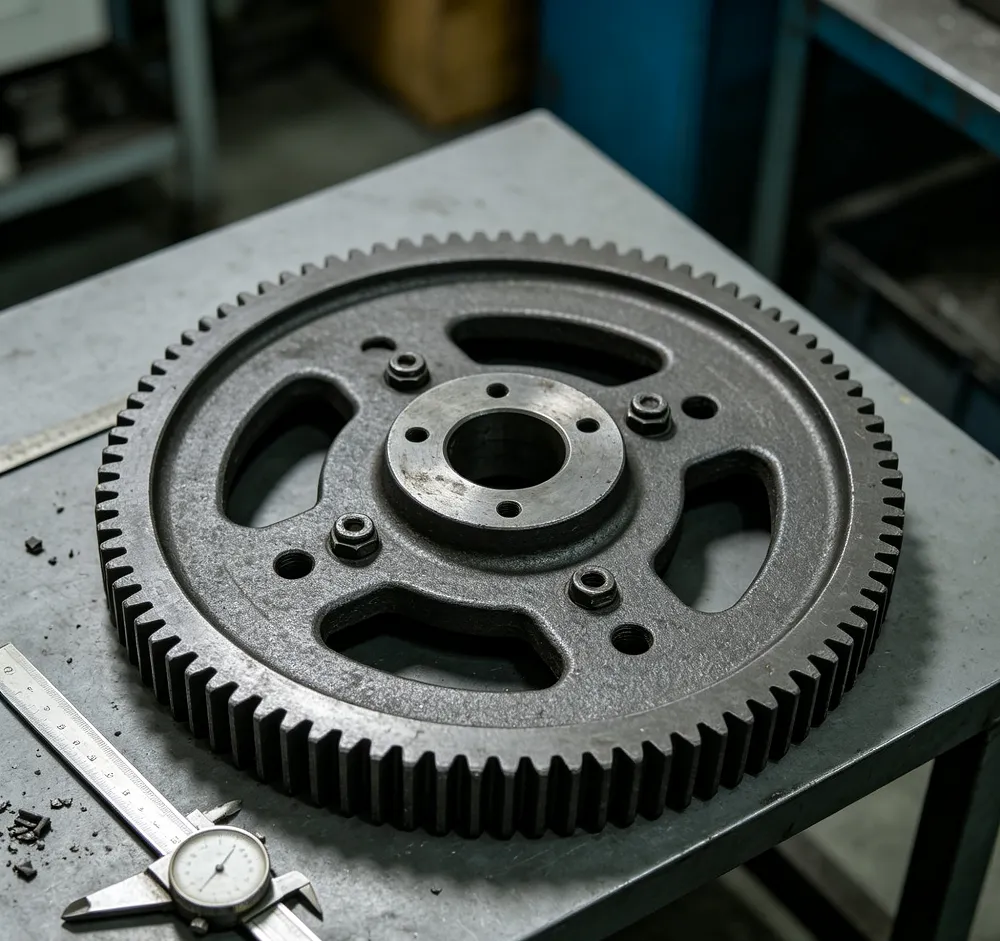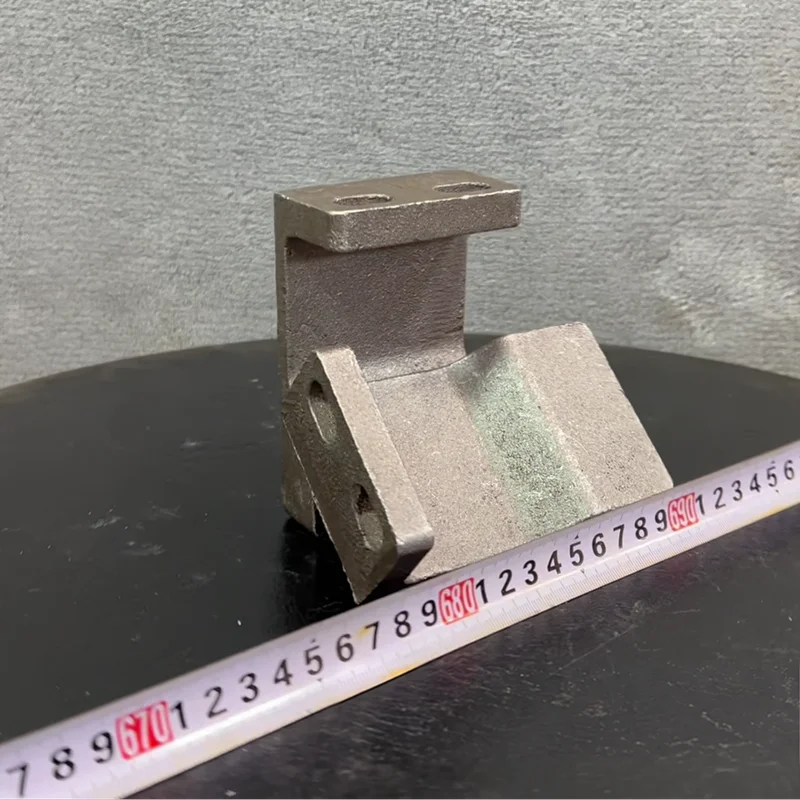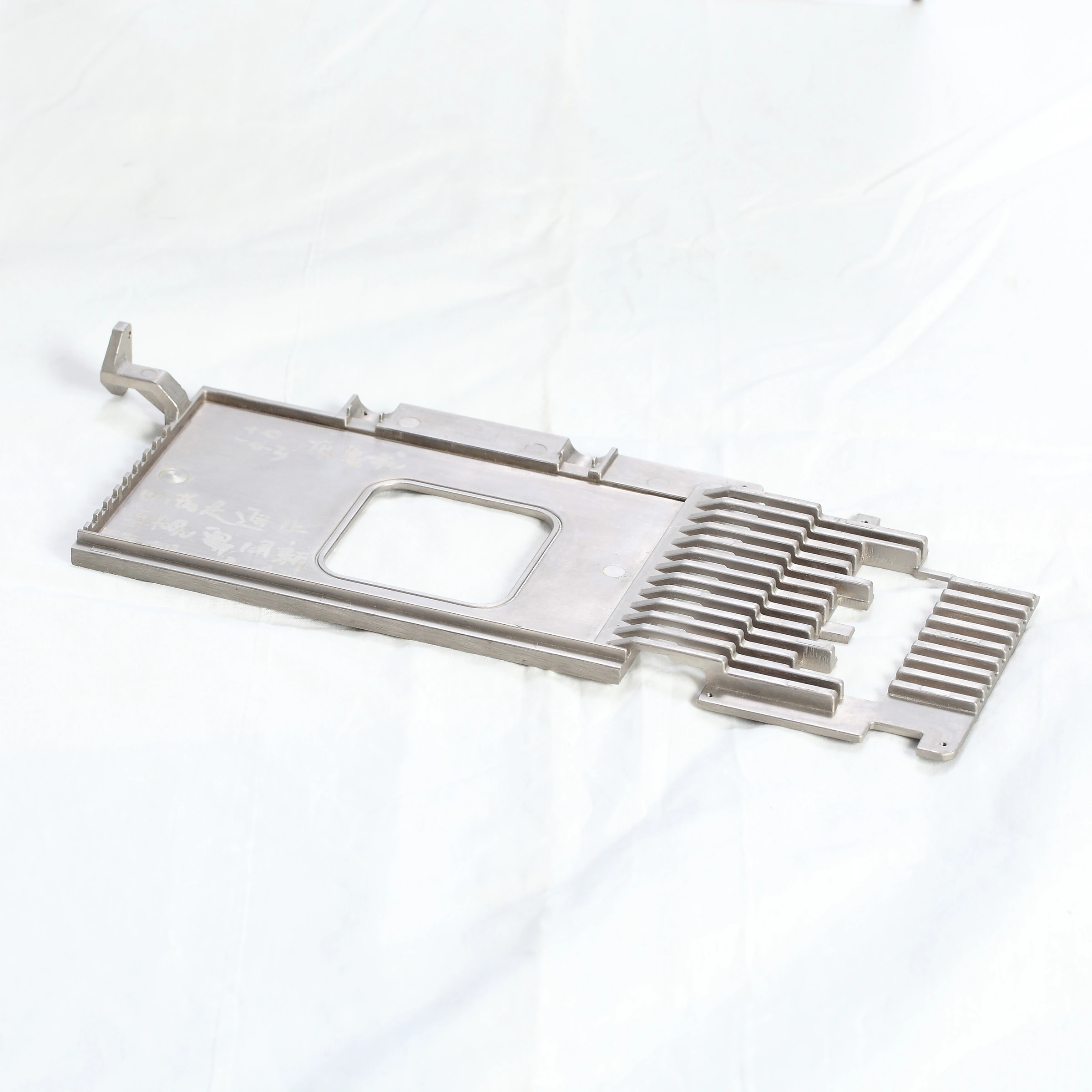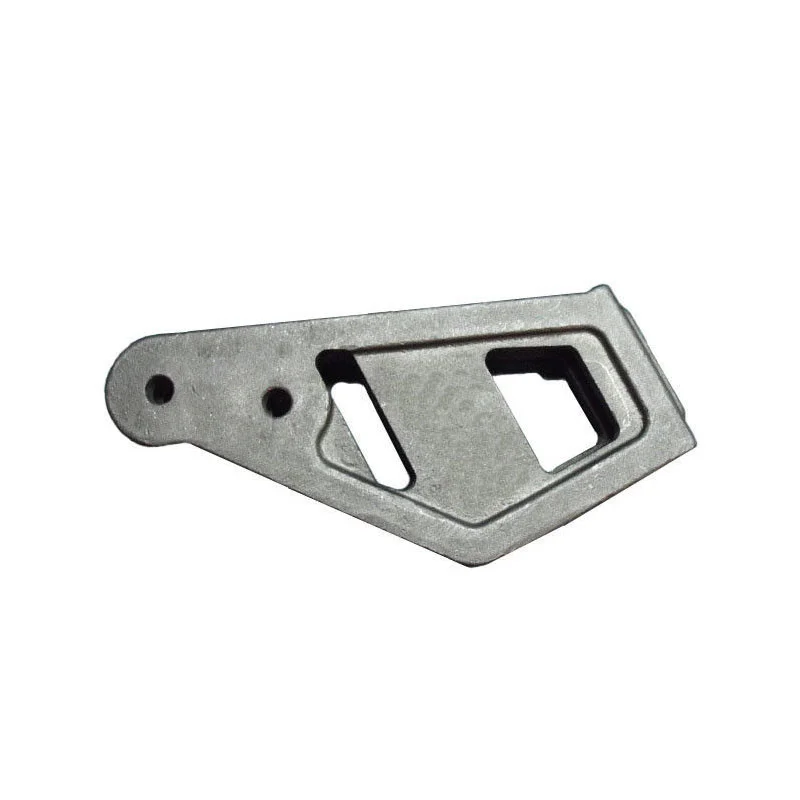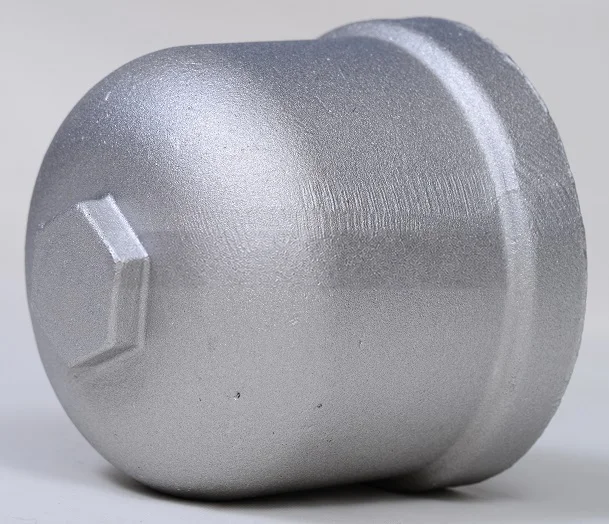
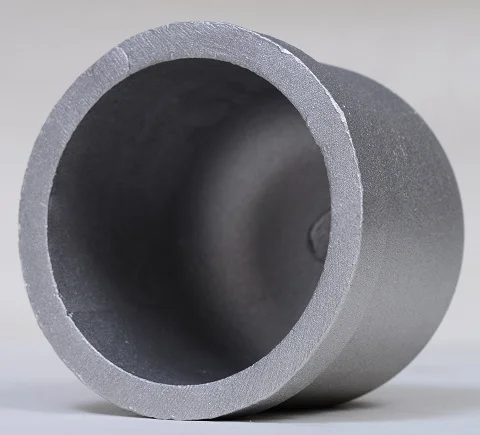
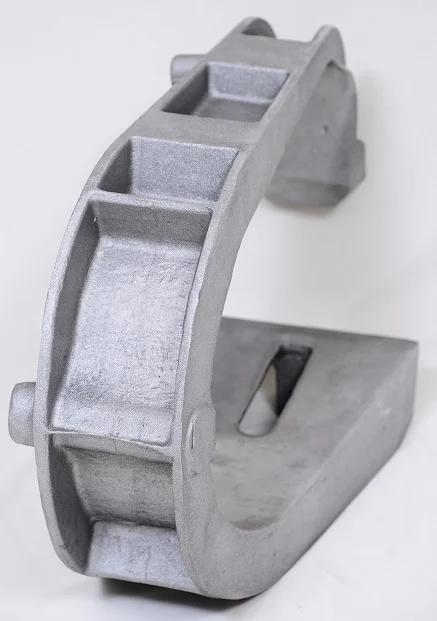
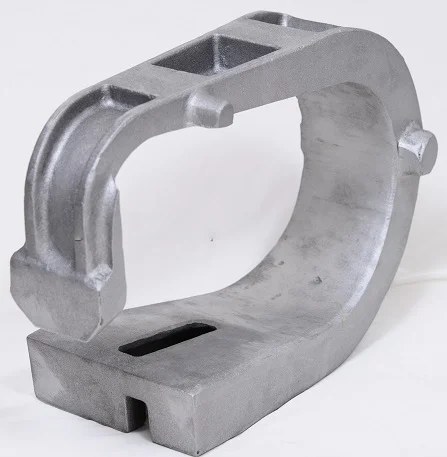
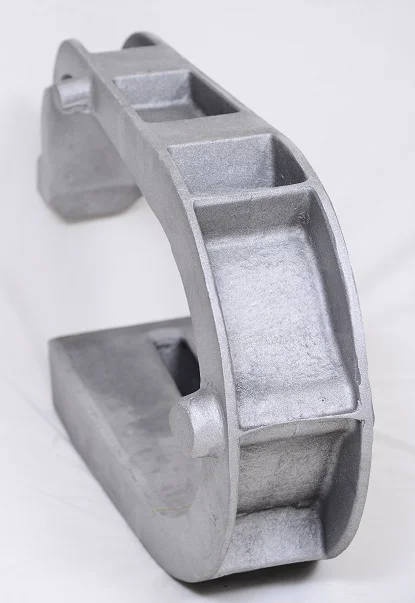
Custom LM-4 LM-6 Aluminum Sand Casting Components for Industrial Use with Drawing Defined Alloy and Tooling Requirements
Direct factory support
Get a quote that fits your project
Send your drawing or product reference, material grade and required quantity. Relia will review the requirements with you.
- Drawing & specification review
Confirm the supply scope and critical requirements.
- Samples before custom production
Review inspected samples before approving a batch.
- Inspection documents
Agree material and dimensional records for your part.
-
MaterialAluminum
-
Mould materialLM - 4, LM - 6, LM - 24 or other Aluminum AlloysDimensionsDrawing
-
ApplicationIndustry
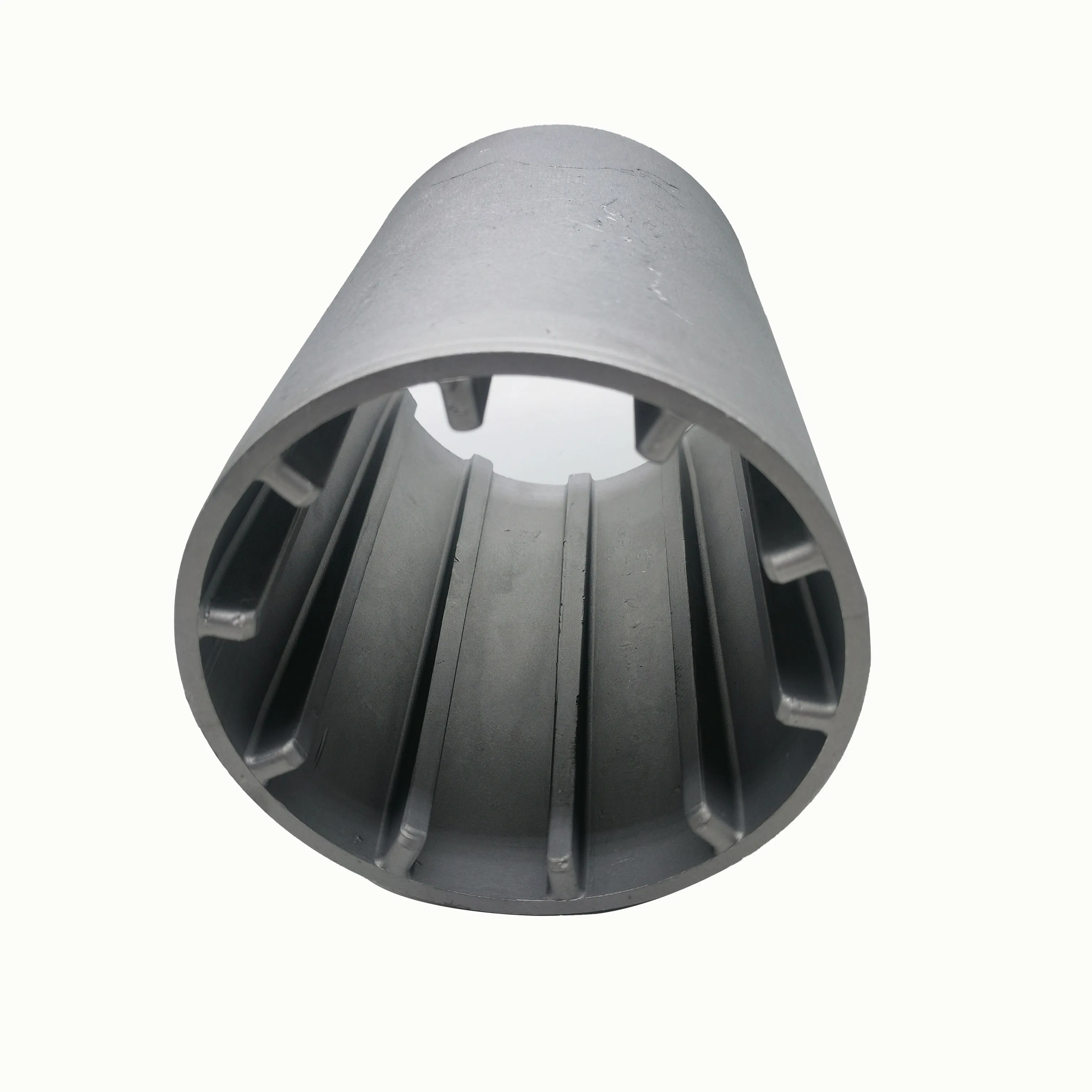
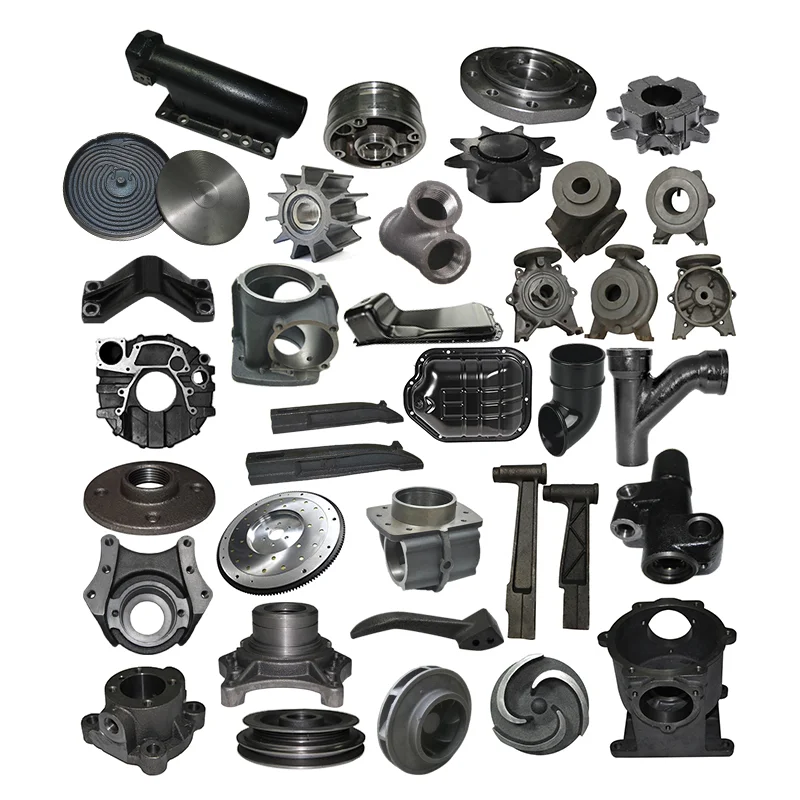
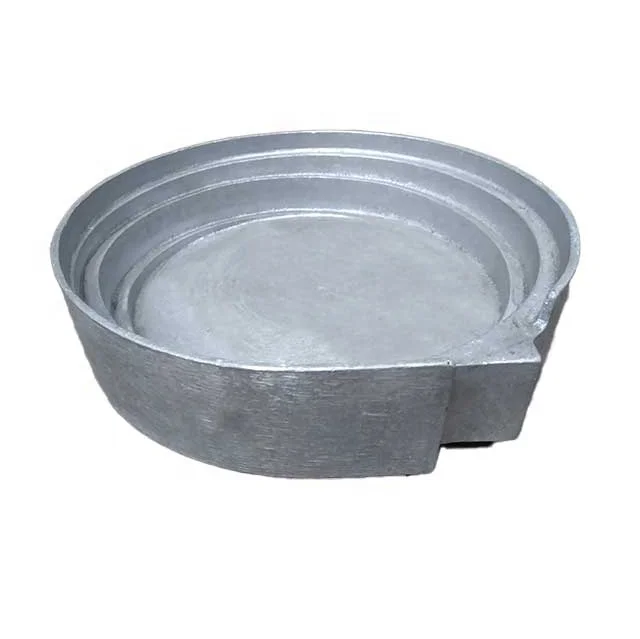
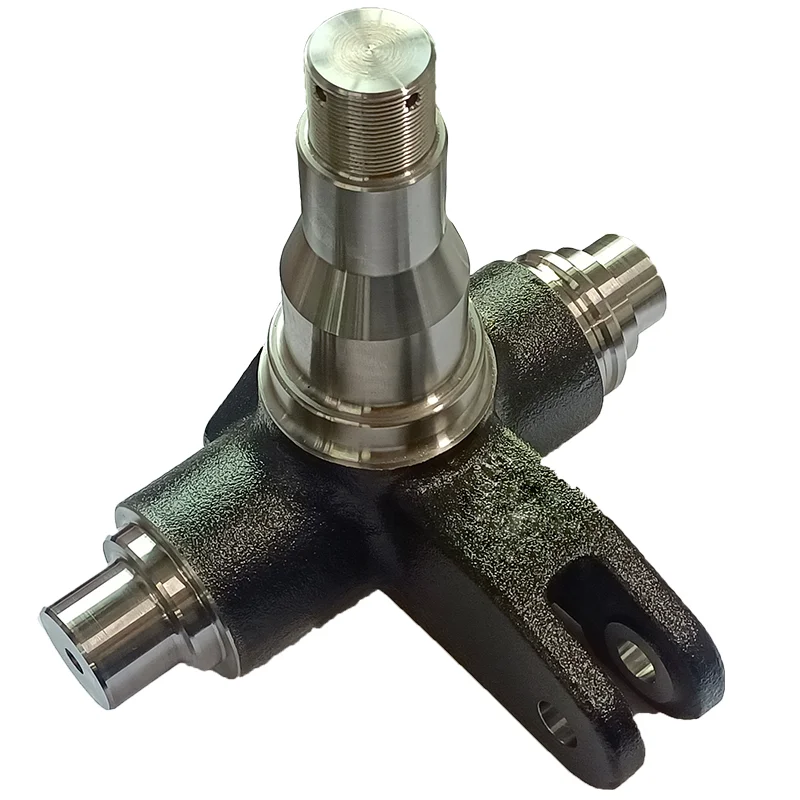
Industrial aluminum sand-casting enquiries start with the component drawing and its required supplied condition. The selected material, functional geometry and acceptance brief should describe the actual part. Include the tooling requirements needed for that casting project as a distinct part of the enquiry.
Identify which alloy reference belongs to which item
Named references include LM-4, LM-6 and LM-24, alongside other aluminum-alloy requests. Specify the complete grade, governing standard and required condition. Identify whether each reference applies to the ordered casting or the tooling requirement so the proposal has an explicit material definition.
Show the industrial component’s controlled geometry
Provide the overall form and the interfaces connecting it to the intended equipment. Mark datums, dimensional limits and any relationships that must be assessed together. Explain the operating conditions relevant to material choice and the final state in which the component will be used.
Define the delivered surface and further work
Distinguish areas accepted as cast from interfaces needing a particular finished condition. State the surface requirements relevant to fit, function or appearance. Include any additional work required by the drawing in the requested supply scope for quotation.
Agree the approval evidence for the selected part
Provide quantity and the controlling revision. Identify the material, dimensional and surface checks needed for acceptance, together with the purpose of any sample. Keep the agreed casting definition and associated tooling requirements identifiable through approval of the industrial component.