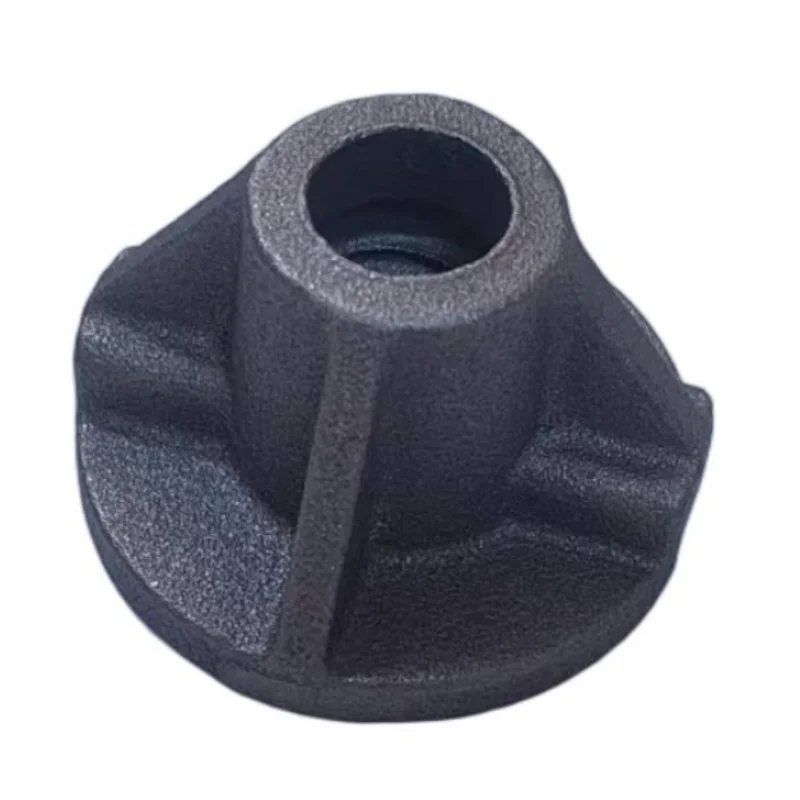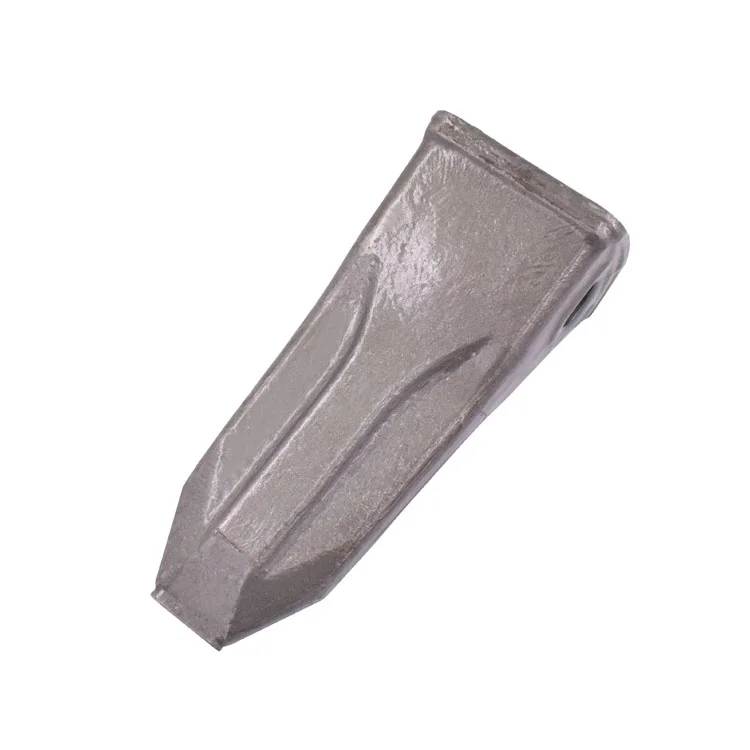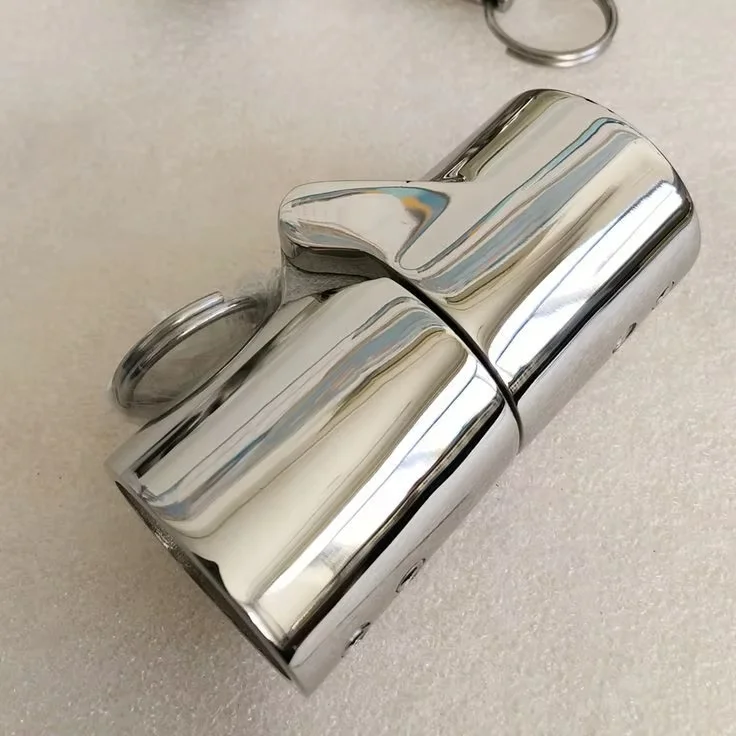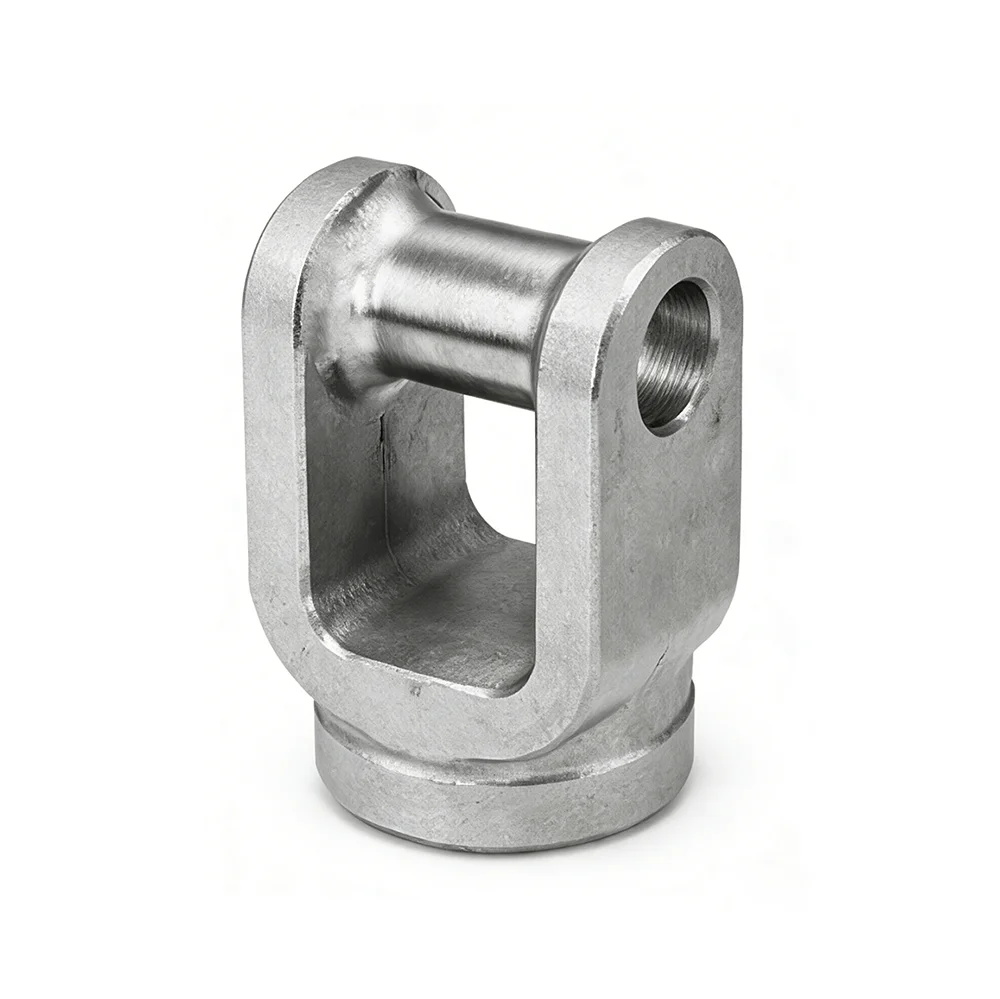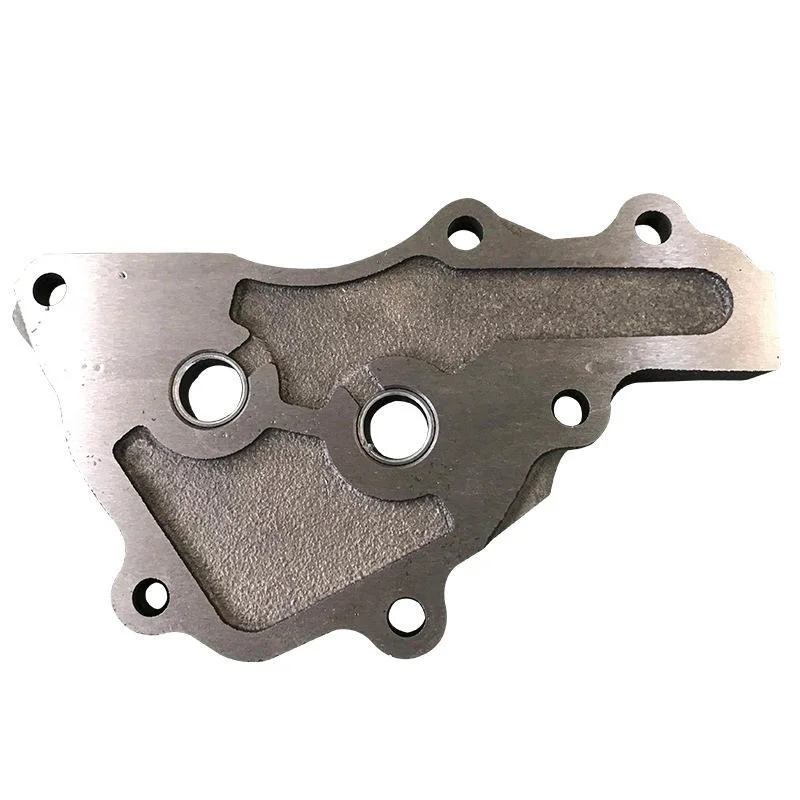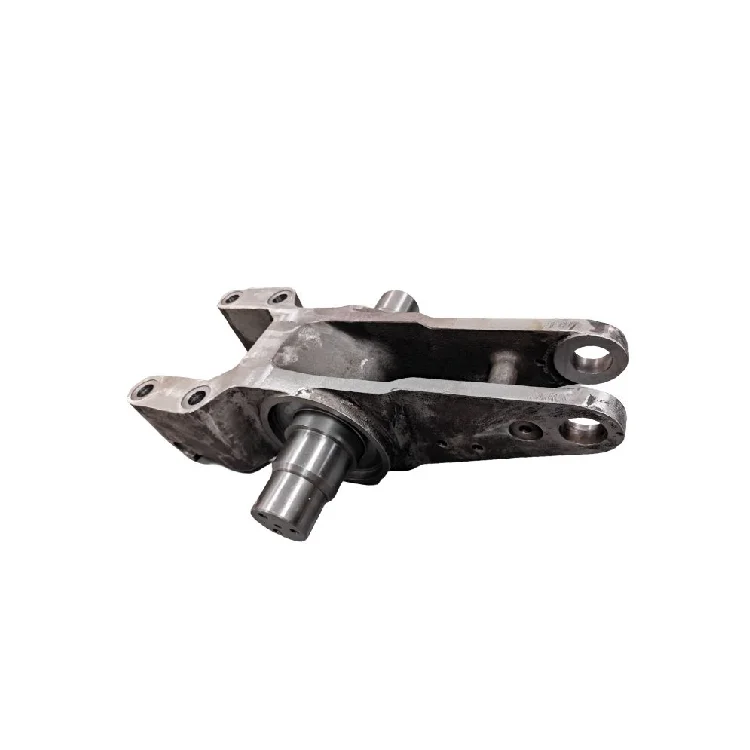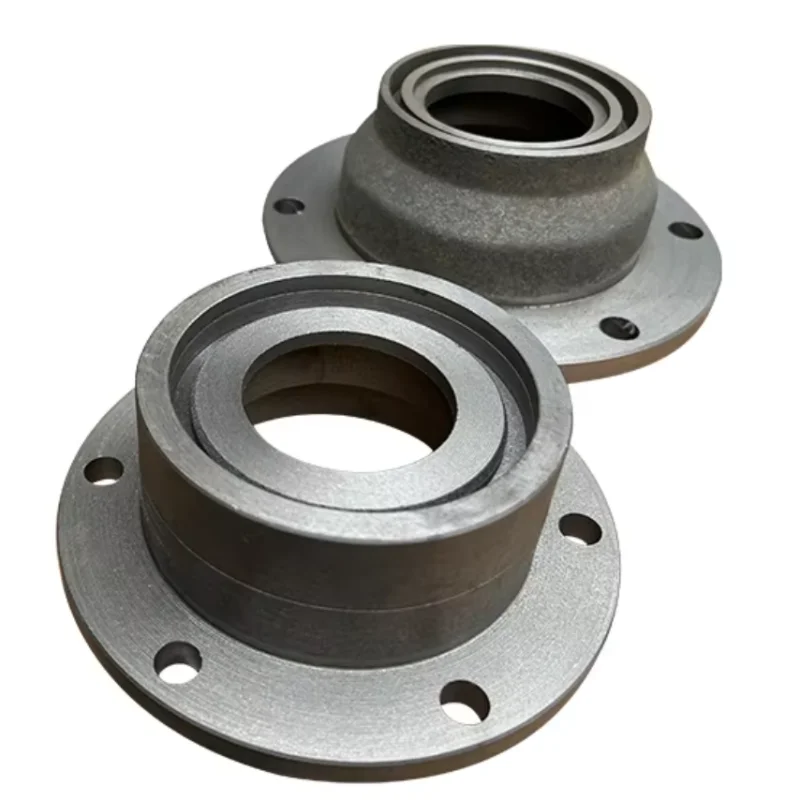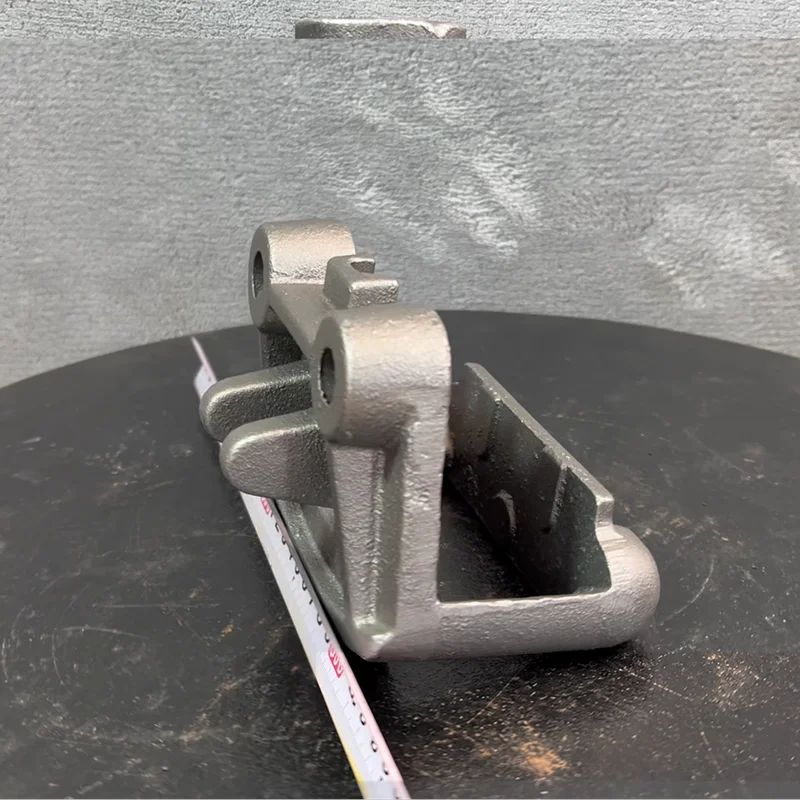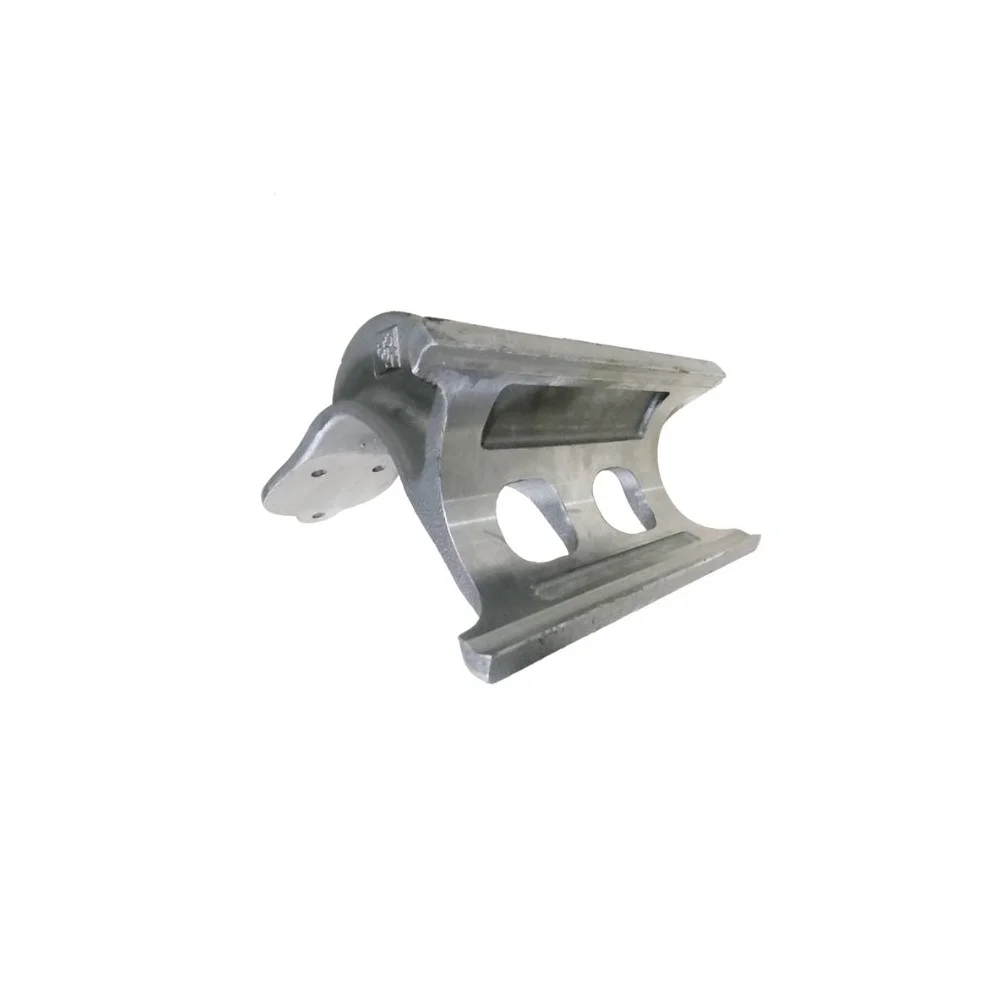
Custom OEM Iron Sand Casting Components for Agricultural Machinery from Component Drawings
Direct factory support
Get a quote that fits your project
Send your drawing or product reference, material grade and required quantity. Relia will review the requirements with you.
- Drawing & specification review
Confirm the supply scope and critical requirements.
- Samples before custom production
Review inspected samples before approving a batch.
- Inspection documents
Agree material and dimensional records for your part.
Custom OEM iron sand-casting enquiries are directed to agricultural-machinery components. A useful enquiry identifies the actual part, the required iron family and grade, and the drawing that will control the order. The machinery application provides context for the material and geometry requirements that need to be agreed.
Describe the component within the machine
Show where the part mounts and which adjoining components determine its fit. Identify the mating geometry and any movement or access that must remain available after assembly. A drawing or section view can explain these relationships more clearly than an overall part name alone.
- Provide the controlled drawing revision and required quantity.
- Specify the complete iron grade and applicable material standard.
- Mark mounting points, contact surfaces and measurement datums.
- State the required supplied condition of the component.
- Identify material, dimensional and surface acceptance criteria.
Make the delivered condition part of the request
Distinguish areas that may be accepted as cast from interfaces where additional work is requested in the quotation. Define the required final geometry and surface condition for those areas. This gives the enquiry a clear boundary between the casting request and any further work needed for assembly.
Agree how the component will be approved
Identify the inspection records required for acceptance and any sample approval step in the procurement plan. If an existing part is used as a reference, note which dimensions must be reproduced and whether visible wear is present. The same drawing revision and material requirement should then guide approval of the ordered agricultural component.